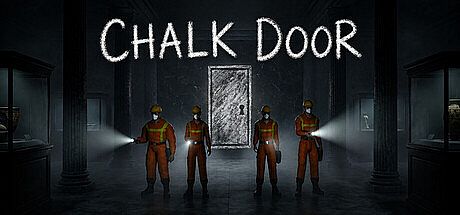


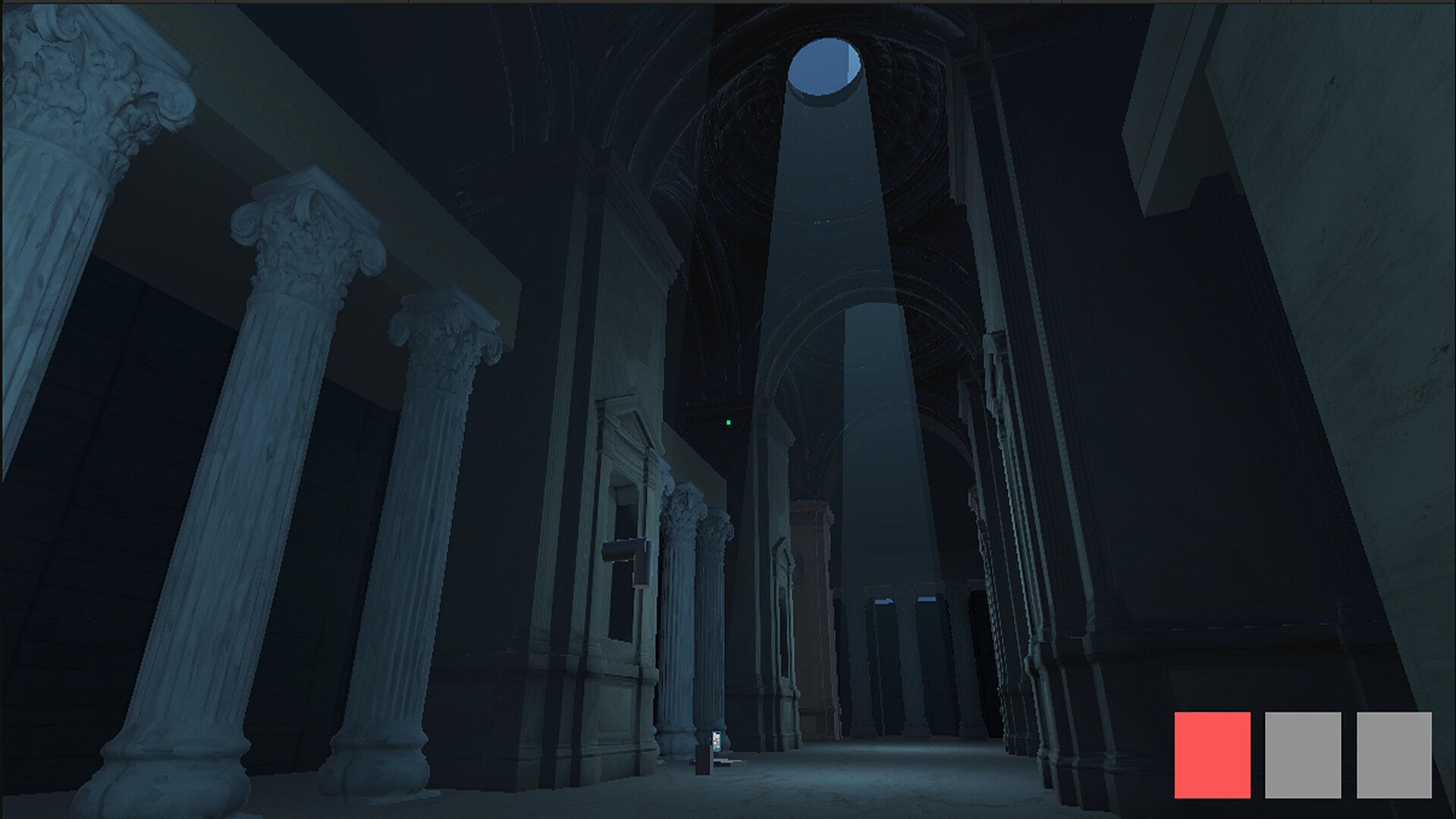
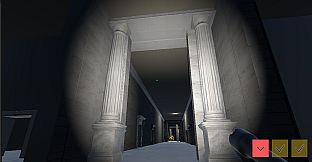
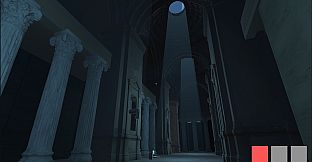
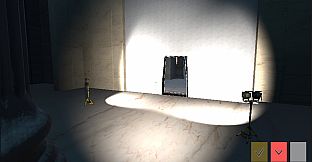
Chalk Door is a 4-player co-op psychological survival horror game set in a quarantined, half-renovated museum during the late 1990s. Players take on the roles of an emergency cleanup crew sent into the shuttered exhibition halls at night to recover research dossiers, photograph strange entities, and complete a quota before time runs out or the facility's growing instability overtakes the team. The title blends action and adventure elements with tense co-op survival mechanics on PC, where every decision about movement, defense, and resource management carries weight in a shifting environment.
Gameplay
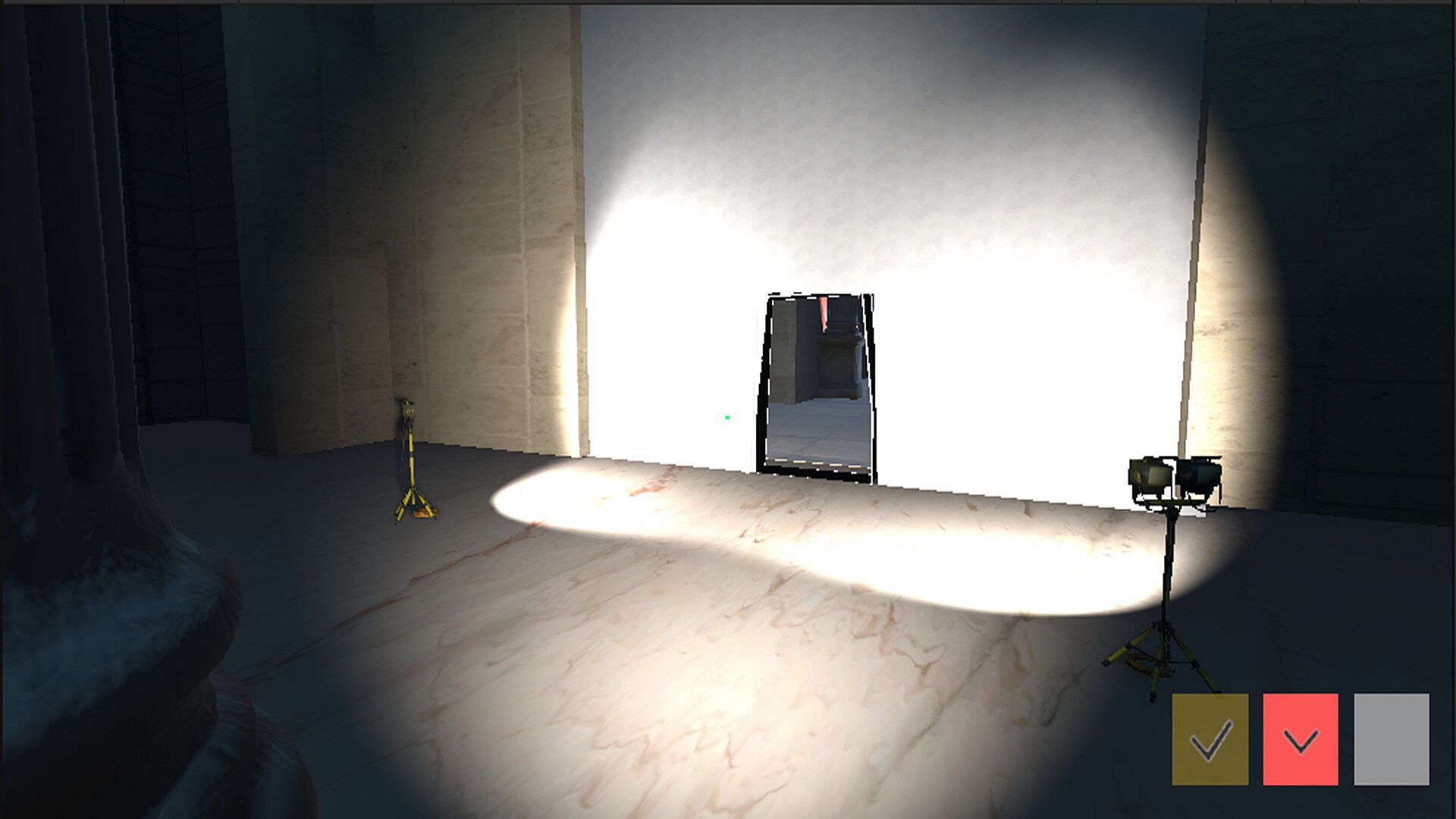
The core loop centers on navigating sealed museum spaces by drawing pathways with white chalk directly onto walls to create new routes through changing underground areas. This system turns static partitions into dynamic connections, allowing teams to adapt routes on the fly as the layout shifts. When threats close in, red chalk lines on the floor create temporary barriers that hold back advancing entities and provide brief windows for repositioning or retreat.
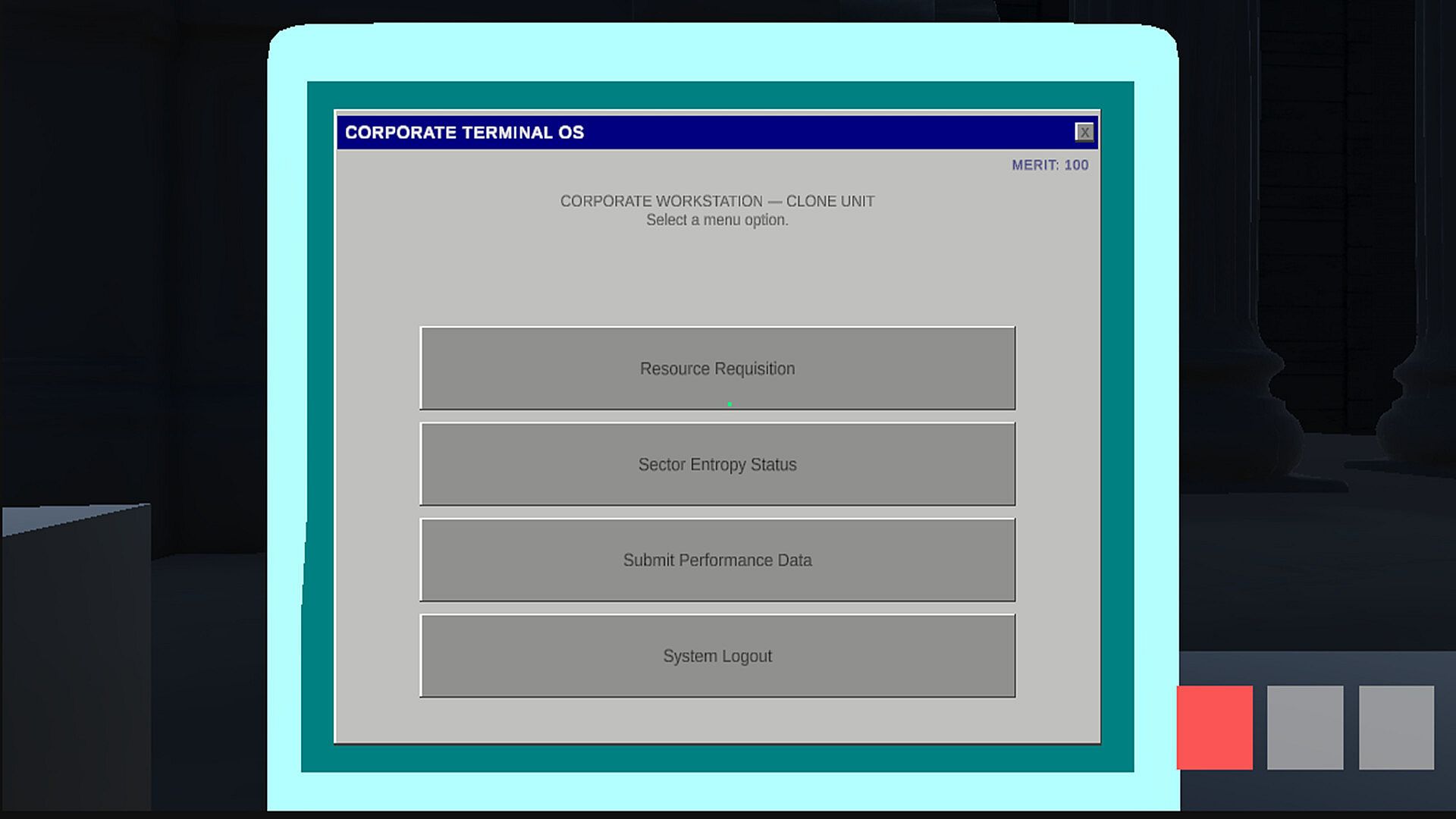
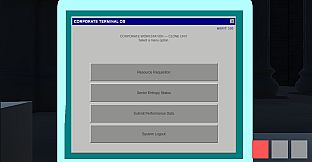
Documentation plays a key role through analog cameras used to capture images of anomalous beings and critical incidents. Limited film supplies require careful use, since each flash risks drawing additional attention from nearby dangers. Teams must also haul stacks of scattered dossiers back to a central retro terminal in the lobby. Larger hauls increase carry weight and slow movement speed, forcing players to weigh the value of extra documents against the need for mobility during escapes.
Facility entropy rises steadily based on elapsed time, the number of chalk portals created, and active barriers deployed. This escalation leads to more intense manifestations that can overwhelm unprepared groups. The objective remains straightforward yet demanding: gather enough materials to meet the quota and extract safely before conditions become lethal.
Game Modes
Chalk Door supports online co-op for up to four players working together as the cleanup crew. The experience emphasizes coordinated teamwork in a single shared session where roles emerge naturally around chalk drawing, photography, document transport, and perimeter defense. Single-player options allow solo attempts at the same objectives, though the design centers on group coordination to manage multiple threats and tasks simultaneously.
No separate named modes appear in the available details. The primary structure revolves around quota completion within time limits inside the evolving museum setting, with success depending on efficient use of chalk tools and camera resources across repeated runs.
Setting and Atmosphere
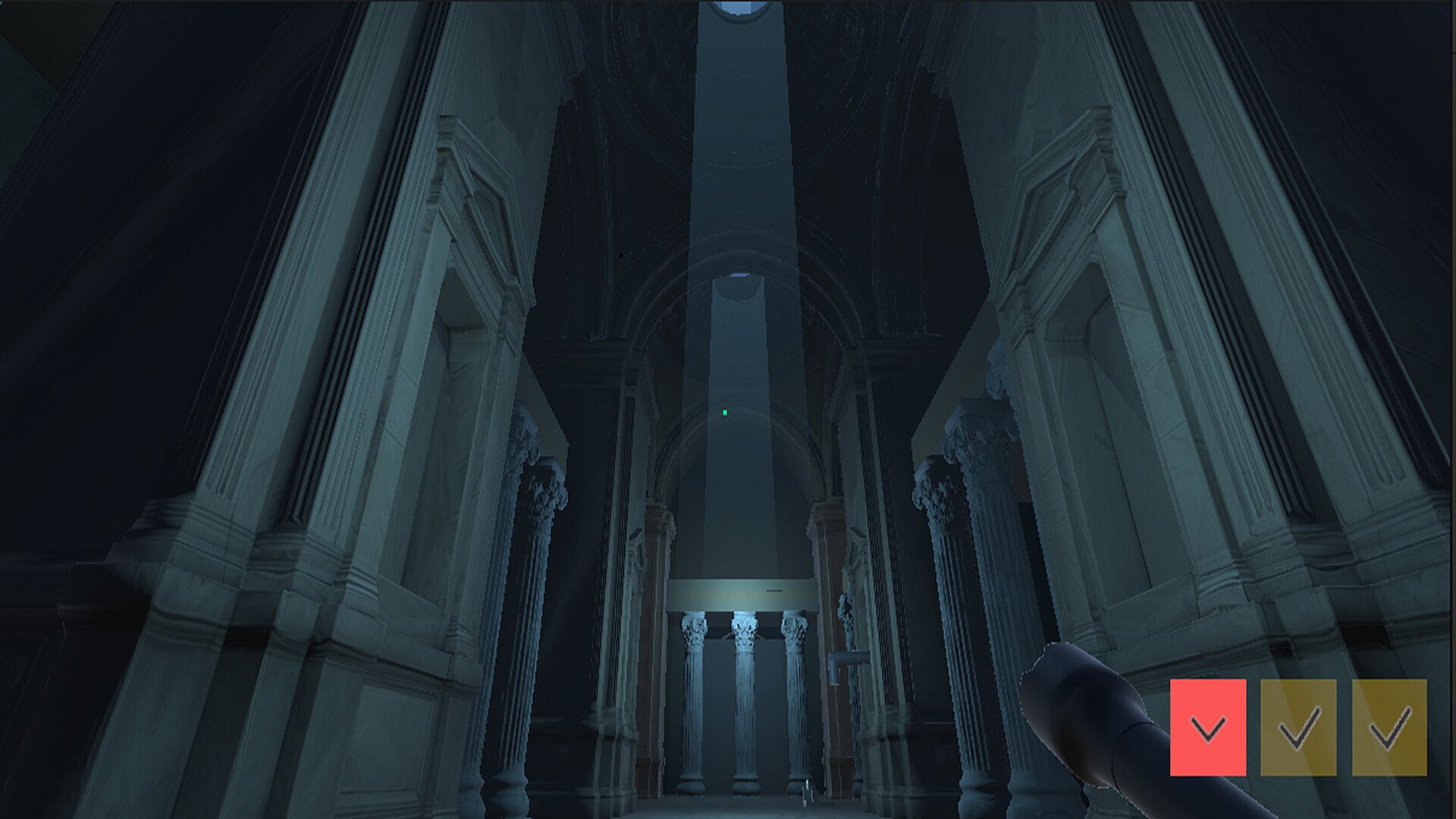
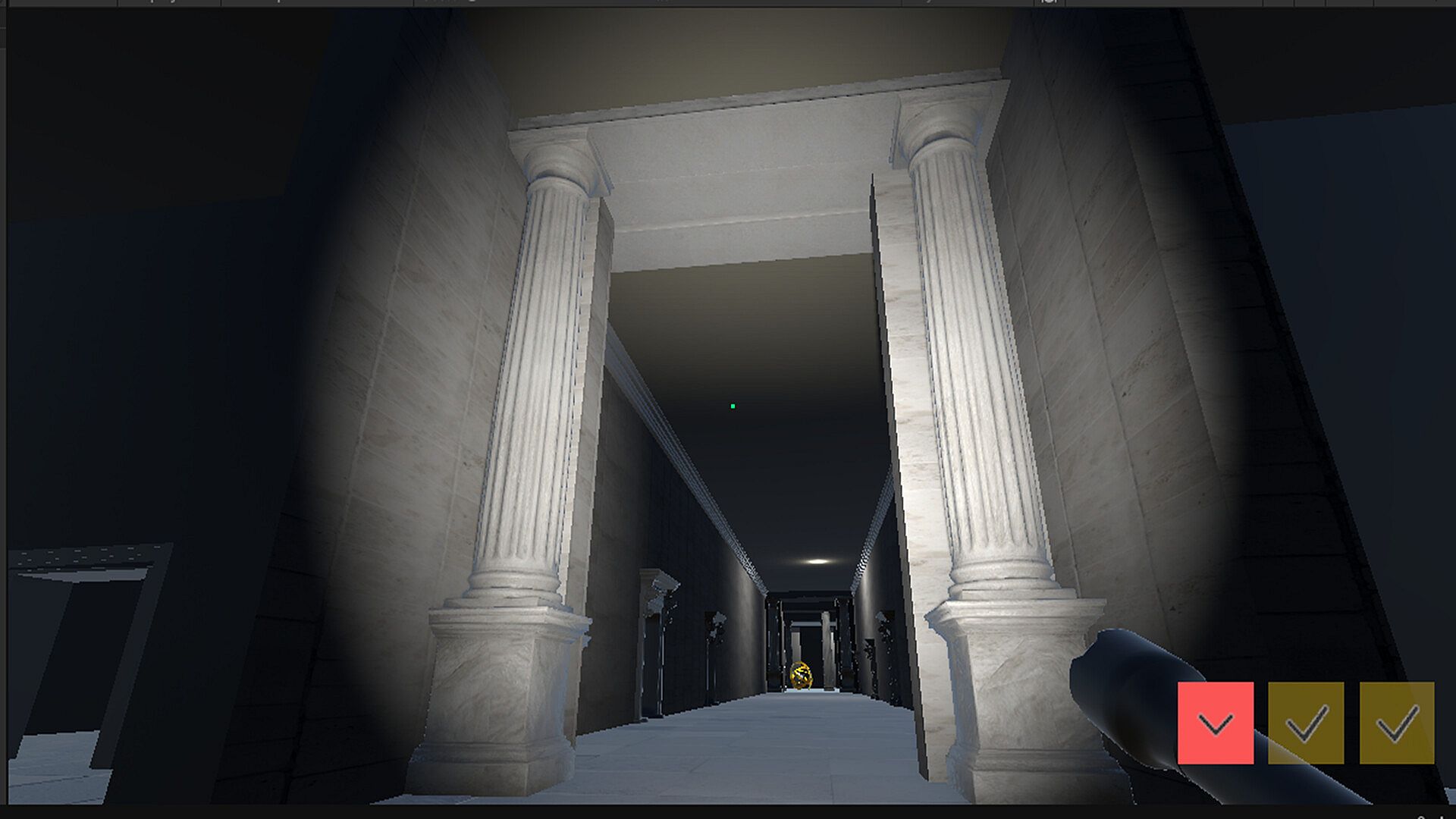
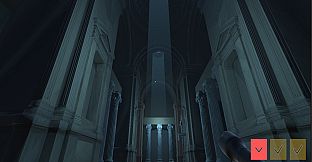
The late 1990s museum environment provides a grounded backdrop for the horror elements. Half-renovated halls, sealed exhibition spaces, and a retro computing terminal create a specific period feel that contrasts with the anomalous activity unfolding inside. Structural entropy manifests through increasing instability, turning familiar corridors into unpredictable zones filled with grotesque entities that players must document and evade.
Photography mechanics add a layer of risk-reward tension, as capturing evidence yields bonuses but the camera flash can alert nearby threats. The combination of physical hauling penalties and escalating anomaly levels keeps pressure high throughout each session, rewarding careful planning over reckless exploration.
Is It Worth Playing?
Chalk Door targets players who enjoy co-op survival horror with creative mechanics and resource trade-offs. The chalk-based movement and defense systems offer a distinct approach to navigation and protection that stands apart from standard genre tools. Teams that communicate well and balance document collection against speed will find repeated value in optimizing quota runs before entropy peaks.
The game remains in development with a planned release in February 2027. No player reviews or ratings are available yet, and no post-launch updates or additional content seasons have been detailed. Those drawn to 4-player co-op experiences involving drawing tools, photography management, and mounting tension in a confined setting may find the concept compelling once it launches. Solo players can access the same systems but may encounter greater difficulty managing all tasks alone.