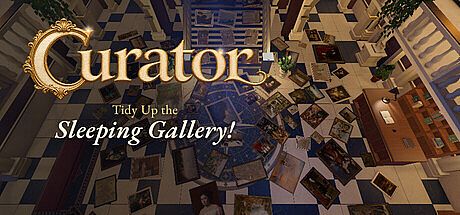


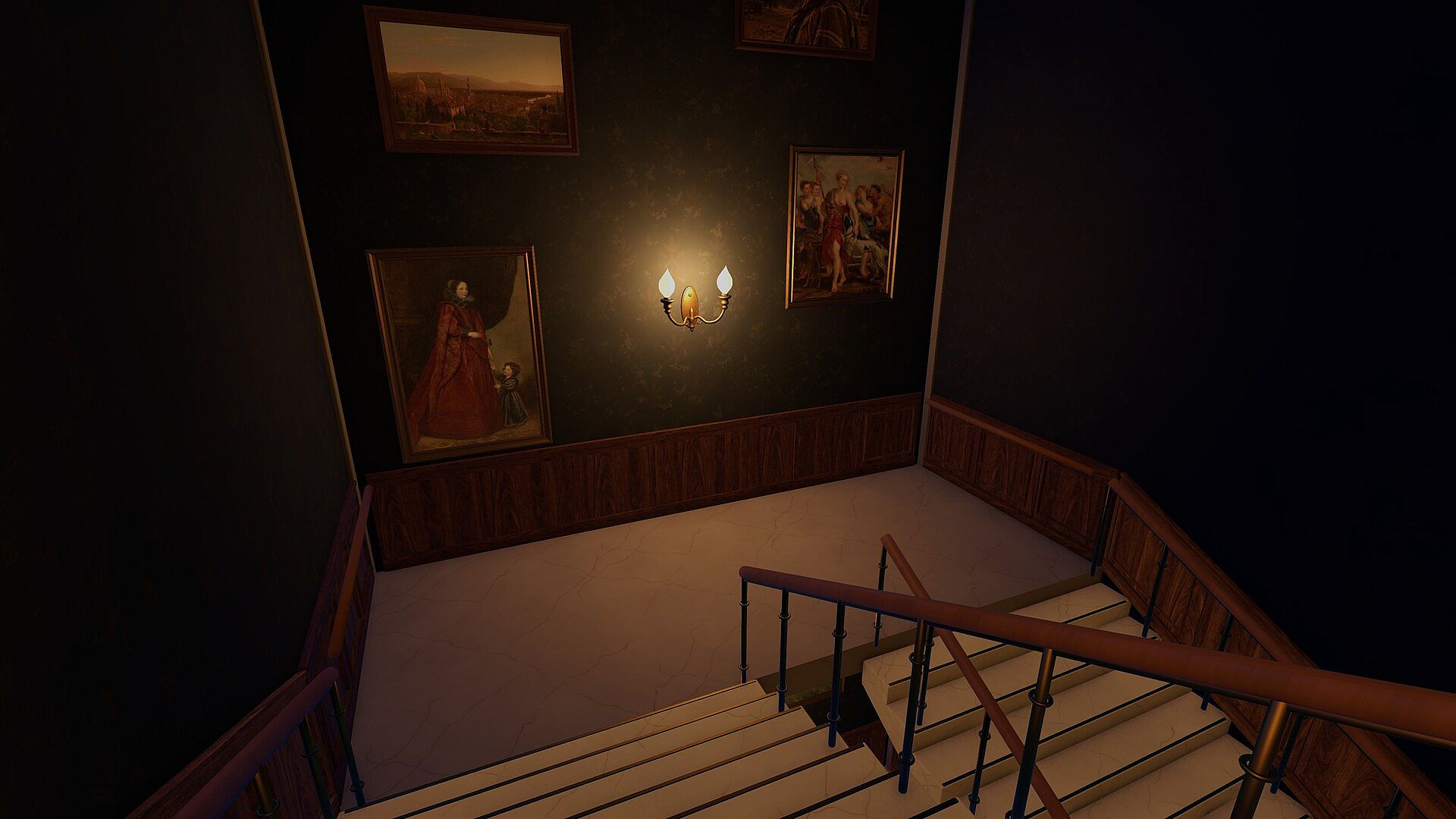
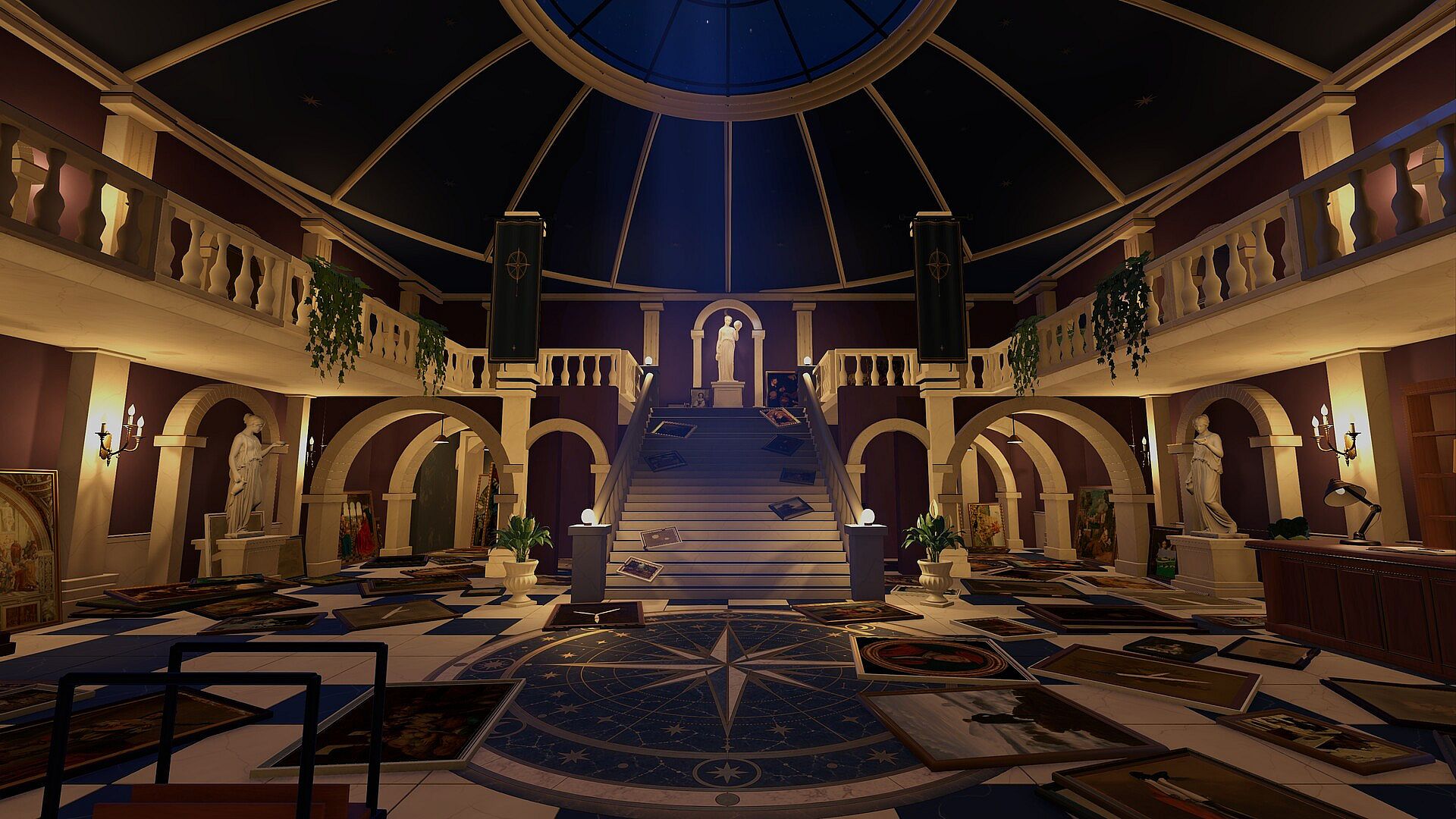
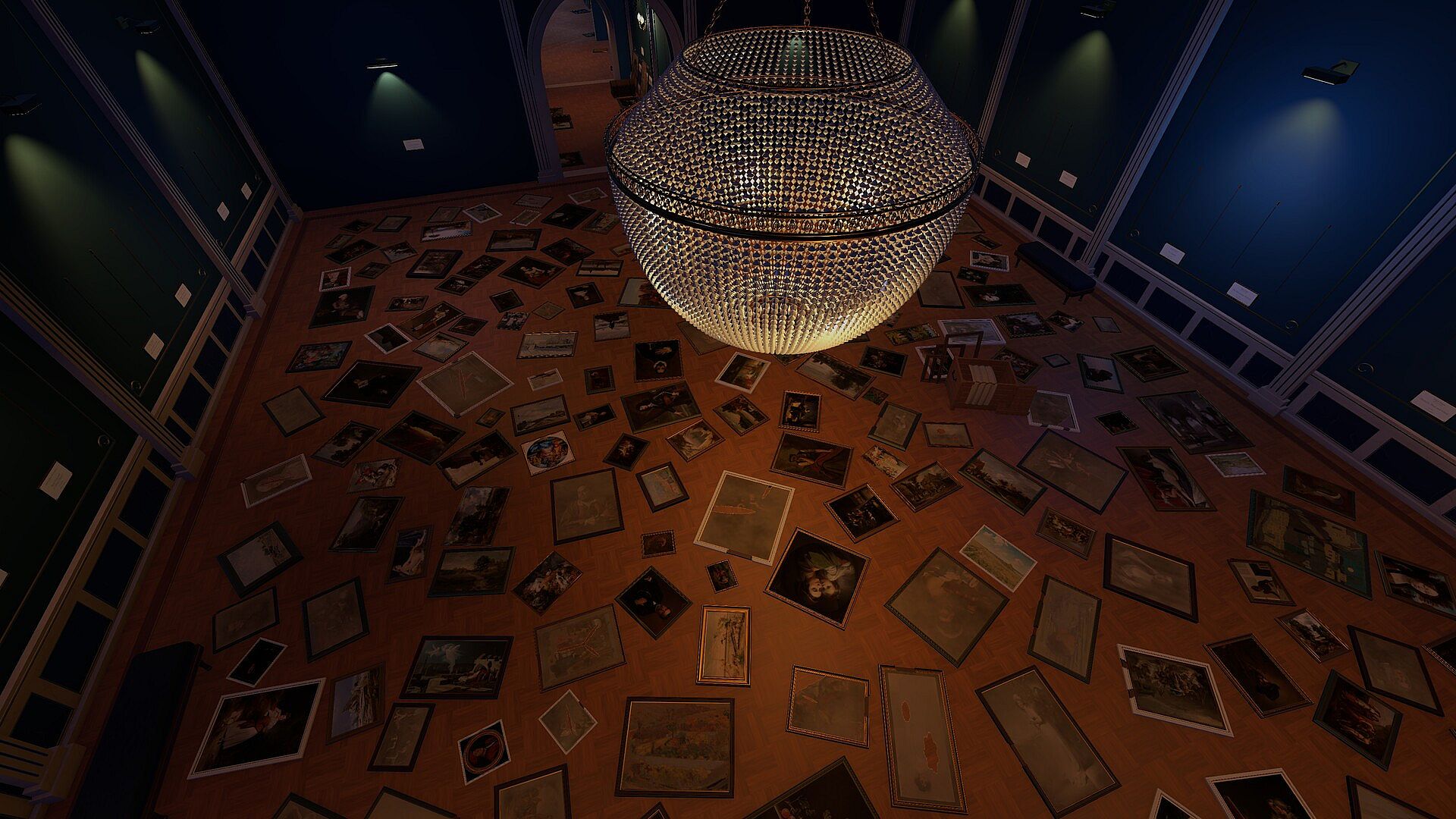
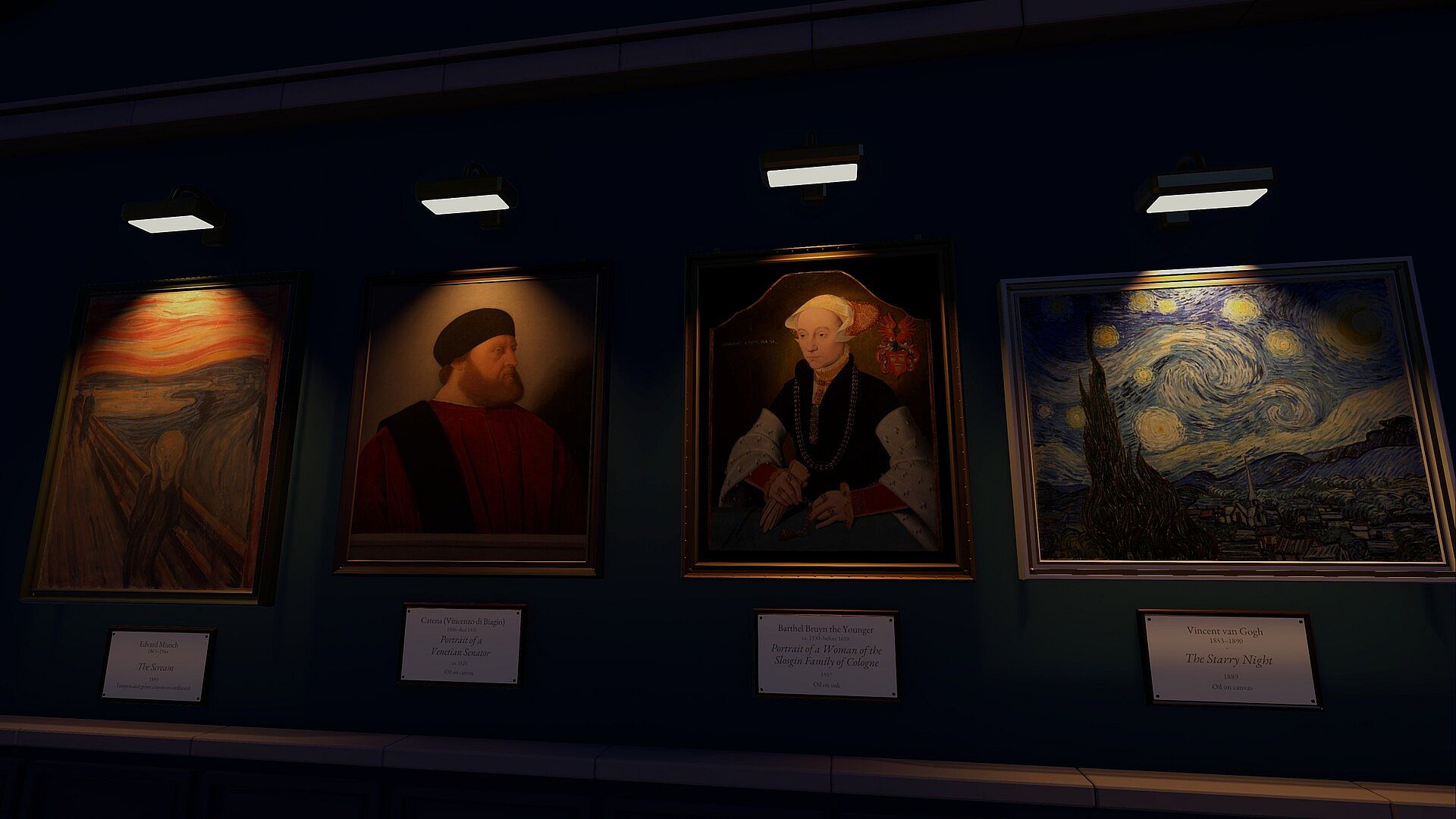
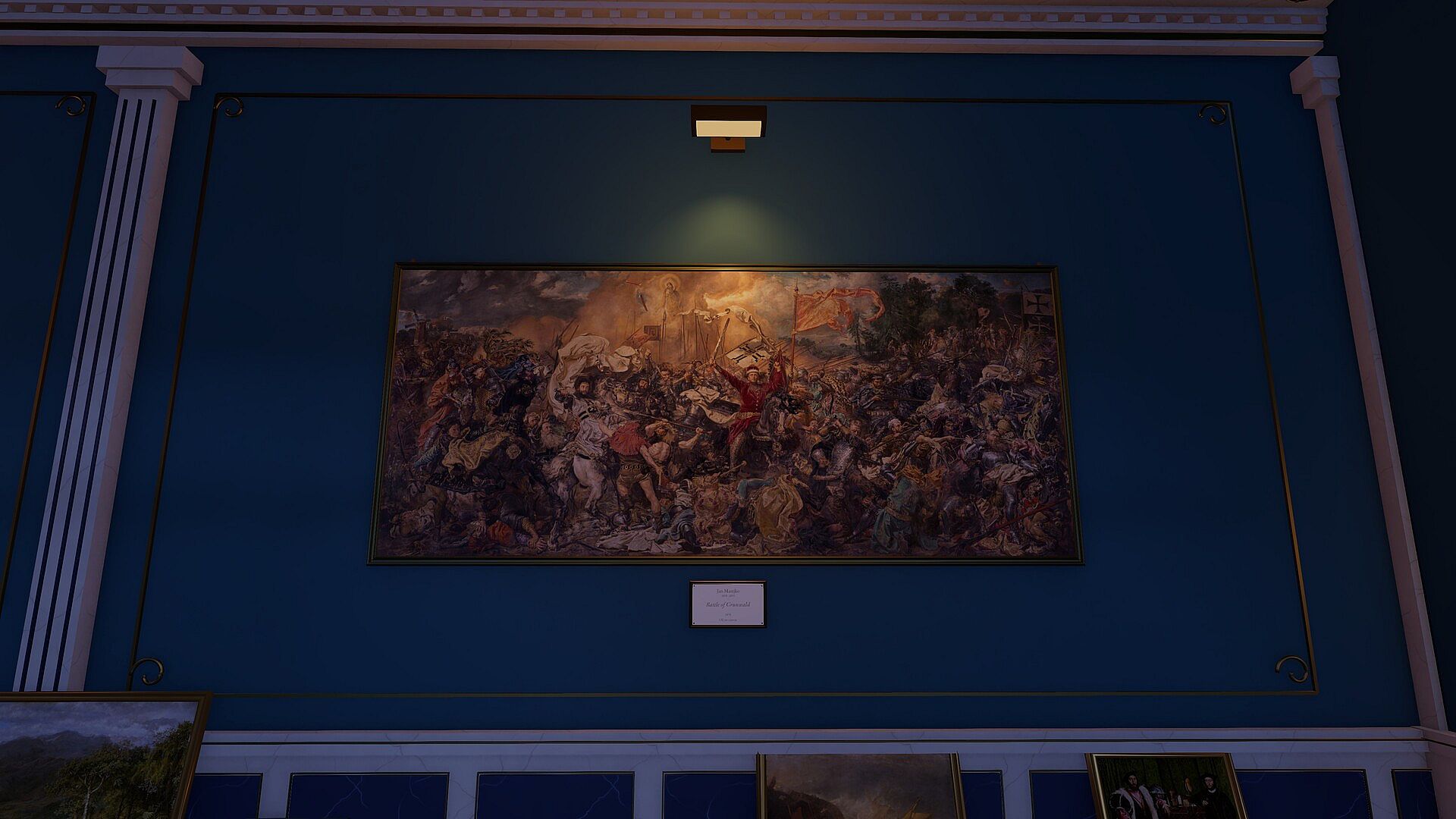
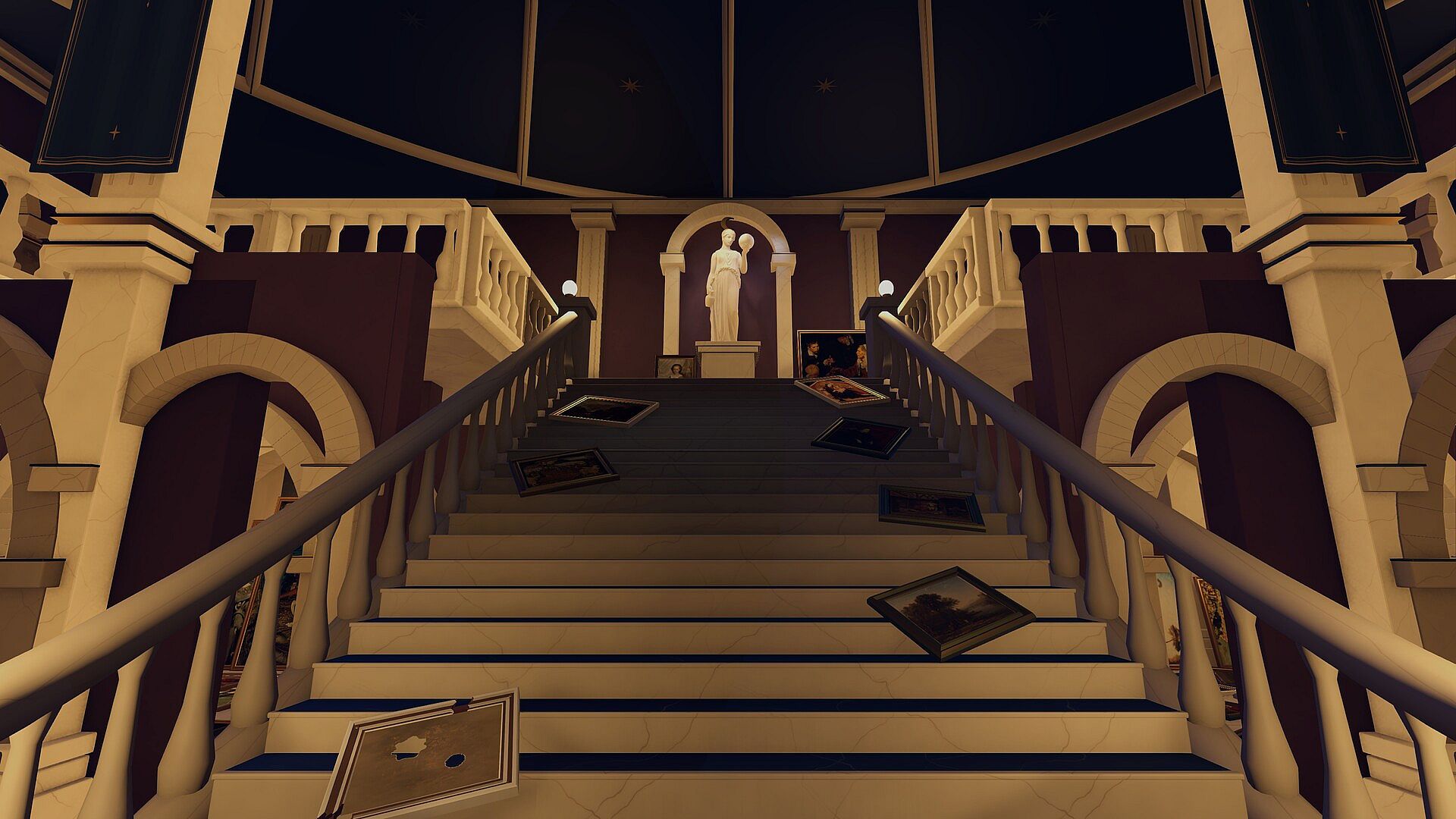
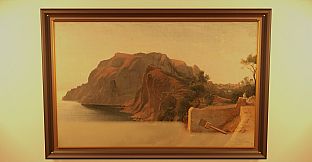
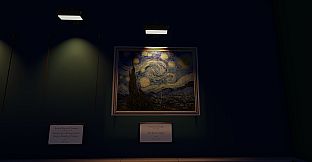
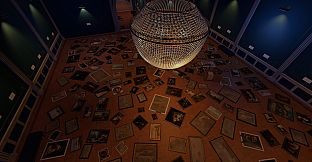

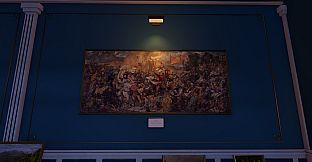
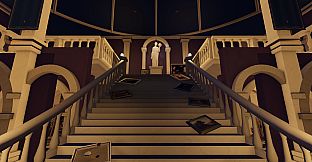
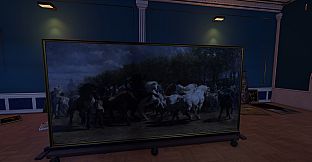
Curator: Tidy Up the Sleeping Gallery! is an indie casual single-player game for PC in which players restore a vast magical museum by organizing and repairing thousands of paintings. The experience centers on methodical exploration, careful placement of artworks, and hands-on conservation work across multiple interconnected galleries.
Gameplay
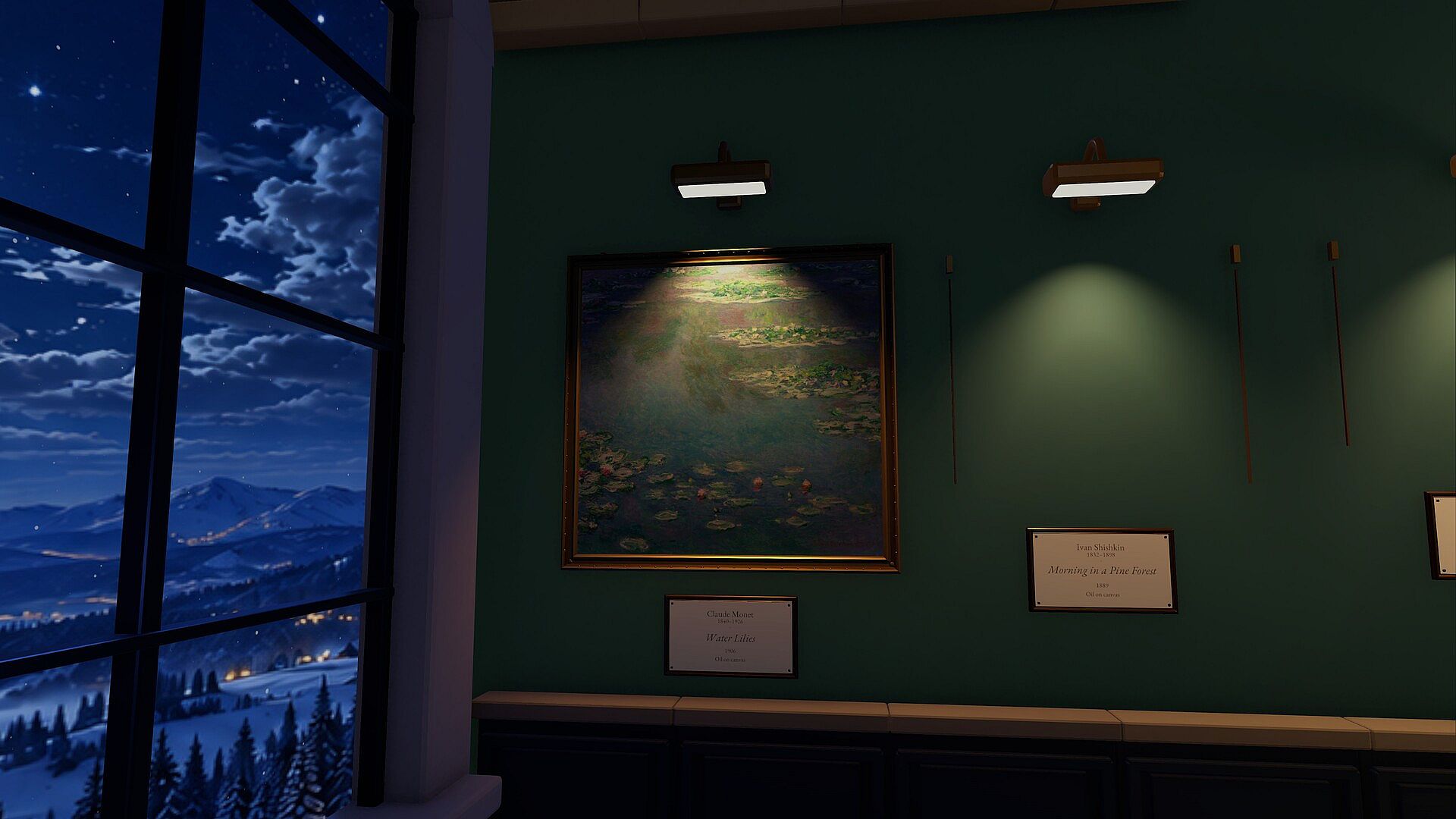
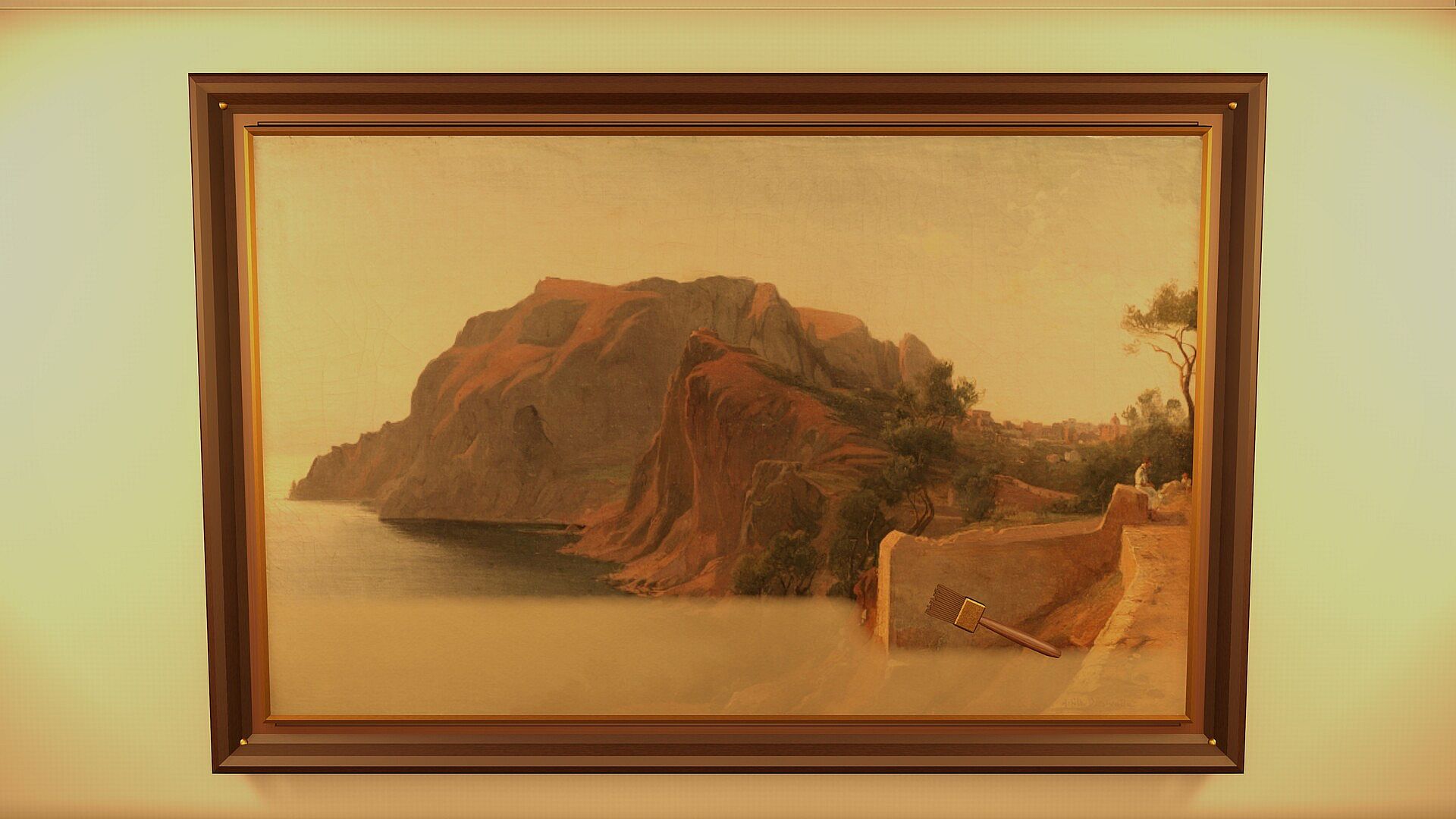
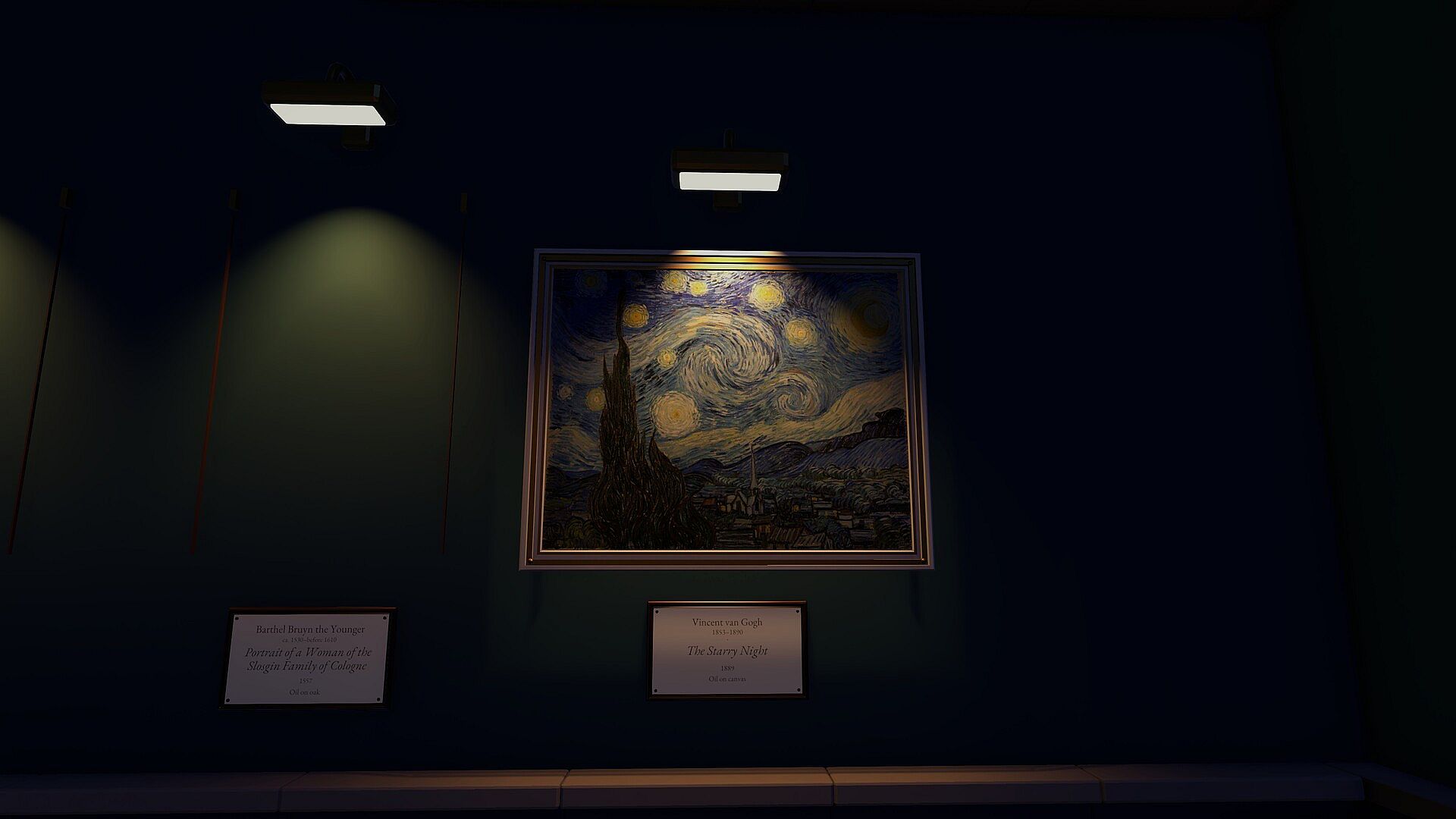
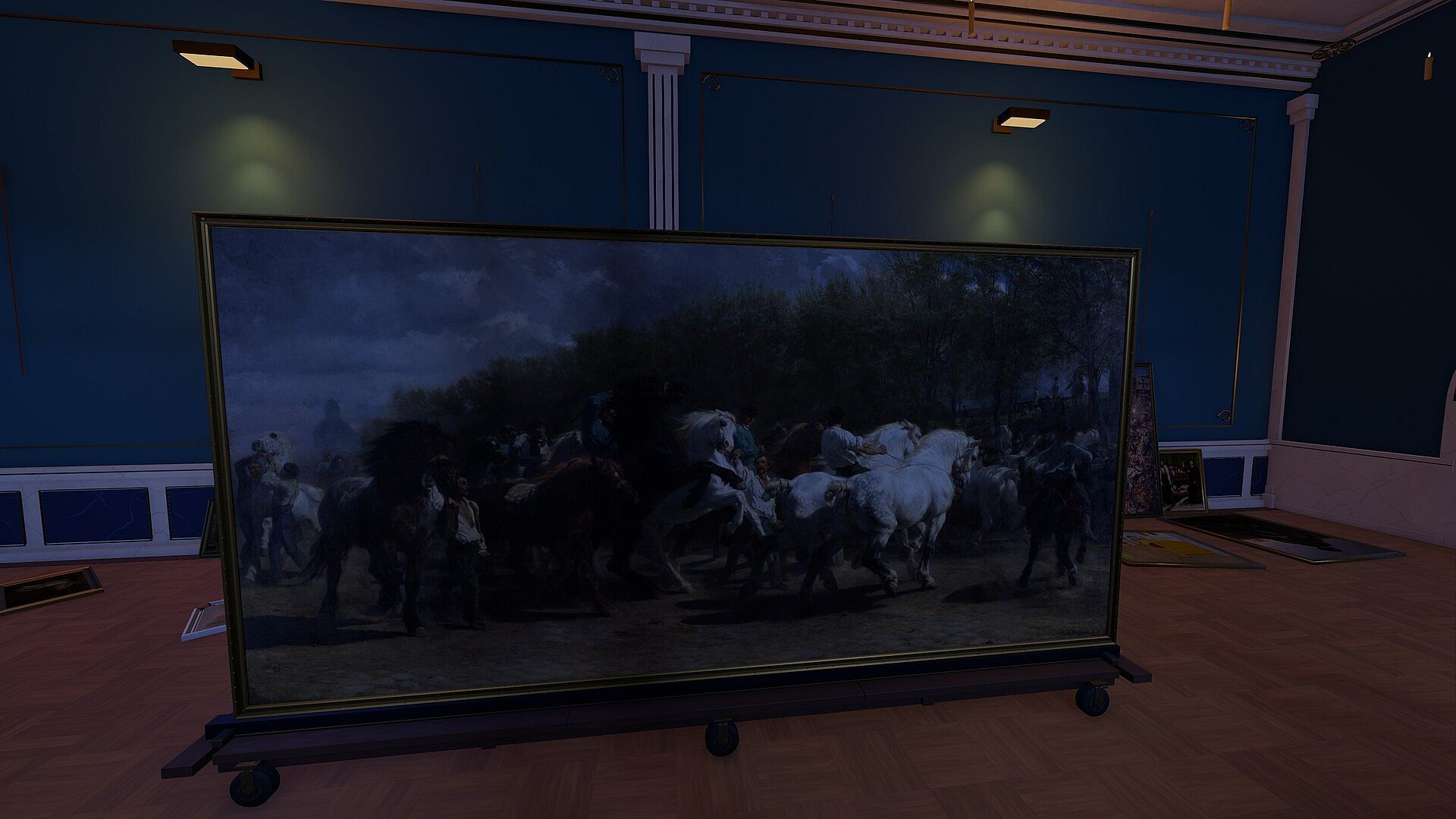
The core loop involves moving through the museum's rooms to locate paintings, transporting them to their correct positions on the walls, and completing restoration tasks when needed. Each correctly hung piece contributes to reopening closed sections of the building. Players handle individual artworks by carrying them one at a time at first, then gain access to transport carts that allow moving several pieces simultaneously for greater efficiency. Restoration takes place in a dedicated workshop where dusty canvases receive cleaning, torn surfaces are repaired, and broken frames are fixed before the works return to display. Progression unlocks additional galleries that introduce more paintings and new placement challenges. A magic wand and related spells provide optional shortcuts for repairs once acquired, speeding up the process without replacing the manual steps entirely. Every painting includes background details on its artist, historical context, and current real-world location, adding an educational layer to the organizing tasks.
Game Modes
The game operates as a single continuous single-player experience without separate named modes. Progression unfolds through sequential gallery unlocks that expand the available space and increase the number of paintings to manage. Players advance by completing rooms at their own pace, with upgrades such as carts and spells becoming available as they restore more areas. This structure supports both relaxed sessions focused on steady completion and more deliberate approaches that emphasize discovering painting stories and optimizing movement routes through the museum.
Key Features and Progression
Over three thousand paintings form the central challenge, each requiring correct placement based on visual and thematic cues. Upgrades reduce travel time and simplify repairs, allowing players to tackle larger sections more quickly as they advance. The conservation workshop serves as a recurring hub for preparing damaged works, while the magic elements introduce light ability-based assistance for restoration. New galleries open gradually, bringing fresh artworks and maintaining variety in layout and placement requirements. The system rewards consistent effort with visible transformation of empty walls into filled displays across the entire museum.
Is It Worth Playing?
This title suits players who enjoy methodical organizing tasks and casual restoration mechanics in a single-player setting. The combination of physical movement, placement decisions, and workshop repairs creates a satisfying loop of incremental progress. Educational details on each painting provide additional interest for those curious about art history. With no user reviews available prior to its planned Q1 2027 release, the experience aligns with the described relaxing pace and upgrade-driven progression. Those who appreciate similar indie casual games centered on tidying and completion will likely find the museum restoration engaging and worthwhile.