











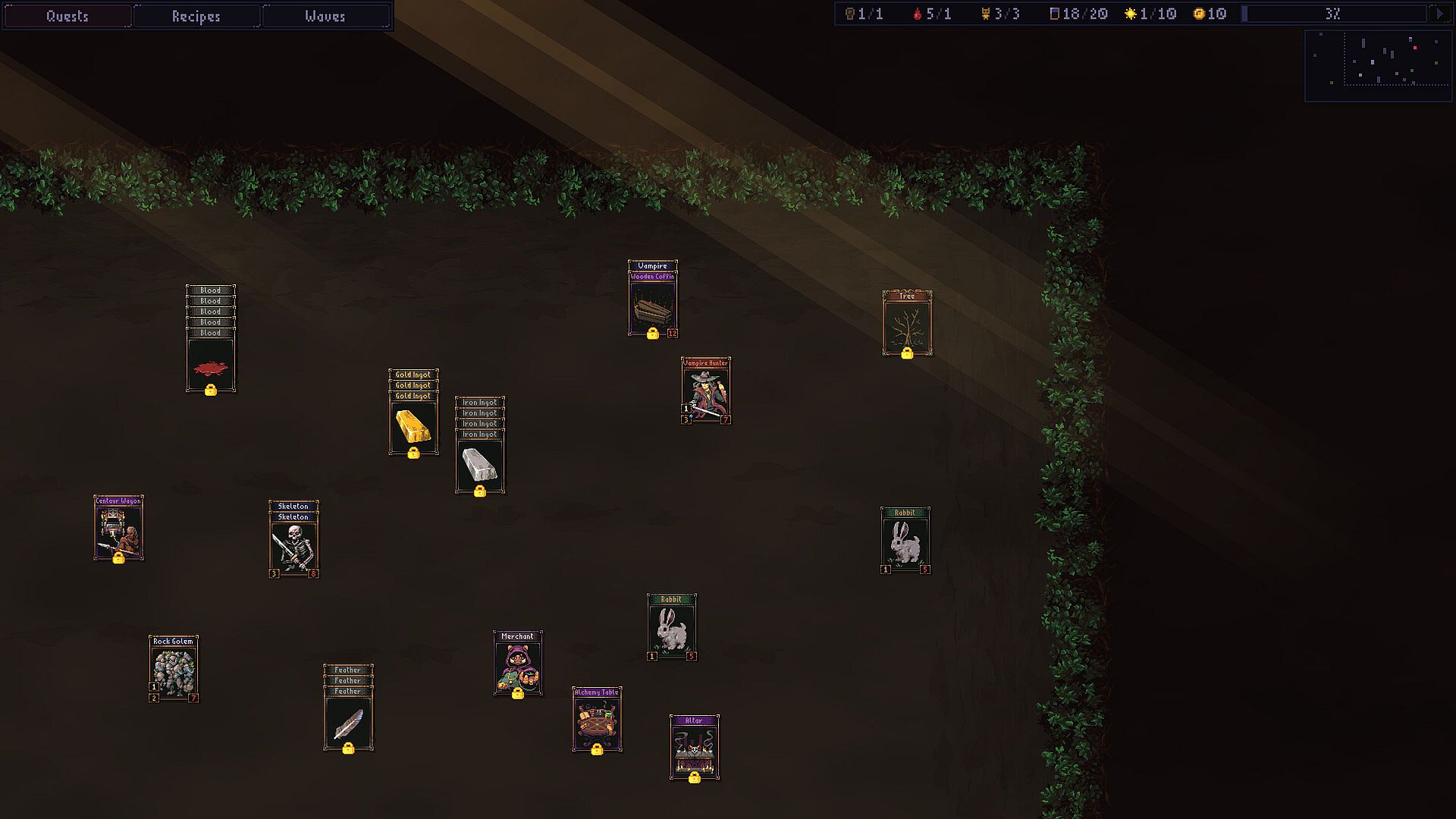
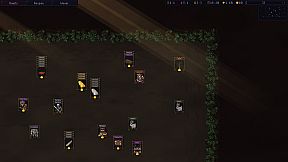
Decks of the Damned ist ein strategisches Indie-Simulationsspiel, das Roguelike-Elemente mit Auto-Battler-Mechaniken in einem kartenbasierten System verbindet. Spieler übernehmen die Rolle eines Vampirfürsten, der eine verfallene Burg wieder aufbaut und eine untote Armee aufstellt, um seinen Einfluss in einer feindlichen Welt auszubauen. Im Mittelpunkt stehen sorgfältige Planung der Truppenzusammensetzung, Ressourcenmanagement und prozedural generierte Herausforderungen auf dem PC.
Gameplay
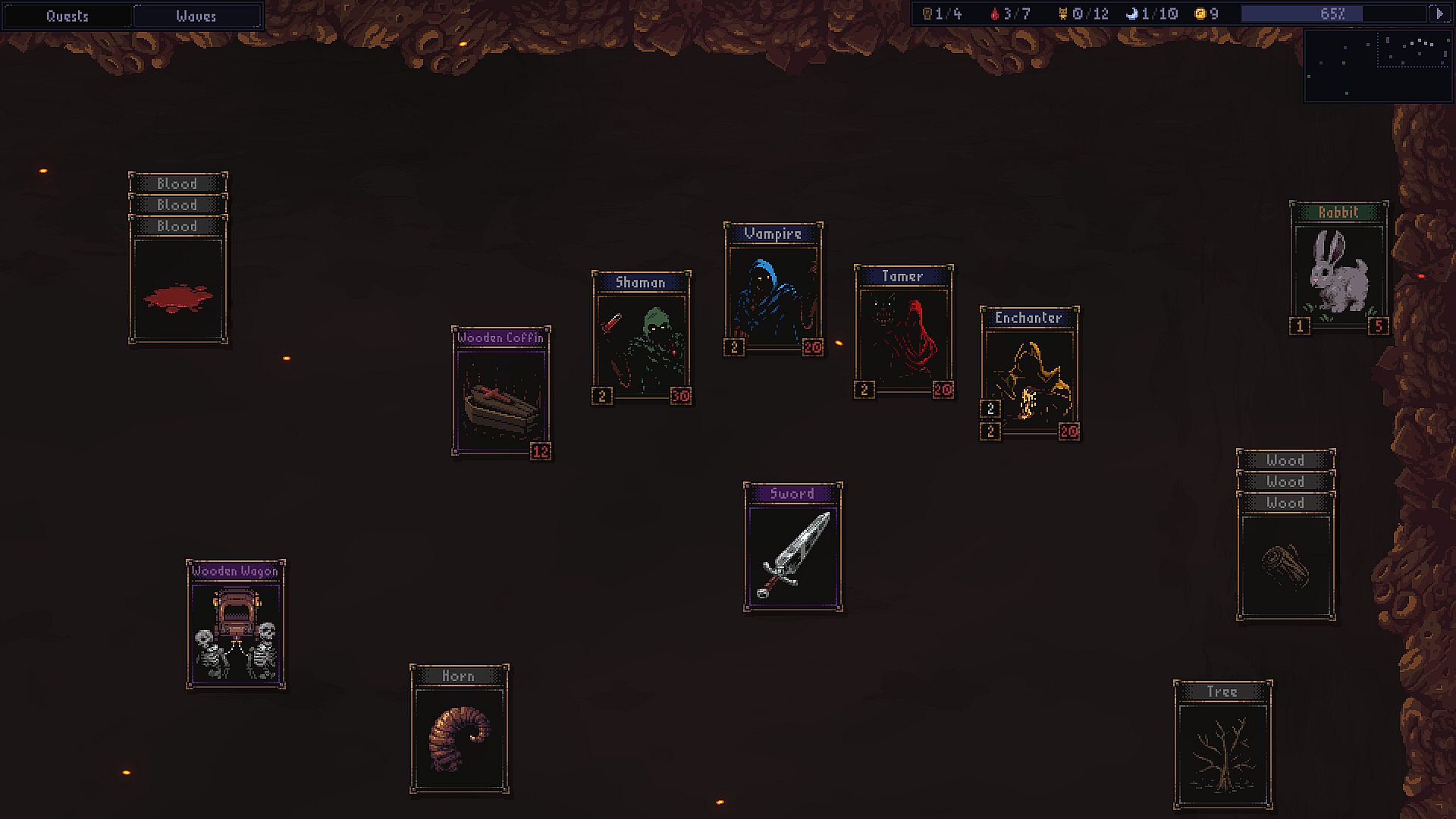
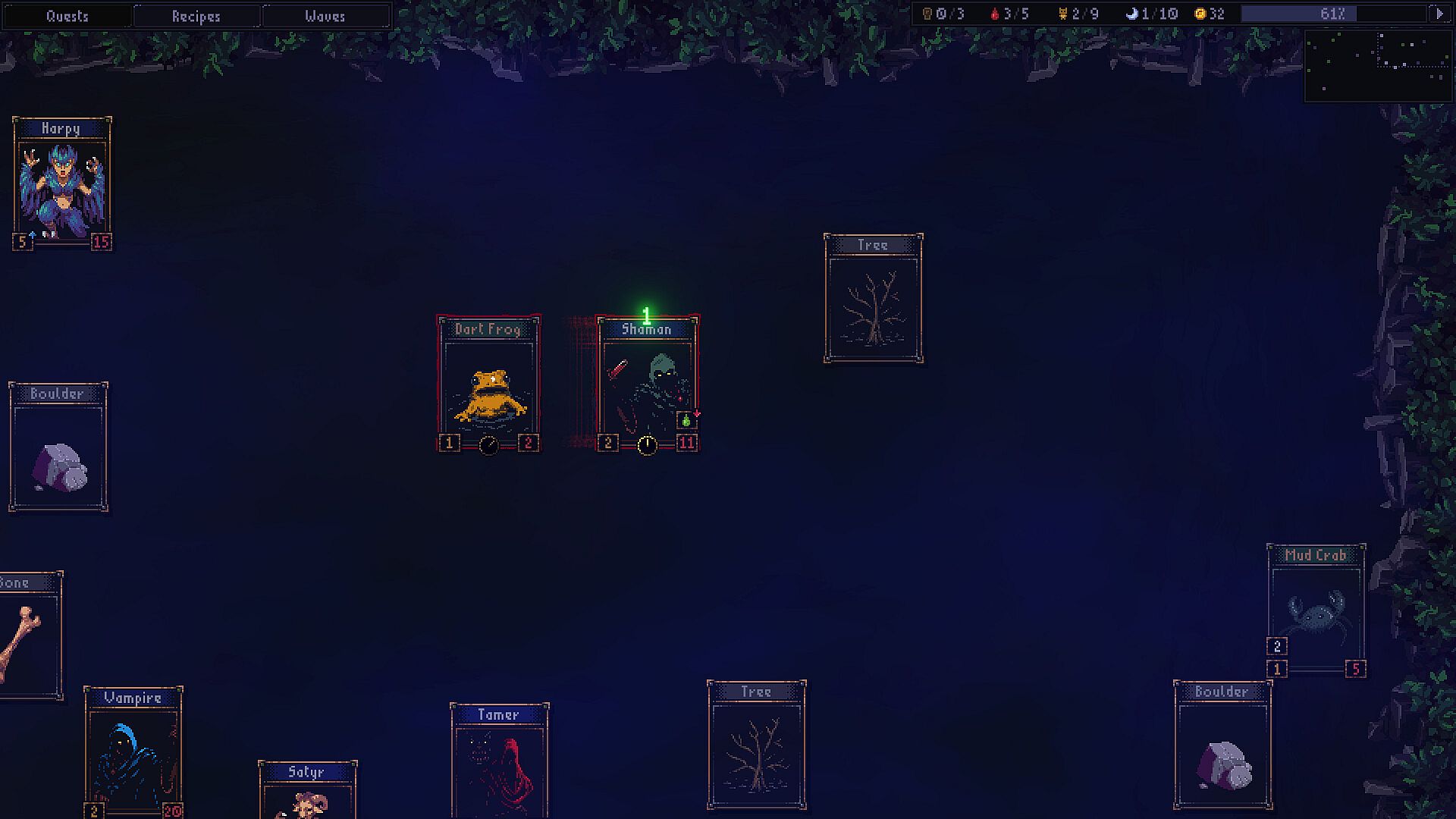
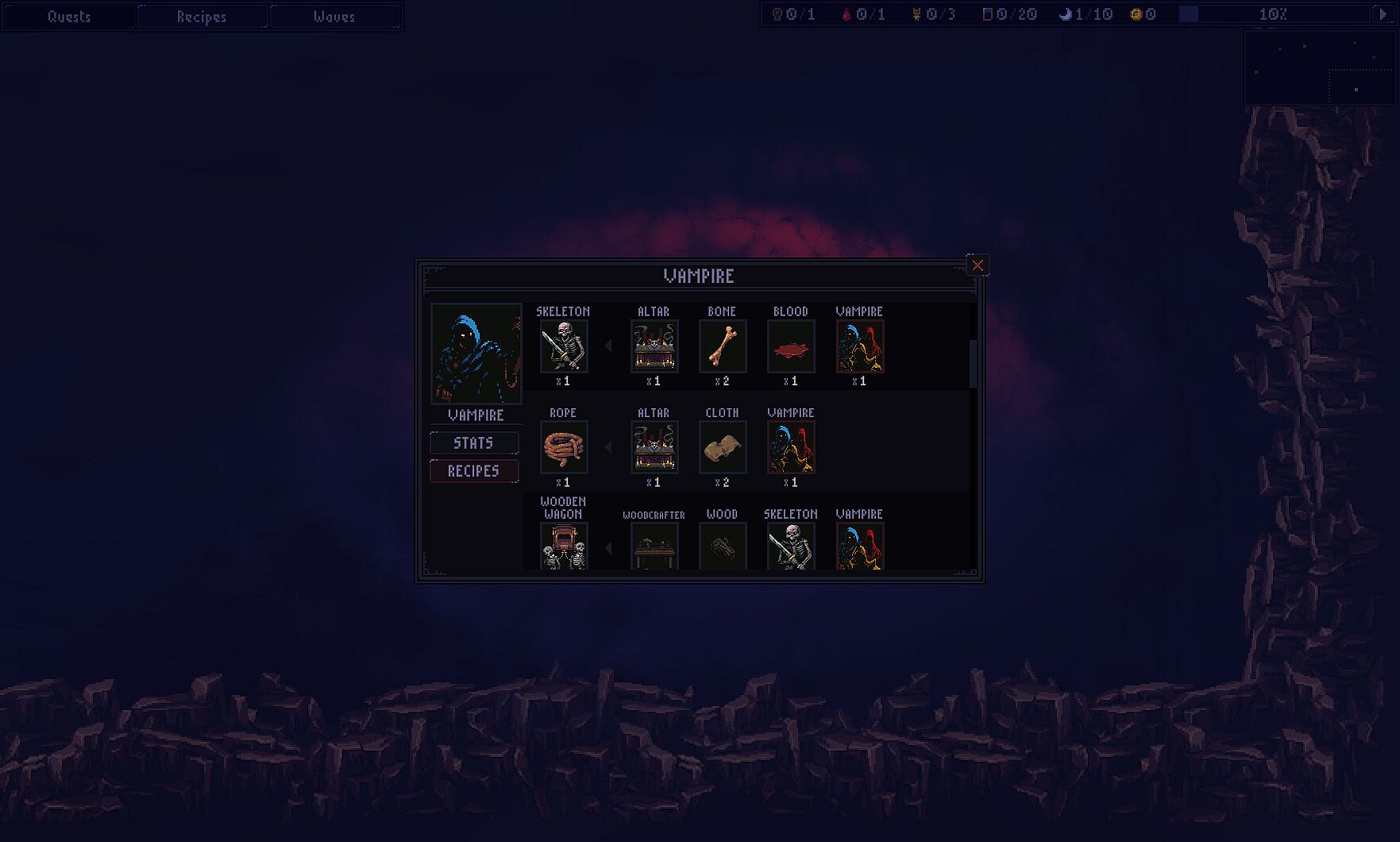
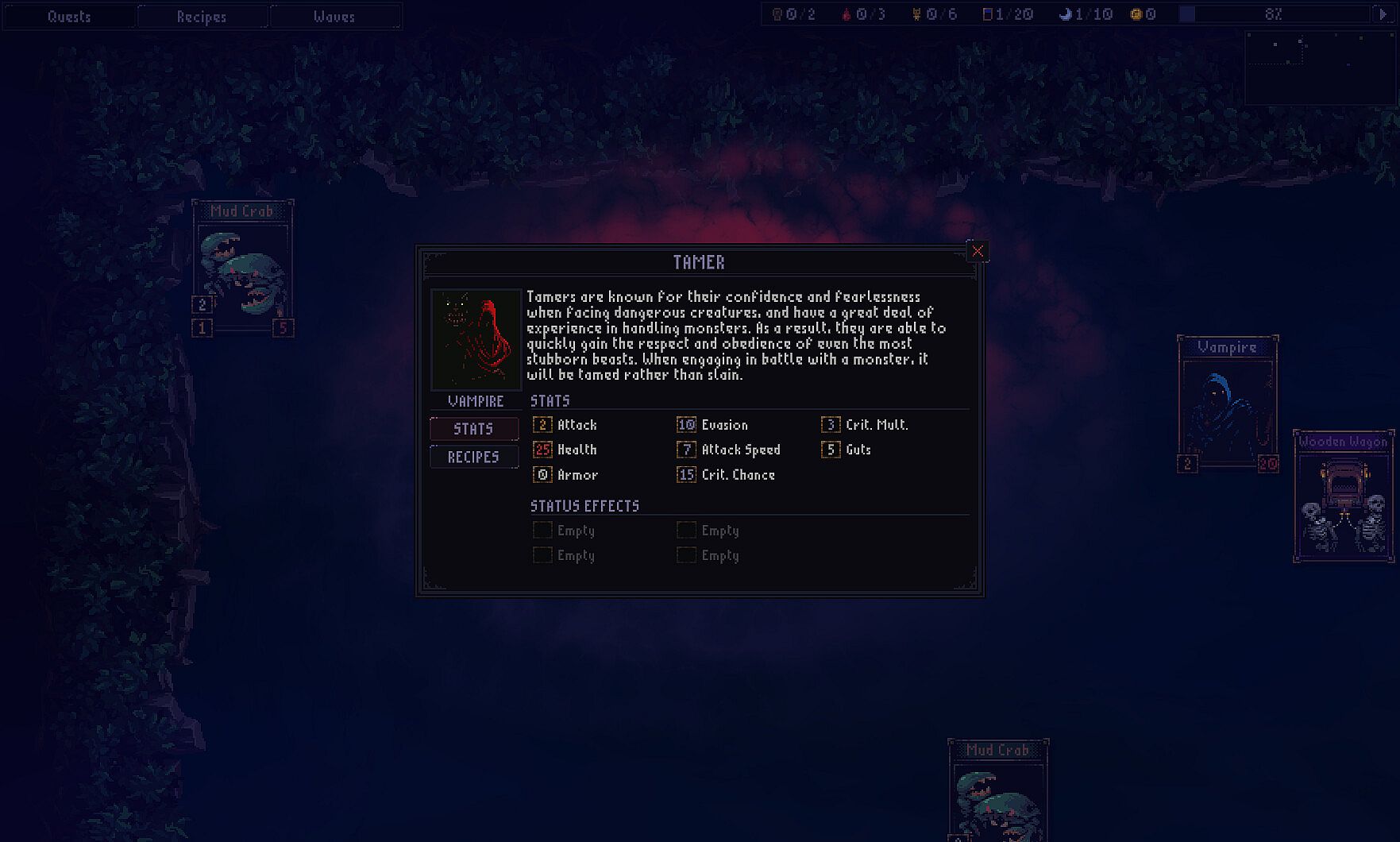
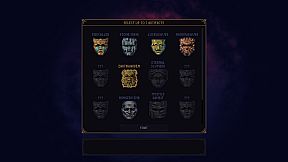
Im Kern geht es darum, verschiedene Vampirklassen zu befehligen, die jeweils eigene Fähigkeiten und Armeezusammensetzungen mitbringen. Während eine Klasse auf robuste, langsame Kolosse setzt, die Schaden abfangen, verlässt sich eine andere auf schnelle, zerbrechliche Kämpfer, die blitzschnell zuschlagen. Spieler zähmen Monster, brauen Tränke und schmieden Waffen, um ihre Truppen zu stärken und Synergien zwischen den untoten Einheiten zu nutzen.
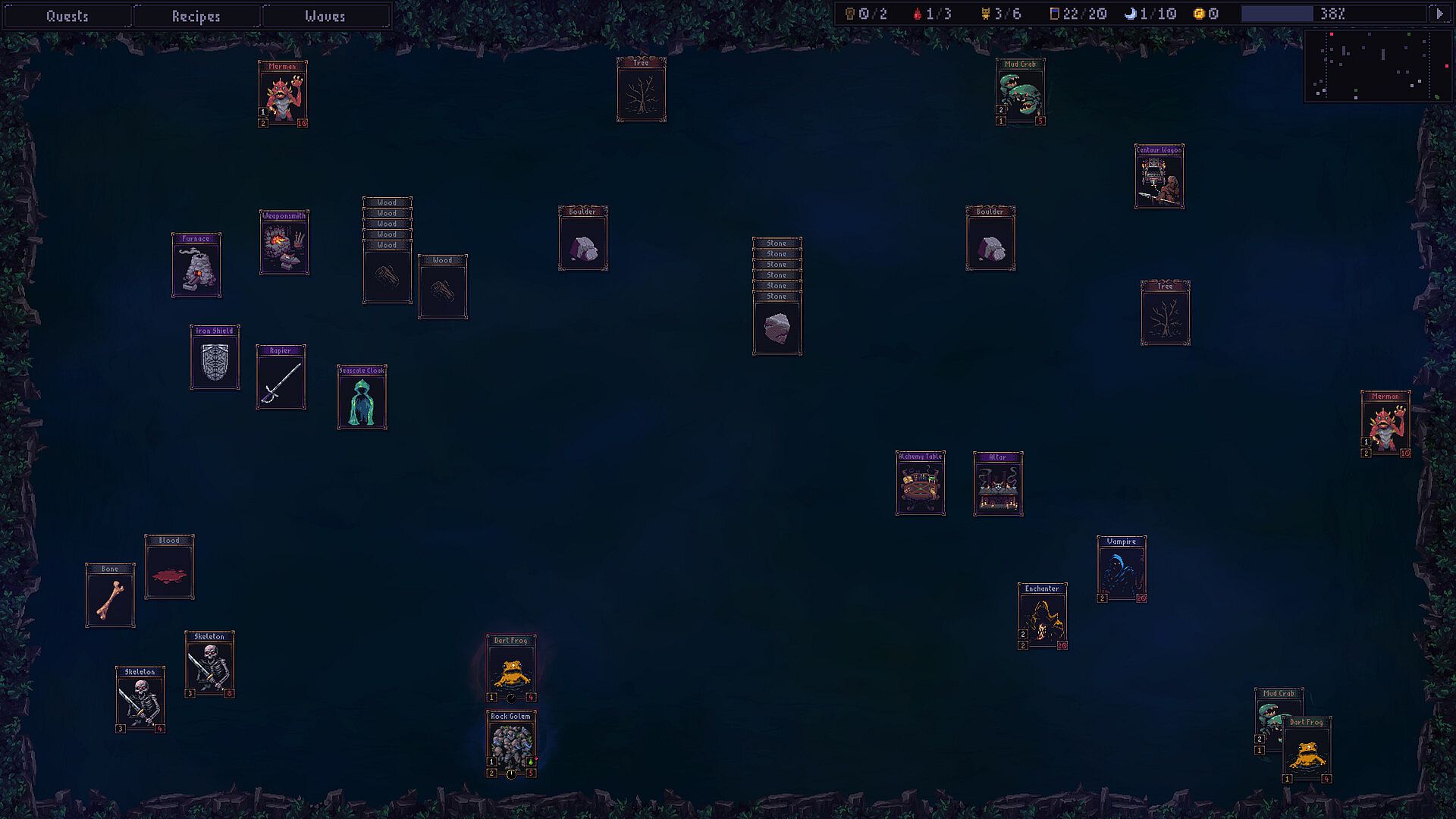
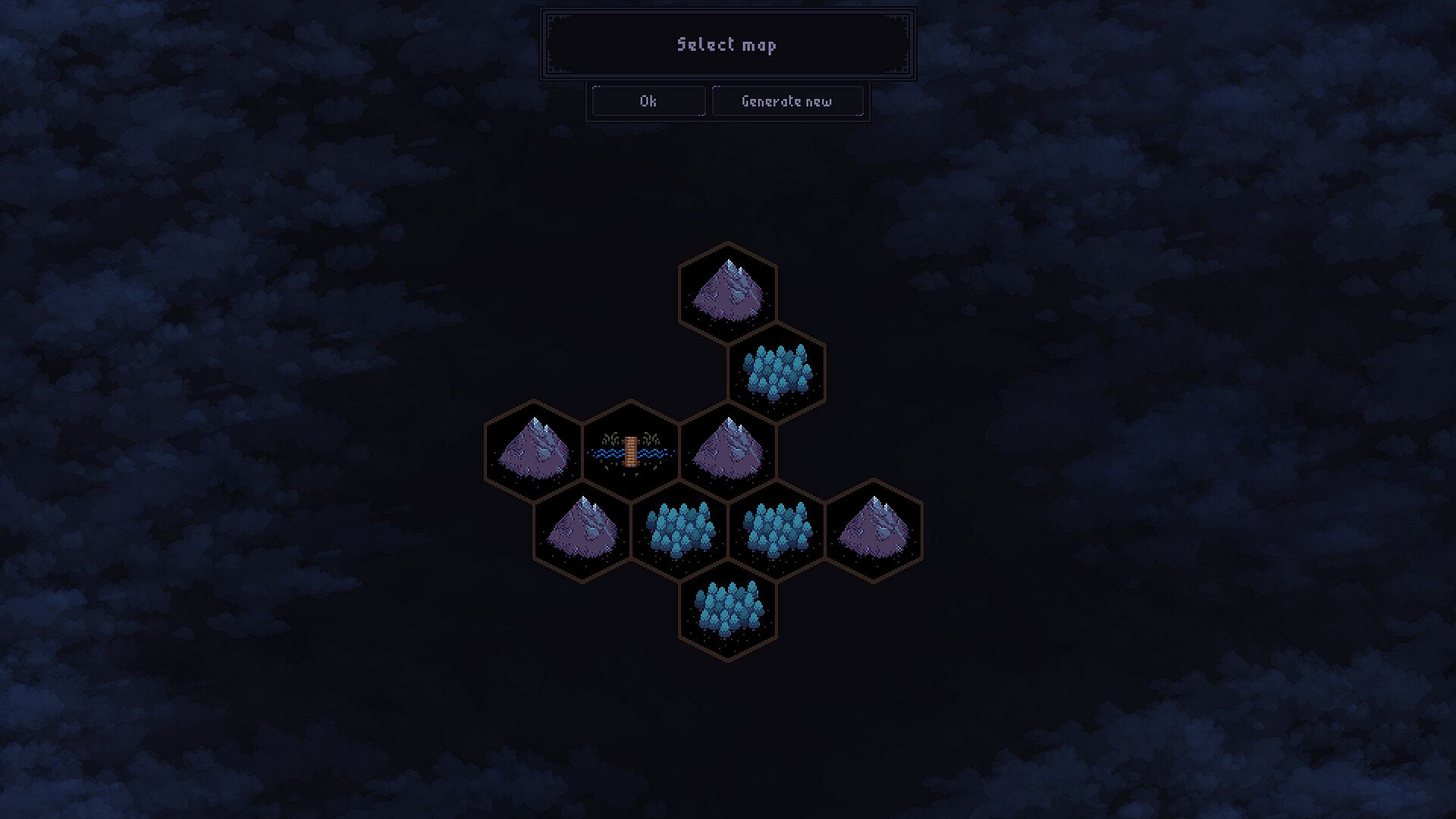
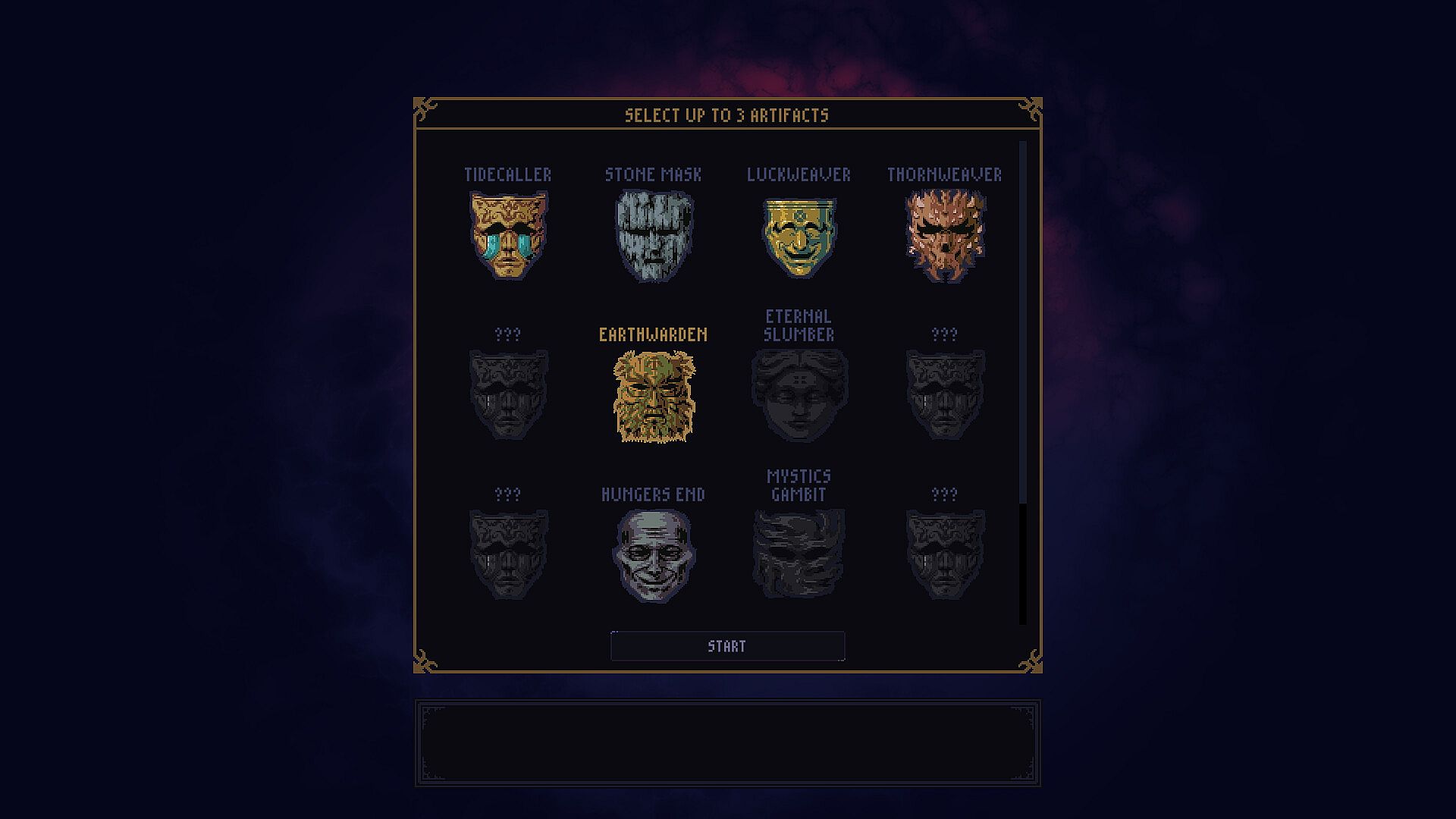
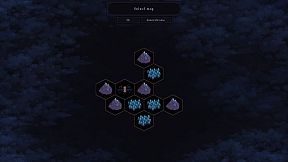
Die Erkundung führt durch eine sich ständig verändernde Welt, in der versteckte Dörfer und Reiche Ressourcen sowie neue Gegner bereithalten. Zufallsereignisse wie Händlerbesuche, Banditenüberfälle oder Wetterwechsel sorgen dafür, dass jeder Durchlauf anders verläuft. Überall im Land verstreute Artefakte erfordern besondere Herausforderungen, um sie zu finden und zu sichern - ein weiterer Aspekt der Roguelike-Progression.
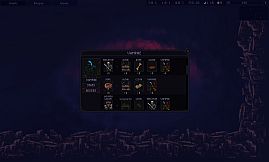
Die Kämpfe laufen automatisch ab, sobald die Armeen aufgestellt sind. Dennoch entscheiden vorherige Entscheidungen über Ausrüstungseffekte und Truppenbalance über den Ausgang. Die Vielzahl an Modifikatoren auf Waffen und Ausrüstung lädt dazu ein, immer wieder neue Kombinationen auszuprobieren und deren Auswirkungen auf den Kampf zu entdecken.
Spielmodi
Das Hauptspiel verbindet Roguelike-Durchläufe durch die Welt mit dem fortlaufenden Ausbau der Burg. Tagsüber brechen die Spieler auf, um zu plündern und Materialien zu sammeln, während sie nachts ihre Besitzungen verteidigen. Jede Expedition bringt neue Gefahren und Möglichkeiten mit, die direkt in die Festung zurückfließen.
Der Burgenausbau funktioniert als Sandbox-Element. Mauern, Türme, Tore und dekorative Bauten lassen sich frei platzieren. Fertiggestellte Konstruktionen gewähren dauerhafte Boni und Upgrades, die in nachfolgende Durchläufe übernommen werden. Diese Spielweise belohnt kreative Anordnungen, die zum gewählten Heer und zur Klasse passen.
Durch prozedurale Generierung verläuft keine Kampagne gleich. Die Kombination aus Erkundungsschleifen und Basisanpassung schafft einen Zyklus, in dem kurzfristige taktische Entscheidungen langfristiges strategisches Wachstum unterstützen.
Strategy and Progression
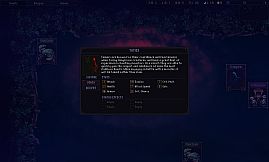
Erfolg hängt davon ab, die Armeezusammensetzung auf die jeweiligen Gegner abzustimmen. Langsame, robuste Diener bewähren sich gegen bestimmte Feinde, während schnelle Einheiten andere besser handhaben. Spieler müssen ihre Ausrüstung entsprechend anpassen. Effekte auf Waffen und Rüstung bringen weitere Variablen ein und belohnen es, verschiedene Aufstellungen über mehrere Versuche hinweg zu testen.
Die Ressourcenkreisläufe verknüpfen Erkundung direkt mit dem Burgenausbau. Materialien aus Raubzügen finanzieren Bauvorhaben, die wiederum Vorteile für künftige Expeditionen liefern. Diese Rückkopplung hält den Fokus gleichermaßen auf unmittelbarer Kampfeffizienz und langfristiger Herrschaftsentwicklung.
Lohnt es sich?
Decks of the Damned richtet sich an Spieler, die Roguelike-Auto-Battler mit starker Anpassung und Base-Building-Elementen schätzen. Das Vampir-Thema und die Vielfalt der Klassen verleihen dem Titel eine klare Identität im Strategie-Simulations-Genre. Zum Launch erhielt das Spiel gemischte Resonanz: 67 Prozent von 53 Nutzerbewertungen fielen positiv aus. Manche loben die taktische Tiefe und die hohe Wiederspielbarkeit durch Synergien und Zufallsereignisse, andere bemängeln die Wiederholung nach den ersten Durchläufen. Das Spiel ist weiterhin auf dem PC erhältlich und bietet eine Demo für alle, die die Systeme vor dem Kauf ausprobieren möchten. Den größten Mehrwert bietet es Fans von durchdachtem Armeeaufbau und schrittweisem Festungswachstum statt schnellem Action-Gameplay.