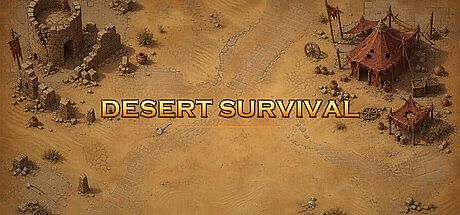



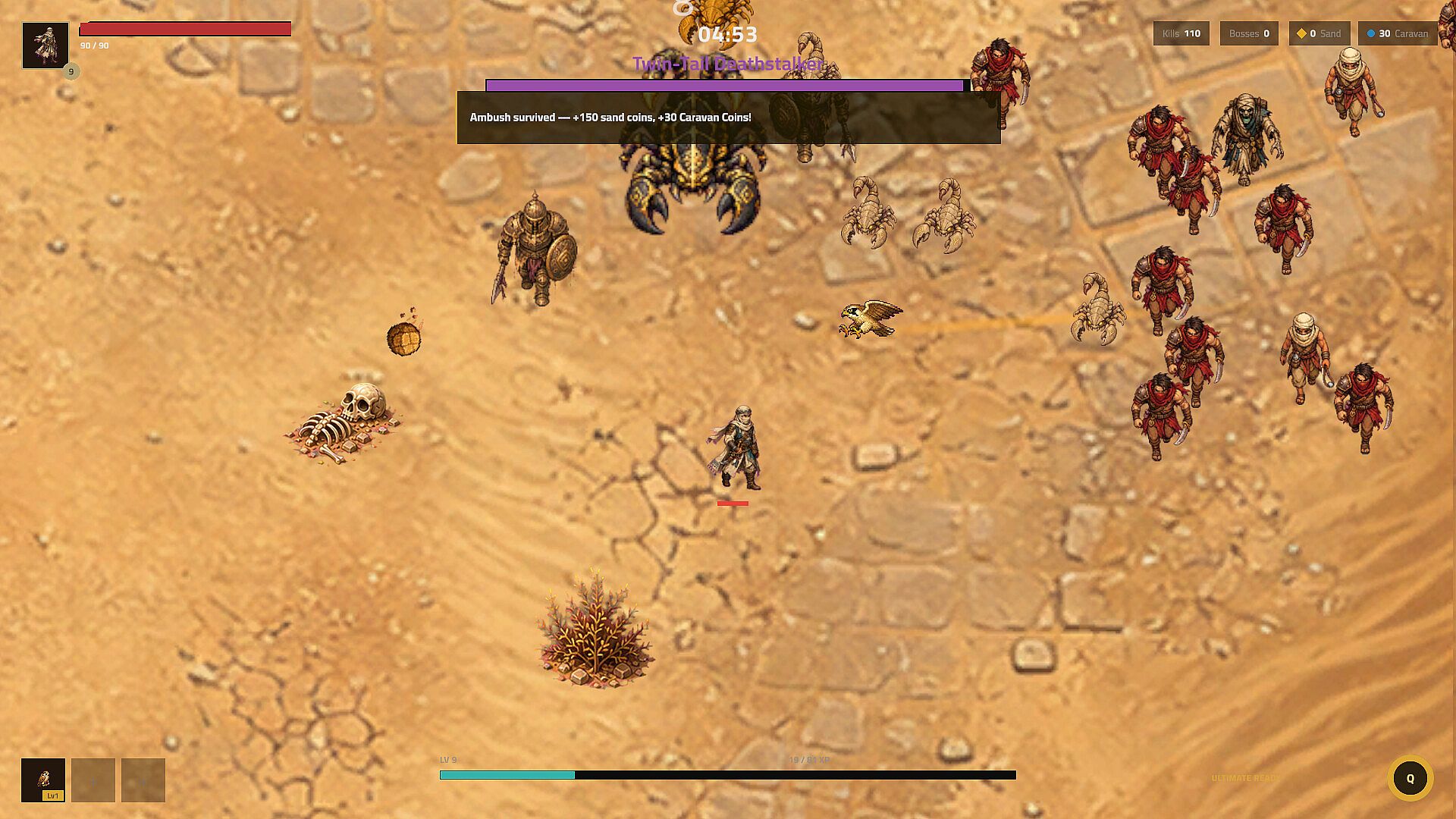

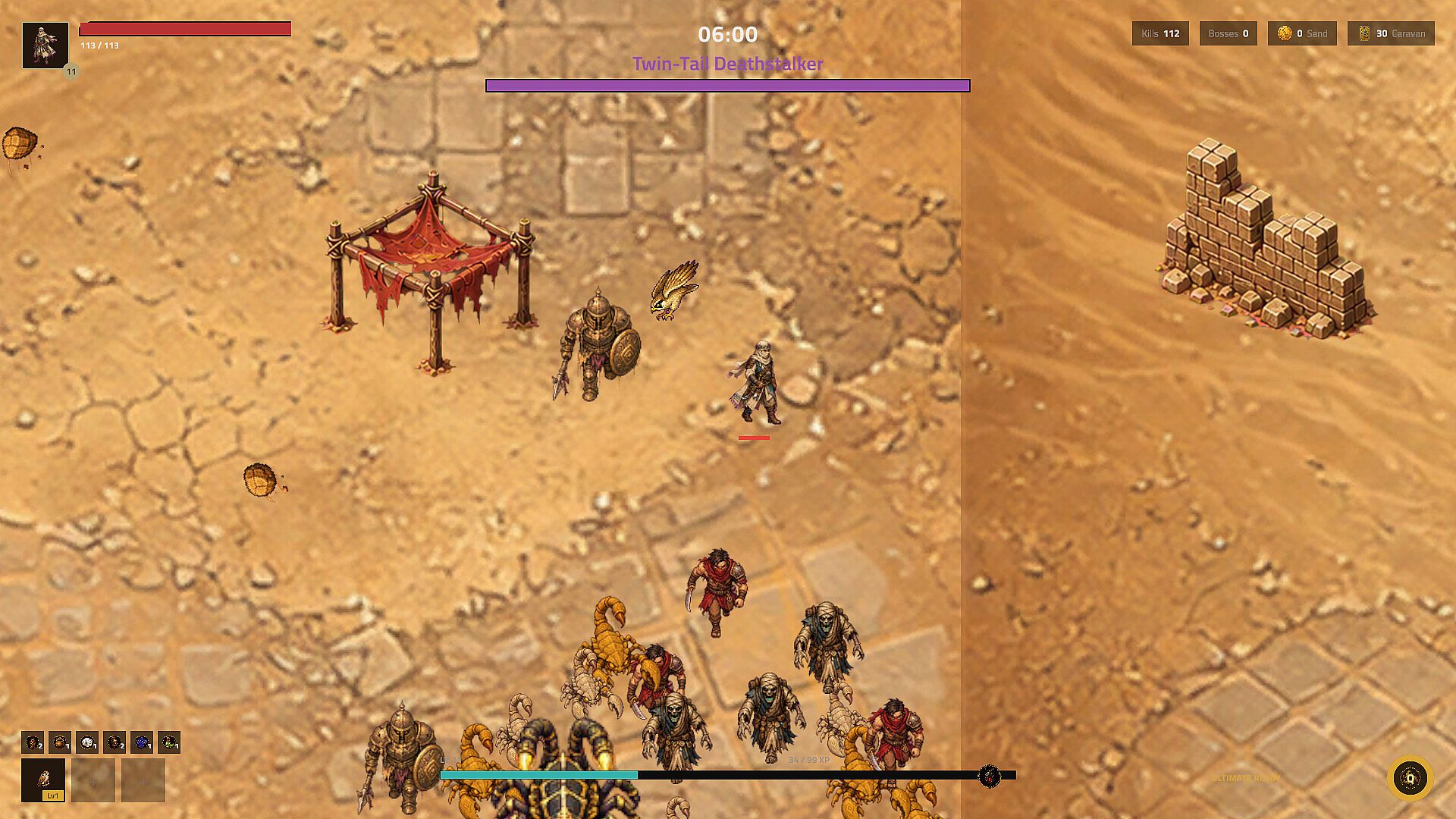
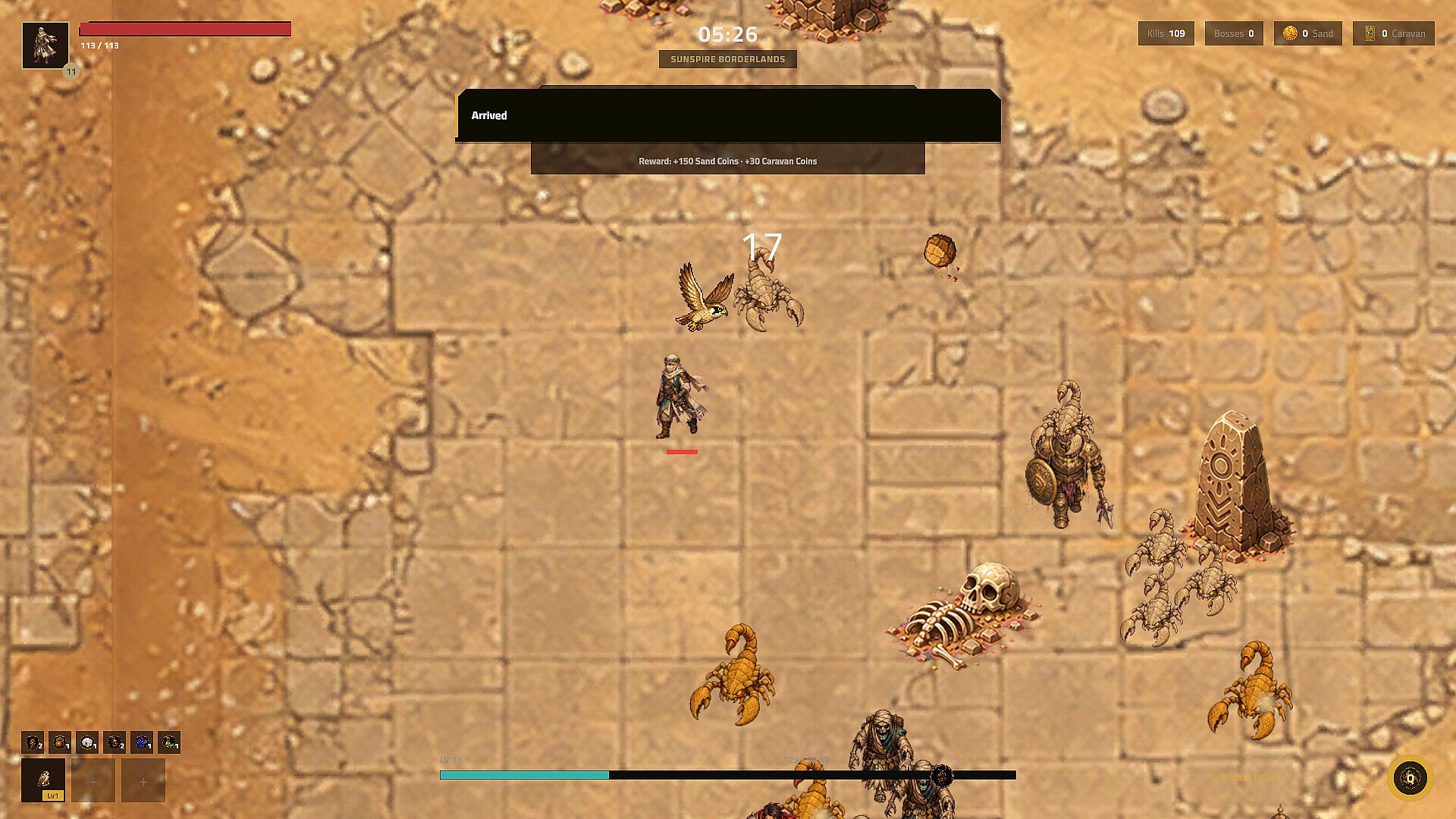
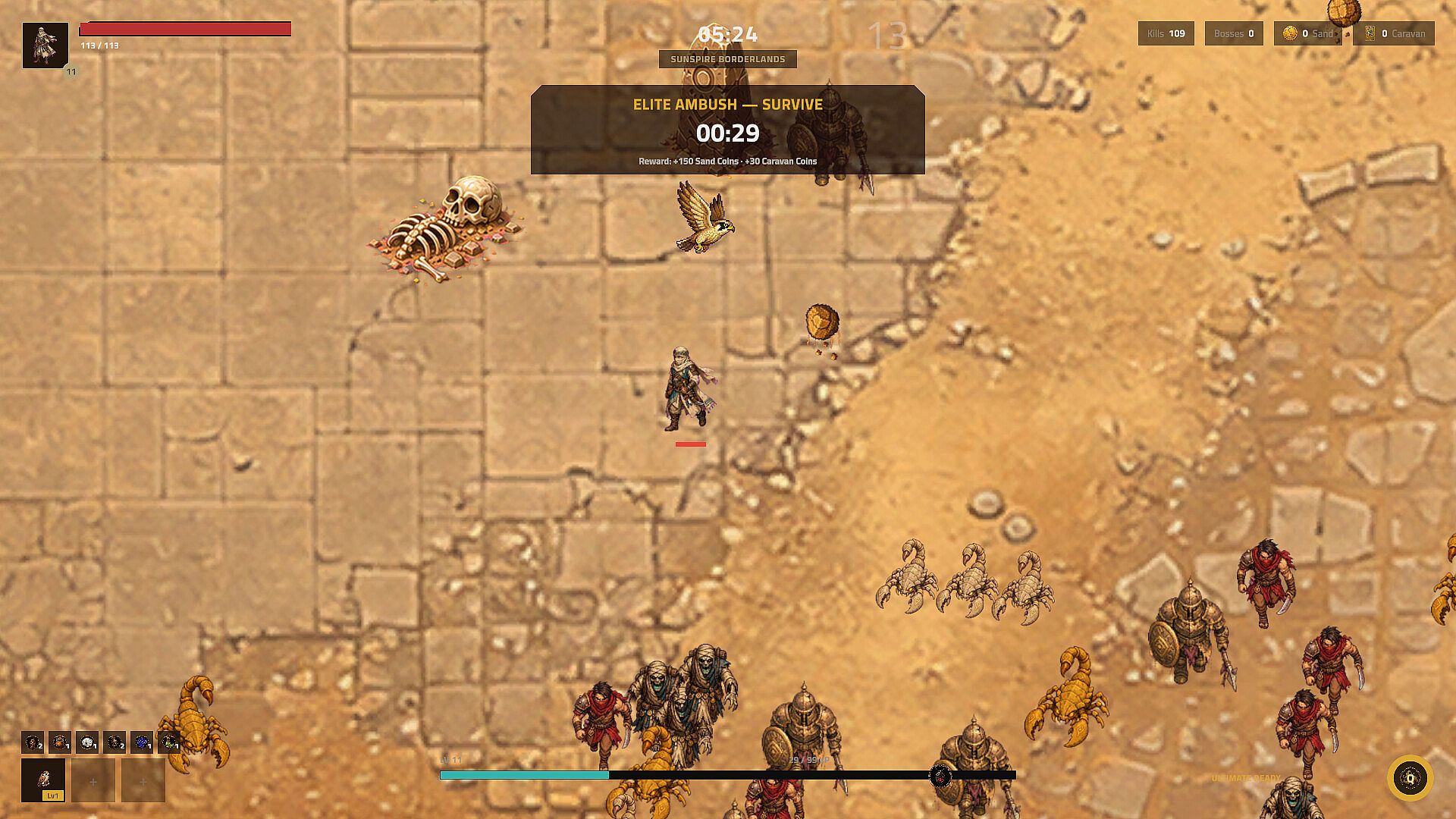
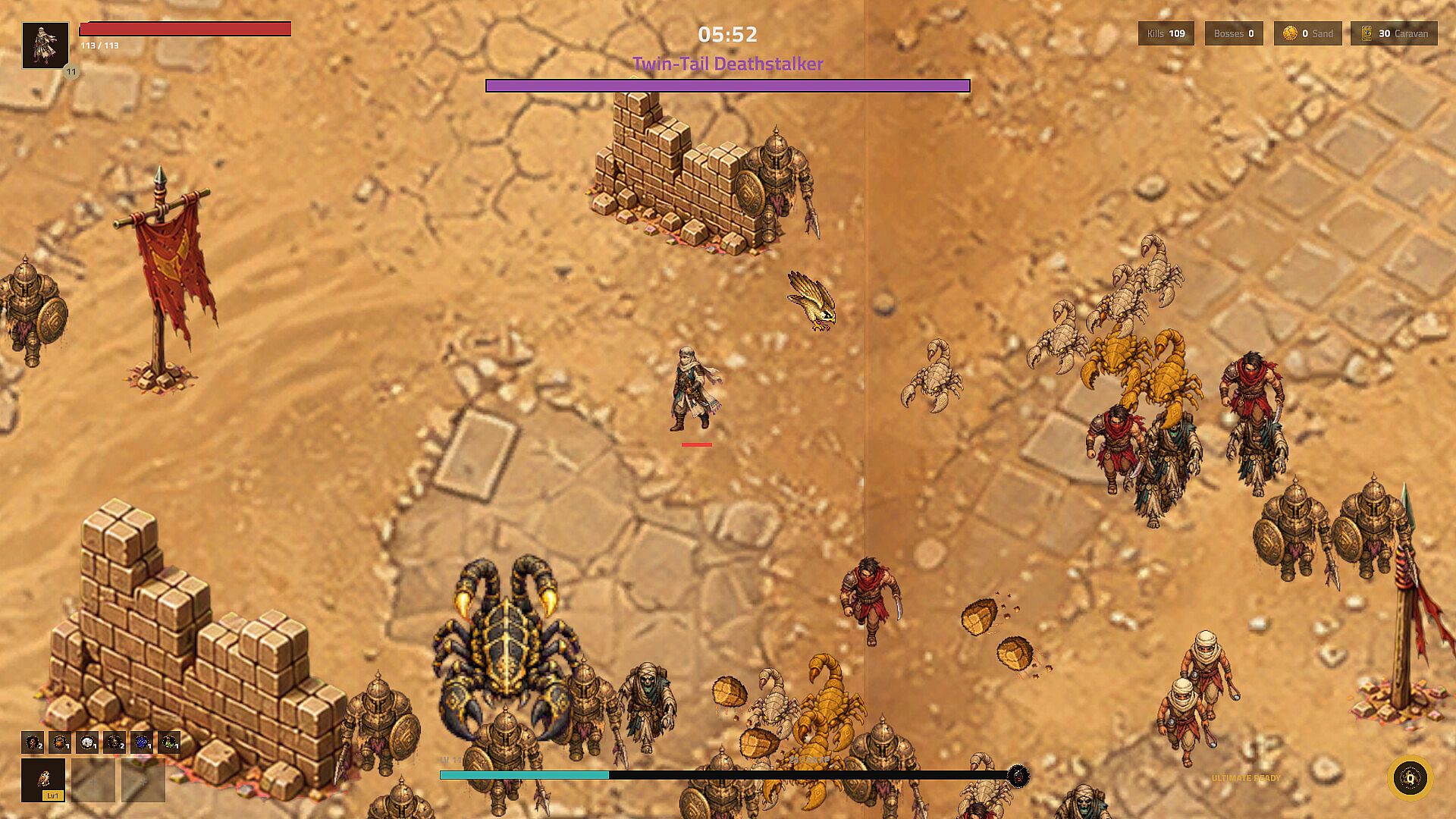
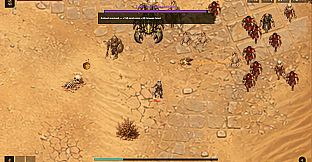


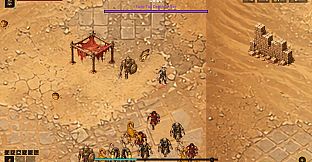
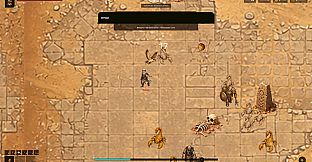
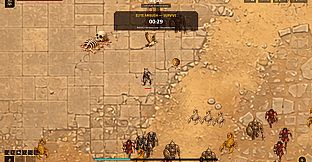
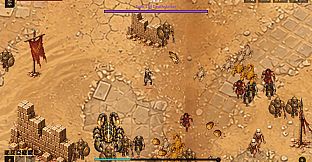
Desert Survival is an action roguelike survivor game set in a world drawn from Arabian myth. Players select a hero and enter the sands to survive fifteen-minute runs against waves of folklore-inspired creatures such as jinn and ghouls. Weapons fire automatically, leaving movement, placement, and upgrades as the main decisions that shape each attempt.
Gameplay
The core loop centers on positioning and build choices during short sessions. Heroes move across handcrafted maps while auto-attacking enemies. Leveling occurs mid-run, opening a pool of weapons, elemental powers, and upgrades that create combinations across fire, lightning, poison, and healing effects. Stronger options often include drawbacks, requiring players to weigh immediate power against long-term costs.
Weapon evolutions add another layer. Reaching maximum level on a weapon while holding its matching relic unlocks one of twelve transformed versions. These include erupting fire pillars from kills, harpoons that pull enemies, sandstorm rings with a calm center, and orbiting sickles that deflect shots. A wandering wish lamp can be rubbed for a genie that grants boards of up to six wishes.
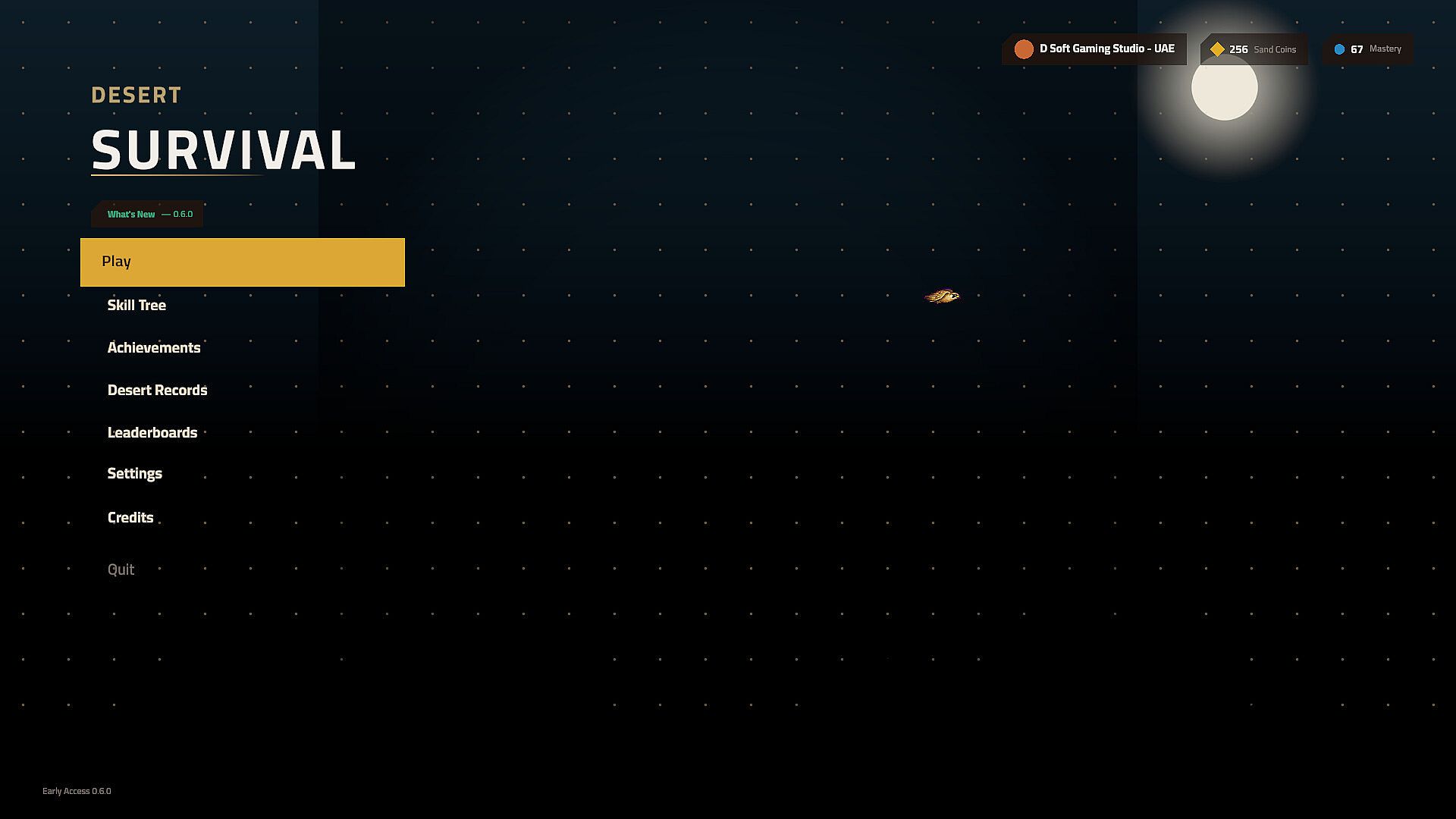
Between runs, earnings fund a general skill tree and separate trees for each hero. Permanent improvements cover stats, starting weapons, and defensive abilities such as the Pearl Barrier. Full refunds allow free respecing to test different approaches. Six distinct maps feature their own enemy rosters, elites, and bosses, with seventy-two unique foes total. Claiming an elemental orb from each map unlocks new heroes.
Game Modes
Standard runs last fifteen minutes and focus on survival across the six maps. Players can stack up to eight run modifiers before starting and choose from three difficulty tiers that scale enemy behavior and rewards. Modifiers introduce elements like reduced vision from sandstorms, increased elite presence, or cursed conditions. Endless mode removes the time limit for extended attempts.
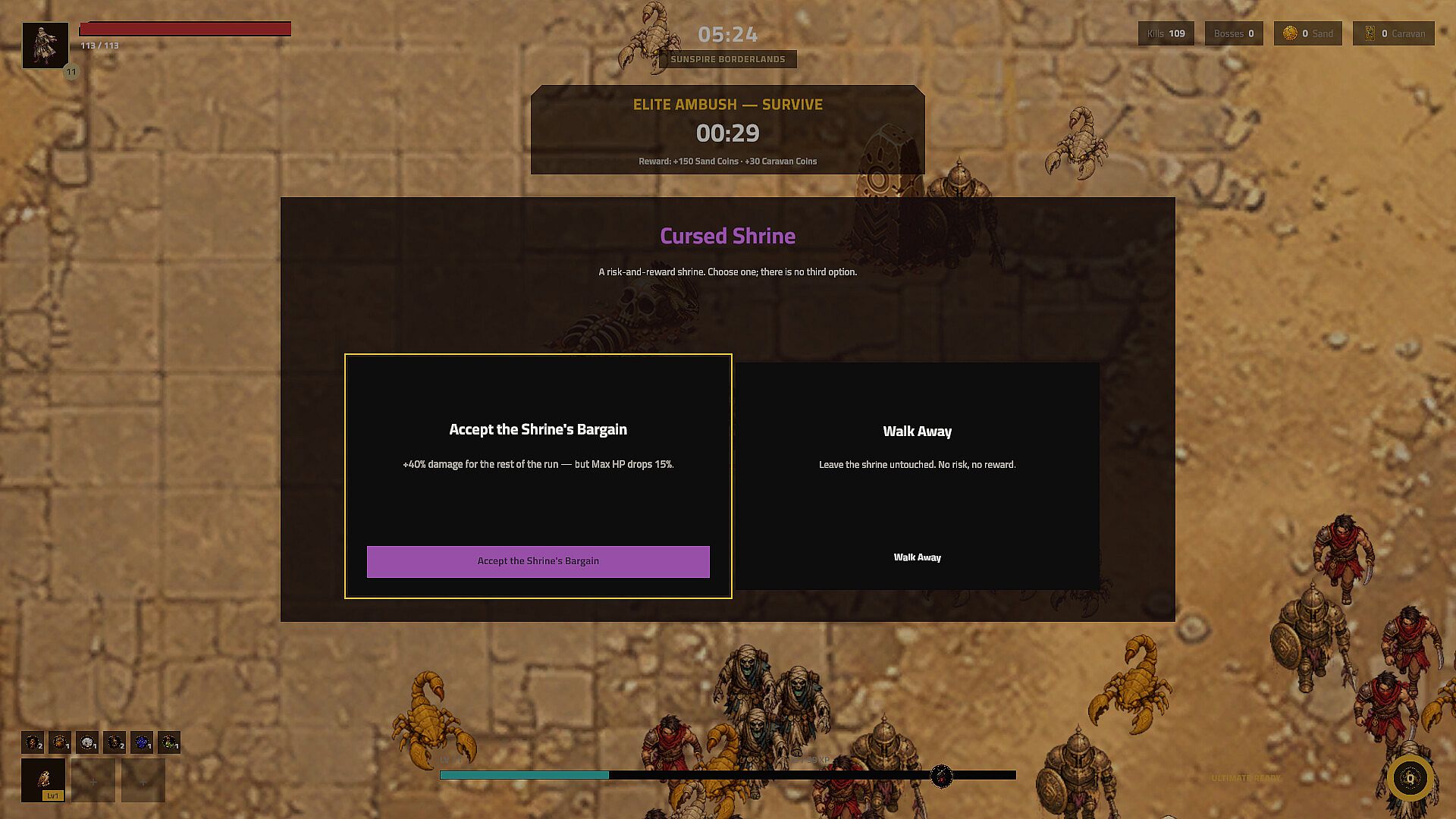
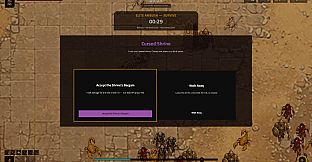
Daily contracts appear on a monthly calendar. Each specifies a hero, region, and two amplified modifiers. Missed contracts remain available and grow harder with greater rewards the longer they sit. Mid-run events such as ambushes, shrines, and a merchant offering high-risk trades add variety within any session.
Progression and Customization
Meta-progression rewards repeated play. Skill trees provide lasting advantages, while hero-specific options encourage trying different playstyles. One example hero is a falconer whose bird assists independently. Thirteen base weapons pair with seventeen relics to enable the twelve evolutions. Controller support includes layouts for Xbox, PlayStation, and Steam Deck, with fully rebindable keyboard controls and accessibility settings that reduce screen shake, flashes, and motion effects.
The game supports full localization across thirty-one languages, including Arabic, Japanese, Korean, and both Simplified and Traditional Chinese. Sixty-three Steam achievements track progress alongside leaderboards for competitive runs.
Is It Worth Playing?
Desert Survival suits players who enjoy short, replayable sessions with deep build experimentation in a roguelike survivor format. The fifteen-minute runs make it accessible for quick play, while the combination of auto-attacks, elemental synergies, weapon evolutions, and permanent upgrades rewards experimentation across multiple attempts. Run modifiers, difficulty tiers, and daily contracts extend variety without requiring long commitments.
Early Access status means the experience continues to evolve. The focus on single-player runs with strong meta-progression appeals to those who like mastering patterns against seventy-two distinct enemies across six maps. Free-to-play availability lowers the barrier for trying the core loop and deciding whether the roguelike systems and Arabian myth theme hold interest for longer sessions.