

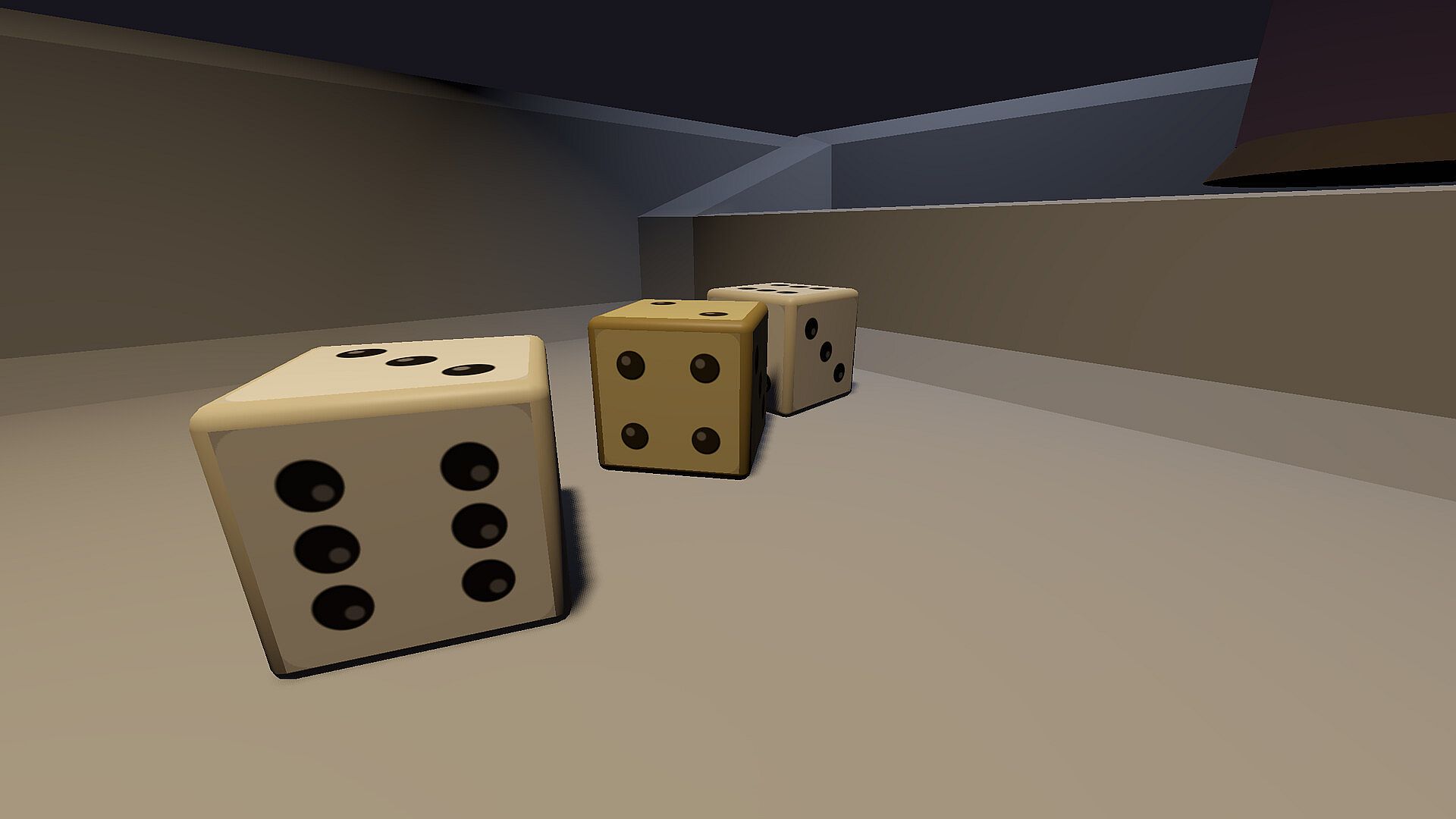
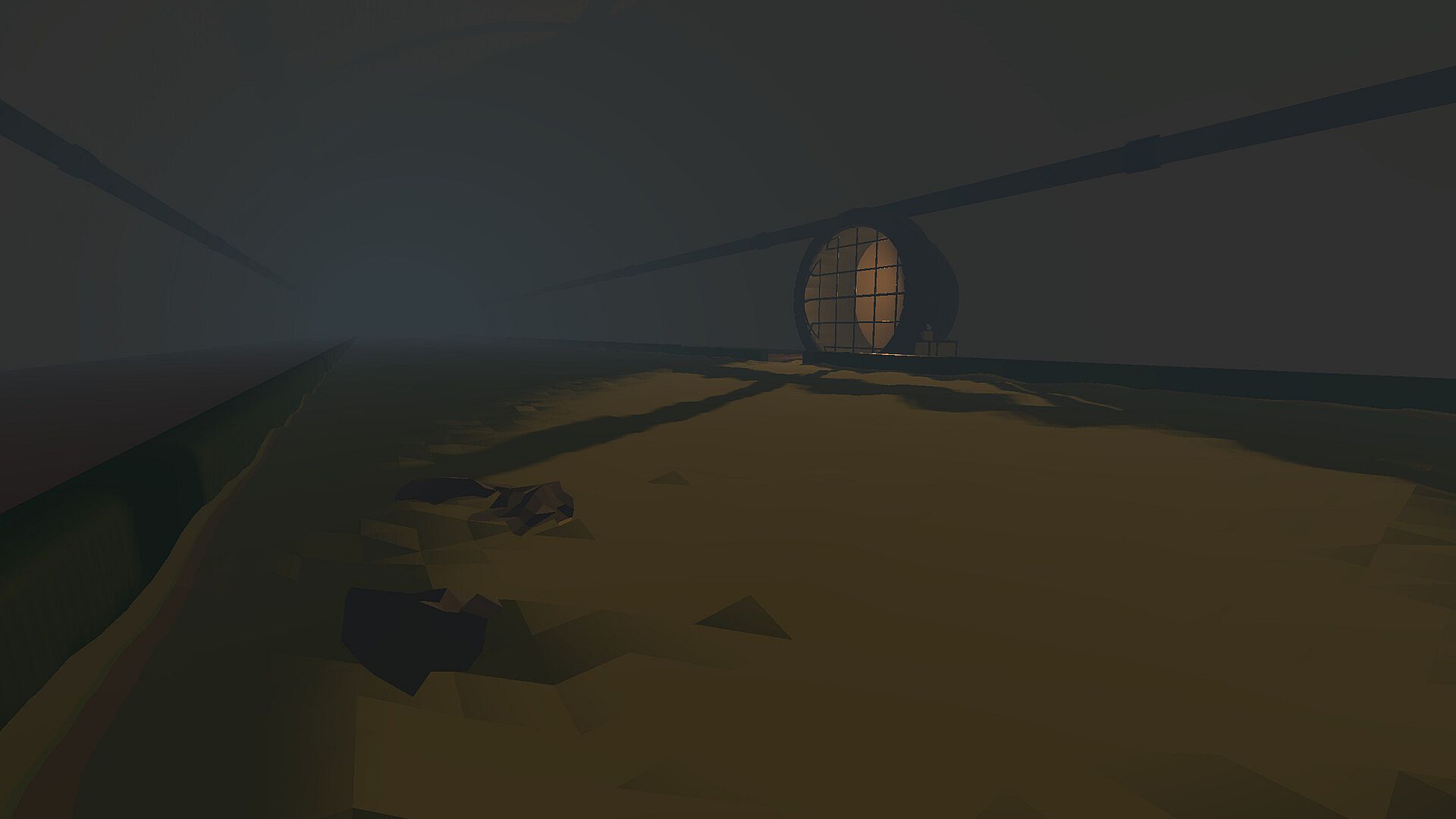
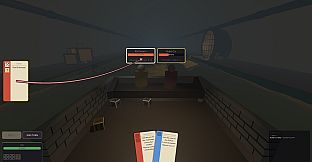
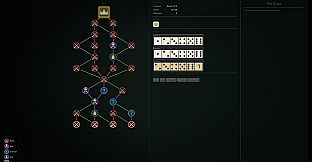
Diceward ist ein Roguelite-Deckbuilder, bei dem Würfel jede Entscheidung in den Singleplayer-Kampagnen bestimmen. Spieler würfeln jede Runde mit einer Handvoll Würfeln und ordnen sie Karten zu, die Angriffe, Verteidigung und besondere Manöver auslösen, bevor sie gezielt auf Gegner losgehen. Da keine zwei Würfe identisch sind, entsteht ständig neue Variation, die bei jedem Durchlauf durch die vier verfluchten Tiefen frische Entscheidungen erzwingt.
Gameplay
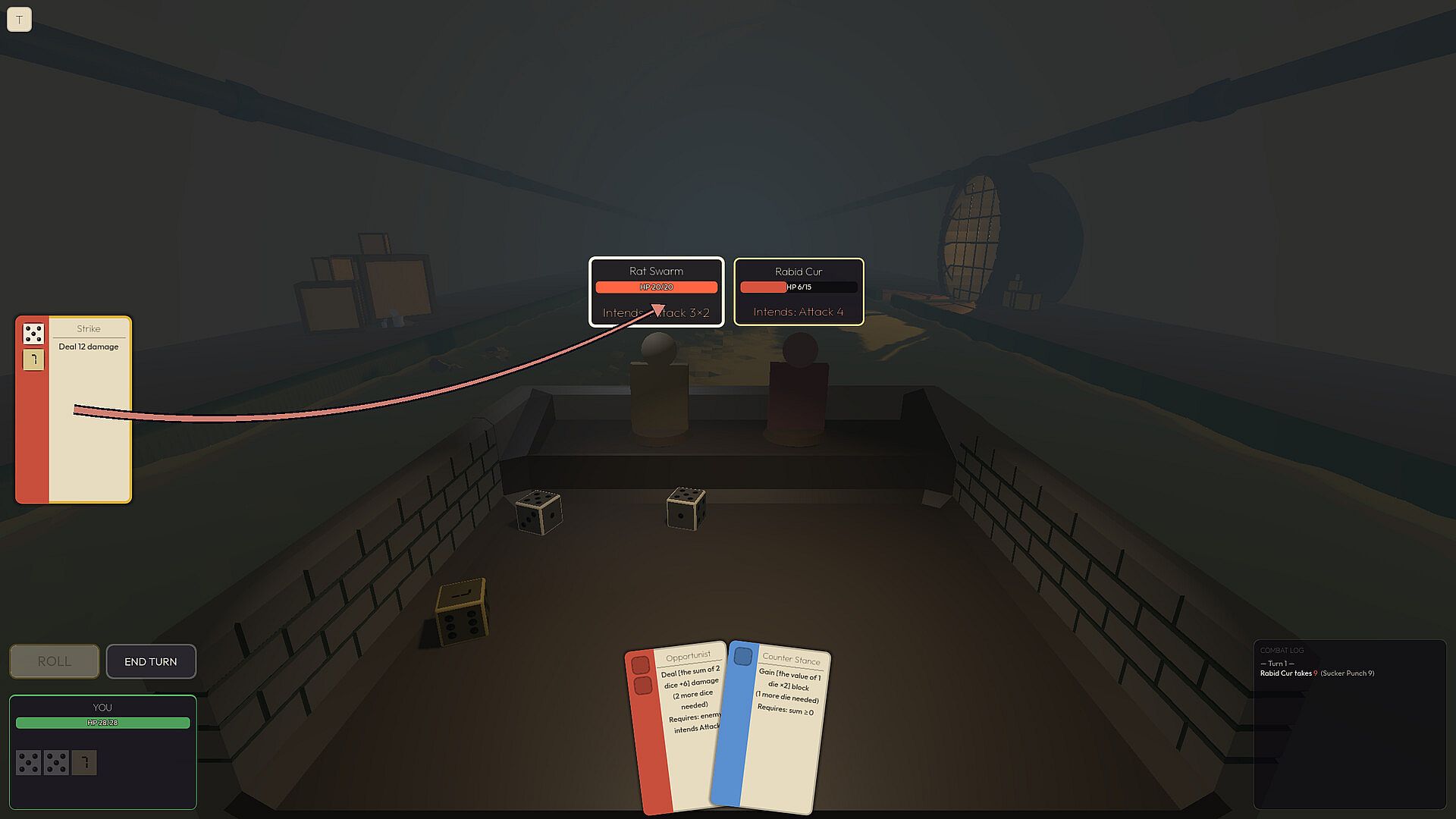
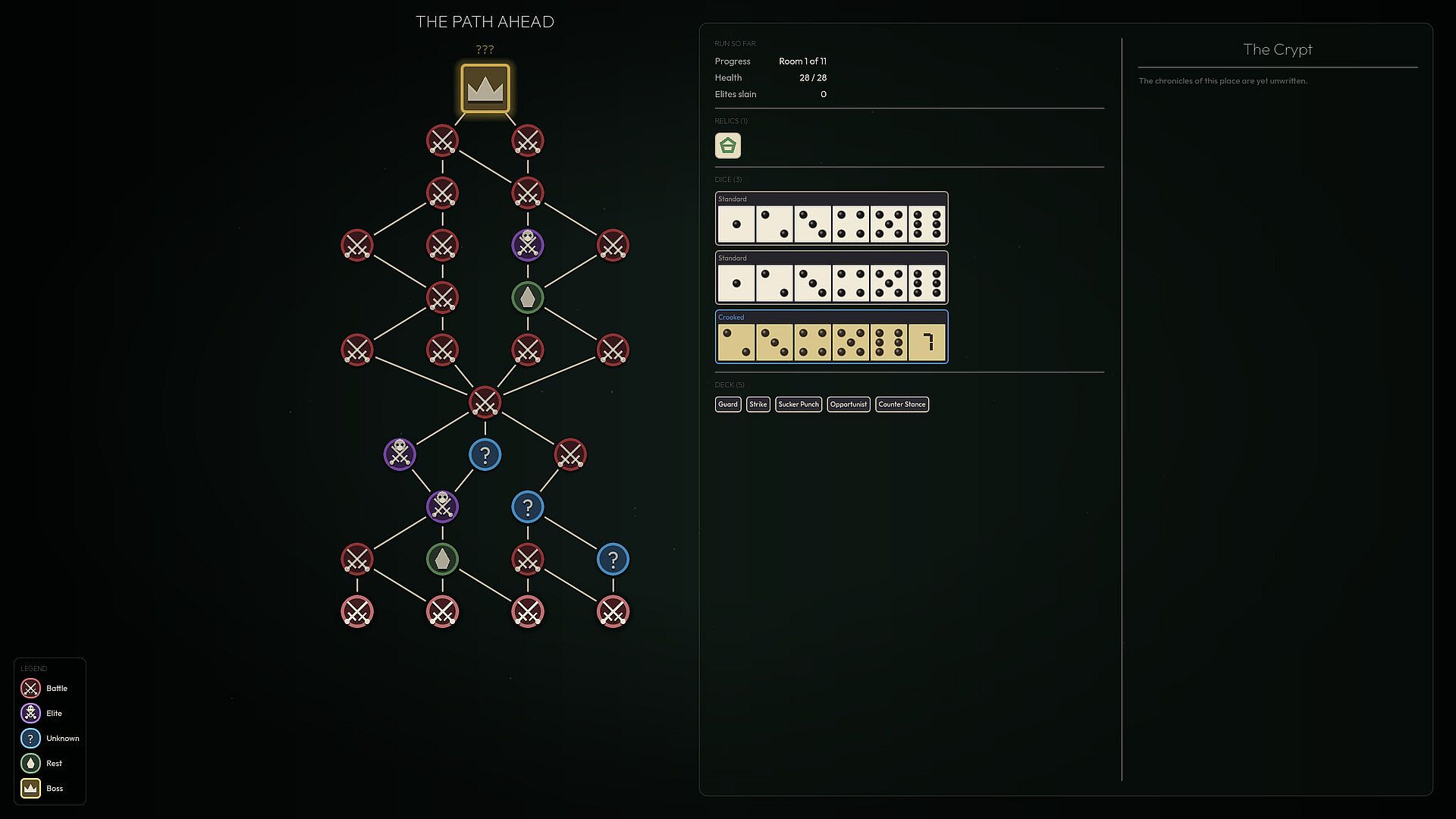
Im Kampf dreht sich alles um ein physisches Würfelbrett, auf das gewürfelt und die Ergebnisse dann auf Kartenfelder gezogen werden. Jede Karte nimmt nur bestimmte Würfelwerte oder Kombinationen an, sodass ein hoher Wurf einen schweren Schlag ermöglicht, während ein Pasch riskantere Optionen freischaltet. Gegner kündigen ihre Absichten an, sodass Zeit bleibt, zwischen Blocken und einem aggressiven Zug zu entscheiden, der die Runde frühzeitig beendet. Dieser Zyklus wiederholt sich über mehrere Runs, in denen die Würfel selbst an Rastplätzen umgeschmiedet werden können.
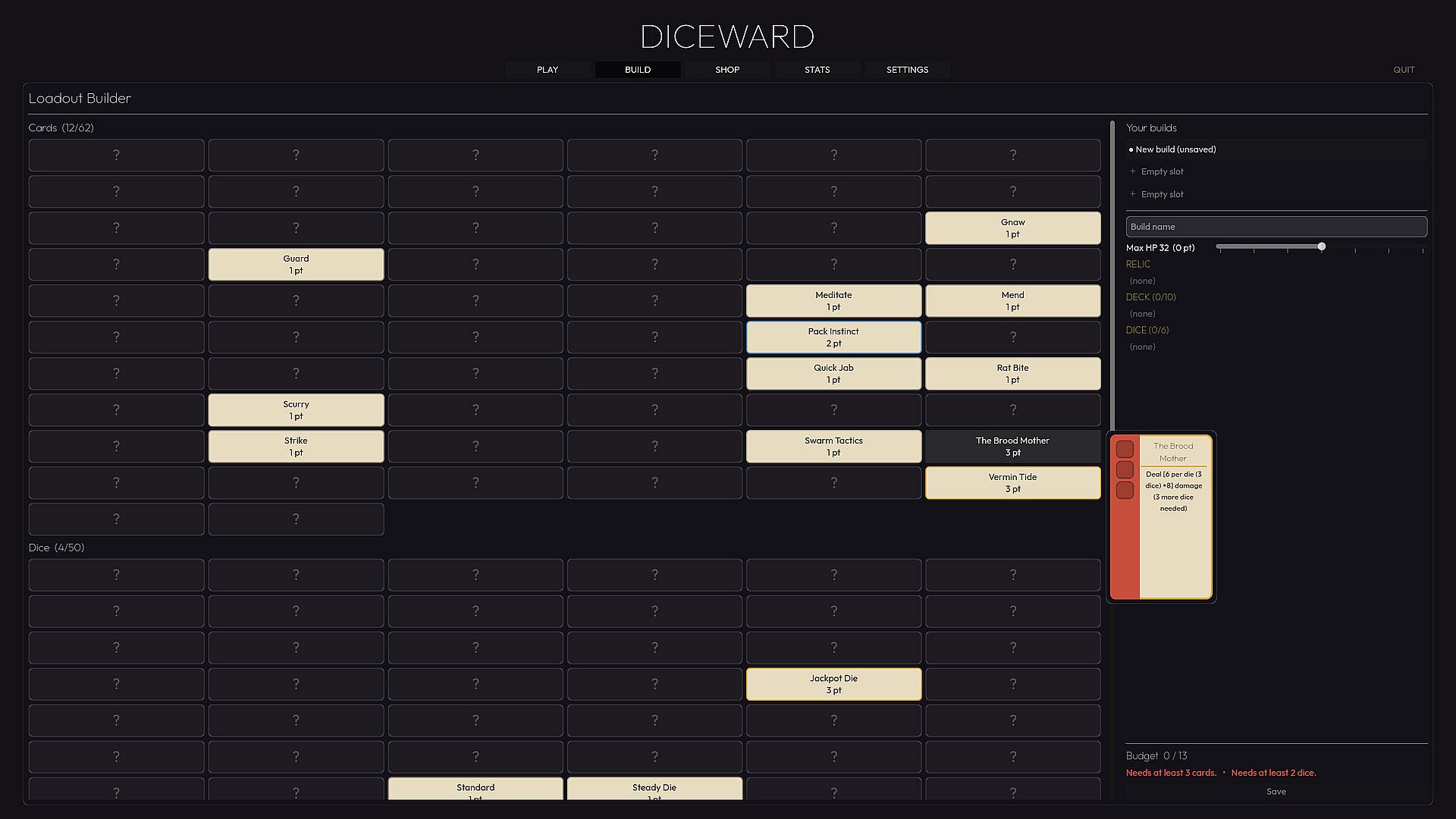
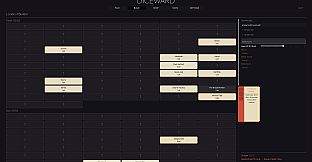
Der Fortschritt beschränkt sich nicht auf Karten, sondern umfasst auch die Würfelsammlung und Relikte. Spieler suchen nach Würfeln mit ungewöhnlichen Seiten und stapeln Gegenstände, die die Wahrscheinlichkeit verändern, sodass jeder Abstieg zu einem einzigartigen Build wird. Das Arsenal wächst mit jedem abgeschlossenen Run, und gespeicherte eigene Setups dienen als Startpunkt für neue Versuche. Die Systemanforderungen bestätigen, dass das Spiel auf handelsüblicher Windows-Hardware mit moderaten Grafikanforderungen läuft.
Game Modes
Das Kernspiel besteht aus Singleplayer-Runs durch vier unterschiedliche Tiefen, die jeweils eigene Gegner und einen Boss mit spezifischen Schwächen enthalten. Spieler können zwischen sichereren Routen und riskanteren Pfaden wählen, die höhere Belohnungen versprechen, aber präziseres Spiel erfordern. Der Schwierigkeitsgrad Ascension legt zusätzliche Herausforderungen auf diese Runs für alle, die strengere Bedingungen suchen.
Mit Custom-Loadouts lassen sich erfolgreiche Kombinationen aus Würfeln, Karten und Relikten für künftige Starts sichern. Weitere Modi sind in den verfügbaren Angaben nicht enthalten, sodass der Fokus auf der iterativen Roguelite-Progression liegt, bei der jeder Versuch den Umgang mit denselben Kernsystemen verfeinert.
Core Mechanics and Progression
Das Umschmieden von Würfelseiten während der Rastphasen gibt direkte Kontrolle über künftige Würfe, während Relikte dauerhafte Veränderungen am Würfelverhalten für den gesamten Run bewirken. Die wachsende Sammlung aus Karten, Würfeln und Relikten lädt zum Experimentieren ein, weil die genaue Kombination, mit der man in den nächsten Versuch geht, nie einer vorherigen gleicht. Dieses System belohnt das Erkennen von Gegnermustern und den sorgfältigen Umgang mit begrenzten Würfelressourcen in jeder Runde.
Die angekündigten Aktionen der Gegner fügen der Würfelzuweisung eine Vorhersageebene hinzu. Spieler müssen zwischen unmittelbarem Überleben und der Chance auf einen entscheidenden Schlag abwägen, der Bedrohungen beseitigt, bevor sie handeln. Das Fehlen von Multiplayer hält jede Session auf persönliche Strategie und Anpassung an die zufälligen Würfelergebnisse fokussiert.
Is It Worth Playing?
Diceward richtet sich an Spieler, die Roguelite-Deckbuilder mit physischer Zufallskomponente durch Würfel statt reiner Kartenziehen schätzen. Die Singleplayer-Struktur mit mehreren Tiefen, Ascension-Optionen und dauerhaftem Arsenalwachstum bietet wiederholte Versuche, das Spiel zu meistern, ohne externe Konkurrenz. Wer Systeme mag, in denen Ressourcenzuweisung und probabilistische Ergebnisse die Entscheidungen bestimmen, findet den beschriebenen Loop im Einklang mit den Stärken des Genres.
Da das Spiel noch nicht veröffentlicht ist und weder ein Release-Termin noch abgeschlossene Runs zur Bewertung vorliegen, bleibt ein abschließendes Urteil dem Launch vorbehalten. Die bestätigten Features entsprechen etablierten Roguelite-Konventionen, die das Interesse an vergleichbaren Titeln aufrechterhalten, insbesondere bei einem Publikum, das PC-Strategie-Erfahrungen mit iterativer Verfeinerung bevorzugt.