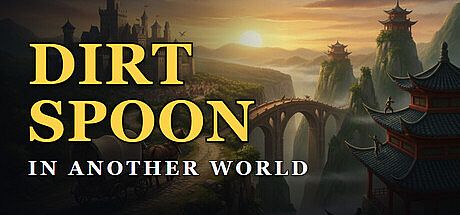






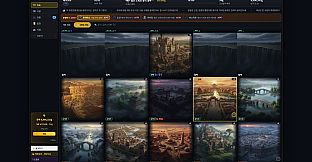
Dirt Spoon in Another World places players in a single-player strategy indie RPG simulation experience on PC. The premise centers on arriving in a world of wuxia and fantasy without any status windows or special powers, only a ten-million-gold debt that must be repaid through trading and combat operations.
Gameplay
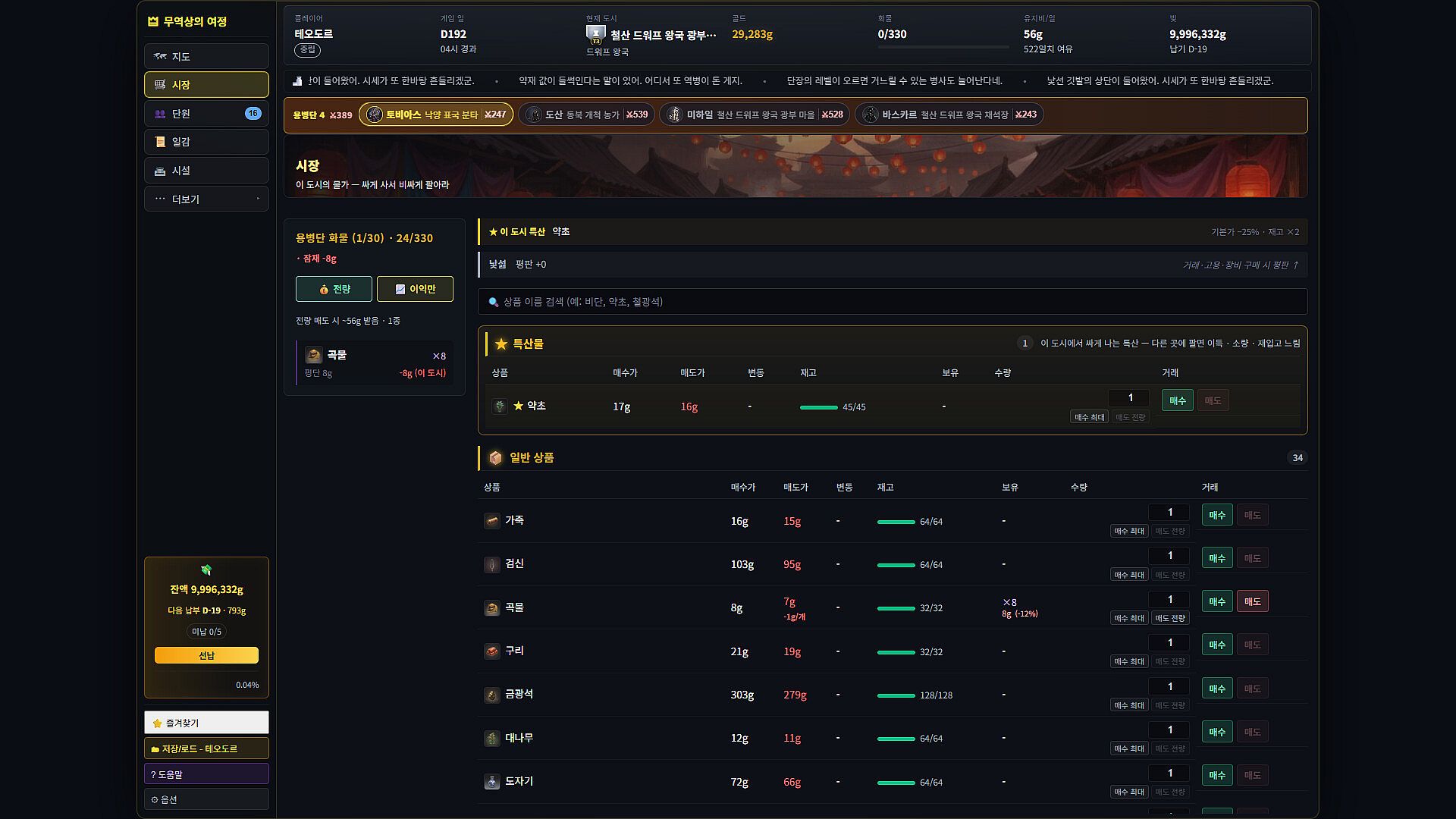
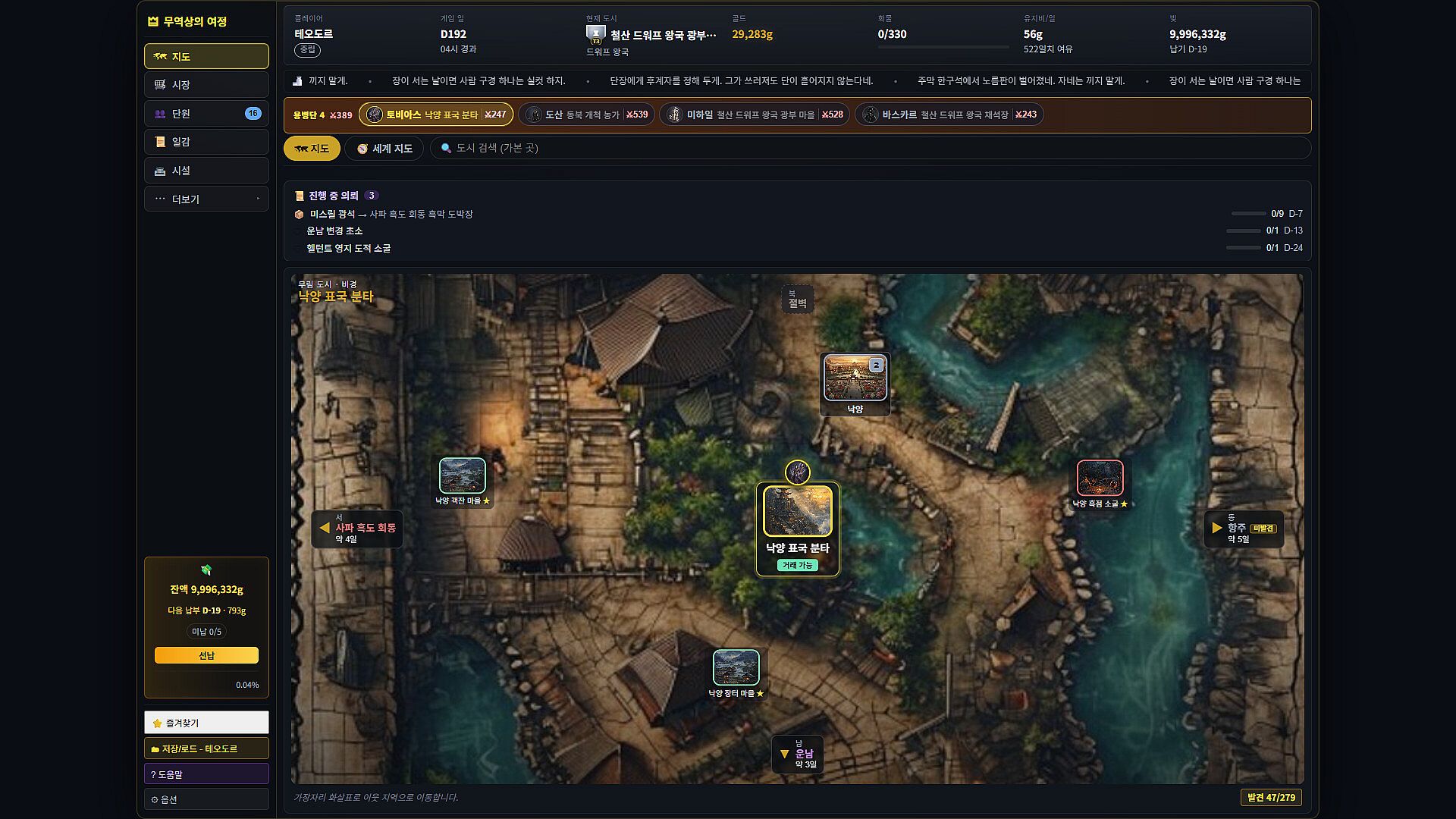
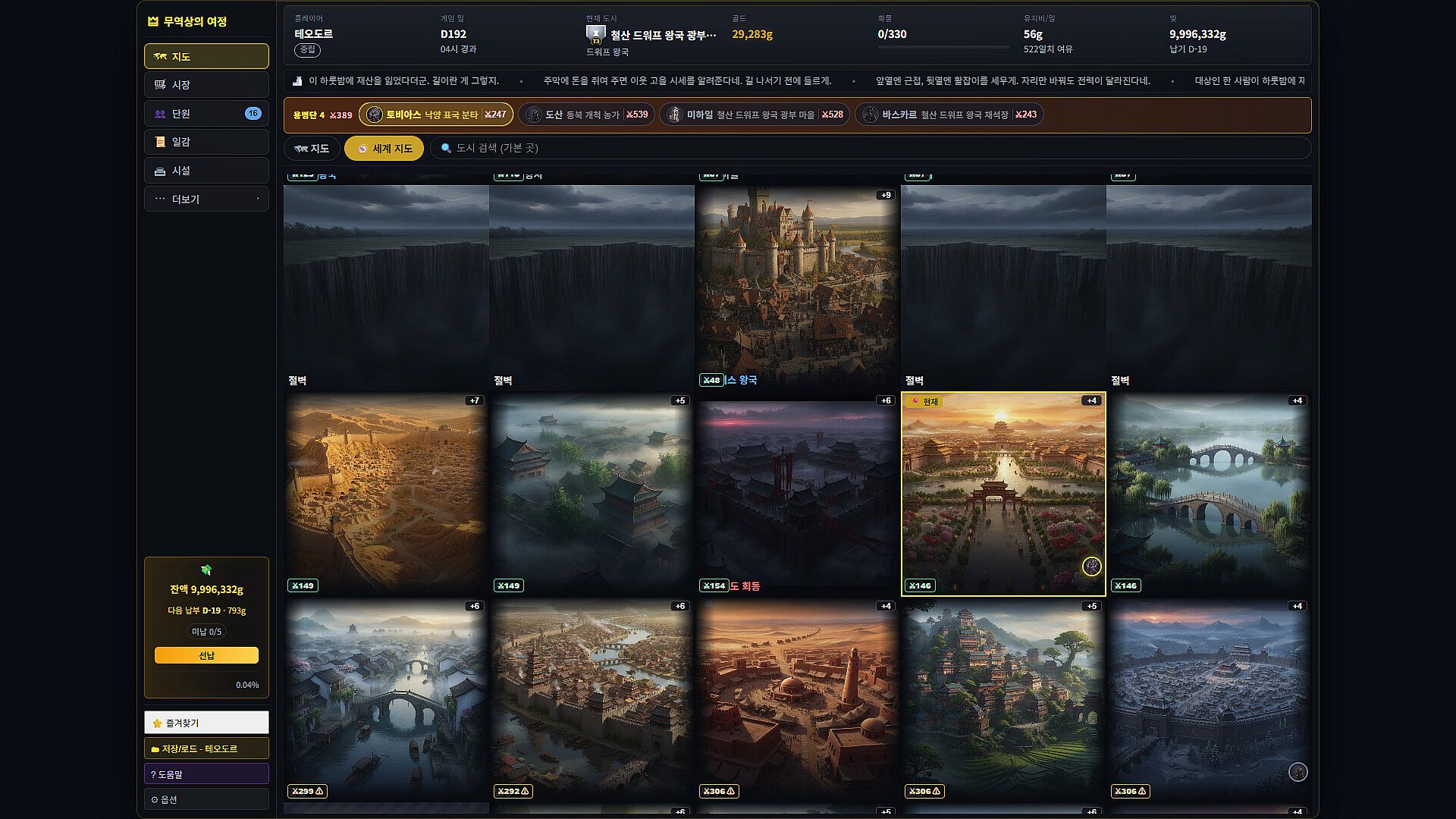
The core loop revolves around traveling a hand-crafted map of 279 cities, each featuring distinct goods, prices, and shortages. Prices fluctuate based on distance, in-game events, and the player's own trading activity, preventing simple back-and-forth arbitrage. A built-in price ledger tracks past transactions to help identify profitable routes over time. Festivals, plagues, and black markets create temporary opportunities for those who monitor market shifts closely.
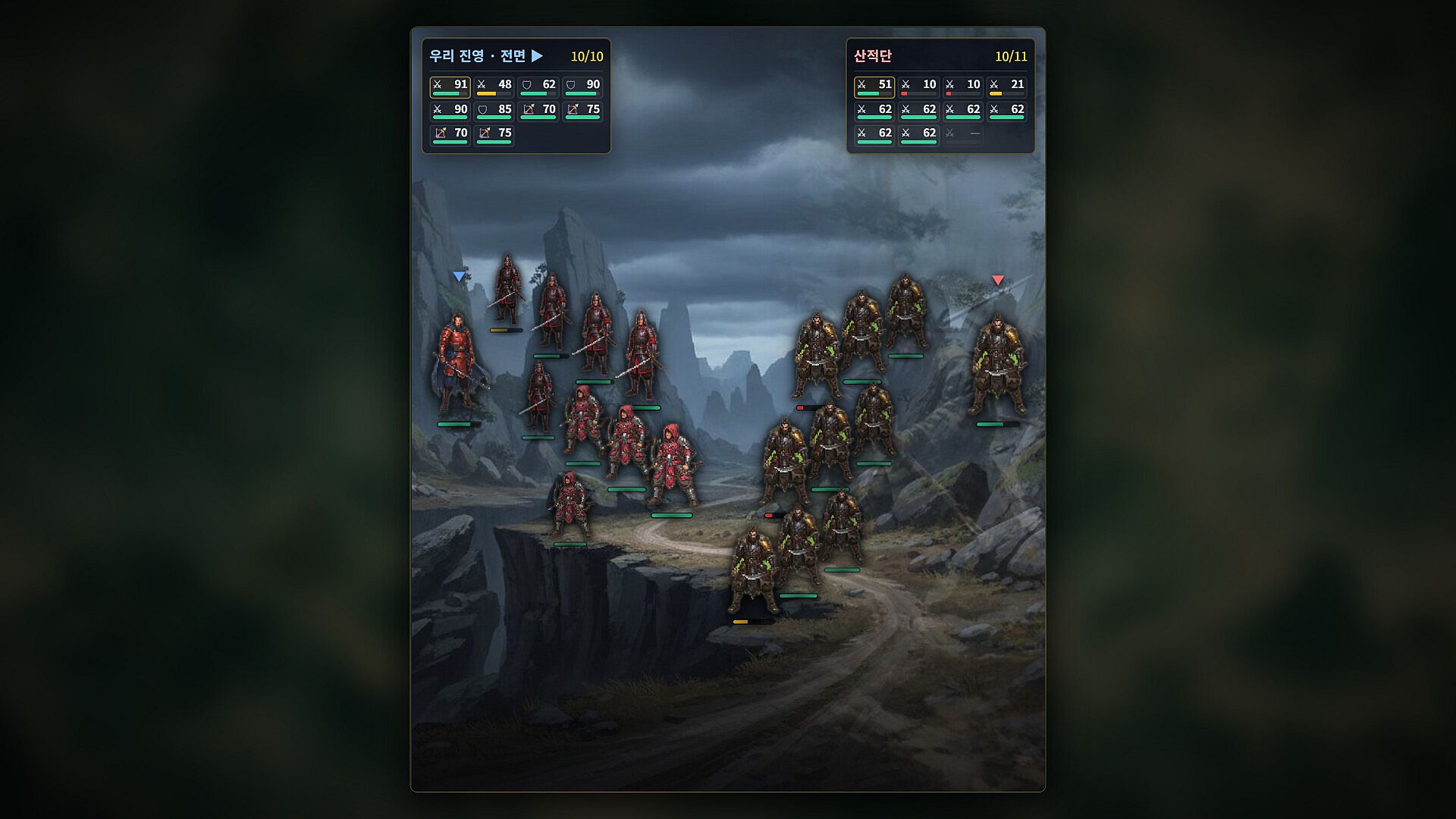
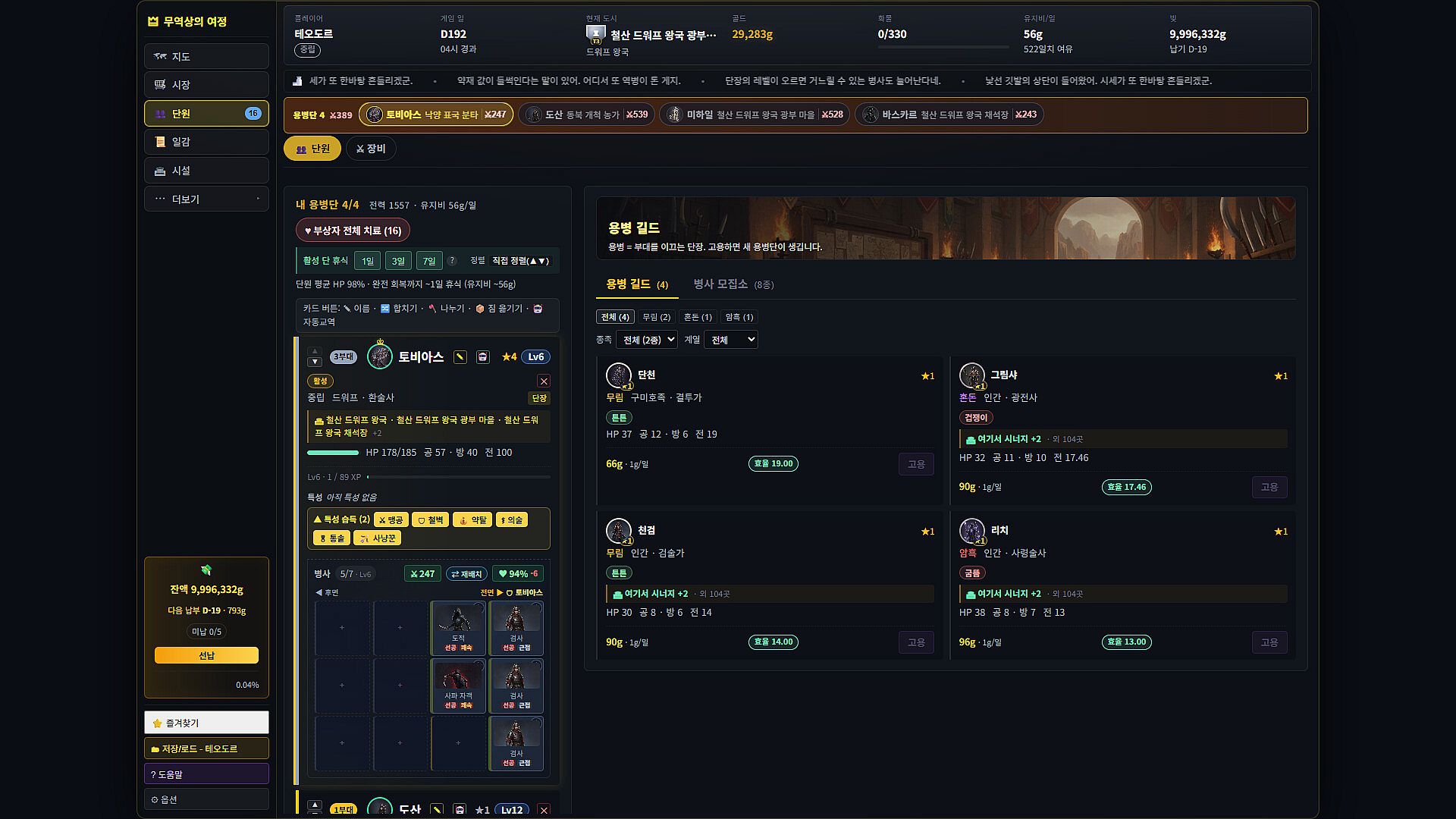
Combat support comes through mercenary squads. Players recruit captains and assemble up to 12 soldiers per squad in a 4x3 formation. As many as four squads can operate independently while sharing a common gold pool. More than 60 soldier types draw from wuxia sects and fantasy races, each with unique artwork. Real-time combat lets units attack according to their individual timing, with casualties, wounds, and survivors determining the outcome of each engagement.
Progression ties into reputation and faction choices. Selecting a route such as Radiance, Wulin, Demon Cult, or Chaos influences which groups become allies. Deeds and reputation accumulate into fame ranks that advance from Unknown through Greenhorn, Known, Renowned, Great Merchant, and finally Legend. NPC quests provide additional income and unlock price advantages based on city standing.
Game Modes
The game operates entirely as a single-player experience focused on debt repayment and world navigation. Players manage trading caravans and squad movements across the map while balancing combat risks on dangerous roads. Different route selections create varied faction relationships that affect available quests and market access. Fame accumulation opens new opportunities regardless of the chosen path, encouraging repeated playthroughs with adjusted priorities on trading volume versus squad strength.
City reputation systems add another layer, where completing quests improves local pricing and unlocks perks. The single clear objective remains clearing the full debt, after which the story concludes. No separate competitive or cooperative modes exist beyond this unified campaign structure.
World and Progression Systems
The living economy responds dynamically to player actions and random events, making each journey across the 279 cities feel distinct. Shortages and surpluses shift with distance and timing, rewarding careful planning with the price ledger. Squad management requires ongoing decisions about recruitment, formation, and deployment, as only gold carries over between independent groups.
Fame ranks provide measurable milestones that expand options without altering the core debt goal. Higher ranks improve access to better contracts and faction benefits. The system integrates trading profits with combat results, as successful squad operations protect caravans and enable deeper market penetration.
Is It Worth Playing?
This title suits players who enjoy methodical trading simulations combined with real-time squad tactics in a single-player format. The emphasis on price tracking, route planning, and squad composition creates a focused loop centered on economic growth and risk management. Those drawn to indie strategy RPGs with clear long-term objectives will find the debt-repayment structure provides consistent direction.
Because the game remains in development with a coming-soon release, current details rest on the described systems of city economies, squad formations, and fame progression. It appeals most to audiences seeking deliberate pacing over fast action, where reading market signals and building capable mercenary groups drive advancement. The absence of cheat mechanics or status windows reinforces the grounded merchant-soldier fantasy that defines the experience.