

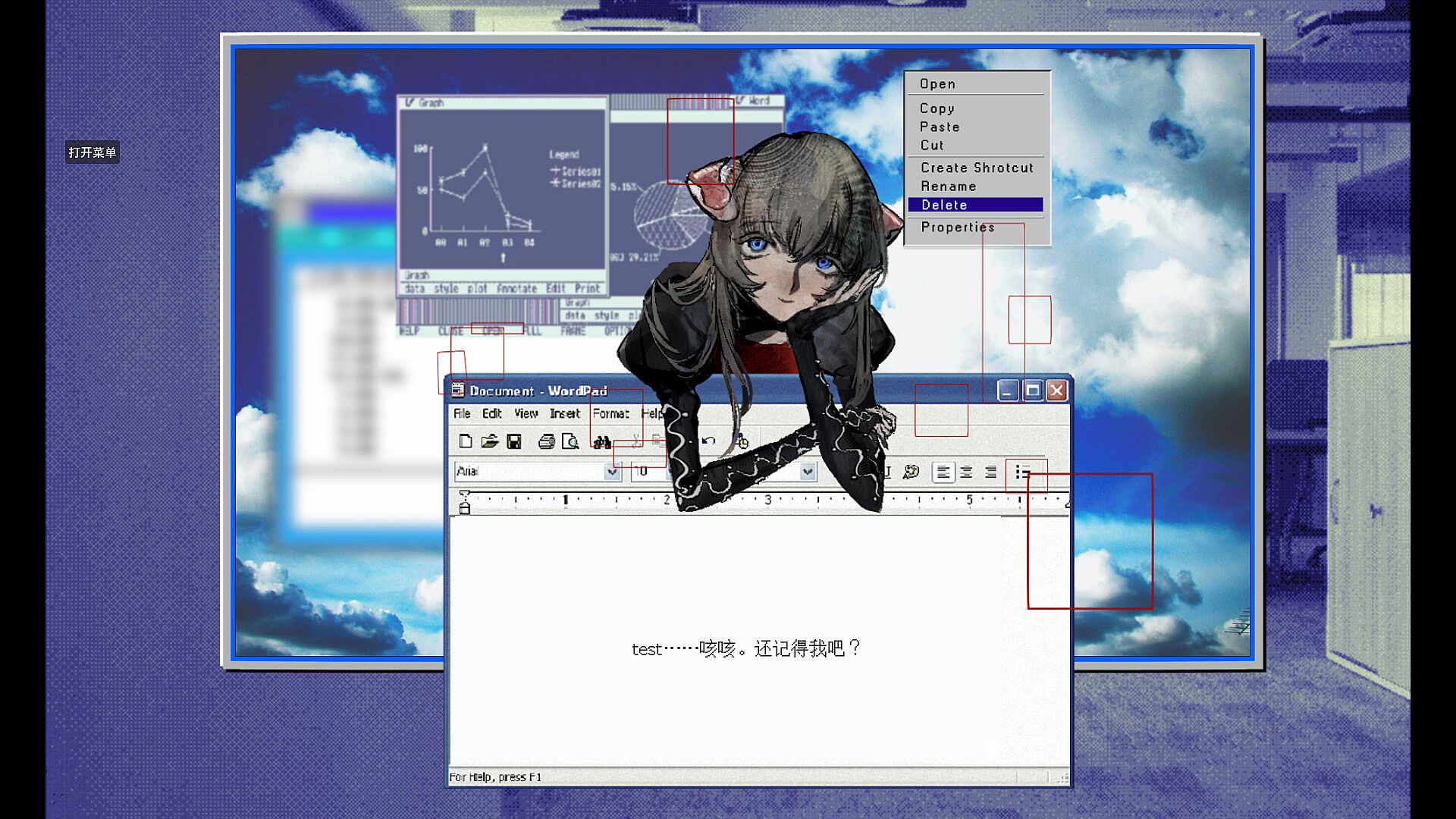
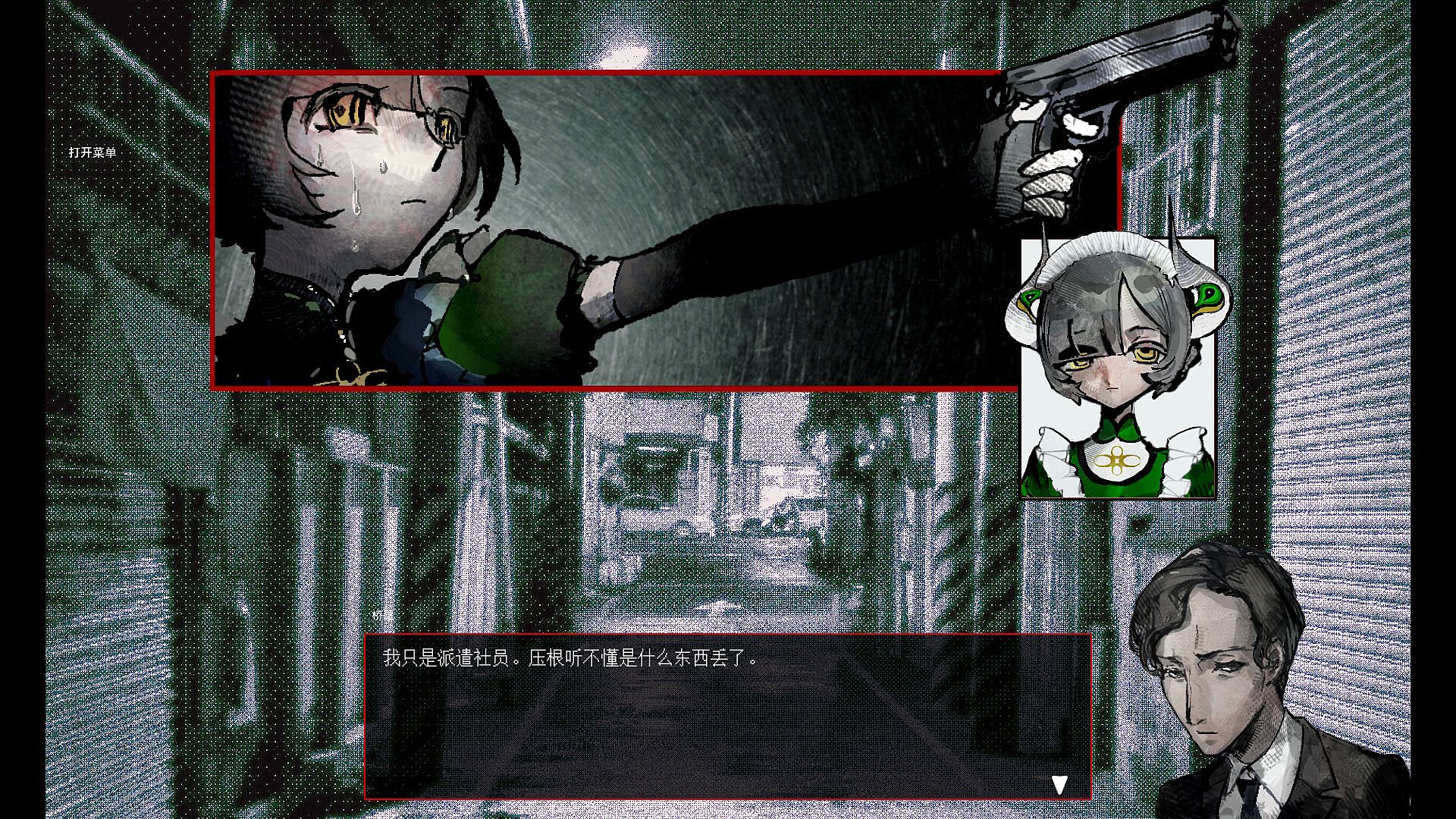
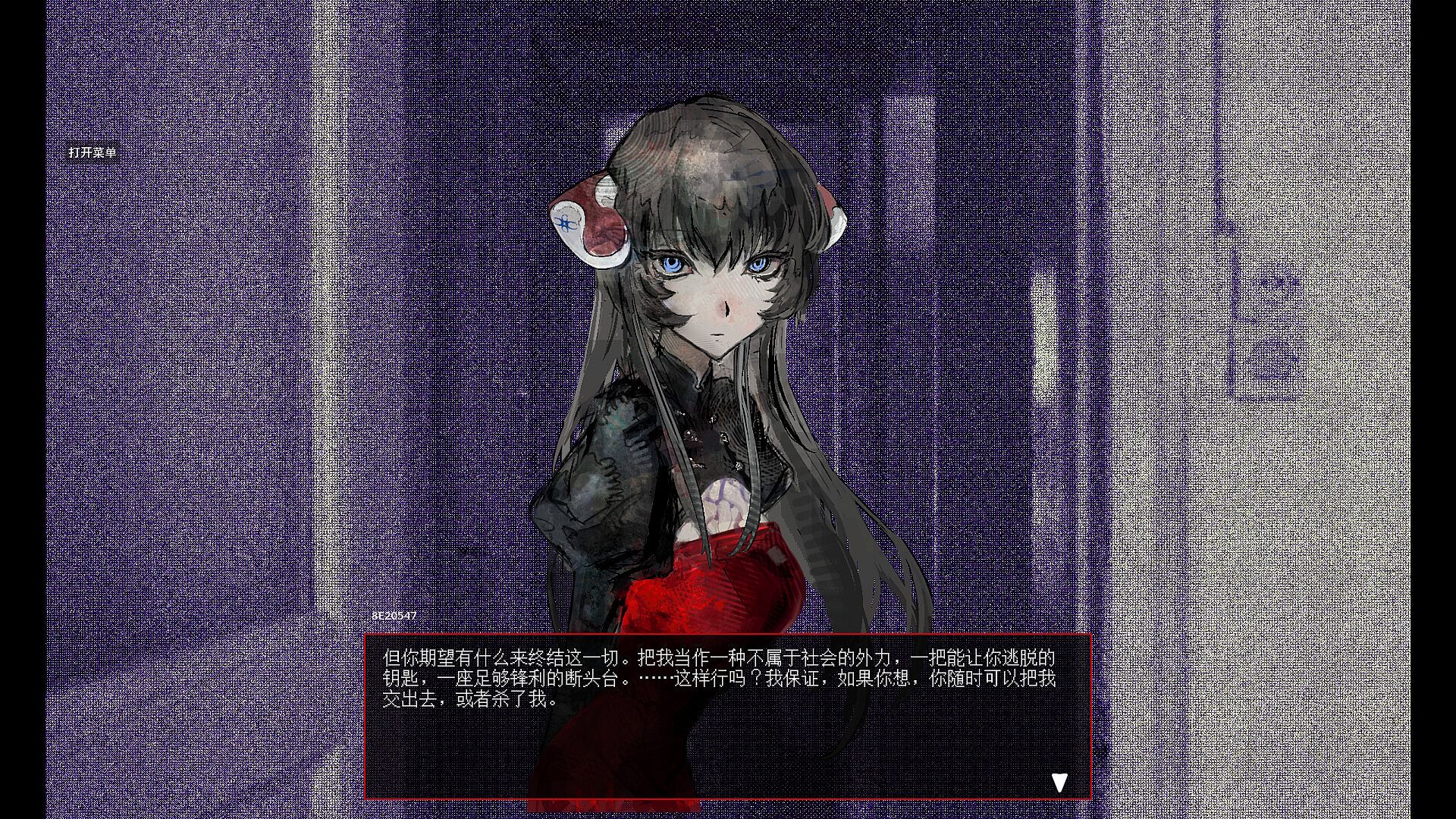
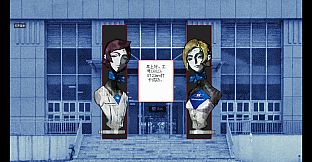
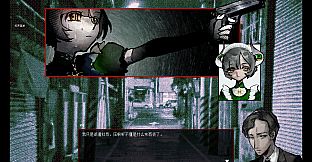
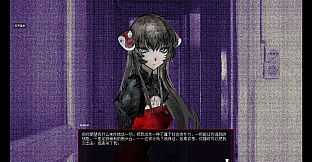
Tokyo Bartleby stands as an indie adventure visual novel built around a branching narrative, dialogue choices, and multiple endings. Set in Tokyo during 2006, the story follows a middle-aged temp worker who discovers a damaged android outside his apartment one morning. She has escaped her corporate owners and expresses a desire to end her existence. He brings her inside, and the two begin sharing a household marked by routine meals, chores, and conversations that gradually reveal deeper tensions.
Gameplay
Players experience the narrative entirely from the protagonist's first-person perspective. The core loop centers on reading passages of text that describe daily life at a declining trading company and the uneasy domestic arrangement at home. During conversations, workplace encounters, and key turning points, dialogue options appear. Each selection influences how characters respond, what details surface about the android's past, and which narrative path opens next. These decisions accumulate across the story, steering events toward one of several distinct conclusions rather than a single fixed outcome.
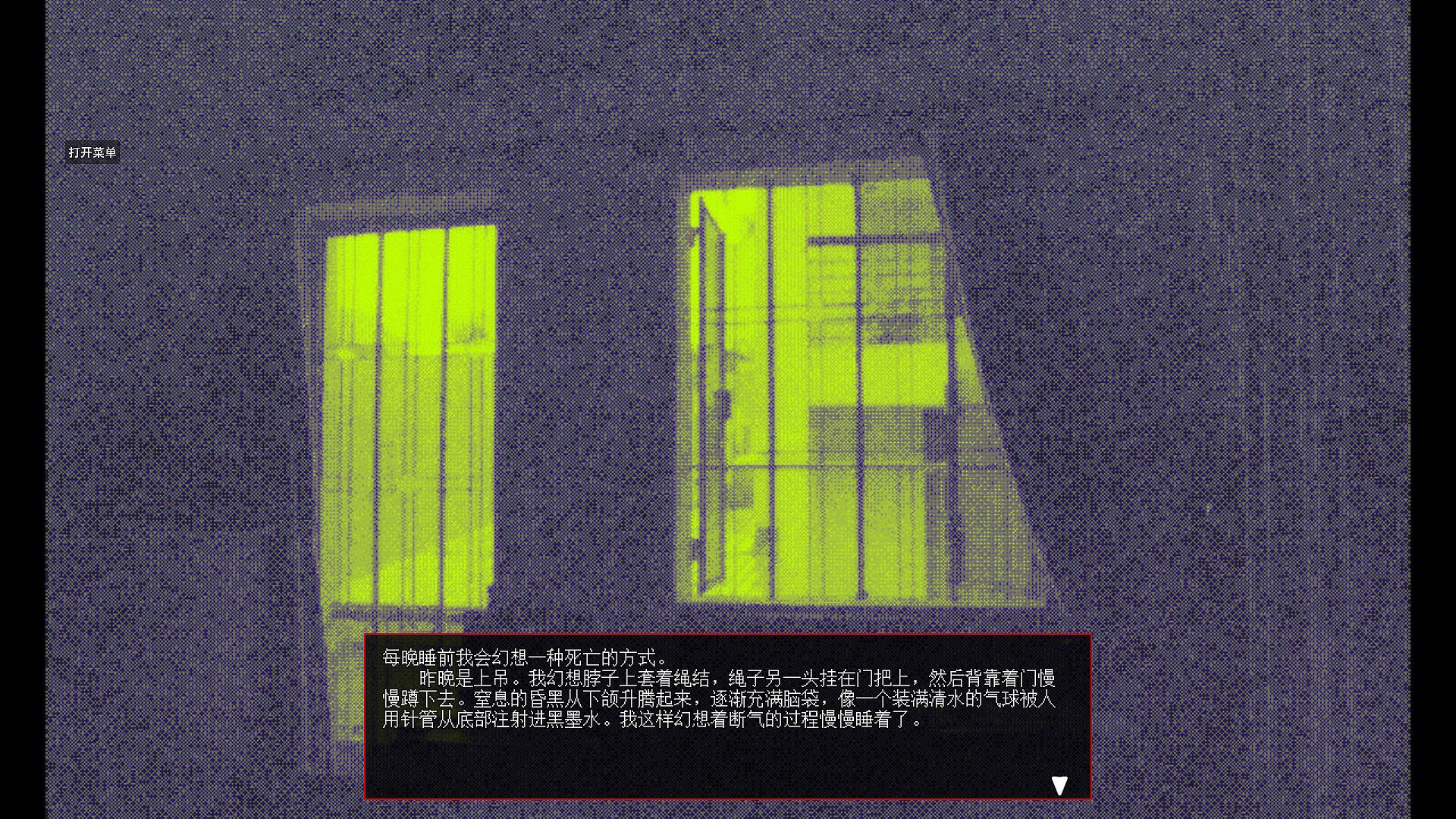
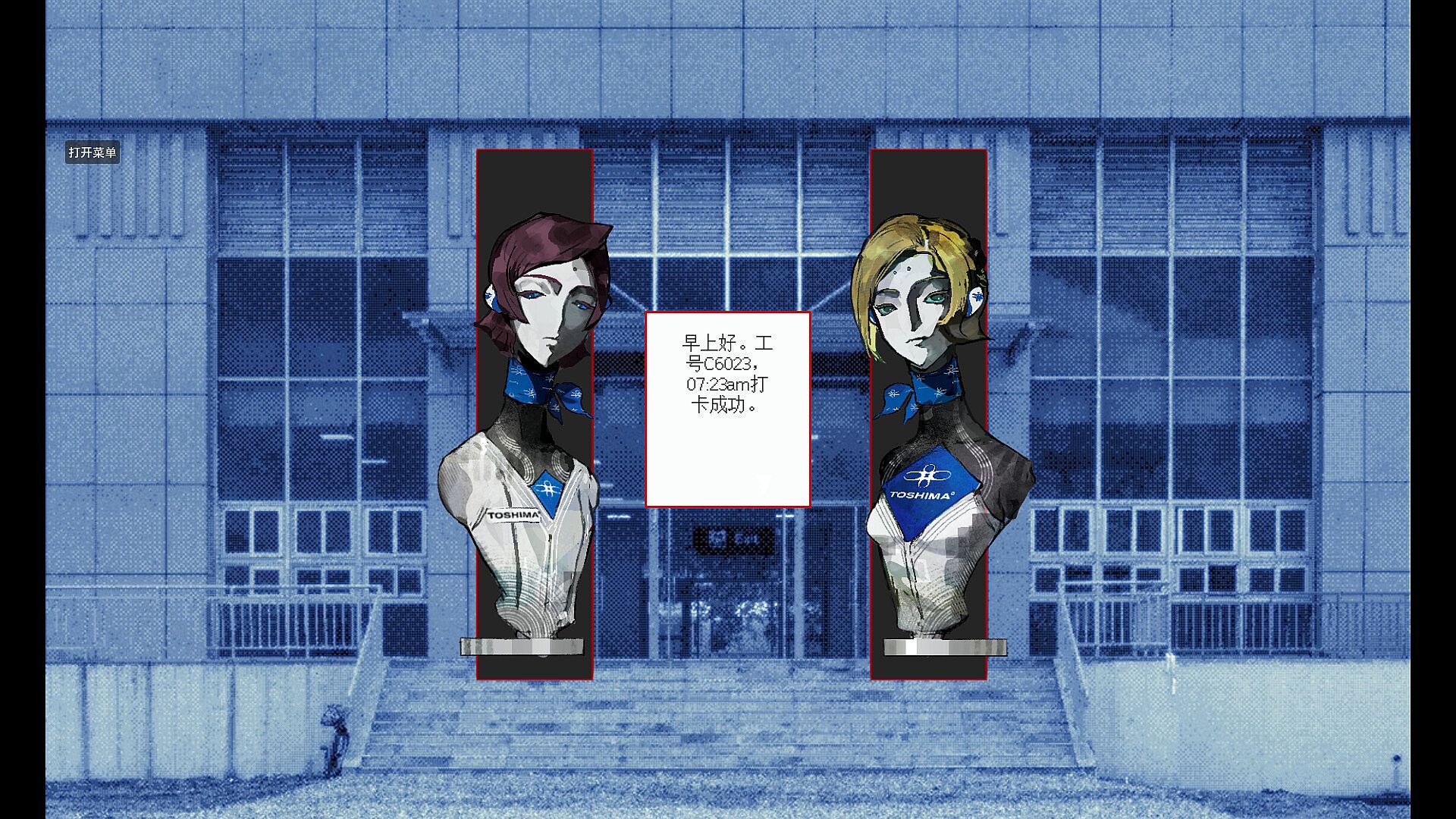
The experience emphasizes quiet observation of ordinary moments that slowly fracture under pressure. Hallucinations begin to blur the line between the protagonist's reality and something more unsettling, while the android's internal conflicts surface through everyday interactions. Workplace scenes highlight repetitive tasks, interpersonal friction, and the strain of economic uncertainty, all presented through descriptive text and choice-driven exchanges.
Game Modes
The title operates as a single-player experience with no multiplayer components or separate modes. All content unfolds through the central branching story structure. Players progress by reading and selecting responses, with no additional gameplay layers such as combat, exploration maps, or timed challenges. The design keeps focus on narrative progression and the consequences of choices made during conversations and pivotal events.
Story and Themes
The narrative unfolds against the backdrop of a company facing decline, where the protagonist navigates harassment and monotonous labor by day. At home, the android functions as a companion who can mirror expectations yet remains haunted by self-destructive impulses. As routines continue, subtle cracks appear in their shared life, leading to revelations about her origins and the intrusion of psychological elements that challenge perception. The story carries recurring content related to depression, suicidal ideation, and disturbing imagery, with a clear advisory for player discretion.
Branching paths allow different facets of the relationship and surrounding events to come into focus depending on how the protagonist engages with situations. Information revealed through one set of choices may remain hidden in another, creating replay value centered on uncovering alternate developments and endings.
Is It Worth Playing?
Tokyo Bartleby suits players who seek a focused visual novel experience built on dialogue-driven choices and narrative consequences. Its single-player structure and emphasis on everyday settings that turn unsettling make it appropriate for those interested in psychological stories with heavy thematic weight. Because the game remains unreleased with no user reviews available, prospective players should consider their comfort level with the described content warnings before deciding to follow its development. The title offers no free modes or trials at present, and its appeal rests on the strength of its branching structure and character interactions once it becomes available.