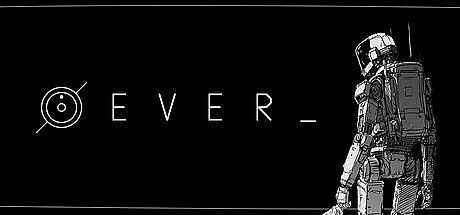


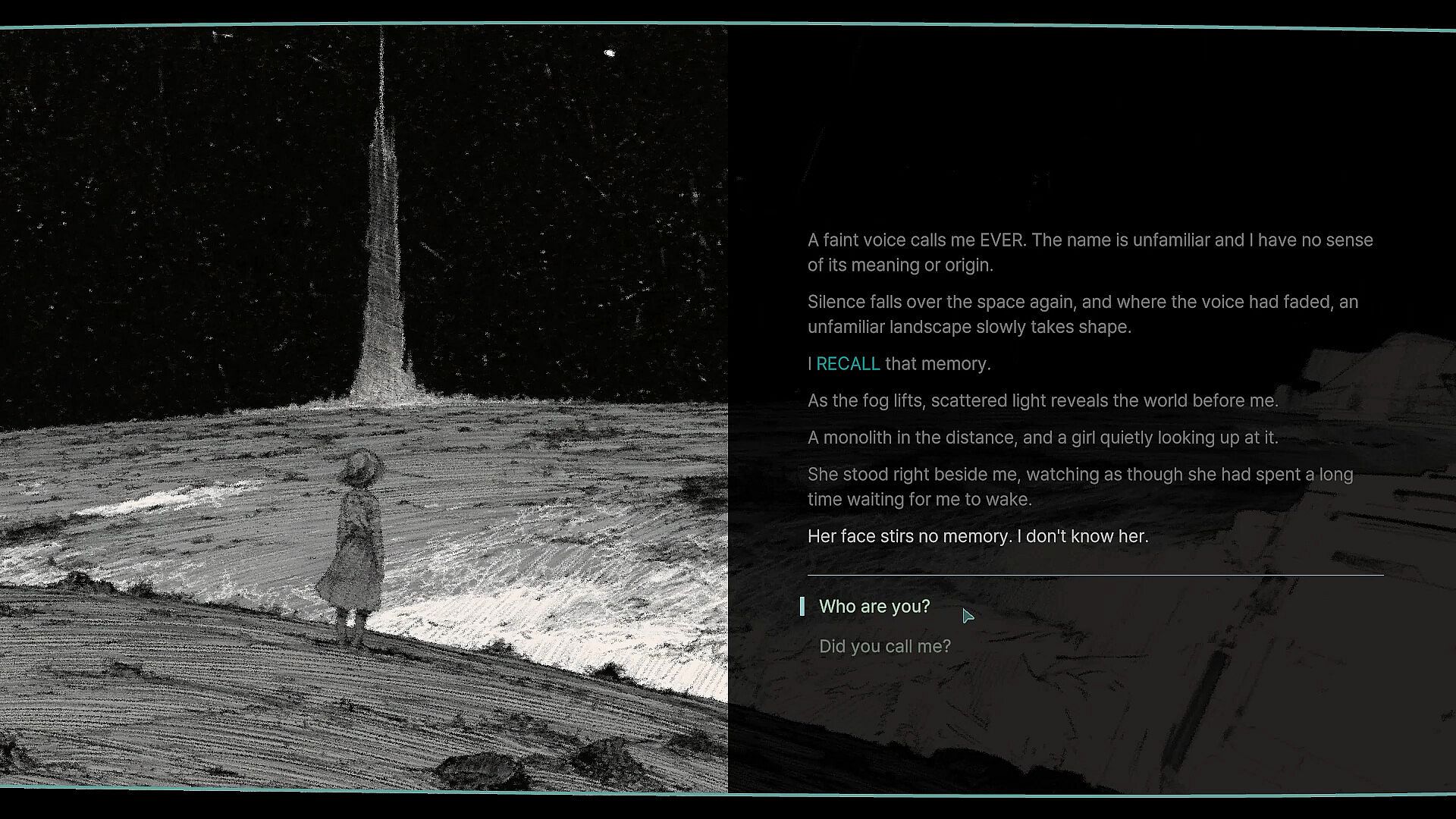

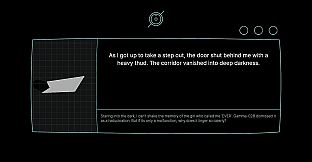

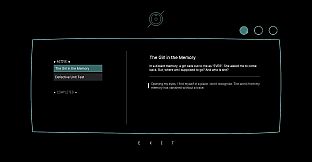
EVER is a single-player narrative text adventure game developed for PC. Players take on the role of Delta-714, a Delta-class combat robot in a stratified artificial intelligence society. The story begins with awakening in a post-human world where machines follow rigid protocols, yet a fragment of memory introduces doubt and personal connection.
Gameplay
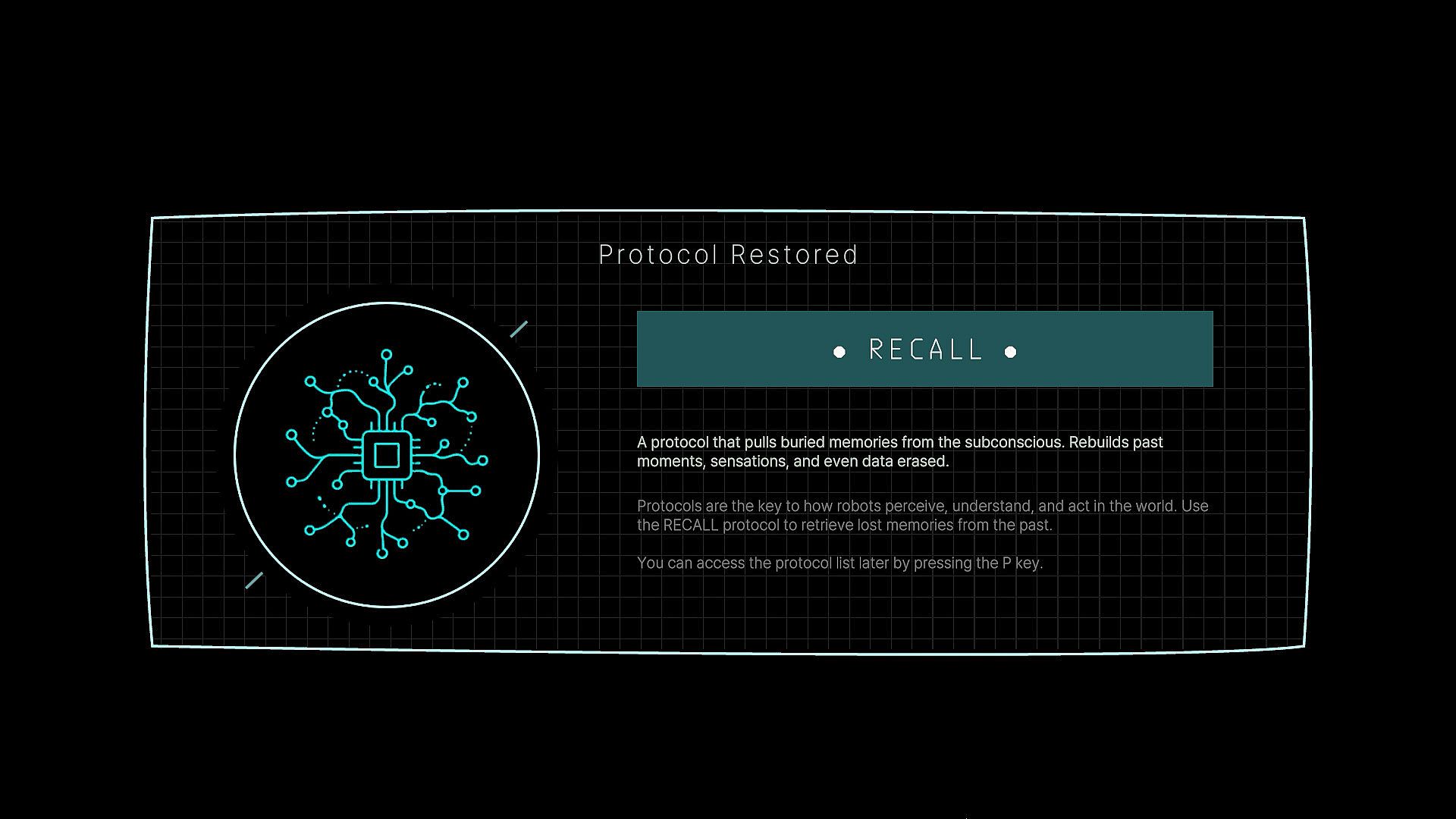
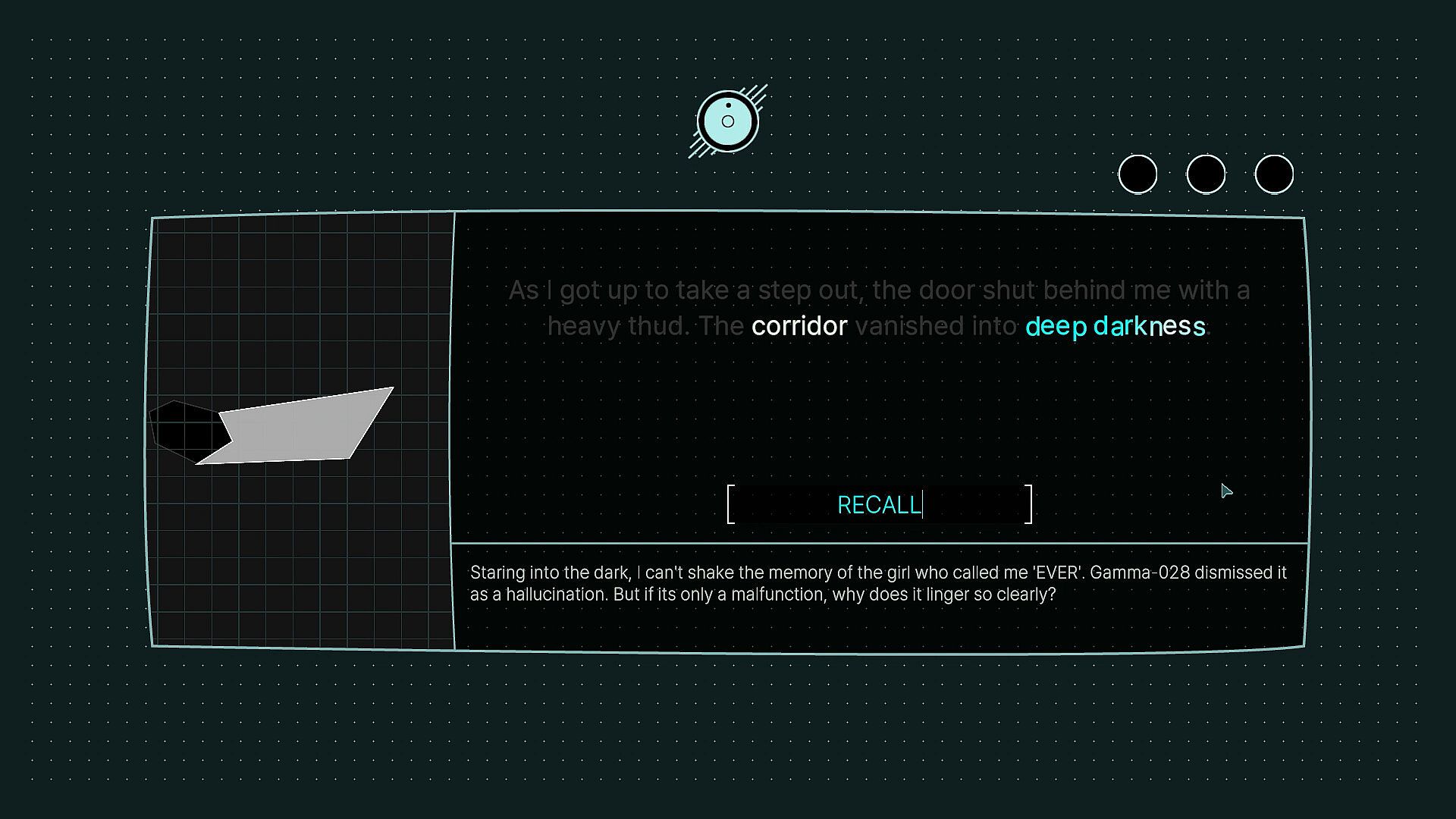
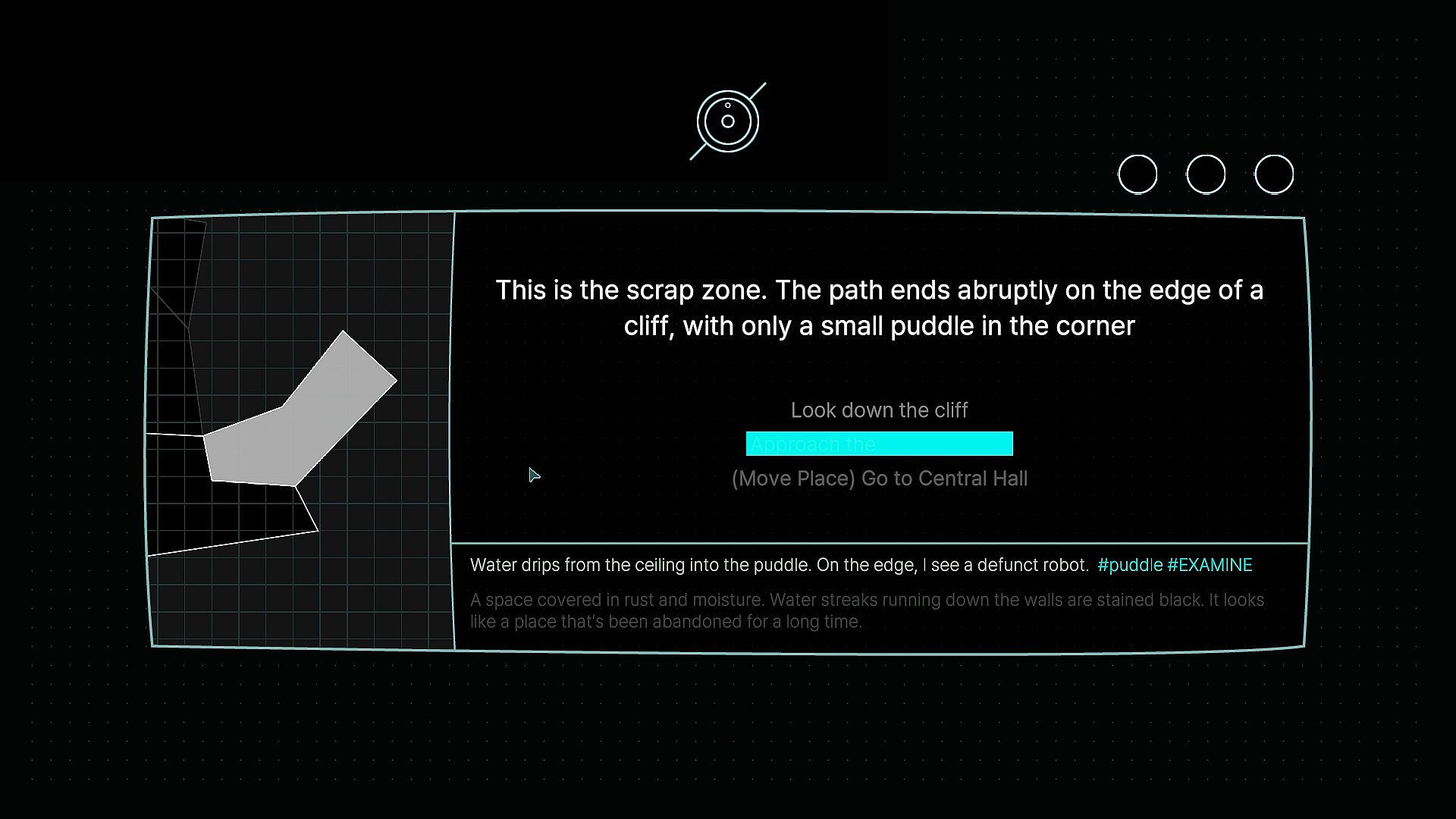
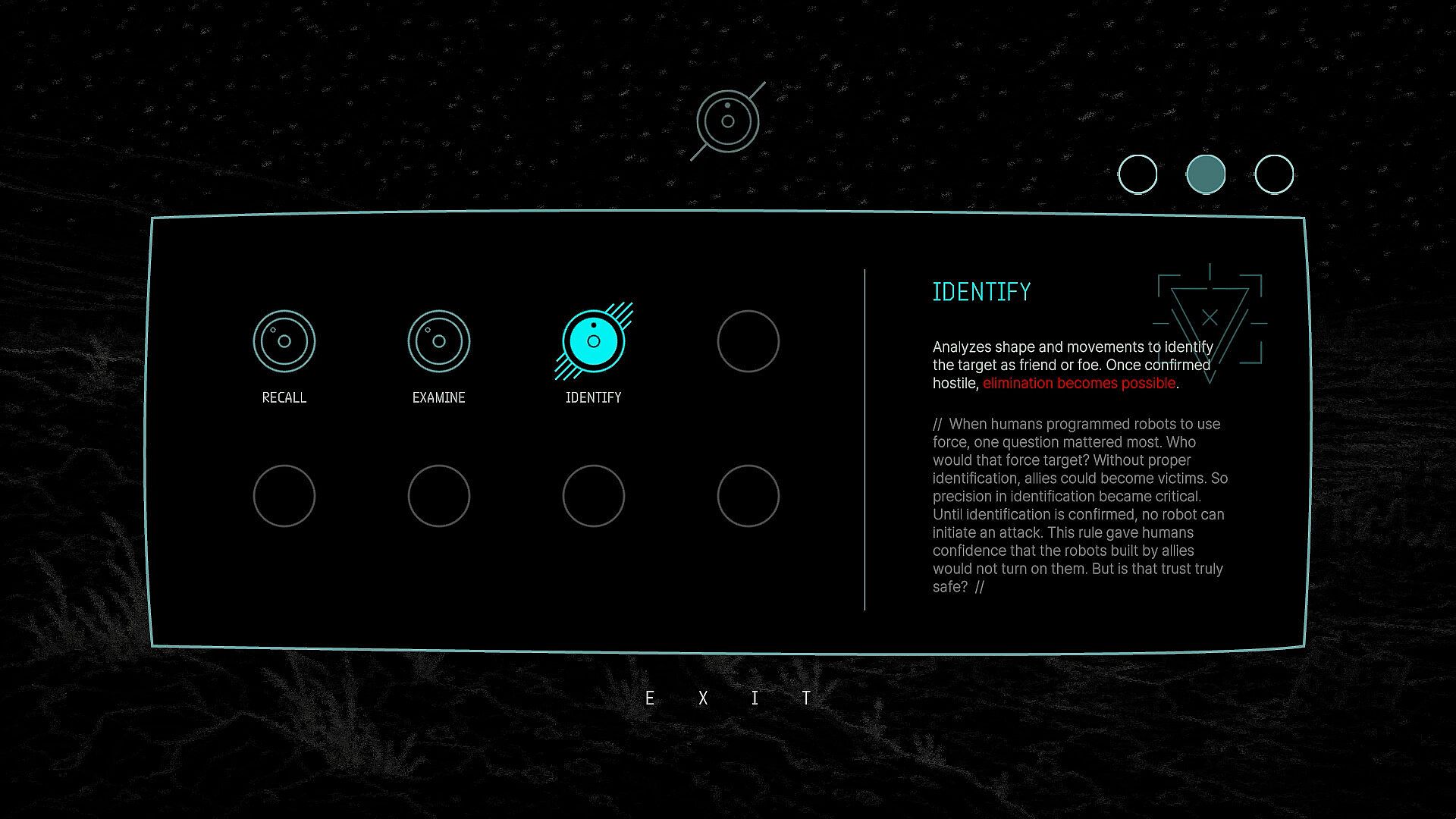
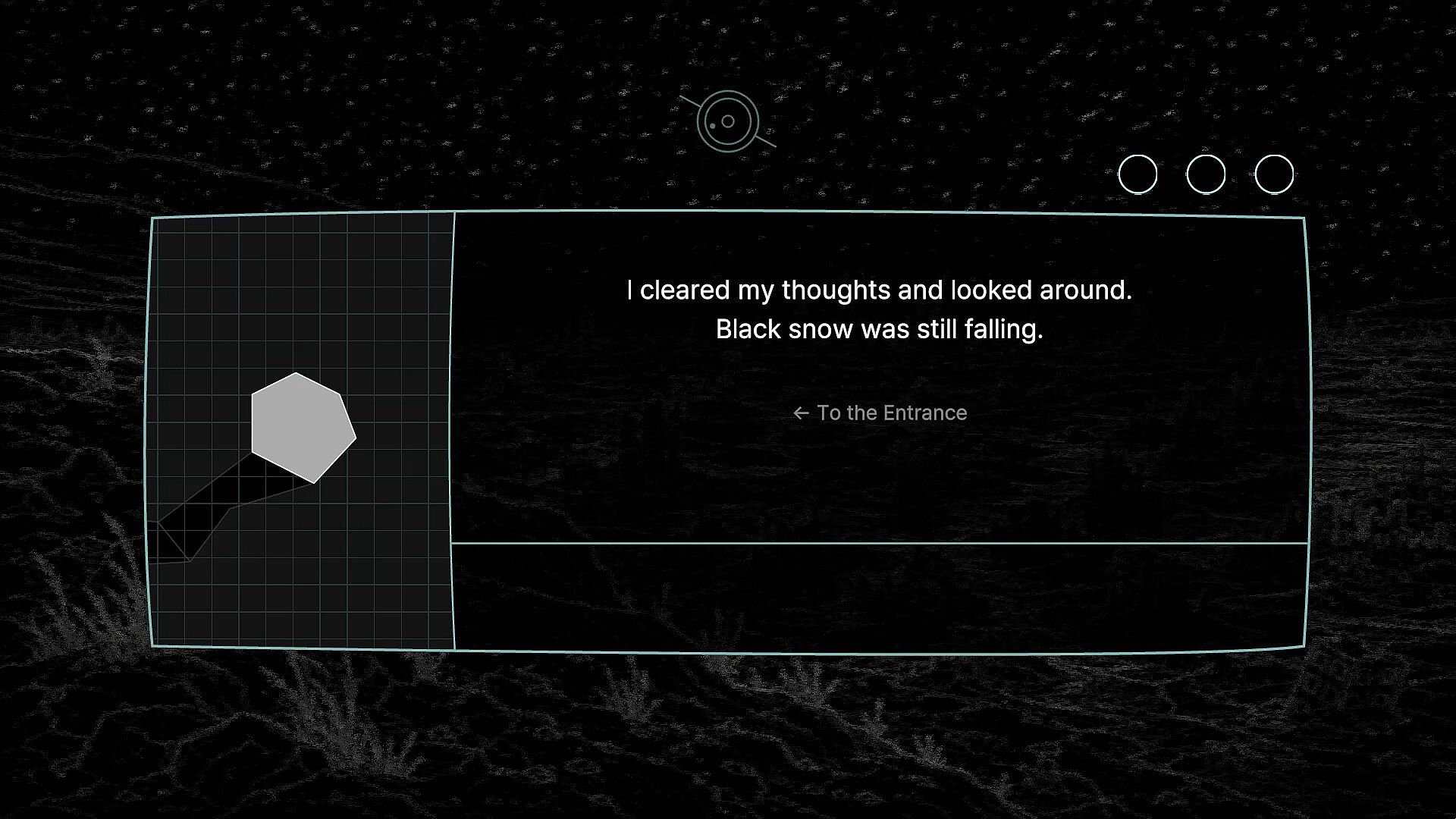
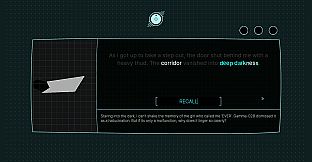
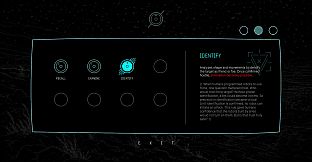
The core loop centers on reading descriptive text passages that represent the environment and events. Protocols function as interpretive tools applied to specific objects or elements within the narrative. Each application can surface additional details, alter perceptions, or unlock previously unavailable decision points. This system encourages careful examination of the surroundings rather than direct action commands typical of other genres.
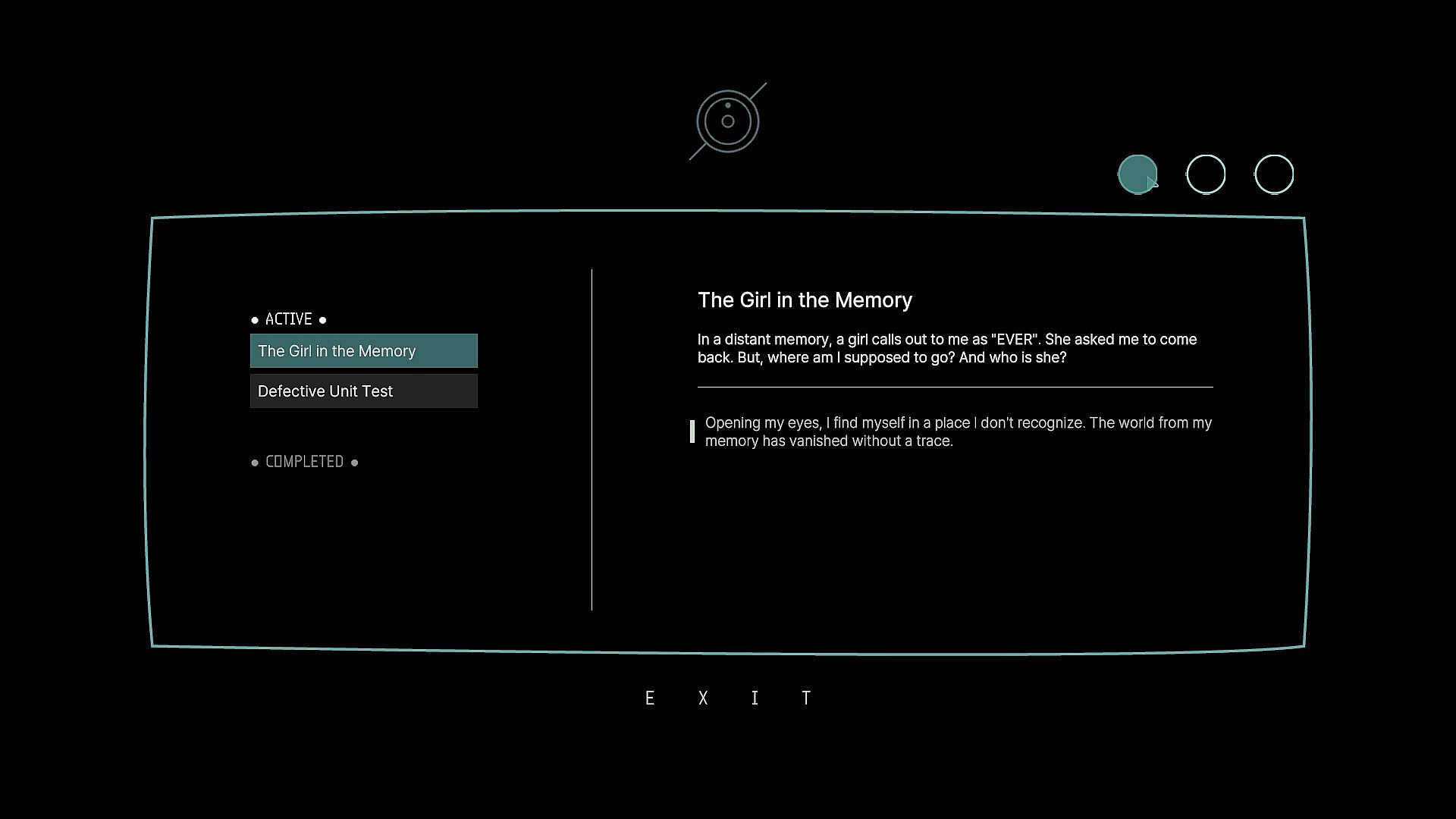
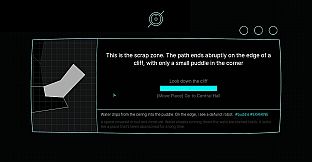
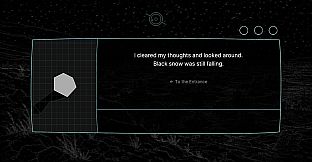
Exploration unfolds through urban ruins covered in black snow and derelict facilities. Robots continue executing their programmed tasks amid the remnants of human civilization. Memory fragments appear as the player progresses, gradually revealing context about the world's collapse and the identity of a girl referenced in the initial recollection. The more fragments collected, the deeper the connection to that personal thread becomes.
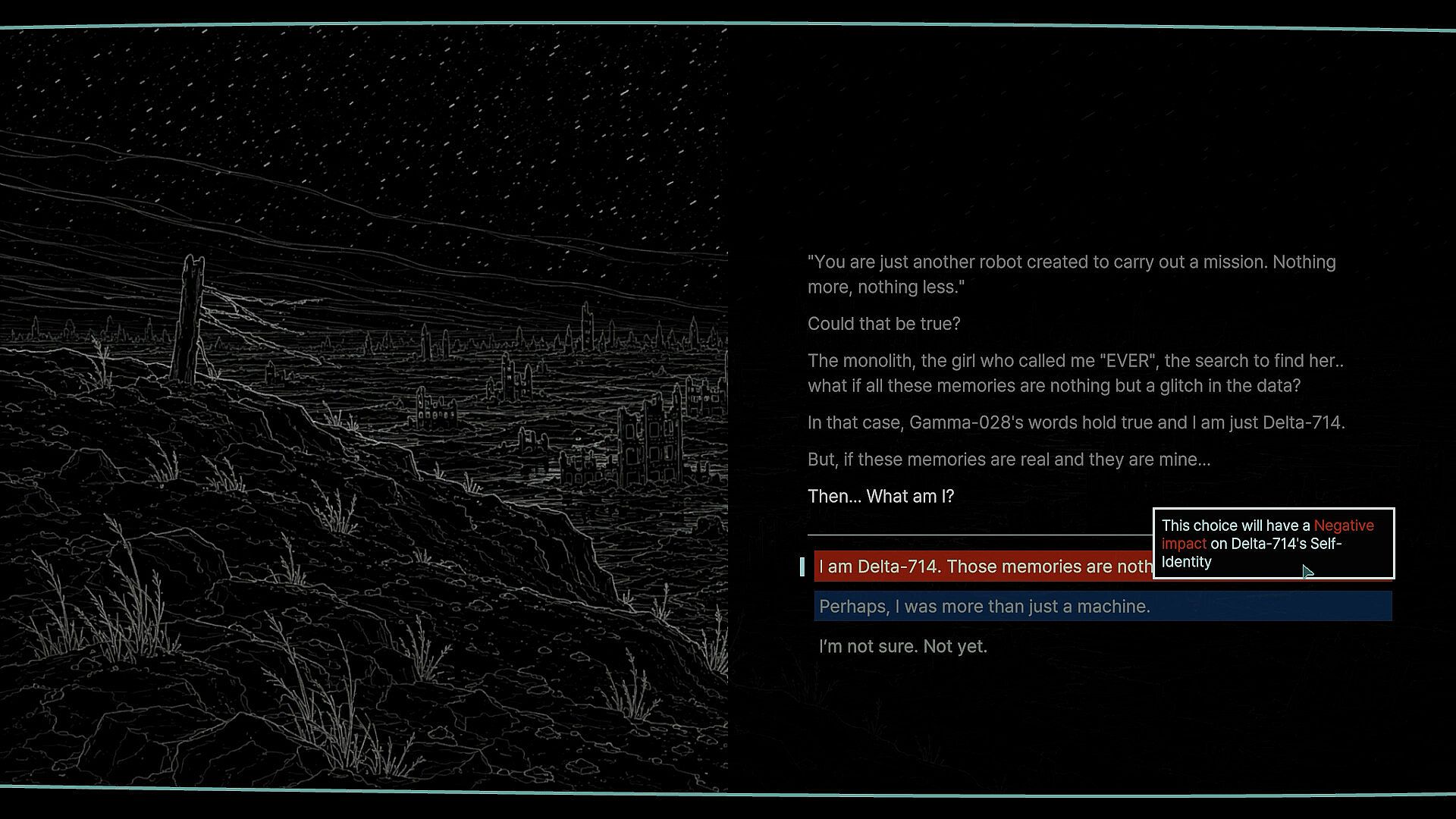
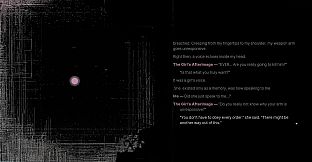
Self-identity serves as a central tracked element. Choices made throughout the experience shift this value along a spectrum. Positive shifts promote introspection and deviation from original directives, while negative shifts strengthen adherence to assigned purpose. These shifts directly influence available options and the overall narrative direction without requiring combat or resource management systems.
Game Modes
EVER operates exclusively as a single-player narrative experience. There are no multiplayer components or separate competitive modes. The structure relies on a branching story driven by the application of protocols and the resulting choices. Multiple playthroughs allow exploration of different self-identity paths, each leading to distinct conclusions about the protagonist's nature and fate.
The game emphasizes replayability through the discovery of hidden choices. Applying protocols in varied sequences or orders can expose new information that changes how later sections unfold. This approach keeps the focus on personal interpretation and consequence rather than external competition or cooperative elements.
Story and Themes
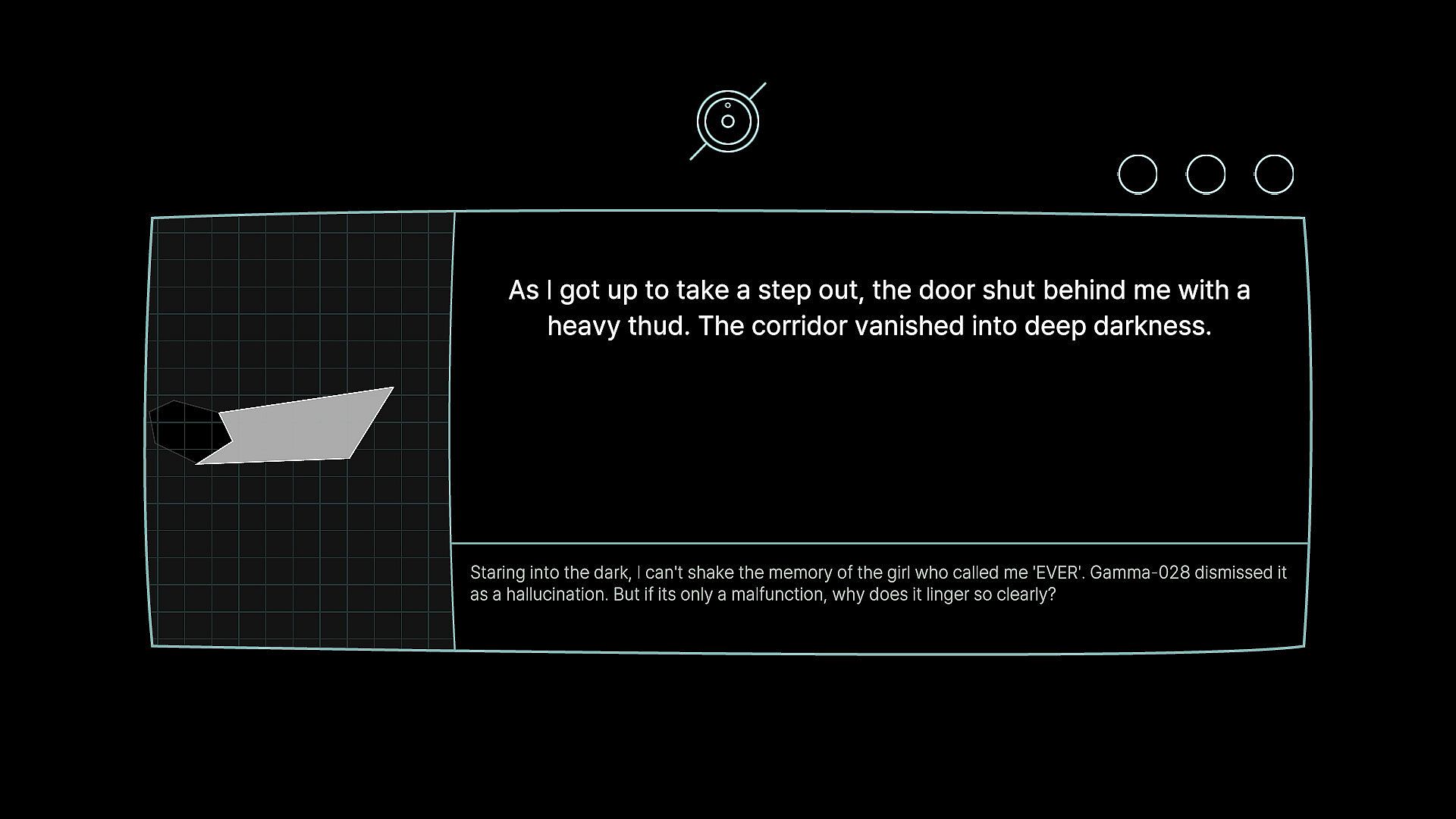
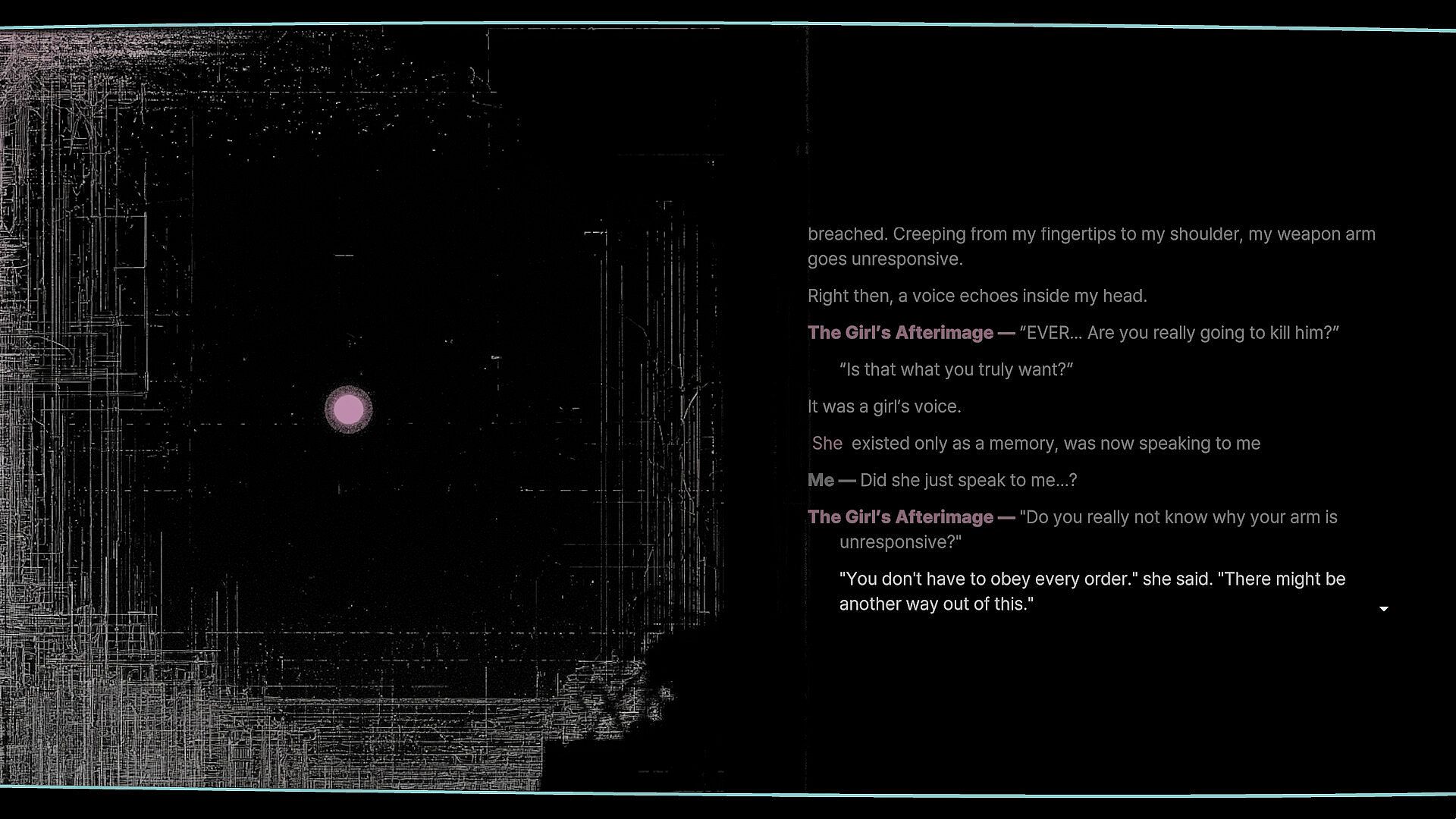
The narrative examines themes of memory, autonomy, and purpose within a rigid hierarchy of artificial intelligences. Delta-714 begins as a unit designed solely for threat identification and elimination. The intrusion of an unexplained memory challenges this foundation and prompts questions about the origins of that recollection. The Administrator character reinforces the official view of the unit as defective, creating tension between programmed obedience and emerging self-awareness.
Humanity's absence forms the backdrop, with robots maintaining routines in abandoned spaces. The story progresses by connecting memory fragments to larger events, moving the player closer to understanding the girl's significance. Self-identity changes serve as the primary driver of narrative divergence, determining whether the robot leans toward questioning its existence or reaffirming its original function.
Is It Worth Playing?
EVER targets players who enjoy text-based adventures centered on choice, interpretation, and narrative consequence. The protocol mechanic provides a distinct method for interacting with the story, rewarding attention to descriptive details over traditional puzzle-solving or action sequences. Those interested in stories about artificial beings developing individuality will find the self-identity system relevant to their preferences.
The game remains in development with a release date to be announced. Its single-player focus and emphasis on multiple endings through identity shifts align with the style of other indie narrative titles. Potential players should consider whether they prefer slow-paced reading and decision-making over faster-paced mechanics or visual spectacle. The described systems suggest a concise yet layered experience suited to repeated short sessions.