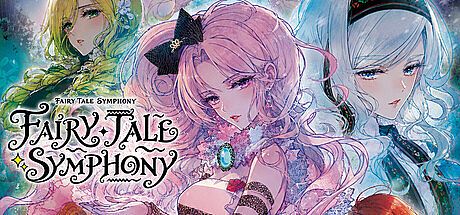


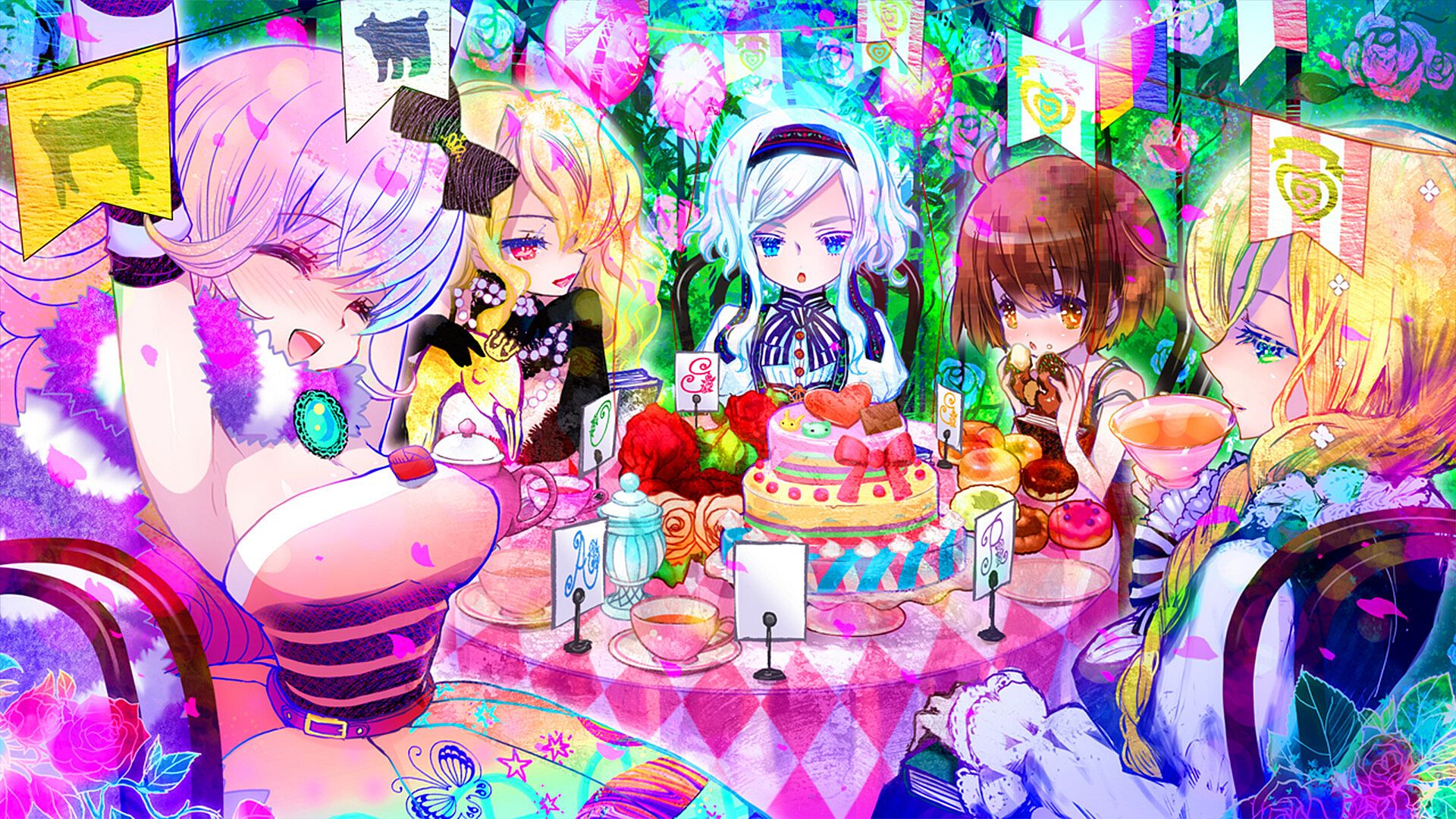


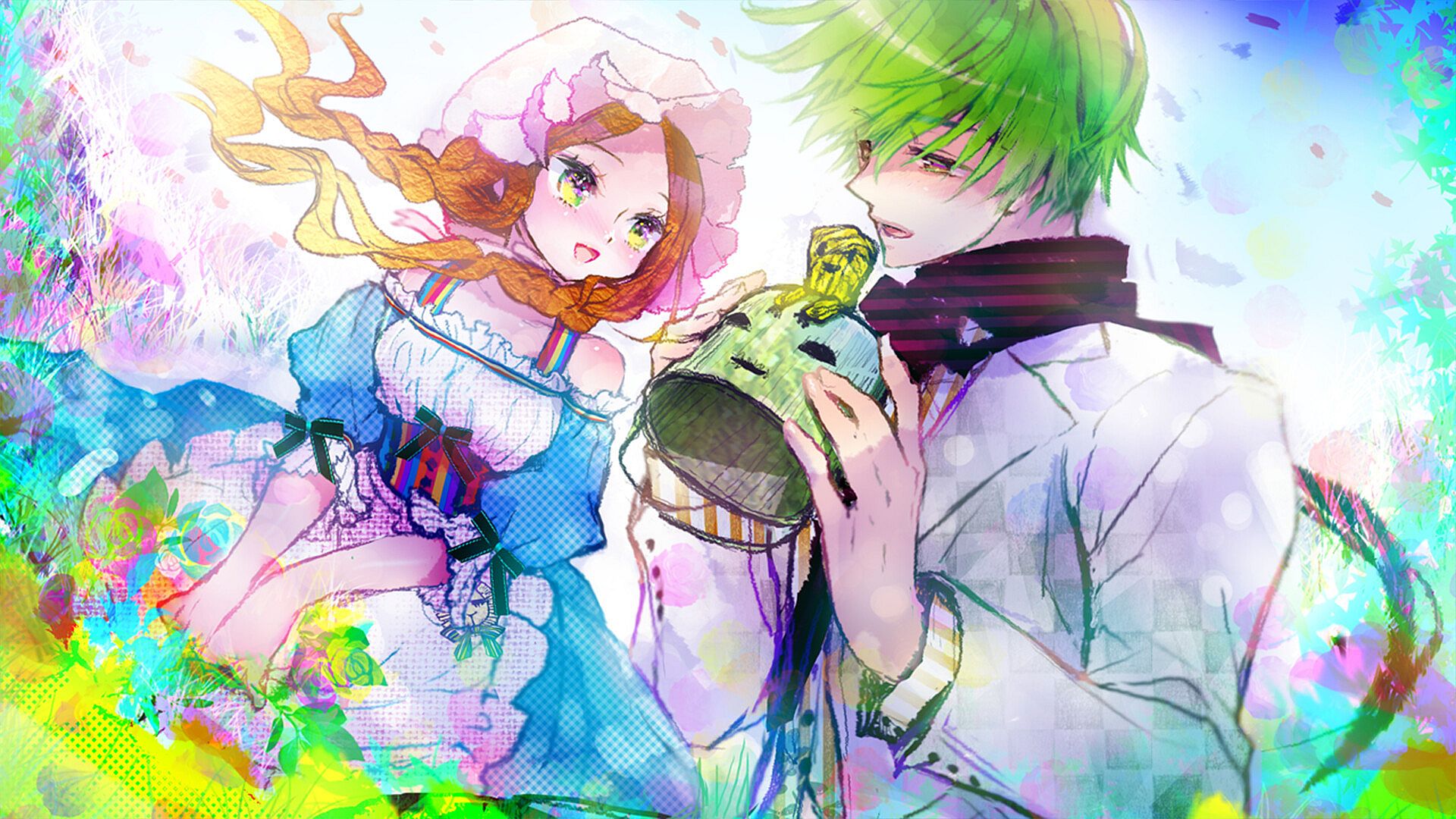
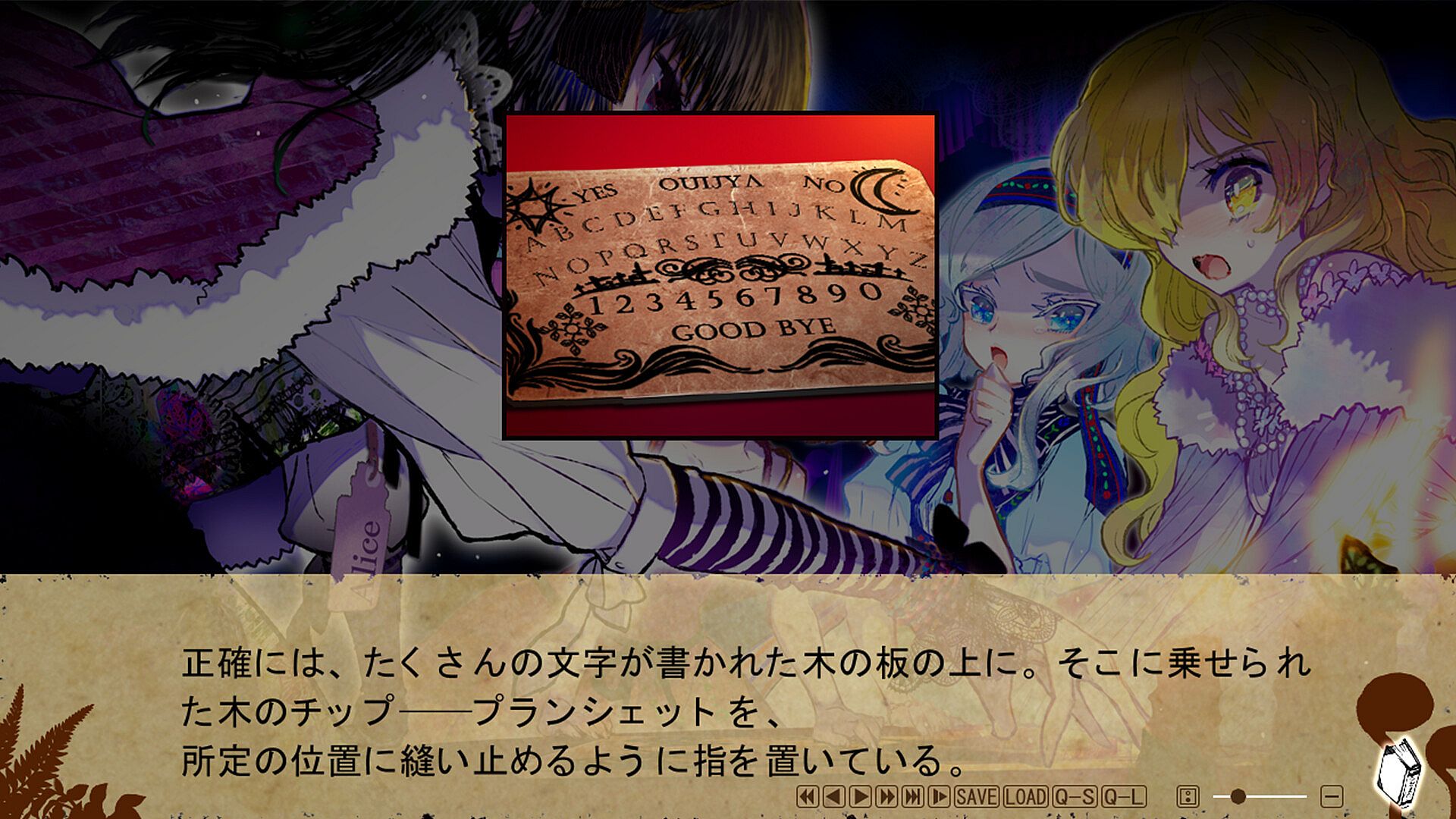
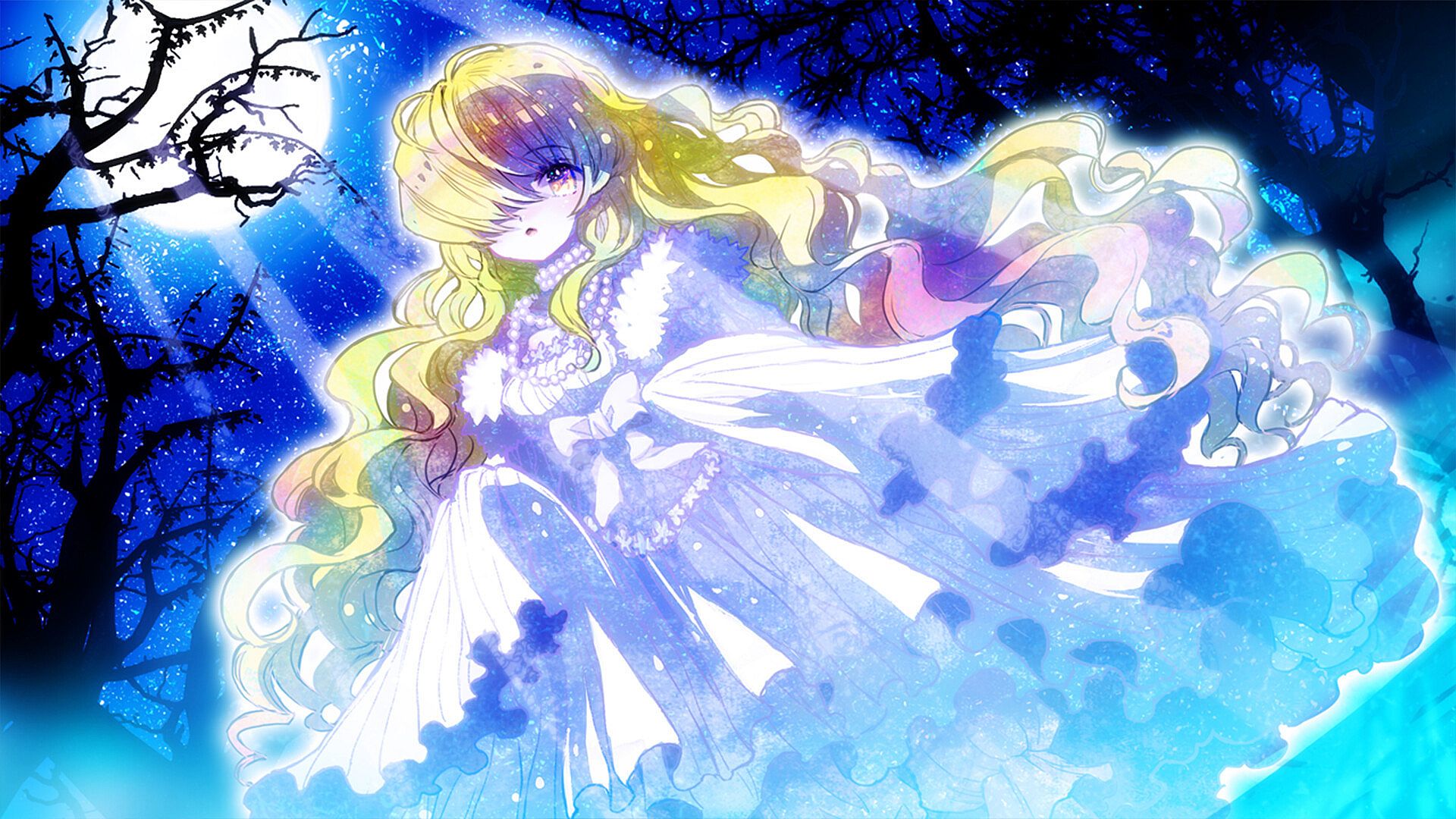
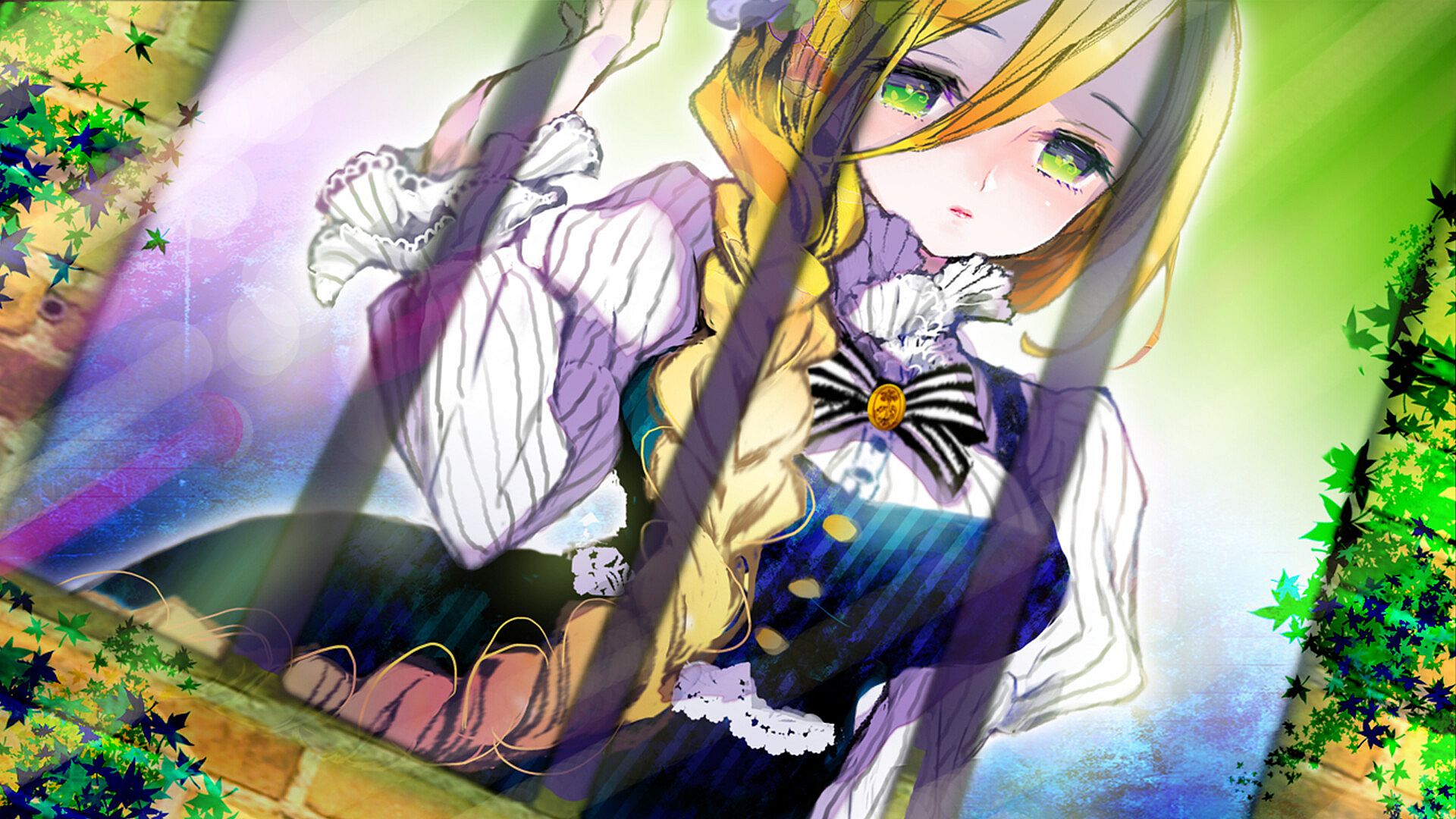






Fairy Tale Symphony is a narrative-driven RPG with casual elements that places players in the role of a young man who wakes up in the isolated facility known as Paradise with no memories of his past. The setting centers on patients diagnosed with Fairy Tale Syndrome, where each girl lives out the story of a classic fairy tale character according to her personal Bible. A single mysterious sentence in a sketchbook sets the central conflict in motion and draws the protagonist into an investigation of hidden identities and growing instability within the facility.
Gameplay
Players advance through the story by exploring the rooms and corridors of Paradise while interacting with the girls who reside there. Conversations reveal personal details tied to each character's fairy tale identity, and careful attention to dialogue uncovers clues about the facility's abnormalities. The narrative unfolds through text passages and character sprites, with decisions at key moments influencing how events develop and how the protagonist's relationships evolve. The doctor Ikeno appears as a supporting figure whose attempts to help Dorothy, the girl whose Bible follows The Wizard of Oz, illustrate the risks of engaging too deeply with the patients' delusions. Visual and textual foreshadowing rewards players who revisit earlier scenes or examine objects for additional context.
Game Modes
The experience consists of a single-player story campaign focused on sequential progression through the central mystery. Players follow the protagonist's perspective as events unfold, with branching paths determined by choices made during interactions. Multiple endings exist, including outcomes that reflect the consequences of failing to identify the sinner or allowing the facility's order to collapse further. No separate side modes or multiplayer options are present; the structure emphasizes linear narrative delivery punctuated by decision points that alter the final resolution.
Story and Setting
Paradise functions as both sanctuary and prison for the girls, each of whom maintains a rigid adherence to her chosen fairy tale. The protagonist's amnesia creates an outsider viewpoint that allows gradual discovery of the rules governing the facility and the reasons behind the patients' conditions. The appearance of the sketchbook message introduces tension that escalates as Dorothy's fantasies, encouraged by Ikeno, begin to affect the environment itself. Other characters such as Alice, Gerda, Gretel, Odette, Odile, and Rapunzel each carry distinct secrets that intersect with the overarching question of who the sinner might be. The tone blends psychological unease with fairy tale motifs, showing how the boundary between reality and delusion erodes over time.
Is It Worth Playing?
Fairy Tale Symphony appeals to players who enjoy short, choice-driven visual novels centered on mystery and character psychology rather than combat or open exploration. The compact length makes it accessible for those seeking a focused narrative experience without a large time commitment. Reception among visual novel enthusiasts centers on the atmospheric writing and the way the fairy tale framework supports themes of identity and deception. Those drawn to stories of institutional settings and unraveling realities will find the premise engaging, while players expecting extensive mechanics or replay systems beyond the main story may prefer longer titles in the same genre. The game remains available on PC for those interested in its particular blend of dark fairy tale elements and psychological tension.