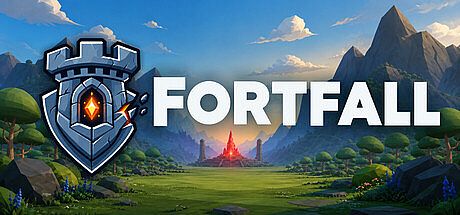


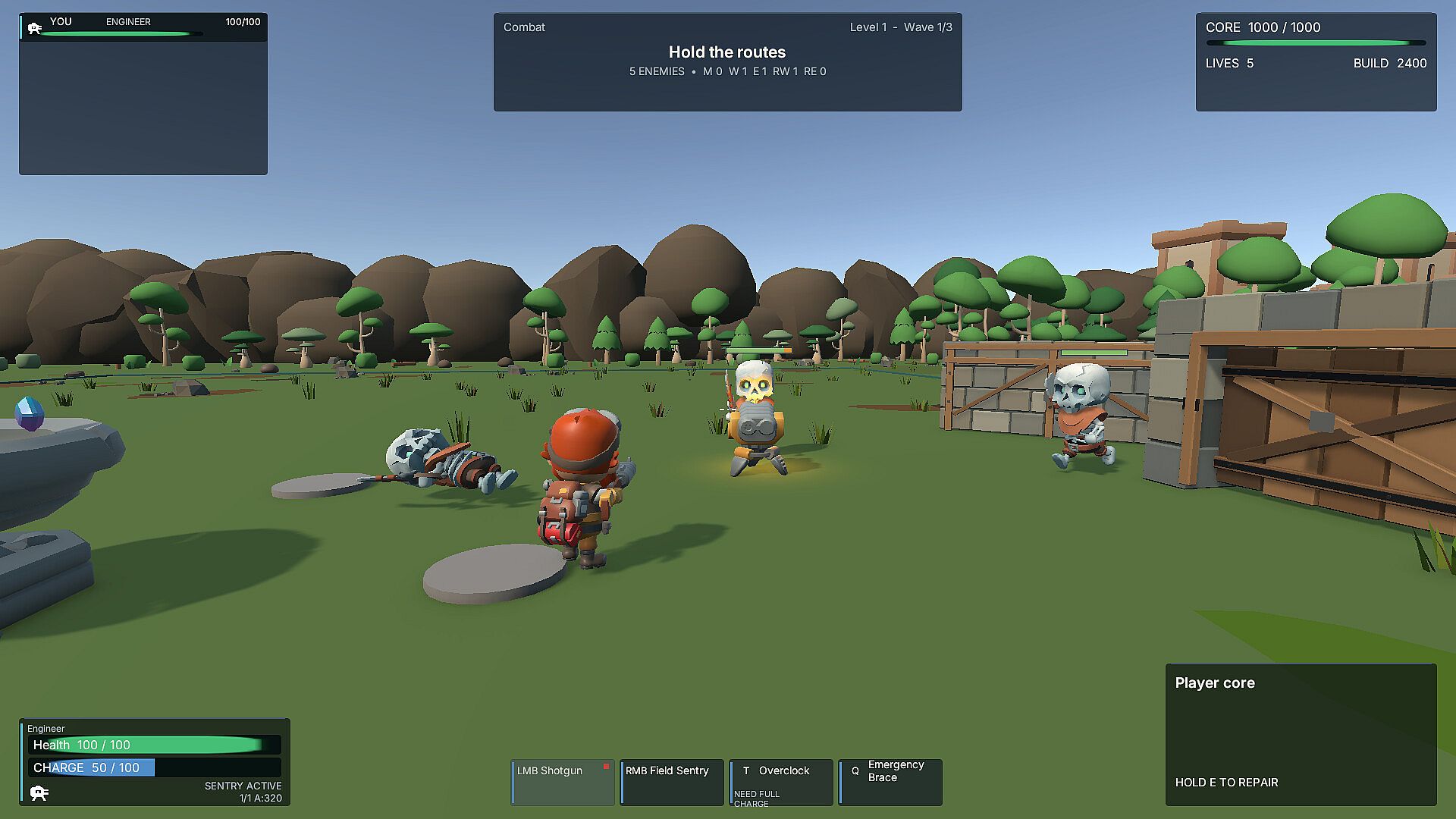
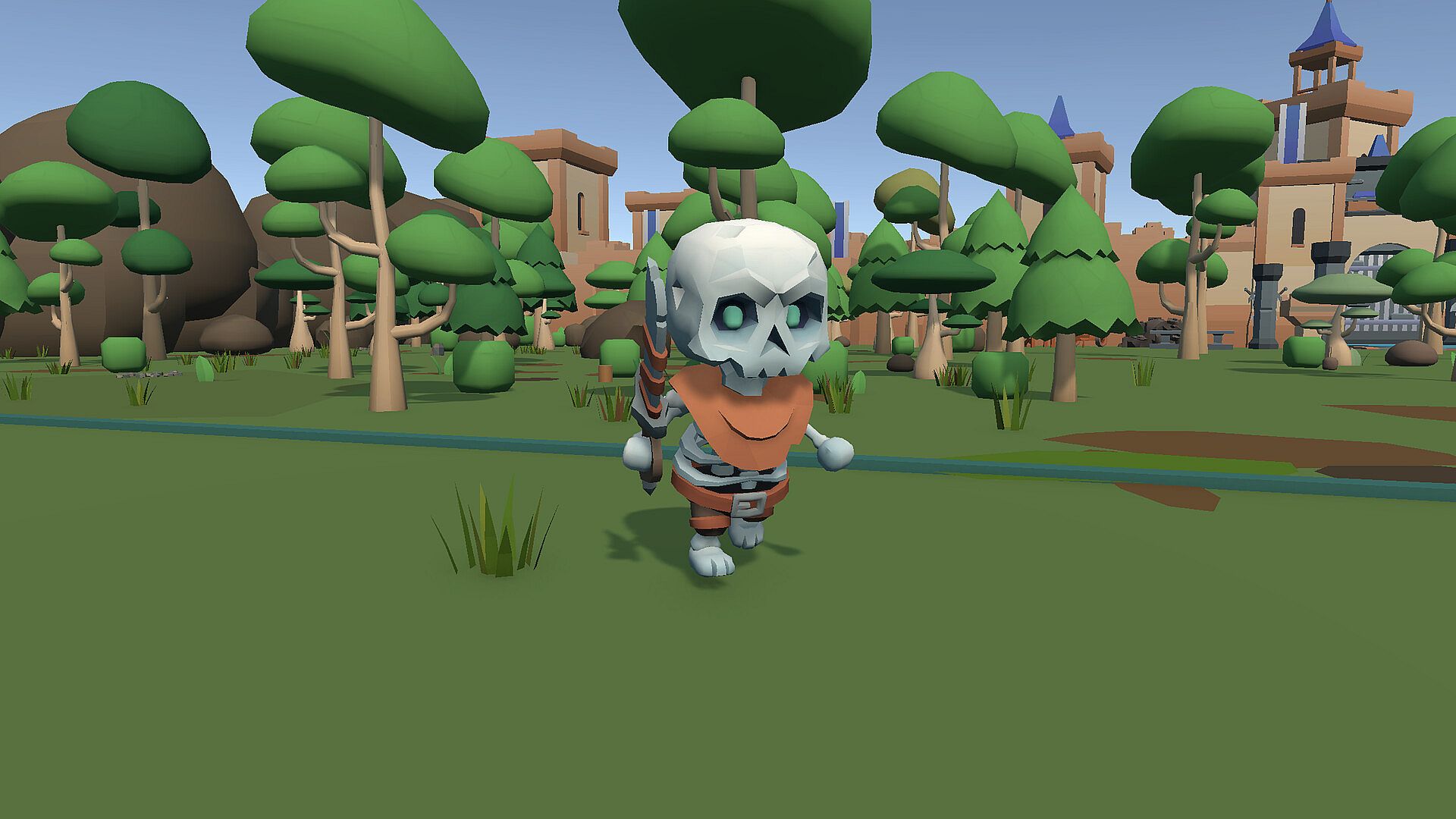
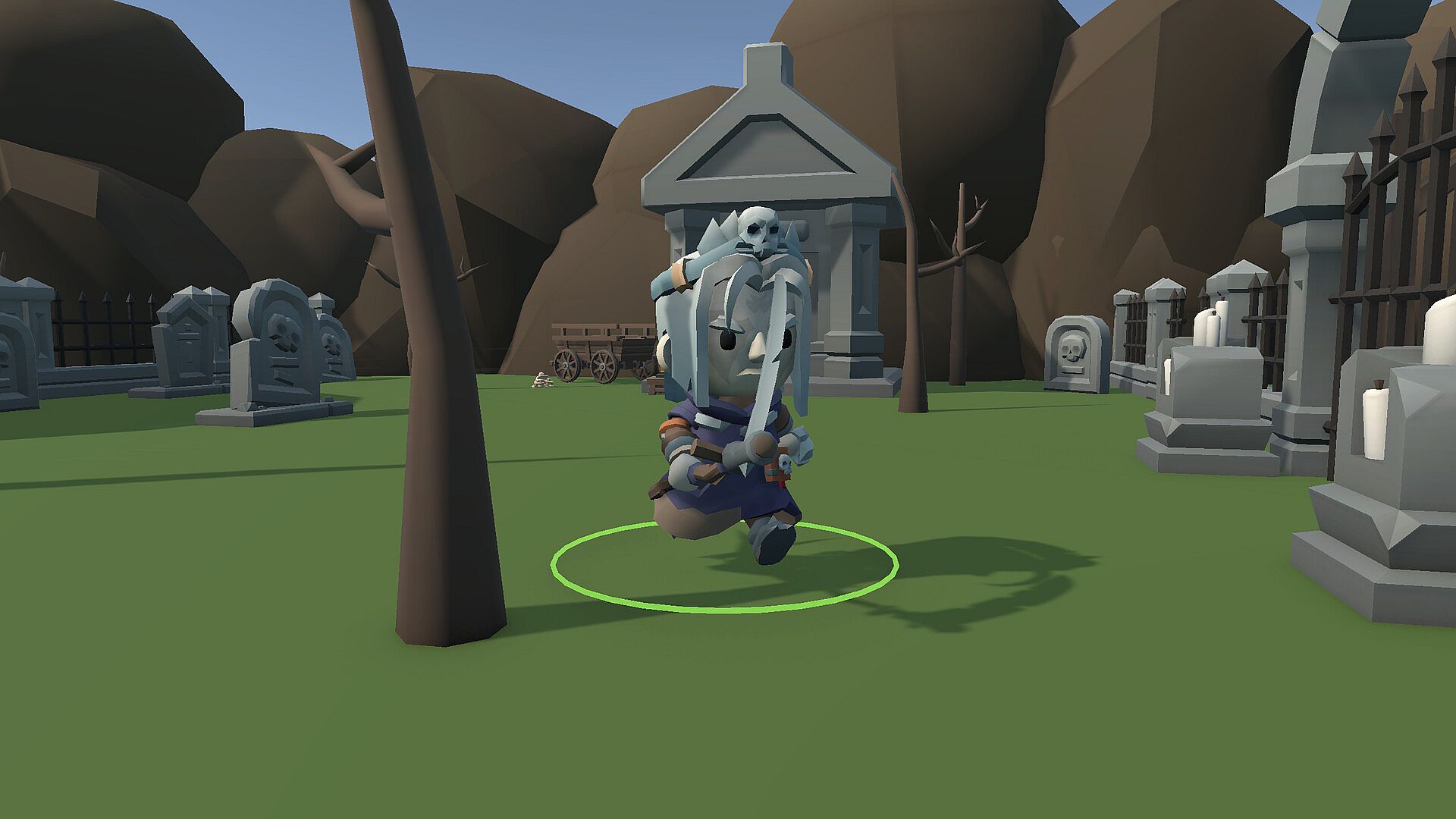
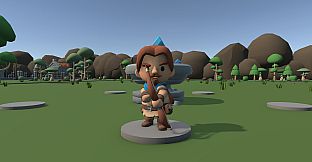
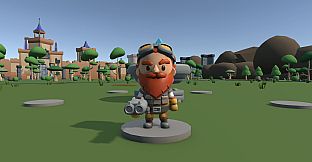
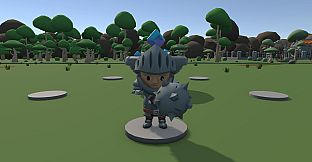
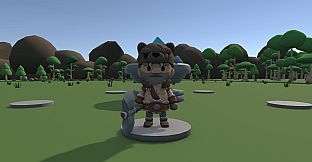
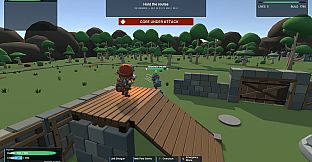
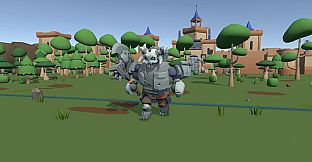
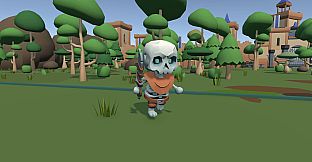
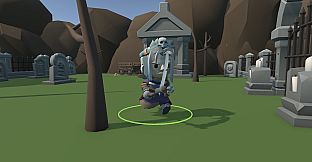
Fortfall is a third-person action and strategy game that combines fortress building with direct combat on PC. Players construct defenses around a central Core while choosing from five distinct classes to repel waves of enemies in a fantasy setting. The experience supports solo runs or private co-op sessions with up to five participants, emphasizing resource management, structural repairs, and coordinated defense against escalating threats.
Gameplay
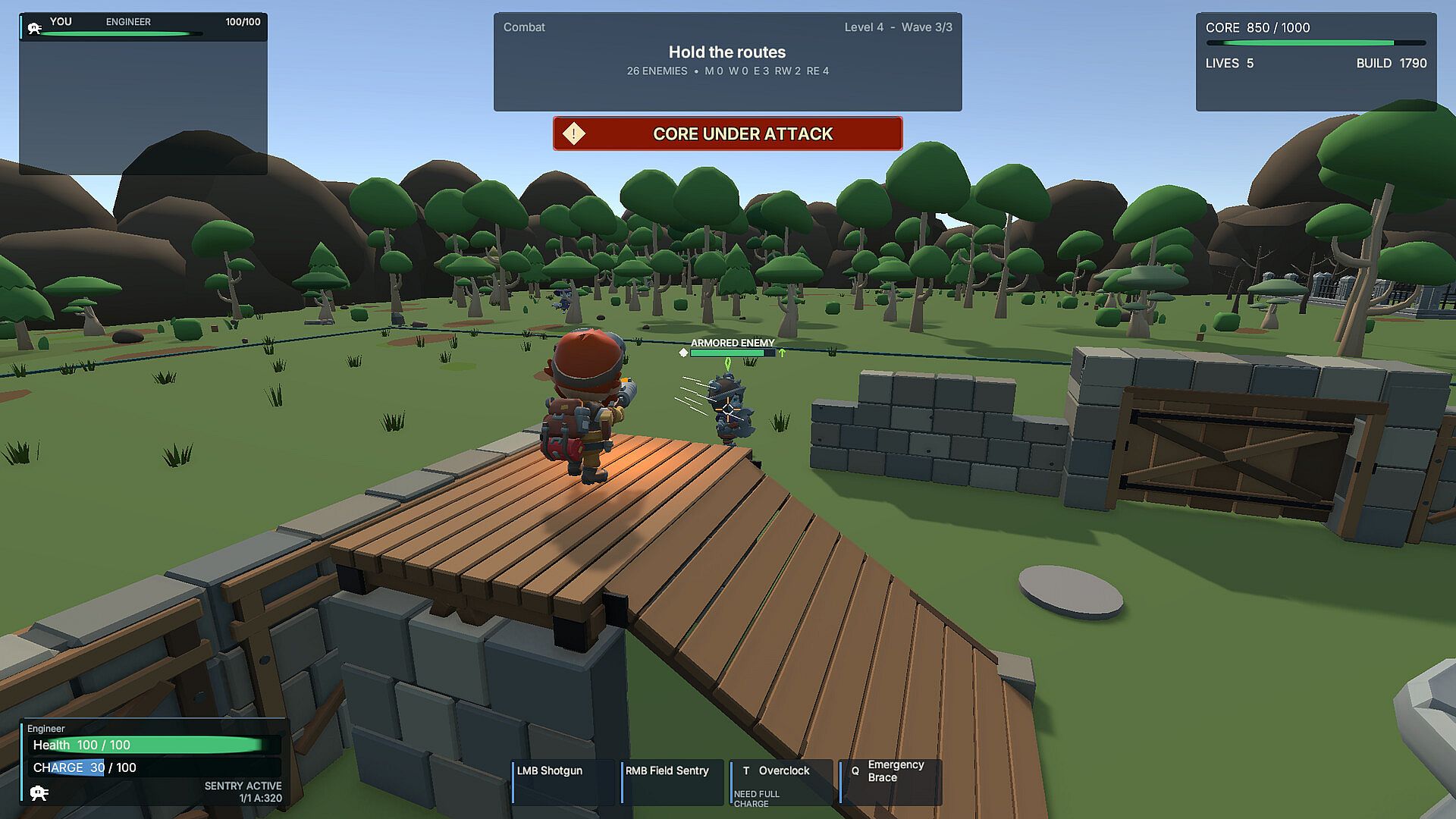
Core gameplay revolves around fortification and combat. Players connect walls and gates to form protective barriers, position firing lines, and allocate limited resources to strengthen key approaches. Damaged sections can be repaired or replaced outright, while specialized wall types help counter specific enemy movements. The fort persists and evolves across successive assaults within a single run.
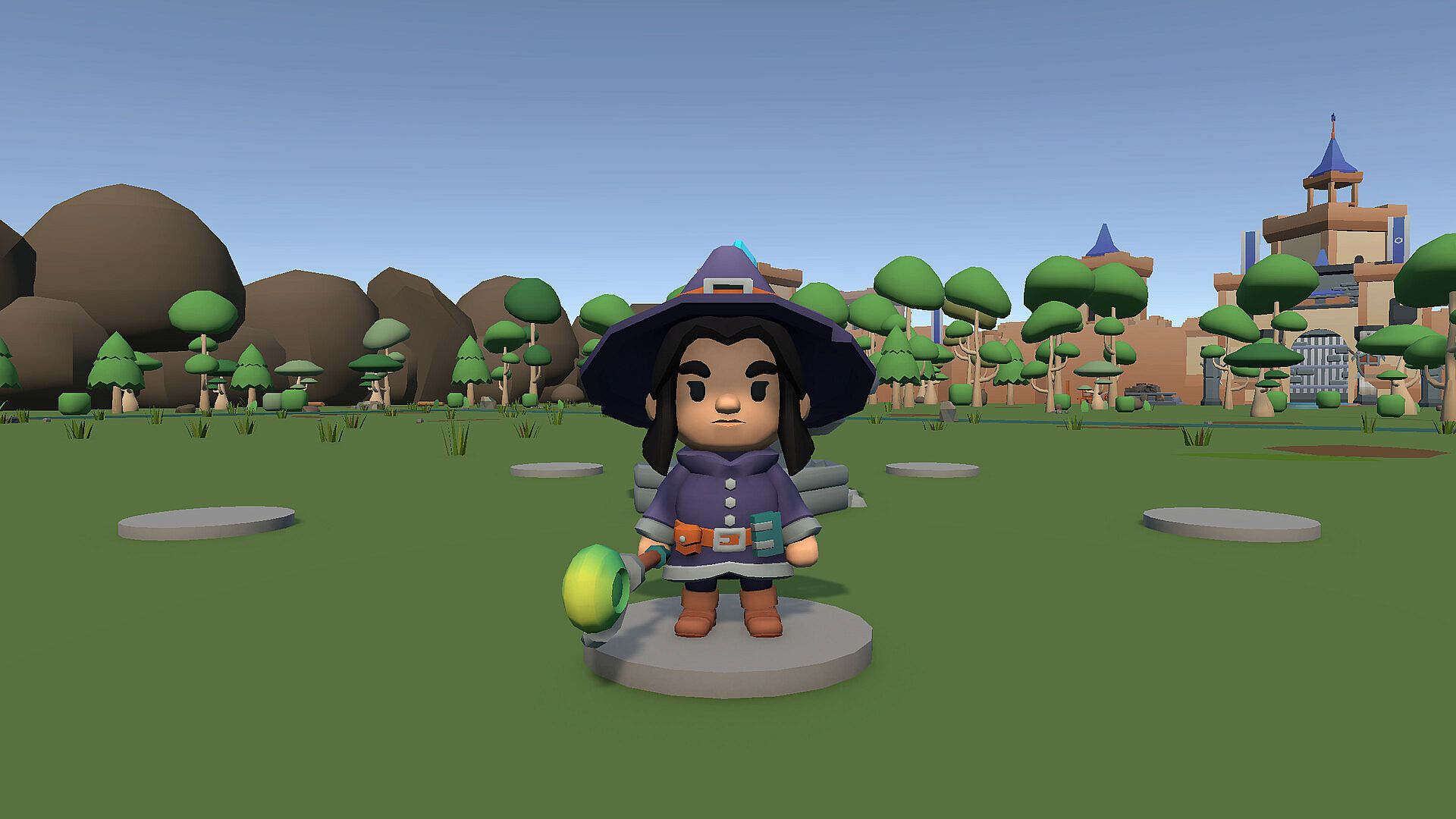
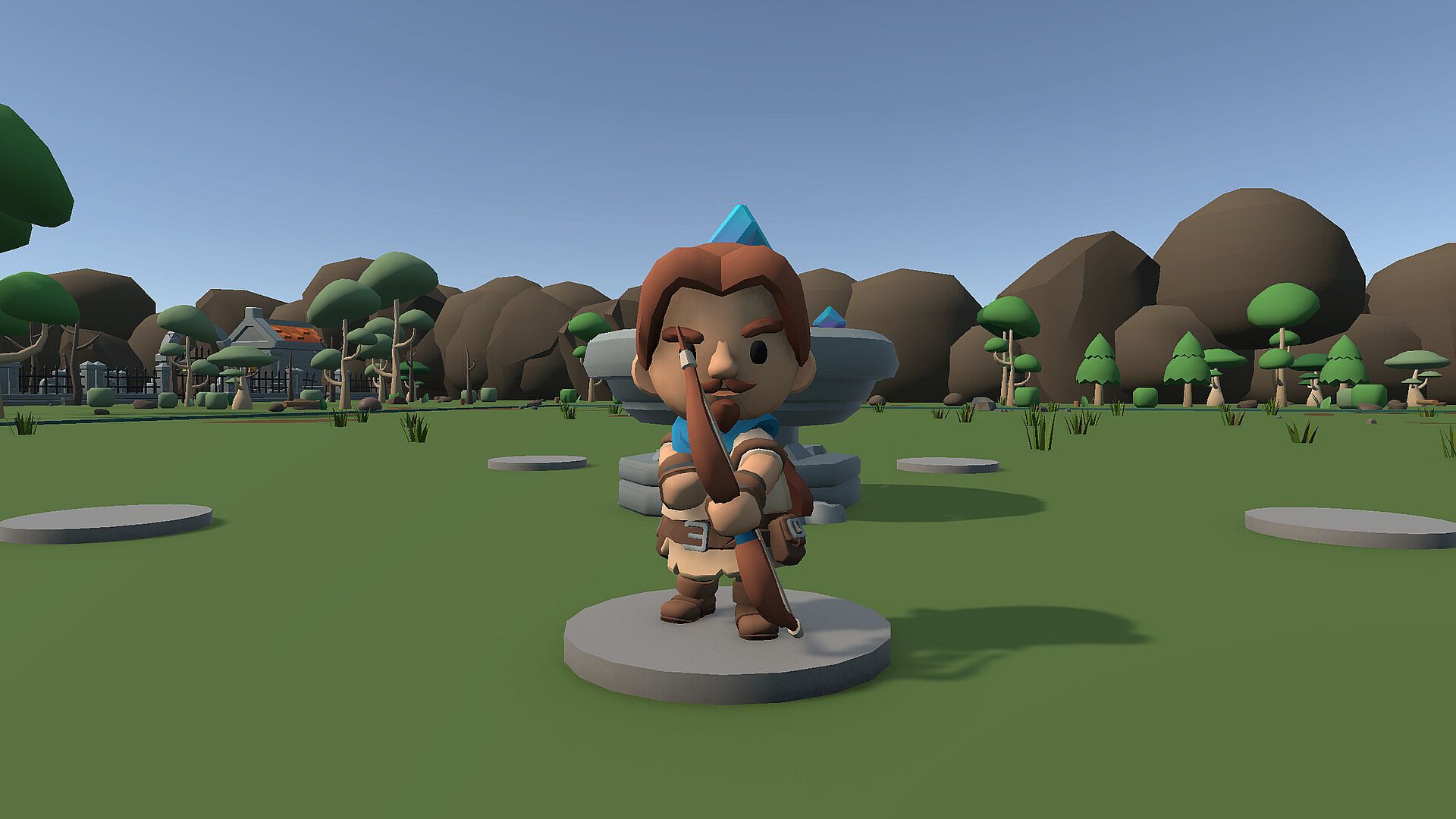
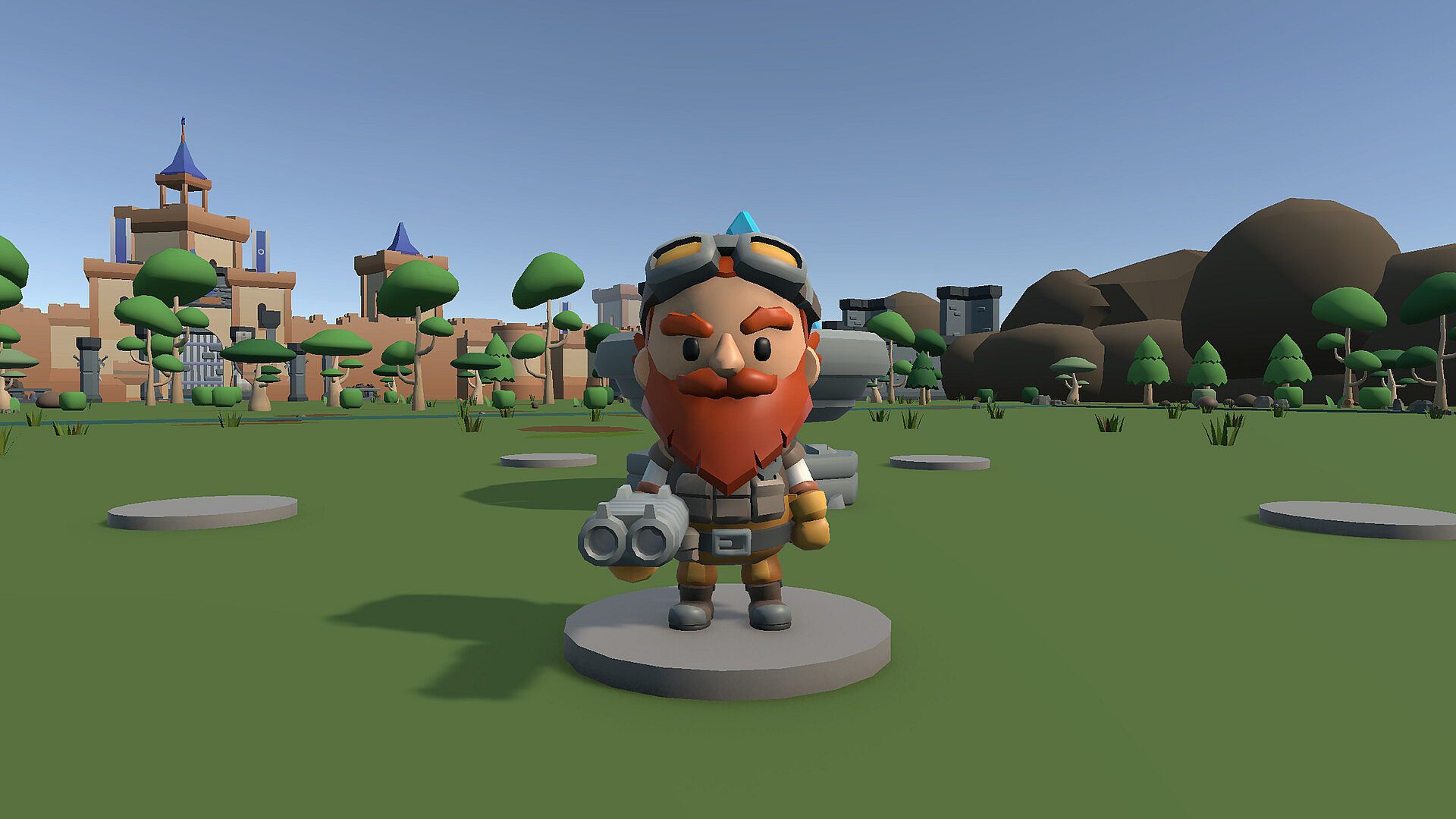
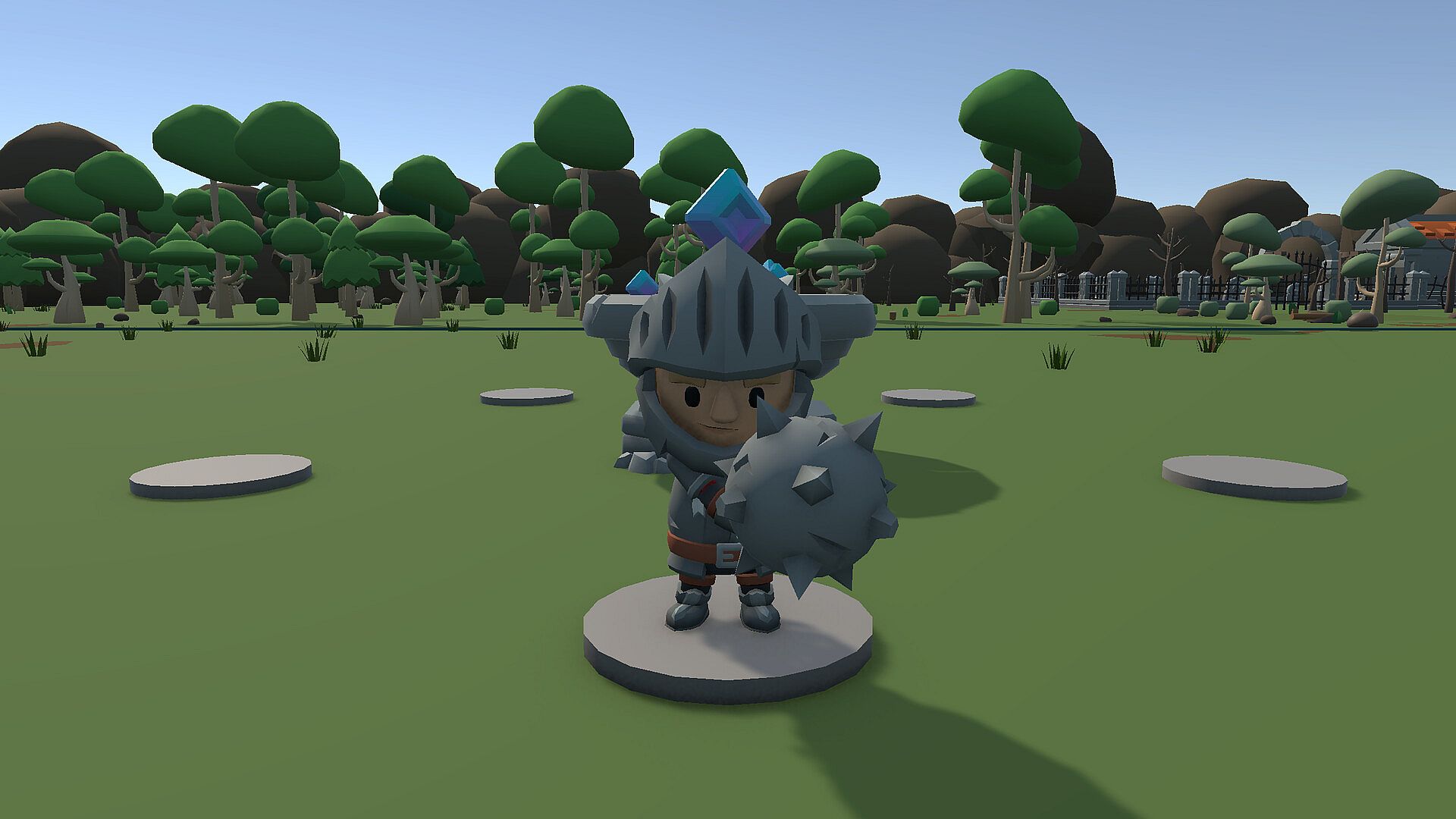
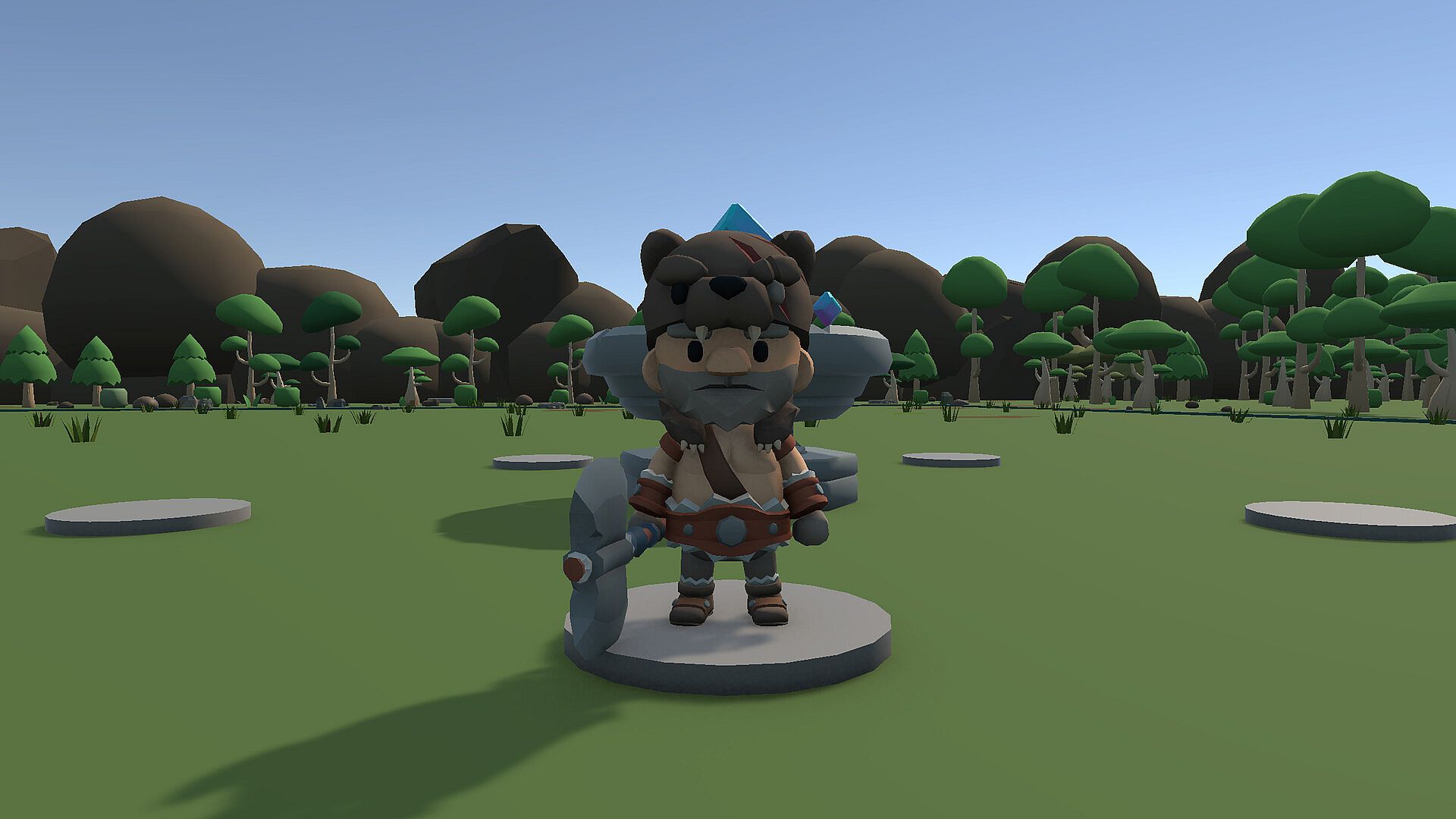
Combat occurs in third-person perspective. Each of the five classes offers unique tools: Vanguard focuses on close-quarters melee, Ranger emphasizes precise ranged bow attacks, Mage unleashes area spells, Engineer deploys supportive elements like sentries and repairs, and Barbarian brings aggressive frontline pressure with heavy weapons. Every class includes dedicated abilities, resource interactions, and passives that shape how players contribute to holding the line.
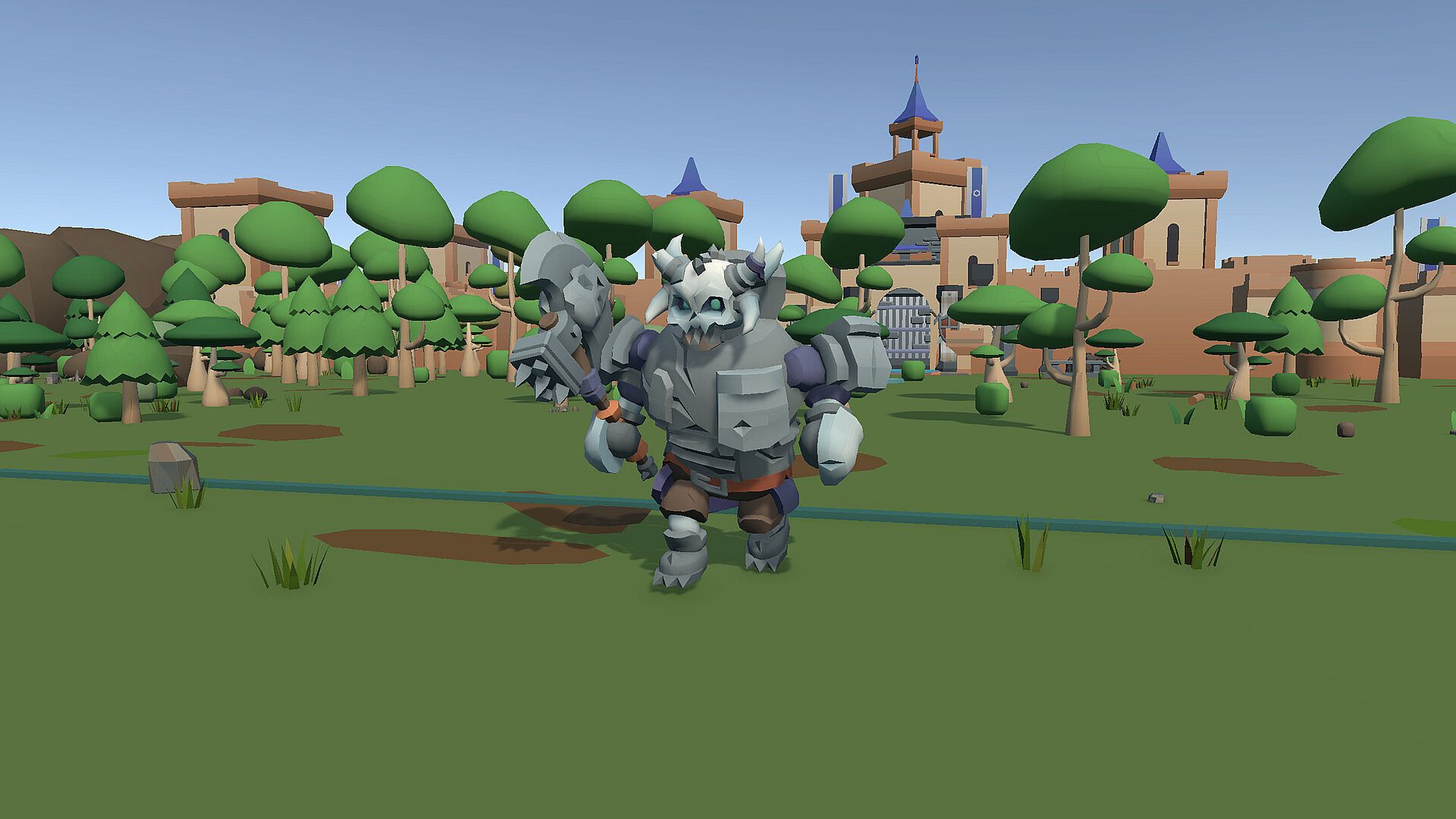
Between waves, talent selections allow incremental strengthening of defenses and personal capabilities. Enemies arrive with varied roles that demand adaptive positioning and responses. The objective remains protecting the Core as pressure intensifies toward a final major encounter.
Game Modes
Fortfall offers two primary play contexts. Solo mode lets a single player handle all building, repairs, and combat duties across the full run. Private online co-op supports groups of up to five players who share a join code, select classes together, and divide responsibilities for fortifications, combat, and maintenance around the shared Core.
No public matchmaking or additional named modes appear in the available information. The structure centers on wave-based defense runs that advance through escalating enemy pressure, with the fort carrying forward as the session progresses.
Defense and Progression Systems
Building emphasizes connectivity and specialization. Walls link to create enclosed areas, gates control access points, and resource spending determines which sections receive upgrades or reinforcements. Repairs keep structures functional during active assaults, while broken segments can be swapped for new configurations tailored to incoming threats.
Progression occurs through talent choices earned mid-run. These options bolster both defensive structures and class performance for subsequent waves. Enemy variety introduces different combat behaviors, requiring players to adjust tactics and fort layouts dynamically. The overall loop rewards foresight in placement and quick reactions when breaches occur.
Is It Worth Playing?
Fortfall targets players who enjoy mixing construction mechanics with active third-person combat in a cooperative or solo defense format. The class variety and persistent fort across waves provide clear progression and replay paths through different loadouts and talent paths. Private co-op encourages coordination on repairs and positioning without relying on public servers.
The game remains unreleased as of October 2026, with a planned launch on December 1, 2026, and currently lists no user reviews. Those interested in tower-defense hybrids blended with direct fantasy action and small-group play may find the described systems appealing once available. Availability will be limited to PC through standard digital storefronts at launch.