

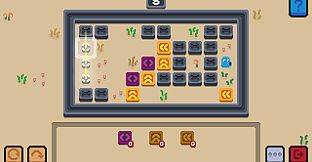
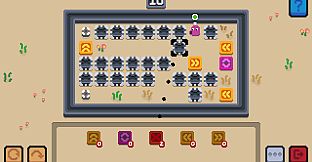
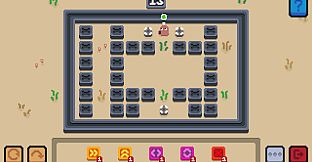
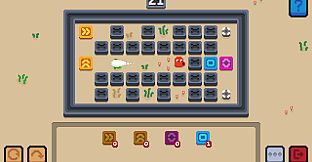
Go! Dot. is a minimalist logic puzzle game developed as an indie casual title for PC. Players guide a ball through carefully designed levels by placing blocks and modifying the terrain in a sandbox-style approach that emphasizes creative problem solving over complex controls.
Gameplay
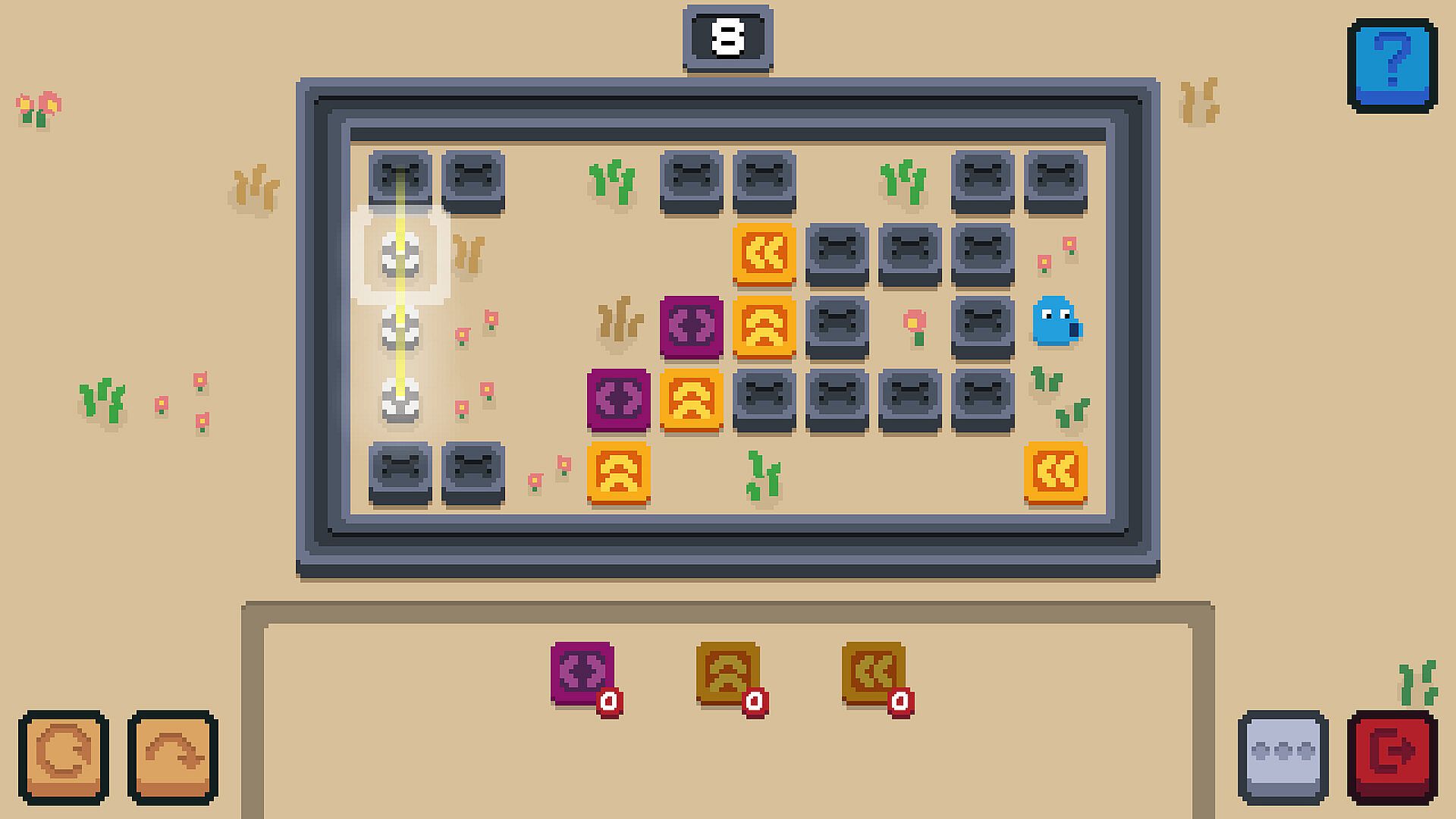
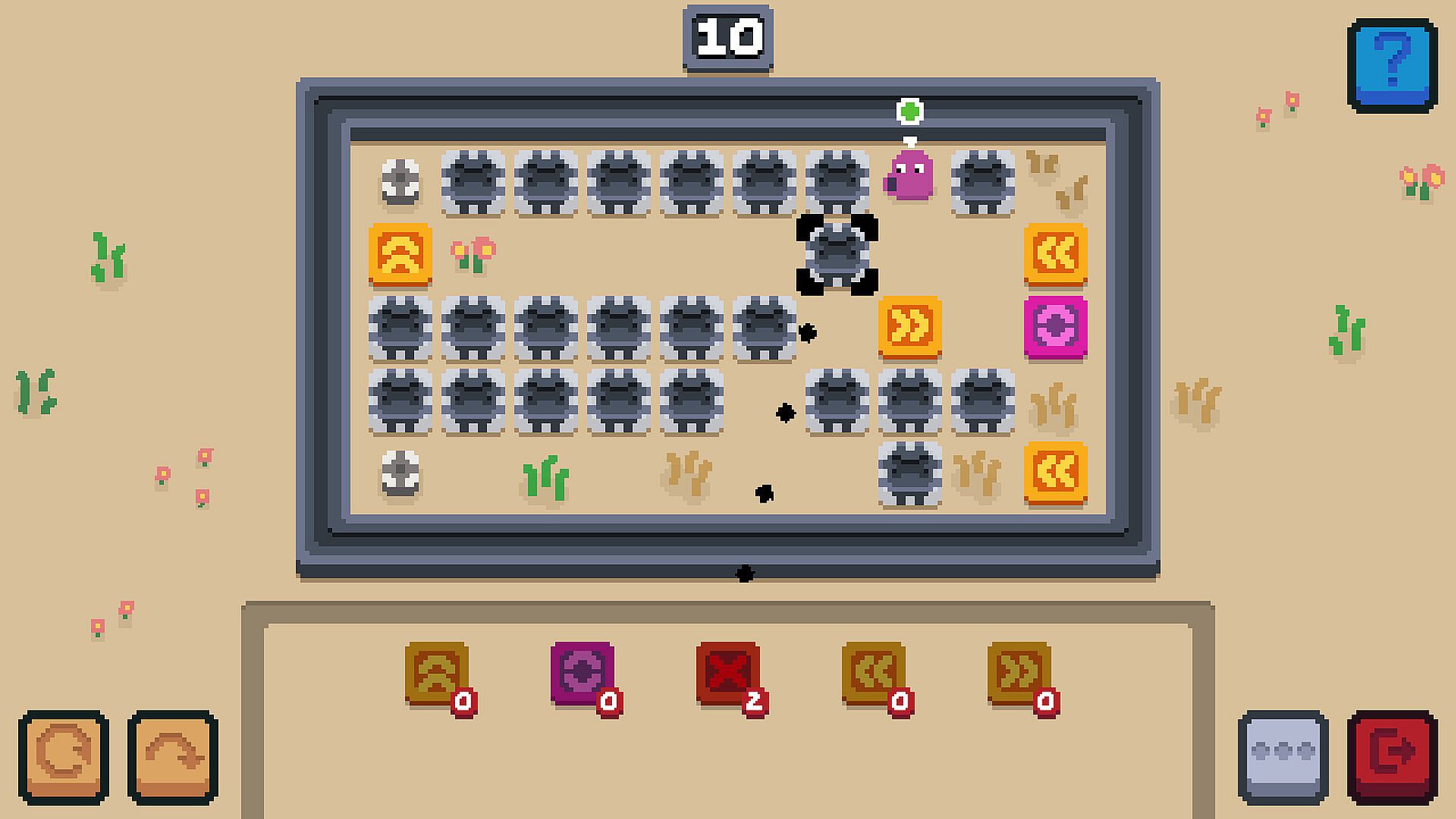
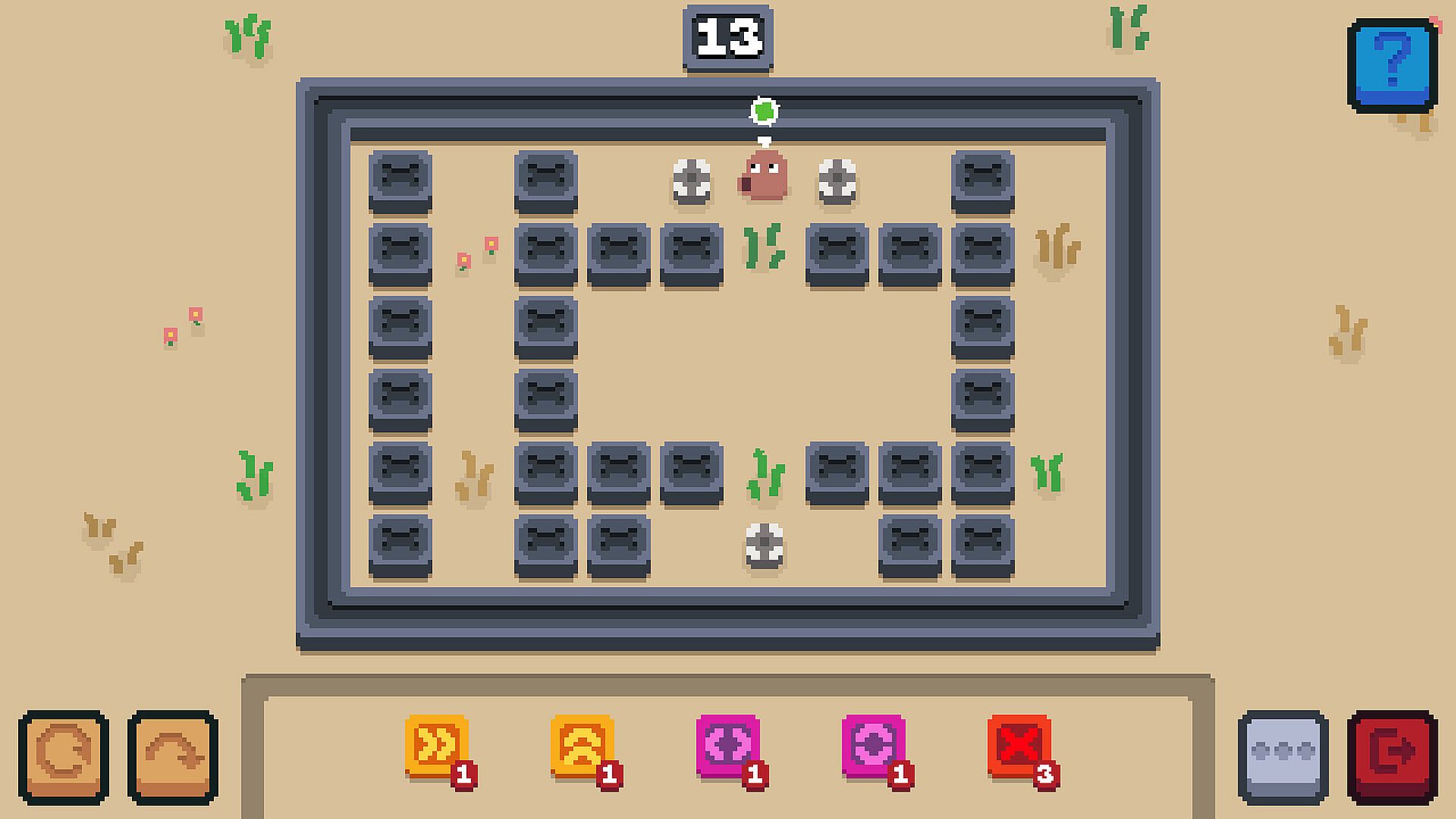
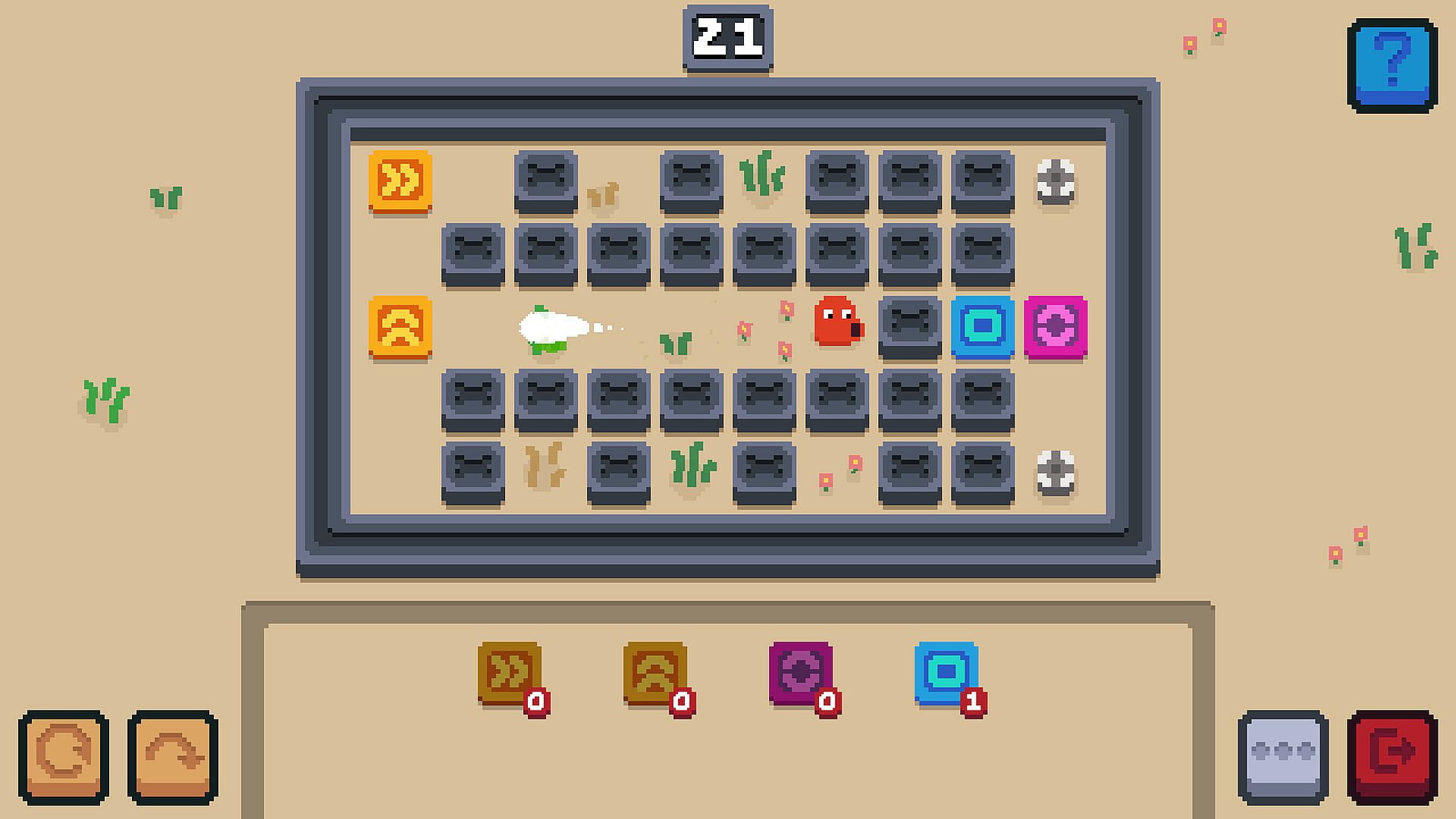
The core loop revolves around positioning functional blocks and reshaping the environment so the ball can reach its target. Each level presents a contained space where experimentation leads to solutions, and the minimalist presentation keeps the focus on logic and spatial reasoning. Blocks serve specific purposes that players combine in different ways, producing varied interactions such as redirection, elevation changes, or temporary supports. This system encourages trial and error within a single level until the correct configuration allows the ball to complete its path.
Progression moves from straightforward setups that introduce basic block functions to more intricate arrangements that require multiple block types working together. The sandbox element means players can rearrange elements freely before committing to a run, testing ideas without permanent consequences. Terrain alteration adds another layer, letting users create ramps, barriers, or pathways that complement the placed blocks. The result is a steady increase in challenge that rewards observation and iterative adjustment rather than speed or reflexes.
Game Modes
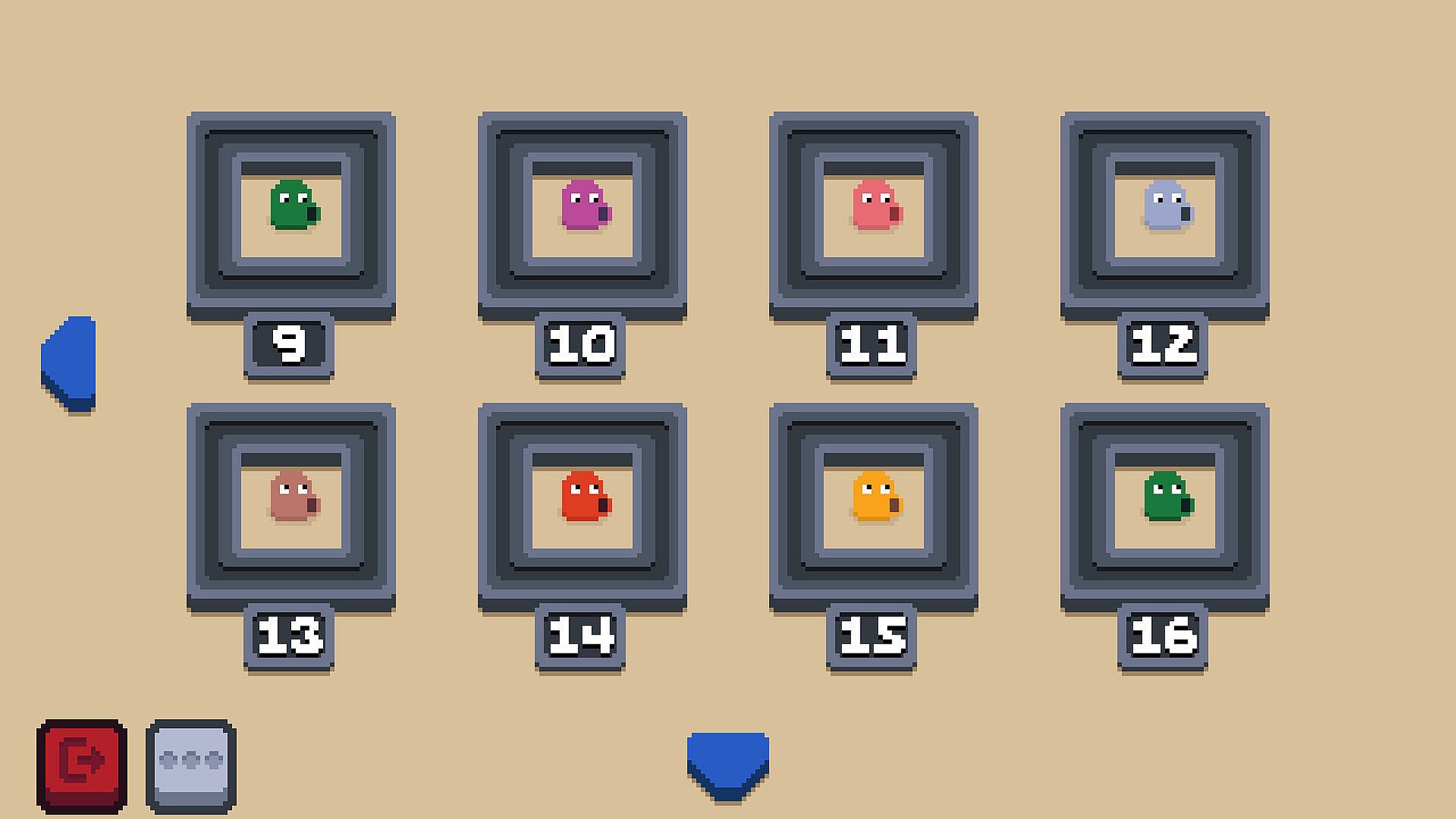
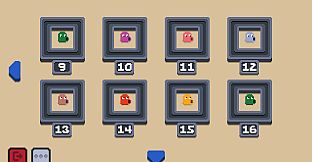
Go! Dot. structures its content around individual levels that players tackle in sequence. Difficulty scales gradually, beginning with simple placement tasks and advancing to scenarios that demand precise combinations of several block types alongside terrain modifications. There are no separate competitive or timed modes; instead, the experience centers on mastery of each puzzle through repeated attempts and creative reconfiguration.
Within this level-based framework, players encounter unique layouts that highlight different mechanical possibilities. Early stages focus on single-block solutions, while later ones integrate multiple functions to create chain reactions or indirect routes. The absence of additional modes keeps the emphasis on the core decryption-style puzzle solving, where success comes from understanding how blocks interact with the ball and the altered landscape.
Mechanics and Block Interactions
Functional blocks form the foundation of every solution. Each type contributes a distinct behavior that players must learn and combine, such as changing the ball's direction, providing temporary elevation, or creating stable platforms. Combining these elements generates emergent mechanics that feel fresh across different levels, even when the same blocks appear in new contexts. Terrain changes complement the blocks by allowing players to build custom paths or obstacles that would otherwise be impossible with blocks alone.
The minimalist design ensures that every element serves a clear purpose. Players spend time analyzing the level layout, identifying the ball's starting point and destination, then experimenting with placements. This process highlights the game's emphasis on logical deduction and spatial awareness rather than visual spectacle or narrative elements. Levels remain self-contained, so solutions discovered in one area do not carry over mechanically to the next.
Is It Worth Playing?
Go! Dot. suits players who enjoy deliberate, thoughtful puzzle experiences in a casual indie package. Its sandbox decryption approach offers satisfying moments when a configuration finally works, particularly for those who appreciate experimenting with limited tools to achieve a precise outcome. The range of levels from easy to challenging provides a steady sense of progression without overwhelming complexity.
Because the game focuses exclusively on single-player logic challenges with no additional modes or ongoing updates confirmed, it appeals most to puzzle enthusiasts seeking a compact, self-contained experience. Those who prefer fast action or multiplayer elements may find the pace too measured, while fans of minimalist design and creative problem solving will likely appreciate the clean execution and variety of block combinations across the levels.