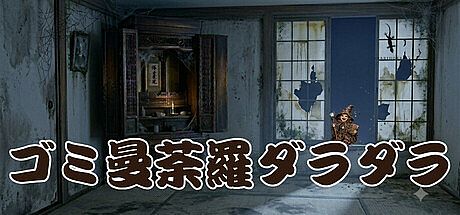



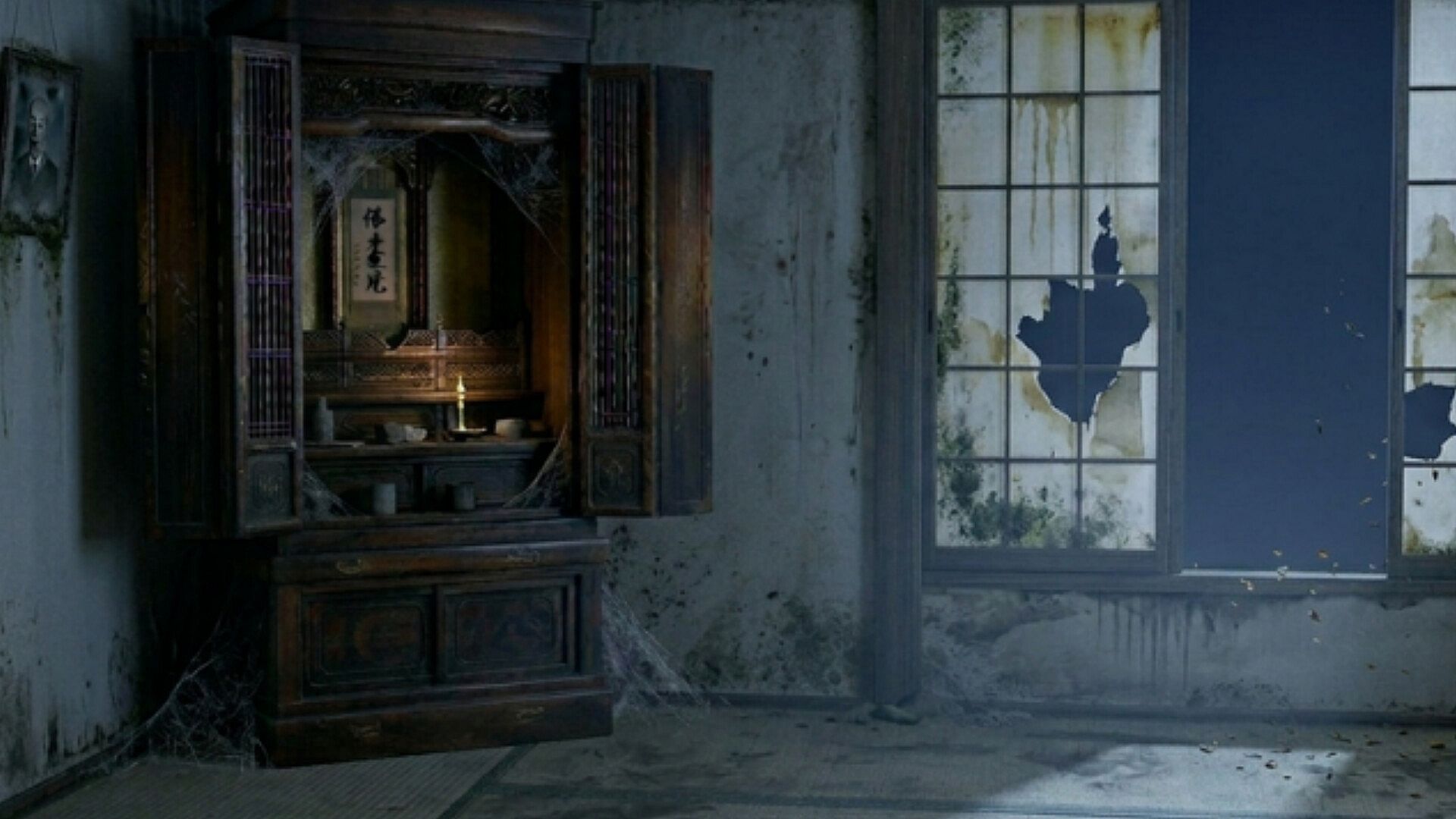
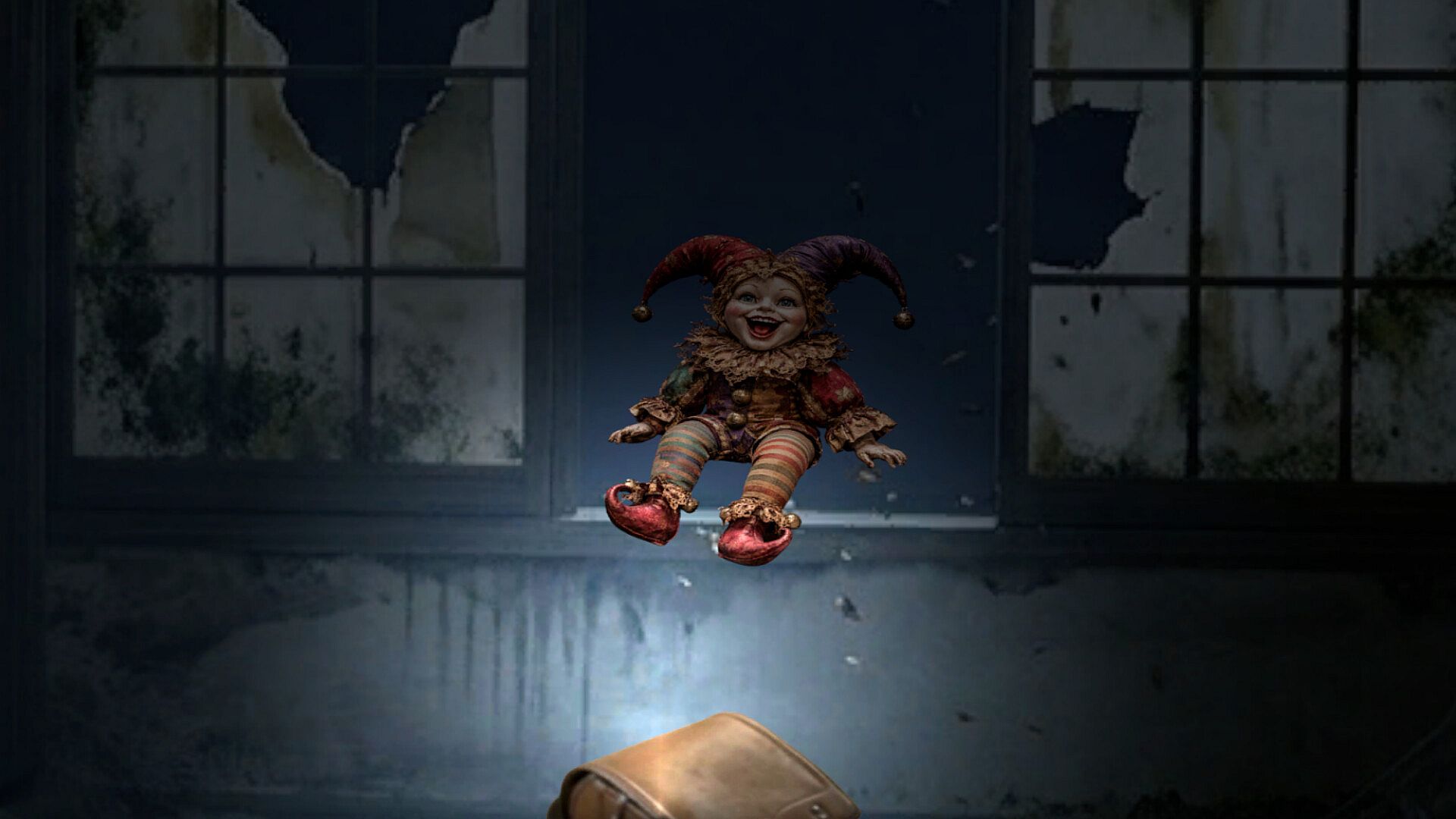
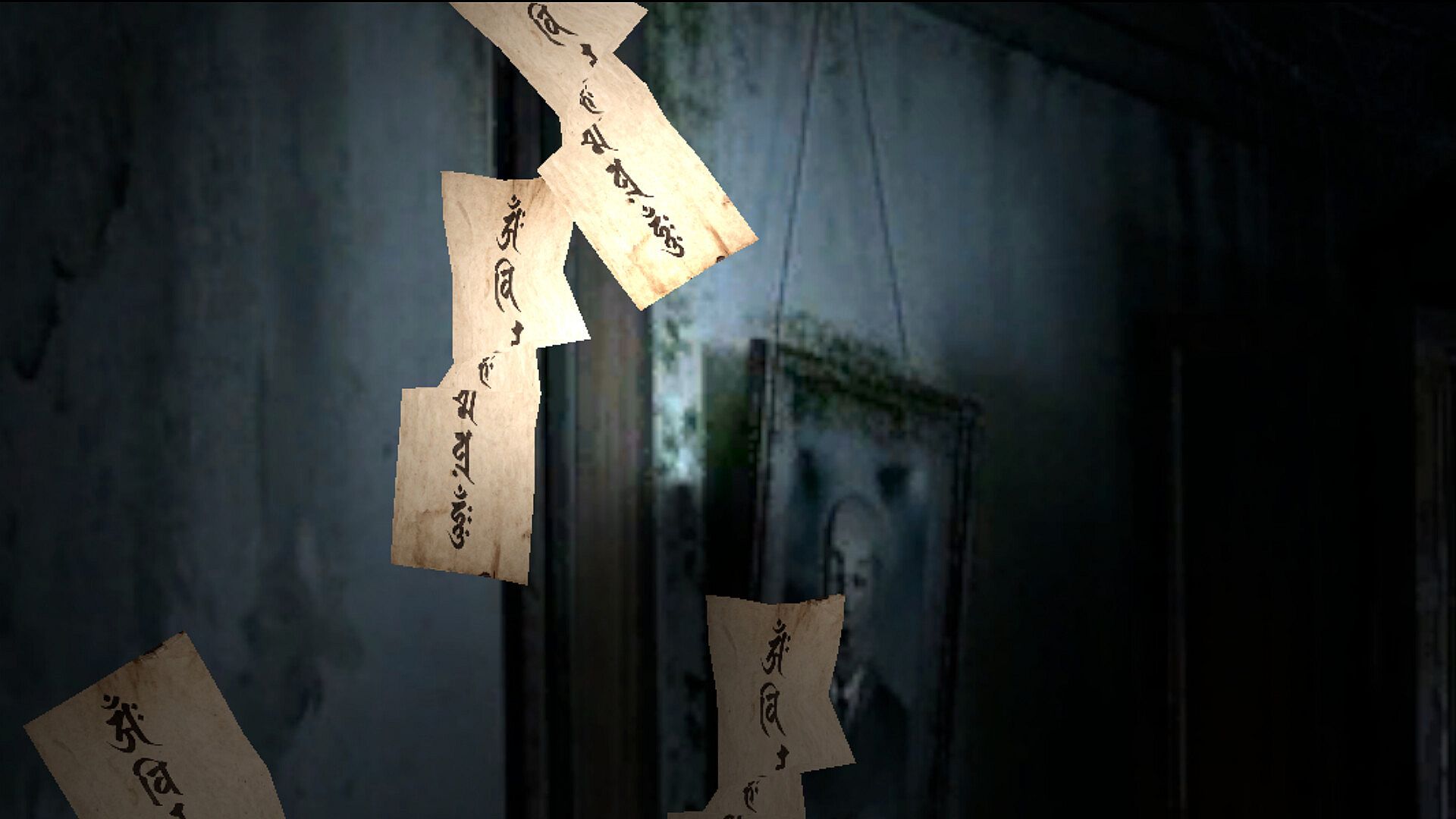
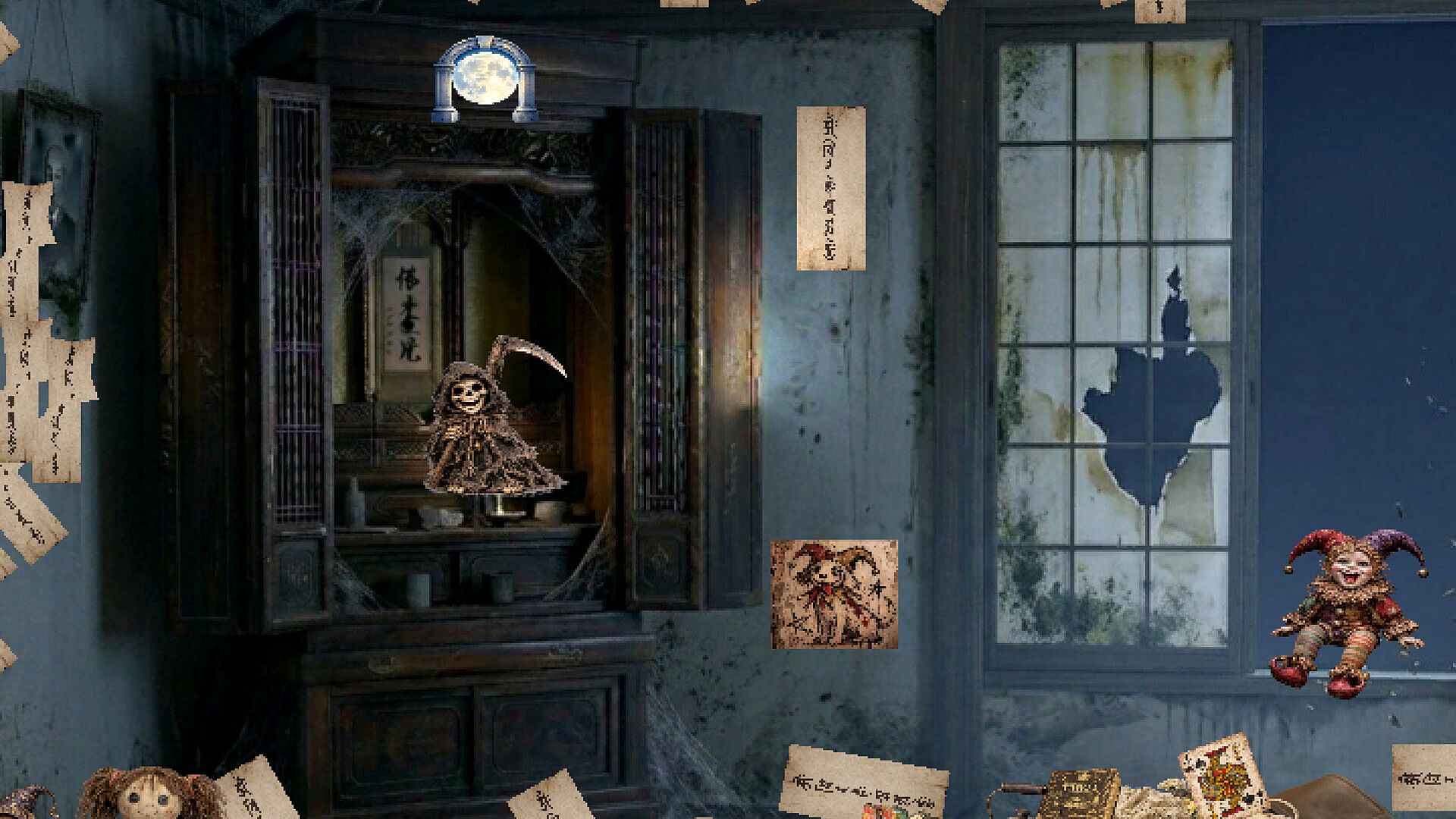
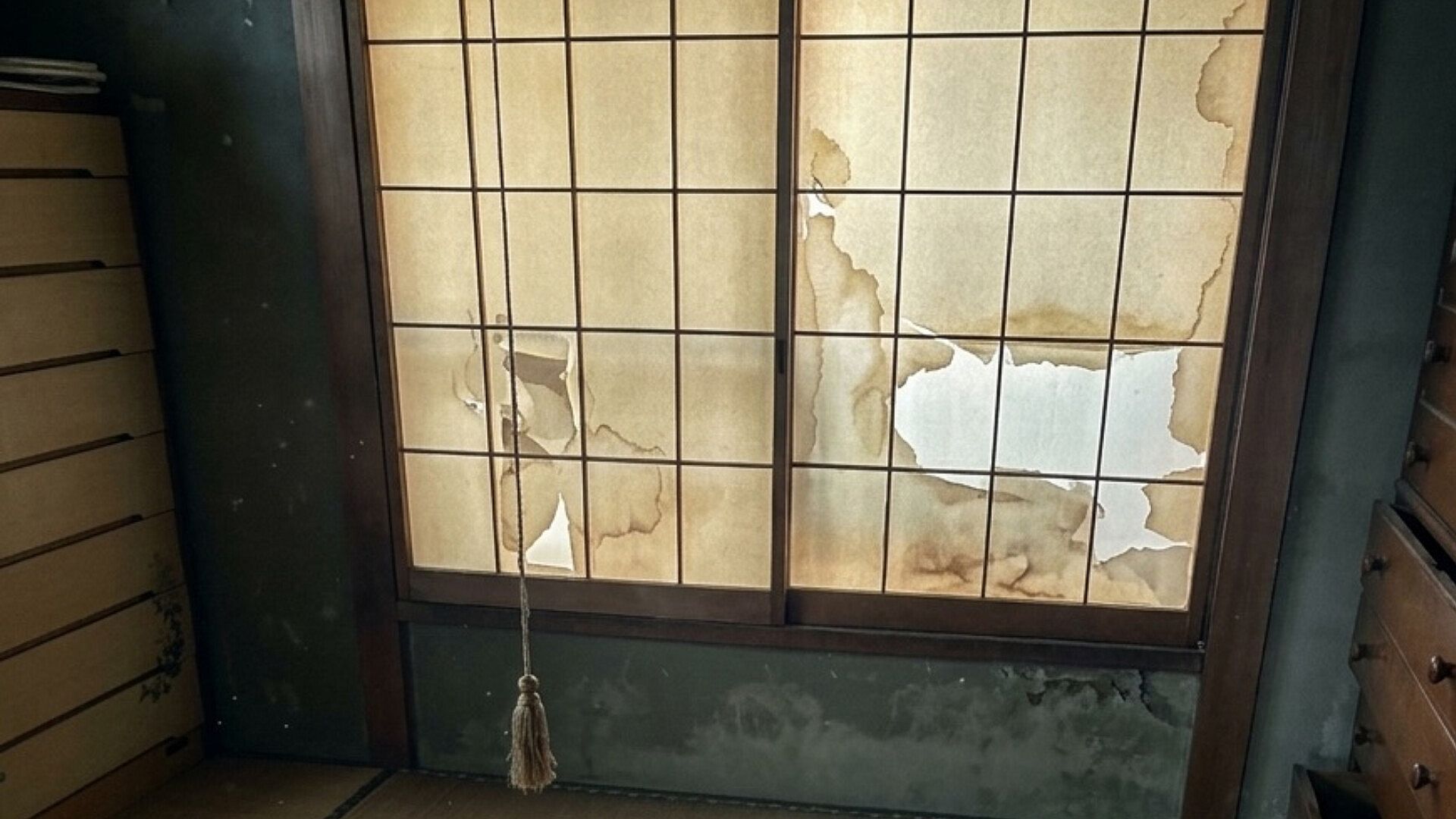
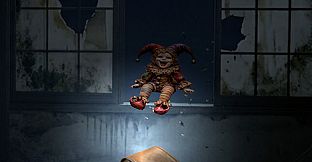
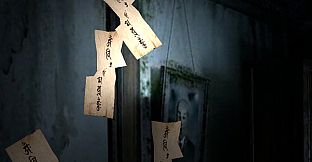
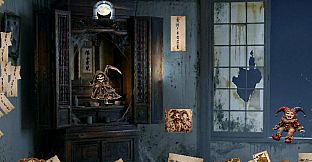
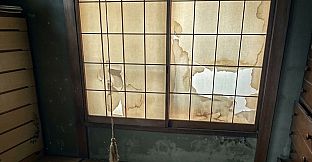
Gomi Mandara Daradara ist ein kompaktes Casual-Indie-Spiel für den PC. Man betritt einen vergessenen Raum voller Gerümpel und beginnt, ihn mit einfachen Mausklicks zu leeren. Die Erfahrung verbindet unkomplizierte Interaktion mit stiller Reflexion über Alltagsspuren und persönliche Bindungen, die in weggeworfenen Gegenständen zurückbleiben.
Gameplay
Im Mittelpunkt steht das Auswählen einzelner Müllstücke, die im Raum verteilt liegen. Jeder Klick entfernt ein Fragment und legt nach und nach Muster frei, die an ein aus Abfall geformtes Mandala erinnern. Der Fortschritt wirkt bewusst und methodisch: Stück für Stück verschwindet das Gerümpel, bis der Raum leer ist. Dadurch entsteht eine surreale Atmosphäre, die von realistischem Durcheinander in einen Zustand der Leere übergeht - weniger ein Triumph als ein stilles Entfernen. Ohne Zeitlimit oder komplizierte Steuerung bleibt der Fokus auf der visuellen Veränderung des Raums.
Im Vordergrund steht der Akt des Löschens selbst. In den Objekten zeigen sich Spuren alltäglicher Routinen, von Haushaltsresten bis hin zu Dingen, die emotionale Verbindungen andeuten. Mit jedem verschwindenden Layer verändert sich der Raum auf subtile Weise und betont Abwesenheit statt Anhäufung. Die kurze Dauer hält die Sitzung überschaubar und passt in kurze Pausen, ohne längeres Engagement zu verlangen.
Game Modes
Eine einzige, durchgehende Sequenz führt vom anfangs überfüllten Raum bis zum Ende. Es gibt keine separaten Varianten oder wählbaren Pfade, sodass jede Runde dieselbe Abfolge von Klicks durch das Gerümpel durchläuft. Am Ende wechselt das Spiel in einen zweiten, ruhigeren Raum namens Room 2. Dort verbleiben nur eine kurze Botschaft an den Spieler und stille Erinnerungen an vergangene Momente.
Diese lineare Struktur unterstreicht den fokussierten Charakter des Spiels. Das Fehlen von Verzweigungen oder zusätzlichen Szenarien lenkt die Aufmerksamkeit auf das zentrale Leeren und die Gefühle, die danach zurückbleiben.
Themes and Atmosphere
Hinter dem Aufräumen verbirgt sich eine Auseinandersetzung mit Verlassenheit und subtilen Horrorelementen, zusammengefasst im Konzept des Sabi-Horra. Die Gegenstände im Raum tragen Spuren von Bindung und Routine, sodass das Entfernen mehr als nur mechanisch wirkt. Die entstehende Leere lädt dazu ein, darüber nachzudenken, was nach dem Verschwinden physischer Spuren zurückbleibt - eine hohle, doch nachdenkliche Stimmung ohne offene Spannung oder Schreckmomente.
Der visuelle Übergang von dichtem Durcheinander zu offener Fläche unterstützt diese Tonlage. Details entstehen ganz natürlich aus dem Gerümpel selbst und regen dazu an, Muster und Bedeutungen zu erkennen, ohne explizite Erzählung. Die Präsentation bleibt zurückhaltend und setzt auf den Kontrast zwischen Präsenz und Abwesenheit, um ihre Aussage zu vermitteln。
Is It Worth Playing?
Das Spiel richtet sich an alle, die eine kurze, introspektive Ablenkung suchen, statt lange Kampagnen oder kompetitive Elemente. Mit einer Spieldauer von fünf bis zehn Minuten eignet es sich gut für kurze Pausen im Alltag und bietet einen abgeschlossenen Bogen vom überfüllten Anfang bis zum nachdenklichen Ende. Die einfache Klickmechanik erfordert keine Vorkenntnisse, während die thematischen Schichten zum Nachdenken anregen.
Wer Casual-Erfahrungen mit narrativen Untertönen schätzt, wird die Session in ihrer Zurückhaltung als lohnend empfinden. Das Spiel verzichtet auf Anreize für wiederholte Durchläufe und positioniert sich als einmaliges Erlebnis, das durch sein stilles Ende nachwirkt. Spieler, die minimalistische Designs schätzen, die zur persönlichen Reflexion über Erinnerung und Verlust anregen, werden die fokussierte Präsentation zu schätzen wissen.
- Kurze Spielzeit passt in einen vollen Terminkalender
- Einfache Maussteuerung
- Atmosphäre steht im Vordergrund, nicht Action