


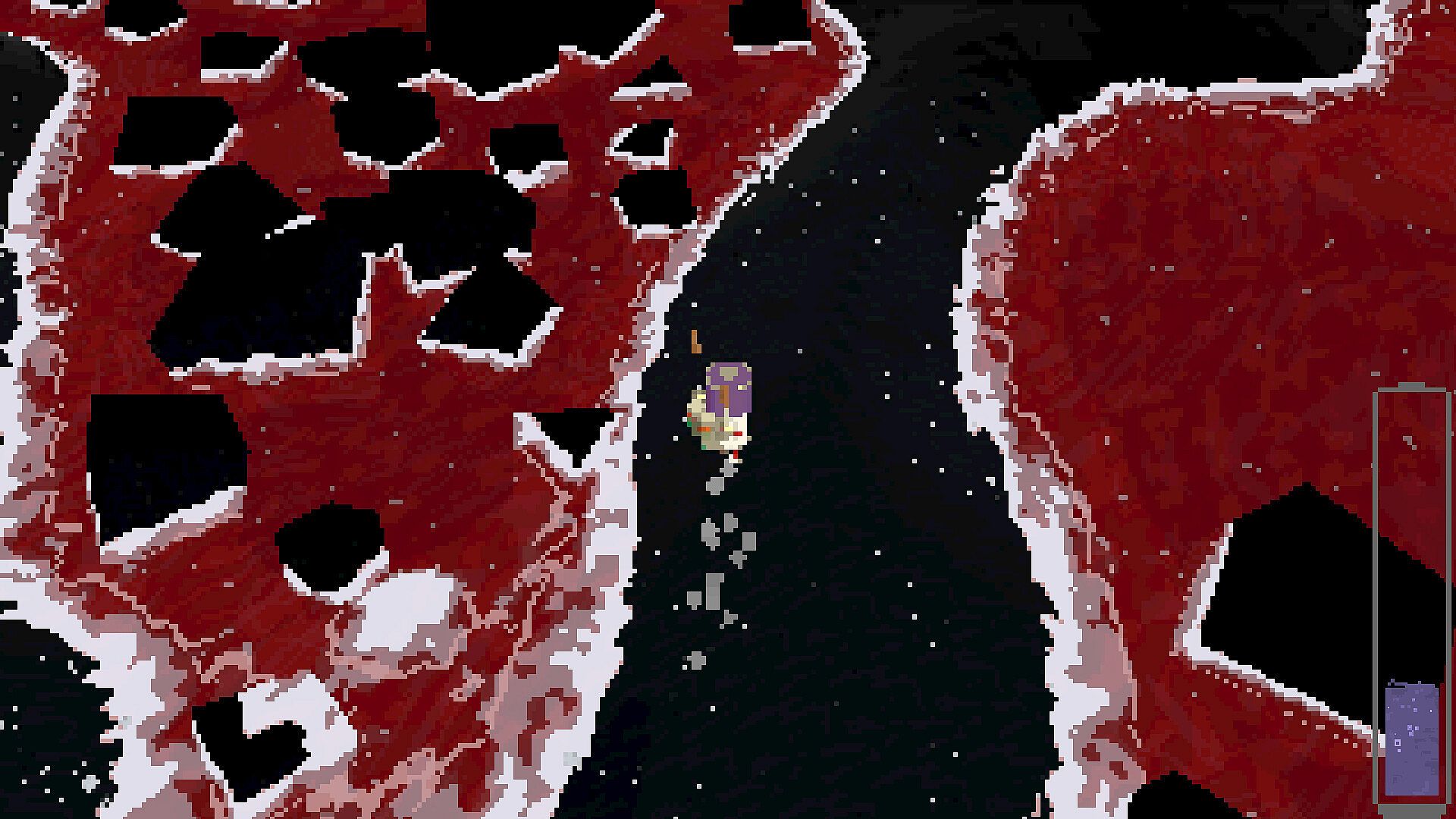
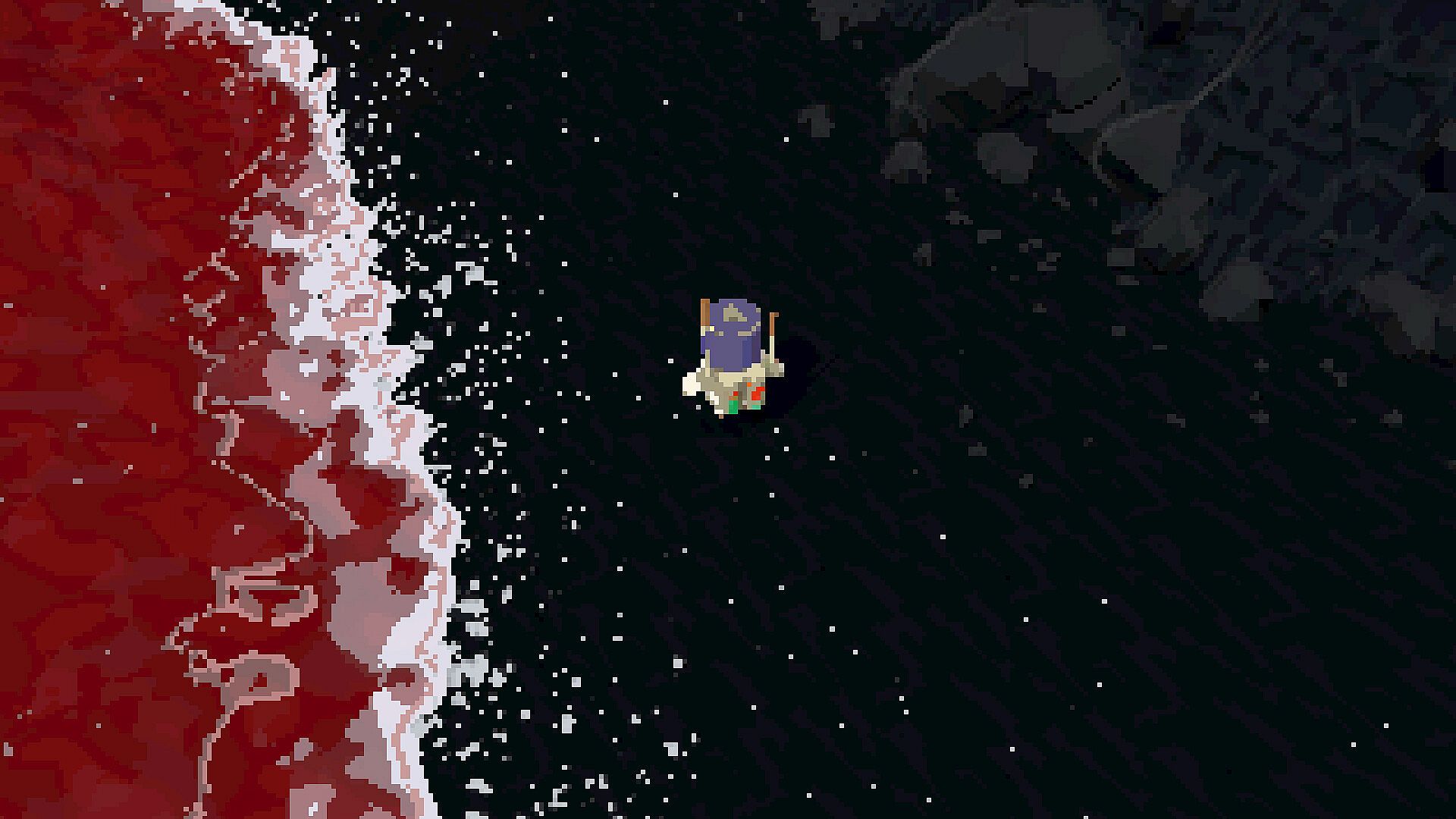
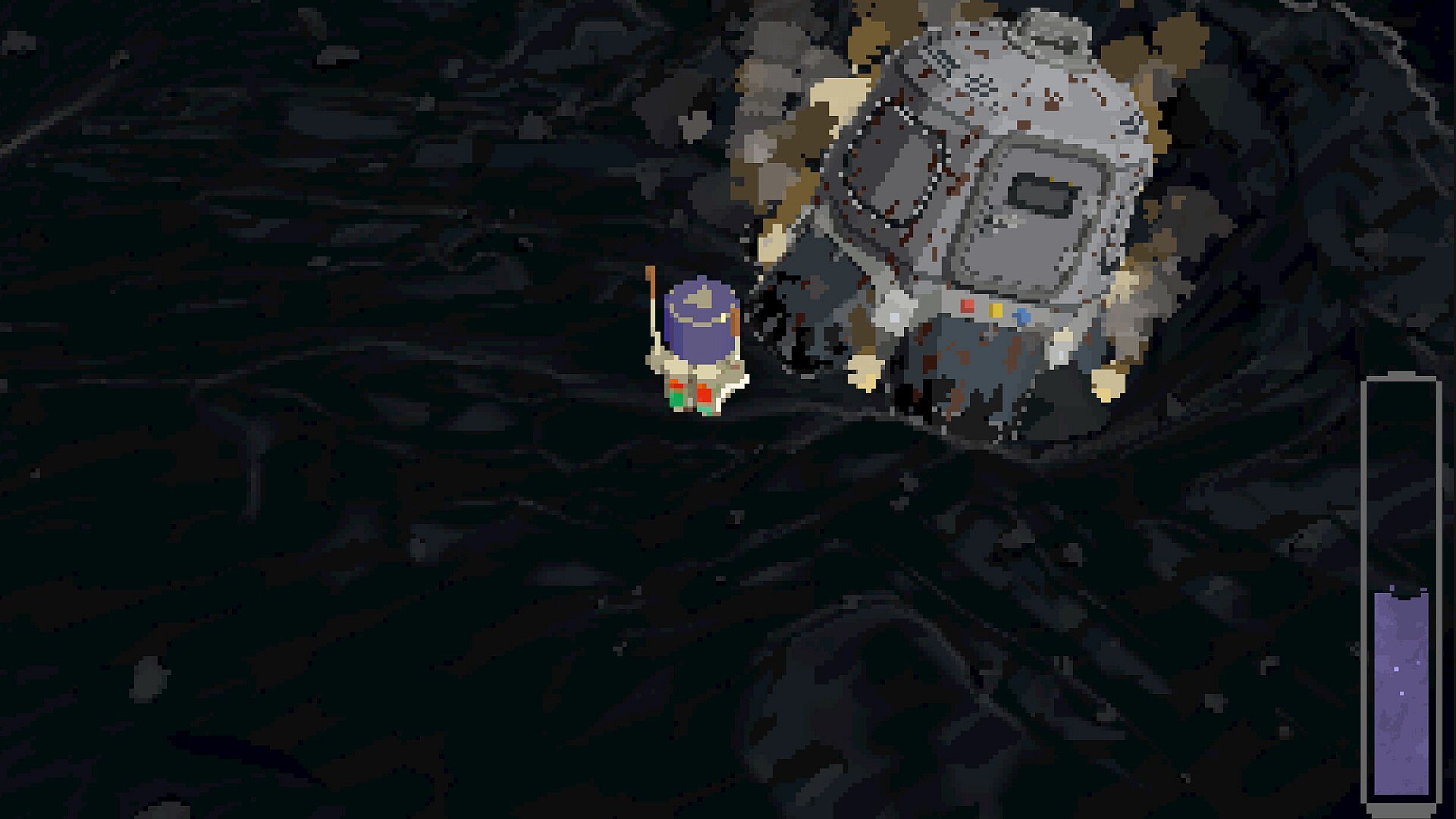
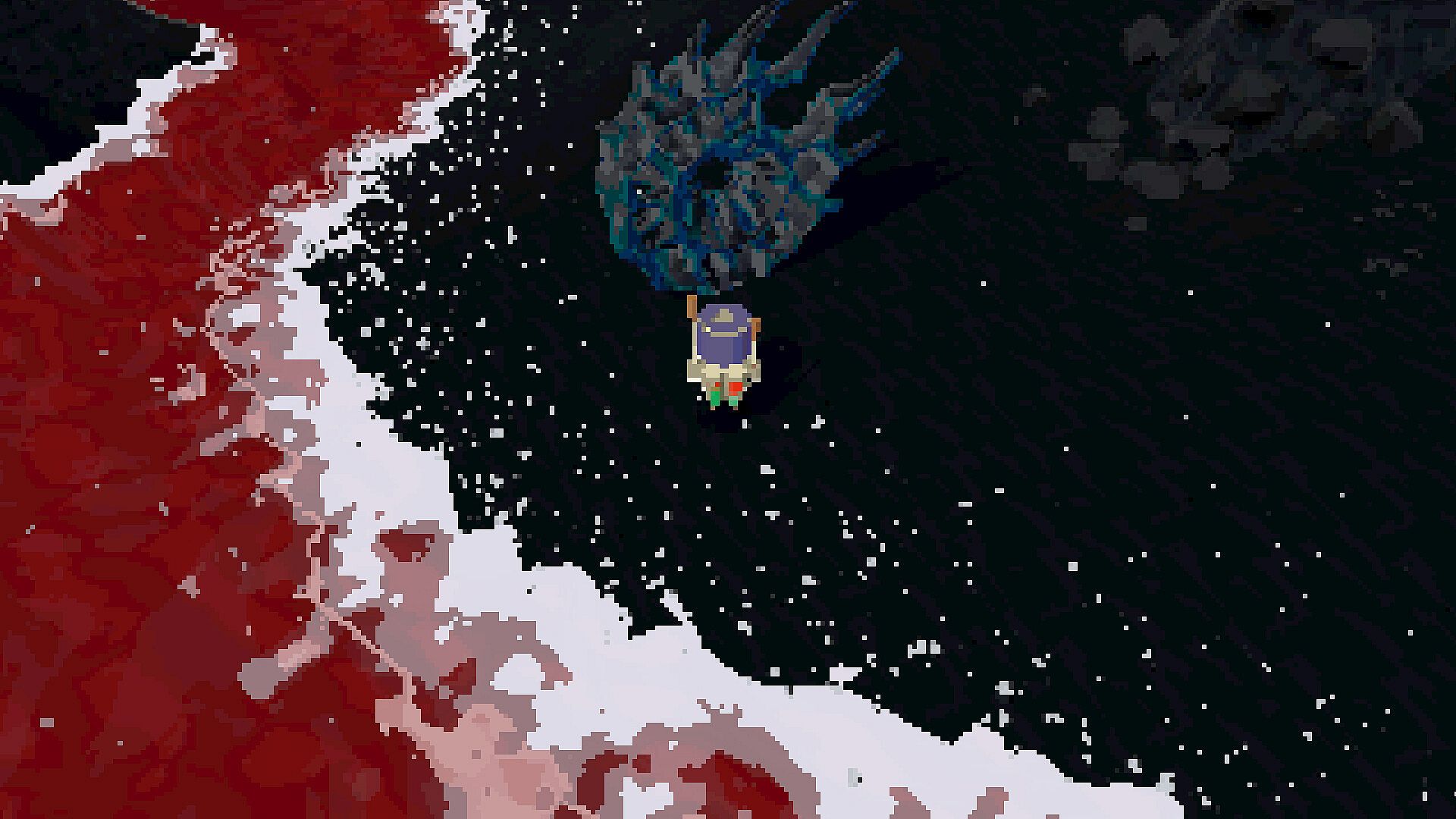
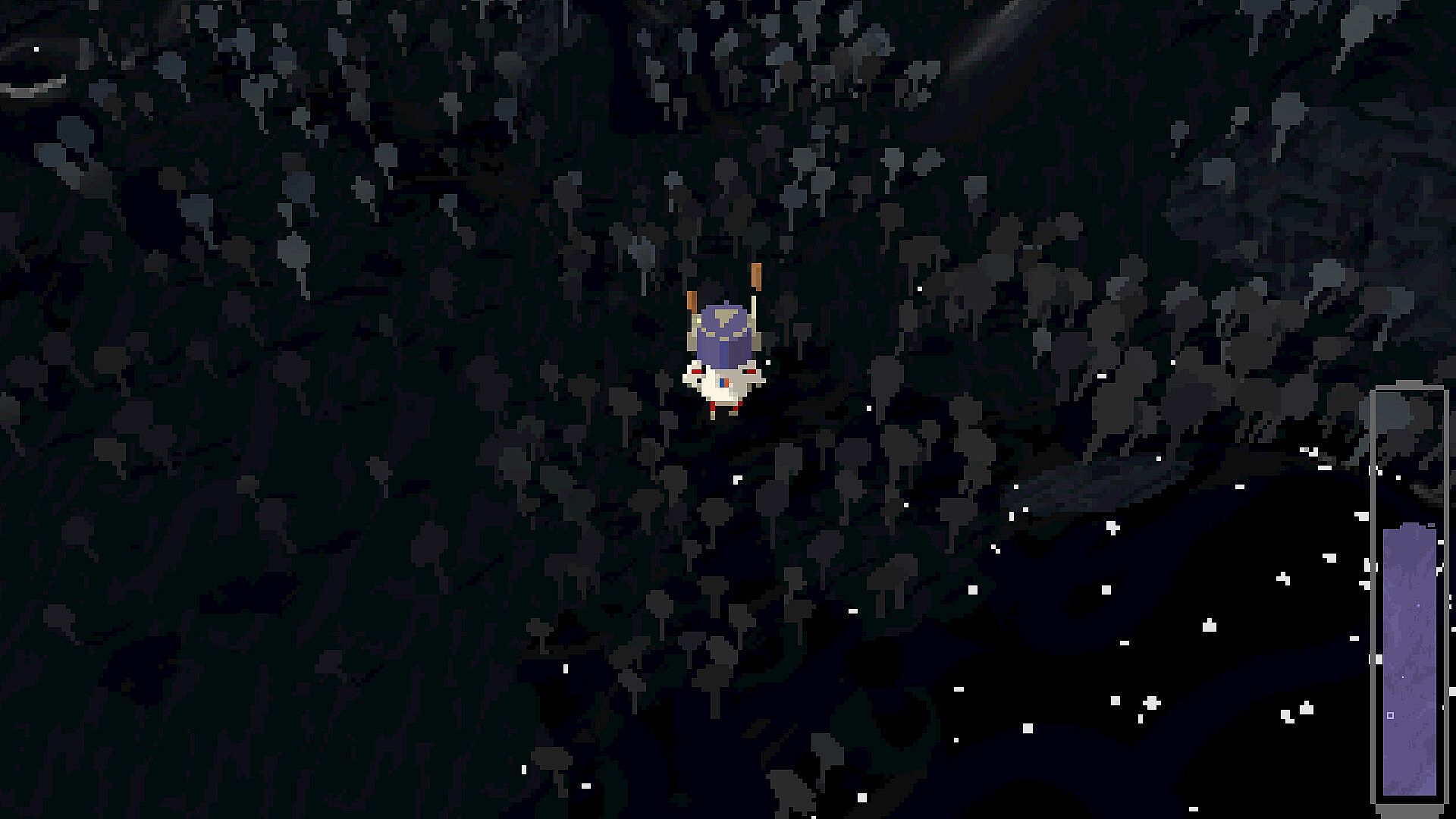

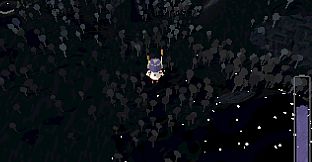
Homeward Wanderer is a single-player indie adventure game centered on open exploration and quiet discovery on an alien planet. Players crash-land alone and must navigate varied terrain using a jetpack while uncovering the world's secrets at a deliberate pace. The experience blends casual traversal with observation-driven challenges, free from combat or demanding survival systems, and unfolds across roughly three hours of crafted gameplay.
Gameplay
The core loop revolves around mastering jetpack boost and hover abilities to cross mountains, mazes, and swamps. Energy cells scattered throughout the environment expand the jetpack's power capacity, allowing access to higher elevations and previously blocked paths. This creates a steady progression where upgrades directly enable new areas and discoveries.
Perspective puzzles emphasize curiosity over strict logic. Reaching a high vantage point reveals subtle route clues through the landscape, while a leap from a cliff can uncover hidden features below. These moments reward careful observation and encourage players to slow down and examine the surroundings rather than rush toward objectives.
Customization elements appear as collectibles that enhance personal expression. Ship parts, drone companions, character skins, hats, and custom jetpack particle trails reward thorough roaming. At least two secret levels and numerous easter eggs further extend the sense of discovery for those who explore every corner.
Game Modes
Homeward Wanderer offers a single-player experience focused entirely on solo exploration and story progression. No multiplayer modes or competitive elements exist, keeping the emphasis on personal pacing and individual discovery within the alien world.
The game functions as an open-world exploration title with cozy puzzle and walking simulator qualities. Players move freely across biomes without time limits or external pressures, allowing the journey to unfold naturally through traversal and observation.
Exploration and Progression
Traversal challenges form the backbone of advancement. Varied landscapes demand precise use of jetpack mechanics to overcome obstacles, and collecting energy cells ties directly into expanding capabilities. This loop of exploration followed by upgrades sustains engagement across the planet's diverse regions.
Alien companionship adds emotional layers. Interactions with native creatures develop over time, transforming the player from an outsider into a familiar presence. These bonds provide quiet moments of connection that contrast with the solitary crash-landing premise.
Visuals, Sound, and Atmosphere
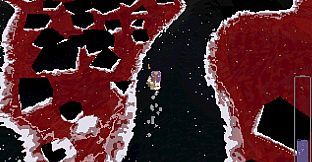
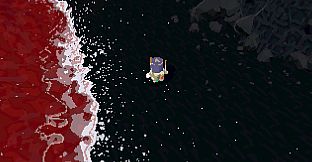
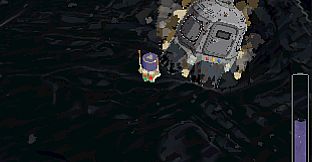
The visual journey evolves dynamically. The experience begins in a quiet, ethereal pitch-black environment, shifts through stark black-and-white zones, and concludes in a vibrant full-color oasis. This progression mirrors the player's growing familiarity with the world.
The original soundtrack supports the changing scenery with six or more tailored background music tracks. Ambient soundscapes complement the music, shifting from deep and atmospheric melodies in early areas to uplifting tones in later biomes. Together they reinforce the sense of a living, responsive planet.
Is It Worth Playing?
Homeward Wanderer suits players who enjoy relaxed single-player adventures centered on exploration rather than action or competition. Its short length makes it accessible for those seeking a focused, immersive session without long commitments.
The absence of combat and survival pressure creates space for pure curiosity and observation. Those drawn to cozy puzzle elements, walking simulator styles, or gentle progression through upgrades will find the mechanics rewarding. The visual and audio transformations provide a distinctive journey that rewards completion.
Customization options and secret content offer replay value for completionists. The game delivers a self-contained story of growth and return without requiring additional play beyond the main path. For fans of indie casual adventures on PC, it presents a deliberate alternative to faster-paced titles.