


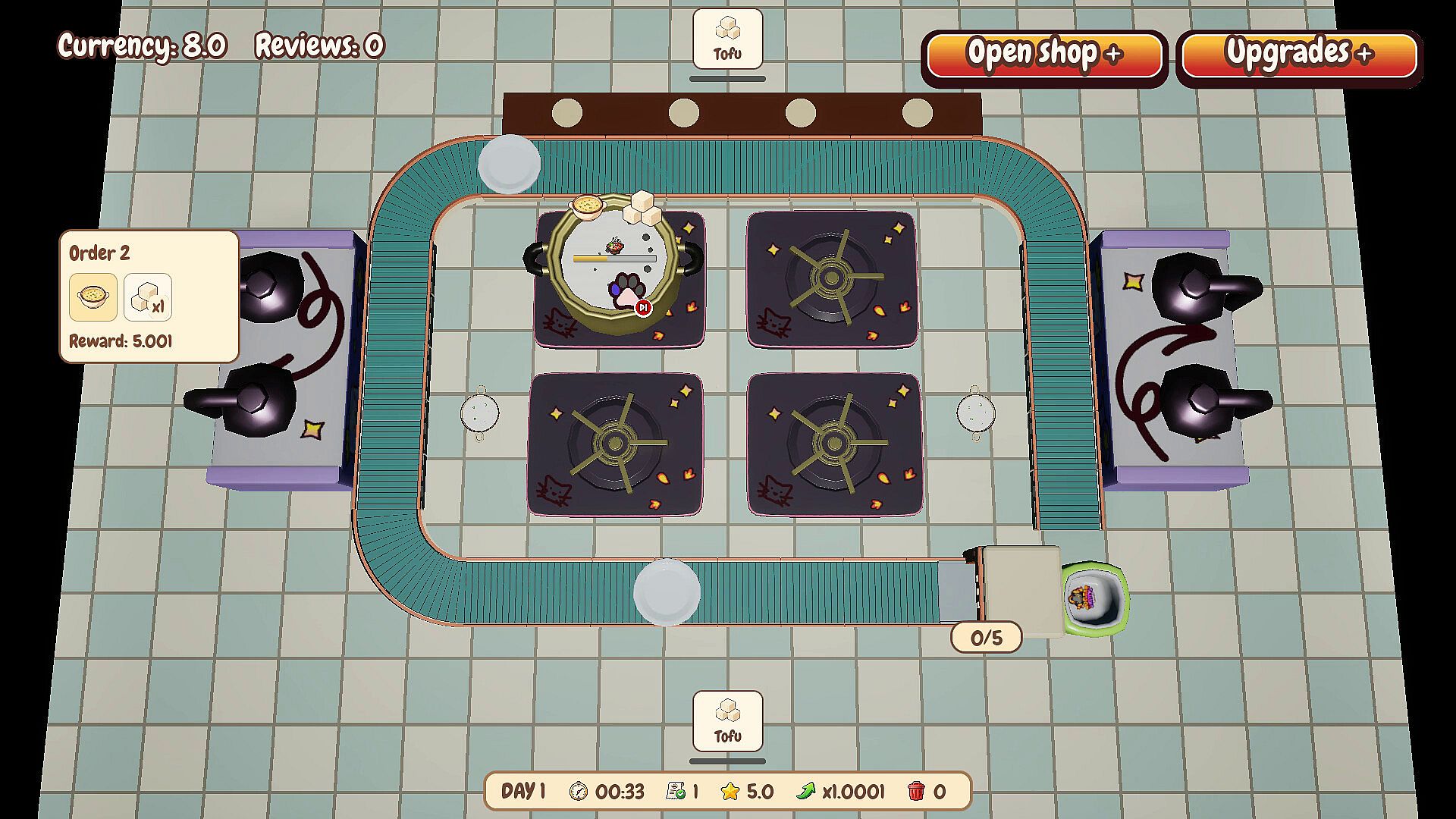
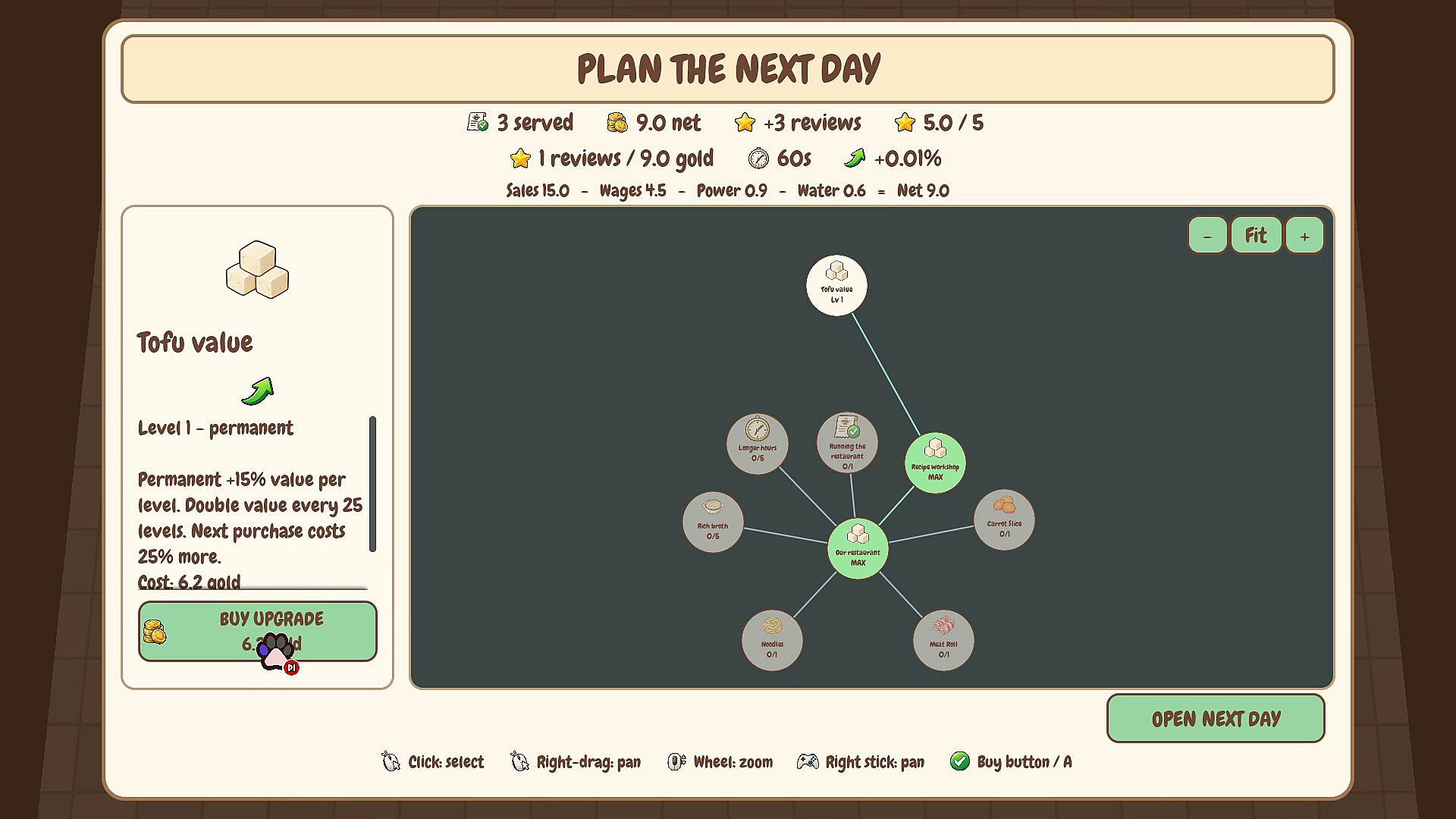
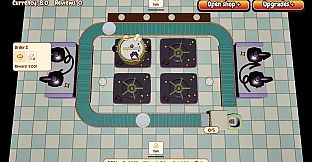
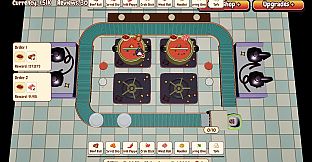
Hotpot Party is a casual simulation game centered on running a bustling hotpot restaurant. Players manage ingredient queues, cooking pots, and customer orders in a shared kitchen environment that supports both solo play and local co-op sessions with up to three additional participants on PC.
Gameplay
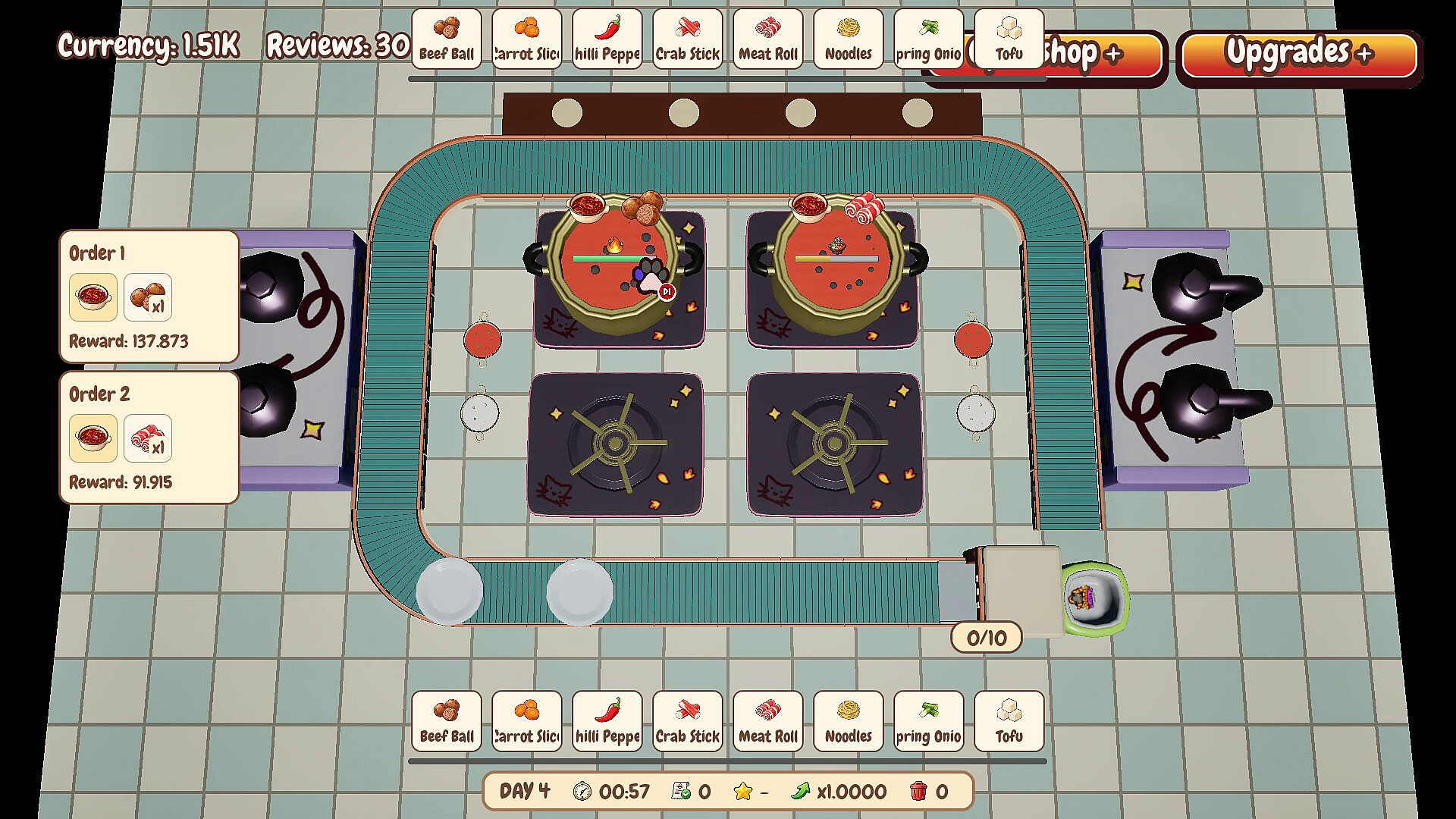
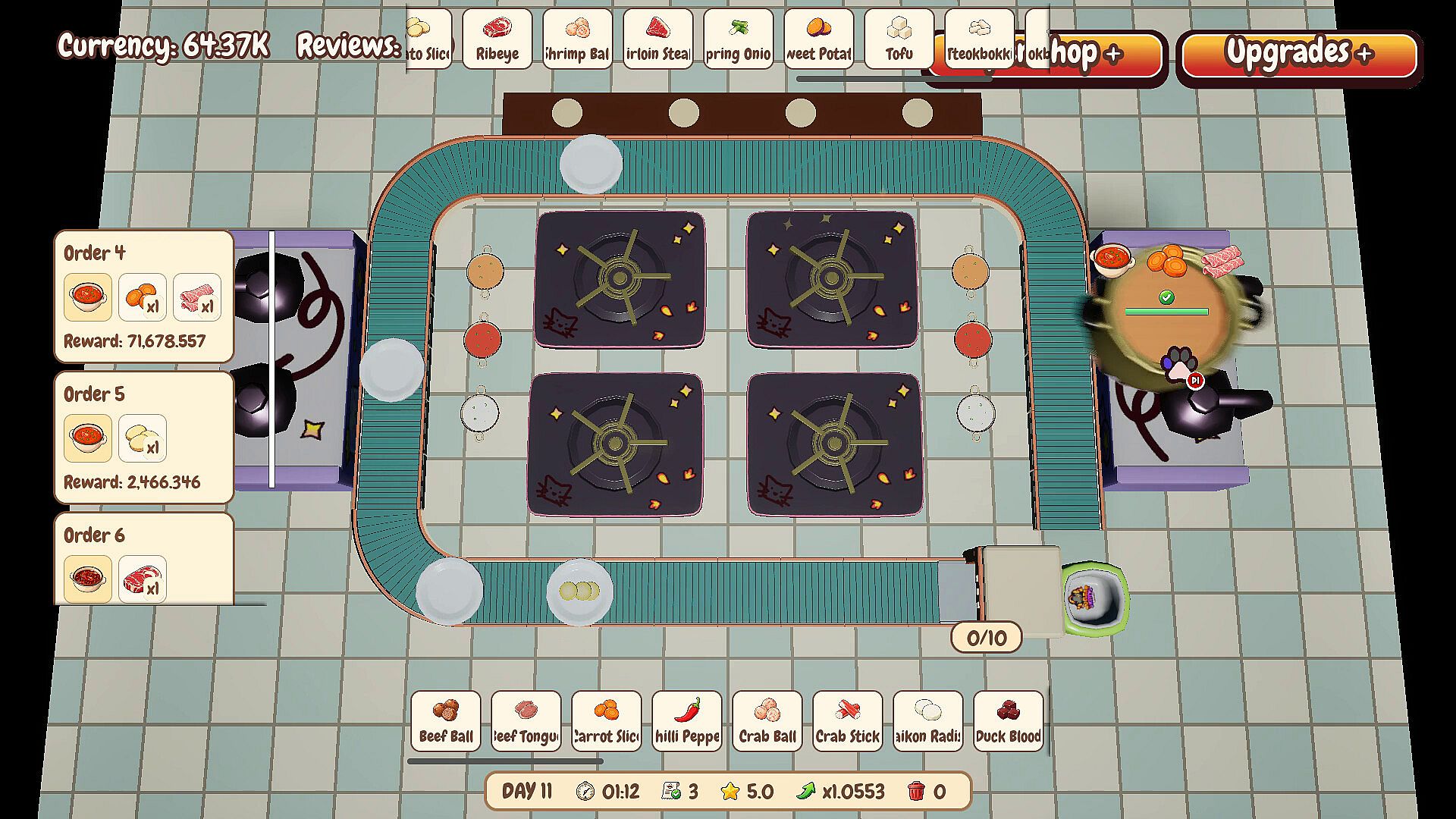
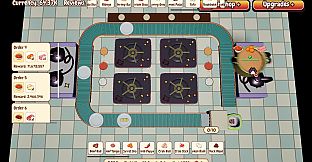
The core loop revolves around preparing hotpot meals under time pressure. Ingredients arrive via a shared conveyor belt after being queued by players. Each person controls their own cursor to grab items, add them to broths, and monitor cooking progress. Different ingredients require varying cook times, and pots demand constant attention to avoid overcooking.
Burning occurs when a finished pot sits too long, turning the contents black and reducing its value. Players must deliver orders to the window while they remain worth serving. Food waste from discarded ingredients or failed orders directly impacts earnings at the end of each service day. The system encourages quick coordination, as one player might focus on queuing while another handles pot management and deliveries.
Broths form the base for every order, with vegetables, noodles, and meats added on top. Timing each addition matters because new ingredients extend the overall cook duration. This creates a rhythm where players balance speed against precision to maximize successful servings.
Game Modes
The game offers solo play for those who prefer managing the entire restaurant alone. In this mode, one player handles all tasks from queuing ingredients to serving completed orders without assistance.
Local co-op supports up to four players sharing the same kitchen space. Each participant uses their own cursor on the shared screen, allowing natural division of labor such as one person managing the queue while others tend to multiple pots. The setup also permits playful interference, where a player might deliberately queue less useful items to test the group's adaptability.
Both modes use the same underlying systems of conveyor movement, cooking timers, and delivery windows. No separate competitive or versus options exist beyond the cooperative framework.
Progression and Upgrades
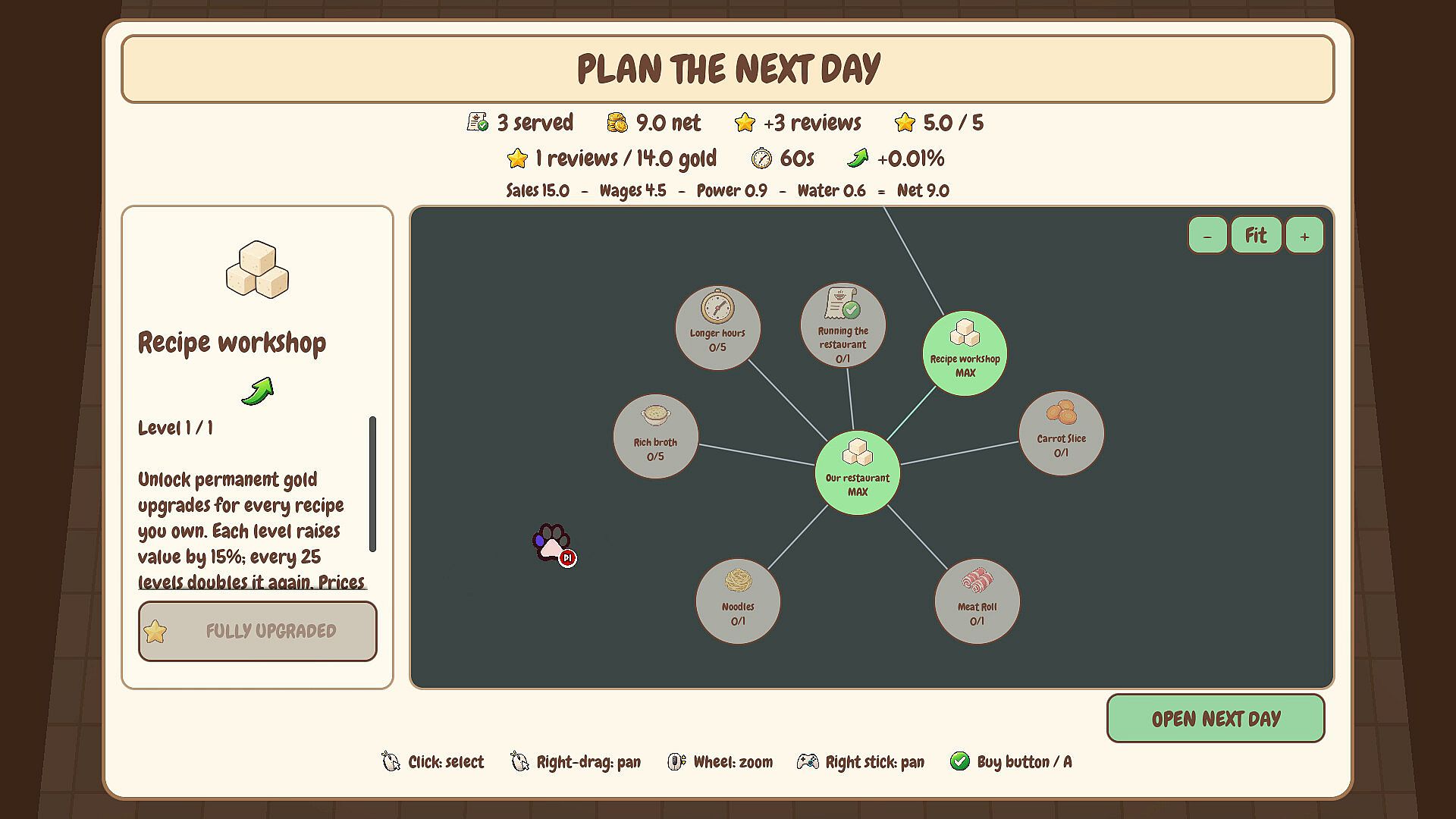
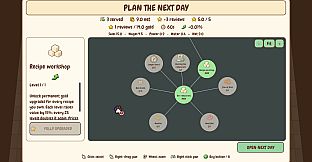
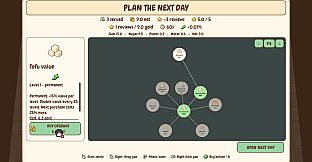
Between service days, players spend earnings to purchase new ingredients and restaurant improvements. A branching review upgrade tree lets the team invest in enhancements that improve food quality and attract more customers over time.
Better ingredients increase order value, while upgrades can streamline kitchen flow. However, poor performance from burnt meals or excessive waste reduces the money available for these purchases, creating a cycle where consistent success funds further growth.
Controls support both mouse and keyboard or game controllers, making the experience accessible whether playing alone or with friends on the same device.
Is It Worth Playing?
Hotpot Party targets players who enjoy relaxed yet coordinated cooking simulations with a focus on local multiplayer. The emphasis on shared space and real-time decision making suits groups looking for lighthearted sessions where communication and quick reactions determine success.
Since the game remains unreleased with a planned launch in Q4 2026, no player reviews or ratings are available yet. Those interested in casual co-op experiences centered on resource management and timing will likely find the described systems appealing once it arrives. Solo players can still engage with the full set of mechanics without needing additional participants.