


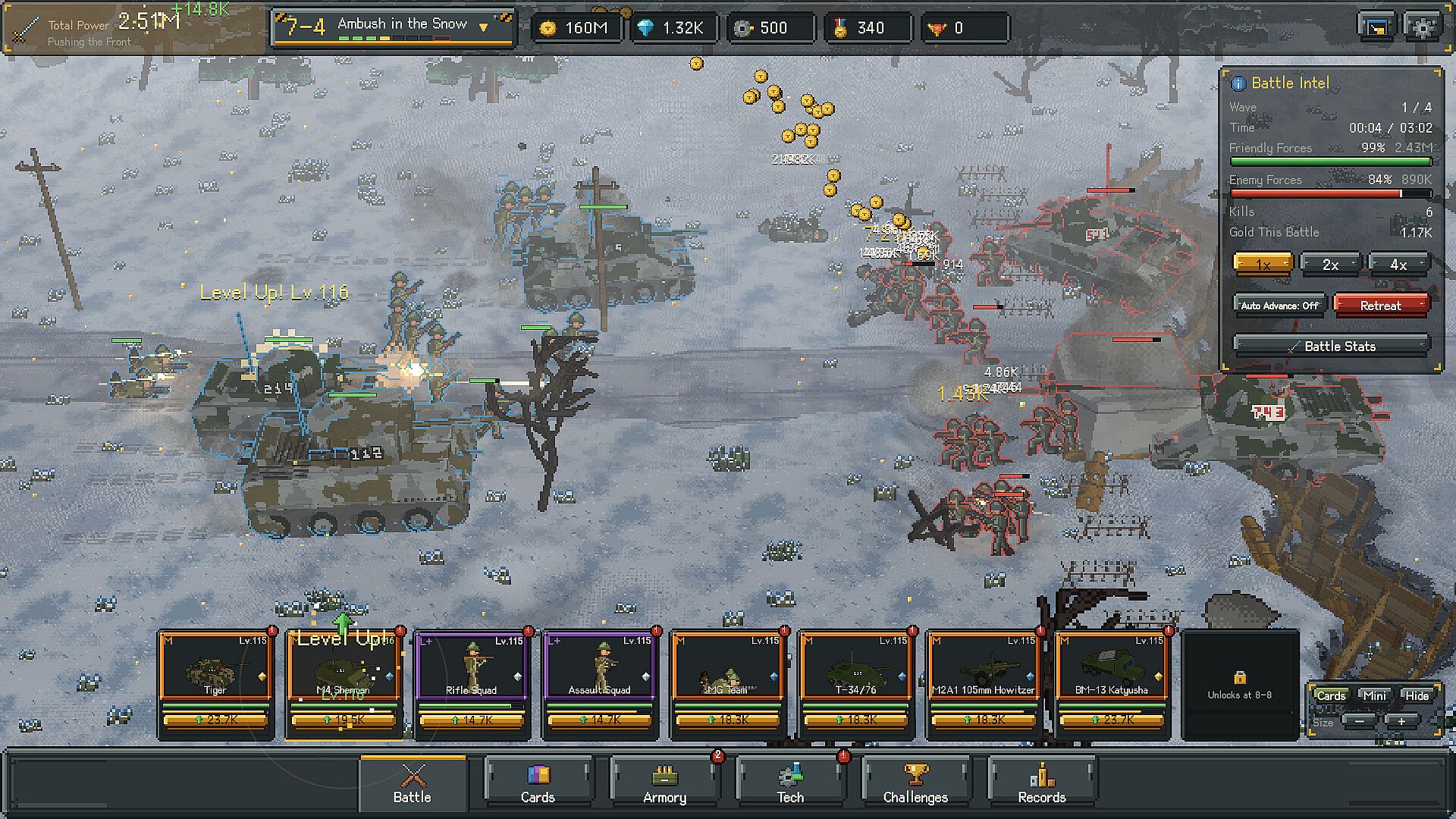
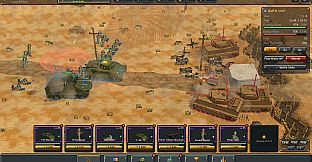
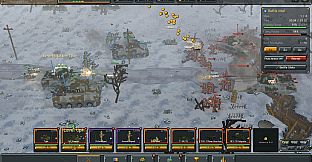
Idle War Legion: WW2 is a simulation game built around idle auto-battler mechanics on PC. Players recruit and arrange units from World War II forces into formations that advance automatically across pixel-art battlefields while upgrades and research drive long-term growth.
Gameplay
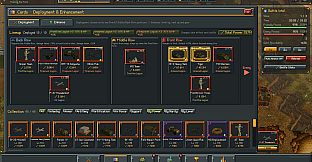
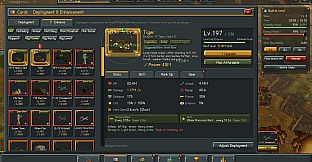
The core loop centers on building a legion of infantry, tanks, artillery, fortifications, aircraft, and support units drawn from six distinct branches. Each branch offers eight units with unique skills and historical notes. Formations fit into up to ten slots spread across front, middle, and back rows, where the front absorbs damage, the middle maintains firing range, and the back provides long-range support. When the front line falls, rear units advance to fill gaps.
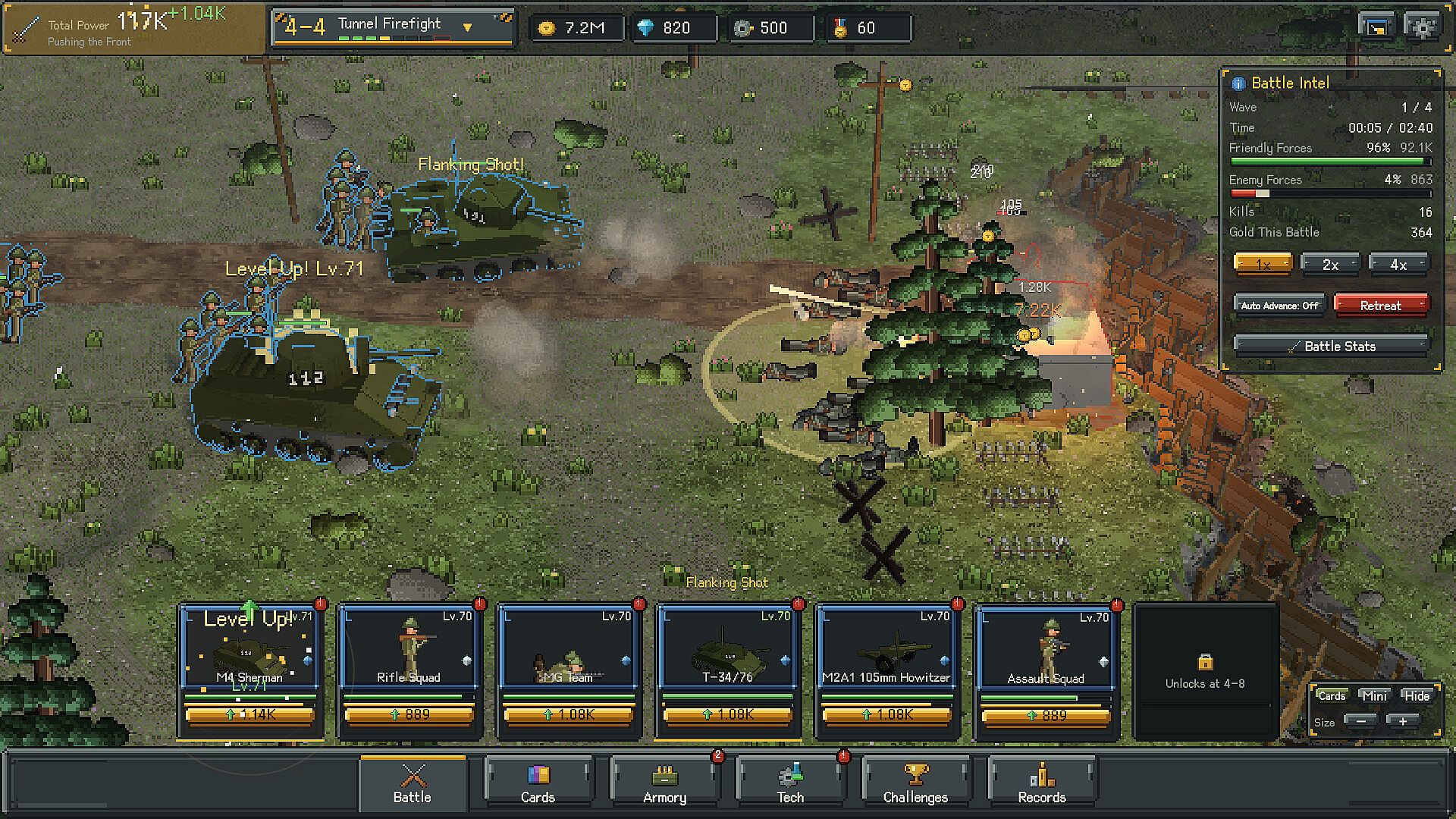
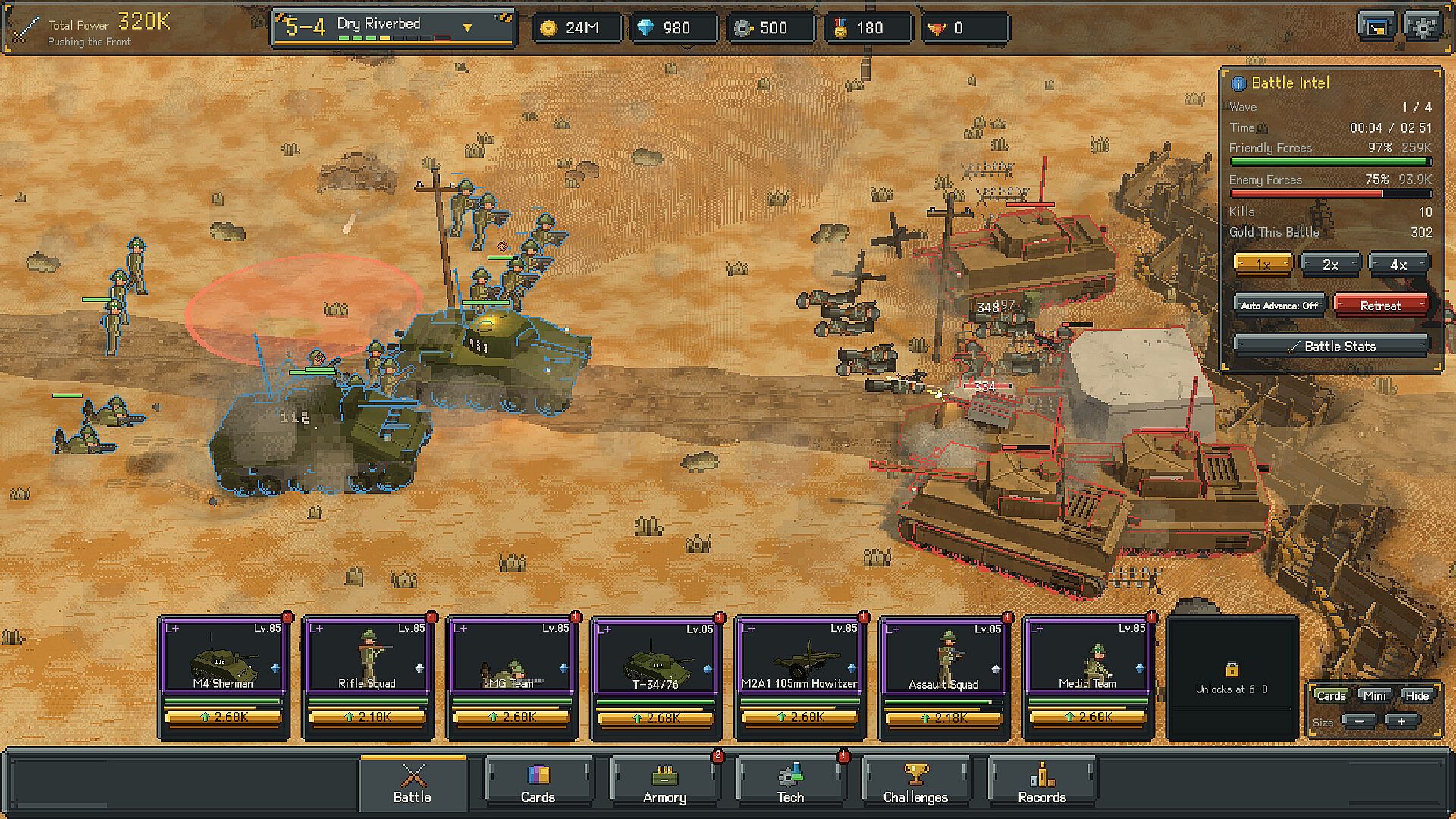
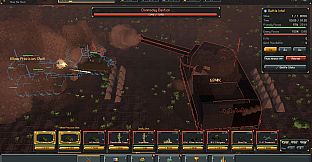
Combat runs fully automatically in real time at selectable speeds of one times, two times, or four times. Units behave according to their historical traits: tanks suffer more from side and rear attacks with insufficient penetration on frontal armor, artillery adjusts aim after ranging shots unless an observer marks the target, rocket trucks relocate after each salvo, and medics treat wounded just behind the line. Explosions alter the terrain by creating craters, knocking down obstacles, and igniting fuel barrels. Airdrop balloons, supply crates, and captured soldiers appear periodically for one-click interaction that adds resources or reinforcements.
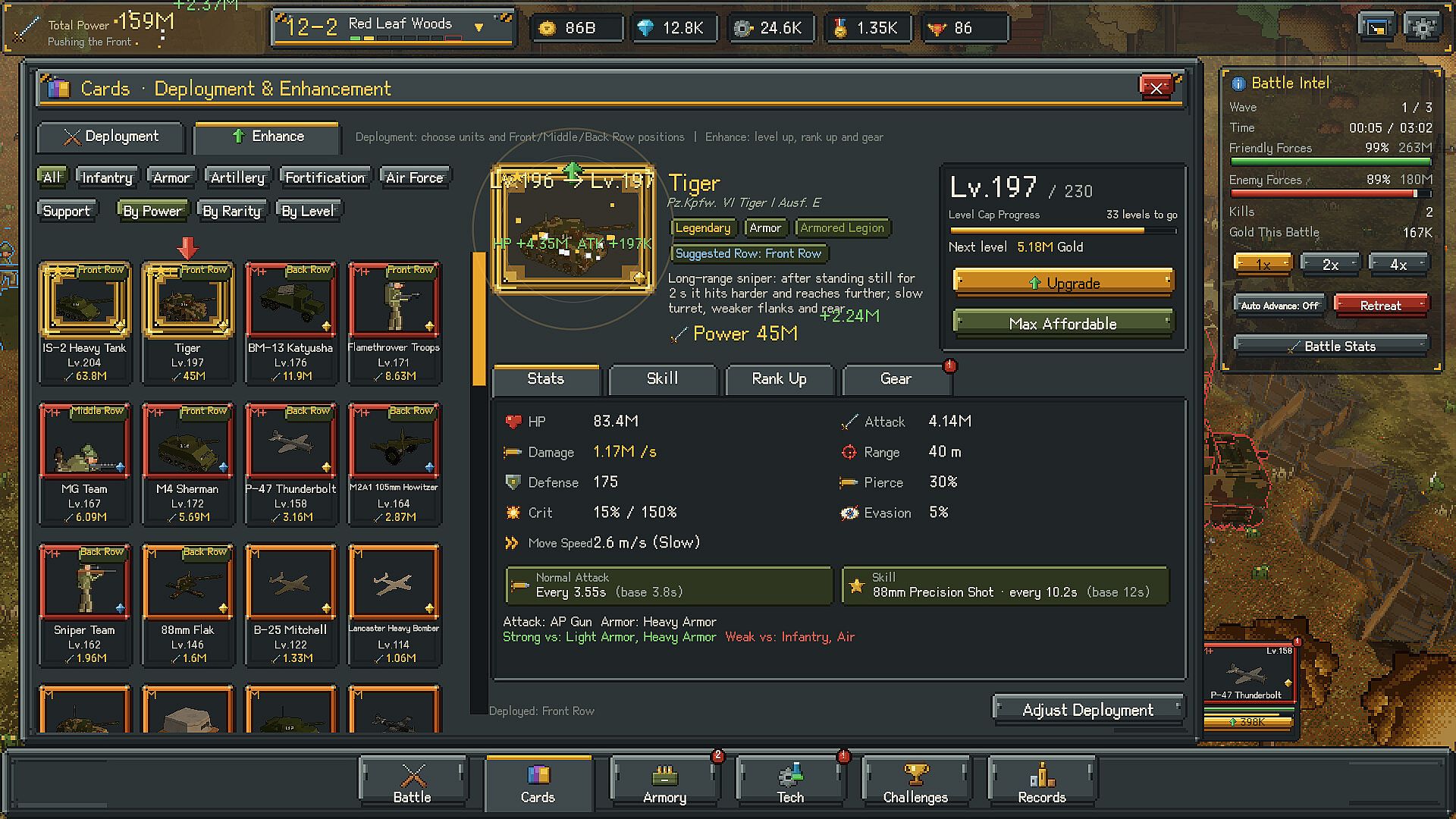
Progression combines level-ups, rank-ups through seven ranks with new frame colors, gear, thirteen supply research lines, and legion bonuses. New units come from the recruitment center, where a wishlist guarantees a legendary unit within sixty pulls. Prestige resets the campaign for permanent talents, and the first boss defeat in each chapter offers a choice of three tactical upgrades. Offline progress delivers up to twelve hours of earnings via a command report, extendable by talents. Mini Mode shrinks the window to an always-on-top desktop overlay for background monitoring.
Game Modes
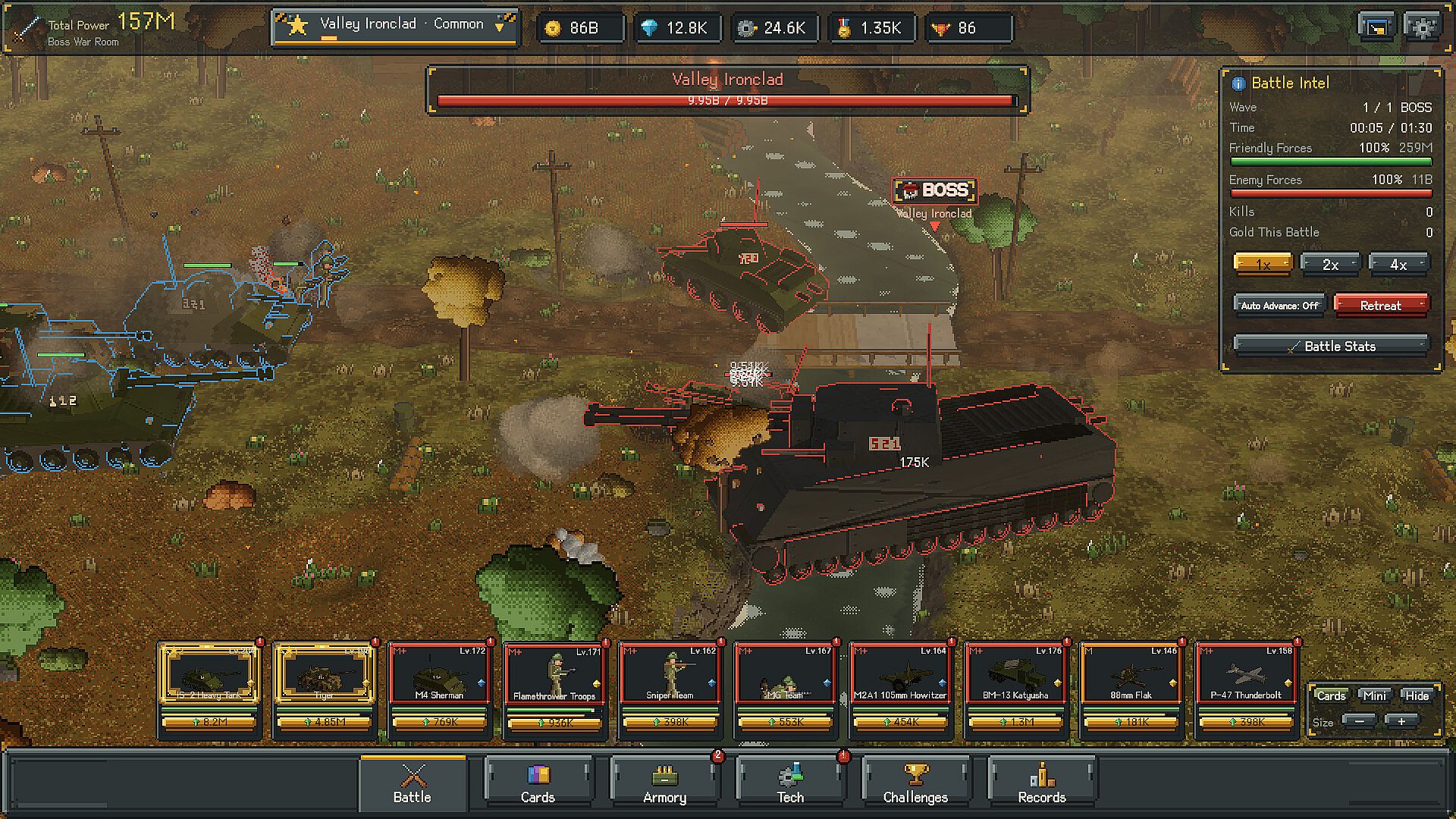
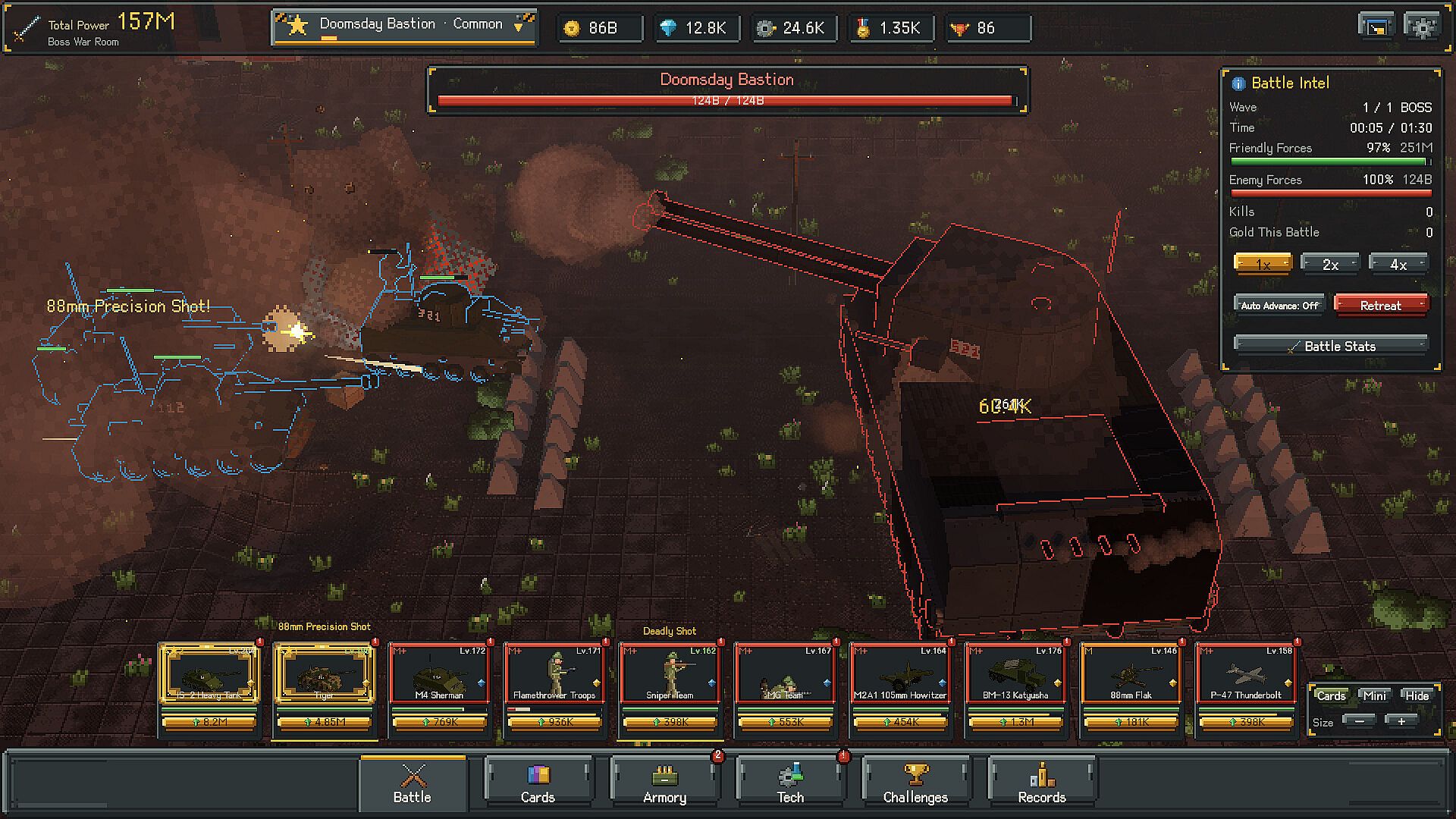
The campaign spans fourteen chapters and one hundred twelve stages across varied environments such as Dawn Landing, Black Pine Forest, Scorched City, Frozen Front, Blackwater Swamp, and Night Raid, each with unique terrain and conditions including sandstorms, rain, snow, and night battles. Boss War Room pits players against fourteen bosses across four difficulty levels from common to nightmare.
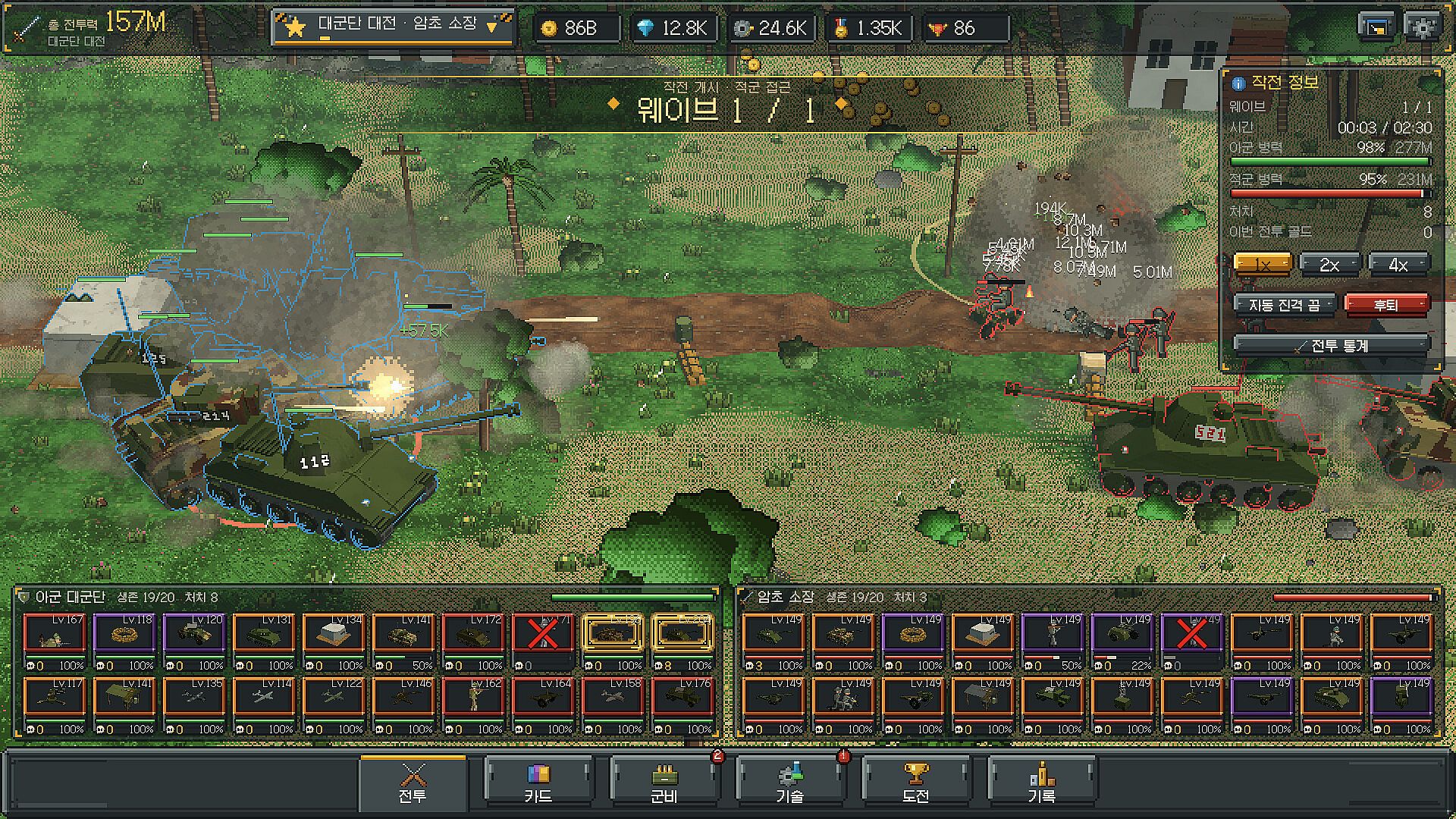
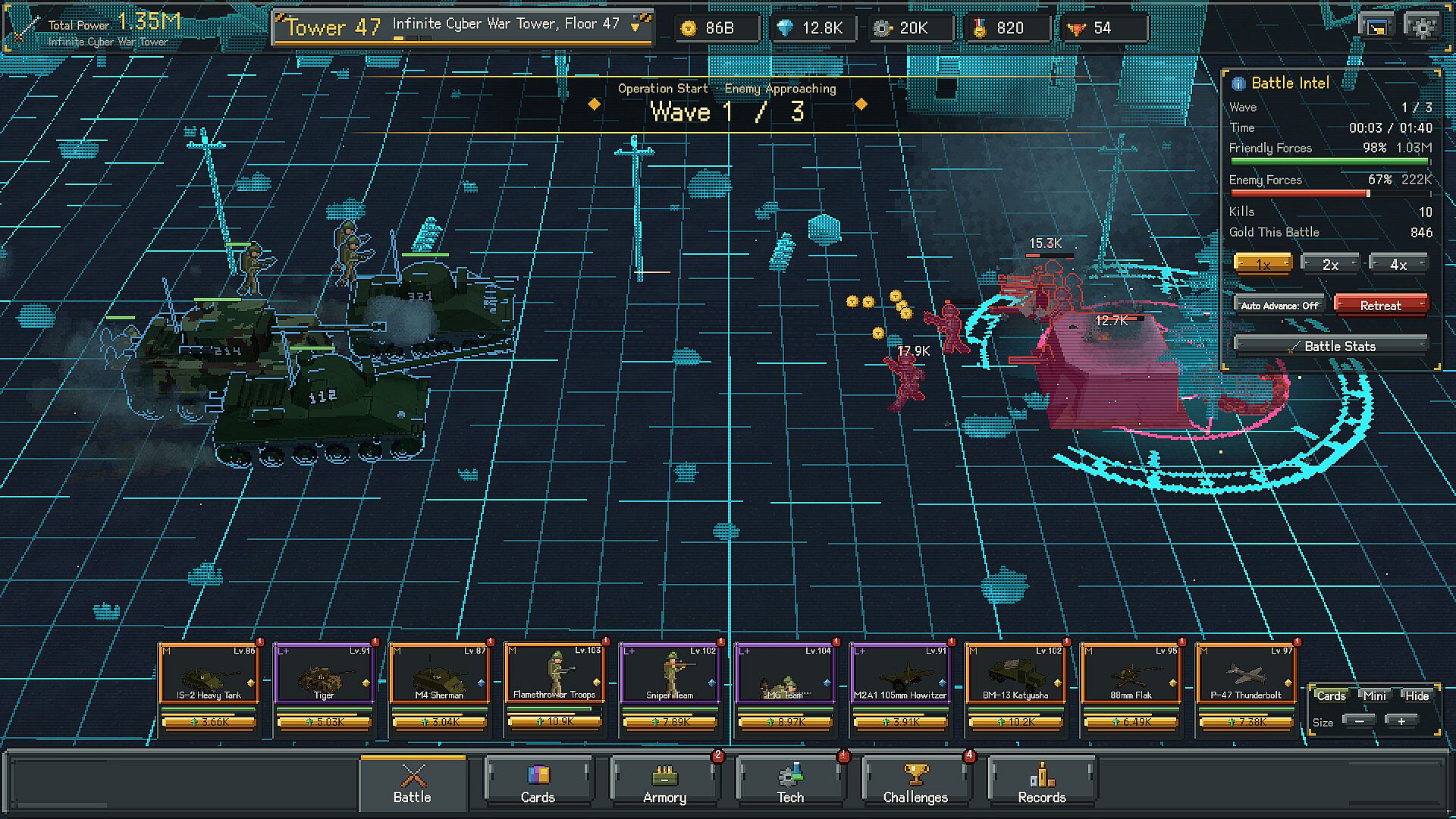
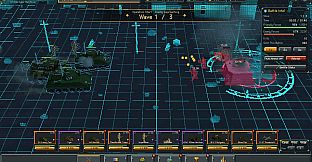
Infinite Cyber War Tower places formations on a neon grid battlefield where daily-changing conditions test unit mixes against enemies emerging from a summoning gate. Grand Army Battle runs large-scale twenty versus twenty engagements in weekly seasons against ninety-nine computer commanders, with rival raids occurring during play. Additional daily activities include operations, supply raids, the supply shop, and the supply wheel.
Progression and Customization
Deep systems let players shape their legion through supply research, legion bonuses, and unit-specific upgrades. Every unit carries its own skills plus a short history tip. The three-dimensional pixel-art battlefield mixes pixel-drawn soldiers with three-dimensional vehicles that show damage through fire, scorched paint, and smoke, while team outlines remain visible. An insignia workshop provides a forty-eight by forty-eight pixel painter for custom markings on tanks. The game supports six save slots and runs in nine languages without any microtransactions, as every unit and resource is earned in-game.
Is It Worth Playing?
Idle War Legion: WW2 suits players who enjoy idle progression paired with strategic formation building and unit trait management. The automatic combat and offline systems allow steady advancement without constant attention, while the campaign, boss challenges, tower climbs, and seasonal battles provide varied goals. Those who appreciate detailed unit behaviors, terrain changes, and broad research trees will find substantial depth in shaping different strategies across prestige runs. The absence of paid advantages keeps focus on in-game effort and experimentation with the six branches and their eight units each.