


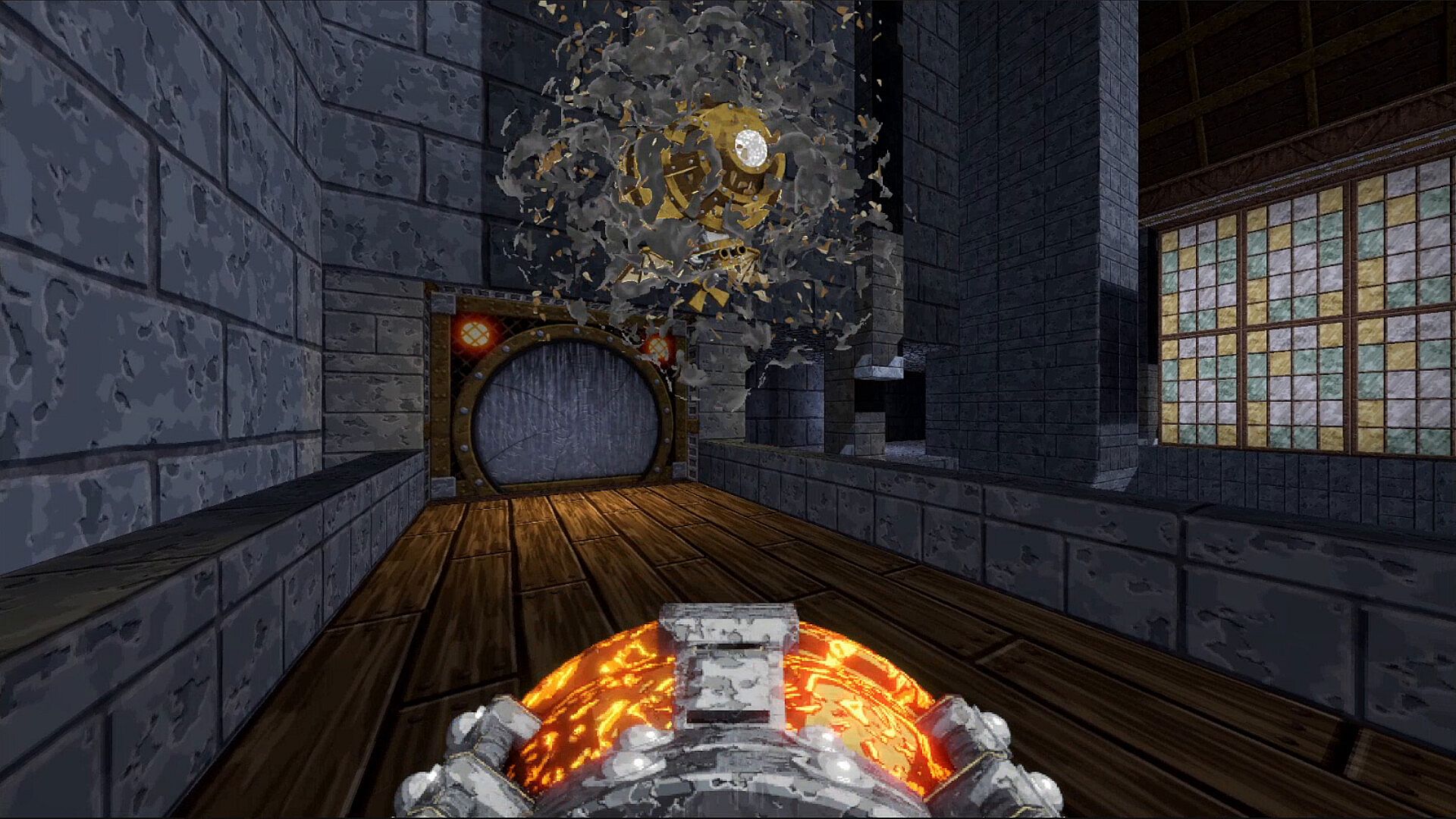
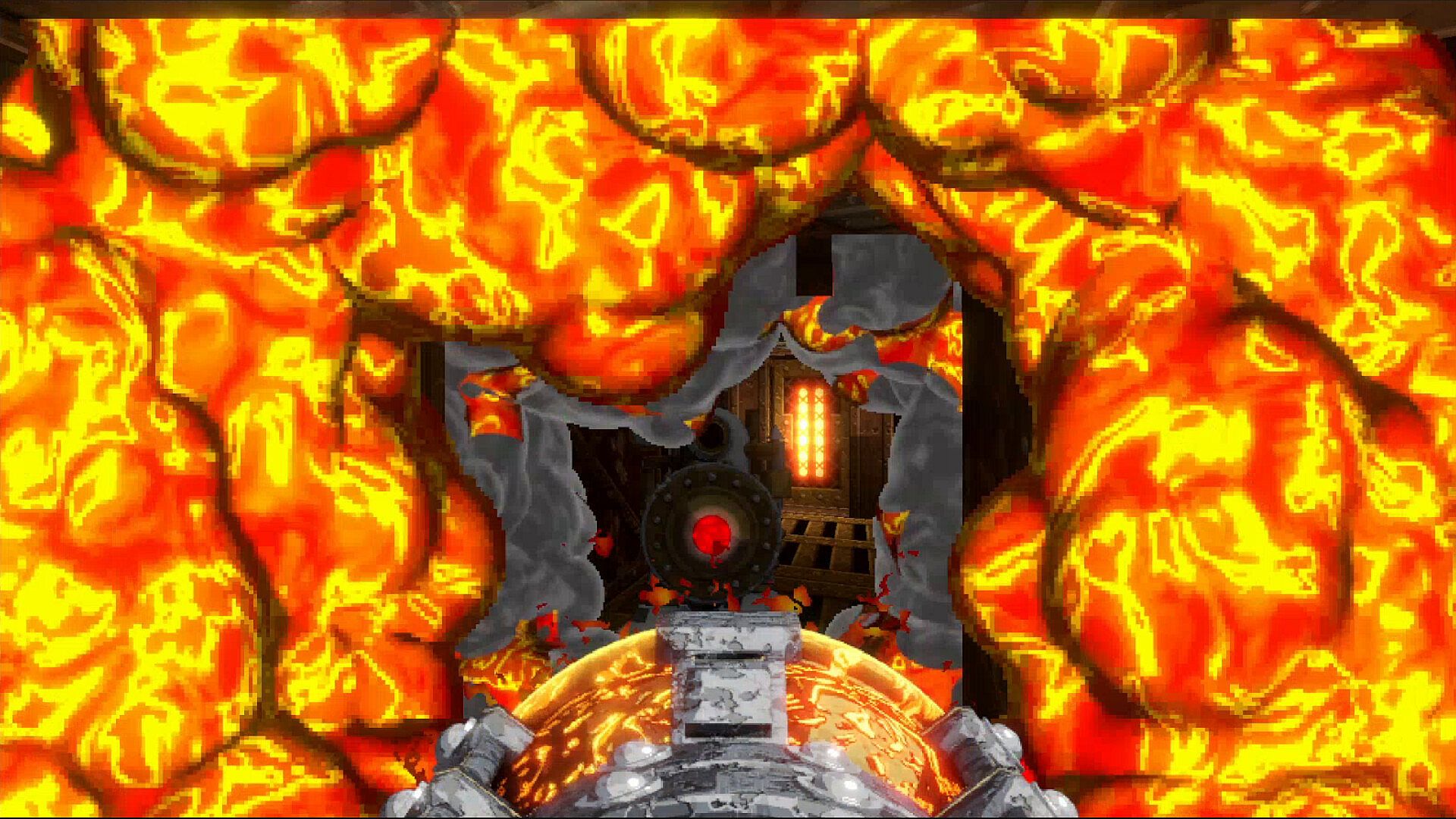
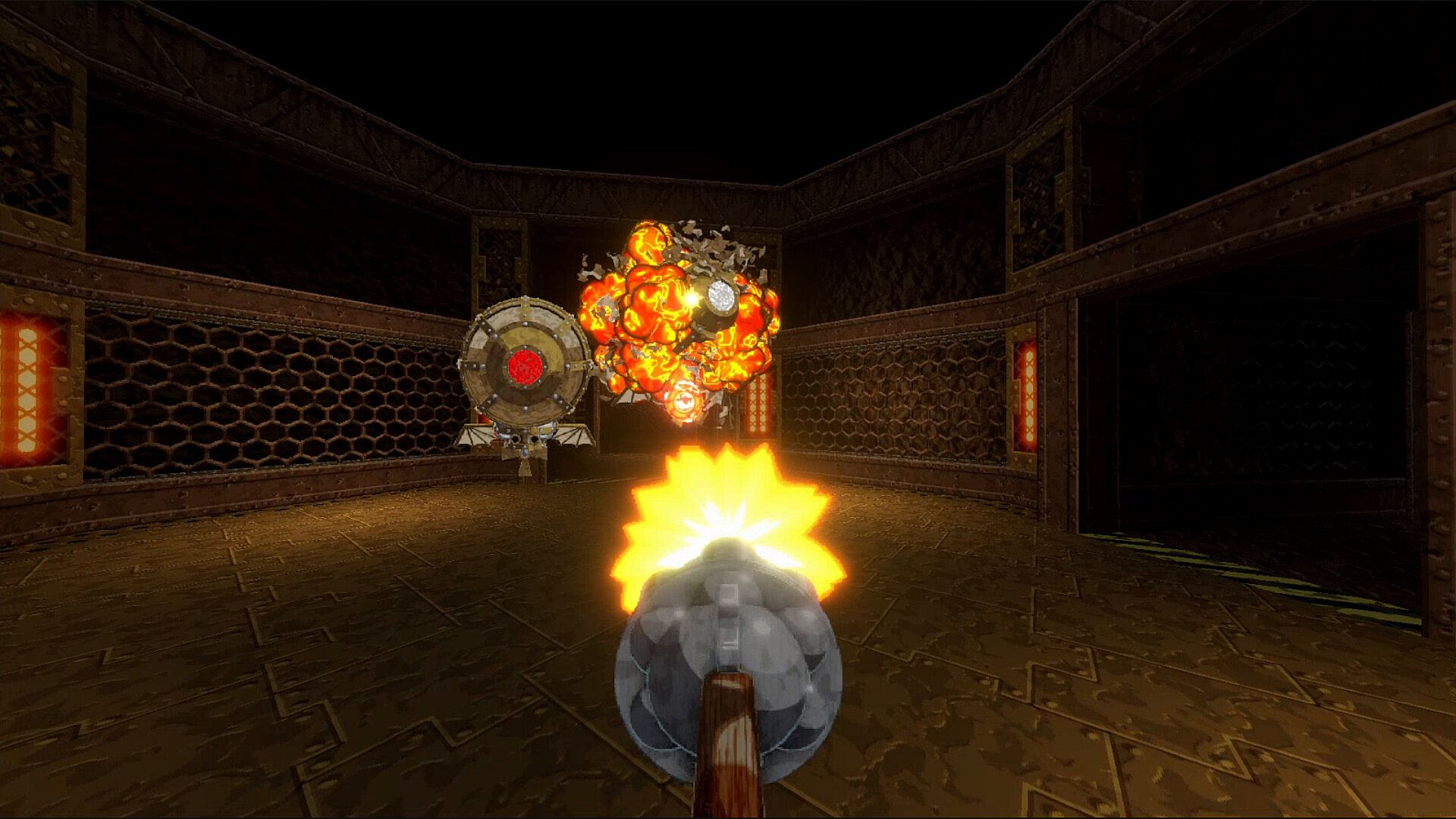
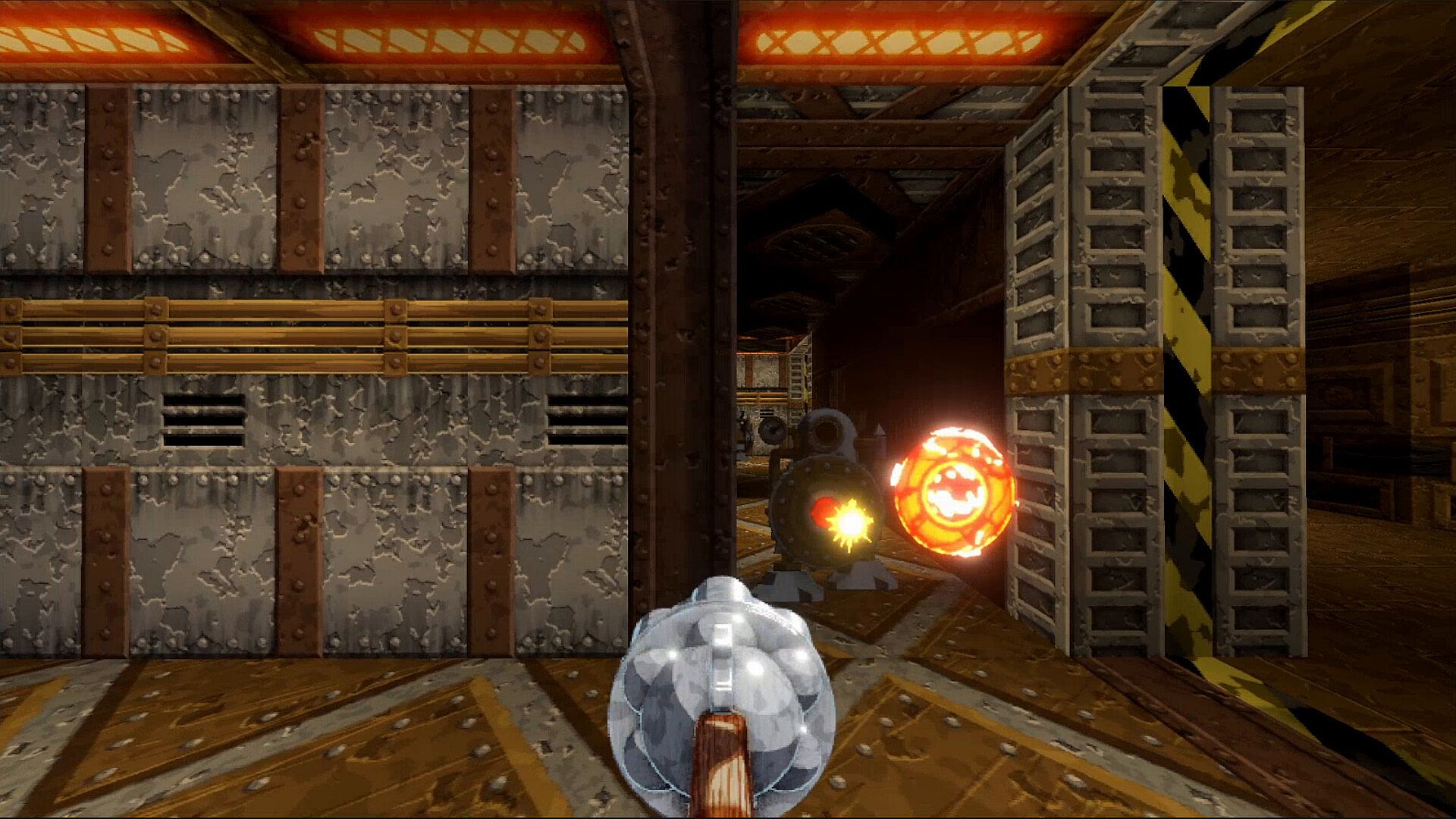
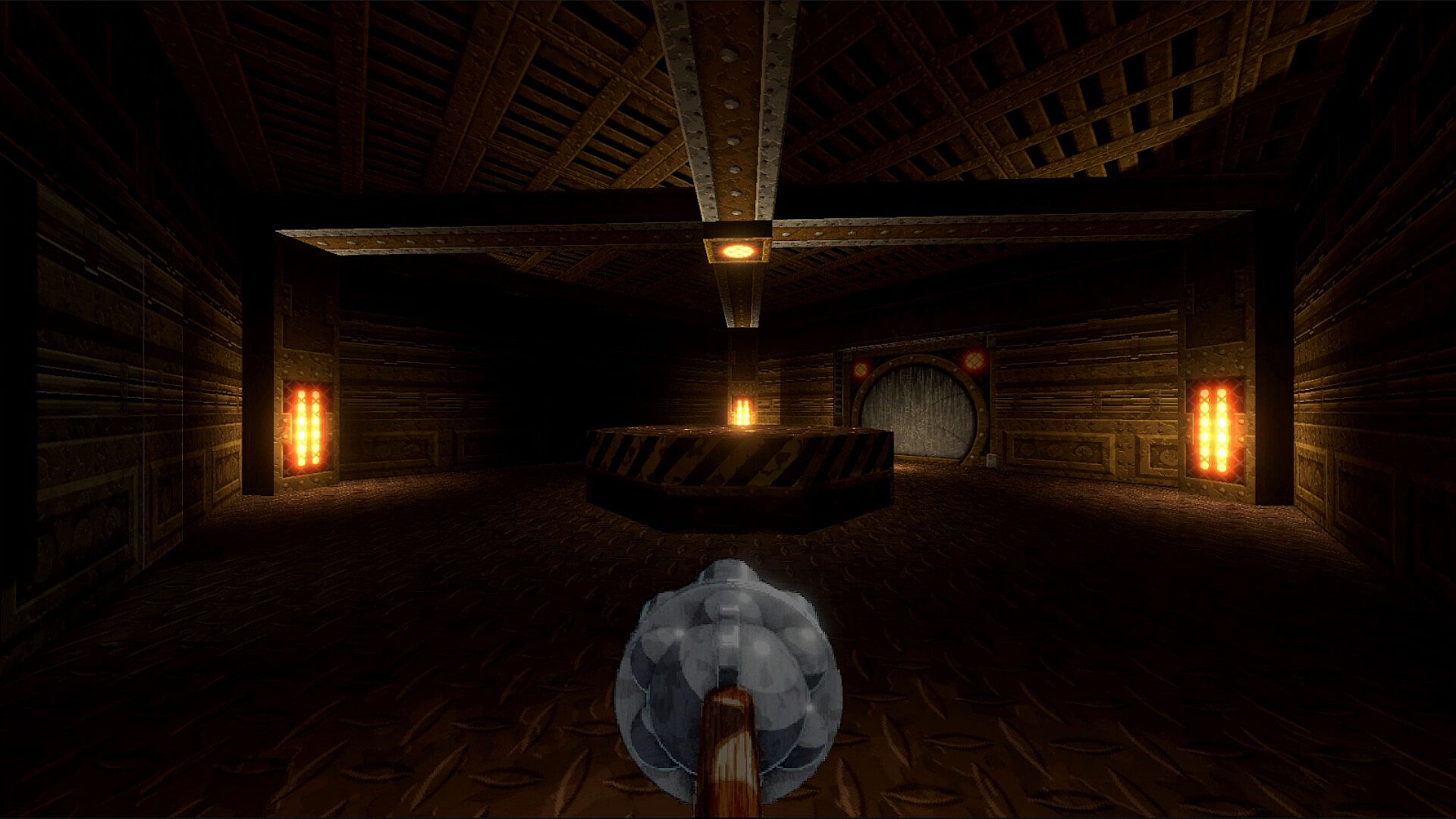
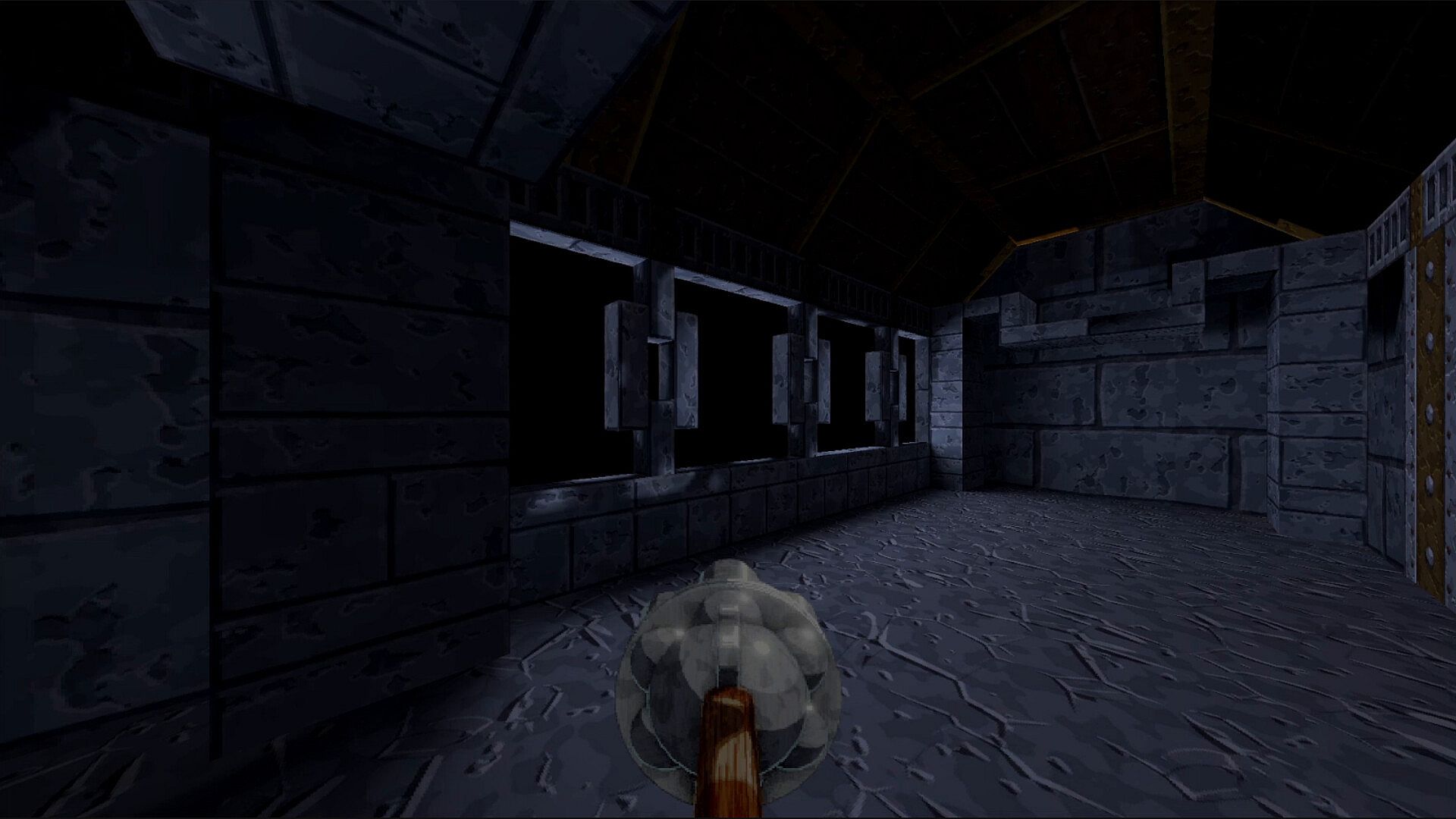
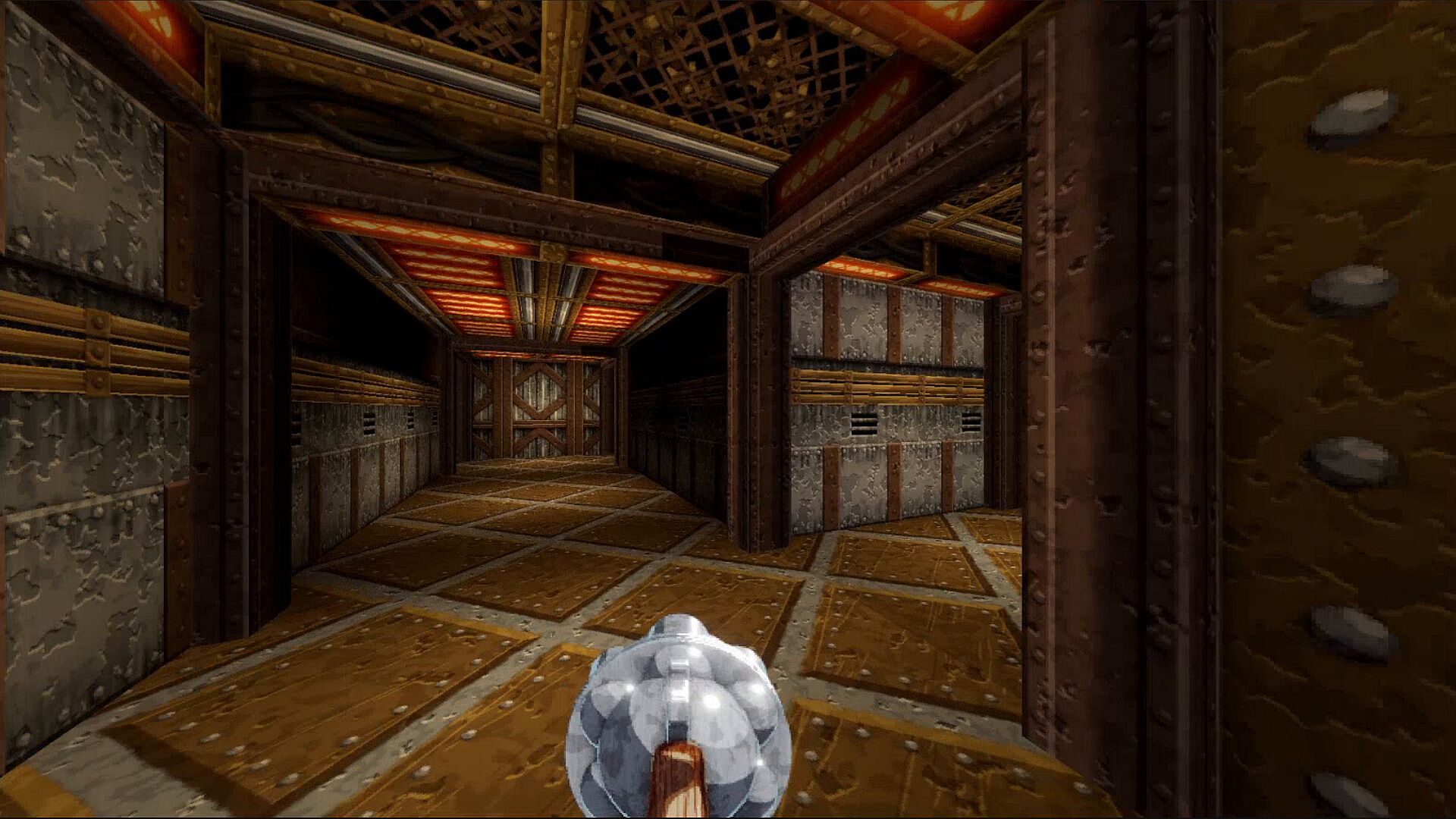
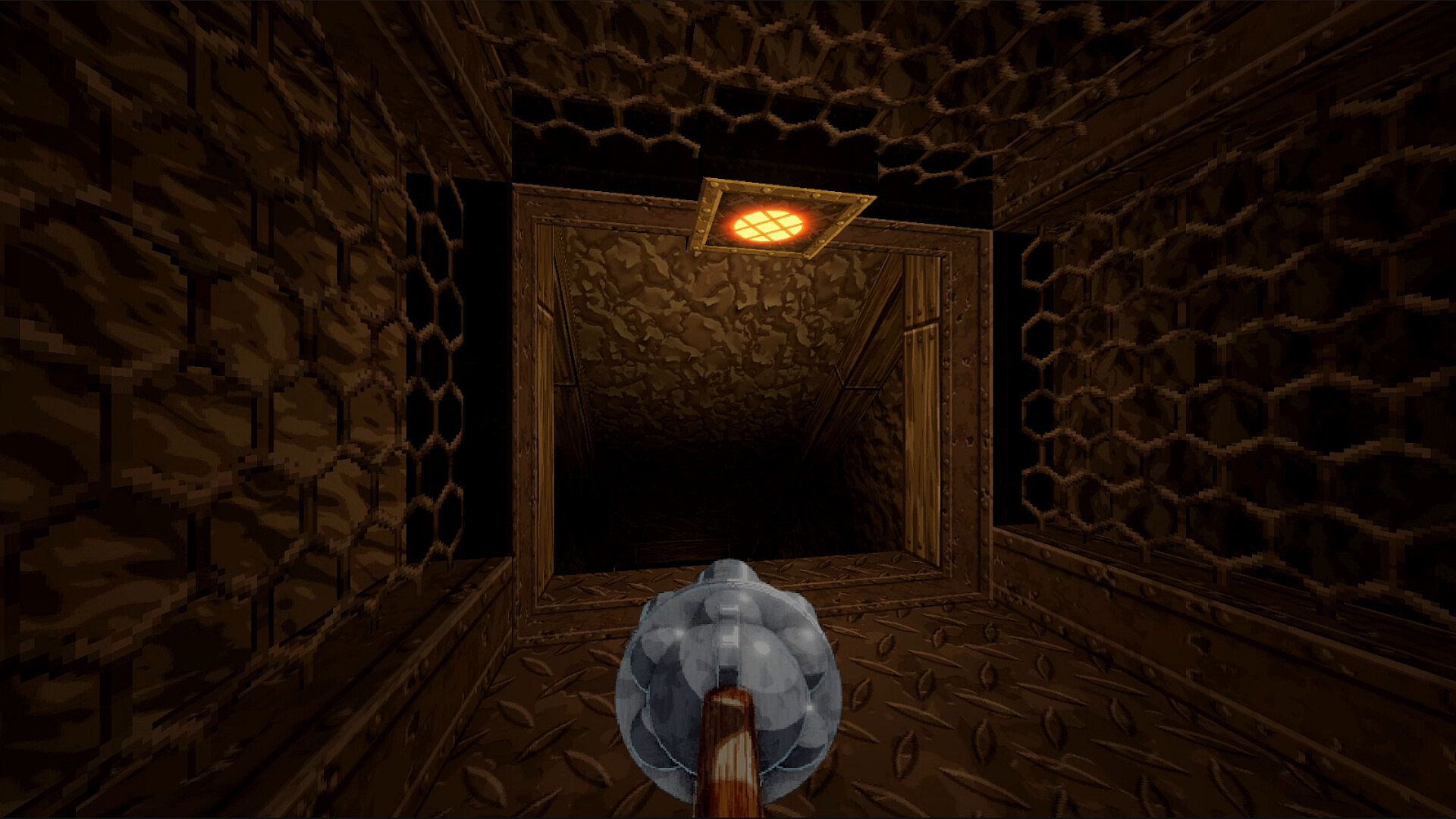
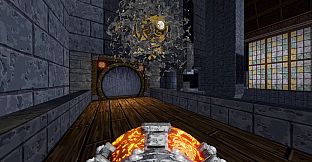
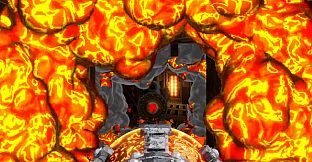
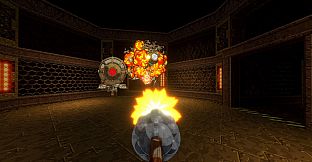
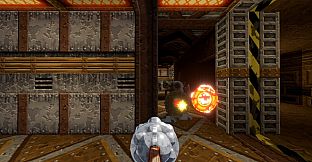
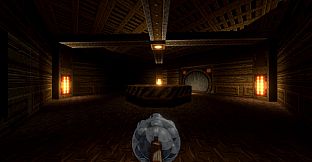
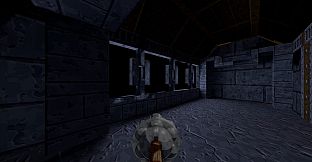
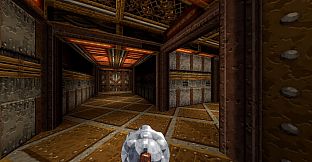
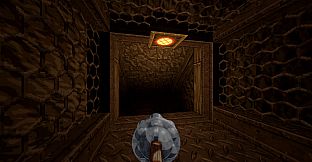
Idol Shell is a single-player retro-style first-person shooter developed for PC. Drawing from classic 1990s FPS design, the game places players in a world filled with mechanical enemies across industrial facilities, stone ruins, ornate manors, and forgotten caves. The core loop involves navigating these environments, engaging hostile machines with available weapons, and uncovering the origin of the mechanical threat through exploration and combat.
Gameplay
Movement stays deliberately simple, matching the era that inspired the title. Players cannot jump, and vertical aiming relies on an automatic system that locks onto targets without manual vertical control. This setup keeps fights accessible for those new to the genre while delivering the precise, limited perspective familiar to veterans of early shooters. Enemies patrol set paths and have restricted vision cones, allowing skilled movement to slip past groups or engage on favorable terms.
Combat centers on six weapons split between three standard options and three specialized tools. These handle different threats, from swarms of small ground-based foes to larger airborne brutes among the seven enemy types. Levels connect in a network of ten stages that range from tight corridors to open arenas. Players melt through mechanical opposition while searching for clues about the machines' creation.
The visual style blends retro low-resolution graphics with modern rendering techniques. 2D sprites come from cel-shaded 3D models combined with height maps, producing a distinctive look that appeals to nostalgia seekers and newcomers alike. Dark, unsettling themes appear through stylized violence and horror imagery during encounters.
Game Modes
Idol Shell operates entirely as a single-player experience with no multiplayer components. Within each level, players decide their pace and focus. One approach emphasizes speed, racing toward the exit while minimizing time spent on enemies through avoidance or quick eliminations. The alternative favors thorough investigation, examining surroundings for hidden rooms, alternate paths, and clues that reveal more about the story.
Enemy behaviors support both styles. Limited peripheral vision and predictable patrols make stealth or evasion viable when desired. Direct confrontation remains an option at any point, supported by the weapon set and auto-aim mechanics. Secrets appear throughout every stage, encouraging repeated visits to uncover everything the interconnected map offers.
Visuals and Atmosphere
The art direction merges old-school pixel constraints with updated production methods. Cel shading on 3D models creates clean, readable sprites that hold up in motion, while height maps add depth to the low-resolution environments. Settings shift between grimy industrial zones, crumbling ancient structures, lavish manors, and shadowy caverns, each populated by the relentless mechanical forces.
Atmosphere builds through the contrast of ornate or decayed backdrops against the cold, pursuing machines. Occasional blood, bones, and unsettling effects reinforce the horror-tinged tone without relying on modern graphical excess. The result feels both familiar to retro fans and fresh for players encountering the style for the first time.
Future Plans and Availability
The game targets a Q1 2027 release on Windows. Developers have outlined plans for macOS support in a later update, with possible Linux and SteamOS versions under consideration. System requirements remain modest, with minimum specs calling for a 2 GHz dual-core processor, 4 GB RAM, and a GTX 750-class GPU on Windows 10.
No additional content such as seasons or expansions has been detailed beyond the core campaign and its secrets. The experience stays focused on the single-player campaign as described.
Is It Worth Playing?
Idol Shell targets players who enjoy straightforward retro FPS mechanics and the freedom to choose between aggressive runs and deliberate exploration. Those drawn to 1990s-style movement, auto-aim combat, and interconnected level design will find the systems align closely with that era. The emphasis on secrets and multiple paths through the same stages adds replay value for completionists.
With no user reviews available ahead of launch, reception remains unknown. The described features suggest strong appeal for fans of accessible yet authentic retro shooters who appreciate mechanical enemy variety and atmospheric environments. Players seeking modern conveniences like jumping or full vertical aiming may prefer titles with those additions. The upcoming release offers a clear window for interested buyers to evaluate the final product once it arrives.