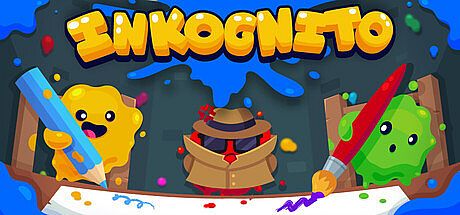



Inkognito ist ein lockeres Multiplayer-Social-Deduction-Spiel für den PC, bei dem eine Gruppe gemeinsam zeichnet. Die Spieler erstellen abwechselnd Striche auf einer gemeinsamen Leinwand und versuchen gleichzeitig, den versteckten Con Artist in ihren Reihen zu entlarven. Kreativität und Täuschung gehen dabei Hand in Hand, denn die Zeichnungen sollen genug verraten, um Verbündete zu informieren, ohne den Con Artist auf die Spur zu bringen.
Gameplay
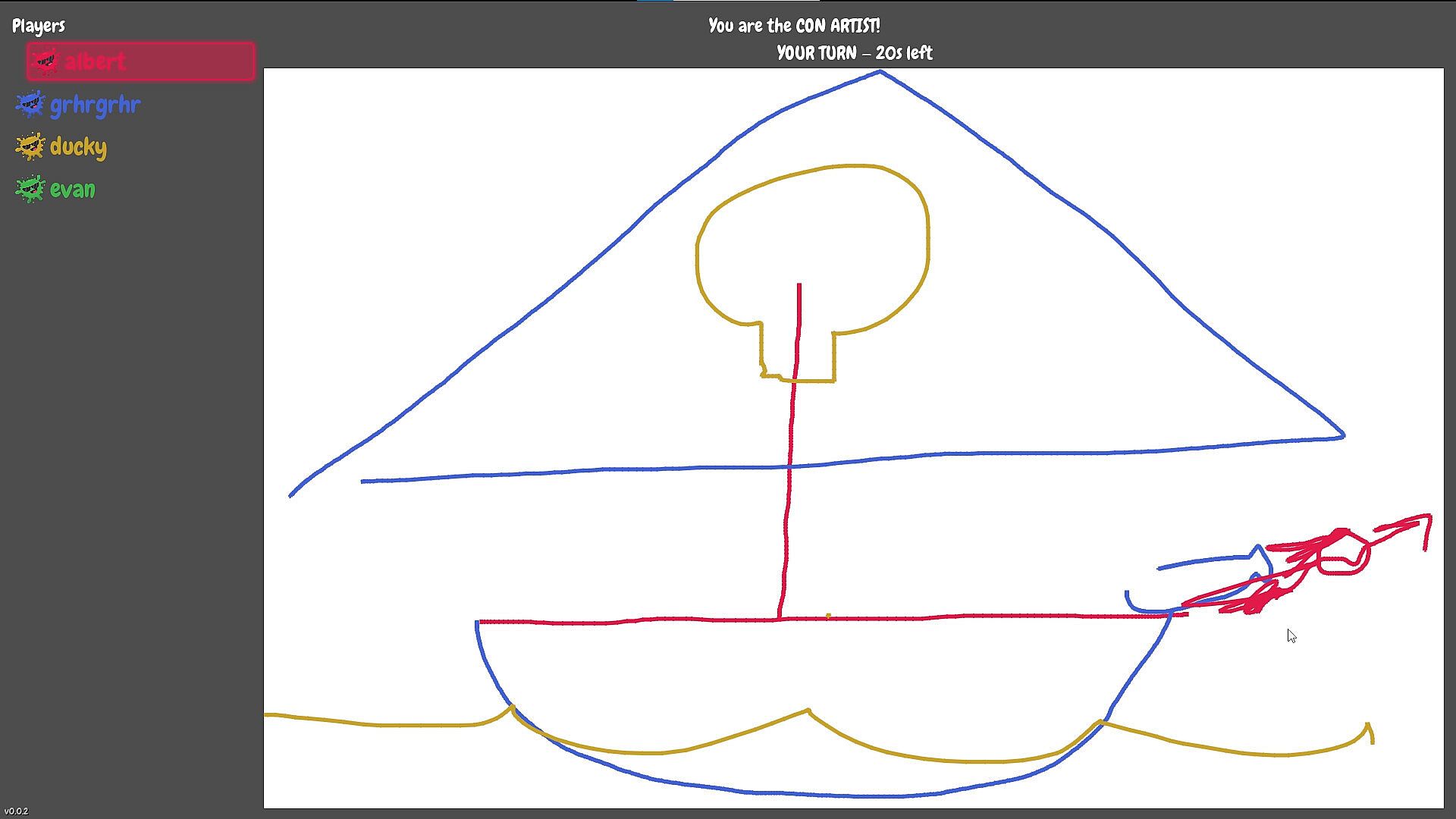
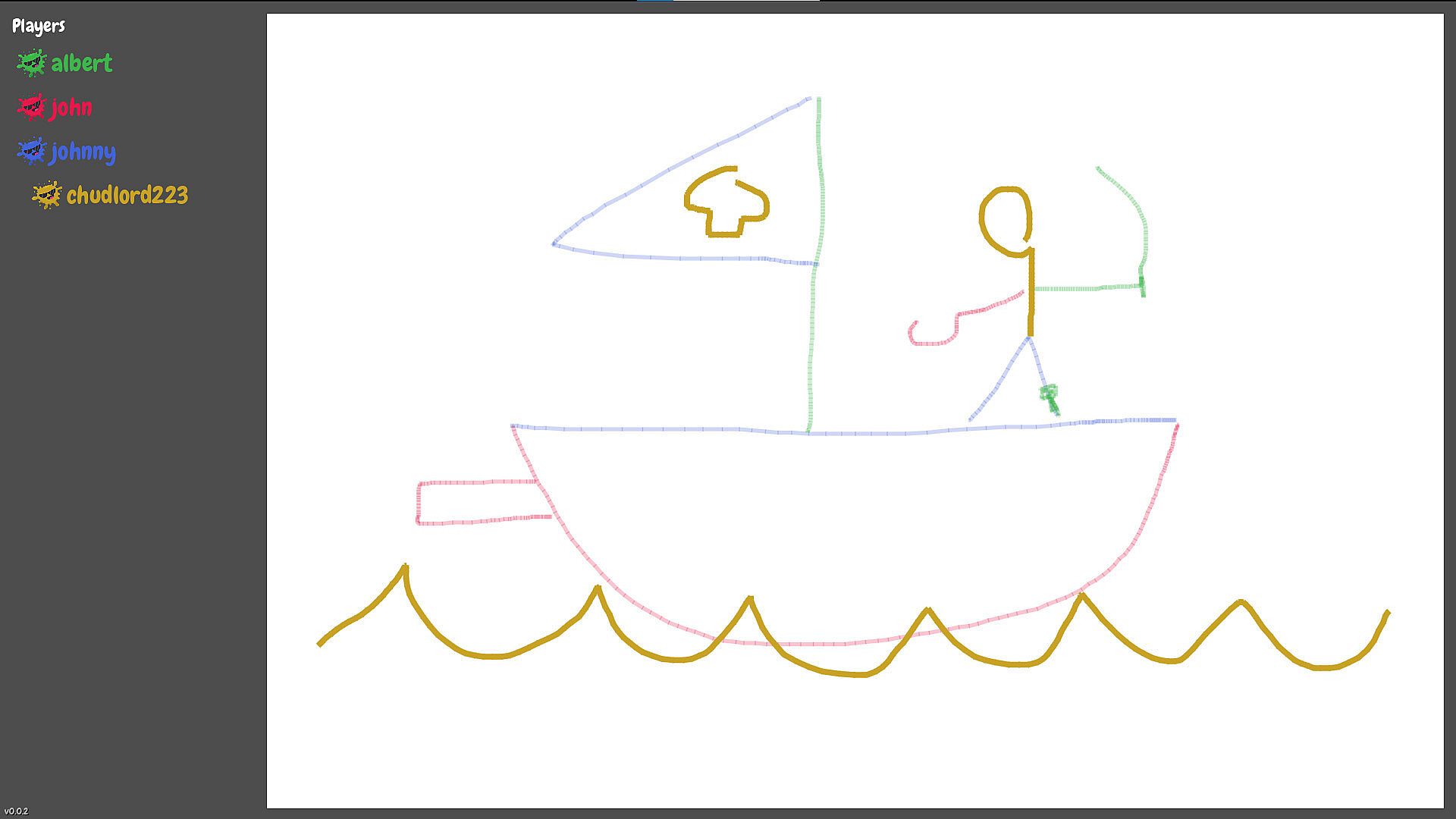
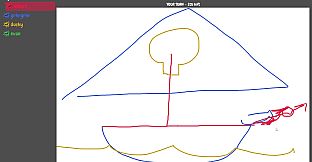
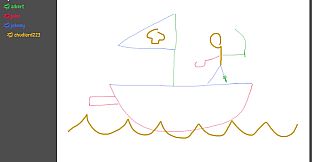
Im Mittelpunkt steht eine gemeinsame Leinwand, auf der jeder Teilnehmer pro Zug genau eine Linie oder Markierung hinzufügt. Alle außer dem Con Artist kennen das geheime Wort, das die Zeichnung leiten soll. Jeder Strich muss so gewählt sein, dass er den Mitspielern das Wort signalisiert, ohne es dem Con Artist preiszugeben. Dadurch entsteht eine spannende Balance, während die Skizze allmählich von abstrakten Linien zu erkennbaren Formen heranwächst.
Die Runden laufen der Reihe nach ab, sodass sich das Bild schrittweise aufbaut. Die Mitspieler achten auf Muster oder Zögern, die den Con Artist verraten könnten. Zu deutliche Striche riskieren, das Wort zu verraten, während zu vage Linien keinen Beweis für echtes Wissen liefern.
Game Modes
Inkognito bietet ein zentrales Multiplayer-Format für vier bis acht Teilnehmer. Nach den Zeichenphasen folgen Diskussion und Abstimmung, ohne weitere Spielvarianten oder separate Regelsätze. So bleibt der Fokus stets auf den Social-Deduction-Elementen und der gemeinsamen Zeichenaufgabe.
Die Spieldauer lässt sich flexibel anpassen, indem die Anzahl der Züge oder Runden nach Wunsch der Gruppe variiert wird. Jede Runde bringt ein neues geheimes Wort und potenziell andere Rollen, sodass sich das Spiel problemlos mehrmals hintereinander spielen lässt.
Key Mechanics
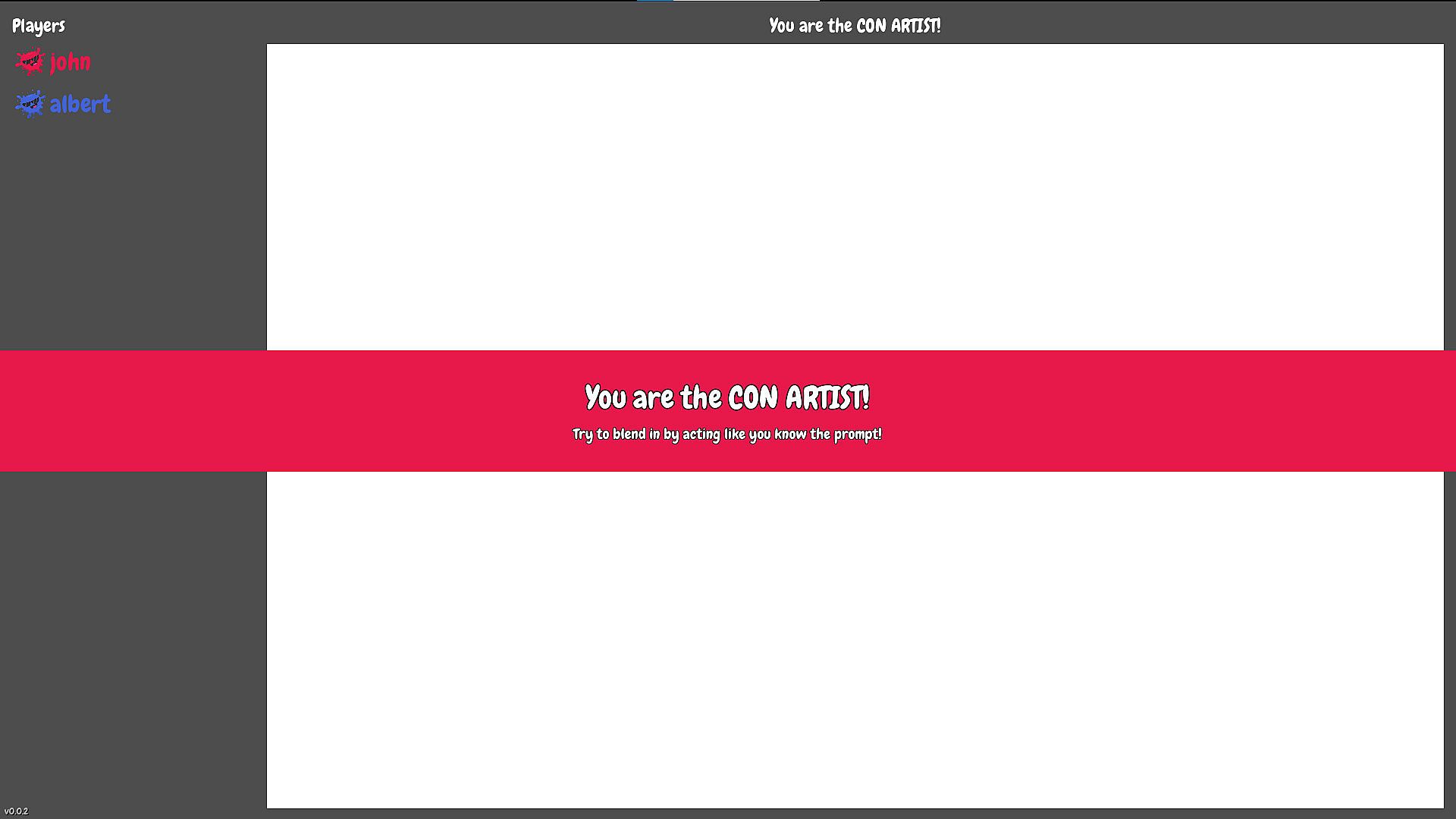
Das Herzstück der Con-Artist-Rolle ist das unauffällige Mitzeichnen. Der Spieler beobachtet die Striche der anderen, ahmt ihren Stil nach und vermeidet auffällige oder ungewöhnliche Entscheidungen. Erfolg hängt davon ab, soziale Signale richtig zu deuten und mit dem entstehenden Bild konsistent zu bleiben.
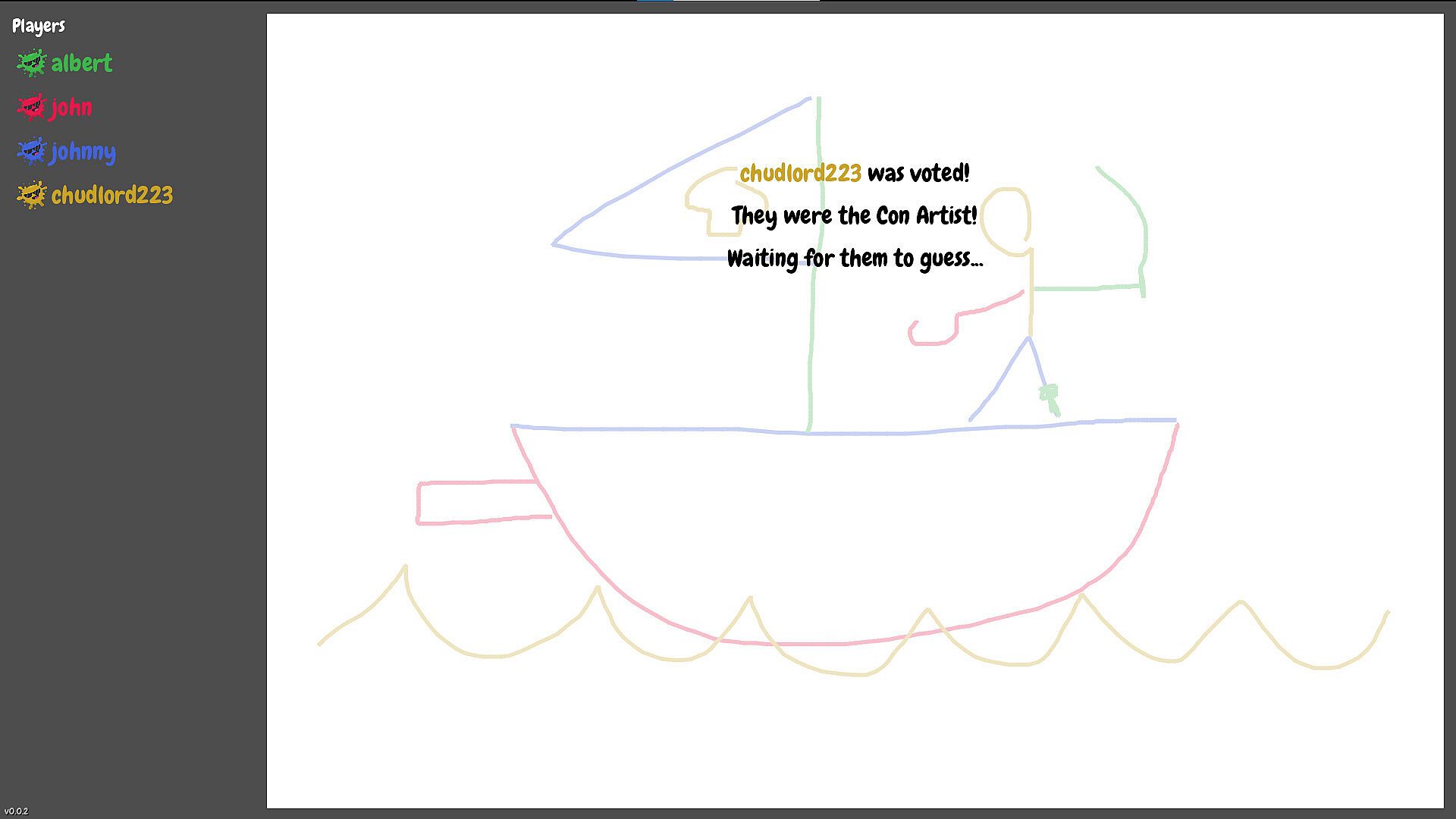
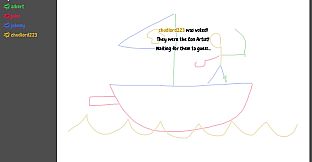
Nach Abschluss der Zeichnung wird das fertige Werk gemeinsam begutachtet. Die Spieler diskutieren darüber, wer was beigetragen hat und wer möglicherweise nur so getan hat, als kenne er das Wort. Anschließend stimmen sie ab, um den mutmaßlichen Con Artist zu ermitteln.
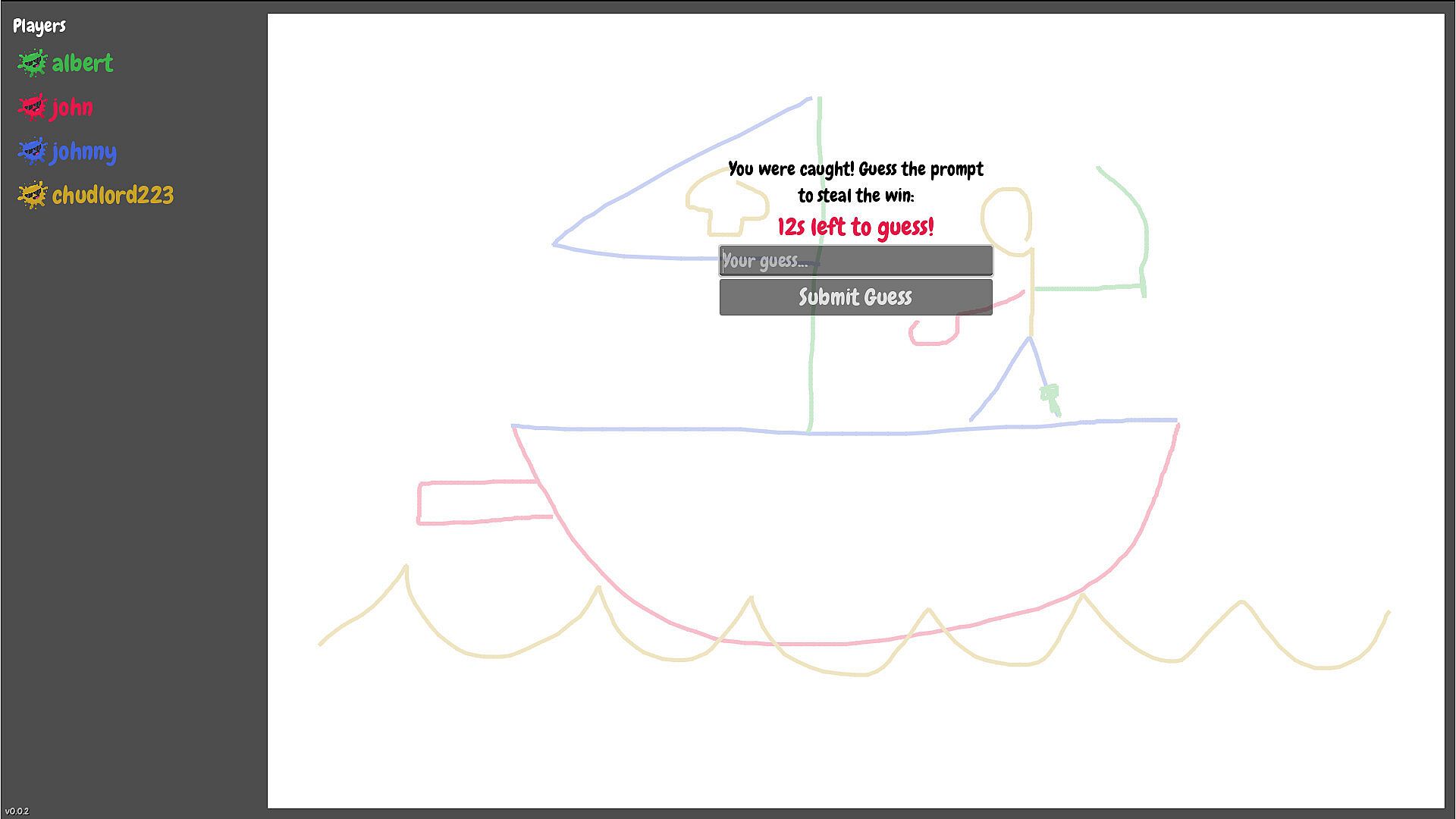
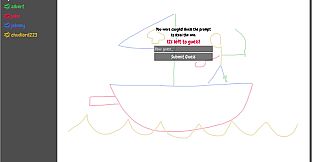
Wird der Con Artist korrekt benannt, erhält er eine letzte Chance, das geheime Wort zu erraten und den Sieg doch noch zu holen. Dieses Risiko-Reward-Element macht jede Anschuldigung spannend.
Is It Worth Playing?
Inkognito eignet sich für Gruppen, die leichte Social Deduction mit einfachen Zeichenmechaniken kombinieren möchten. Das Spiel belohnt schnelles Denken und das Lesen anderer mehr als künstlerisches Können und ist daher auch für Spieler mit unterschiedlichem zeichnerischem Talent zugänglich. Die Runden laufen in einem angenehmen Tempo ab und passen gut zu lockeren Treffen ohne lange Zeitbindung.
Der Schwerpunkt auf Live-Interaktion und anschließender Diskussion macht Inkognito besonders attraktiv für Freunde oder Familien, die gerne spielerisch über Absichten und Beobachtungen streiten. Die begrenzte Spieleranzahl sorgt für überschaubare Runden, in denen alle durchgehend eingebunden bleiben.
Wer auf dem PC eine unkomplizierte Partyerfahrung sucht, findet hier eine leicht erlernbare und wiederholt spielbare Kernschleife. Ohne komplexe Fortschrittssysteme oder zusätzliche Ebenen liegt der Fokus ganz auf den unmittelbaren sozialen Dynamiken und dem Reiz, den Con Artist zu entlarven oder unentdeckt zu bleiben.