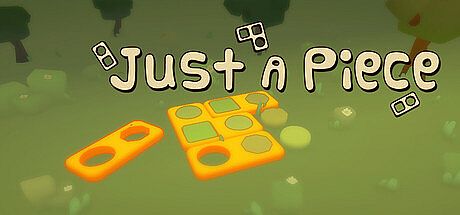


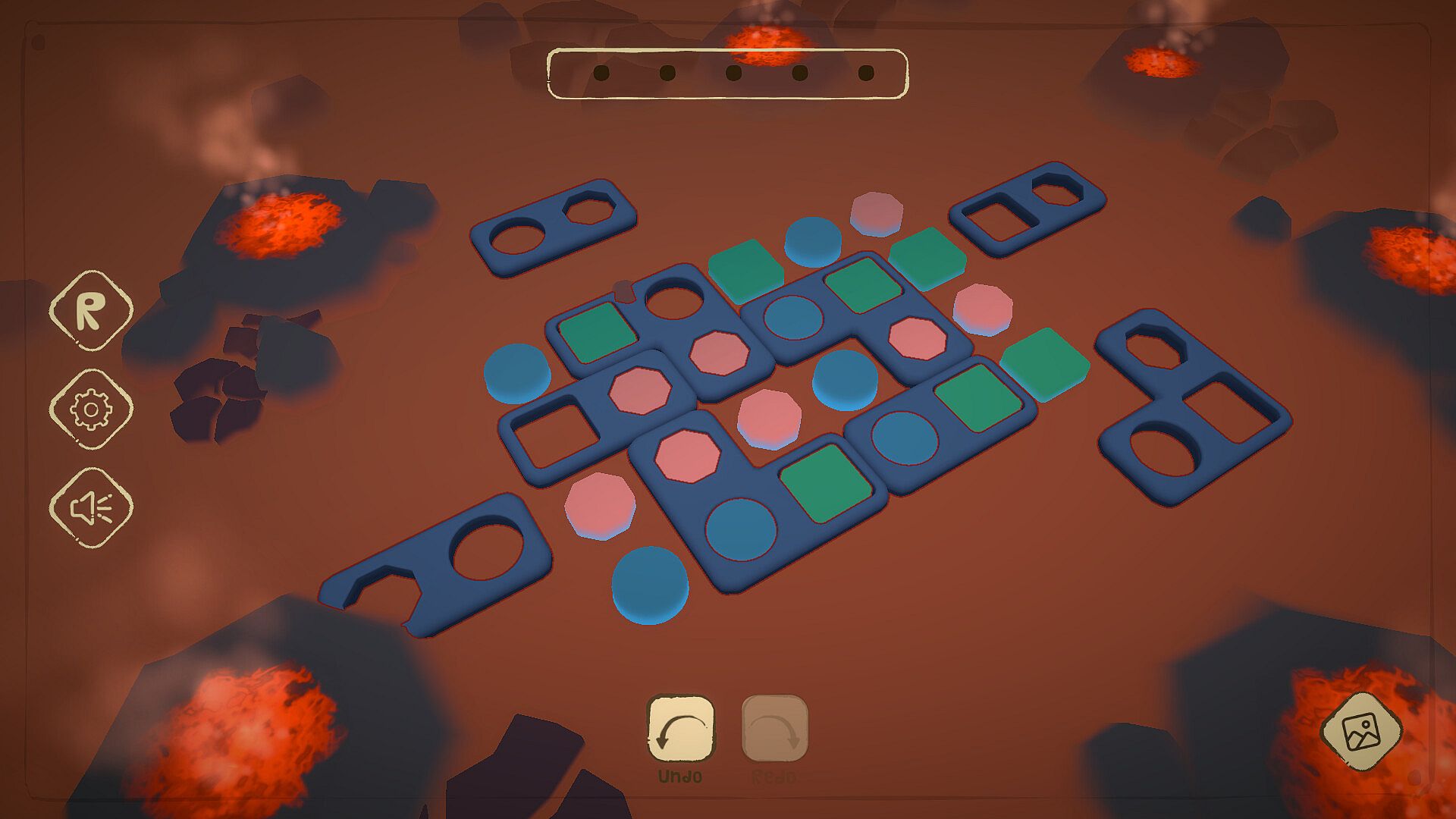
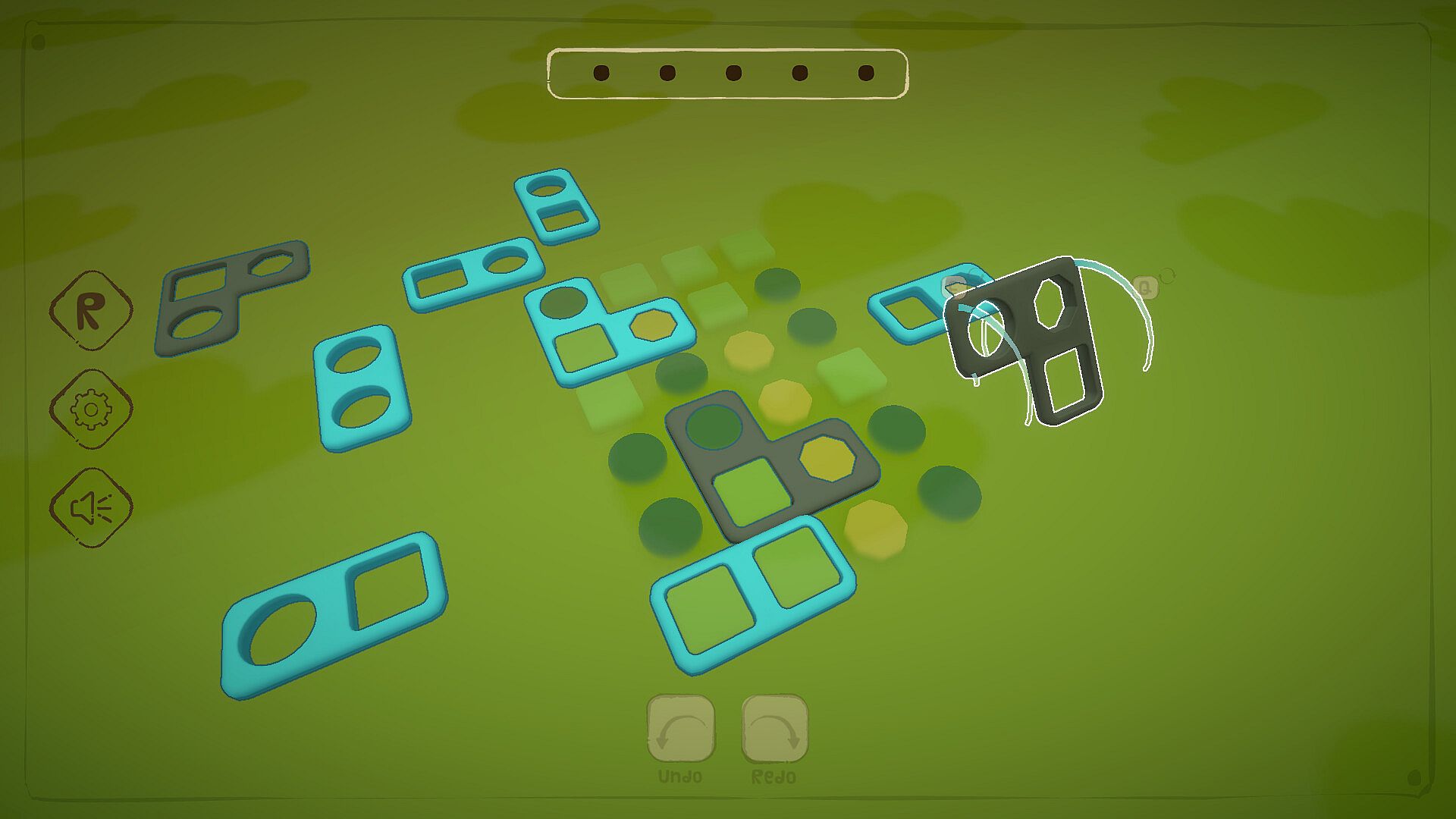
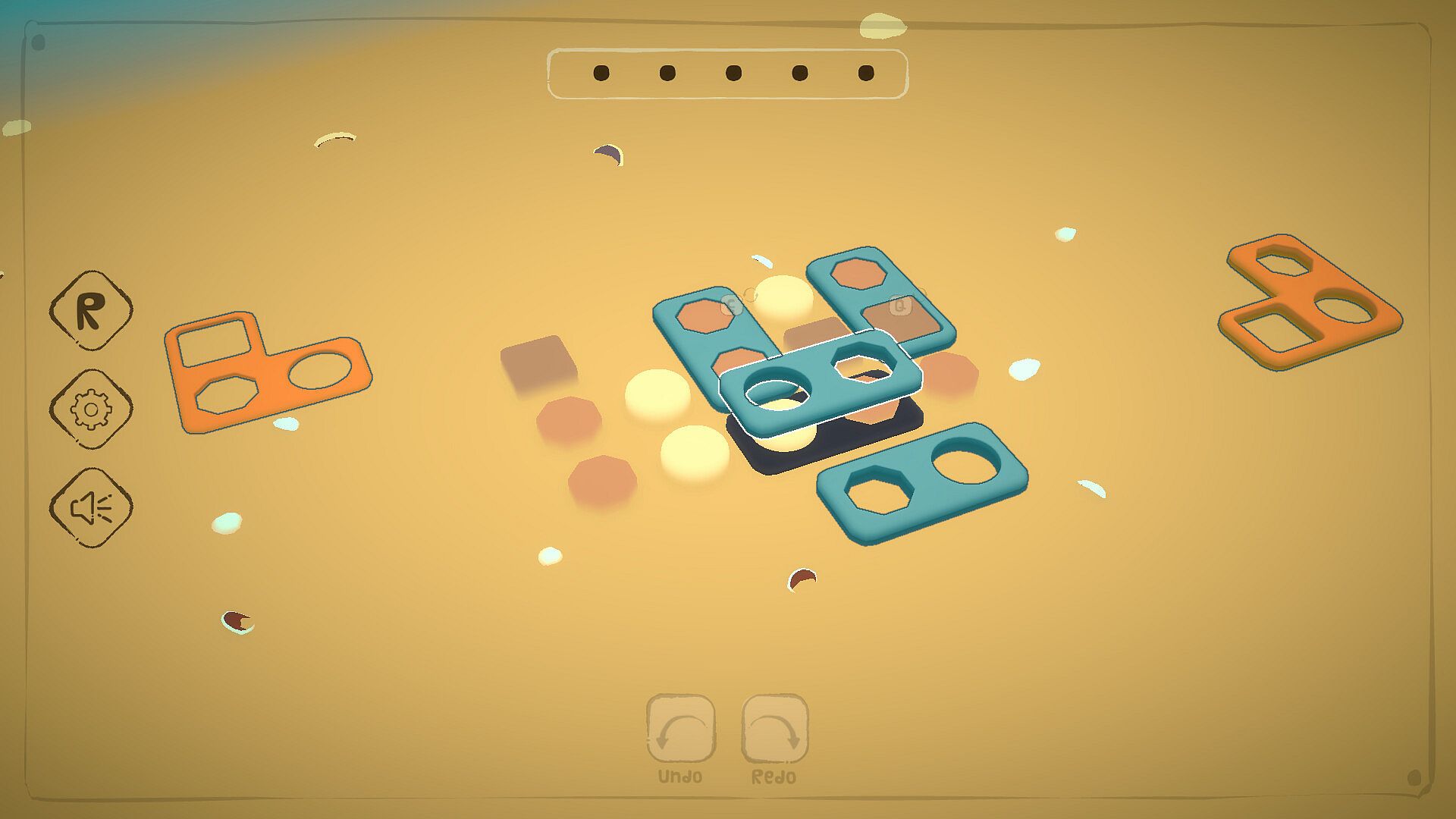
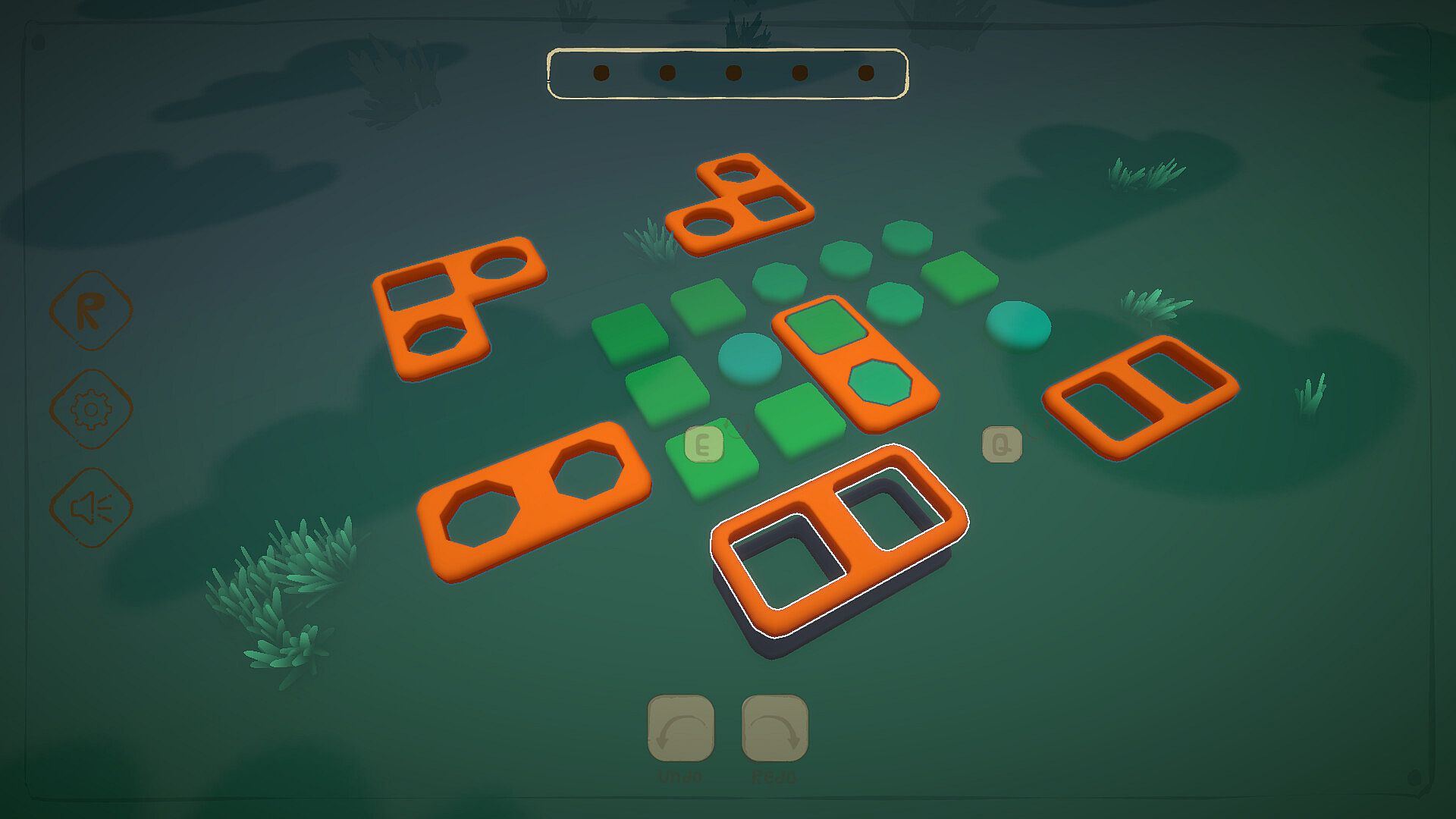
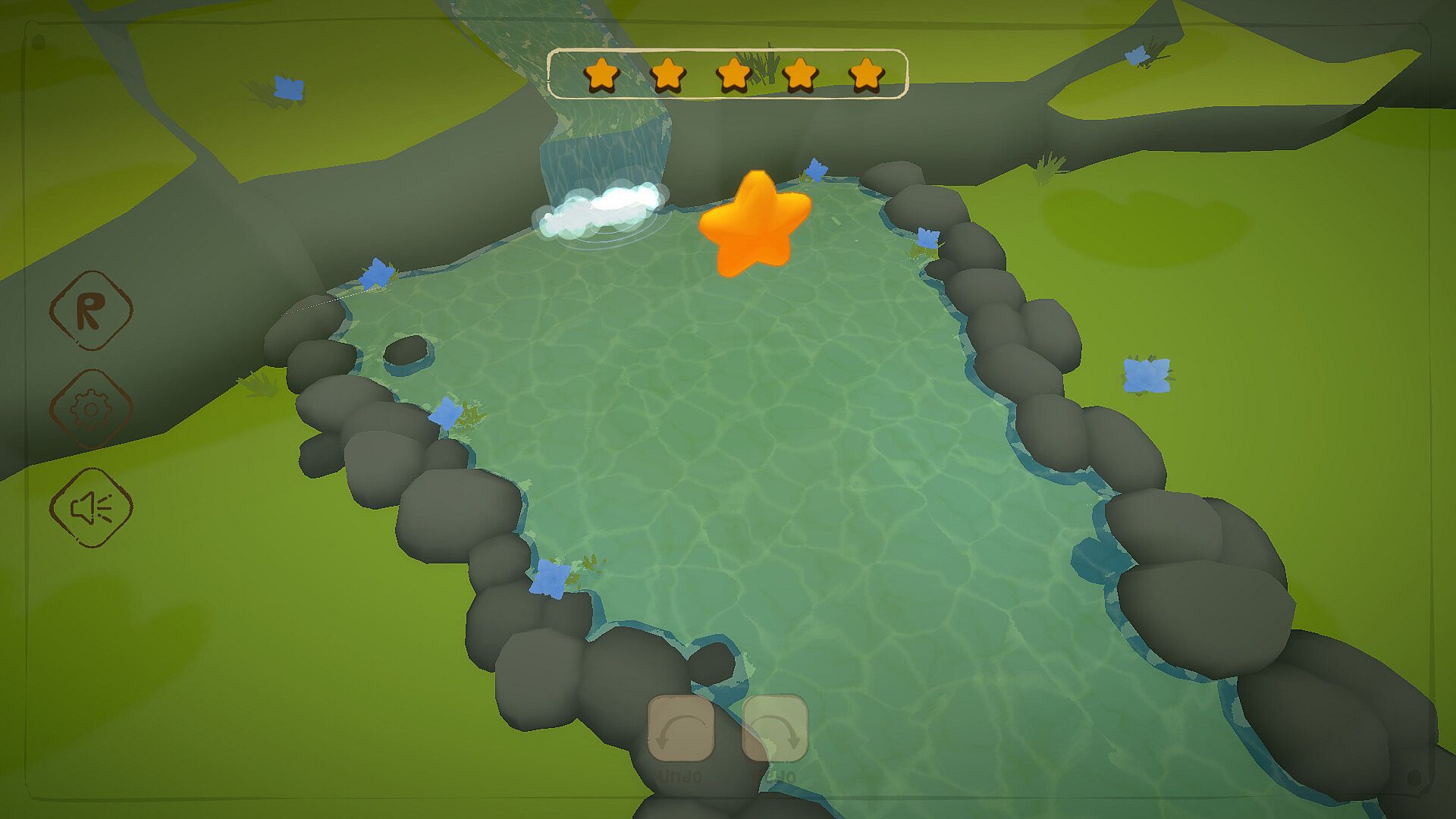
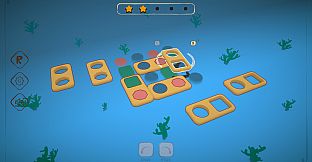
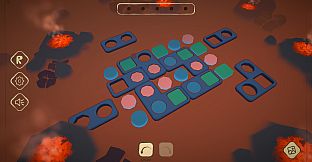
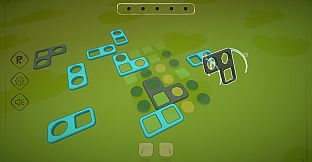
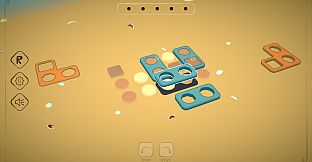
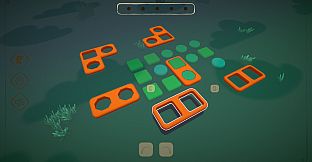
Just a Piece is an indie casual puzzle game developed for PC. Players fit shaped pieces onto a board by matching edges and forms, using rotation and flipping to explore solutions at a deliberate pace.
Gameplay
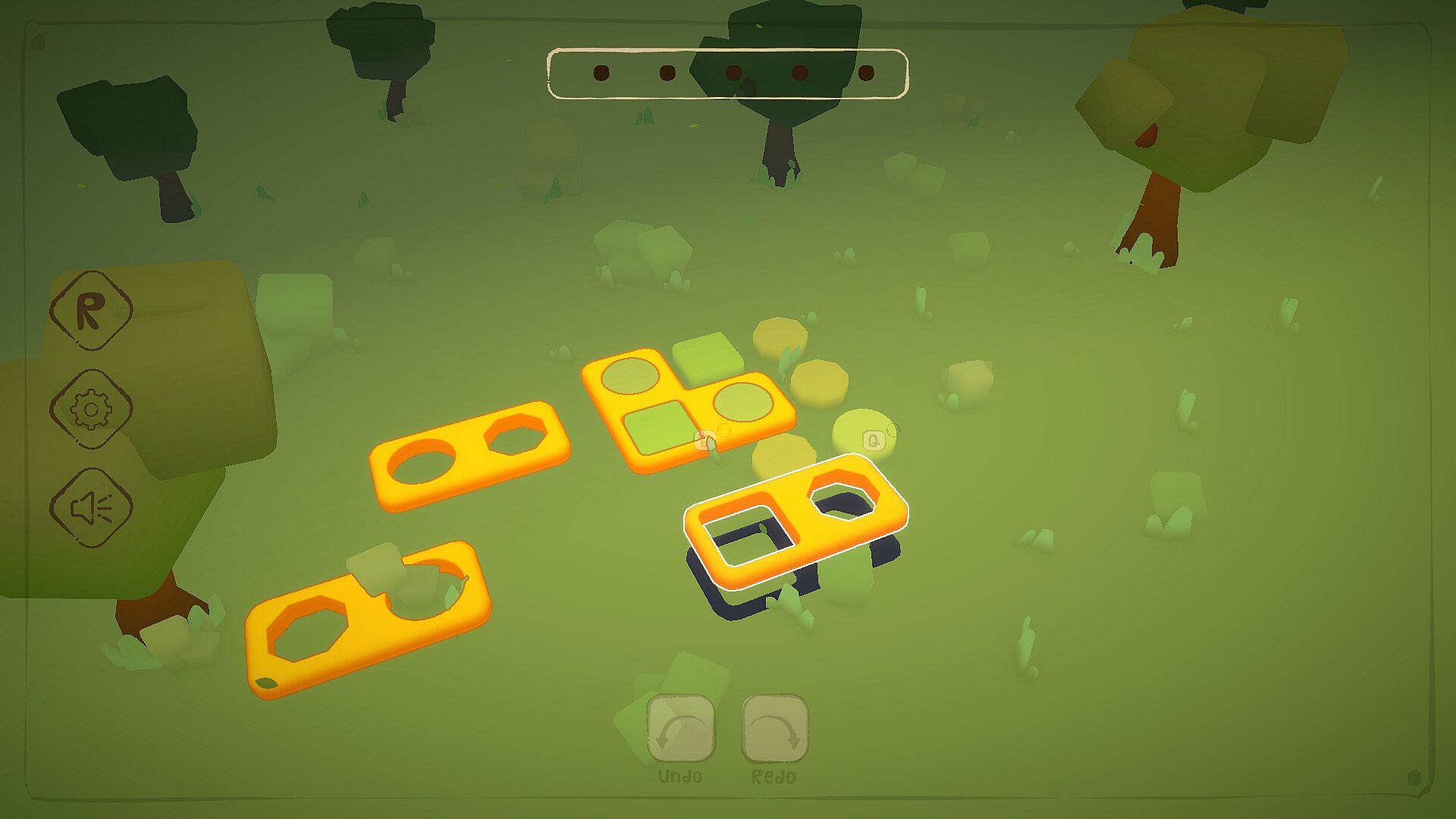
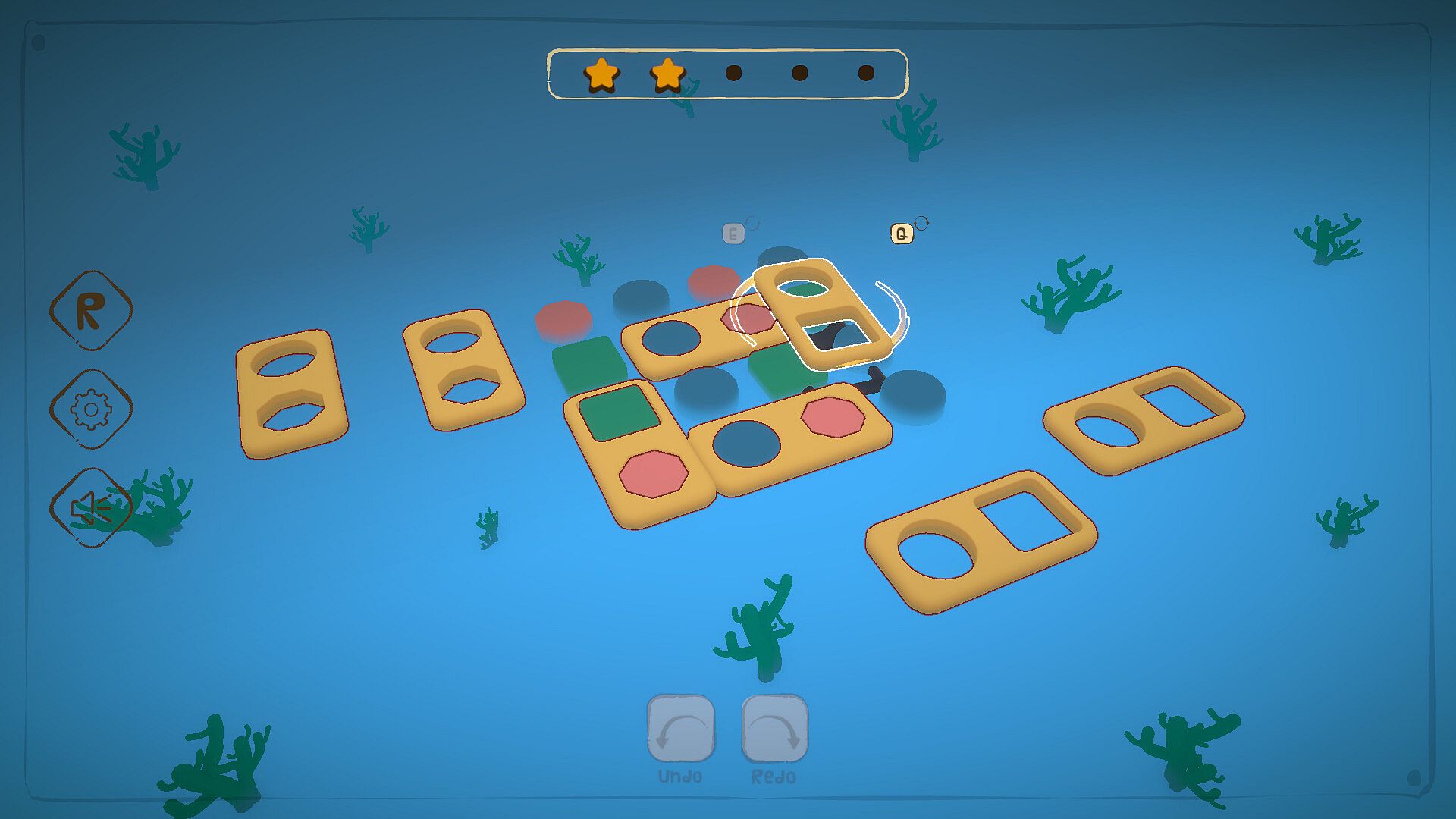
The core loop centers on selecting individual pieces and positioning them to complete a larger board. Rotation allows pieces to align in different orientations, while flipping reveals alternate sides that can open new fitting options. Gaps in the board influence placement, and players experiment by shifting pieces around when an initial arrangement does not connect properly. The process encourages trial and adjustment rather than speed, letting solutions emerge through careful observation of shapes and connections.
Each puzzle builds on these basic actions. Some arrangements succeed on the first attempt, while others require rearranging several pieces to create viable paths across the board. Multiple solutions exist for certain puzzles, giving players room to discover their own approaches without a single prescribed method.
Game Modes
Just a Piece offers a single-player experience focused entirely on sequential puzzle solving. There are no separate competitive or timed variants. The game presents its 50 puzzles in a linear progression, with each one serving as the primary activity. Players advance through groups of puzzles that share thematic environments, maintaining a consistent emphasis on spatial fitting and manipulation.
Puzzle Progression and Environments
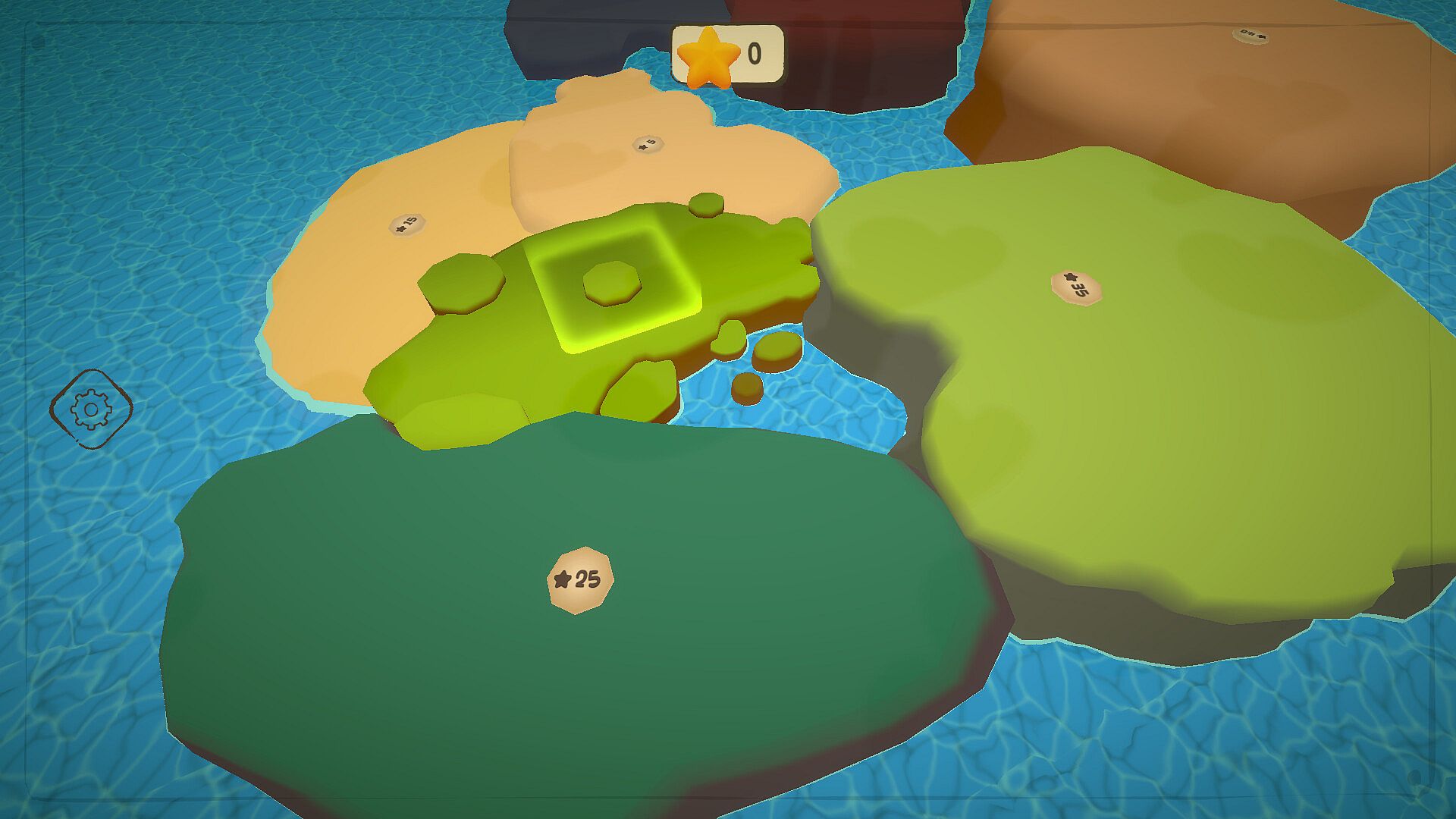
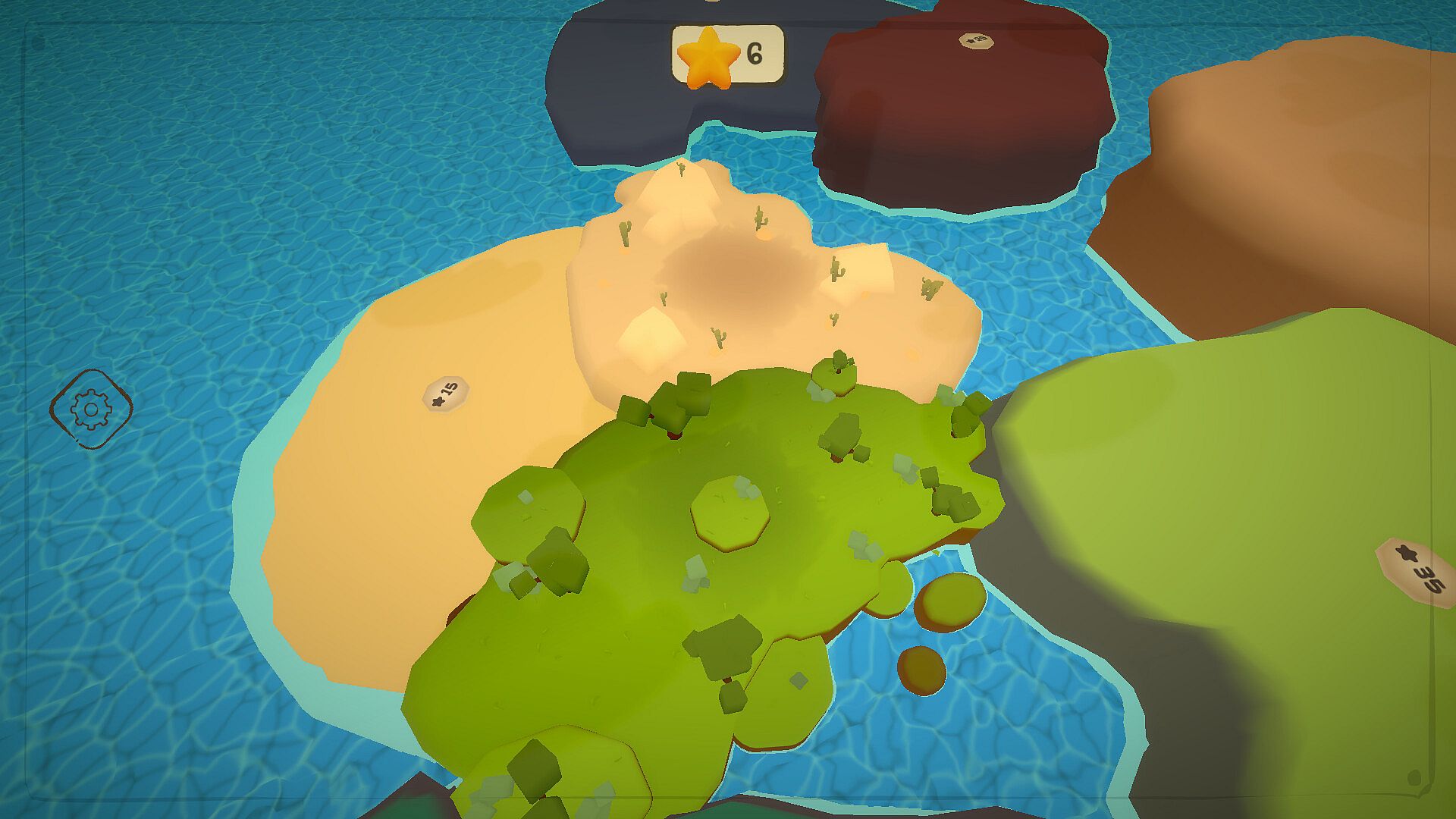
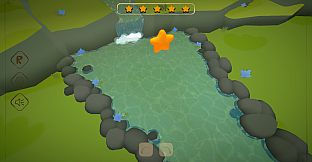
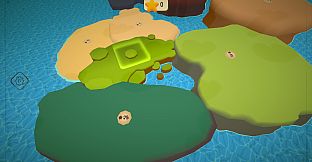
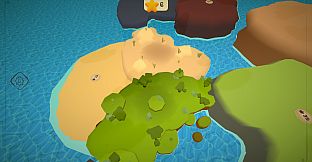
The 50 puzzles are organized into themed groups that transport players to distinct small worlds. Early sections might feature forests or beaches, while later ones shift to caves, snowy landscapes, and forgotten ruins. Completing puzzles in each area gradually assembles these miniature scenes, adding visual progression alongside the mechanical challenges. Atmosphere and background music accompany each location, supporting a steady, unhurried rhythm throughout the journey.
Rotations and flips introduce variety as puzzles advance. Gaps become more prominent in later stages, requiring players to account for empty spaces when planning placements. The design allows for personal exploration, as different sequences of moves can lead to successful completions.
Is It Worth Playing?
Just a Piece suits players who prefer relaxed, thoughtful puzzle games without pressure from timers or failure states. The emphasis on taking time to experiment with rotations, flips, and rearrangements appeals to those who enjoy spatial reasoning at their own speed. With 50 puzzles spanning varied environments and some offering multiple solutions, the game provides a contained experience centered on discovery and completion.
Its casual nature makes it accessible for short sessions or longer focused play. The absence of additional modes or competitive elements keeps the focus narrow and consistent, which may appeal to fans of straightforward indie puzzle titles. Availability on PC supports keyboard and mouse controls suited to precise piece manipulation.