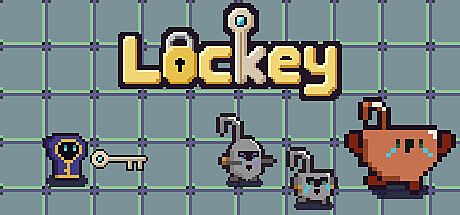



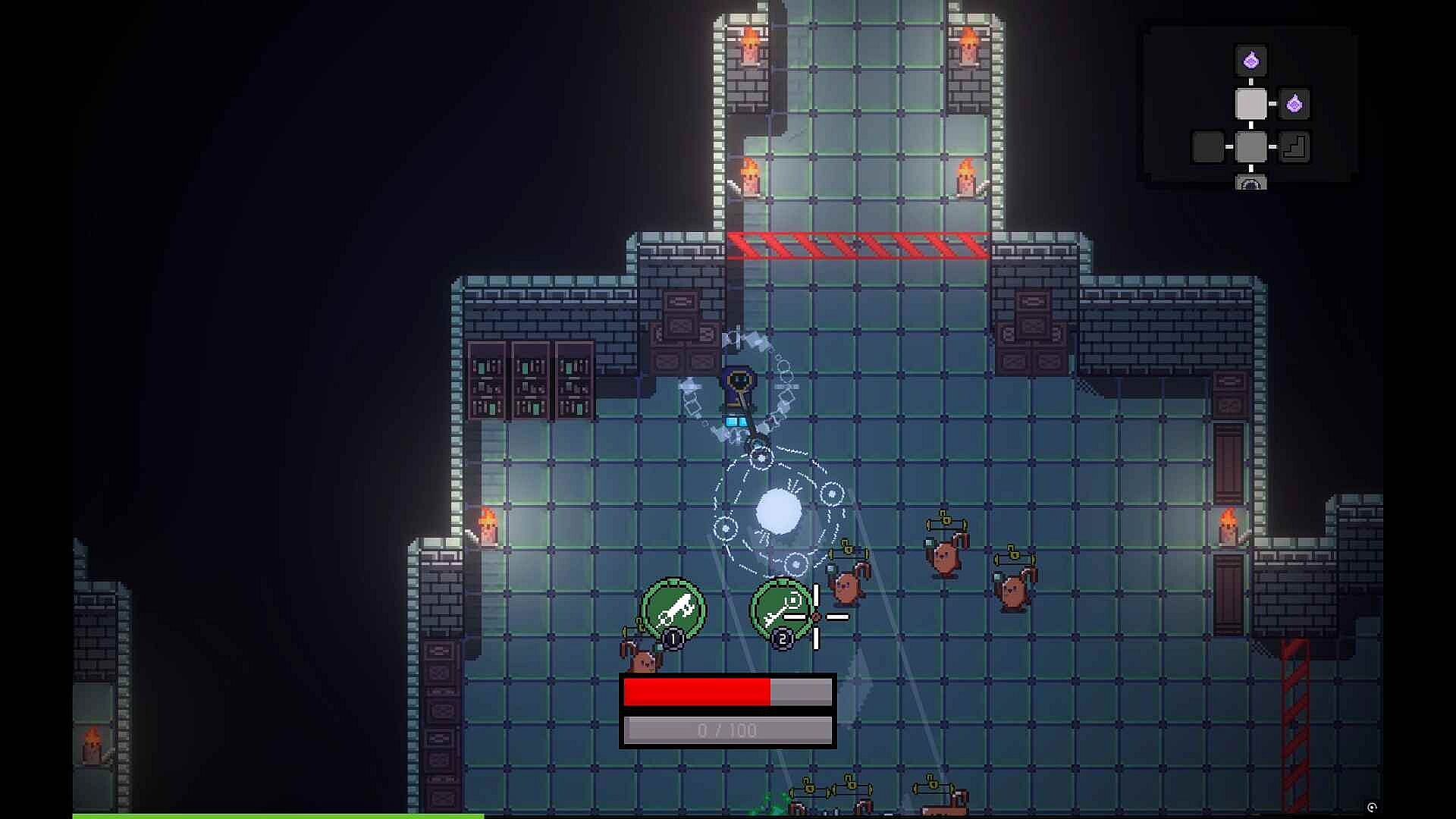
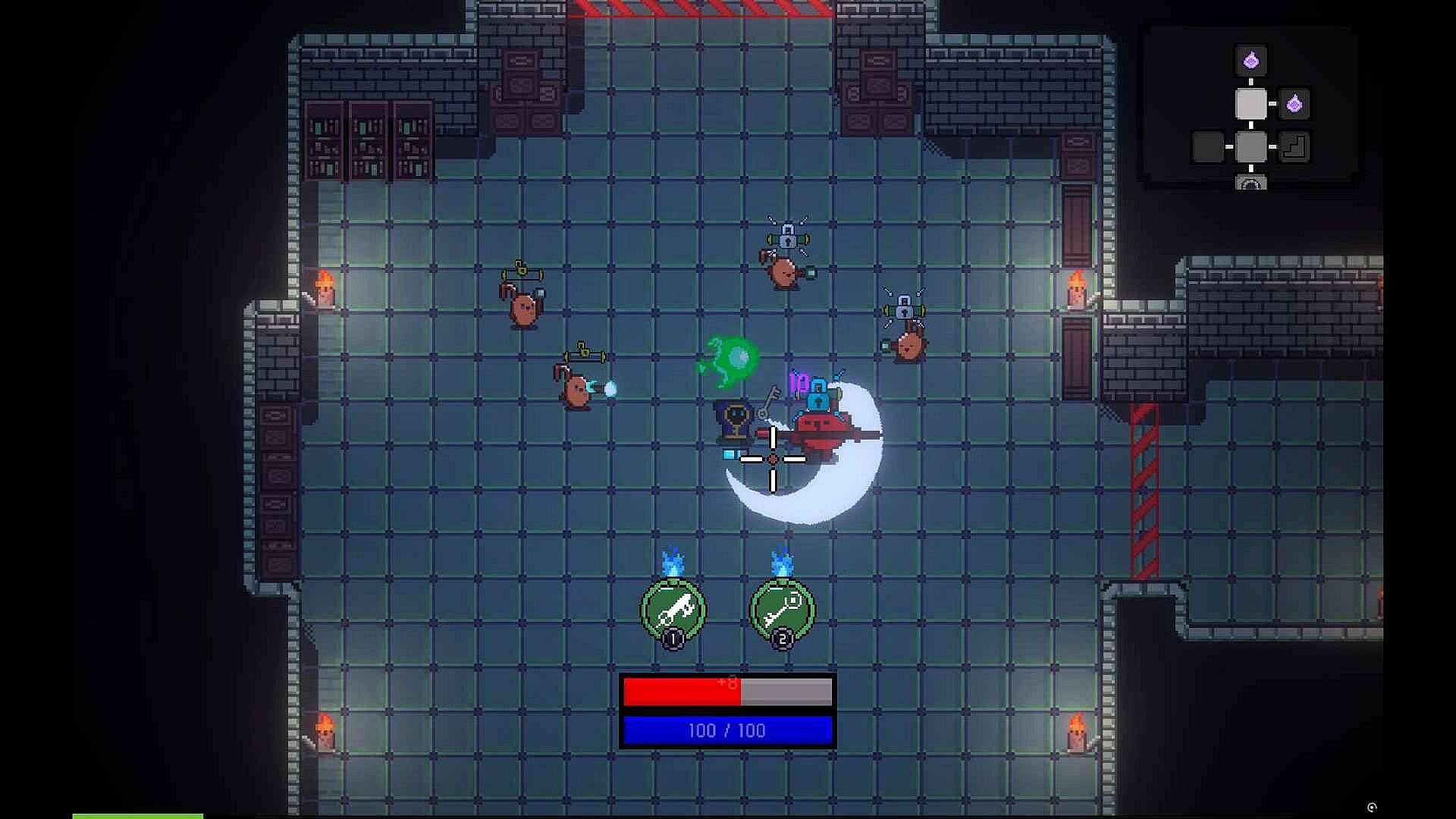
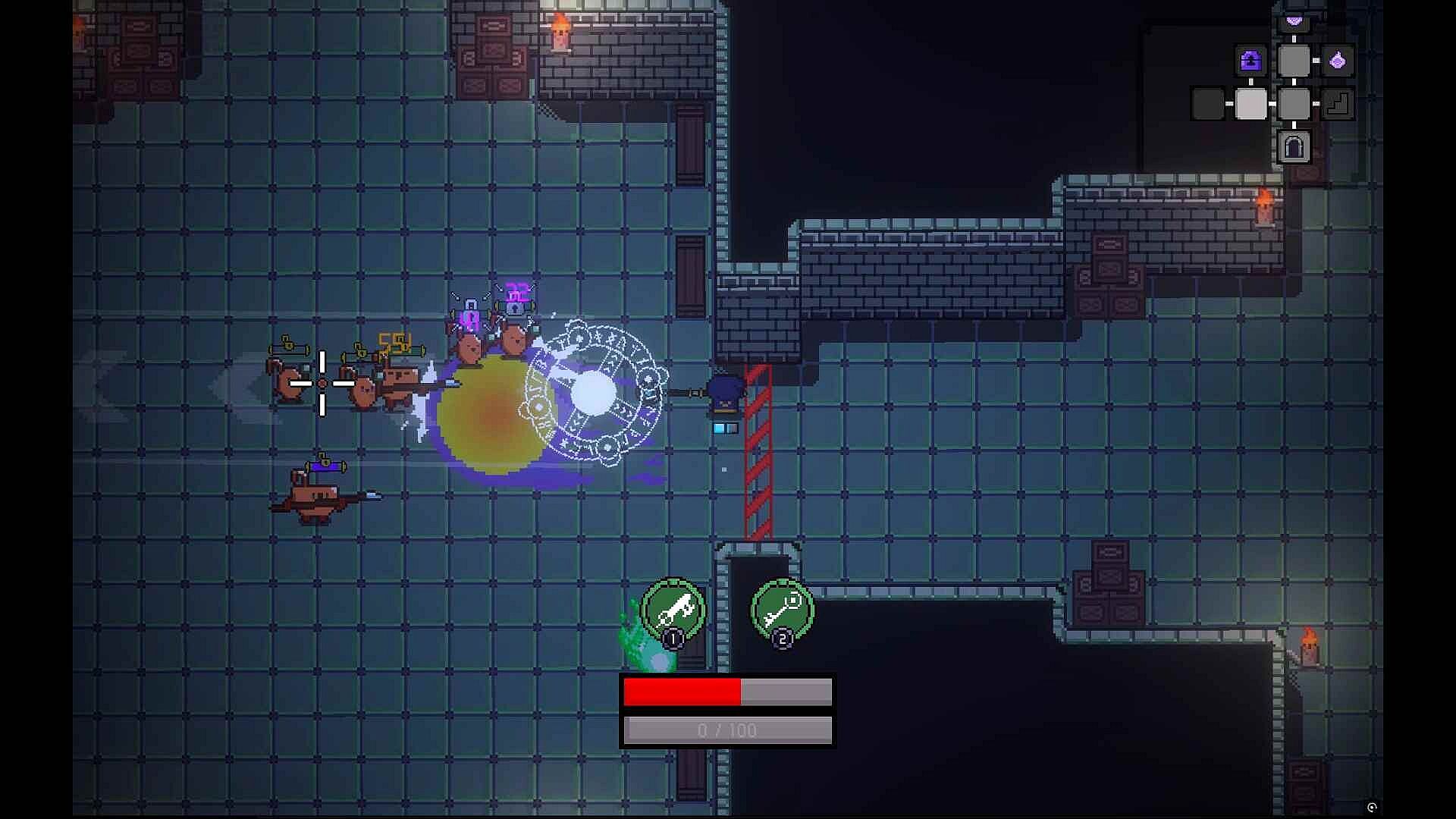
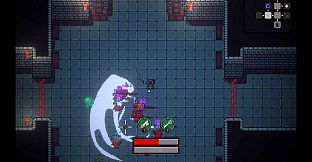
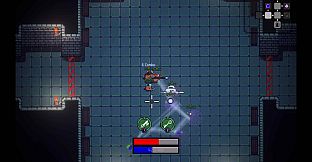
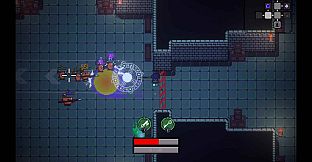
Lockey ist ein 2D-Action-Roguelike aus der Top-Down-Perspektive, der als kostenloses Indie-Spiel auf dem PC erscheint. Spieler betreten das Lock Kingdom als Krieger mit einem Schlüssel und müssen Gegner versiegeln, die den Tod verweigert haben und nun als unversiegbare Schlösser existieren. Die Reise beginnt in den unterirdischen Tiefen und führt durch bewachte Hallen hinauf zum Schloss und seinem König. Jeder Versuch führt durch wechselnde Raumstrukturen, während man im Kampf stärker wird und gezielt Routen und Belohnungen auswählt.
Gameplay
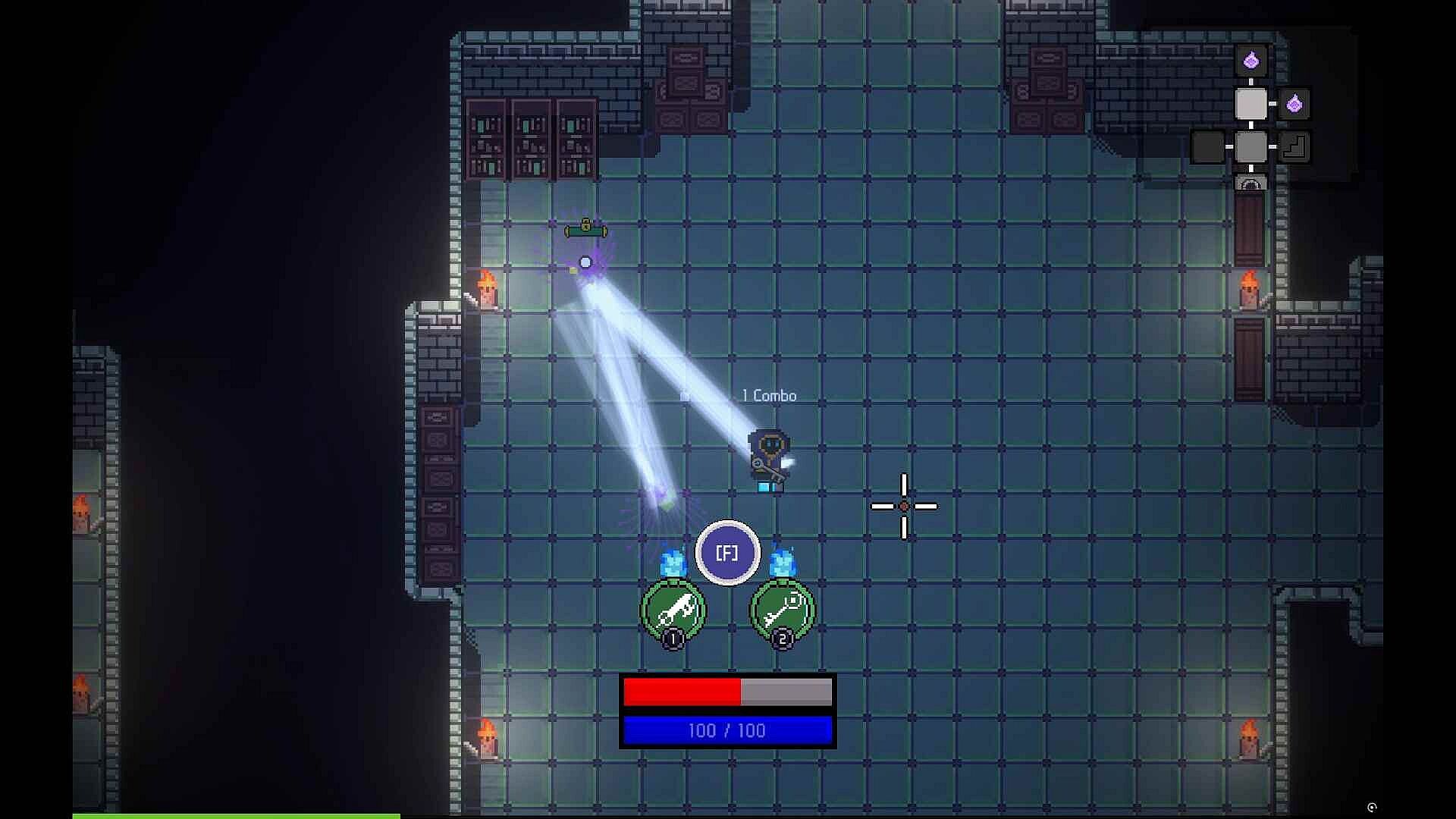
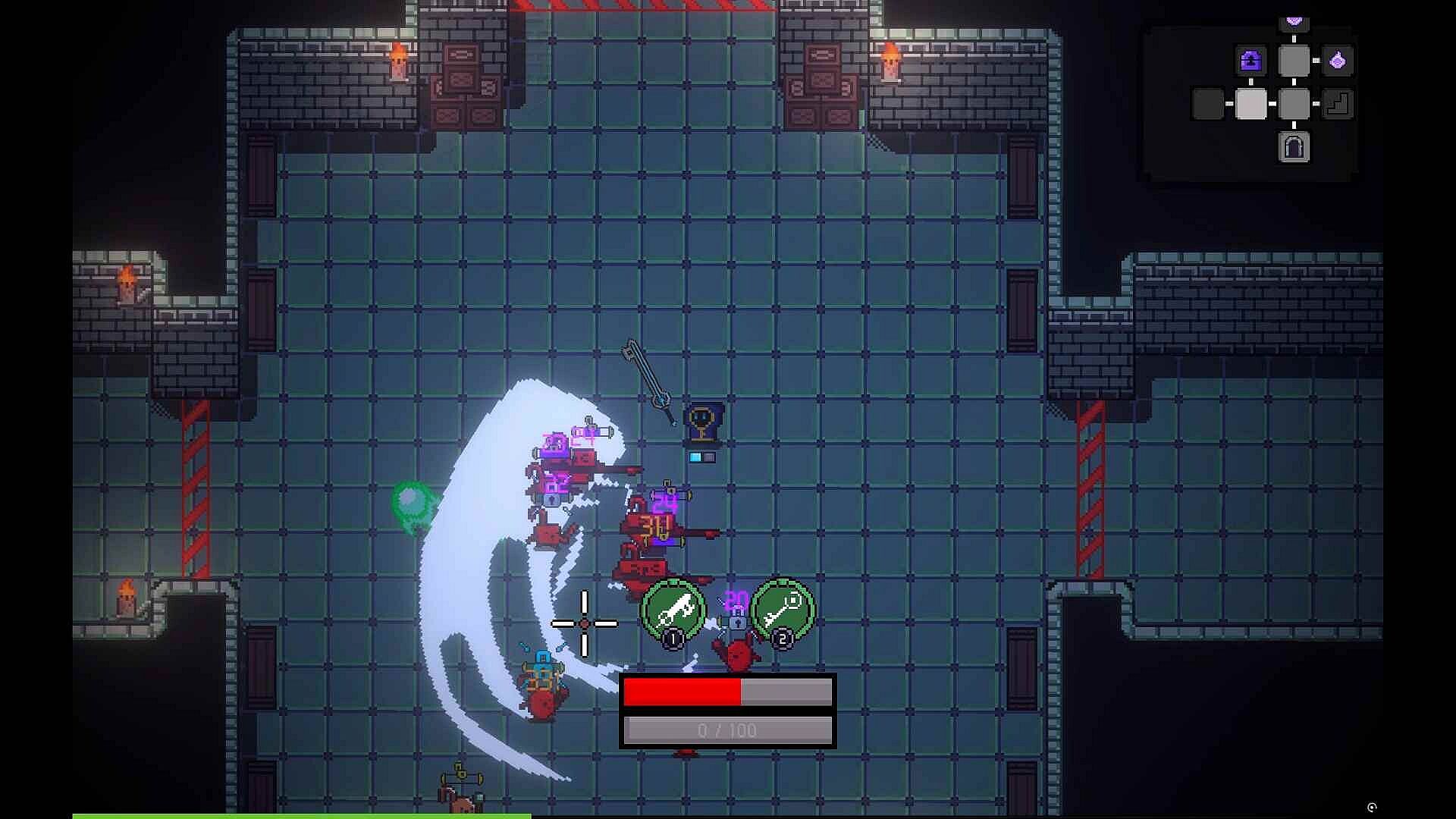
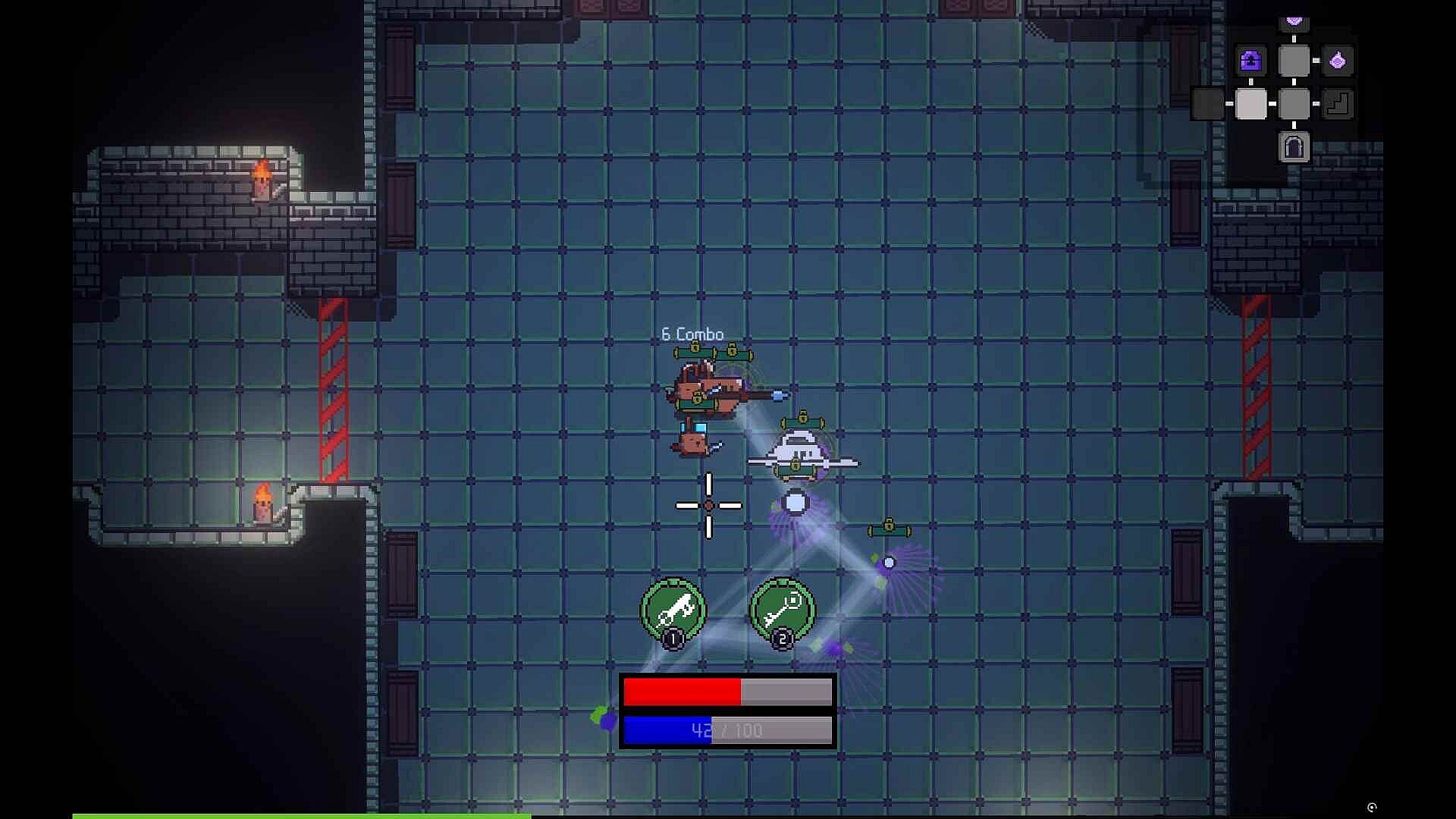
Im Mittelpunkt steht der Aufbau von Siegelkraft statt der Reduzierung von Gegner-Lebenspunkten. Normale Angriffe und Gravur-Fähigkeiten füllen die Siegelkraftleiste des Gegners. Ist sie voll, kann der Feind versiegelt und aus dem Kampf entfernt werden. Erreichen mehrere Gegner gleichzeitig diesen Zustand, ermöglicht Chain Seal schnelle Sprünge zwischen ihnen, um die Siegel in kurzer Folge abzuschließen. Dadurch verlagert sich der Kampf von direktem Schaden auf Timing und Positionierung.
Das Versiegeln von Gegnern bringt Erfahrung und füllt eine gemeinsame Gravur-Leiste. Ist diese voll, stehen die ausgerüsteten Gravur-Fähigkeiten zur Verfügung, die das Kampfgeschehen spürbar verändern. Diese Fähigkeiten lassen sich beim Levelaufstieg verbessern und ermöglichen Spezialisierungen wie kraftvolle Nahkämpfe mit dem Großschwert oder anhaltenden Fernkampf mit dem Stab. Die Verbesserungen gelten nur für den aktuellen Durchlauf und werden beim Tod zurückgesetzt.
Die Fortschritte umfassen auch die Knoten-Karten am Anfang jedes Kapitels. Spieler legen vorab Routen und Belohnungen fest, die bestimmen, in welcher Reihenfolge die Abschnitte durchlaufen werden. Jeder Abschnitt besteht aus prozedural angeordneten Räumen und Wegen, in denen Kämpfe bestritten, die gewählte Belohnung gefunden und der Ausgang zum nächsten Bereich erreicht werden muss. Manche Abschnitte bieten optionale Ziele, die bei Erfolg eine zusätzliche Kopie der gewählten Belohnung gewähren.
Spielmodi
Das Spiel dreht sich um wiederholte Durchläufe durch das Königreich, bei denen sich Raumaufbauten, Gegnerplatzierungen und verfügbare Belohnungen jedes Mal neu mischen. Über das Knoten-Karten-System lässt sich die Entwicklung durch unterschiedliche Pfade und Belohnungsziele beeinflussen. Diese Struktur fördert das Ausprobieren verschiedener Ansätze über mehrere Versuche hinweg statt einer linearen Kampagne.
Kampfräume bilden den Kern der Abschnitte, während Belohnungsräume und Bosskämpfe die Möglichkeit bieten, neue Gegenstände oder Verbesserungen zu wählen. Spezielle Zielabschnitte sorgen für Abwechslung, indem sie bei Erfolg zusätzliche Kopien der gewählten Belohnung liefern. Der grundlegende Ablauf bleibt über alle Durchläufe gleich und konzentriert sich auf die Siegelmechanik und den Aufbau von Builds.
Gegenstände und Fähigkeiten
Belohnungen aus Gegenstandsknoten oder Bosskämpfen erscheinen als zufällige Auswahl, aus der ein Gegenstand gewählt wird. Wird derselbe Gegenstand erneut erhalten, steigt seine Seltenheitsstufe, wobei alte Effekte erhalten bleiben und neue hinzukommen. Dieses Stapel-System ermöglicht es, Builds gezielt in bestimmte Richtungen zu entwickeln. Die Kombination aus Gegenstandseffekten und verbesserten Gravur-Fähigkeiten erzeugt unterschiedliche Spielstile, die sich aus den getroffenen Entscheidungen ergeben.
Beim Tod wird alles zurückgesetzt: die gewählte Route, gesammelte Gegenstände, Level-Fortschritt und Fähigkeitsverbesserungen. Der nächste Versuch beginnt ohne Vorbelastung und fordert neue Pfad- und Belohnungswahlen, um alternative Builds zu erproben. Dieser Reset-Mechanismus bildet das Fundament des Roguelike-Aufbaus und belohnt Anpassungsfähigkeit.
Lohnt sich Lockey?
Lockey richtet sich an Spieler, die Roguelikes mit strategischem Ressourcenmanagement und Build-Experimenten durch Gegenstands-Stapelung und Fähigkeitsverbesserungen schätzen. Die Siegelmechanik erzeugt einen eigenen Kampfrhythmus, der auf dem Füllen von Leisten und Kettenreaktionen basiert statt auf klassischem Schadensausstoß. Wer prozedurale Raumstrukturen und routenbasierte Entscheidungen mag, wird durch die Vielfalt an Gegneranordnungen und Belohnungsoptionen immer wieder eingebunden.
Als kostenloses PC-Spiel entfällt jede Einstiegshürde, und der volle Kern des Spiels steht sofort zur Verfügung. Spieler, die Wert auf klare Fortschritte legen, die direkt aus den Entscheidungen innerhalb eines Durchlaufs entstehen, statt auf permanente Freischaltungen oder storygetriebene Kampagnen, werden den fokussierten Kreislauf aus Erkundung, Kampf und Reset schätzen. Die Indie-Action-Präsentation hält den Fokus auf mechanischer Tiefe statt auf visueller Pracht.