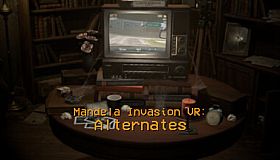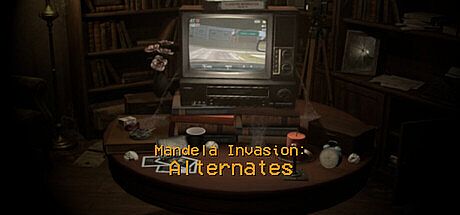



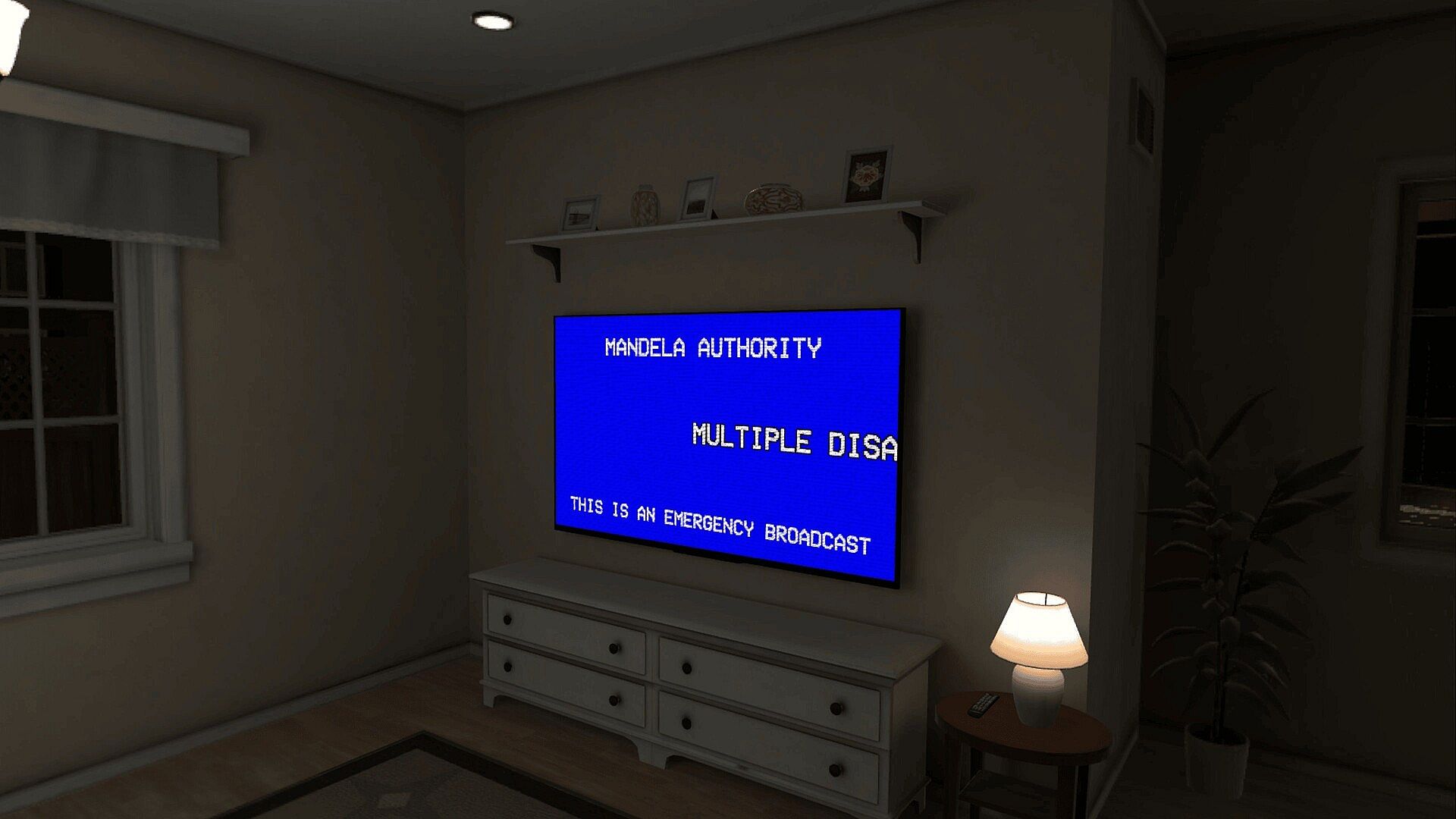
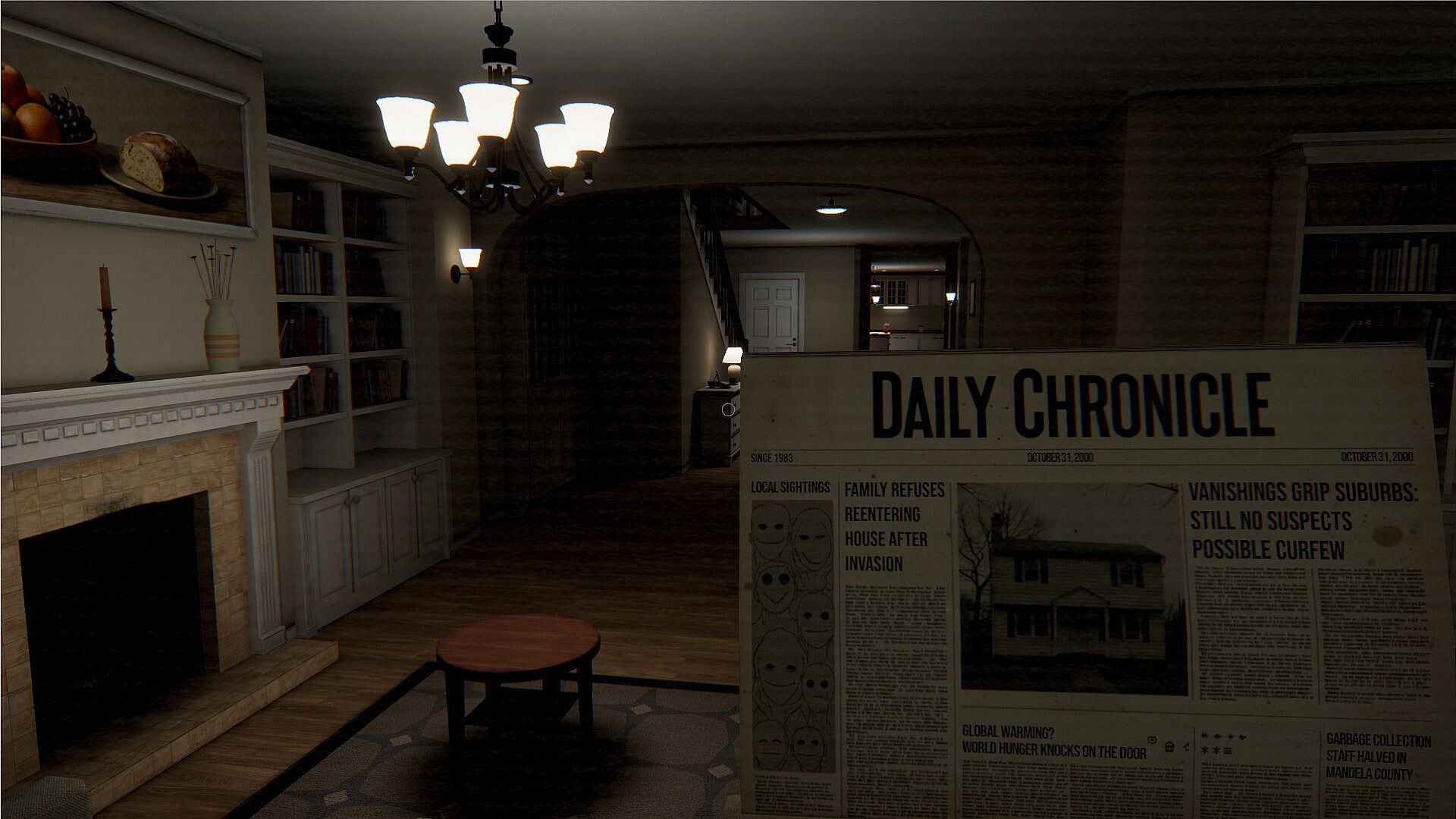
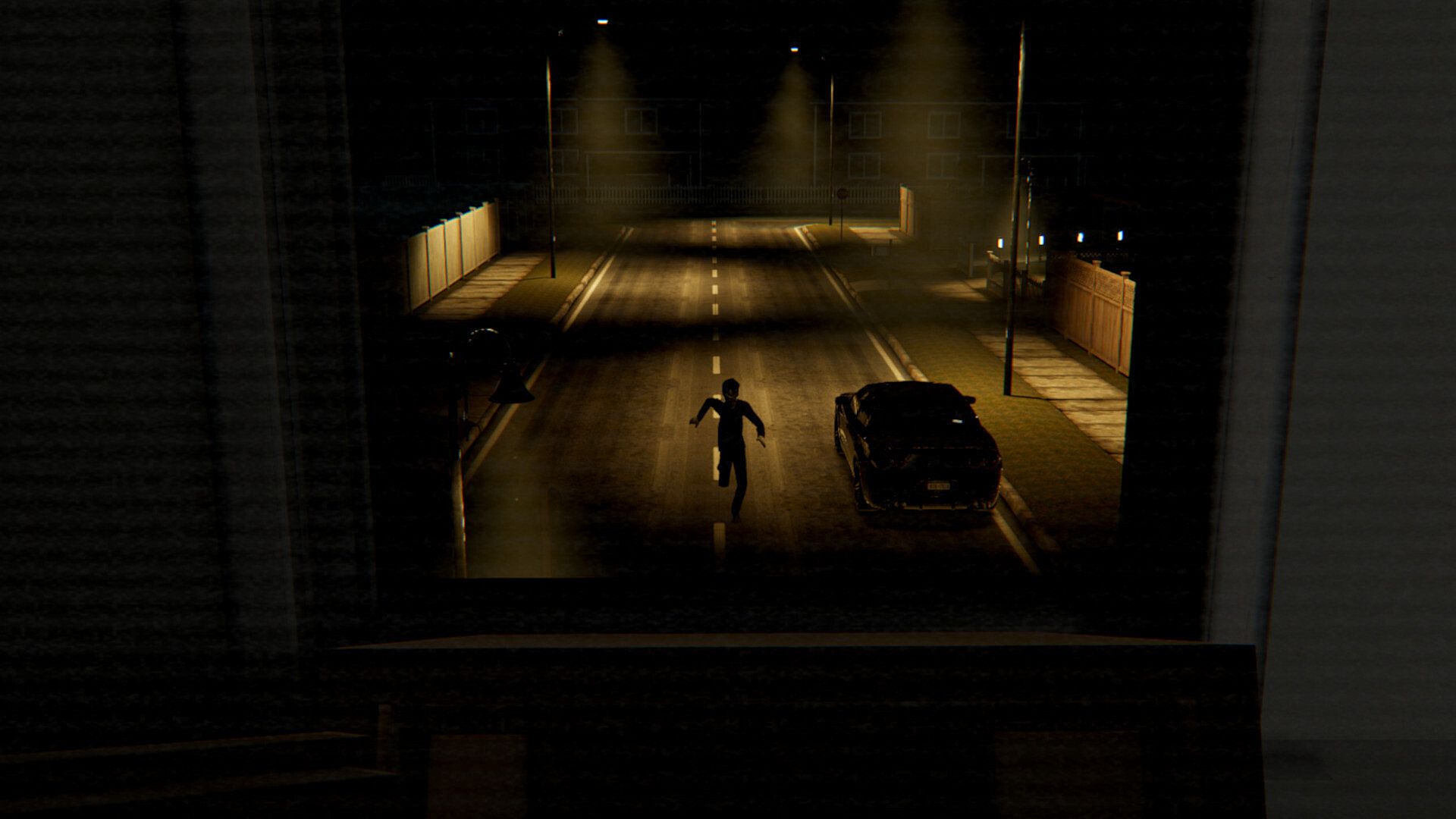
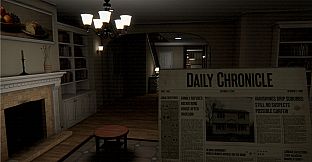

Mandela Invasion: Alternates is a psychological horror adventure game developed for virtual reality on PC. Players take on the role of Joseph, an agent with the US Department of Temporal Phenomena, who enters an abandoned house in Mandela County to investigate the unexplained disappearance of an entire family amid widespread reports of vanishings and strange sightings across the area.
Gameplay
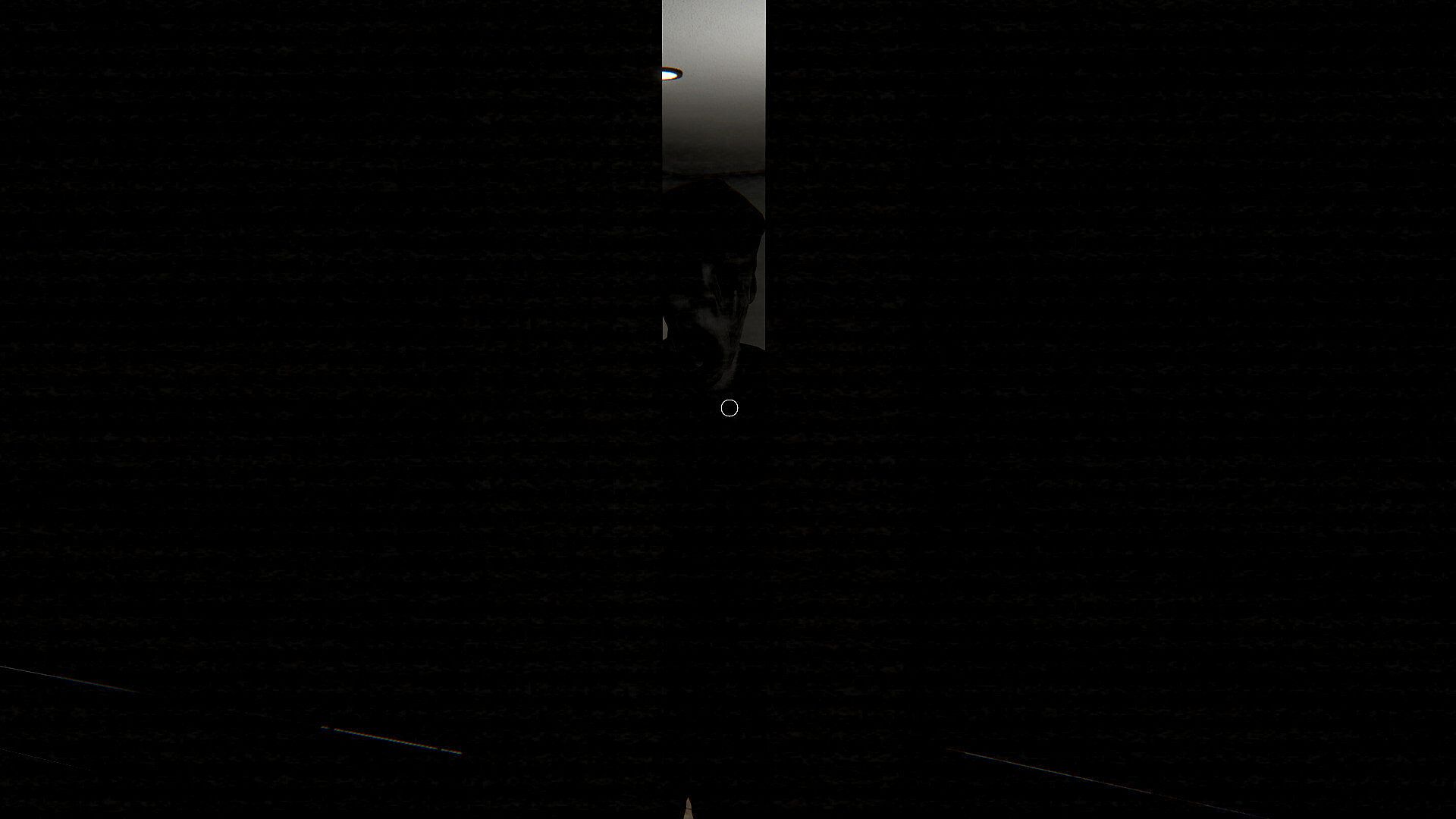
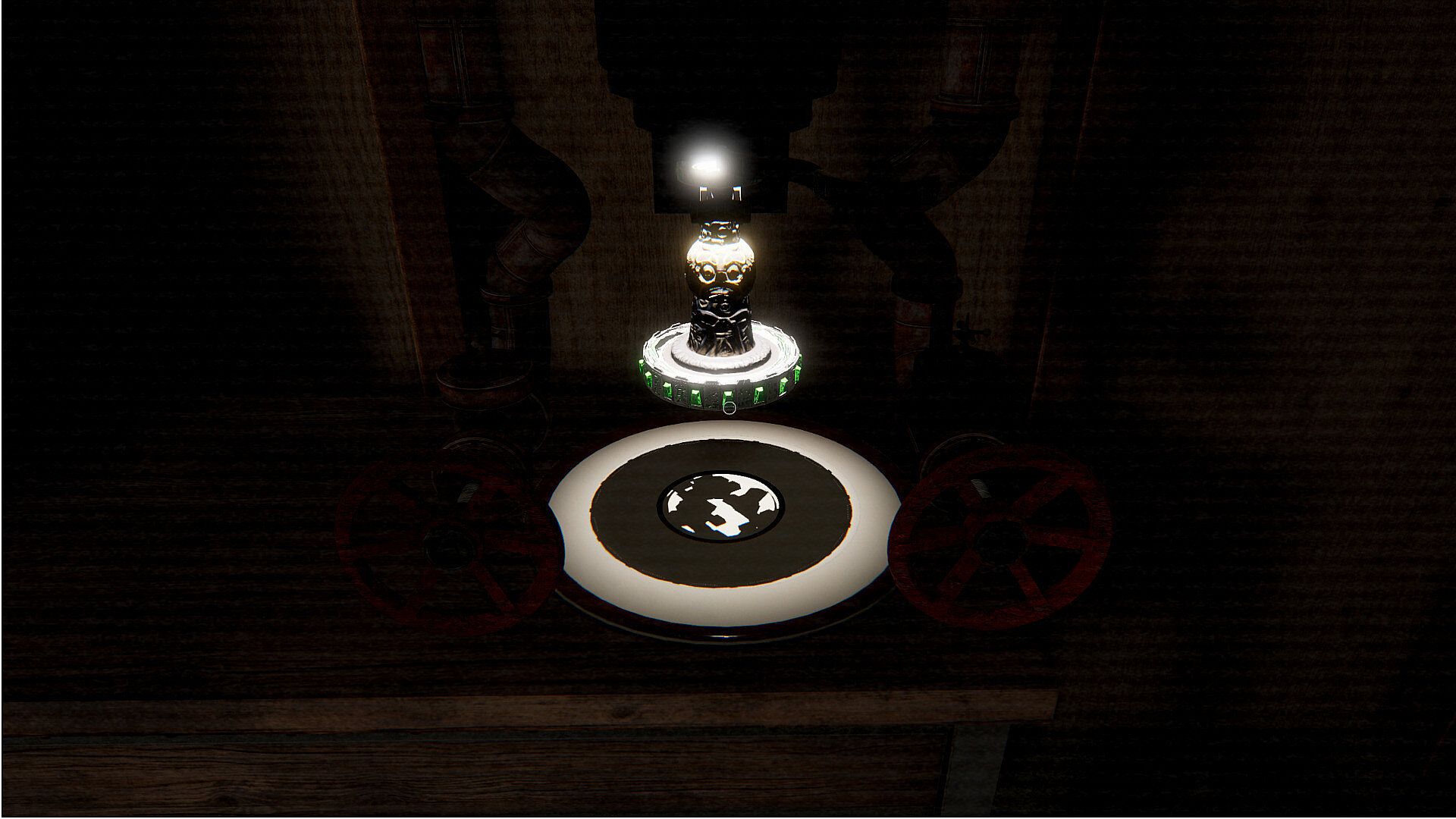
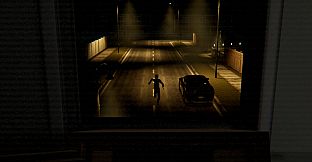
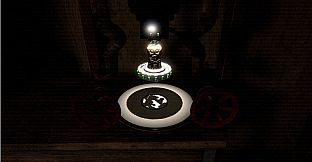
The core loop centers on careful exploration of the house and surrounding areas using VR hand tracking for direct interaction. Players manipulate objects by grabbing and moving them, open doors, turn valves, and handle items to progress through puzzles that reveal more about the anomalies. The experience emphasizes observation and timing rather than combat, with threats that require players to hide inside closets or move quietly to avoid detection. Sequences include driving a car between locations and managing basic survival needs like securing the environment during the night. There is no inventory menu or on-screen UI elements, so all actions rely on physical hand movements and environmental awareness. The game runs in a linear fashion, guiding players through a series of events drawn from classified VHS-style recordings that document the county's mysteries.
Game Modes
The title supports only singleplayer mode. No cooperative, competitive, or additional multiplayer options exist. The entire experience unfolds as a solo investigation where the player navigates the house, solves puzzles, and evades threats without external assistance or shared sessions.
Story and Setting
The narrative unfolds through environmental storytelling and audio logs that piece together events in Mandela County. Witnesses describe missing individuals returning with subtle differences in appearance and behavior, creating an atmosphere of unease. Players relive recorded incidents while investigating the house, uncovering details about alternates that mimic human forms. Key threats include figures such as The Preacher and an alternate version of Adam Murray, which heighten the tension during nighttime sequences. The setting blends everyday domestic spaces with growing signs of intrusion, forcing players to question what they observe and decide when to act or remain hidden.
Technical Aspects and Updates
Interaction relies on intuitive VR controls for tasks like picking up objects and navigating the environment, though some actions only become available after specific triggers. The game features a short runtime focused on building suspense through sound design and limited visibility rather than frequent direct confrontations. A major performance update released in September 2026 introduced automatic quality adjustments, improved frame rates across hardware levels, and optimizations for lower-end systems to reduce crashes and stuttering. Earlier hotfixes addressed navigation issues with threats, door mechanics, and minor visual glitches.
Is It Worth Playing?
Player feedback highlights the strong atmospheric tension and effective use of the uncanny valley without relying on traditional jump scares, making it appealing for those who enjoy slow-building psychological horror in VR. The short length draws criticism from some, who note limited puzzle depth and occasional technical hiccups prior to the performance patch. Recent updates have improved stability, and the title suits players seeking a focused, single-session experience centered on exploration and evasion rather than extended campaigns or replayability features. Those drawn to analog horror themes and hands-on VR mechanics may find value in its approach, while others looking for longer or more varied content might prefer alternatives. The game remains available as a standalone purchase with no free trial or seasonal content reported.