


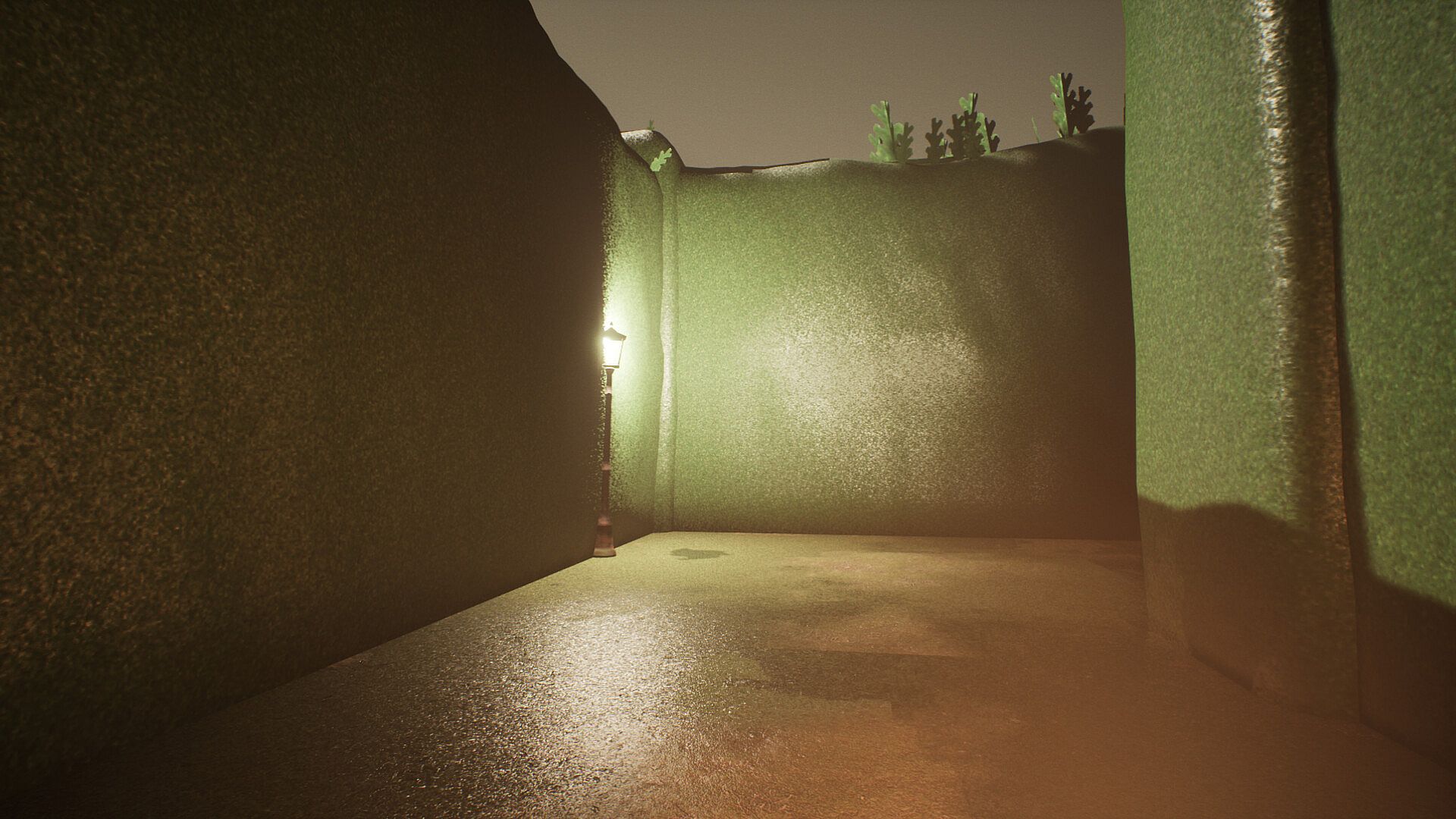



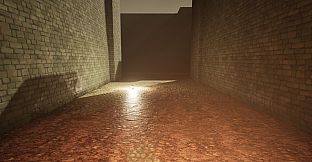
Maze 1211 is a first-person simulation game set entirely within a sprawling, ever-shifting nighttime maze. Players wake disoriented on cold grass with only a lit lantern, a handful of small flags, and a stick of chalk. The core experience revolves around navigation without any map or external guidance, relying instead on personal memory and the limited tools at hand to mark paths and avoid getting lost.
Gameplay
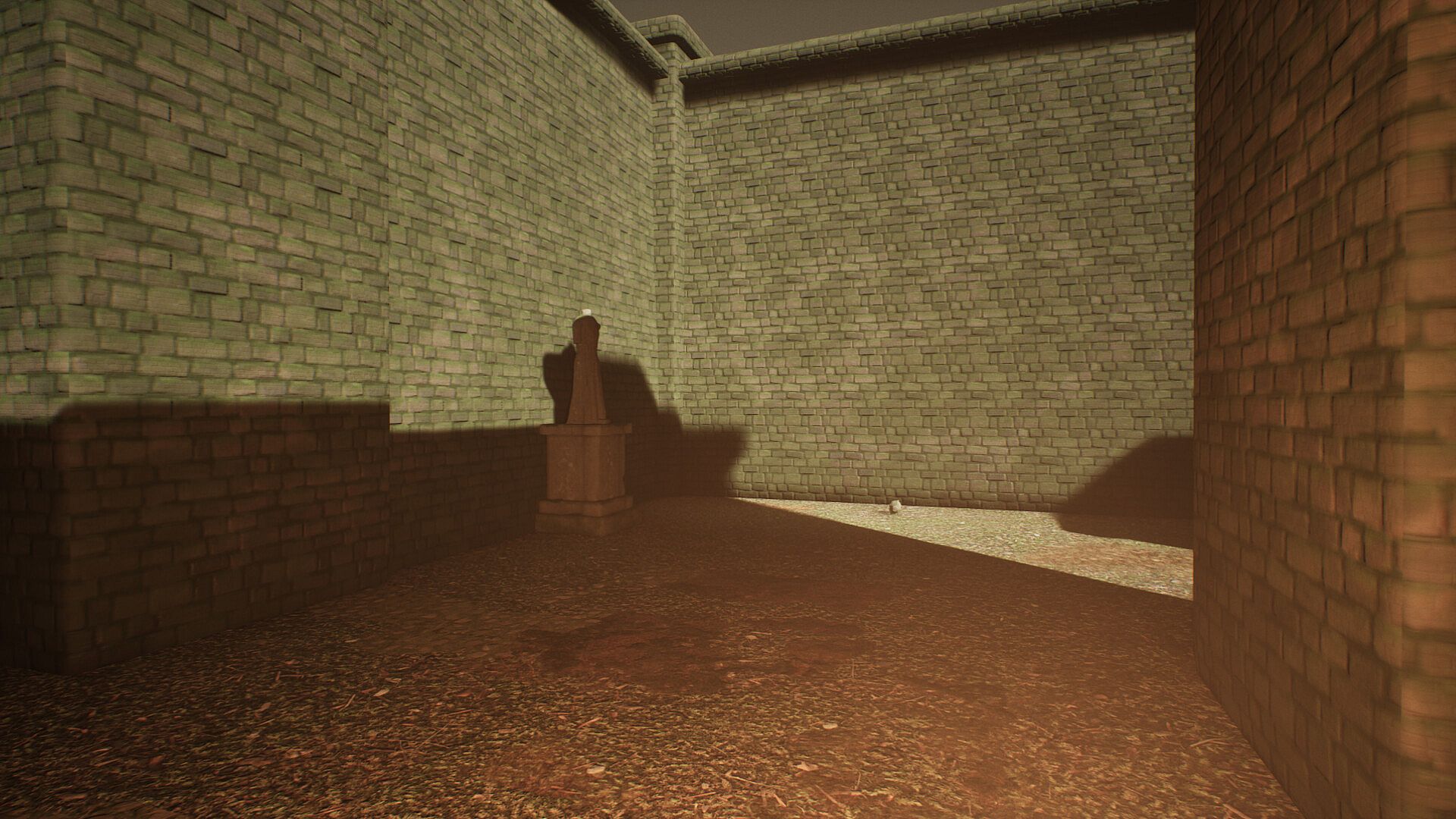
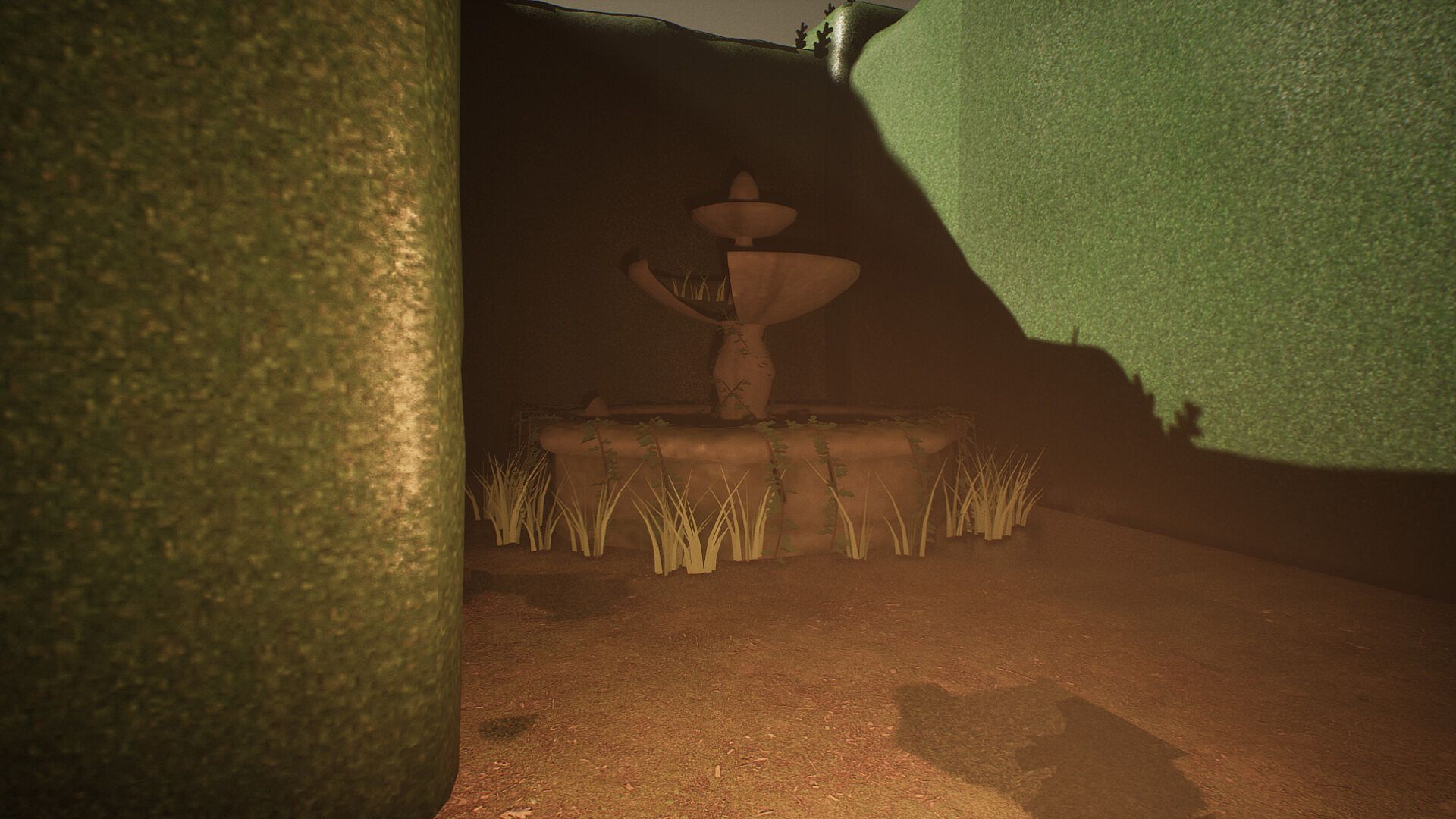
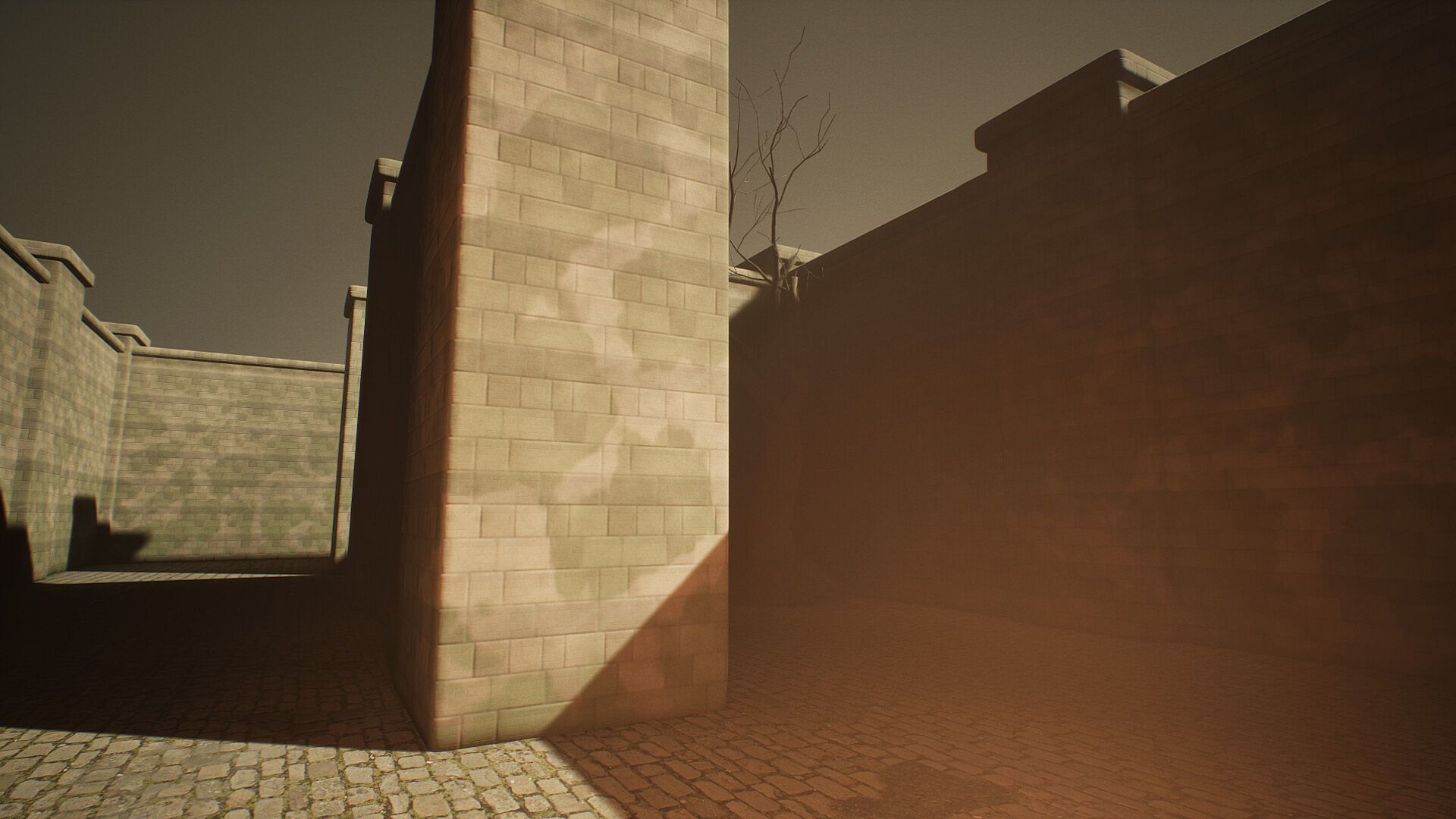
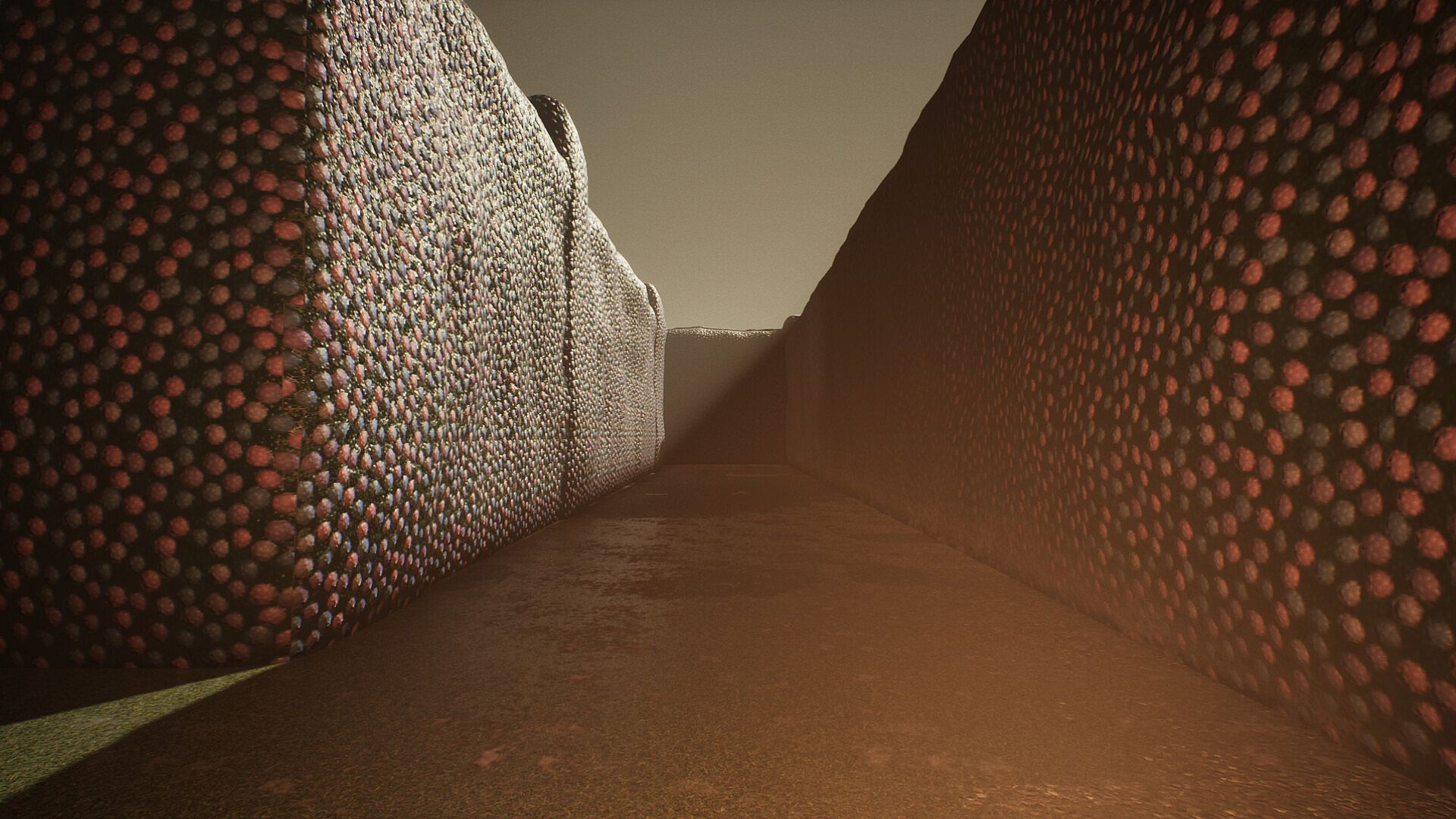
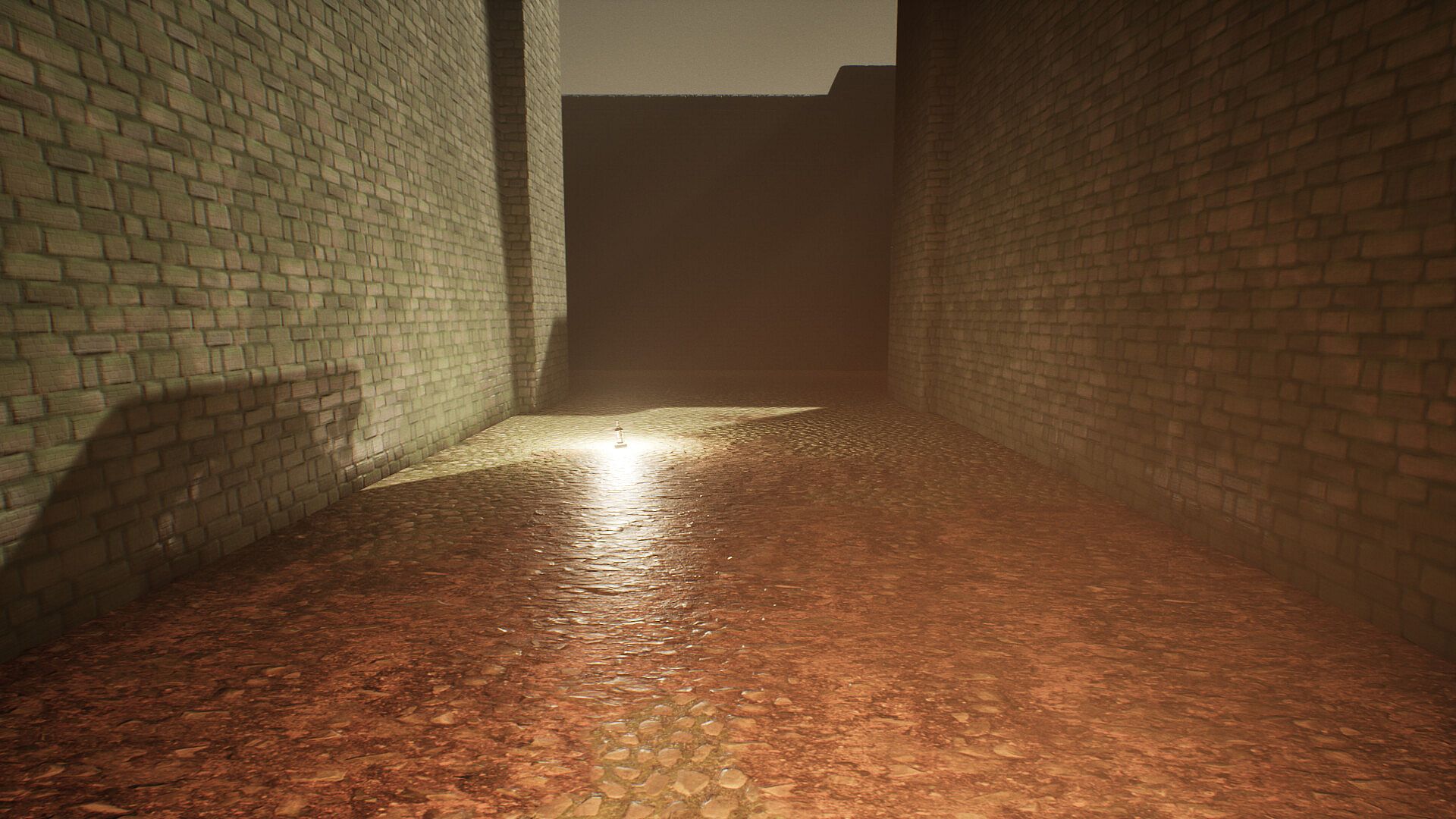
The gameplay centers on deliberate, methodical exploration. Movement feels grounded as players carry the lantern through hedge walls that eventually give way to stone and then moss-covered surfaces. Marking turns with flags or chalk arrows becomes essential for tracking progress and retracing steps when paths loop or environments repeat. Scattered remnants like benches, still-burning lamps, and abandoned camps hint at previous visitors who faced the same disorientation. A distant, slightly off-tune music box adds to the atmosphere without providing direct clues. The emphasis stays on observation and recall rather than combat or resource management, creating a steady rhythm of walking, noting landmarks, and deciding which unmarked direction to try next.
Game Modes
Maze 1211 supports single-player only. No multiplayer options, co-op features, or additional modes appear in the available information. The entire experience unfolds as one continuous journey through the maze with the singular objective of locating the exit.
Exploration and Environment
Environments evolve gradually, shifting from dense hedges to harder stone corridors and then softer, mossy passages. This progression encourages players to adapt their marking strategies as visual cues change. Items left behind by others serve as subtle waypoints, reinforcing the sense that the maze has held others before. The lack of any minimap or compass forces constant attention to surroundings and personal notations, turning every intersection into a decision point based on what has already been seen and marked.
Is It Worth Playing?
Maze 1211 targets players who enjoy slow-paced, memory-driven navigation in an atmospheric setting. Its simulation focus on realistic disorientation and pathfinding without aids will appeal to those who like puzzle elements rooted in observation rather than traditional mechanics. With a planned release in Q4 2026 and no reviews available yet, the game remains untested by a broader audience. Those drawn to first-person exploration without combat or timers may find the described loop satisfying, while players seeking faster action or varied objectives might prefer other titles. Availability will be on PC through standard digital storefronts once it launches.