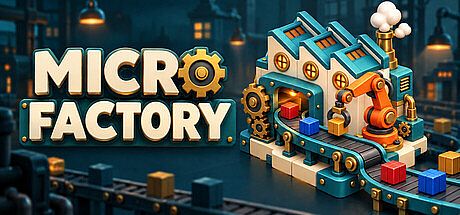


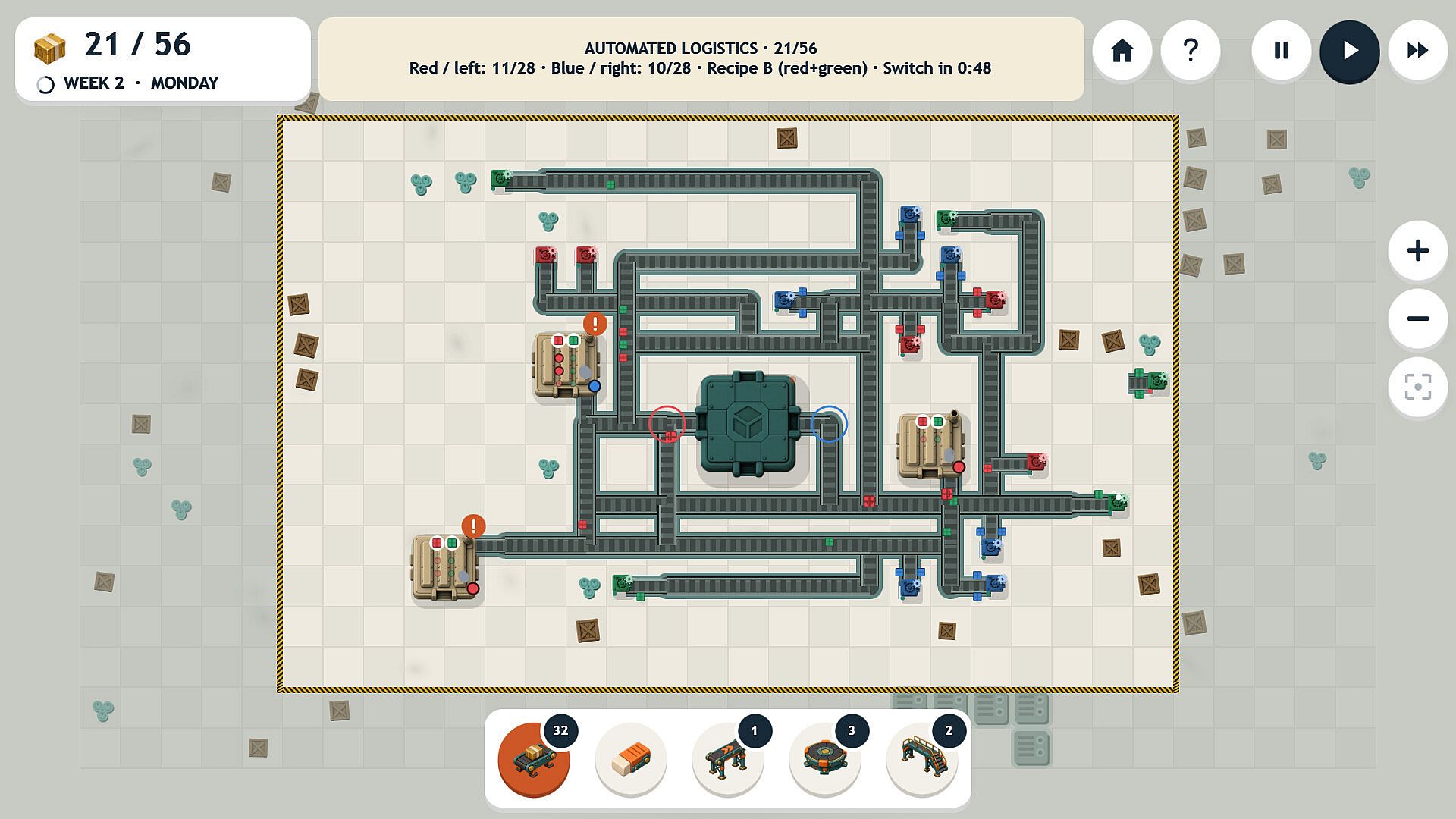
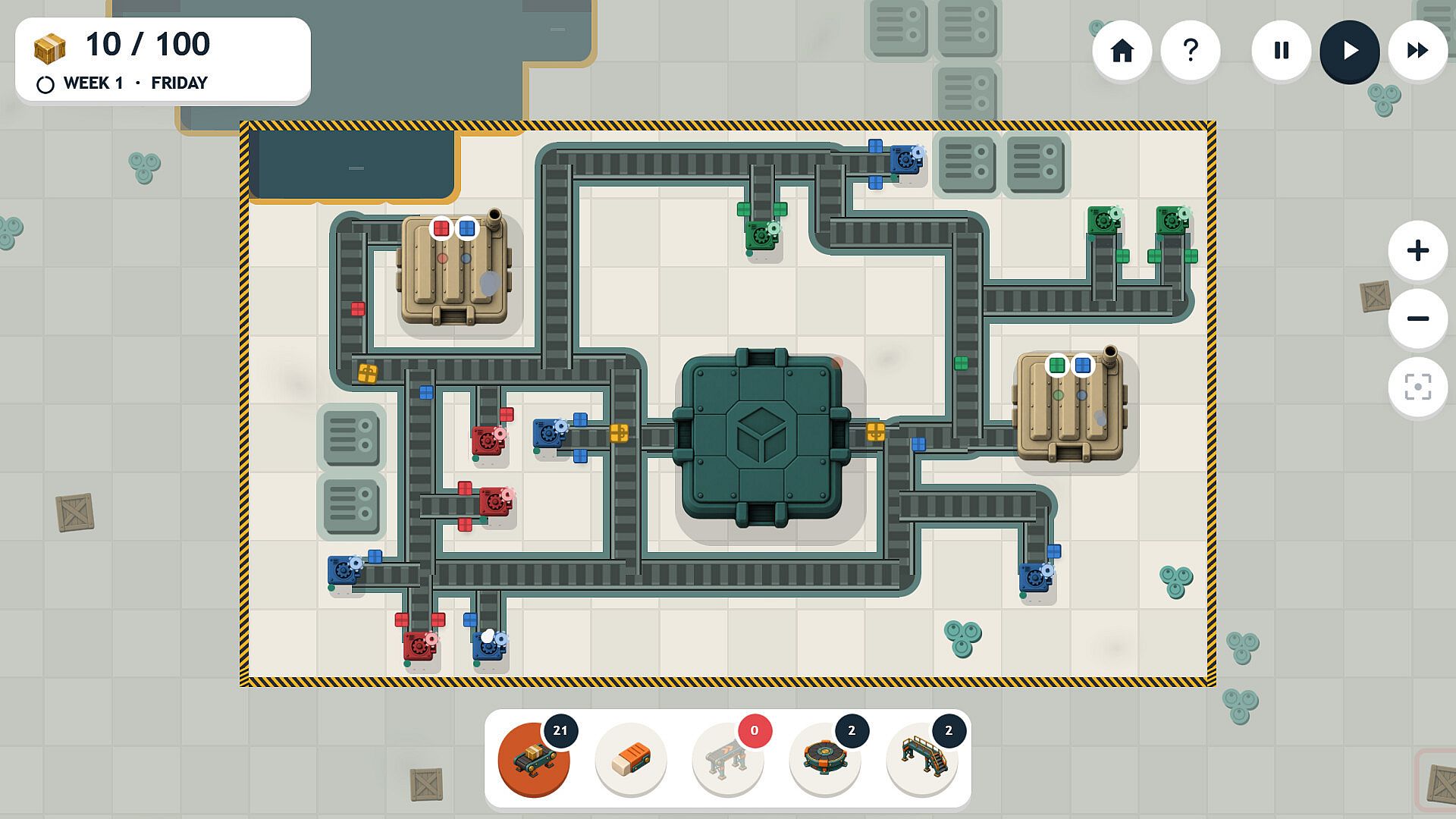
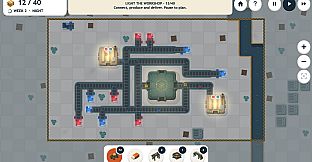

Micro Factory is an indie industrial puzzle and management game for PC that centers on designing efficient production networks through careful placement of conveyor belts and machines. Players connect output from one device to the input of another to fulfill orders, manage space constraints, and handle growing demands without creating slowdowns or dead ends. The core loop involves laying out routes that keep materials flowing steadily from raw production to packaged deliveries, with tools to pause for planning or accelerate time to observe results in motion.
Gameplay
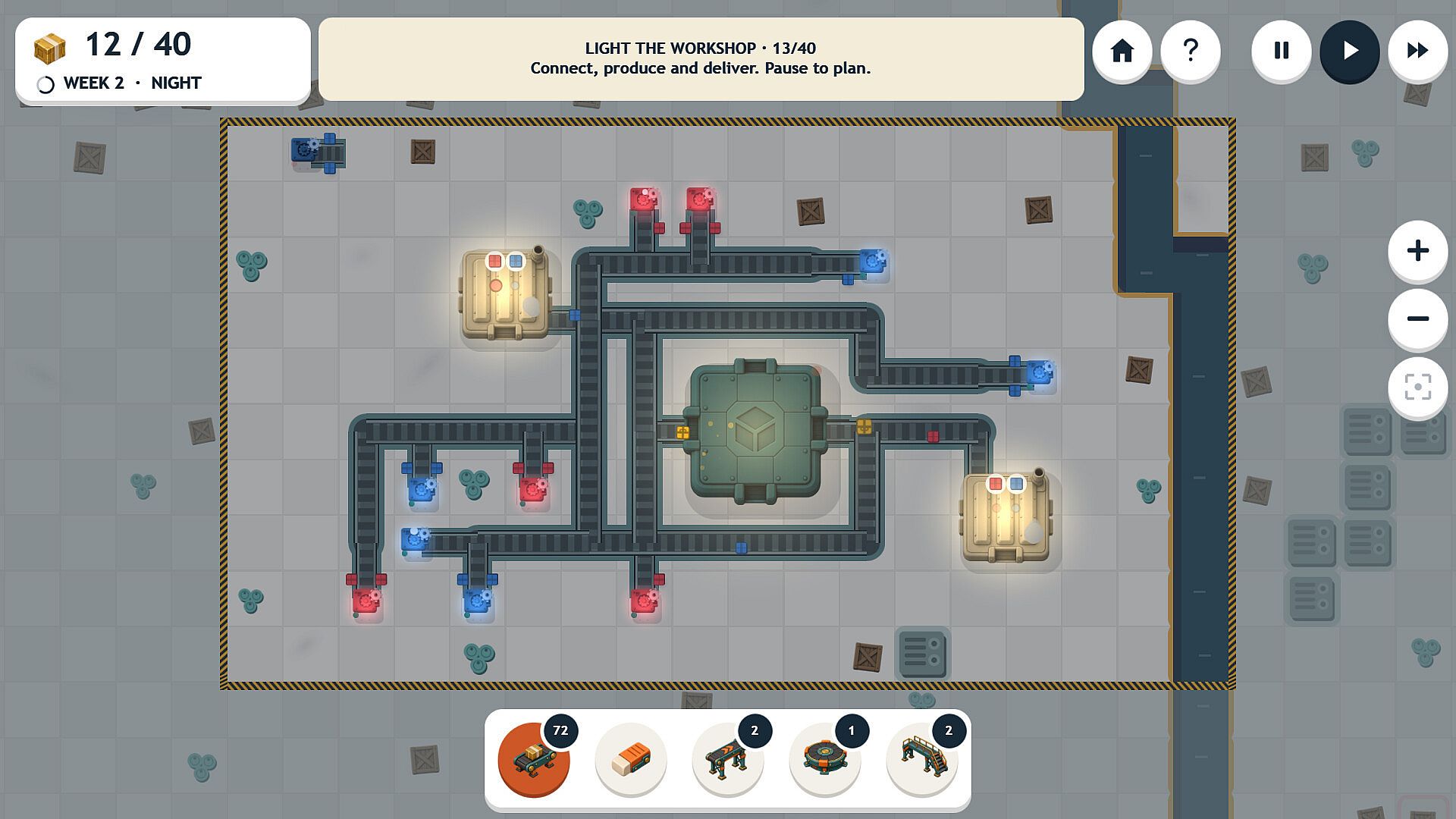
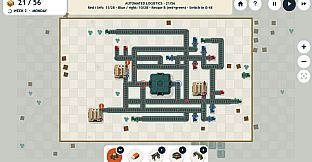
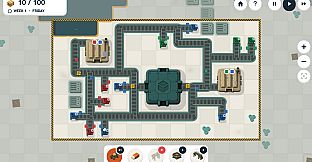
Every conveyor belt placement matters in this top-down factory builder. Machines produce parts that must reach the next stage in sequence, and finished goods head to the warehouse via loading docks. Limited budgets restrict how many belts can be used in some scenarios, forcing creative layouts that minimize waste and overlap. Broken lines require repairs mid-production, while shifting recipes demand quick adjustments to avoid backups. Night shifts introduce visibility challenges where only connected machines light up, adding another layer to route planning. Efficiency missions remove time pressure entirely, letting players refine layouts for shorter paths, fewer queues, and higher medals. Urgent orders add tension as trucks depart on schedules, and deliveries can split across two docks for better throughput. The game supports mouse and keyboard or controller input, with adjustable sound effects alongside gentle background music.
Game Modes
Two distinct modes offer 48 levels total. Classic Mode presents 24 levels that scale in complexity, starting with basic networks and progressing to intricate systems where players meet targets and then replay for improved scores. Industrial Campaign delivers another 24 missions divided across textile, steam, electricity, and robotics eras. Each era brings unique rules and constraints, culminating in a combined mission that merges prior mechanics. Progression tracks separately per mode, though collectibles and achievements carry over. Daily challenges provide fresh layouts for testing new approaches beyond the main campaigns.
Challenges and Progression
Space optimization forms a constant pressure as factories expand within fixed boundaries. Players must prevent bottlenecks by balancing machine outputs with belt capacity and timing. Changing production needs require adapting existing setups rather than starting over. Two loading docks allow parallel shipping strategies, while repair tasks interrupt smooth operation and demand immediate fixes. Efficiency-focused sessions reward reorganization for better flow without timers or overload risks. These elements combine to create varied problem-solving across short and extended play sessions.
Collectibles and Features
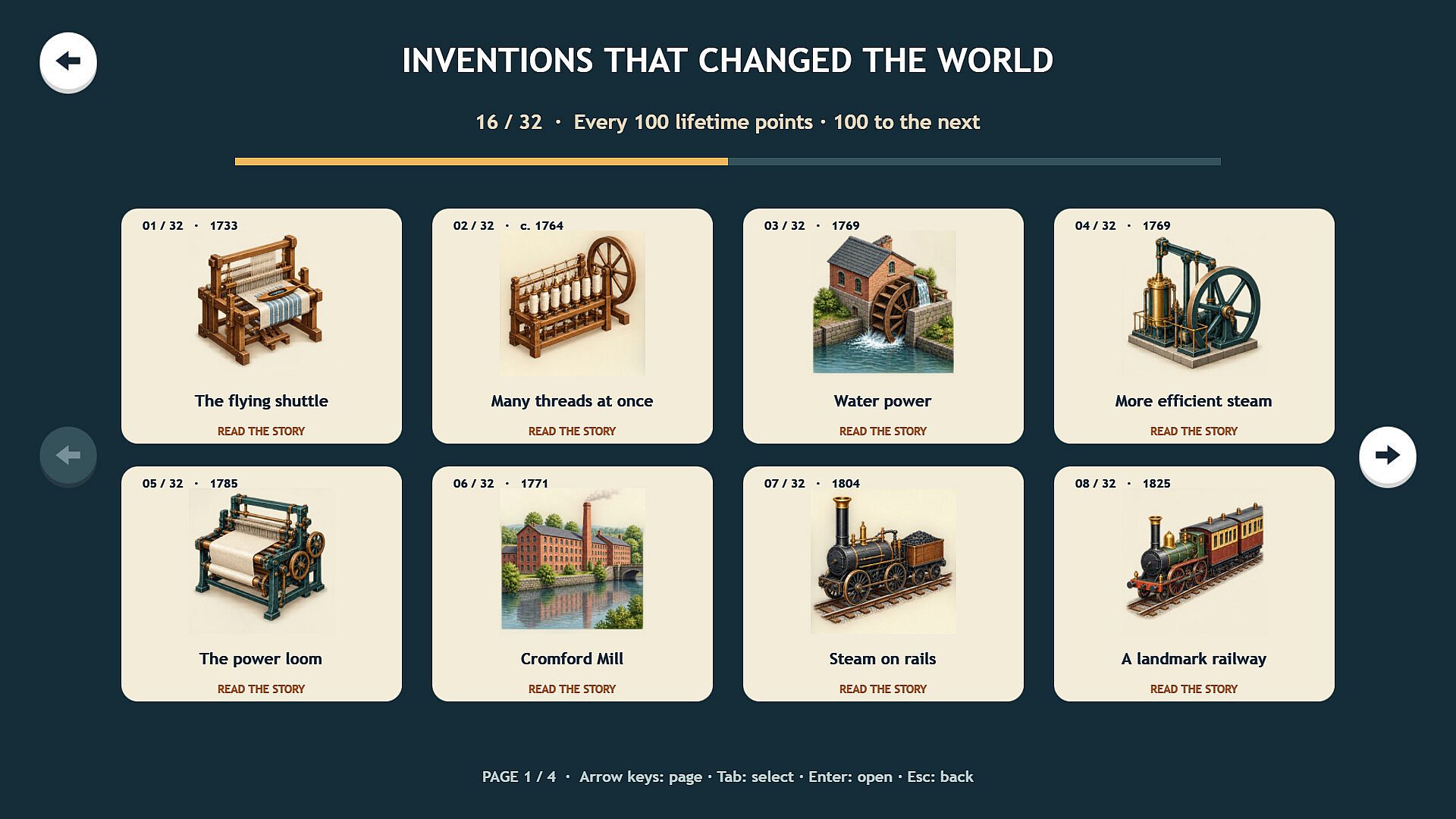
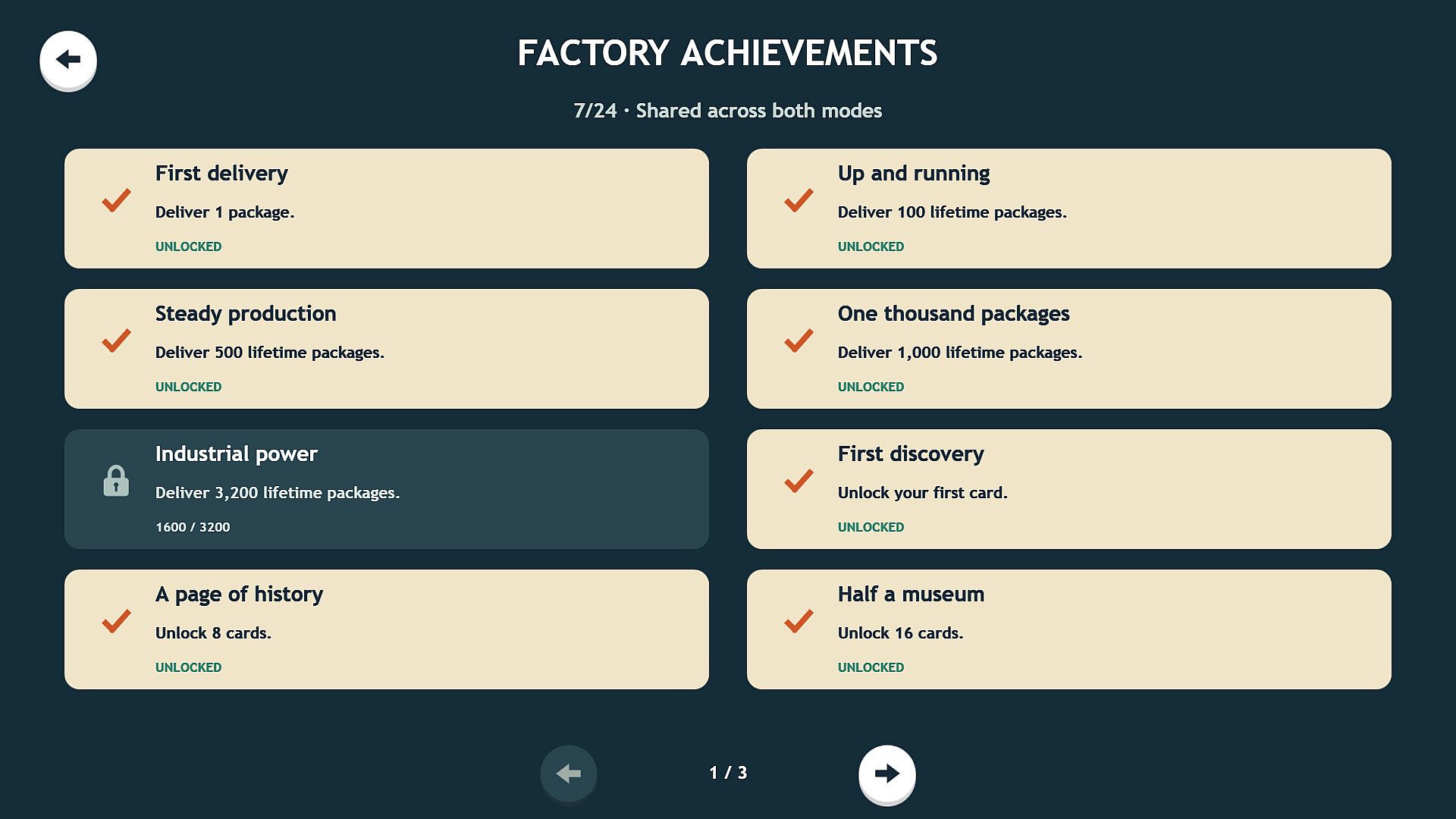
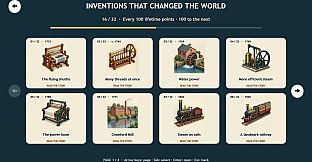
Players unlock 32 illustrated cards by earning lifetime points, each revealing facts about historical industrial inventions. Twenty-four achievements track progress across both modes. Bronze, silver, and gold medals recognize performance in campaign missions. The game includes English and Spanish text support along with single-player focus and family sharing options. All content stays within the verified feature set of conveyor-based factory puzzles and era-spanning missions.
Is It Worth Playing?
Micro Factory suits players who enjoy deliberate puzzle-solving in factory management without real-time pressure or multiplayer elements. Its single-player structure emphasizes careful planning, route optimization, and incremental improvement across dozens of levels. With no user reviews available ahead of its Q3 2026 release, expectations rest on the confirmed mechanics of belt connections, era-specific challenges, and collectible progression. Those drawn to indie titles that reward spatial reasoning and efficiency tweaks will find a focused experience here, while fans of broader automation games may appreciate the constrained, level-based format that avoids open-ended sprawl.