




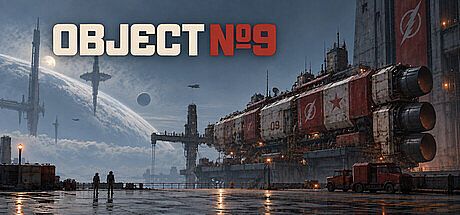


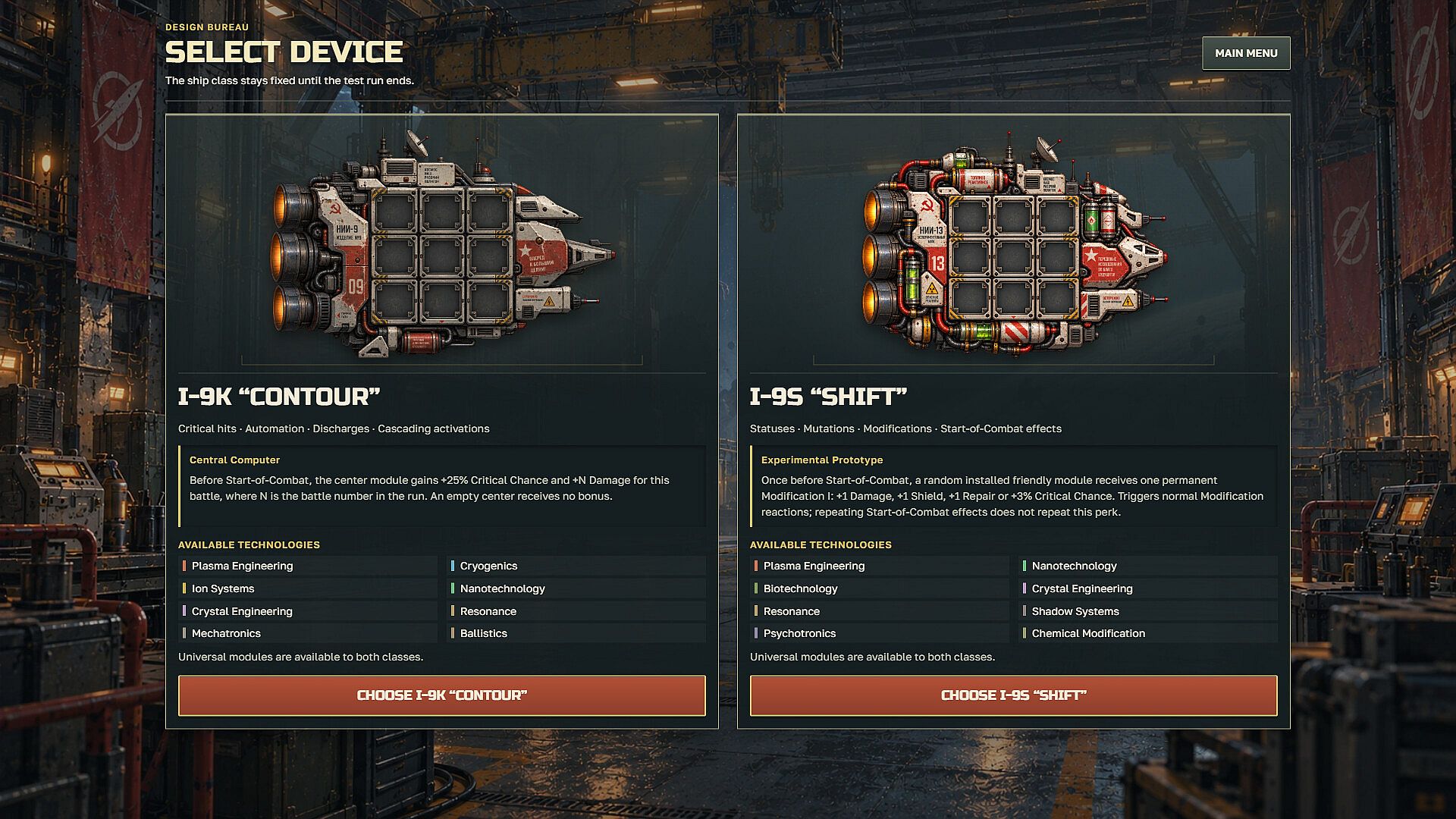
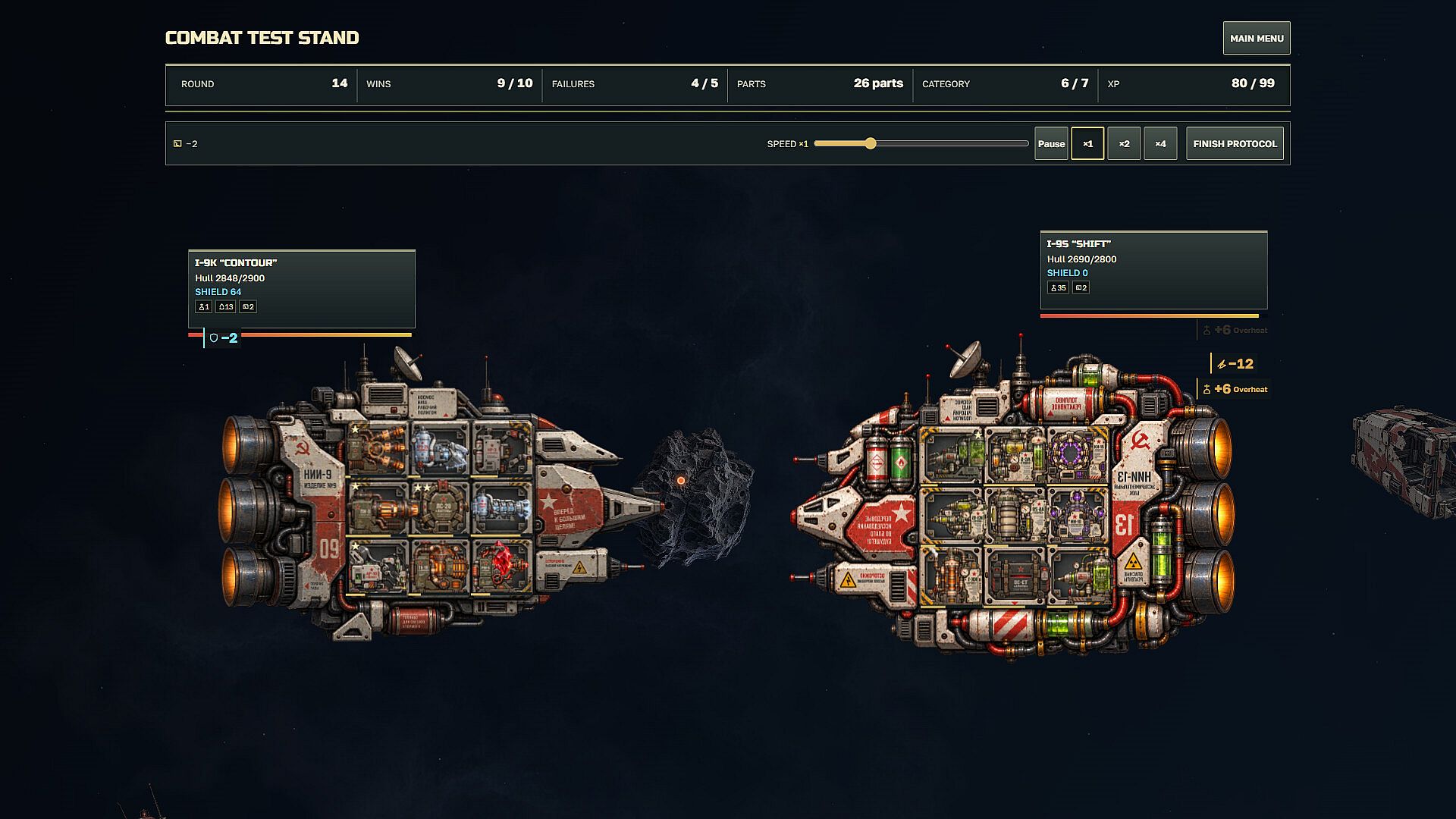
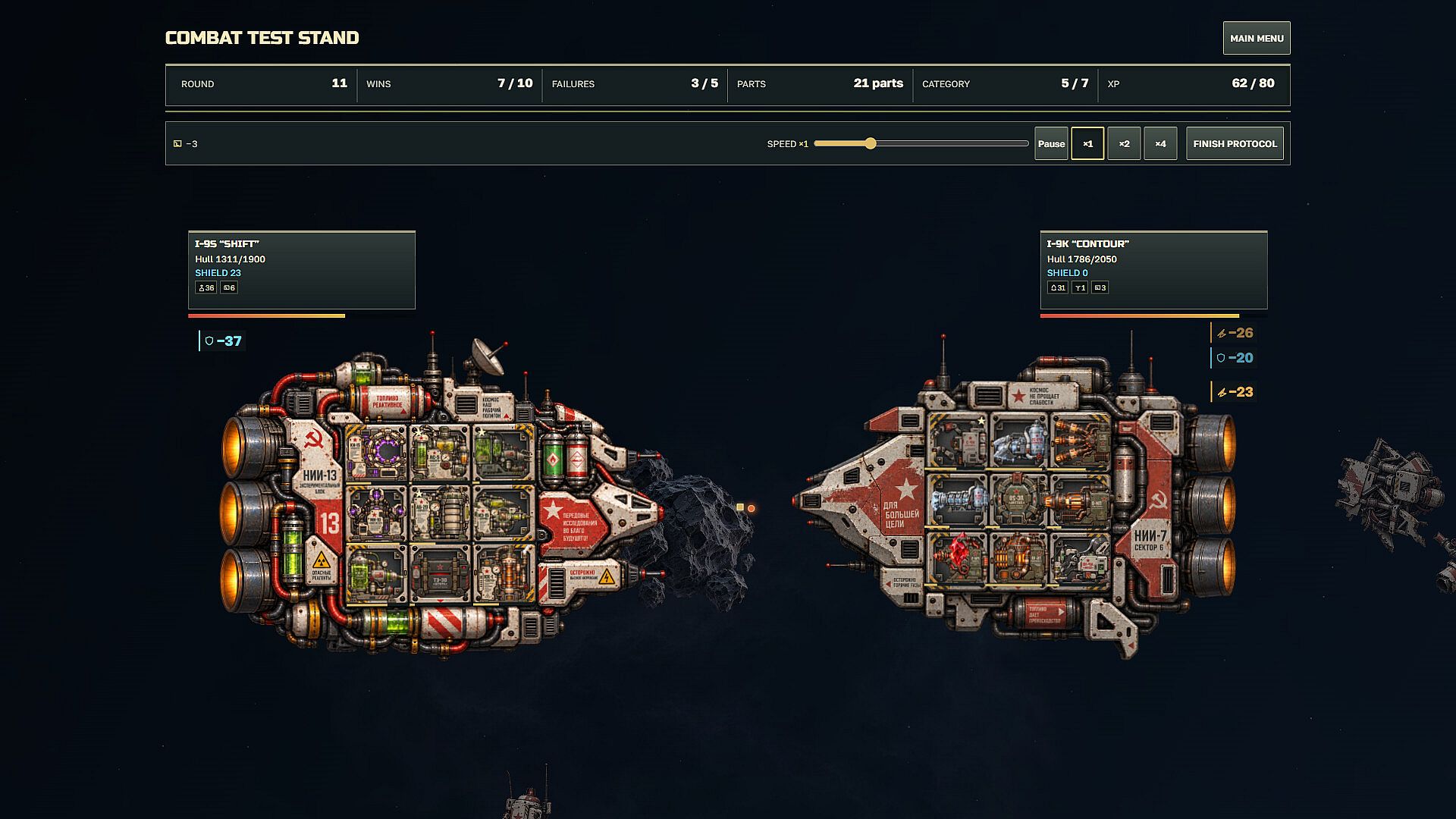
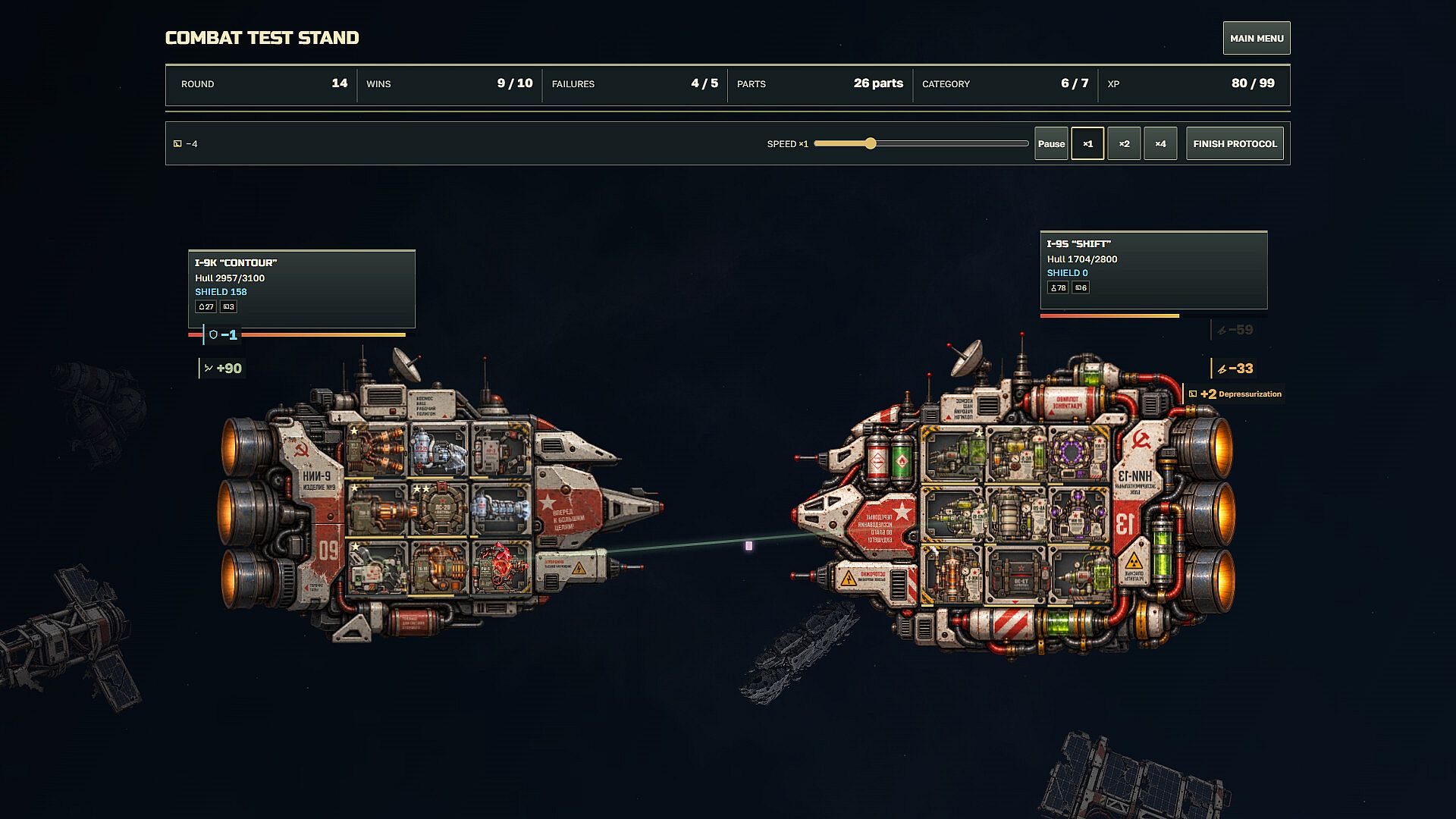
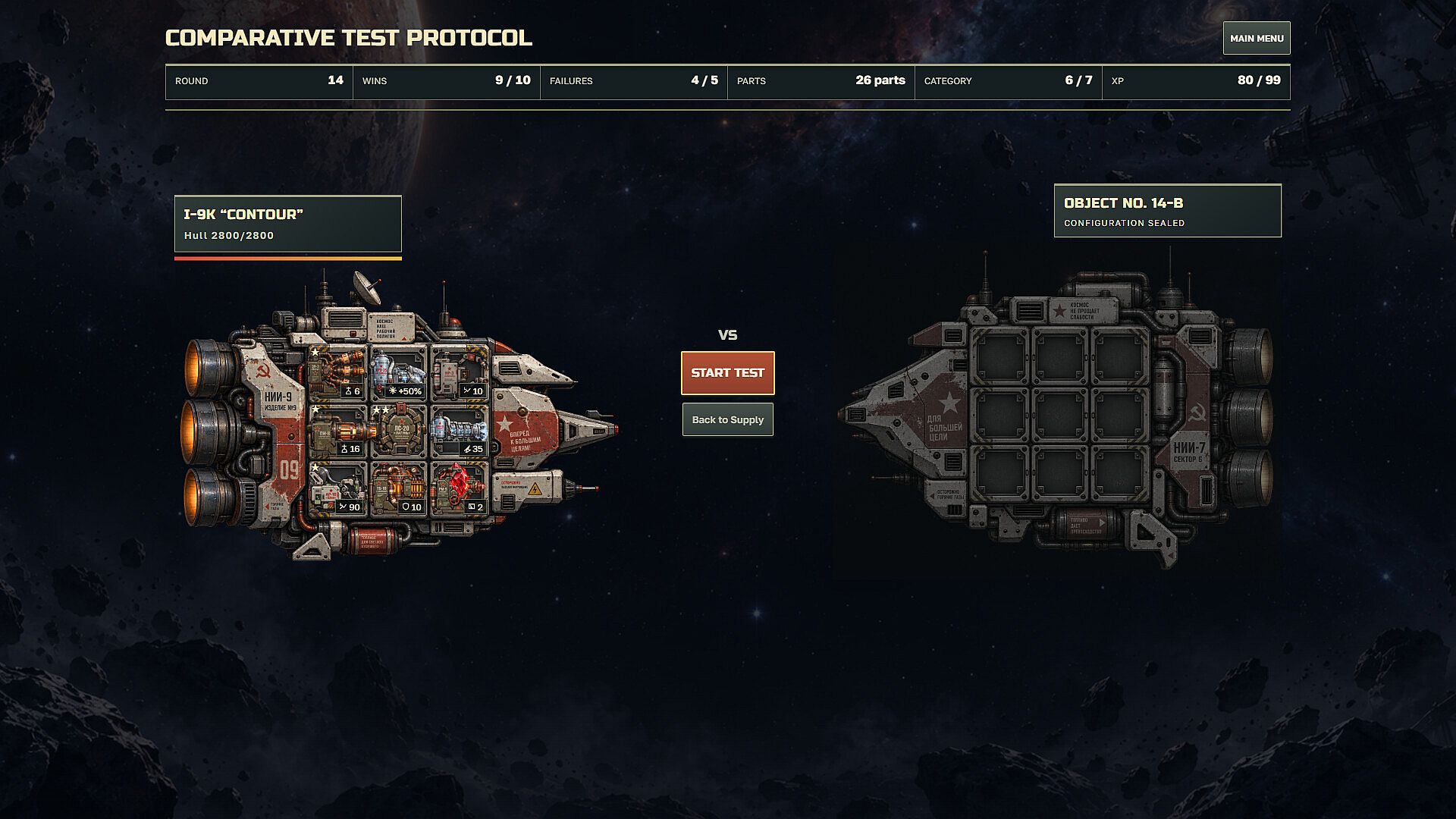
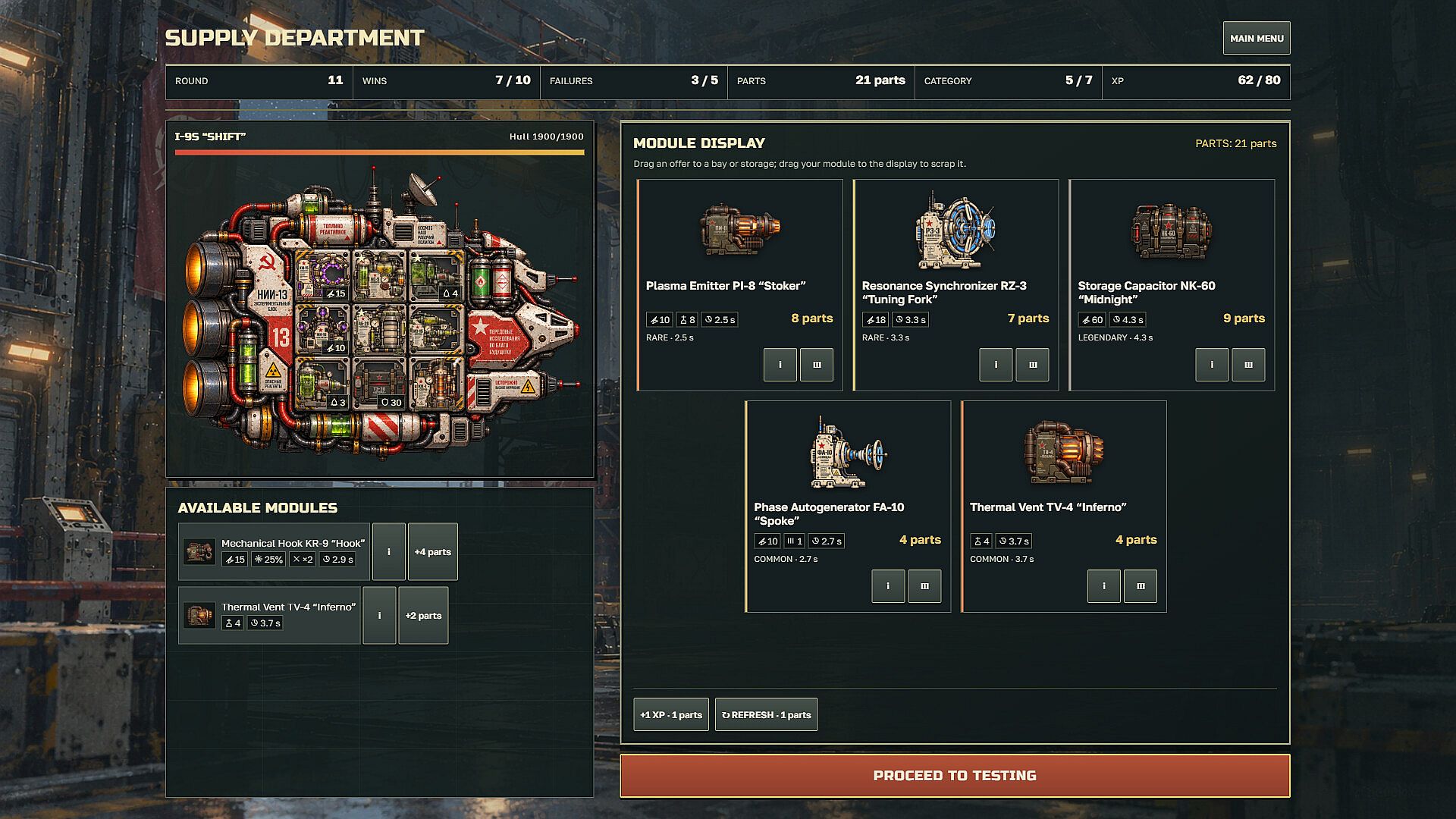
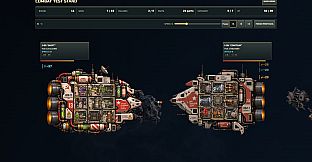
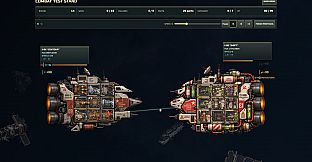
Object №9 is an autobattler strategy game set in a world of Soviet retrofuturism. Players build and test experimental modular spacecraft on a 3x3 grid, pitting their engineering choices against designs created by others in asynchronous multiplayer matches. The focus lies on thoughtful assembly rather than quick reflexes, with battles resolving automatically once ships are prepared.
Gameplay
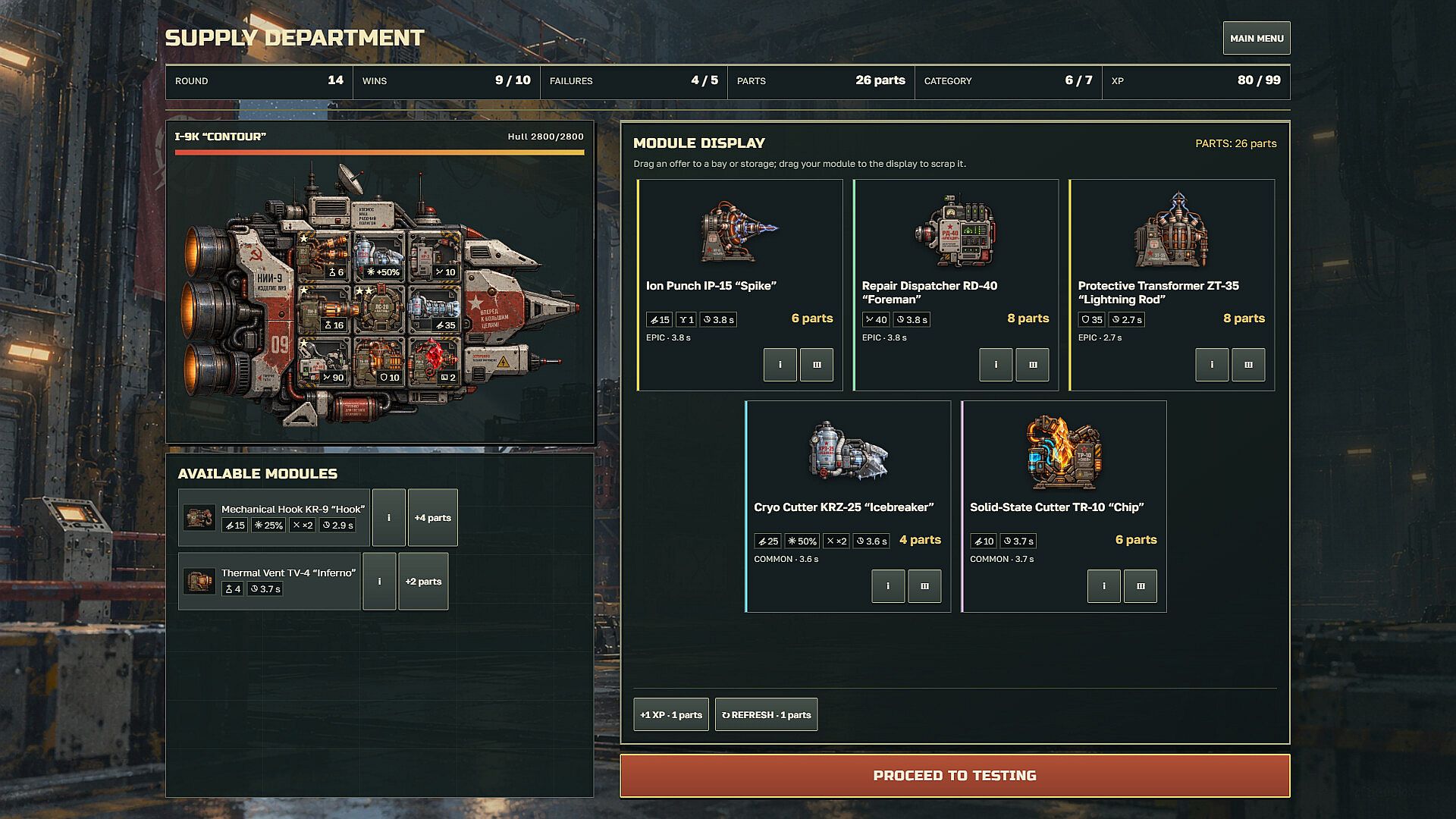
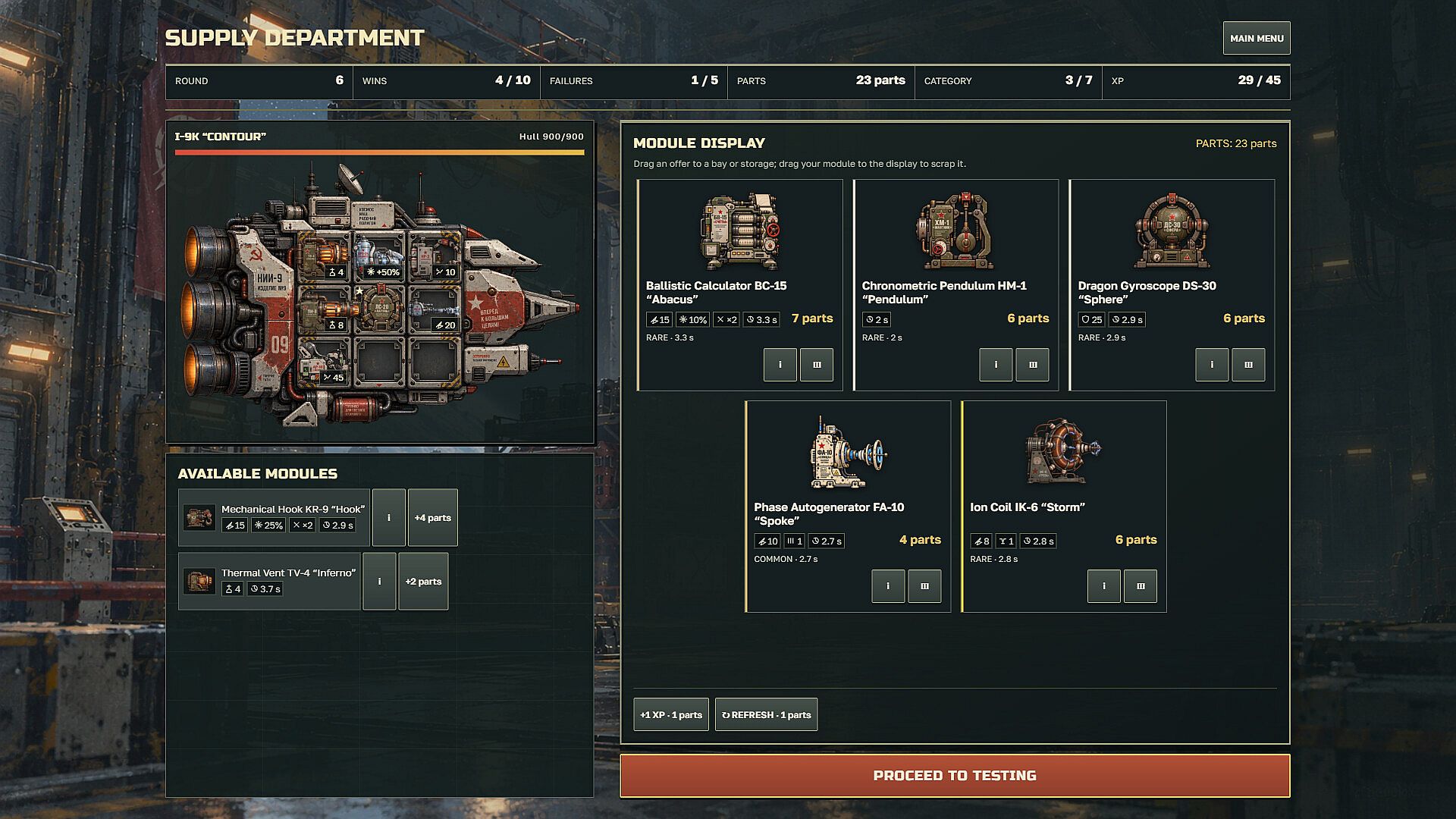
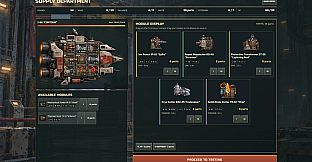
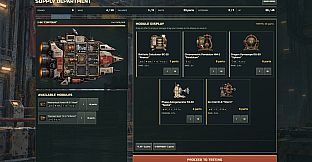
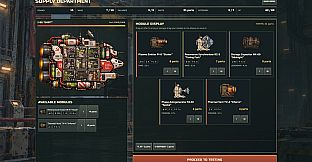
The core loop centers on constructing a functional spacecraft from available modules. Players purchase weapons, defensive equipment, and support systems before placing them on the grid. Three identical modules can merge into a stronger version, encouraging careful planning around limited space. Module position proves critical because effects interact with neighbors, activate in specific directions, accelerate nearby components, or create unexpected combinations across different technology branches.
Specialization or mixing branches shapes each build. Unstable plasma can ignite enemies, corrosion stacks over time, shields and repair networks sustain the craft, and electrical discharges trigger further activations in chains. Every system carries experimental risks that may prove brilliant or lead to failure, reflecting the retrofuturist theme of ambitious Soviet-era engineering. After each automatic battle, results and replays provide data for adjustments ahead of the next test.
Game Modes
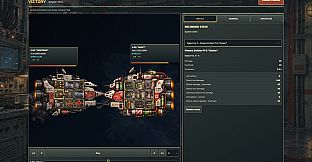
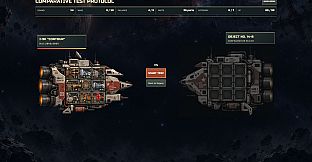
The primary experience involves completing a testing program that requires ten victories before accumulating five defeats. This structure emphasizes consistent performance across multiple matches. Asynchronous PvP forms the competitive backbone, where each player faces spacecraft assembled by others rather than live opponents. Builds from the community serve as ongoing challenges, turning every encounter into a fresh evaluation of engineering decisions.
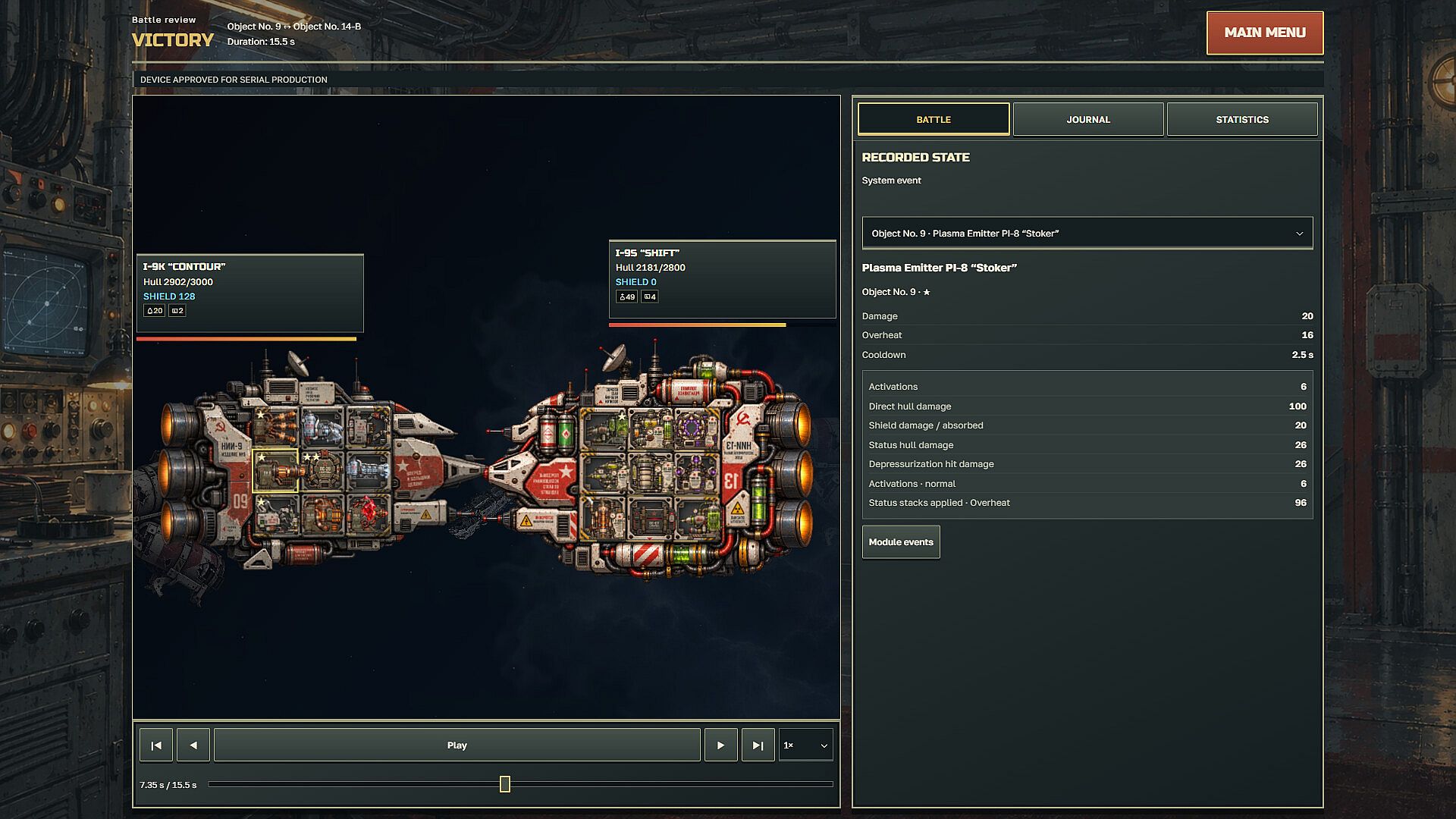
Matches unfold without direct control once combat starts. Success depends entirely on how well the installed modules synergize under automatic resolution. Replays allow detailed study of outcomes, supporting iterative improvements between tests.
Strategic Depth and Player Engagement
Positioning and merging create layers of decision-making uncommon in faster-paced titles. A seemingly minor component can anchor powerful combos when placed correctly, while poor placement wastes potential synergies. The 3x3 constraint forces trade-offs between offense, defense, and utility, rewarding players who experiment with tech mixing or commit to focused builds. Asynchronous matchmaking ensures a steady supply of varied opponent designs without requiring simultaneous play sessions.
The massively multiplayer aspect emerges through shared builds rather than direct interaction. Each victory or defeat feeds into the testing program, providing clear progression toward completion. Rebuilding after losses encourages refinement based on observed weaknesses in both friendly and enemy configurations.
Is It Worth Playing?
Object №9 suits players who prefer deliberate strategy and build experimentation over real-time action. The automatic battles shift emphasis to preparation and analysis, appealing to those who enjoy studying replays and iterating on modular designs in a Soviet retrofuturist setting. With its focus on grid-based merging, directional effects, and asynchronous PvP, the game delivers a distinct take on the autobattler genre for PC users interested in engineering puzzles within a multiplayer context. Those drawn to thoughtful assembly and long-term refinement will find the testing program a fitting challenge.











