

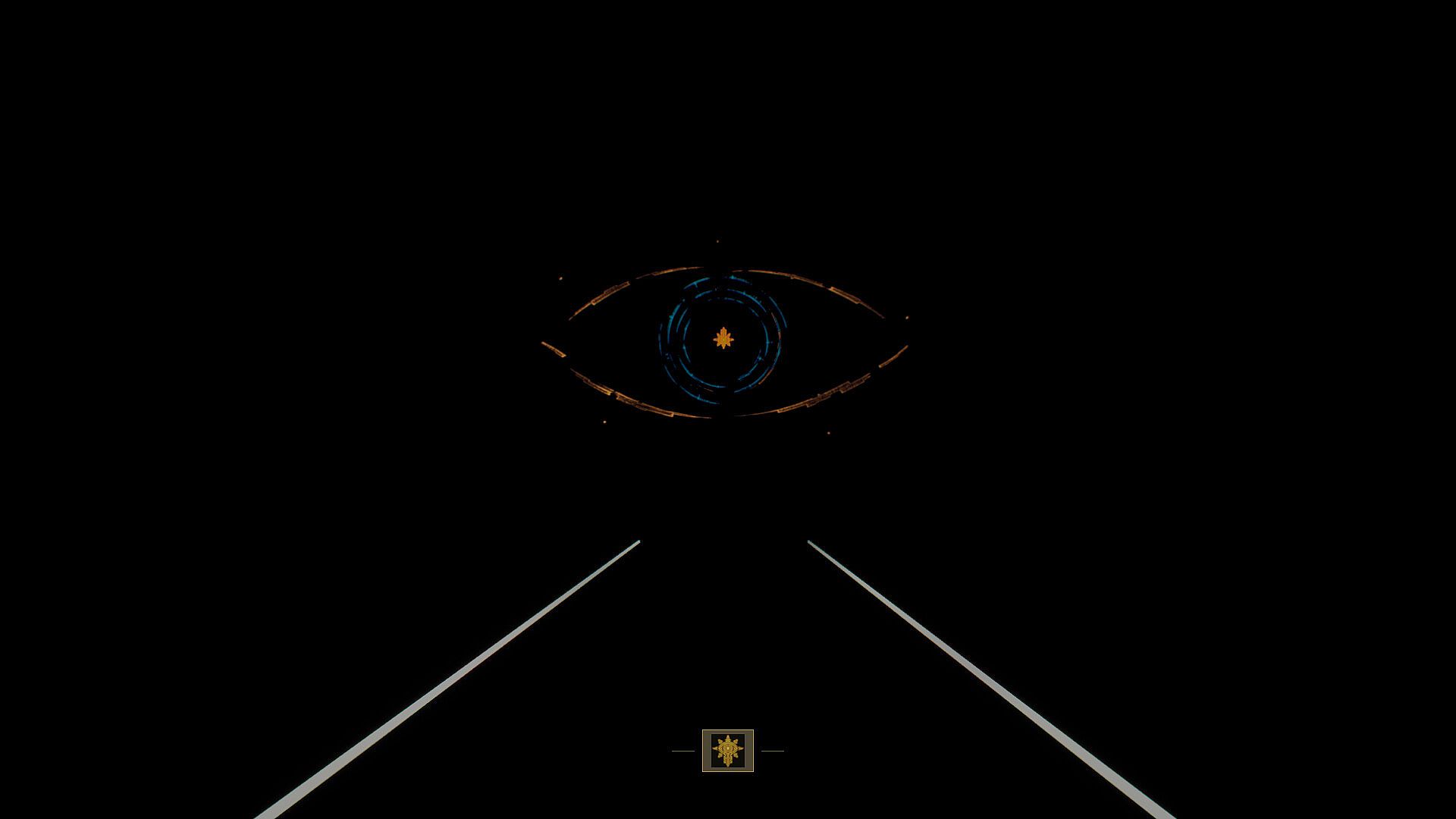
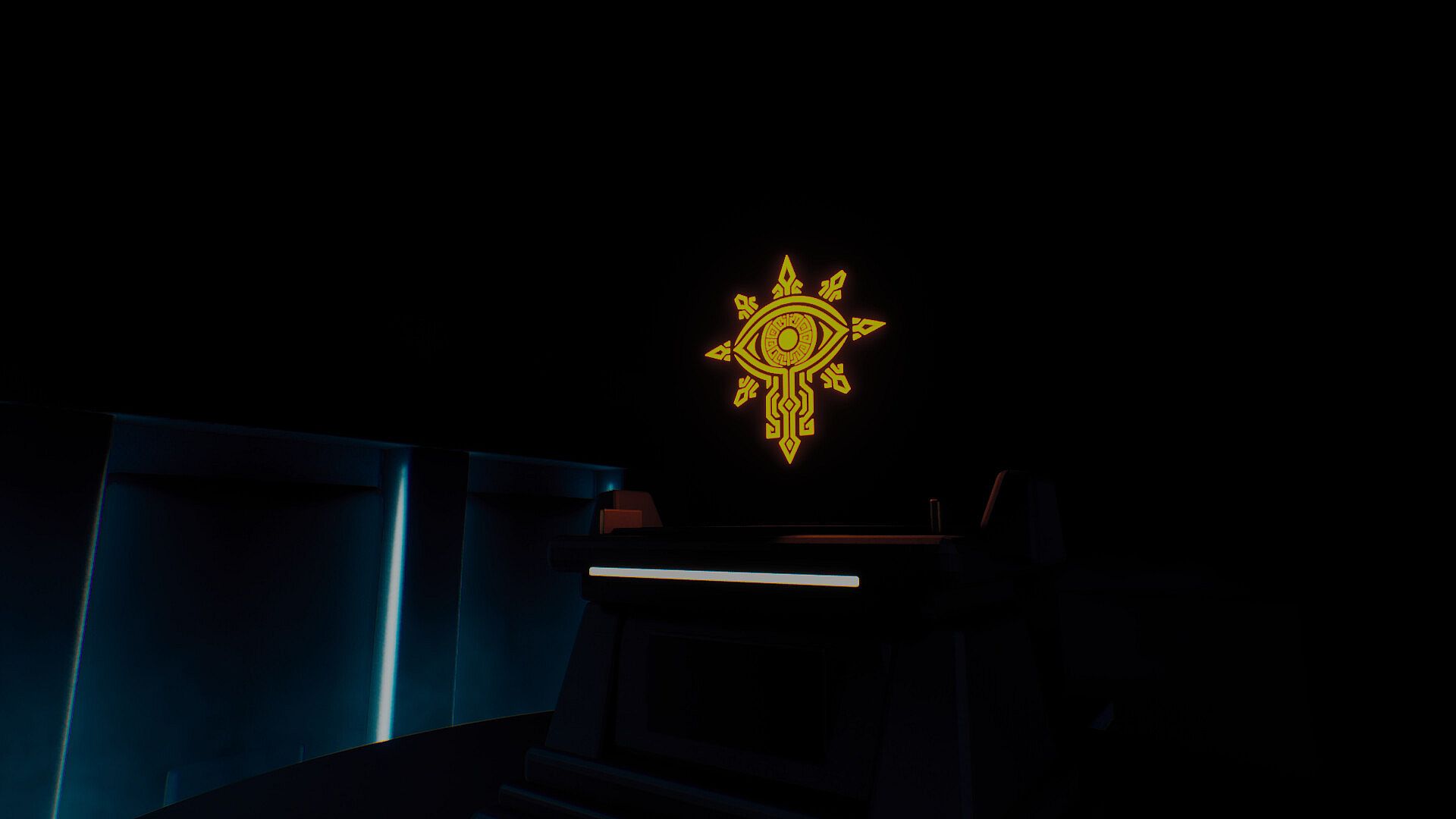
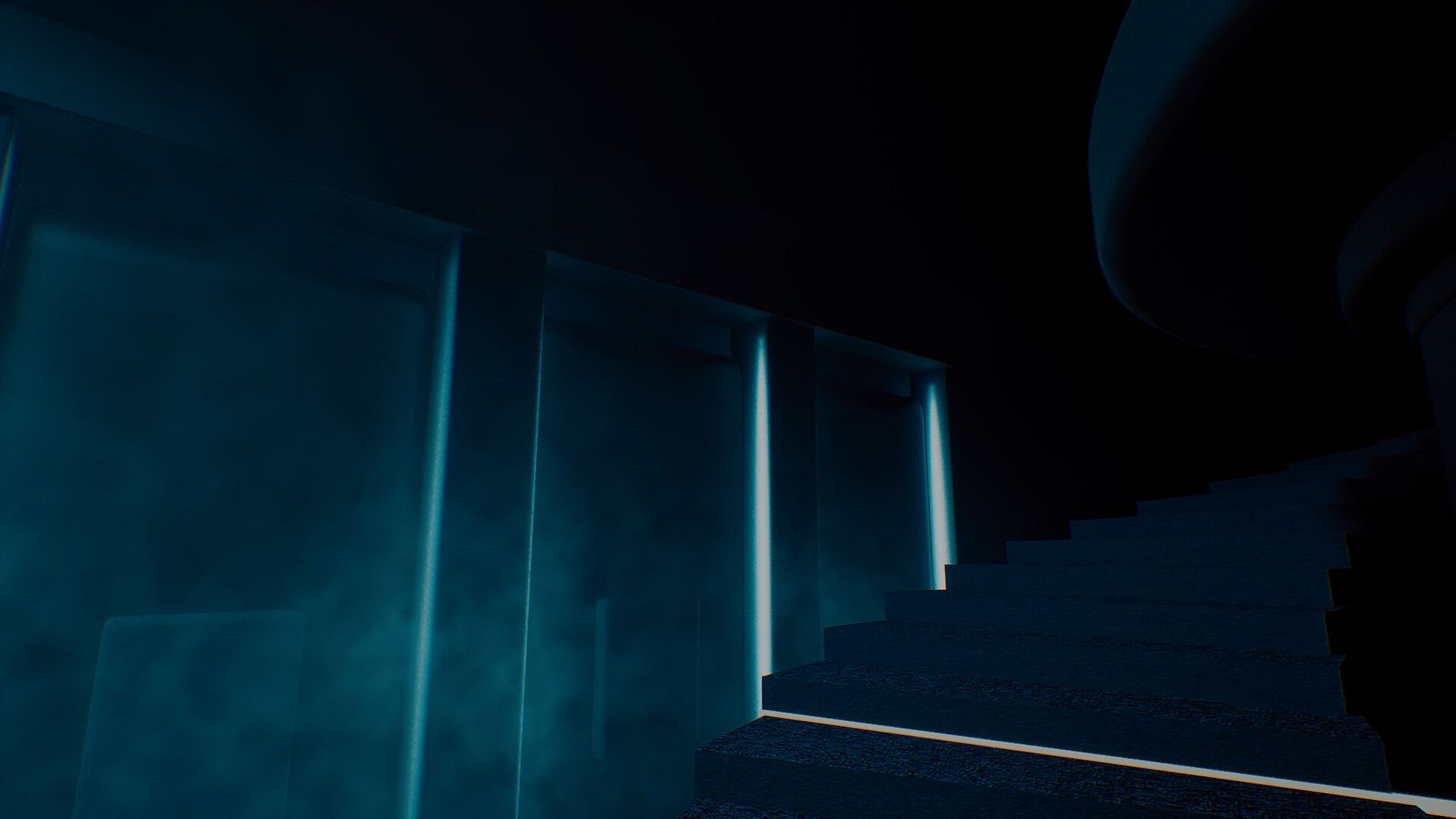
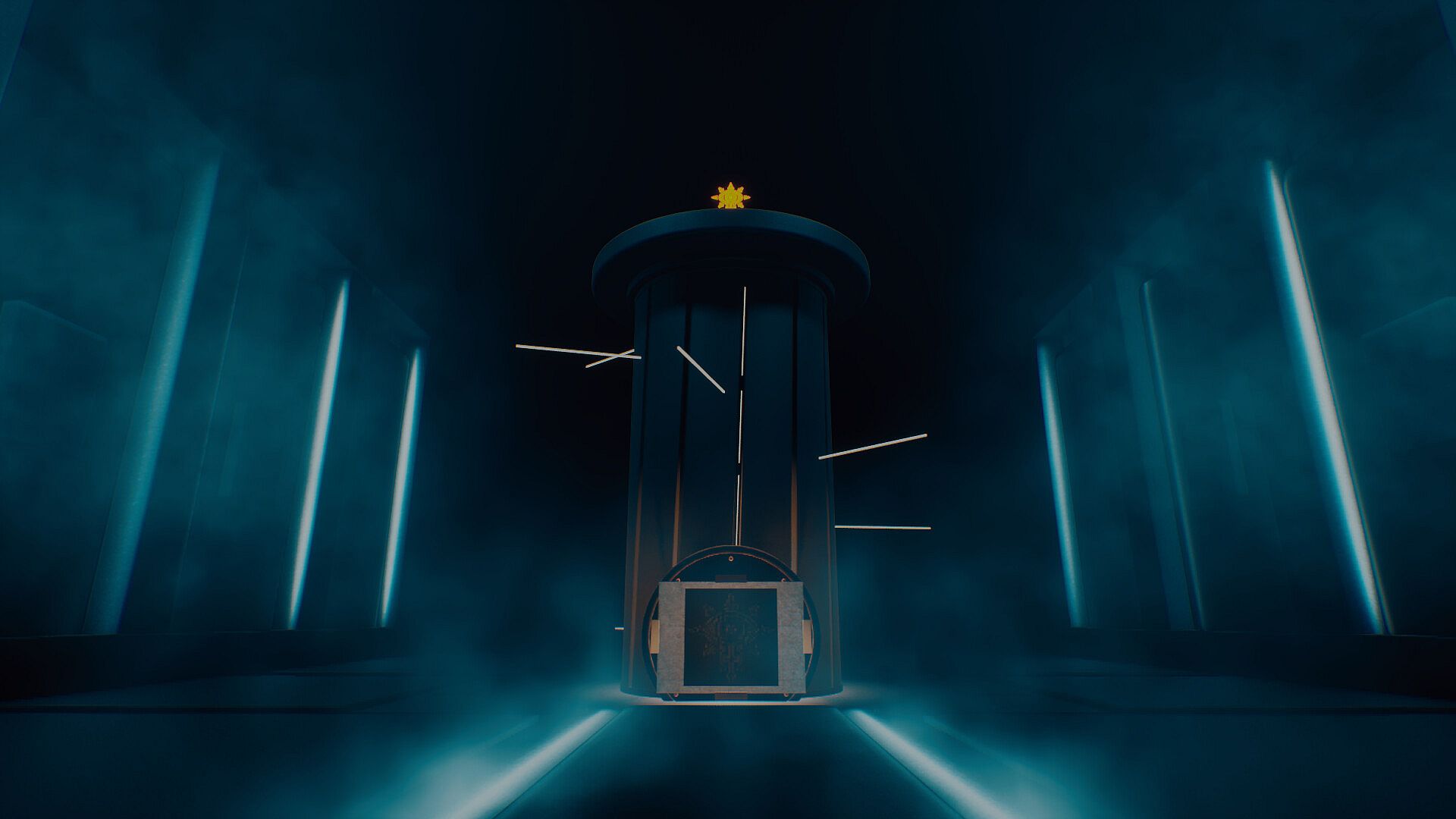
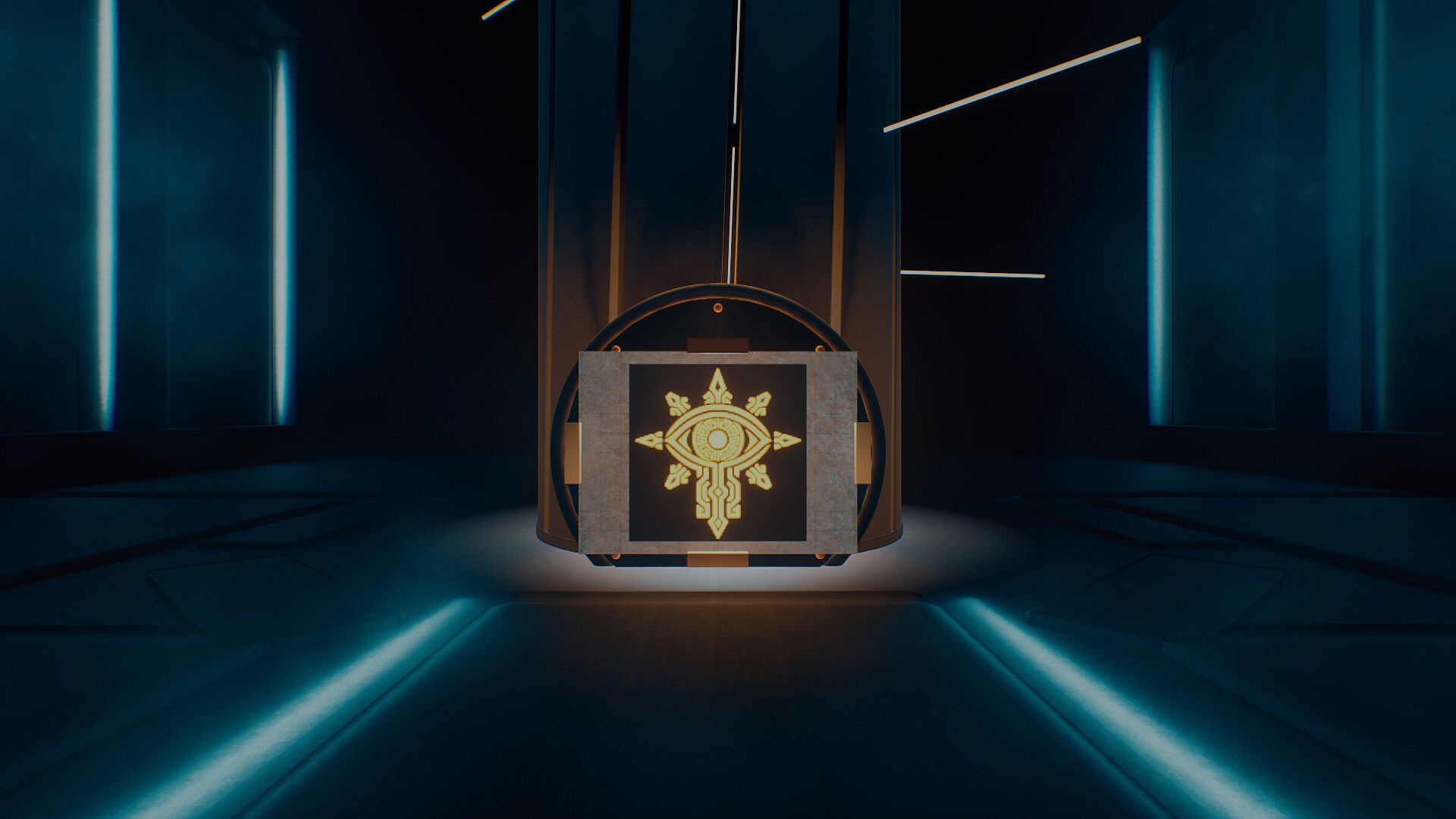

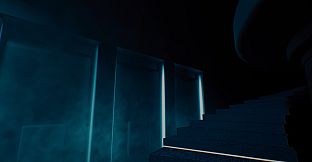
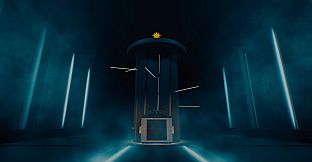
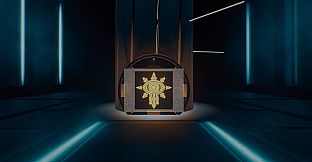
Ocularis ist ein First-Person-Puzzle-Spiel, das als Indie-Titel für den PC entwickelt wird. Spieler betreten abstrakte Kammern, die von einer uralten Intelligenz erschaffen wurden, um den menschlichen Lernprozess durch Beobachtung und Experimente zu verstehen. Das Spiel präsentiert eine lineare Abfolge von Rätseln, in denen eine symbolische visuelle Sprache entschlüsselt und neu erlernte Regeln auf immer komplexere Herausforderungen angewendet werden.
Gameplay
Im Mittelpunkt steht das Experimentieren innerhalb jeder Kammer. Spieler untersuchen unbekannte Mechanismen, testen Interaktionen und beobachten die Ergebnisse, um die zugrunde liegenden Regeln der visuellen Sprache zu erkennen. Die Rätsel beginnen mit einzelnen Konzepten und erfordern nach und nach die kreative Kombination mehrerer Ideen, die stets auf vorherigen Lösungen aufbauen, ohne Wiederholungen oder Rückschritte.
Der Fortschritt wirkt bewusst und konzentriert. Jede neue Kammer führt frische Elemente ein, die das Werkzeugset erweitern und gleichzeitig frühere Erkenntnisse festigen. Ohne Kampf oder Zeitdruck liegt der Fokus ganz auf logischem Schlussfolgern und Mustererkennung. Die Geschichte ergibt sich organisch aus dem Lösen der Rätsel und offenbart die Motive der Intelligenz durch Umgebungsdetails und die wachsende Komplexität der Aufgaben.
Die Atmosphäre spielt eine zentrale Rolle. Die Kammern halten einen durchgängigen Science-Fiction-Ton, der Isolation und stille Neugier betont, statt auf direkte Erzählung zu setzen. Sounddesign und visuelle Gestaltung unterstützen das Thema der Beobachtung und lenken die Aufmerksamkeit auf feine Details, die beim Lösen helfen, ohne direkte Hinweise zu geben.
Spielmodi
Ocularis bietet eine einzige lineare Kampagne, die als durchgehende Folge handgefertigter Rätselkammern aufgebaut ist. Es gibt keine separaten Modi, Mehrspieler-Optionen oder alternative Pfade. Das Design legt den Schwerpunkt auf eine fokussierte Einzelspieler-Erfahrung, in der jedes Rätsel über gemeinsame Mechaniken und steigende Komplexität mit dem nächsten verbunden ist.
Diese Struktur spricht Spieler an, die methodisches Vorankommen gegenüber offener Erkundung oder kompetitiven Elementen bevorzugen. Die gesamte Erfahrung bleibt auf den Kernloop aus Lernen, Anwenden und Fortschreiten durch die von der Intelligenz konstruierten Tests beschränkt.
Entwicklung und aktueller Stand
Das Projekt wird von einem einzelnen Entwickler aktiv vorangetrieben. Die geplante Veröffentlichung liegt im Jahr 2027, wobei regelmäßig Updates erscheinen, während die Arbeit auf die Fertigstellung zusteuert. Die Systemanforderungen bleiben moderat und richten sich an Windows-10-Rechner mit 4 GB RAM und 5 GB Speicherplatz, sodass das Spiel auf einer breiten Palette von PCs lauffähig ist.
Zu den bestätigten Features gehören die handgefertigten linearen Kammern, die visuelle Sprache, die durch Versuch und Beobachtung erlernt wird, sowie Rätsel, die Konzepte schrittweise aufeinander aufbauen. Eine atmosphärische Geschichte wird ausschließlich über den Lernprozess vermittelt. Kampf kommt in keiner Form vor, sodass der Fokus ausschließlich auf der Interaktion mit den Rätseln und der beobachtenden Intelligenz liegt.
Lohnt sich das Spiel?
Ocularis richtet sich an Spieler, die deliberate First-Person-Puzzle-Erfahrungen schätzen, die auf Entdeckung und logischem Fortschritt basieren. Wer atmosphärische Science-Fiction-Settings und Mechaniken bevorzugt, die sorgfältige Beobachtung belohnen, wird die lineare Struktur als lohnend empfinden. Die Konzentration auf eine einzige, geschlossene Kampagne ohne Ablenkungen passt zu Fans von prägnanten, konzeptstarken Indie-Titeln.
Da vor dem Release noch keine Nutzerbewertungen vorliegen, basieren die Erwartungen auf den beschriebenen Systemen aus Experimentieren und dem Entschlüsseln der visuellen Sprache. Der Solo-Entwicklungsansatz deutet auf eine persönliche Vision hin, die Spieler ansprechen könnte, die intime Puzzle-Gestaltung gegenüber großen Produktionswerten suchen. Die Verfügbarkeit auf dem PC ermöglicht einen unkomplizierten Zugang nach dem Launch, insbesondere für alle, die Puzzle-Spiele bevorzugen, die sich durch kontinuierliches Wissenswachstum statt durch externe Anleitung entfalten.