

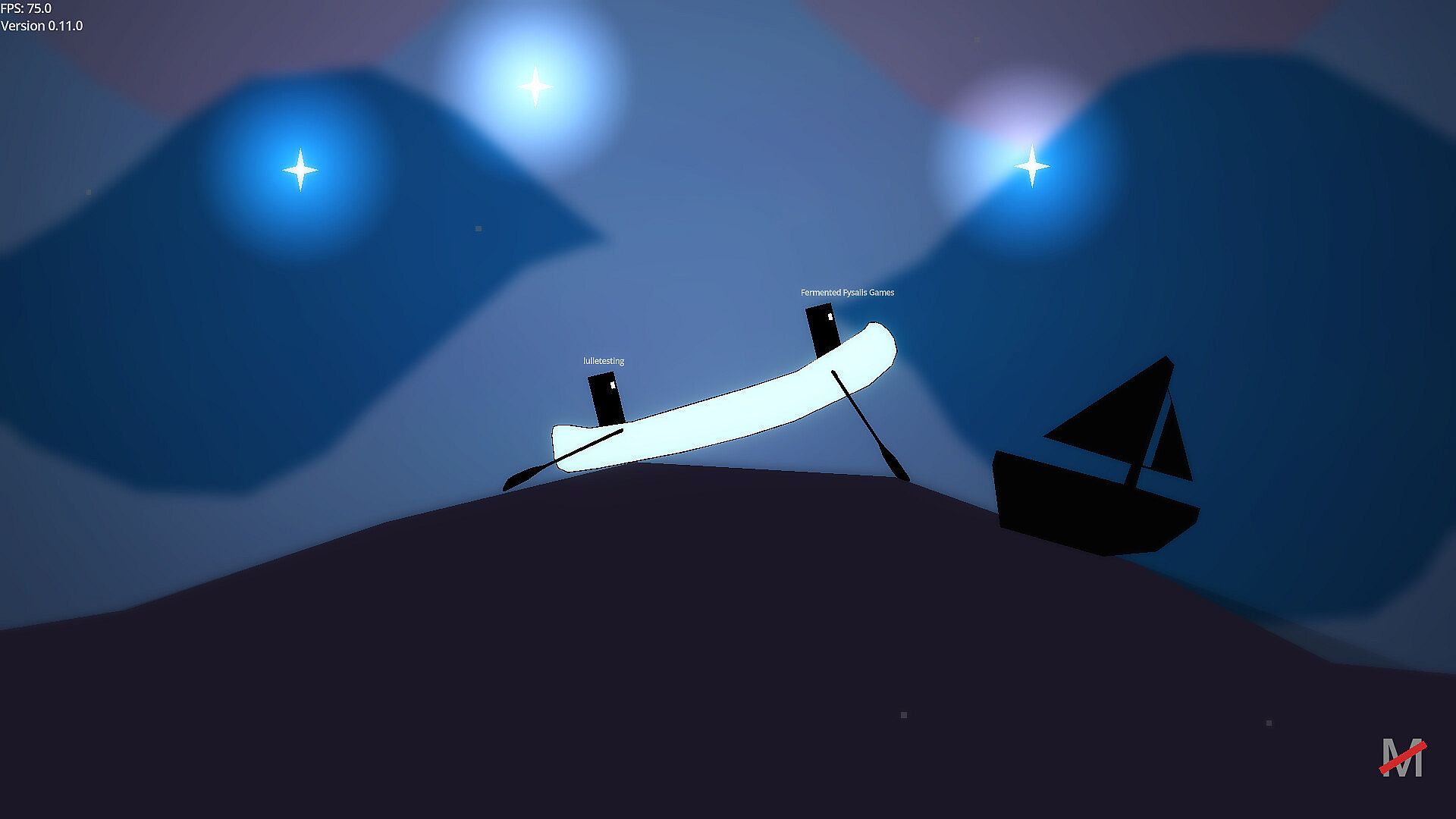
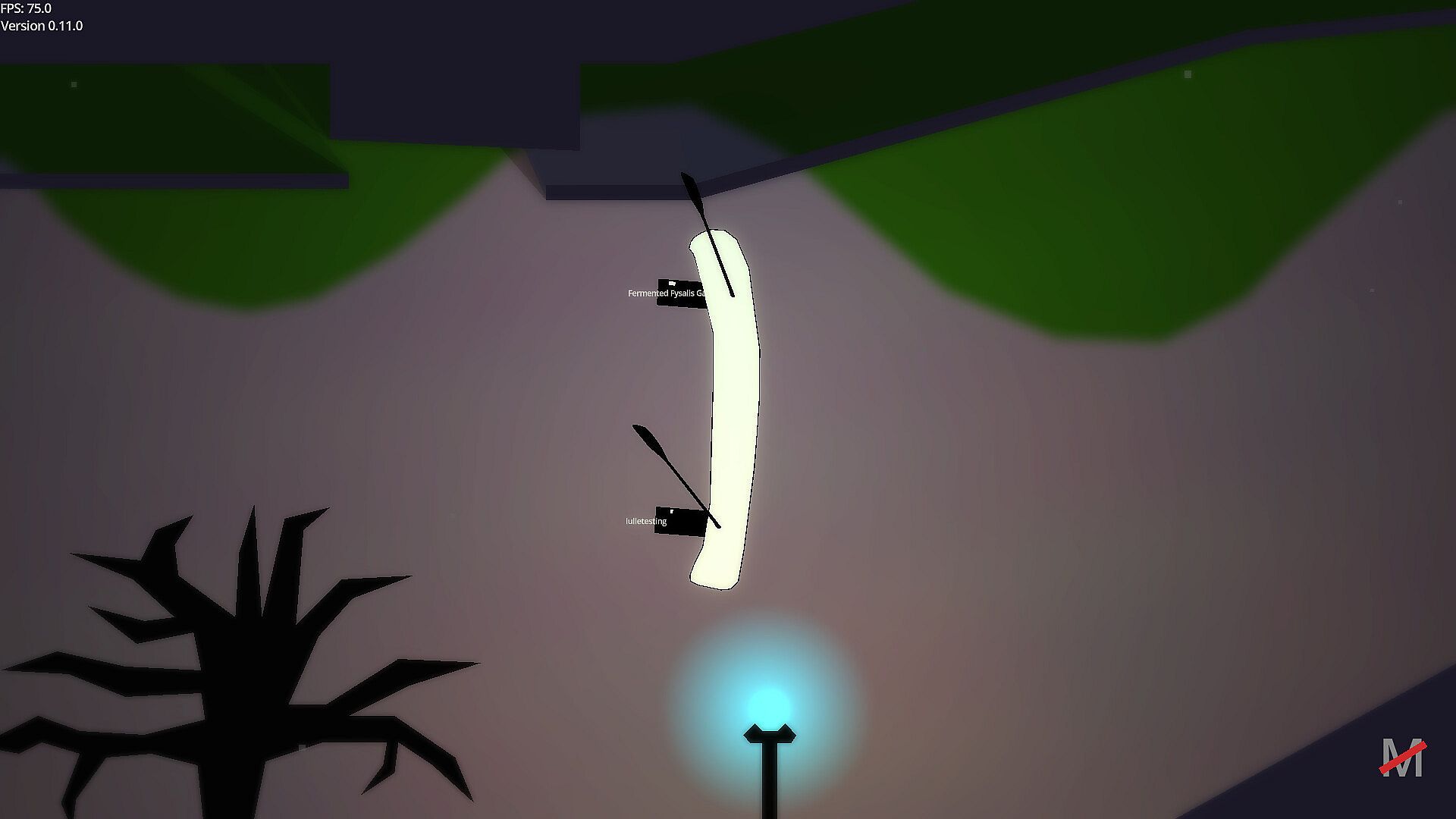
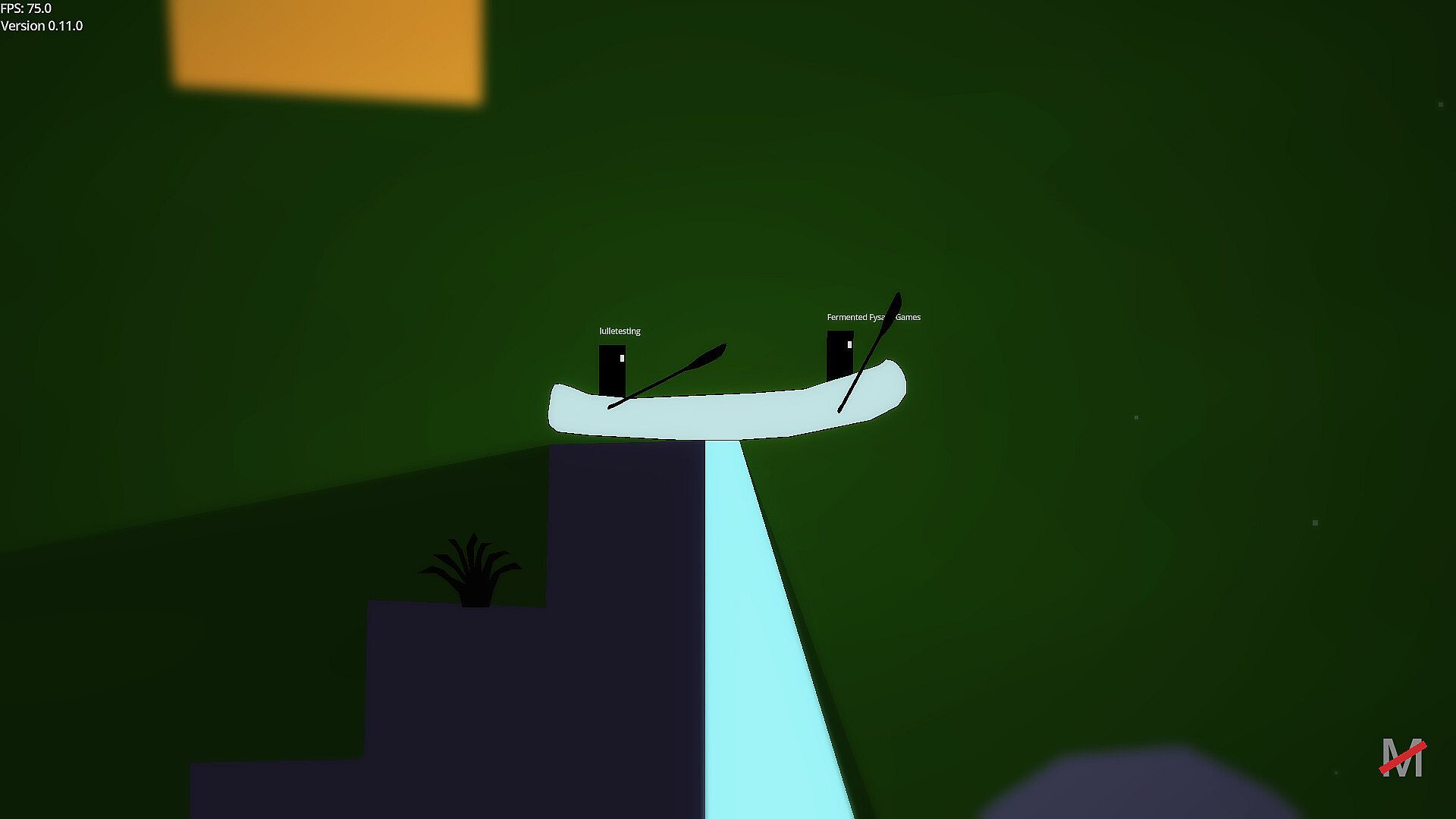

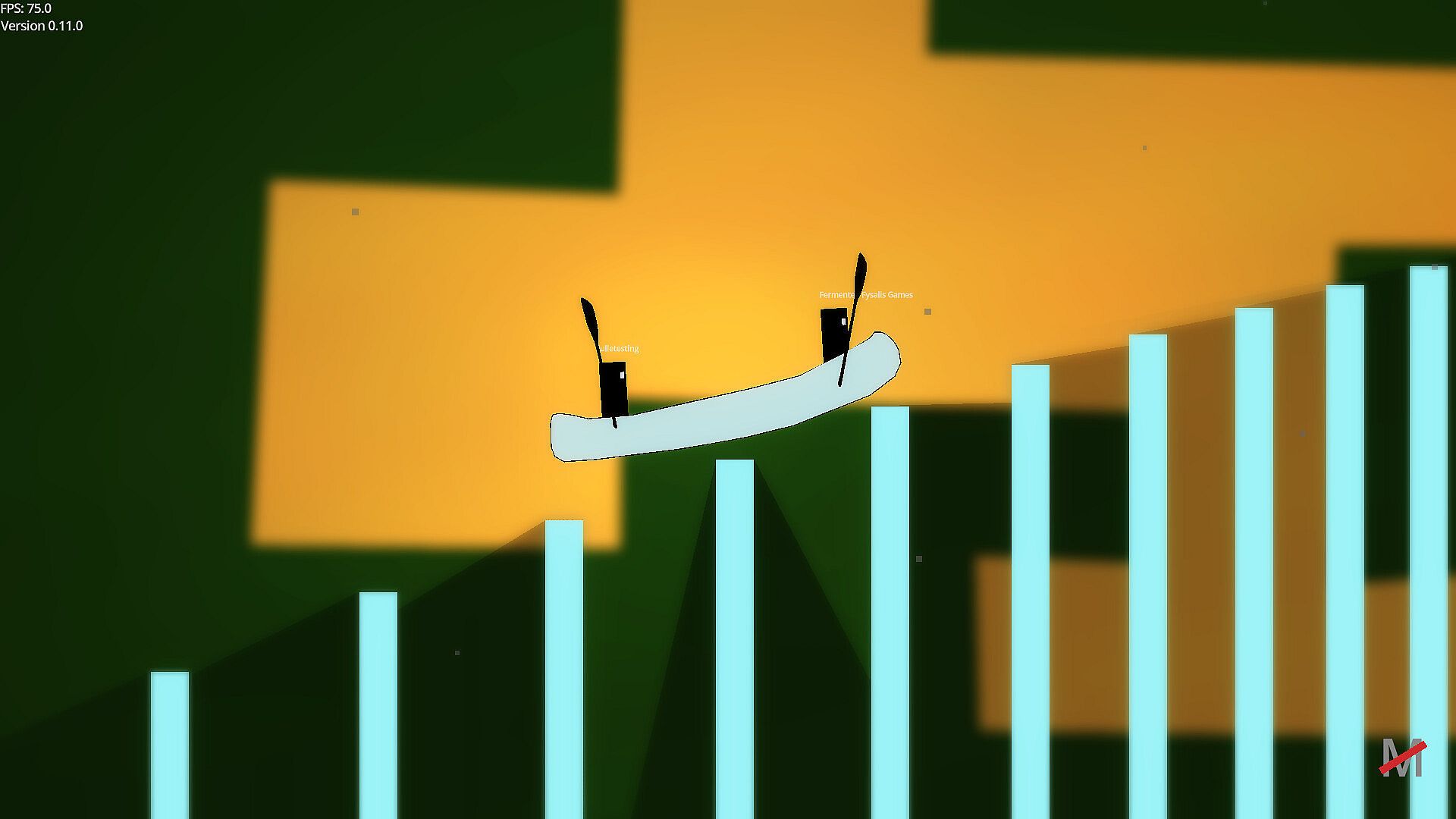
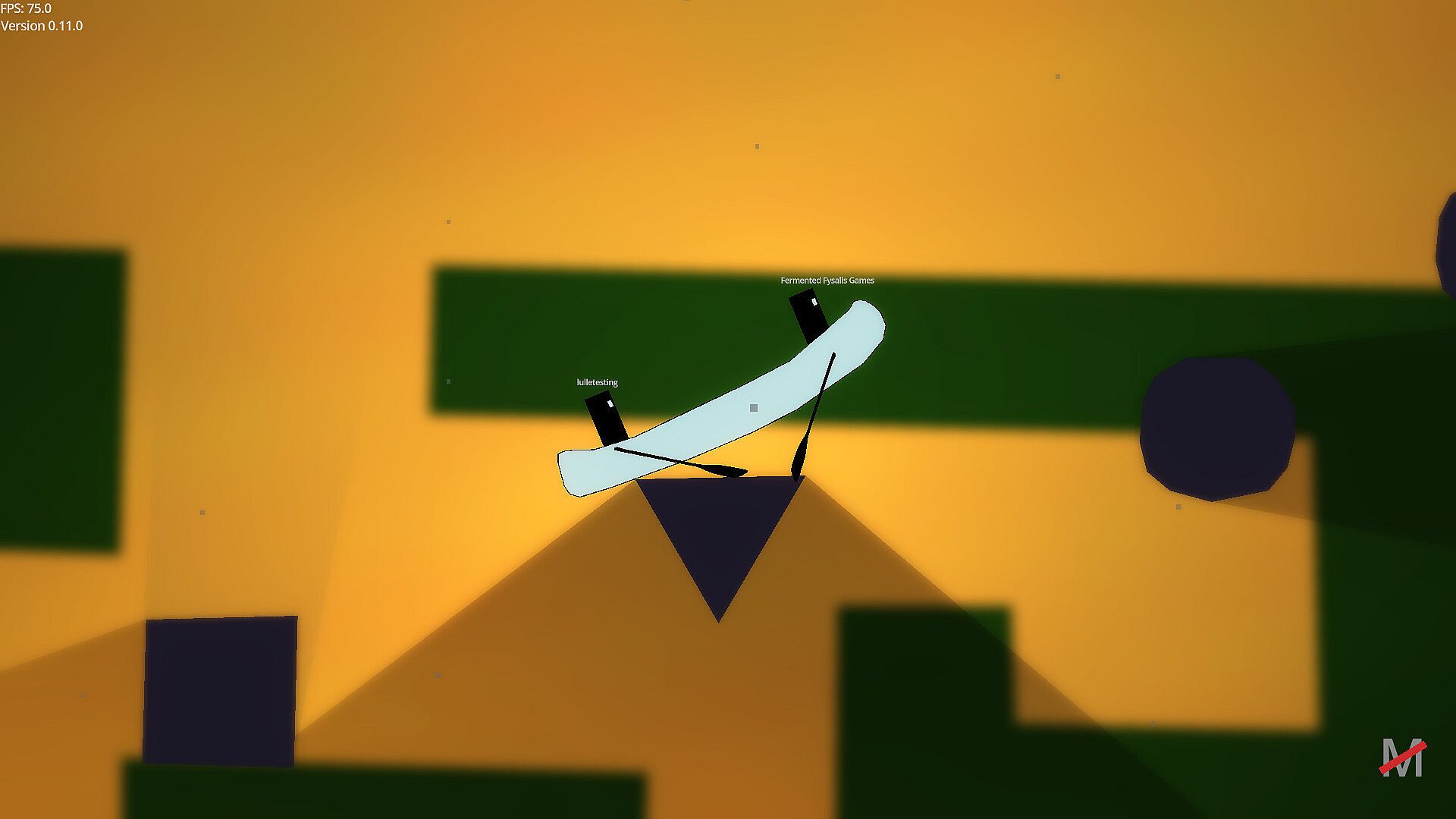
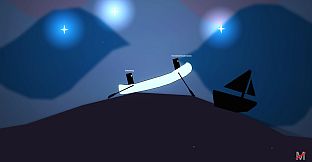

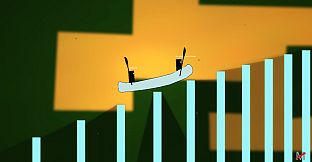
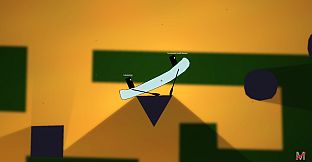
Odysseus' 13th Ship ist ein präzises Indie-Platformer für den PC, in dem Spieler ein vergessenes Schiff aus der antiken Mythologie steuern. Im Mittelpunkt steht die unbekannte Geschichte des dreizehnten Schiffes, das Odysseus begleitete - hier sitzt man jedoch in einem einzelnen Kanu, das als einziges Fortbewegungsmittel dient. Mit Paddeln wird vorangetrieben, während Sprünge, Schwinge und Klettereien den Weg nach oben durch unregelmäßige, abstrakte Formen bahnen. Das Spiel setzt auf abgestimmtes Zusammenspiel in reinem Online-Multiplayer ohne Einzelspieler-Modus.
Gameplay
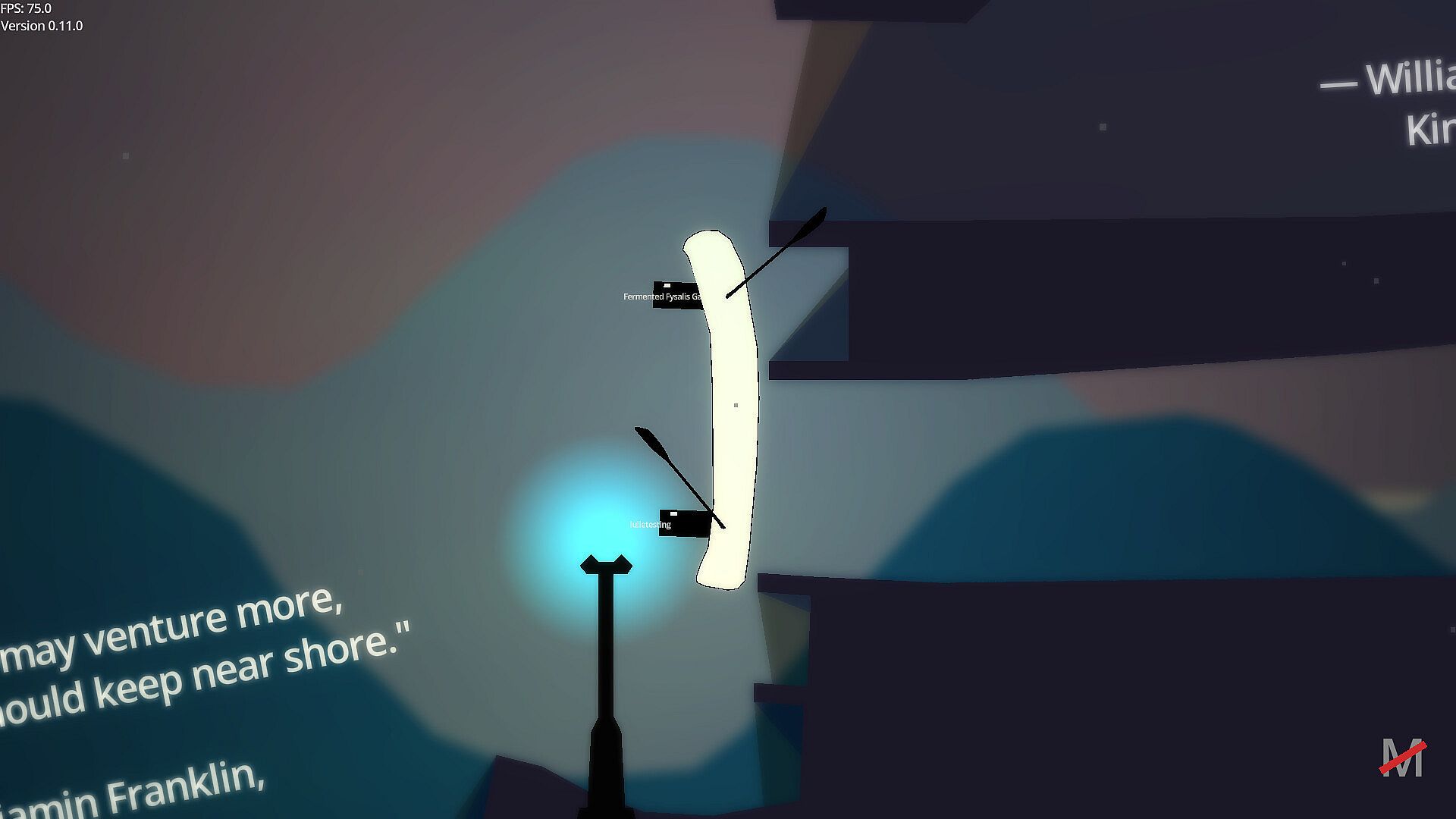
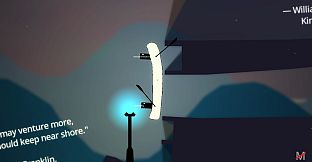
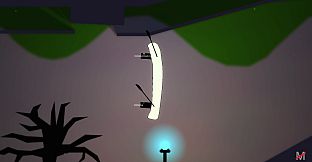
Im Kern geht es darum, als Gruppe vertikale Welten voller ungewöhnlicher geometrischer Formen zu durchqueren. Die Paddel-Eingaben müssen synchron erfolgen, um das Kanu zu lenken und gleichzeitig präzise Platforming-Aktionen auszuführen. Ein Sturz wirft die Gruppe zurück, und der erneute Aufstieg kostet Zeit und Konzentration. Eine ruhige Soundkulisse sowie gelegentliche inspirierende Zitate begleiten den Weg und schaffen einen gleichmäßigen Rhythmus, der sich von den anspruchsvollen Bewegungen abhebt.
Die Mechanik beruht auf der gemeinsamen Kontrolle eines einzigen Gefährts und erfordert ständige Absprache und präzises Timing. Ohne aktives Paddeln bewegt sich das Kanu nicht, sodass jeder Handgriff auf Teamarbeit angewiesen ist. Klettern und Schwingen verlangen exakte Positionierung, um Lücken oder instabile Flächen zu vermeiden. Wiederholte Rückschläge erzeugen psychologischen Druck, der Ausdauer belohnt und Gruppen belohnt, die über längere Sessions hinweg fokussiert bleiben.
Game Modes
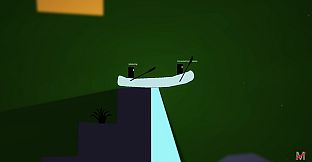
Im kooperativen Online-Modus teilen sich mehrere Spieler ein Kanu und arbeiten zusammen, um aufeinanderfolgende Schichten abstrakten Geländes zu erklimmen. Ziel ist es, den Gipfel ohne unnötige Abstürze zu erreichen - eine Reise, die an die Rückkehr nach Ithaka erinnert. Die Umgebung kann beliebig oft durchlaufen werden, sodass sich die Koordination mit jedem Versuch verbessern lässt. Weder kompetitive noch Solo-Varianten sind vorhanden; alles dreht sich um gemeinsame Navigation.
Die Schwierigkeit ergibt sich aus den exakten Eingaben für Paddeln, Springen und Klettern im Gleichklang. Unregelmäßige Formen fordern räumliches Vorstellungsvermögen und Reaktionsschnelligkeit. Fortschritt hängt davon ab, Abstürze zu vermeiden, die den Standort zurücksetzen - jeder erfolgreiche Aufstieg ist das Ergebnis geübter Teamarbeit.
Visuals and Atmosphere
Die Umgebungen bestehen aus stilisierten, nicht-realistischen Formen, die auf klare Lesbarkeit von Kletterflächen und Hindernissen ausgelegt sind. Die ruhige Klanggestaltung unterstreicht die physischen Anforderungen der kanubasierten Fortbewegung, während inspirierende Zitate den Spielfluss ergänzen, ohne ihn zu unterbrechen.
Technical Details
Das Spiel ist ausschließlich als Online-Multiplayer-Titel für den PC konzipiert und benötigt eine aktive Verbindung. Das Kanu bildet den zentralen Steuerpunkt; Paddel-Mechaniken regeln sowohl horizontale als auch vertikale Bewegung sowie Sprünge und Schwinge. Der Rücktransport nach Stürzen ist bewusst Teil des Spielprinzips und verlängert die Zeit bis zum nächsten Versuch. Zusätzliche Systeme wie Anpassung oder Fortschrittsfortschritte jenseits des Aufstiegs gibt es nicht.
Is It Worth Playing?
Odysseus' 13th Ship richtet sich an Spieler, die anspruchsvolle Gruppen-Platformer mit präzisem Timing und ständiger Kommunikation suchen. Die gemeinsame Kanu-Steuerung verwandelt einfache Bewegungen in ein koordiniertes Puzzle und spricht Teams an, die kooperative Erlebnisse bevorzugen. Gruppen, die hartnäckige Versuche und schrittweises Meistern schwieriger Aufstiege schätzen, finden hier ein fesselndes Kernspielgefüge. Da das Spiel nur online verfügbar ist, eignet es sich am besten für regelmäßige Sessions mit denselben Mitspielern. Wer Einzelspieler-Inhalte oder abwechslungsreiche Modi sucht, wird hier nicht fündig - das Design konzentriert sich ausschließlich auf dieses eine kooperative Kletterkonzept. Die Kombination aus ruhiger Klangkulisse und anspruchsvollem Platforming bietet einen ausgewogenen Kontrast, der Ausdauer belohnt, ohne unnötige Komplexität.