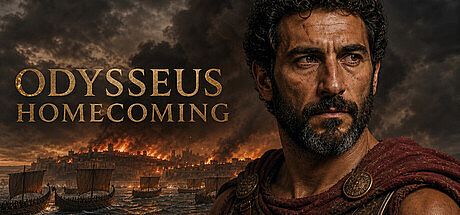


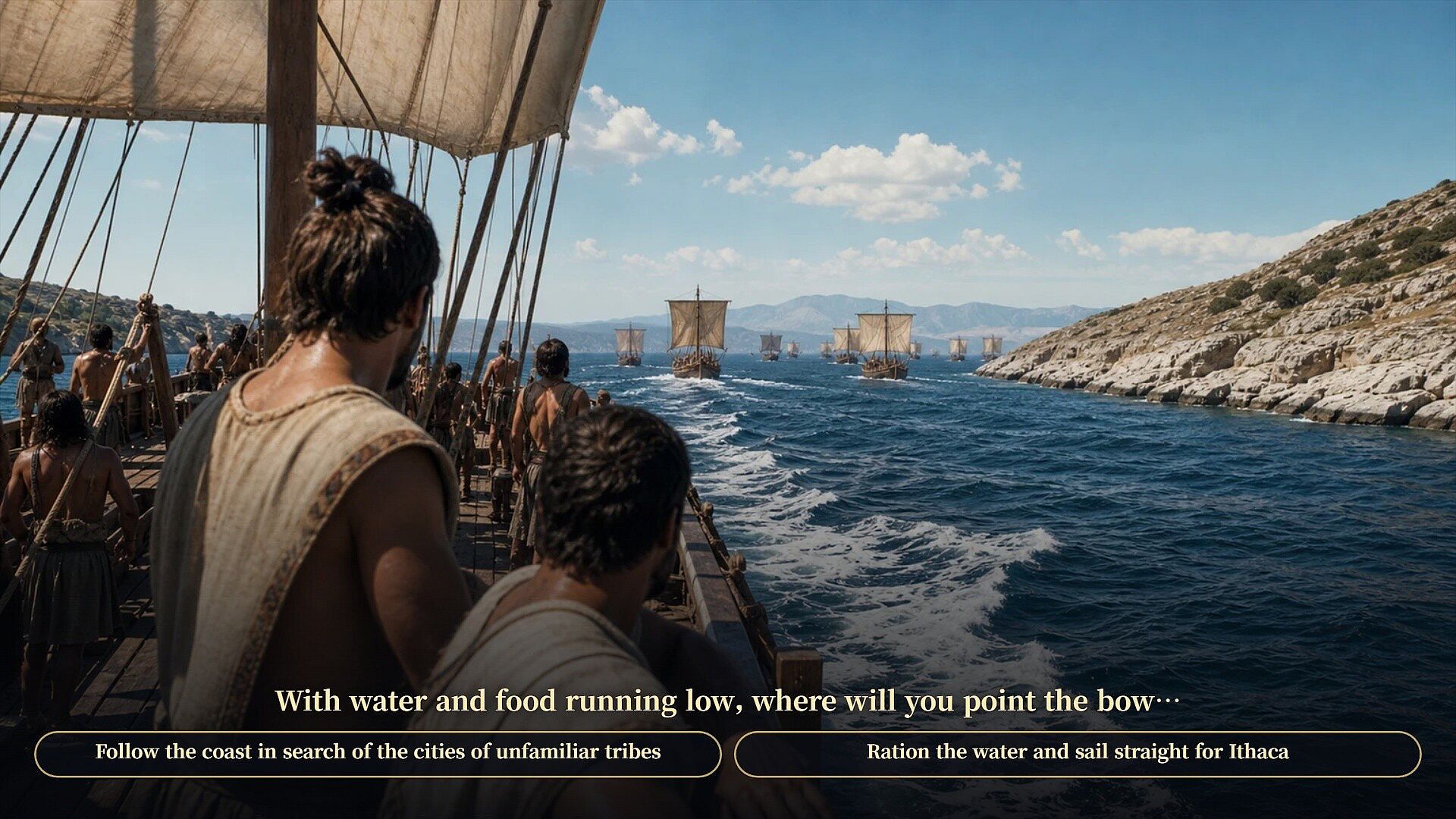

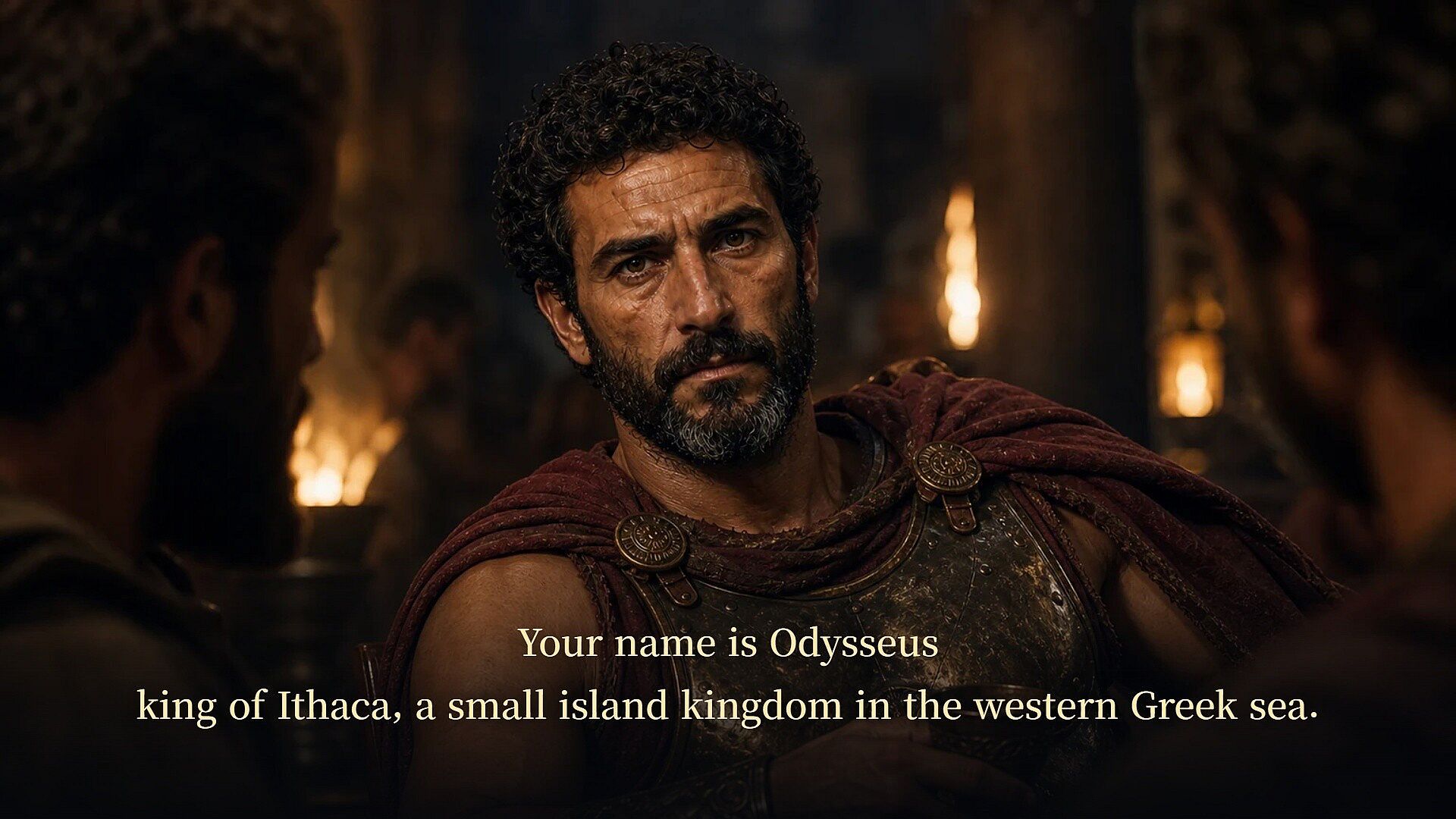

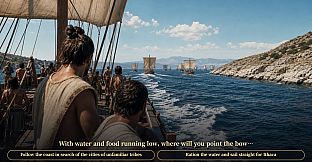
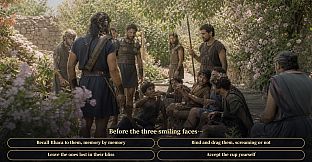


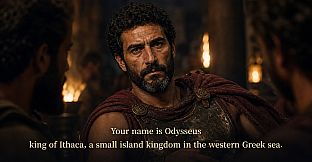
Odysseus: Homecoming is an indie adventure game built around a choice-driven narrative experience on PC. Players take on the role of Odysseus during the long return voyage from the Trojan War, guiding twelve ships and six hundred men toward Ithaca while facing storms, monsters, and island dangers that test every decision.
Gameplay
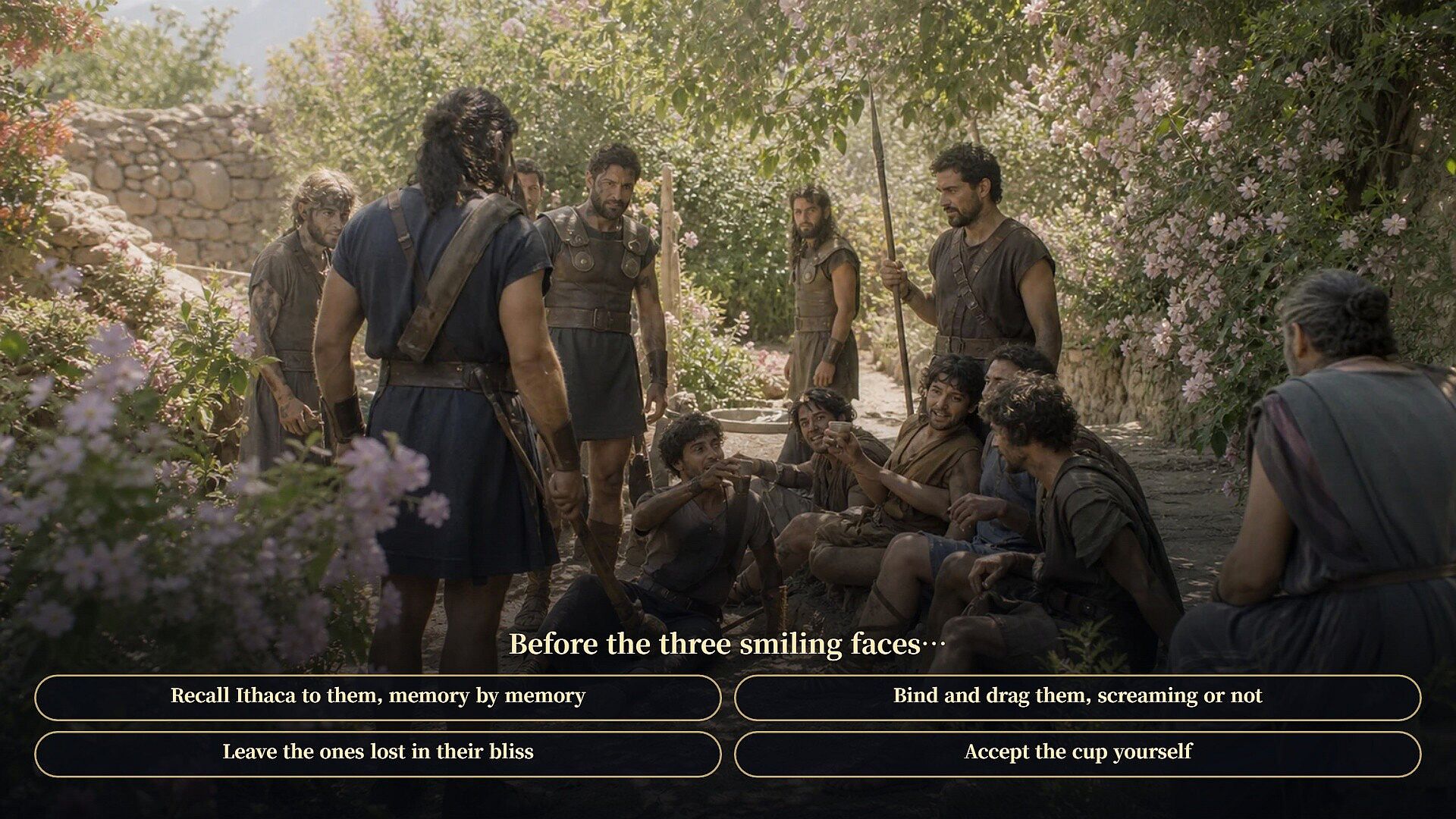
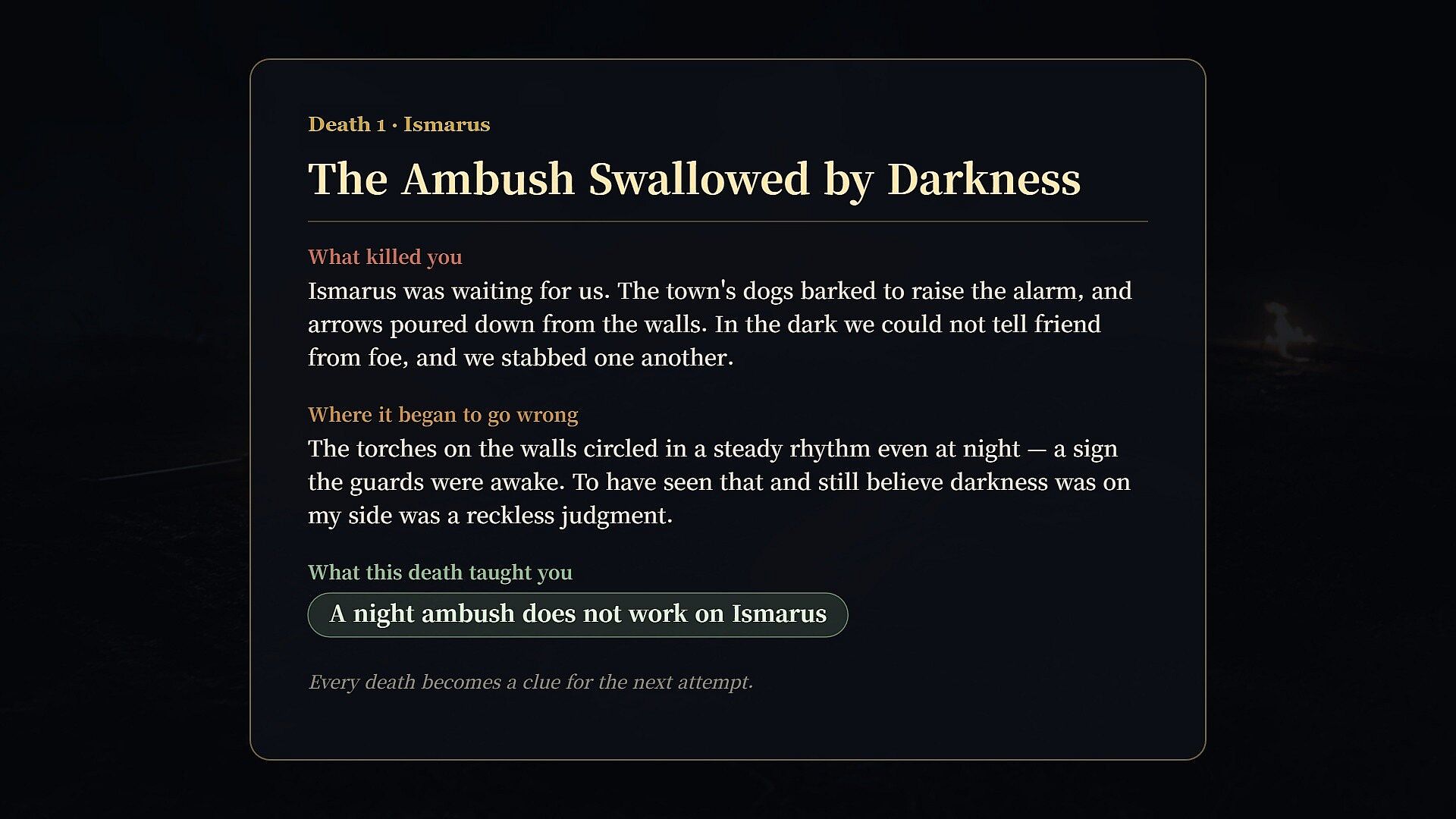
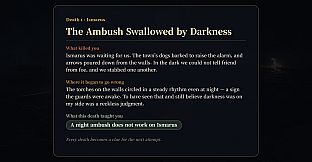
The core loop centers on making choices at narrative crossroads that directly affect the crew's survival and the story's direction. Each decision carries weight because the lives of the men depend on the outcome, and consequences accumulate across the voyage. Deaths occur frequently, yet each one provides immediate feedback on what went wrong and what knowledge transfers to the next attempt. The return from death takes only three seconds, allowing focus to remain on learning rather than punishment. Outcomes remain consistent because the same choice in the same situation always produces the same result, with no random elements deciding success or failure. Player judgment alone determines progress through split-second crises and longer-term planning.
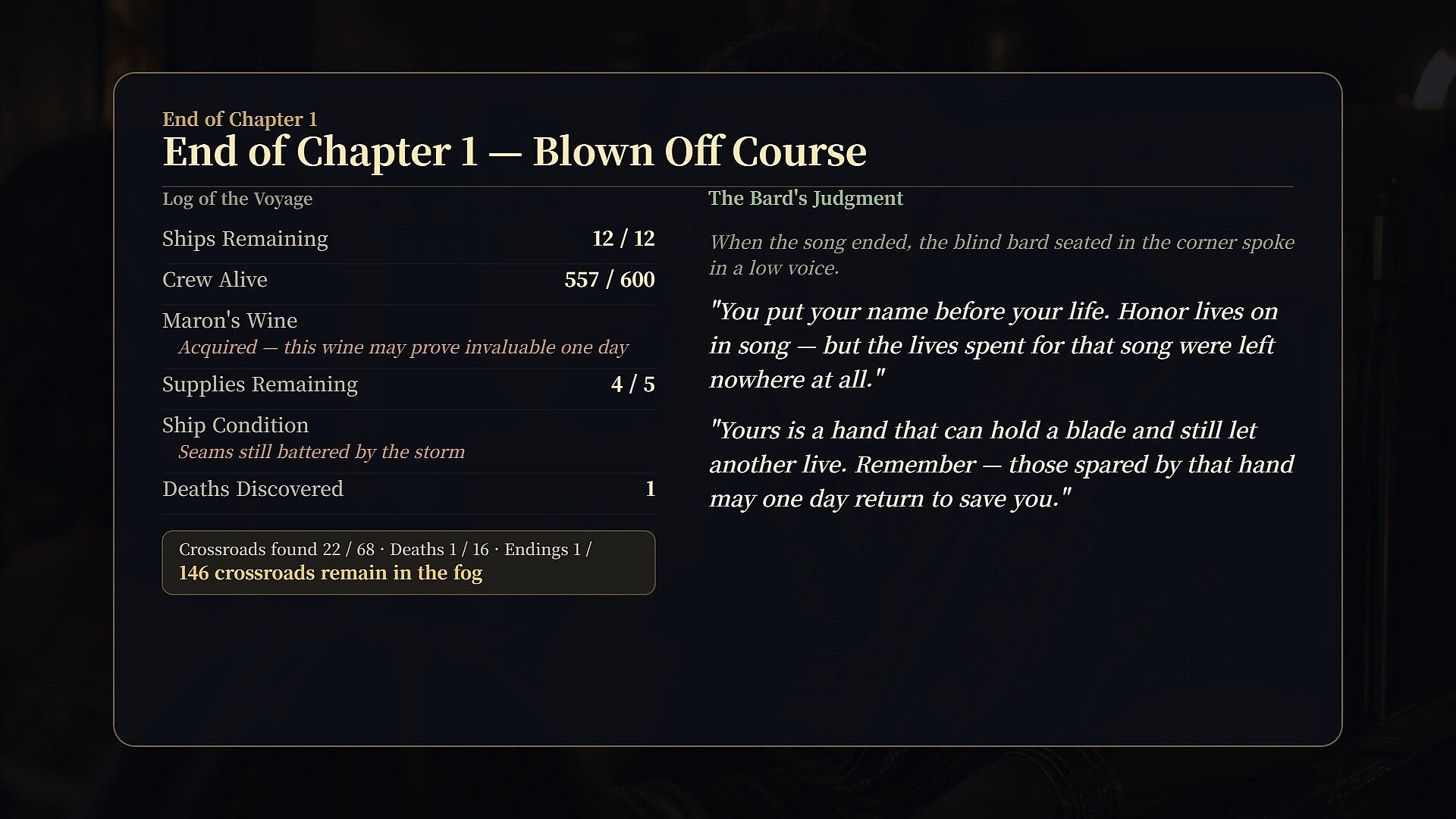
Relationships and past actions stay visible and influential. Crew trust, divine anger, and lingering effects from earlier events such as sacked cities all factor into later decisions. Items spared or used at one point can become critical resources later, creating tangible links between early and late choices. The game tracks these elements openly so players understand exactly how their history shapes upcoming crossroads.
Game Modes
The experience unfolds as a single continuous narrative journey spanning the ten-year voyage described in the source material. Players advance through chapters by navigating the sea route, stopping at islands, and resolving situations through dialogue and action choices. No separate competitive or cooperative modes exist; the structure remains focused on one player's repeated attempts to complete the voyage while building knowledge from prior failures. The narrative branches based on accumulated decisions, leading to different conclusions at the end of each chapter and the overall story.
Narrative Structure and Mythology
The story follows the spine of Homer's Odyssey while incorporating ancient variant traditions and filling gaps with original invention only where needed. No prior mythology knowledge is required, as all necessary context appears within the narrative itself. A blind bard appears at the end of each chapter to sing about the first choices made before any retries, preserving the player's initial instincts as part of the permanent record. This system ensures that early decisions remain meaningful even after multiple attempts, shaping the final account of who Odysseus becomes.
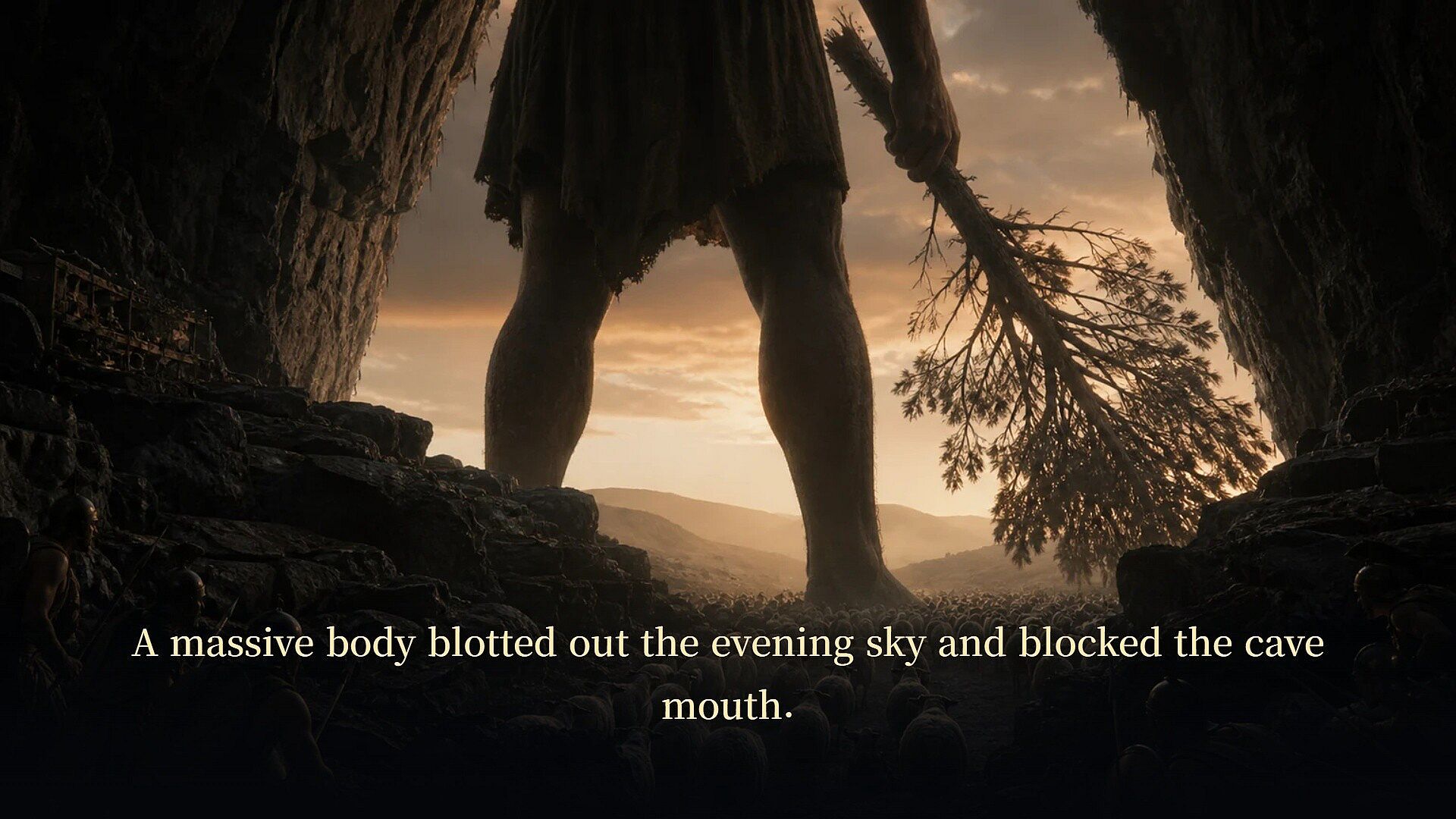
Gods and mortals alike remember actions taken along the way. The wineskin spared on one island might serve as the only weapon against a cyclops on another, demonstrating how small choices create lasting ripple effects. The ten-year span allows for a wide range of encounters across the sea and islands, each tied to the central goal of reaching home alive.
Is It Worth Playing?
Odysseus: Homecoming suits players who enjoy deliberate, consequence-heavy narrative adventures where knowledge gained from failure drives progress. The consistent ruleset and lack of hidden randomness reward careful observation and repeated attempts rather than luck. Those interested in stories shaped by personal judgment and long-term memory of choices will find the structure engaging, especially if they appreciate single-player experiences built around the Odyssey without requiring external research. The game supports both Korean and English, broadening accessibility for different audiences. Availability on PC makes it straightforward to try for anyone drawn to choice-driven storytelling with permanent consequences and multiple endings.