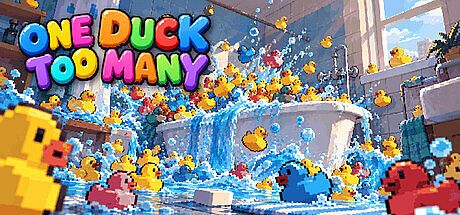


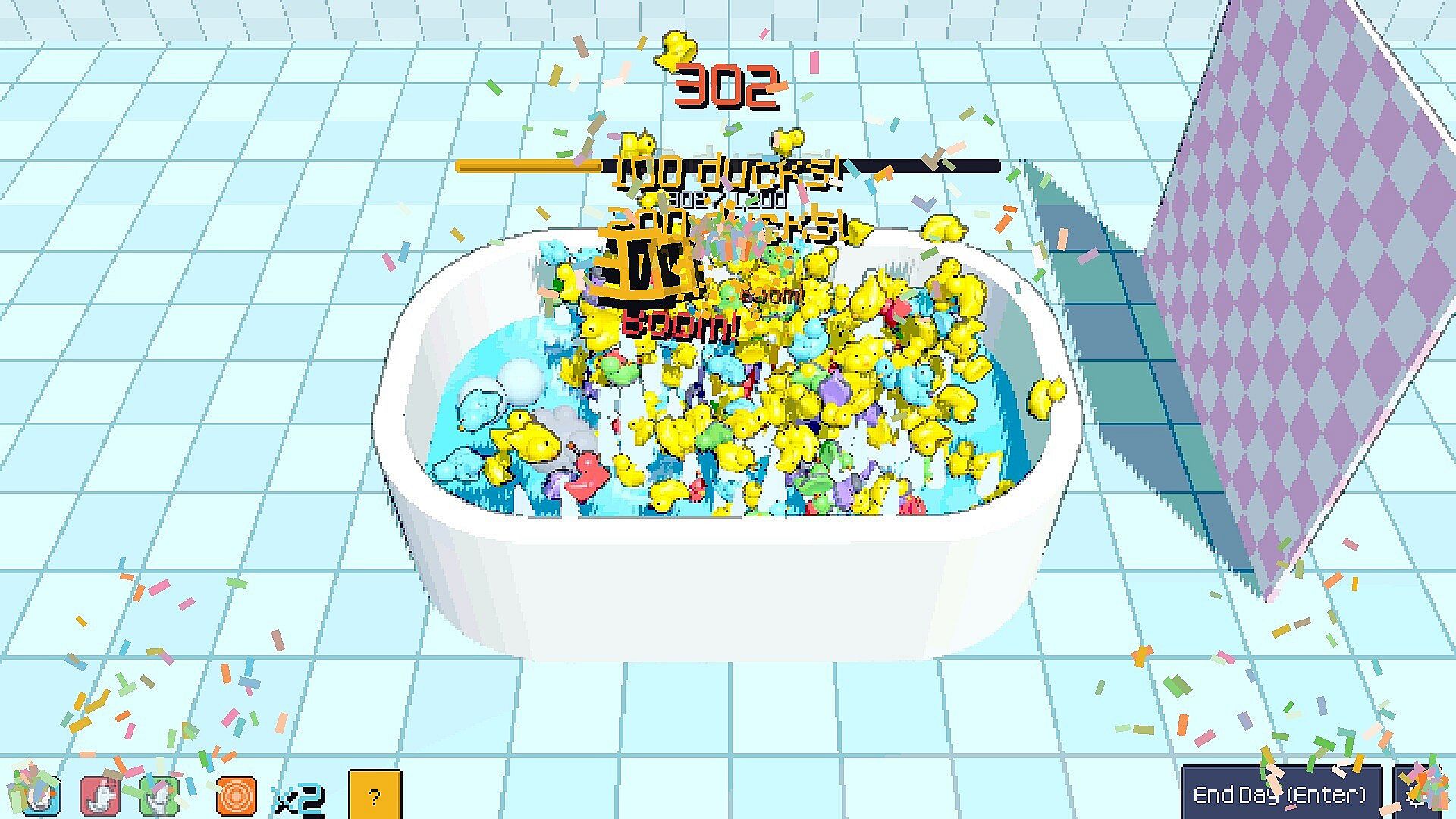
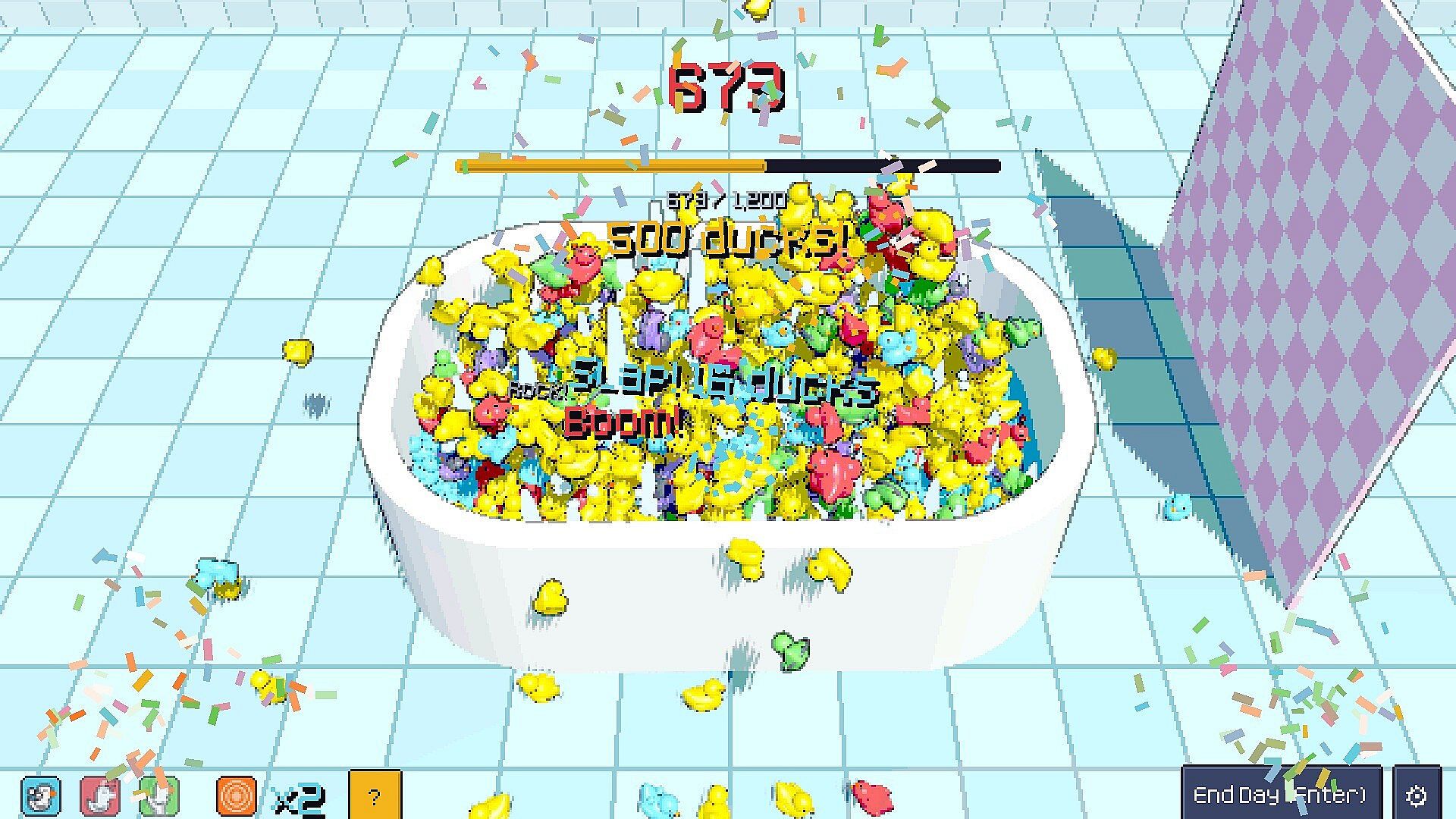
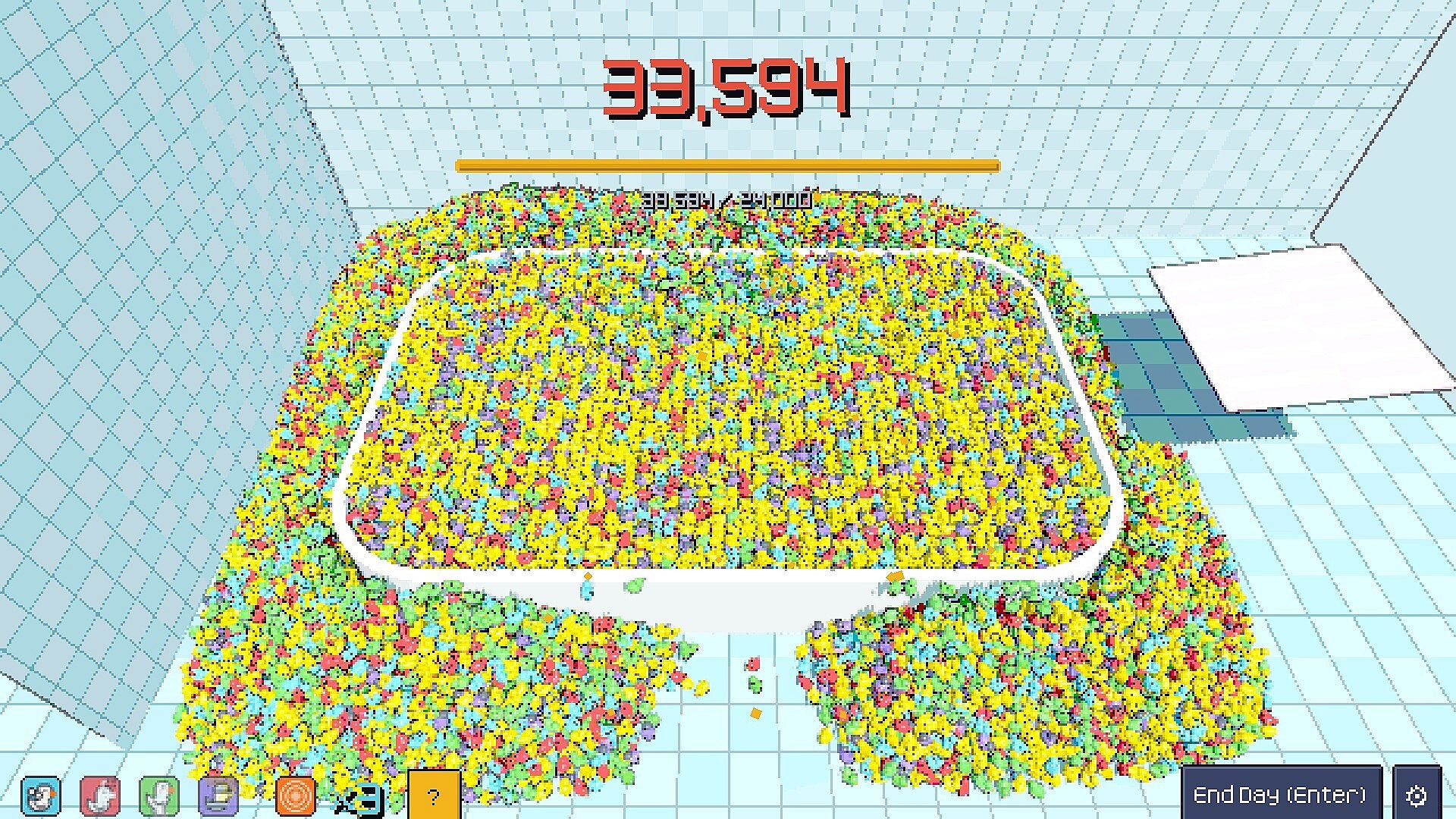
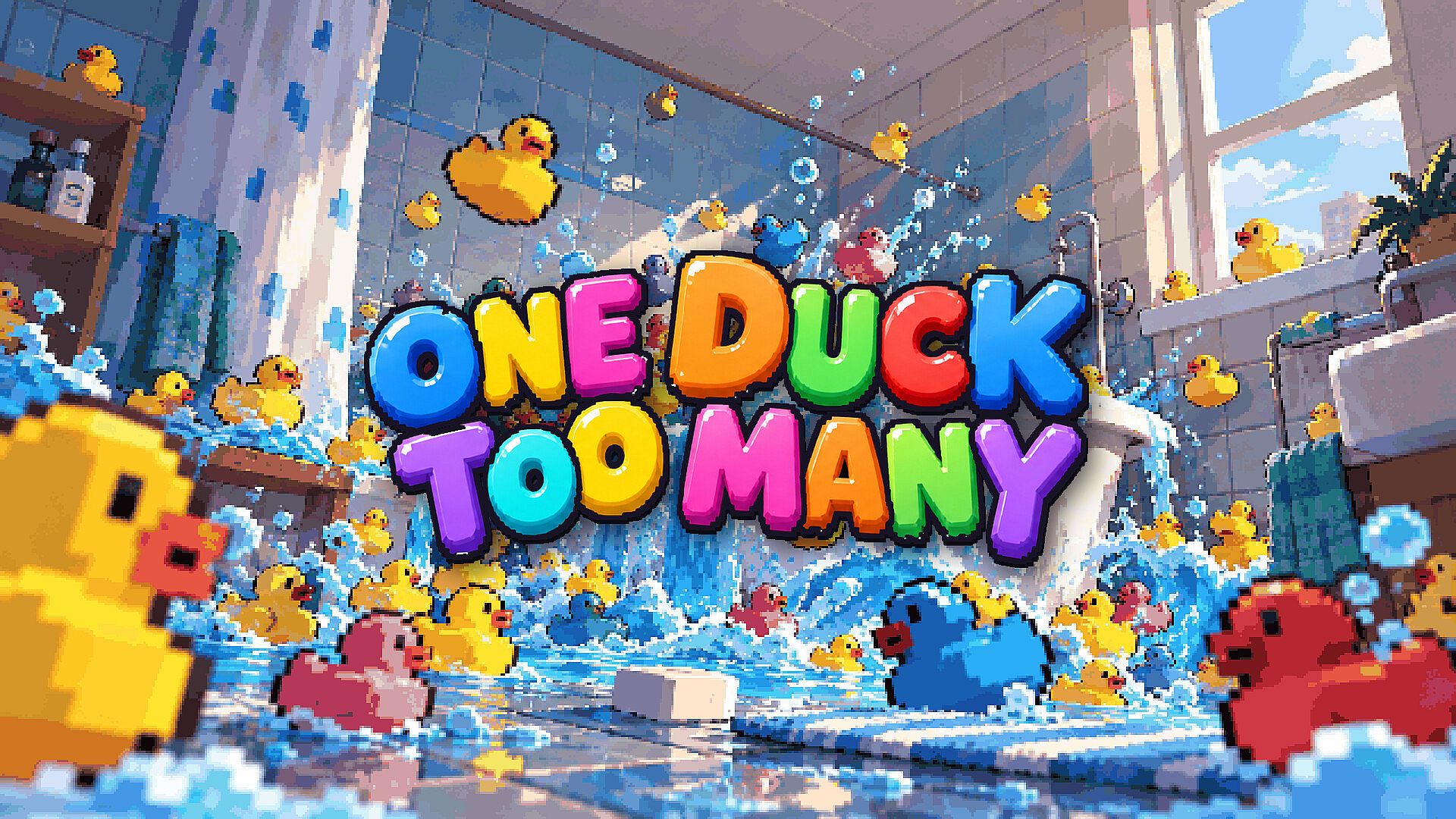
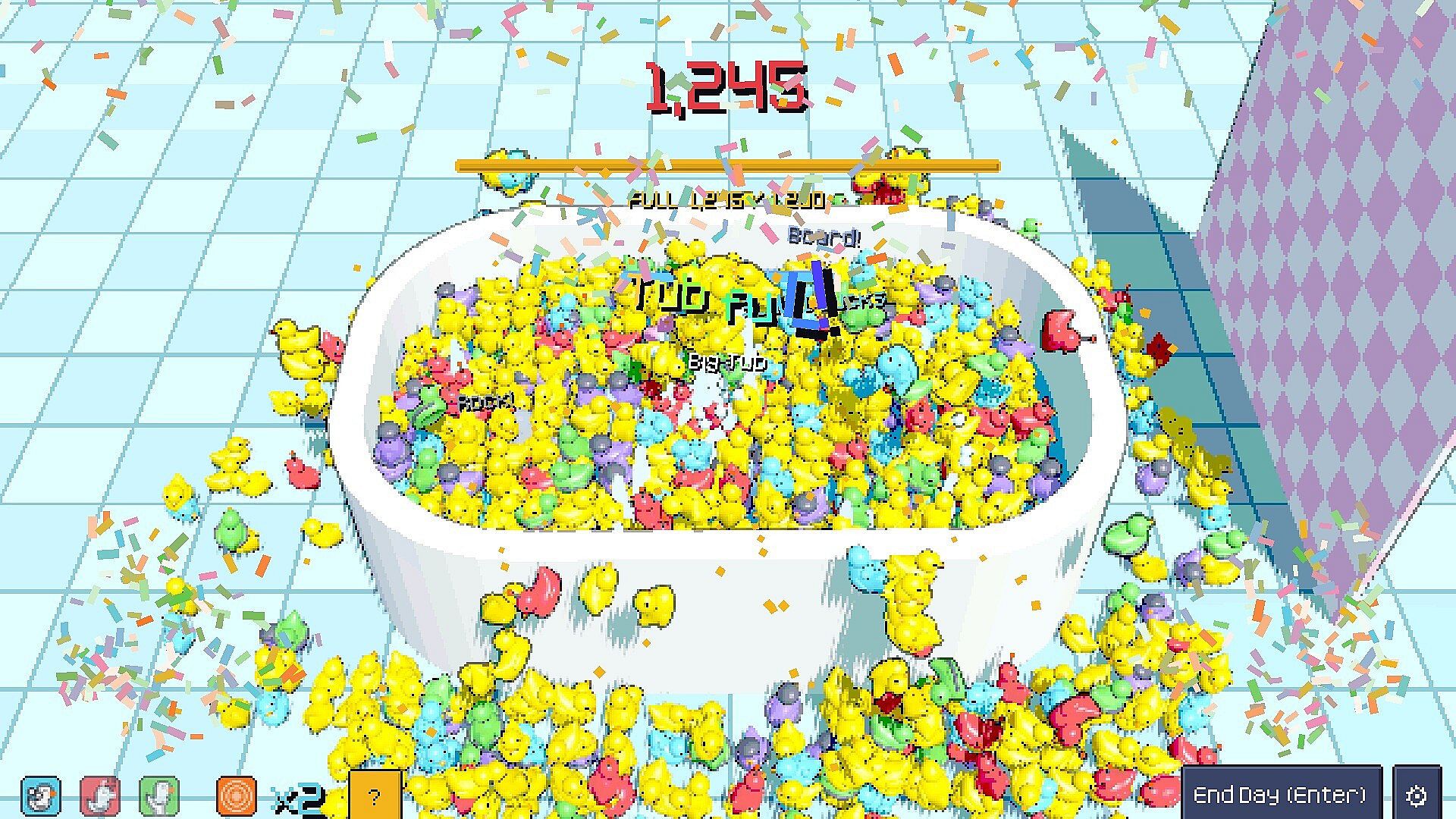
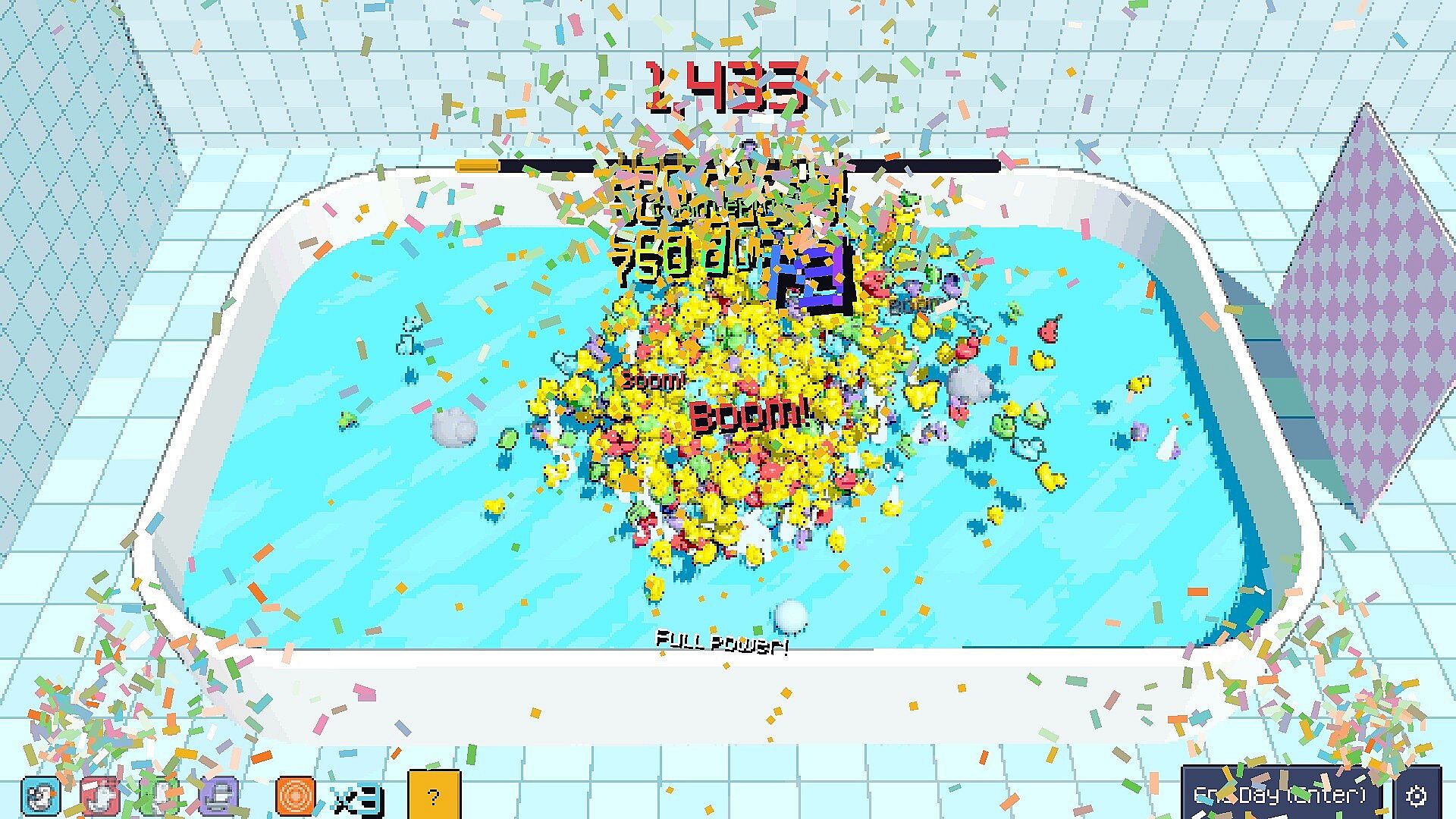
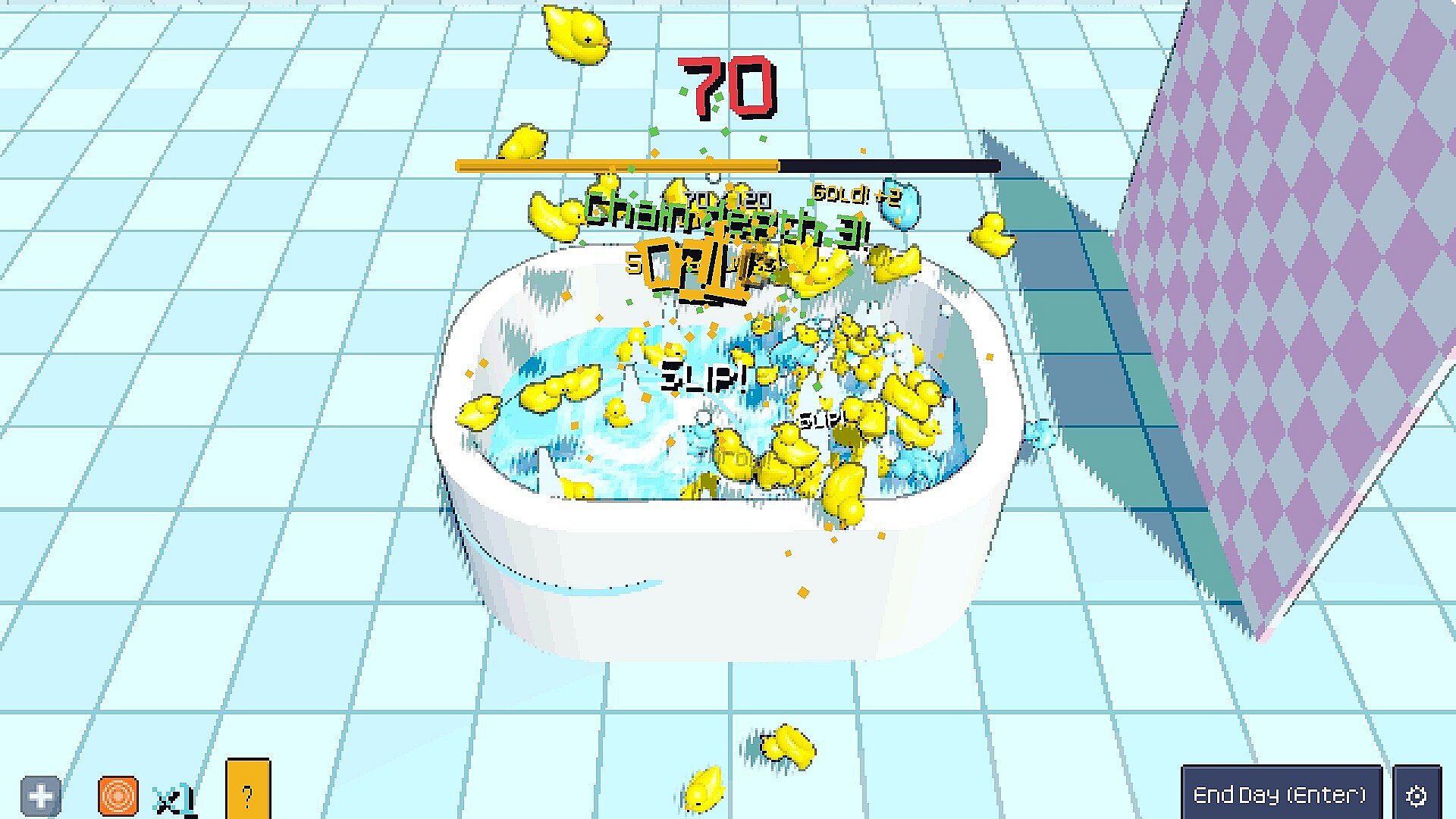
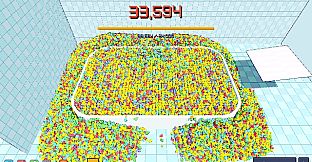
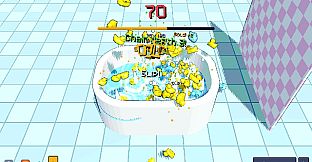
One Duck Too Many is a casual physics-driven incremental game for PC that centers on chain reactions created by throwing rubber ducks into a bathtub. A single throw generates splashes that turn into droplets, each hatching new ducks that continue the process until the energy runs out. The result can scale from dozens to tens of thousands of ducks in a successful run, turning every throw into a calculated risk based on landing position and force.
Gameplay
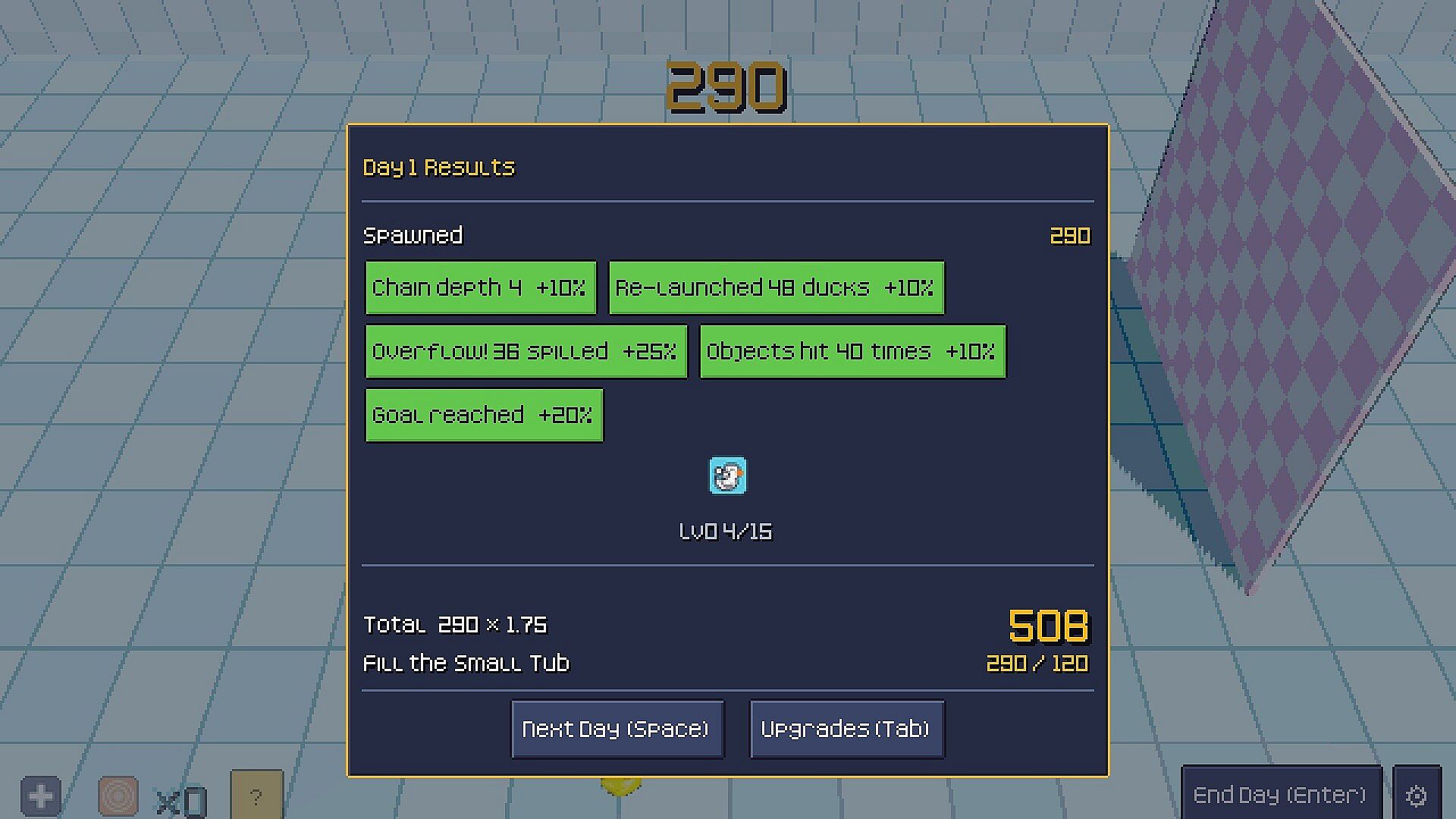
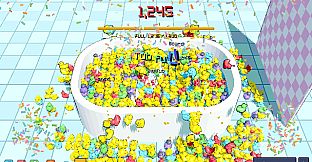
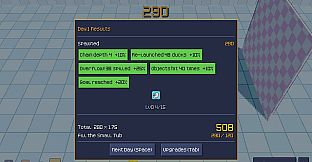
Each day functions as a contained session lasting a few minutes. Players begin with a limited hand of ducks and slaps. Aiming and charging the throw sets the initial splash, after which the chain unfolds naturally. Once the pile settles, a slap scatters the ducks upward to restart the process with fresh momentum. Every duck born during the day contributes to filling the tub, which expands in size upon completion and carries permanent progress forward.
Six distinct duck types shape the chains. The plain duck serves as the reliable base that spawns from every splash. Split Duck divides on impact, Spring Duck absorbs and rebounds for extra splashes, Boom Duck detonates to launch nearby ducks, Heavy Duck delivers a shock wave through the pile, and Fan Duck directs the mass toward walls for additional rebounds. Up to five types can be equipped in a loadout, and ducks hatched during play inherit those properties. Each type offers four mastery levels that alter behavior at the highest tier.
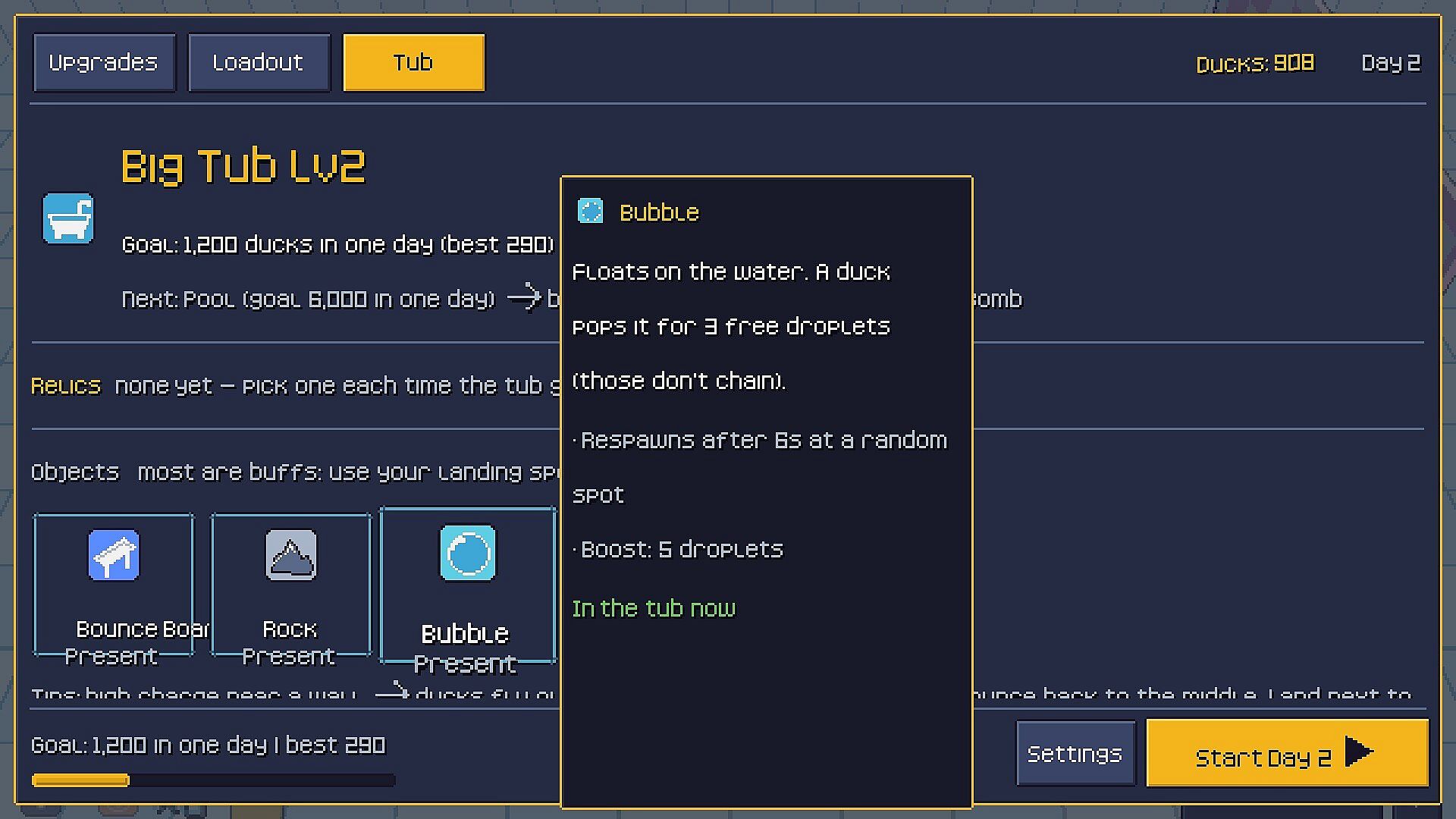
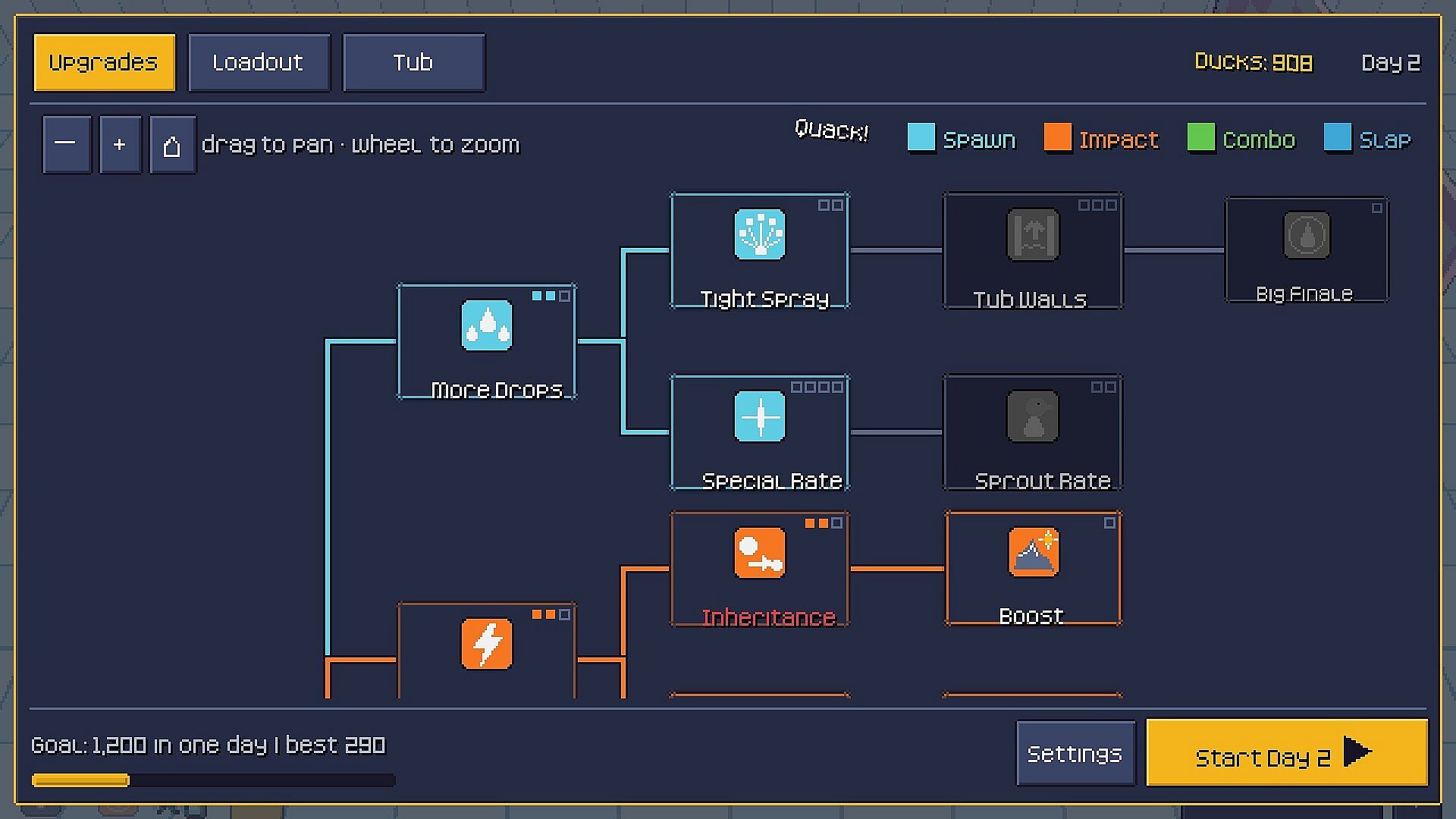
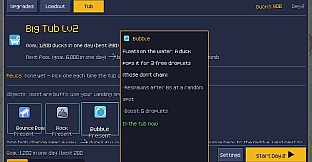
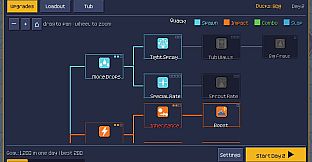
Progression stays entirely player-driven with no timers. Ducks serve as the sole currency spent on a skill tree containing 39 nodes across Spawn, Impact, and Combo lines, plus 15 advanced options. Six slap styles unlock over time, ranging from straight shocks to tidal pushes, whirls, bubbles, double taps, and heavy slams. More than 40 relics provide lasting rule changes that level up to three times, such as extra droplets from the second starting duck or wider first slaps on every fifth day. From the Big Tub onward, a shop allows targeted relic purchases, upgrades, or permanent object additions to the environment.
Game Modes
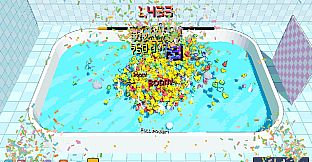
Daily play follows the core loop of short runs across four progressively larger tubs: Small Tub, Big Tub, Pool, and the full Bathroom. Each tub raises the daily goal, adds interactive objects like bounce boards, rocks, bubbles, and bombs, and introduces variable conditions such as warm water, storms, or low tide that alter chain behavior. Overflowing ducks flood the floor and contribute to bonuses.
Move House resets the tub while retaining all ducks, mastery, relics, and unlocks, granting a permanent income bonus for repeated runs under new house rules. Daily Challenge presents identical setups, upgrades, and conditions for all players on a given day, tracking personal best scores. Build Challenges consist of three fixed Pool configurations designed to test specific loadouts and strategies. Prize ducks appear via a luck meter filled by throws, contacts, and slaps, offering temporary effects like golden cash ducks, transforming prisms, growing balloons, extra throws, magnets, rescues, or springboards. Small daily objectives, such as banking off a wall or chaining two types, reward relic picks upon completion.
Progression and Systems
Permanent systems build depth without repetition. The 30-step unlock track introduces new mechanics gradually. Relics form long-term chains that reward planning across multiple days. Objects added to tubs create consistent environmental interactions that influence every chain. Mastery and loadout choices encourage experimentation with different duck combinations to optimize for specific tubs or conditions.
Visuals use chunky pixel-scale 3D rendering in a bathroom setting, with popping numbers, milestone confetti, and chiptune audio that intensifies with chain activity. Sound effects cover every splash and slap. Settings include a juice dial to adjust intensity, and all tooltips display exact numerical values. Full controller support works alongside keyboard and mouse, with language options covering English along with Traditional and Simplified Chinese. The game includes 24 Steam achievements tied to various milestones and challenges.
Is It Worth Playing?
One Duck Too Many suits players who enjoy incremental growth through physics interactions and short, repeatable sessions. The core loop of throws, slaps, and chain scaling delivers consistent feedback in two-to-five-minute bursts, while longer-term progression through relics, mastery, and tub upgrades provides ongoing goals. Singleplayer focus keeps the experience self-paced and free of external pressure. Those drawn to casual physics experiments and incremental systems will find the verified mechanics rewarding through repeated daily runs and challenge modes. The absence of timers or live-service elements supports flexible play without daily obligations. Overall, the game delivers a focused, self-contained experience centered on its unique duck-chain mechanics.