








PINK OVERHEAT is a visual novel that takes the familiar structure of a retro dating sim and layers in dark romance alongside metafictional thriller elements. Players step into a story built around the Colour Wheel Theory of Love, meeting five heroines each tied to one of its core types while navigating choices that shape the narrative and lead to multiple endings. The game runs on PC and targets a playtime of roughly four to six hours, with support for Korean, Japanese, and English text.
Gameplay
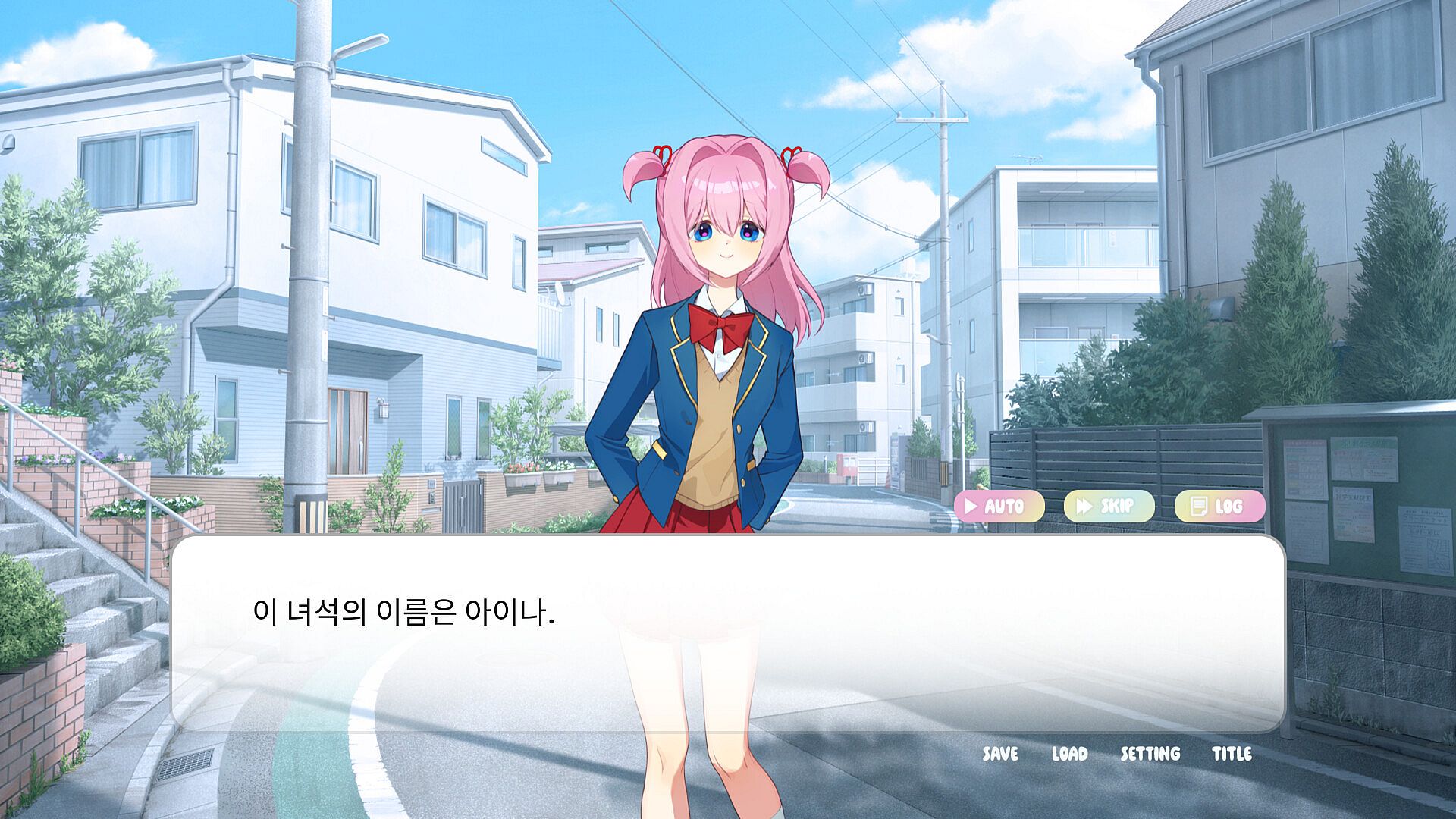
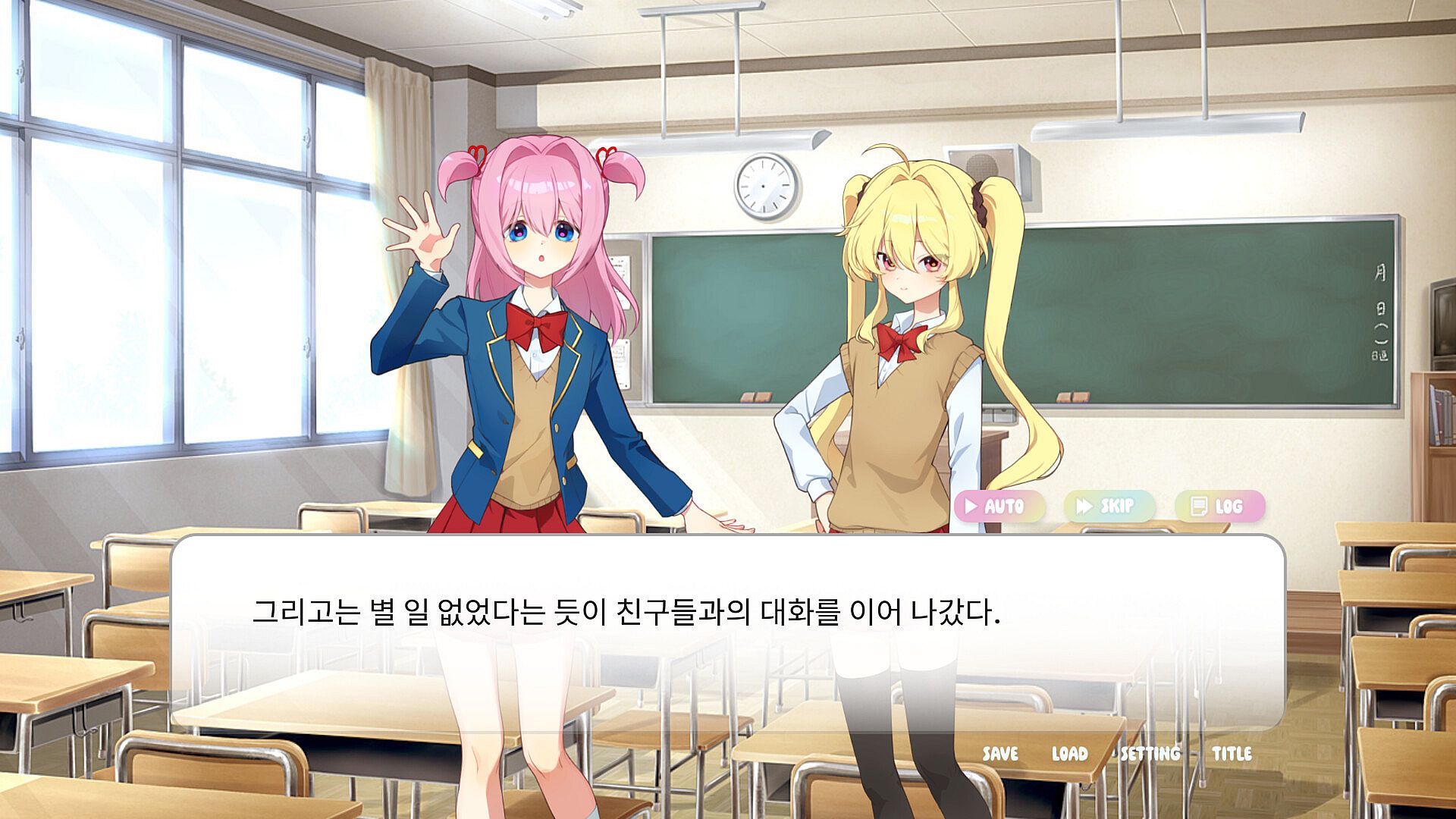
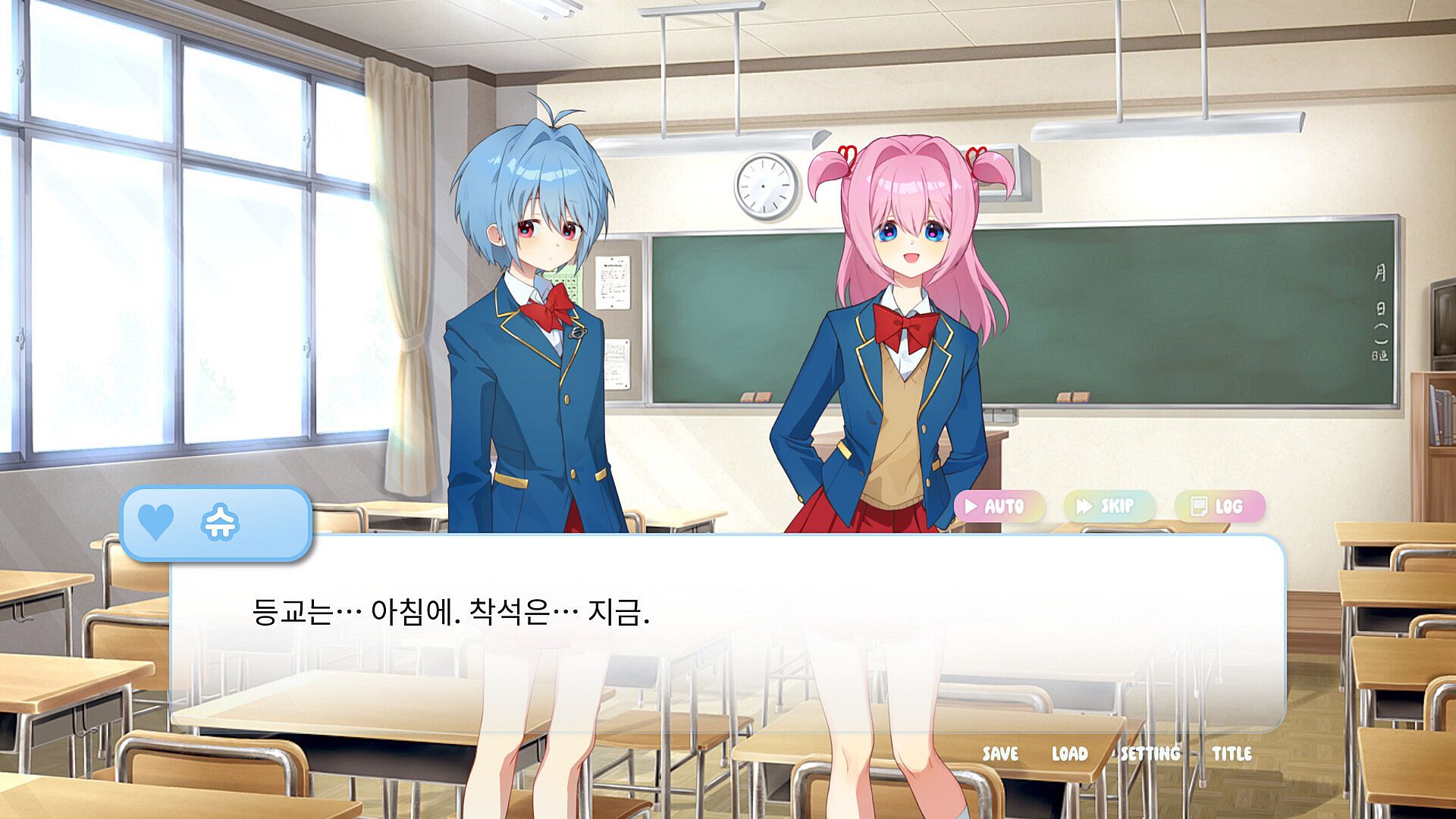
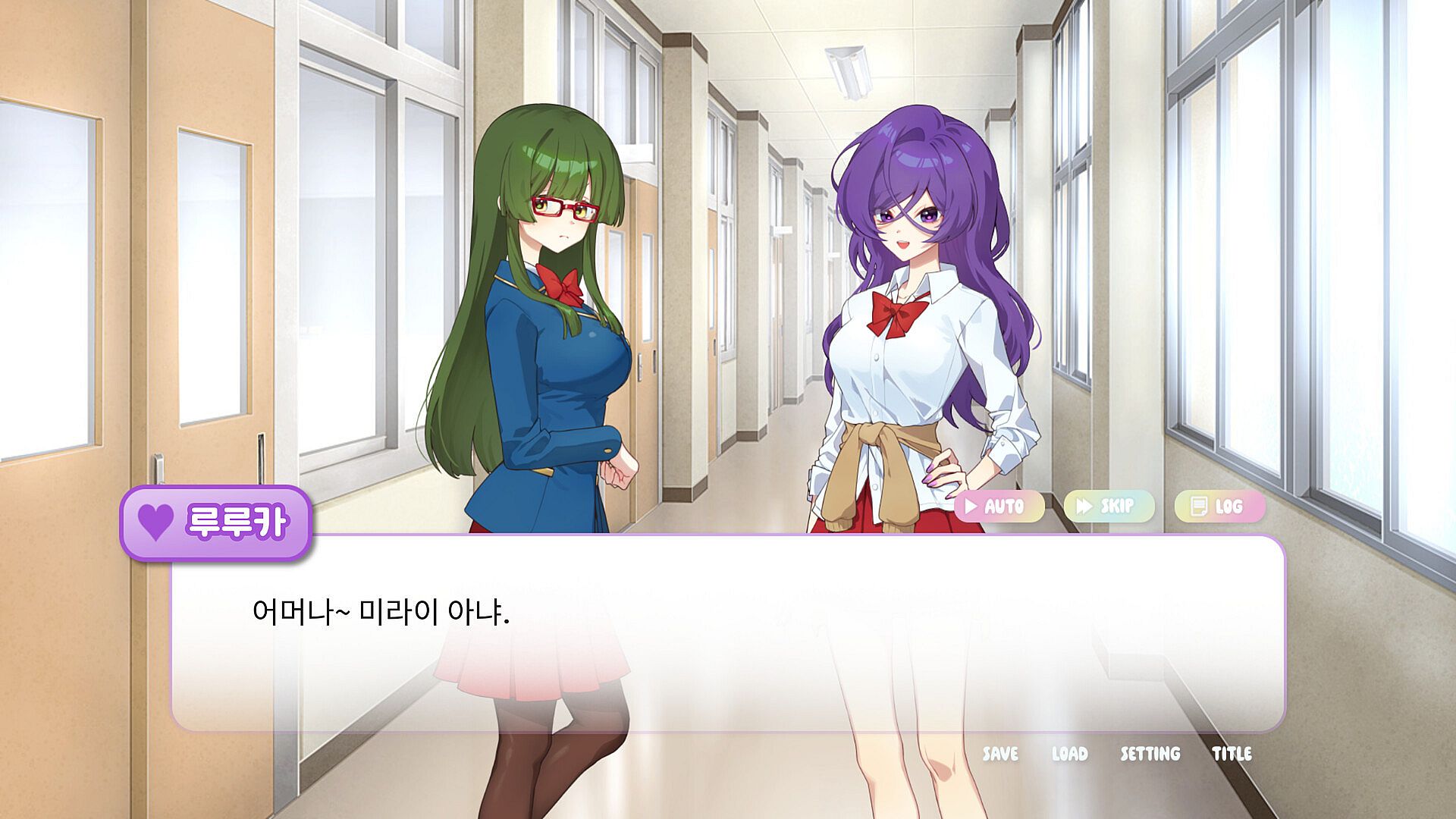
The core loop centers on reading through scenes, making dialogue and action choices, and watching how those decisions alter the path forward. Heroines address the player directly in many sequences, delivering lines filled with affection or intensity that reinforce the theme of love taken to extremes. A childhood friend named Aina stays close from the start, while Eri maintains a careful distance despite her popularity. Shu brings eccentric outsider energy, Mirai enforces order as the disciplinary committee head, and Ruruka offers bubbly senior charm with an undercurrent of risk. The story begins in a light, charming tone before shifting dramatically as one heroine's possessiveness distorts the game world itself.
Every visual, line of script, and directional choice comes from a single unified vision, keeping the focus tight on immersion. Readers move through the narrative at their own pace, with branching paths that reward attention to character motivations and the underlying theory of love. The metafictional layer invites reflection on the nature of the dating sim format while the thriller aspects build tension around control and reality.
Game Modes
PINK OVERHEAT follows the standard visual novel format of linear reading punctuated by player choices. There are no separate gameplay modes such as free roam or minigames. Instead, the experience revolves entirely around the branching story structure that produces multiple endings based on accumulated decisions. Players can replay sections to explore alternate routes tied to the six love types, including the possessive Mania variant that drives much of the darker tone. This choice-driven system serves as the sole interactive layer, encouraging repeated playthroughs to uncover how each heroine's perspective on love influences the outcome.
Narrative and Characters
The script draws directly from the Colour Wheel Theory of Love, assigning each heroine a distinct flavor: romantic passion, companionate friendship, practical logic, playful detachment, selfless devotion, and possessive dependence. These traits surface through dialogue and events rather than abstract exposition, giving the characters clear personalities that evolve as the story darkens. The narrative blends classic dating sim tropes with postmodern twists, turning the expected romance into a question of what true love actually means when one character refuses to let go. Multi-dimensional writing supports both casual readers seeking short sessions and those who want to analyze the metafictional elements across full playthroughs.
Is It Worth Playing?
Players who enjoy choice-heavy visual novels with a mix of romance and psychological tension will find the described structure appealing. The short length makes it accessible for a single weekend, while the multiple endings and language options broaden its reach. Because the game remains in development with a planned 2027 release, current interest centers on the concept trailer and the promise of a unified artistic direction. Those drawn to retro dating sim aesthetics updated with dark romance and metafiction elements stand to gain the most from the final product once it arrives.