

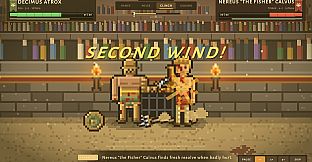
Pitborn is an indie single-player gladiator management simulation for PC. Players run a ludus in ancient Rome, handling recruitment, training, equipment, and tactics while fighters compete in the arena on their own.
Gameplay
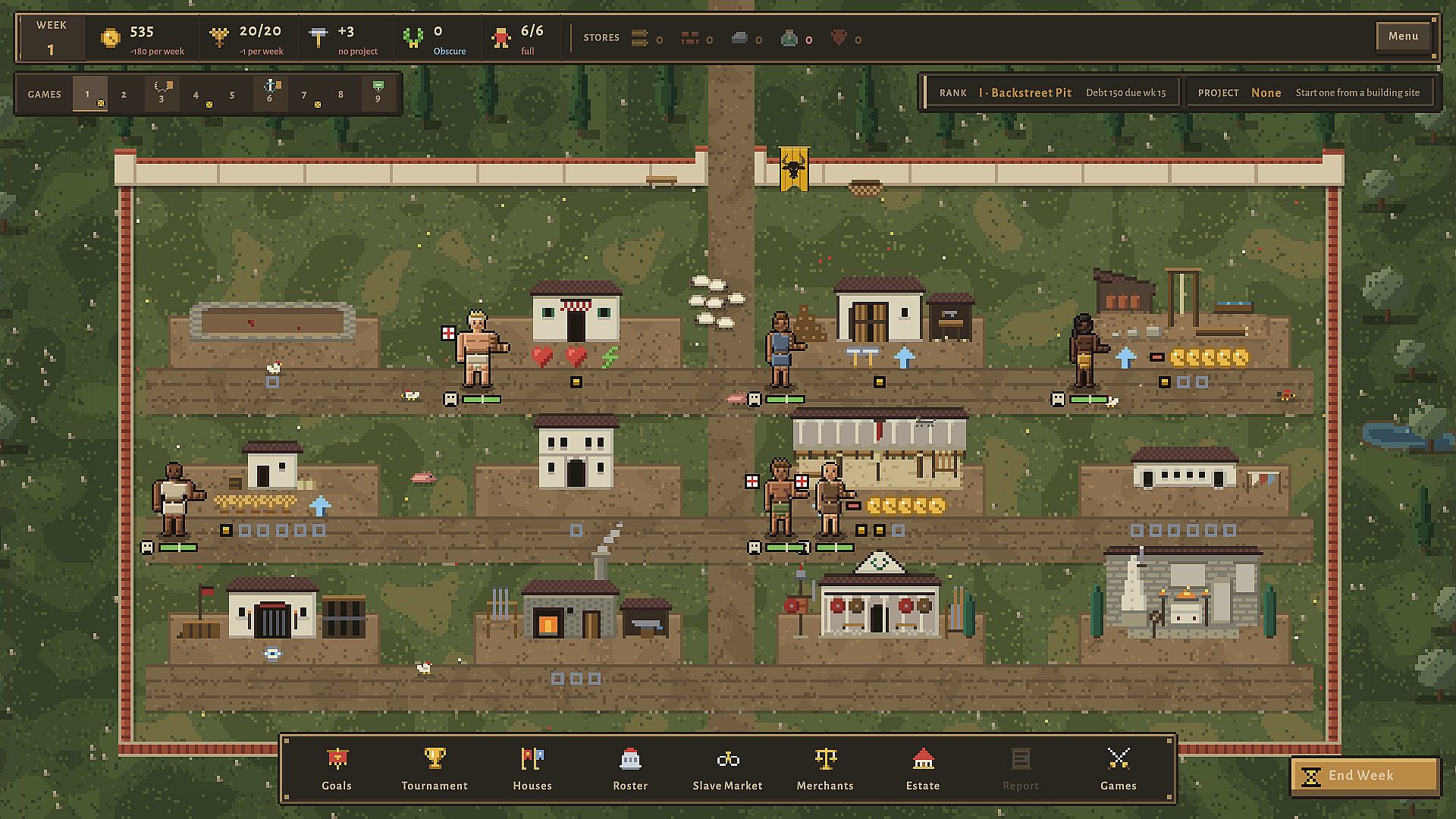
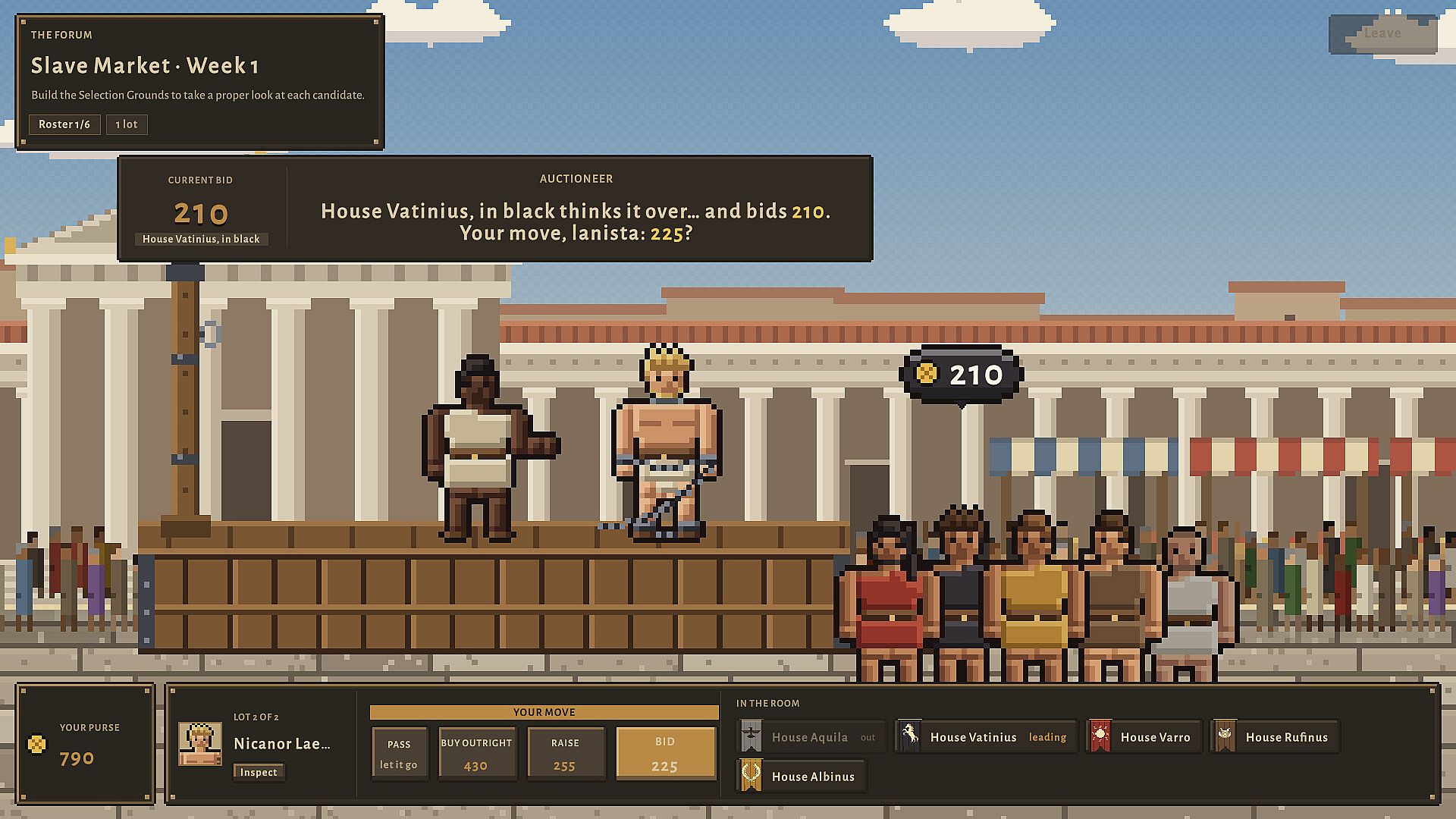
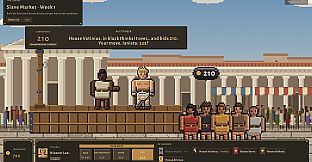
The core loop centers on weekly decisions that shape a roster of fighters over time. Bid at the slave market for new recruits, then allocate resources to training, healing, and arming them with weapons from distinct families that influence fighting styles and maintenance needs. Historical gladiator kits add variety to loadouts, and the forge system tracks wear and repair.
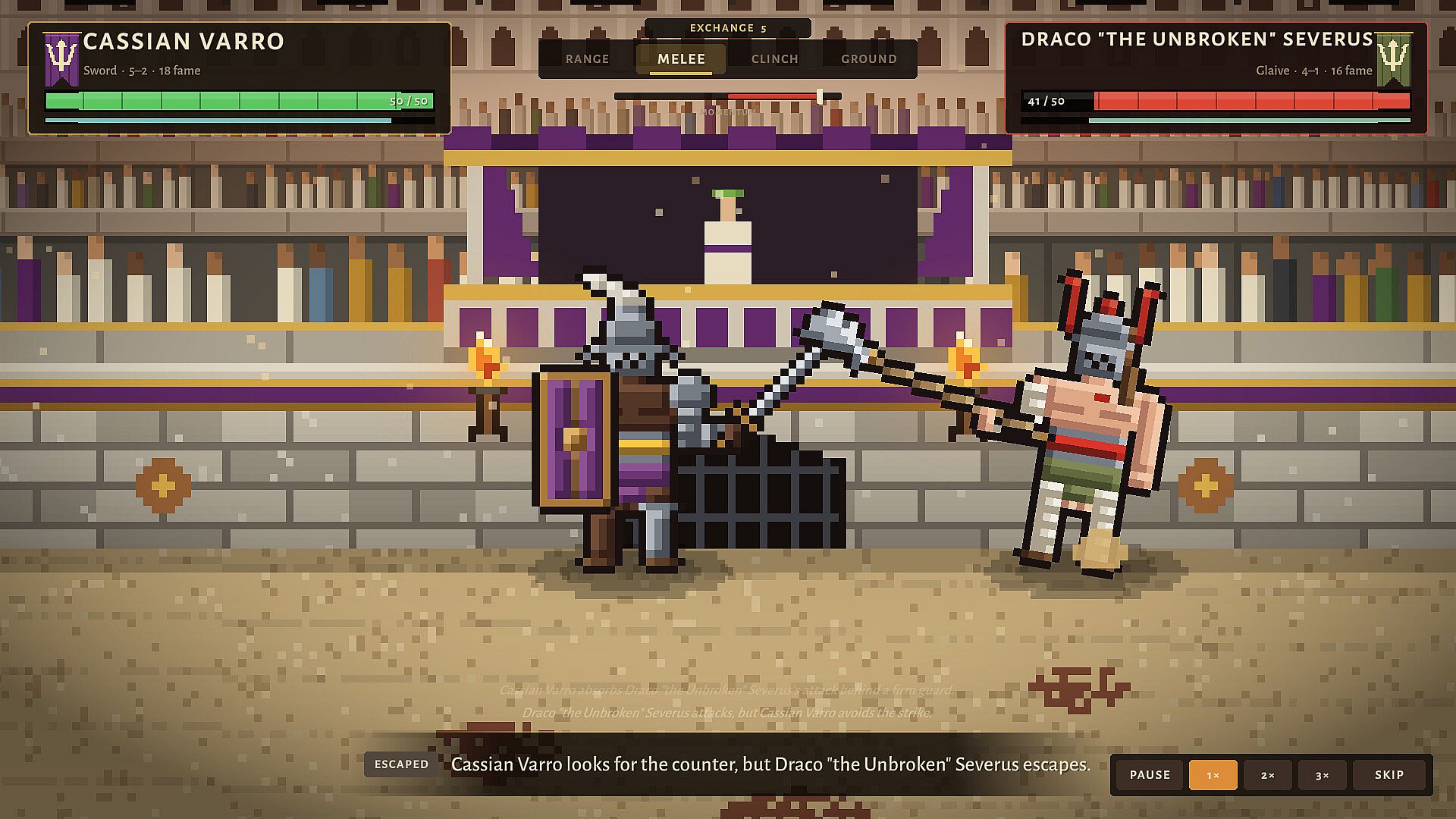
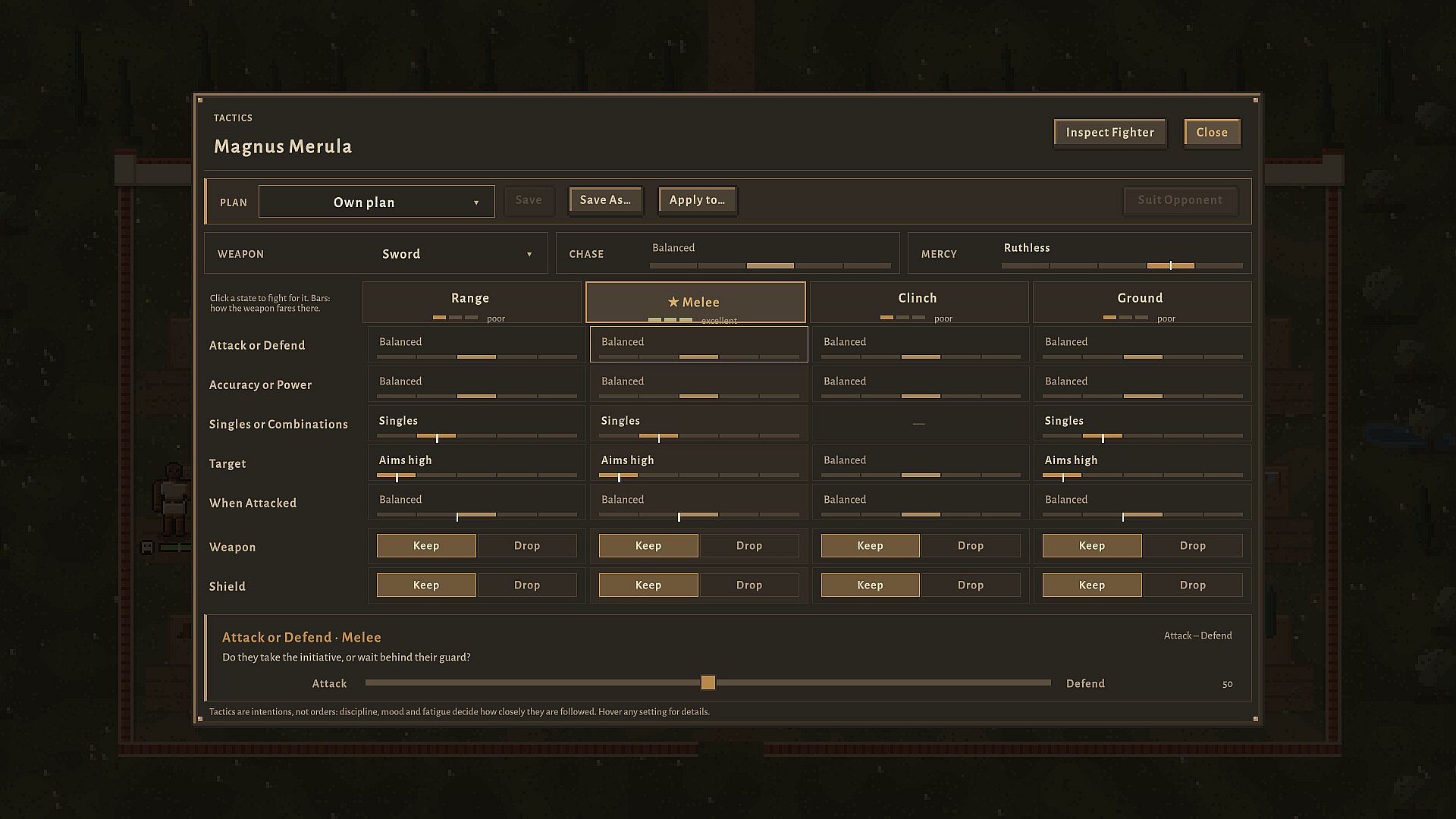
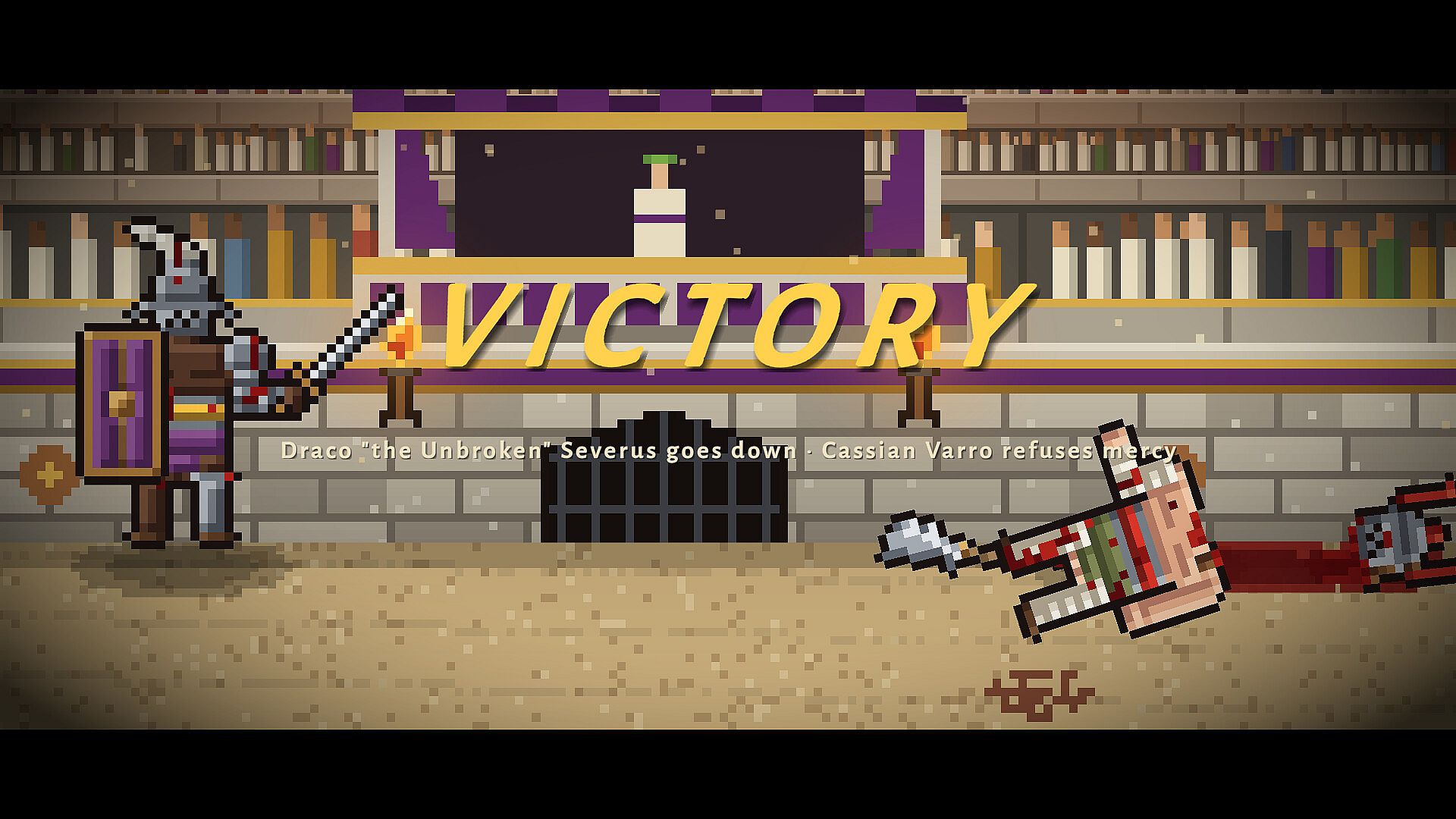
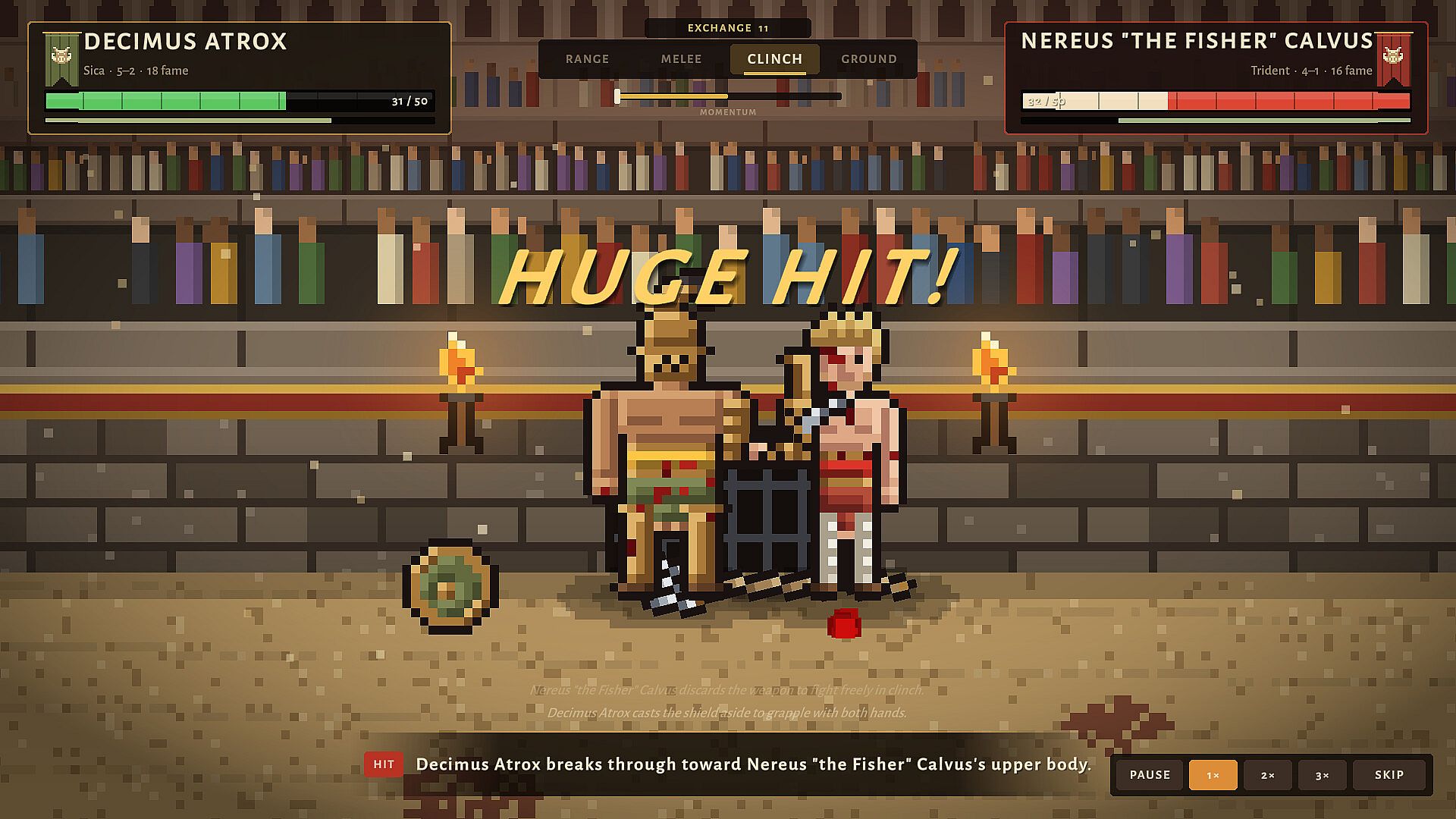
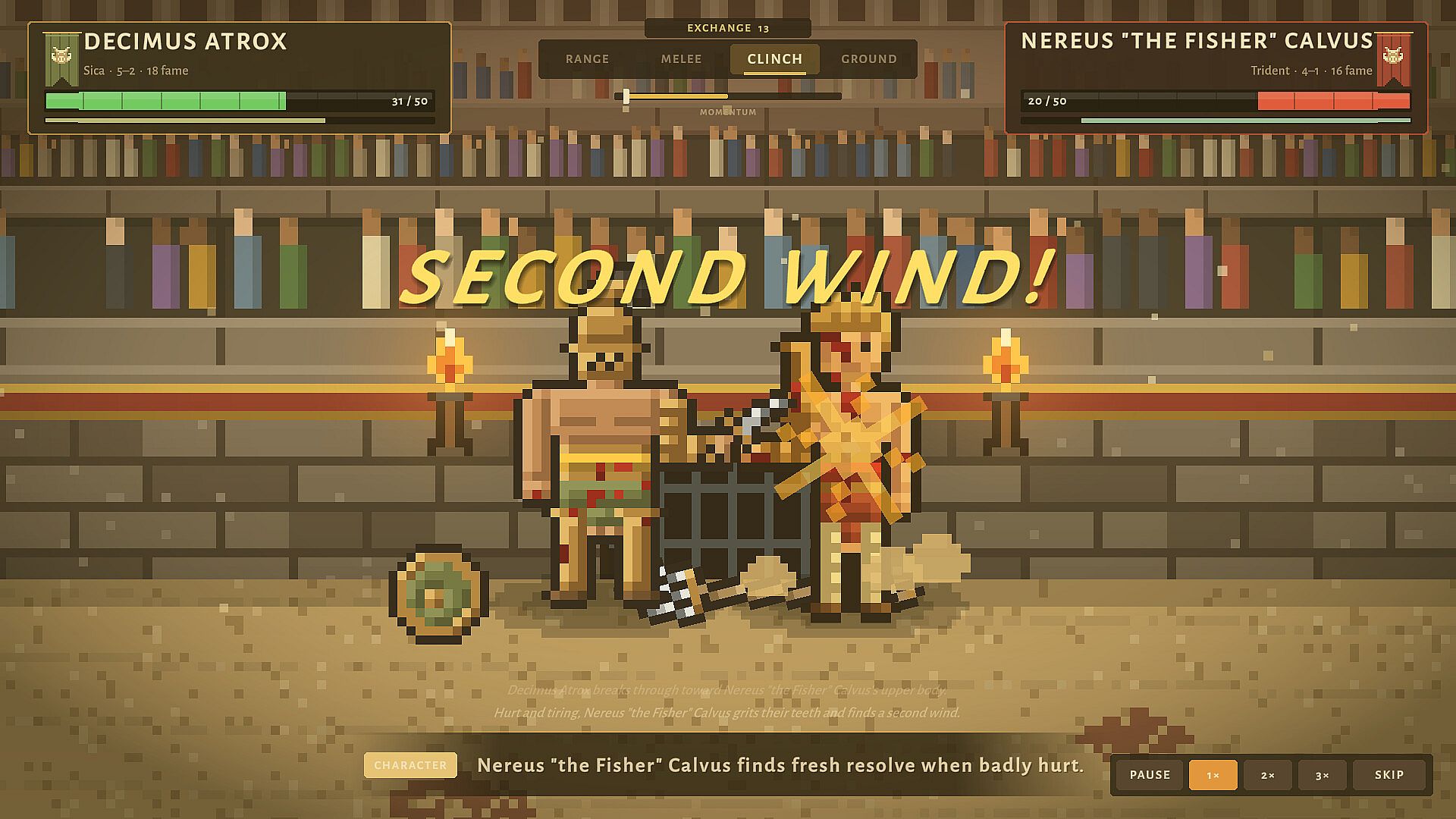
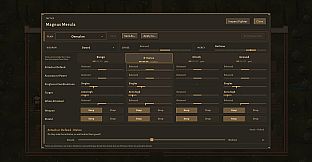
On fight days, set tactics from the stands and observe the results. Outcomes depend on the combination of plans, individual skills, temperament, and any existing wounds rather than direct control. Hidden traits emerge through repeated weeks, turning fighters into distinct individuals with grudges, ambitions, or shifts in behavior such as a coward gaining courage or a champion seeking freedom.
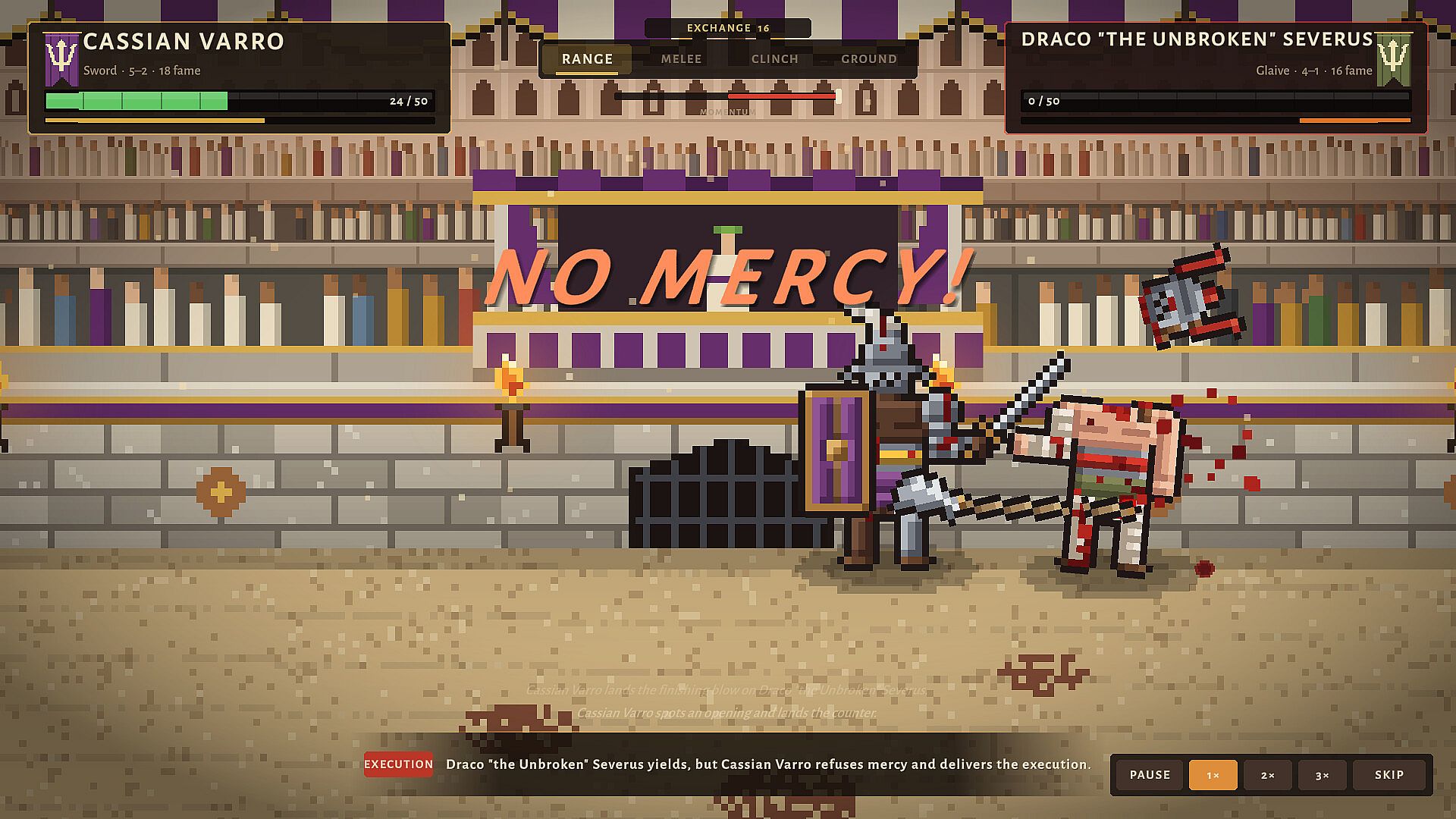
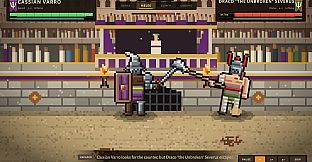
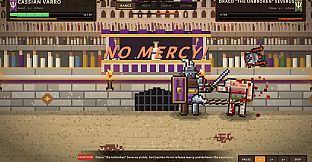
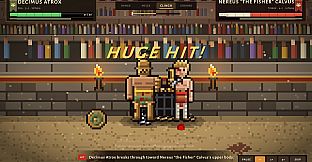
Management takes precedence over reflexes. Recruitment, preparation, and strategic choices determine success, while a pixel-art arena view shows each bout with crowd reactions, torches, and announcers. Commentary and fight reports clarify events without revealing odds in advance.
Game Modes
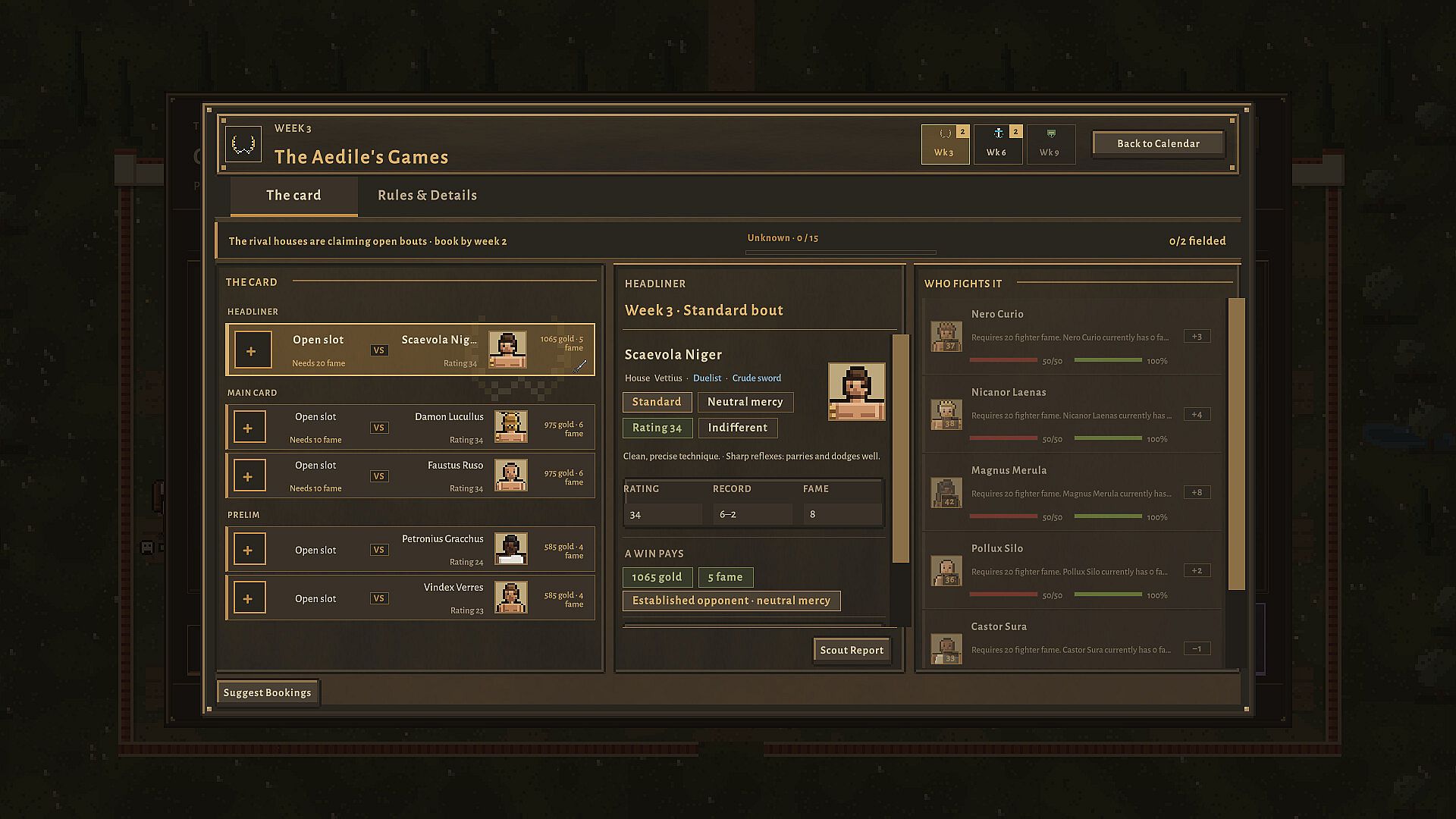
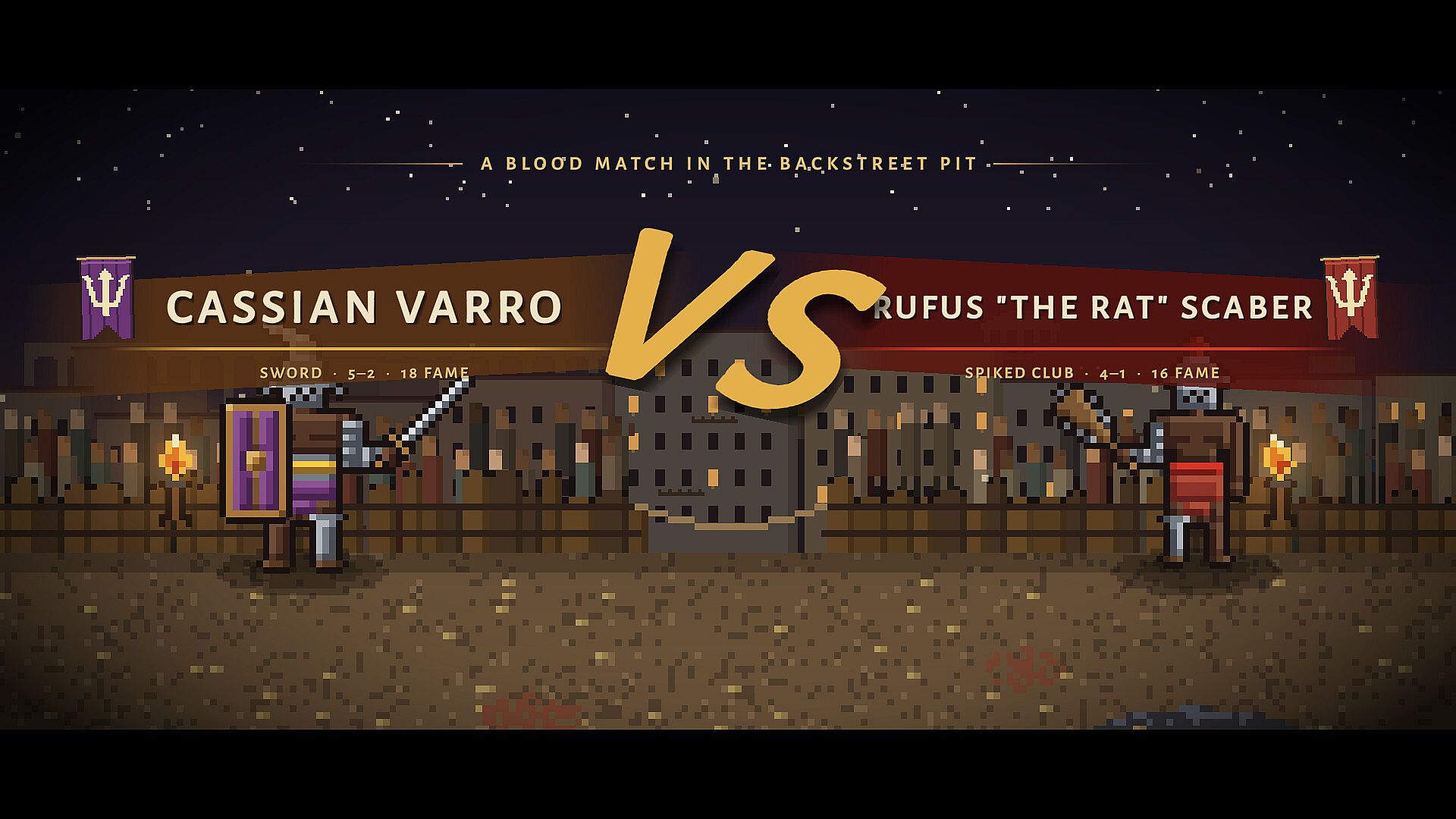
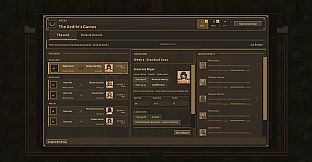
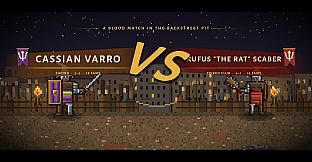
Progression unfolds through a calendar of bout offers that include named opponents, stakes, and scouting reports. Players balance fight cards, prize bouts, seasonal tournaments, and estate events against limited gold reserves. Five arenas scale with the ludus rank, starting from a torch-lit backstreet pit and advancing toward the Emperor's games.
Rival lanistae interact dynamically through auctions, shared cards, and evolving relationships based on past dealings. These elements create ongoing competition without requiring direct multiplayer involvement.
Progression and Fighter Careers
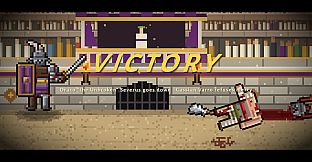
Fighters follow careers that reach natural endings. Veterans accumulate wear and may request freedom, leading to choices such as granting the wooden sword or arranging a final bout. Defeat does not always mean death. Fighters can surrender and receive mercy, survive with permanent scars, or die on the sand. These results carry forward consequences, including debts of life or desires for revenge that affect future interactions.
A house chronicle records victories, deaths, rivalries, and debts as the ongoing story of the ludus. This record provides context for long-term decisions across many weeks.
Is It Worth Playing?
Pitborn suits players who enjoy deliberate management simulations where preparation and long-term planning drive results. The emphasis on fighter personalities, permanent consequences, and resource constraints creates a focused experience centered on running a gladiator school rather than direct combat.
With its single-player structure and detailed systems for recruitment, training, and tactical setup, the game appeals to those interested in historical management themes and narrative emergence from mechanics. As an unreleased title, its reception will depend on how these elements perform once available, but the described approach offers a clear alternative to reflex-based arena games.