




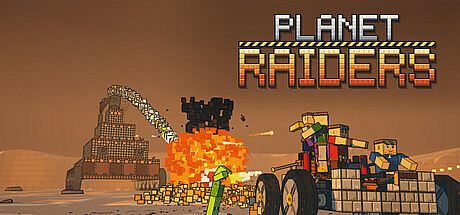


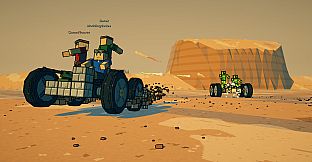
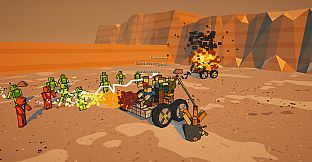
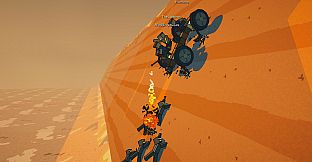
Planet Raiders is a co-op extraction game that blends action, indie creativity, simulation building, and adventure exploration on PC. Players work together to construct a custom machine, descend onto unknown worlds, gather resources under pressure, and extract safely with their haul intact.
Gameplay
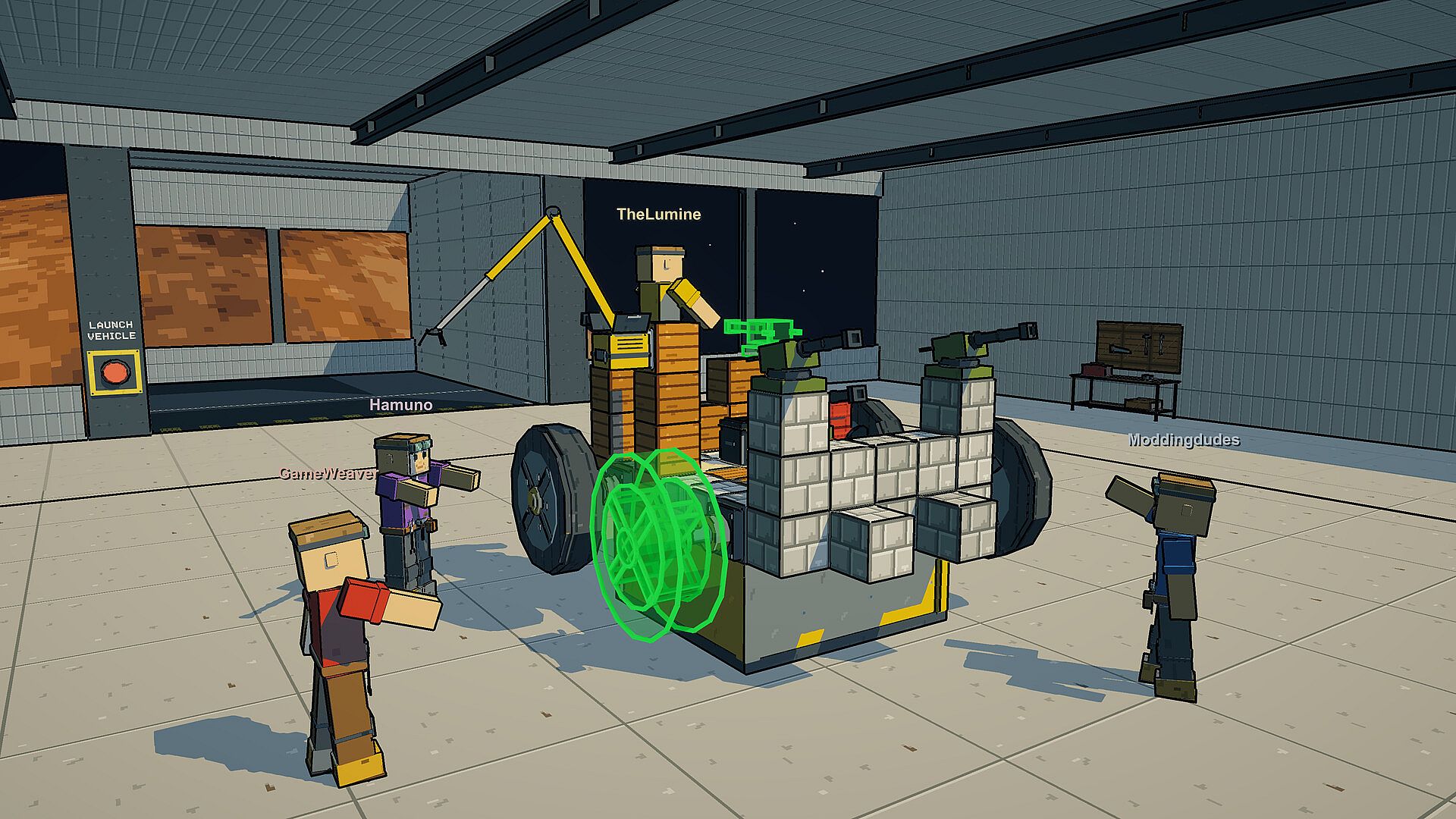
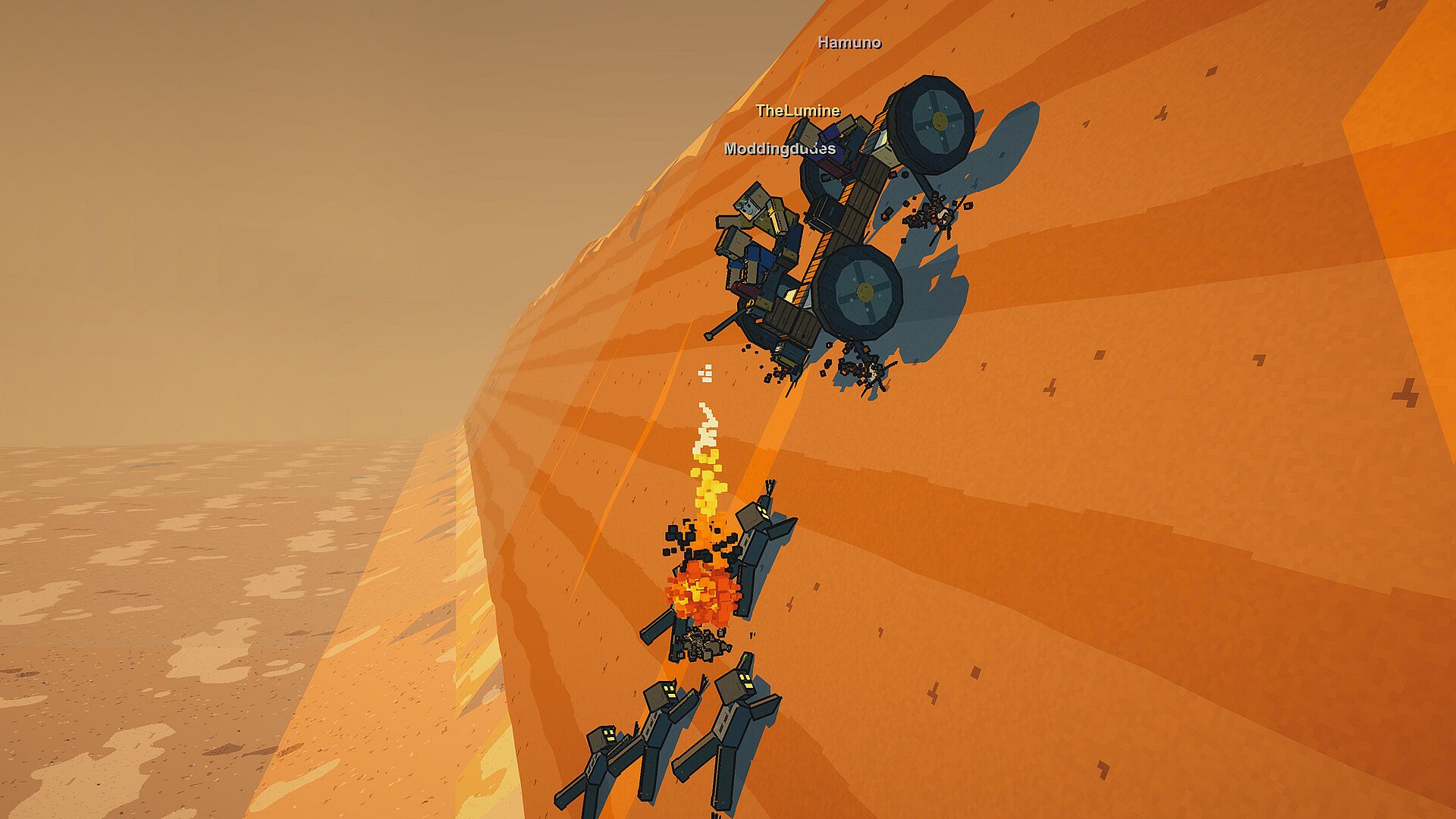
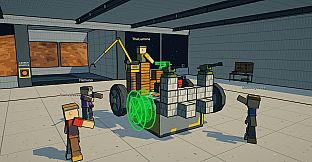
The core loop centers on collaborative machine construction in a ship hangar. A crew of one to five players fabricates parts from raw materials, including wheels, engines, turrets, robotic arms, and paddle wheels. Each component carries a material cost and adds weight, forcing deliberate choices about balance, mobility, and capability. Once assembled, the machine drops via landing pod onto a fresh procedurally generated planet featuring varied terrain such as dust flats, boulder fields, badlands, marshes, mesas, canyons, caves, and sealed vaults.
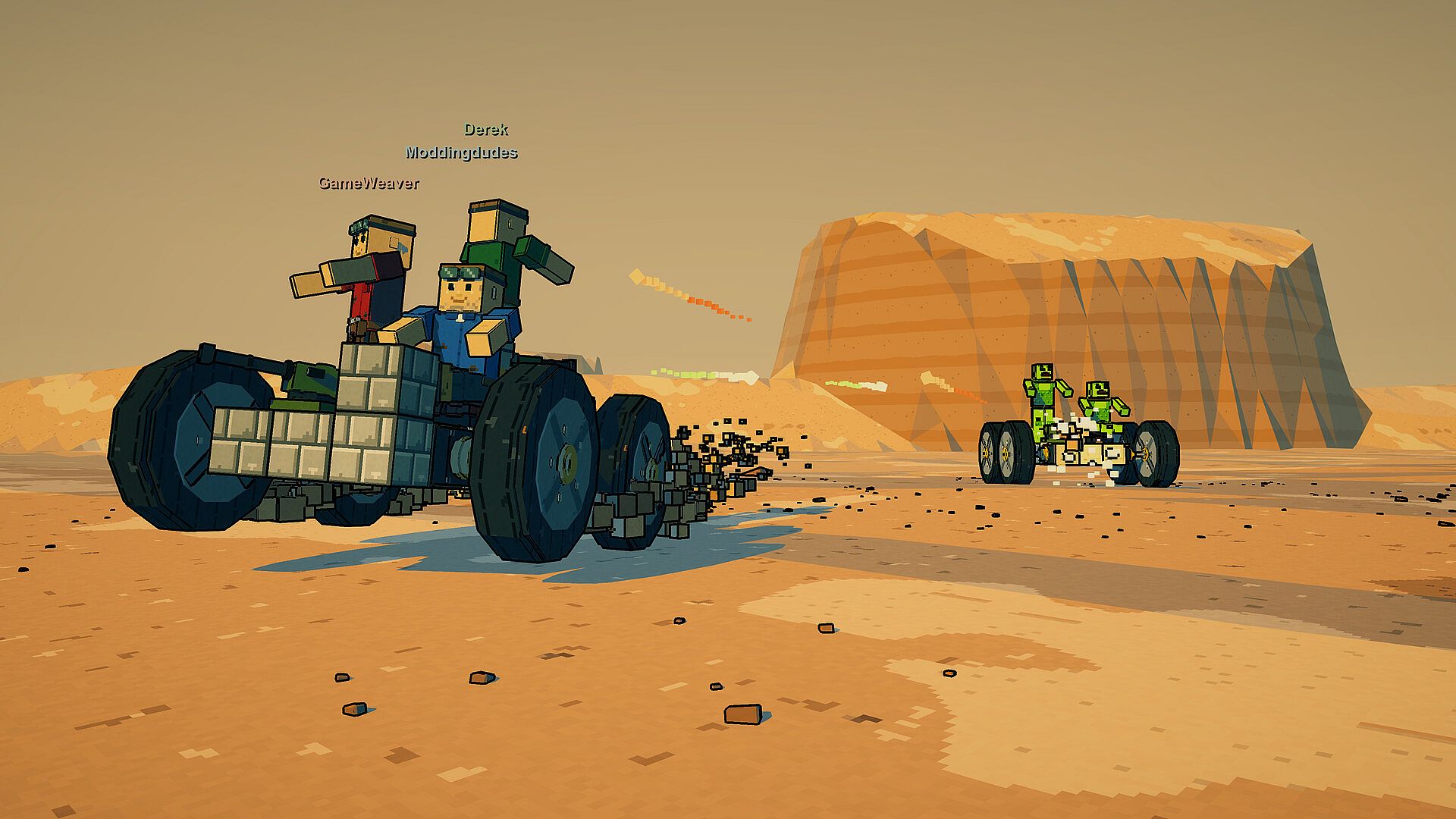
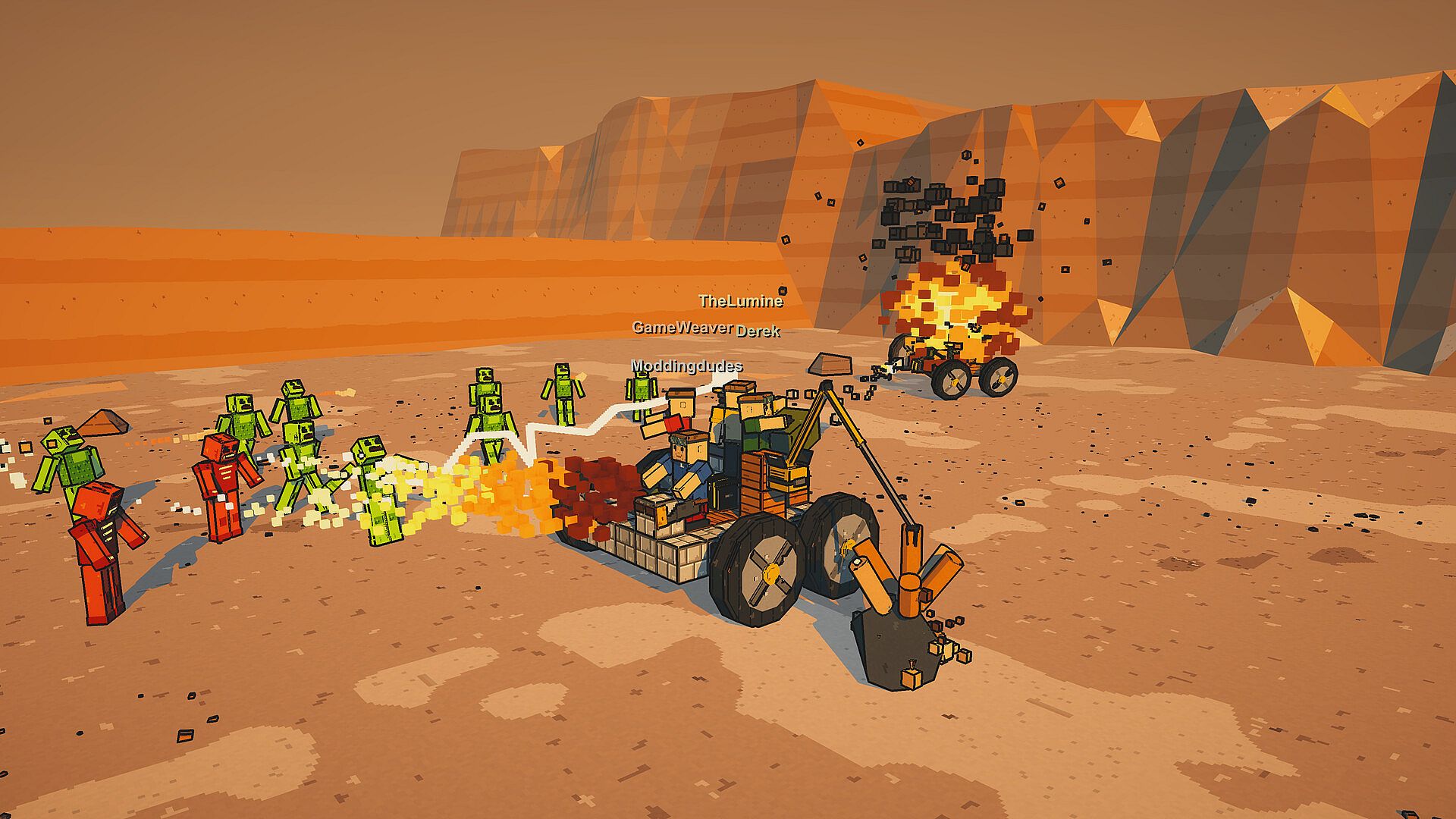
On the surface, the team uses the machine to break into enemy bunkers and vaults, extracting ores scattered across the map. Valuable deposits often sit in hard-to-reach spots that demand specific build features like digging tools or reinforced mobility. Enemies appear on foot and in their own machines, attacking with bullets and missiles. Stronger opposition appears on more difficult planets. Success requires returning to the landing pod with the collected resources, either in the machine or on foot. Failure means losing the machine, its materials, and the entire haul gathered during the run.
Resources brought back fuel further fabrication in the hangar. Players can then create larger or more specialized parts for subsequent drops onto tougher planets. This progression loop rewards careful planning during builds and adaptive teamwork during raids.
Game Modes
Planet Raiders focuses on cooperative extraction runs that scale with crew size. Sessions support solo play or groups up to five, with all participants contributing to a single shared machine. Each run involves building, planetary descent, resource collection amid threats, and safe return. Procedural generation ensures varied layouts and challenges per drop, while escalating planet difficulty introduces stronger enemies and more demanding terrain. The emphasis remains on repeated cycles of construction, raid, and upgrade rather than separate competitive or versus formats.
Build Customization and Progression
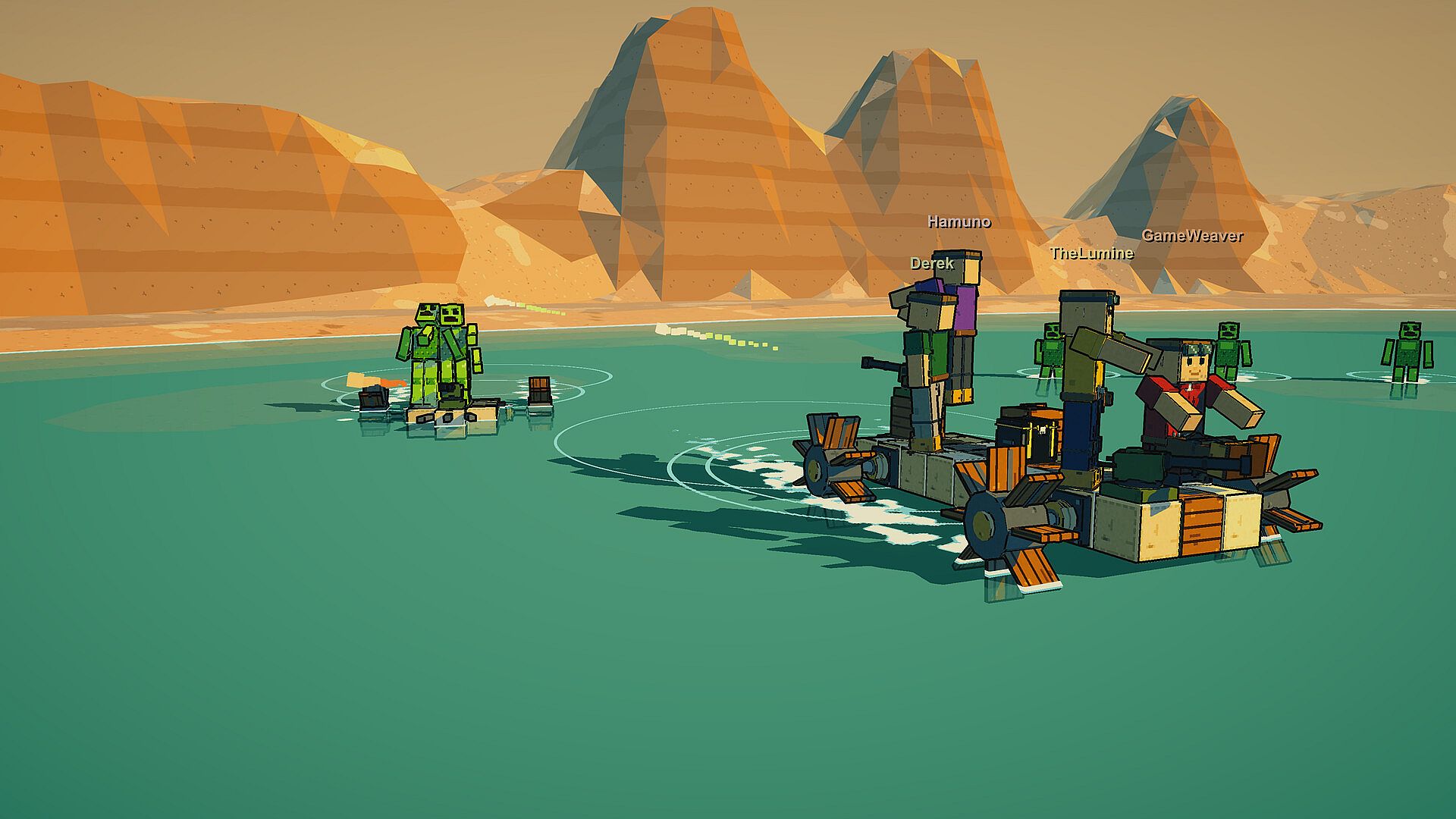
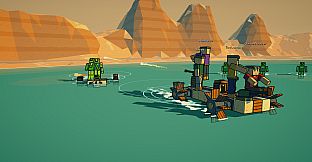
Customization arises directly from material trade-offs and part selection. A lightweight frame might allow faster movement across open flats but offers less protection or digging power in vaults. Heavier configurations with multiple turrets or arms excel at defense and excavation yet risk getting stuck in marshes or canyons. Crew coordination determines how parts integrate, such as pairing engines with paddle wheels for amphibious capability or mounting robotic arms for precise ore retrieval. Returning hauls unlock access to advanced components, enabling machines suited to harsher environments and higher-value targets.
Is It Worth Playing?
Planet Raiders suits players who enjoy cooperative building combined with tense resource extraction and risk management. The shared machine creation and procedural planets create repeatable sessions where group decisions directly affect survival and rewards. Those drawn to simulation-style crafting, adventure exploration, and action under time pressure will find the loop engaging, especially when tackling progressively harder worlds with a consistent crew. Availability on PC makes it accessible for groups seeking a focused co-op experience without additional modes or external requirements. The emphasis on one unified build per run keeps the focus tight on teamwork and adaptation.











