


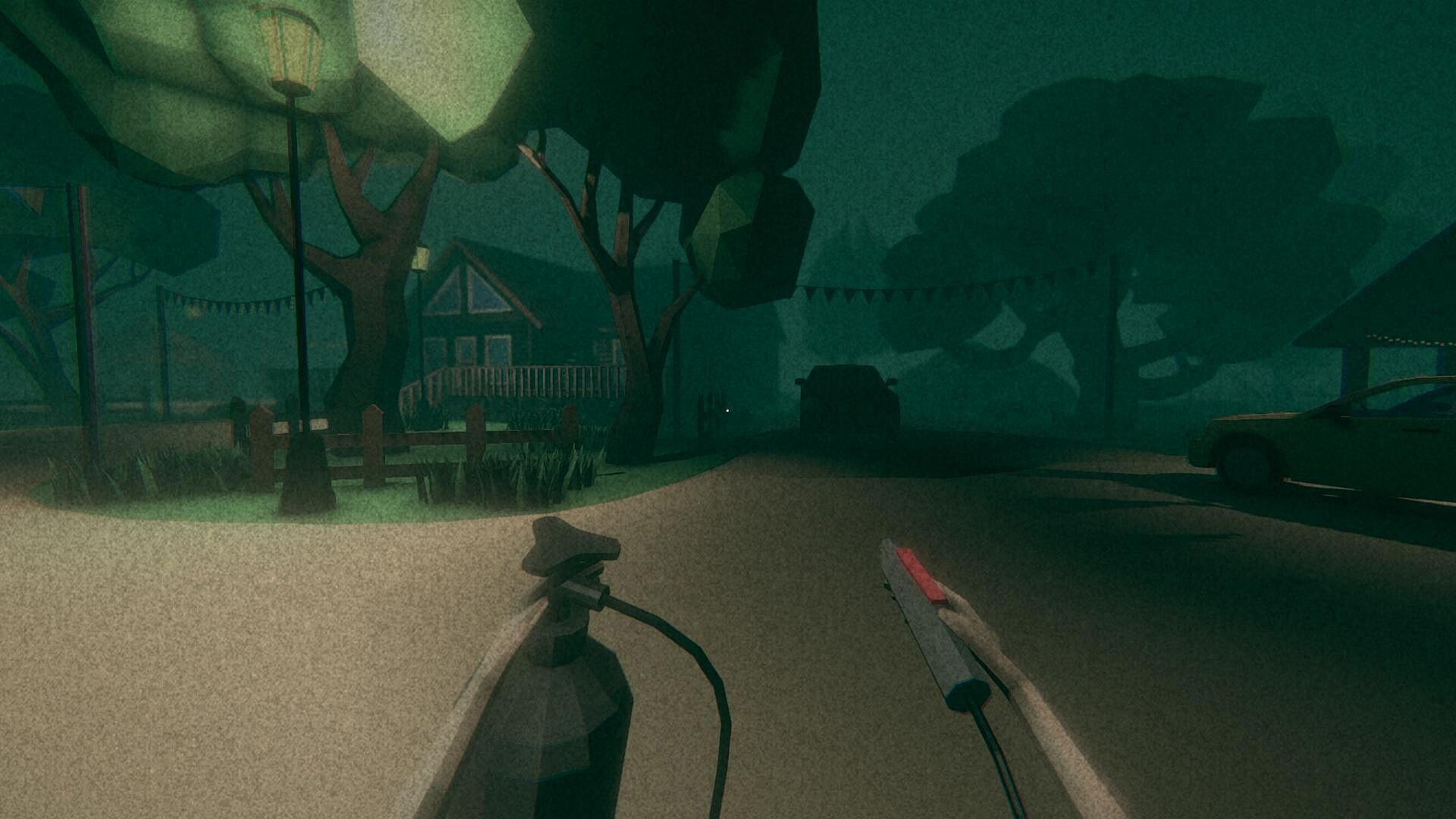

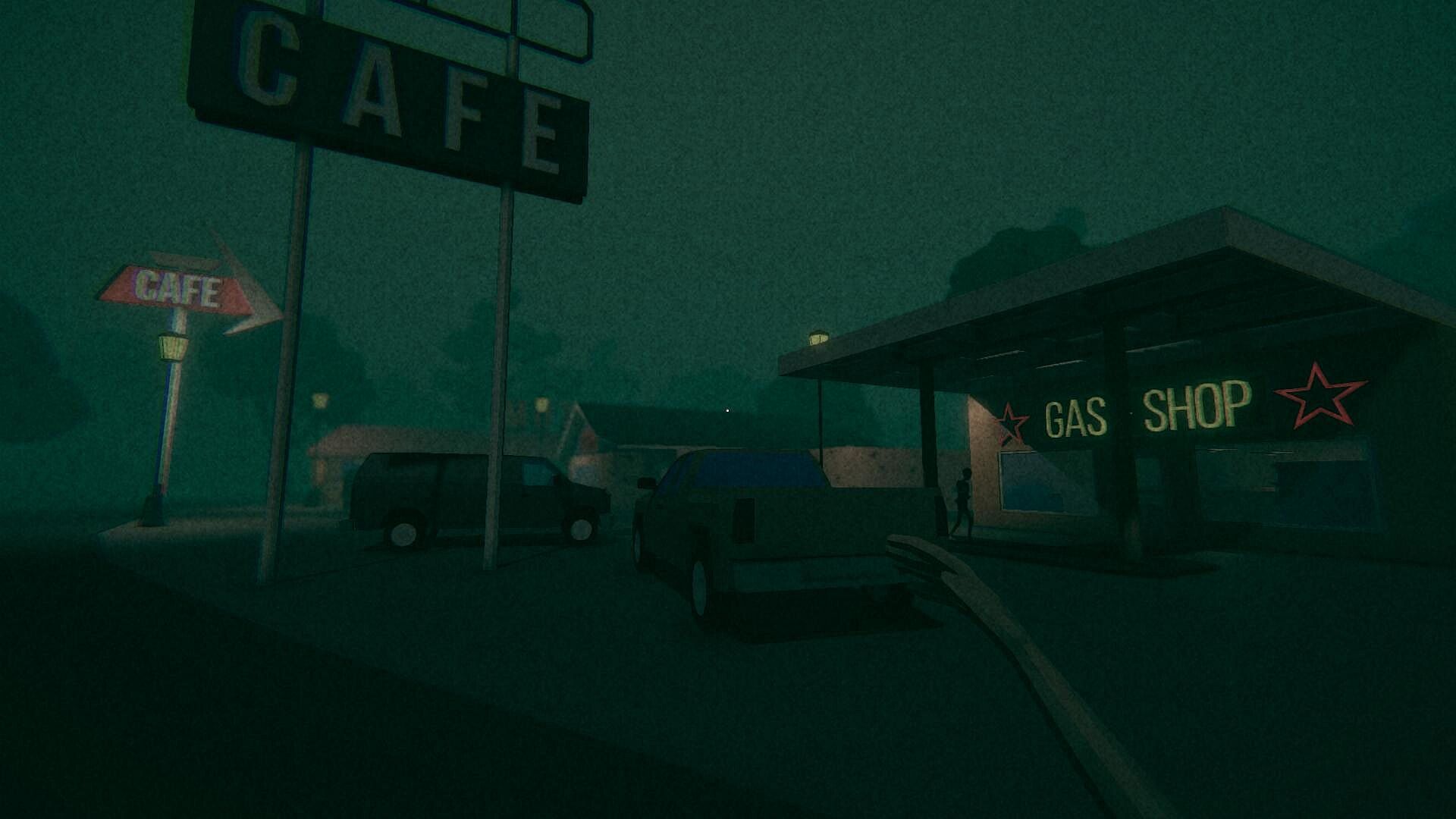





Police Activity: Cardboardman is a first-person slasher game developed for PC that switches between two opposing perspectives in a single experience. Players take on the role of a serial killer known as Cardboardman in one part of the action and switch to a detective pursuing him in the other. The core loop centers on stealth, evidence gathering, and direct confrontation within residential settings.
Gameplay
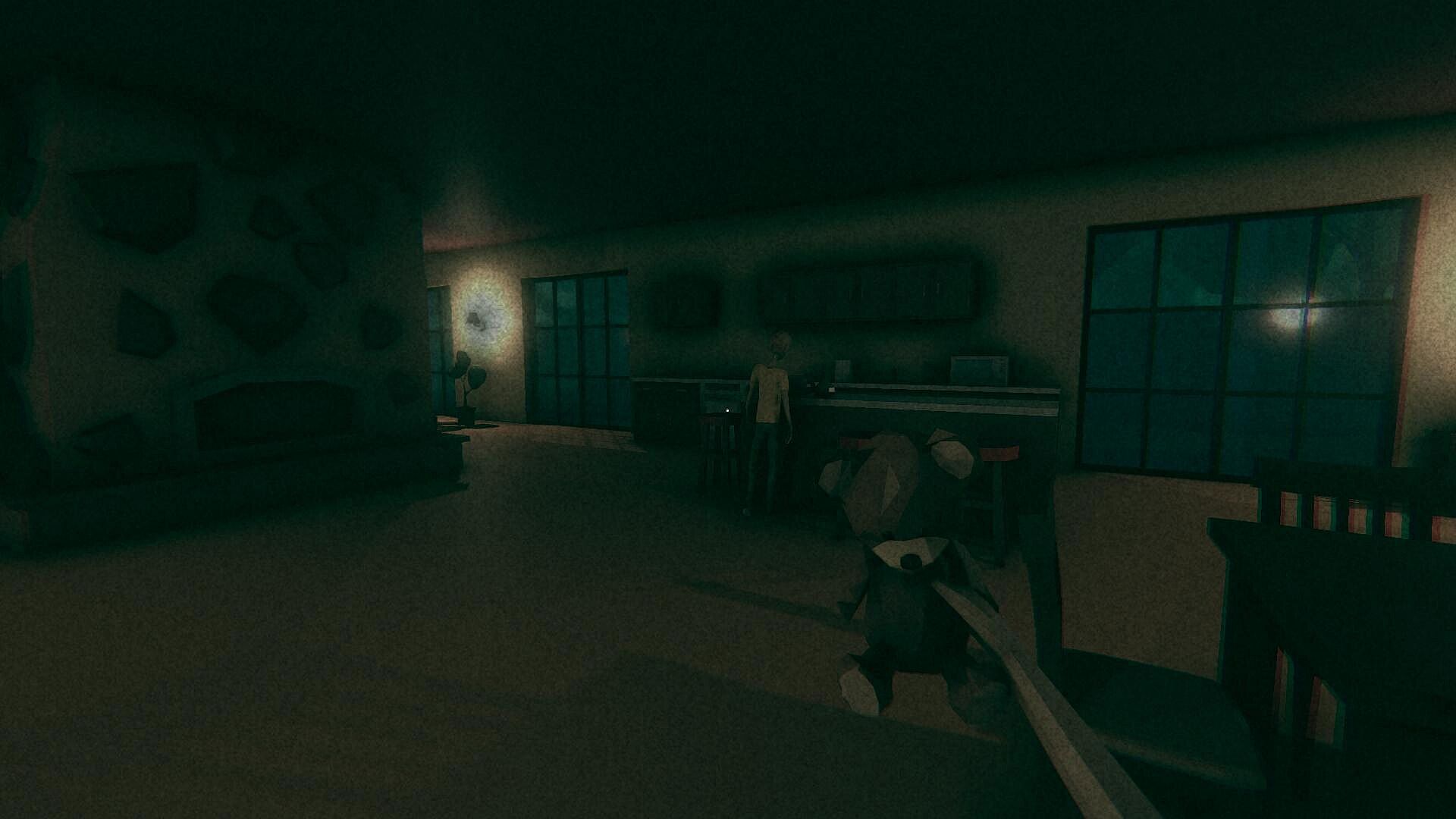
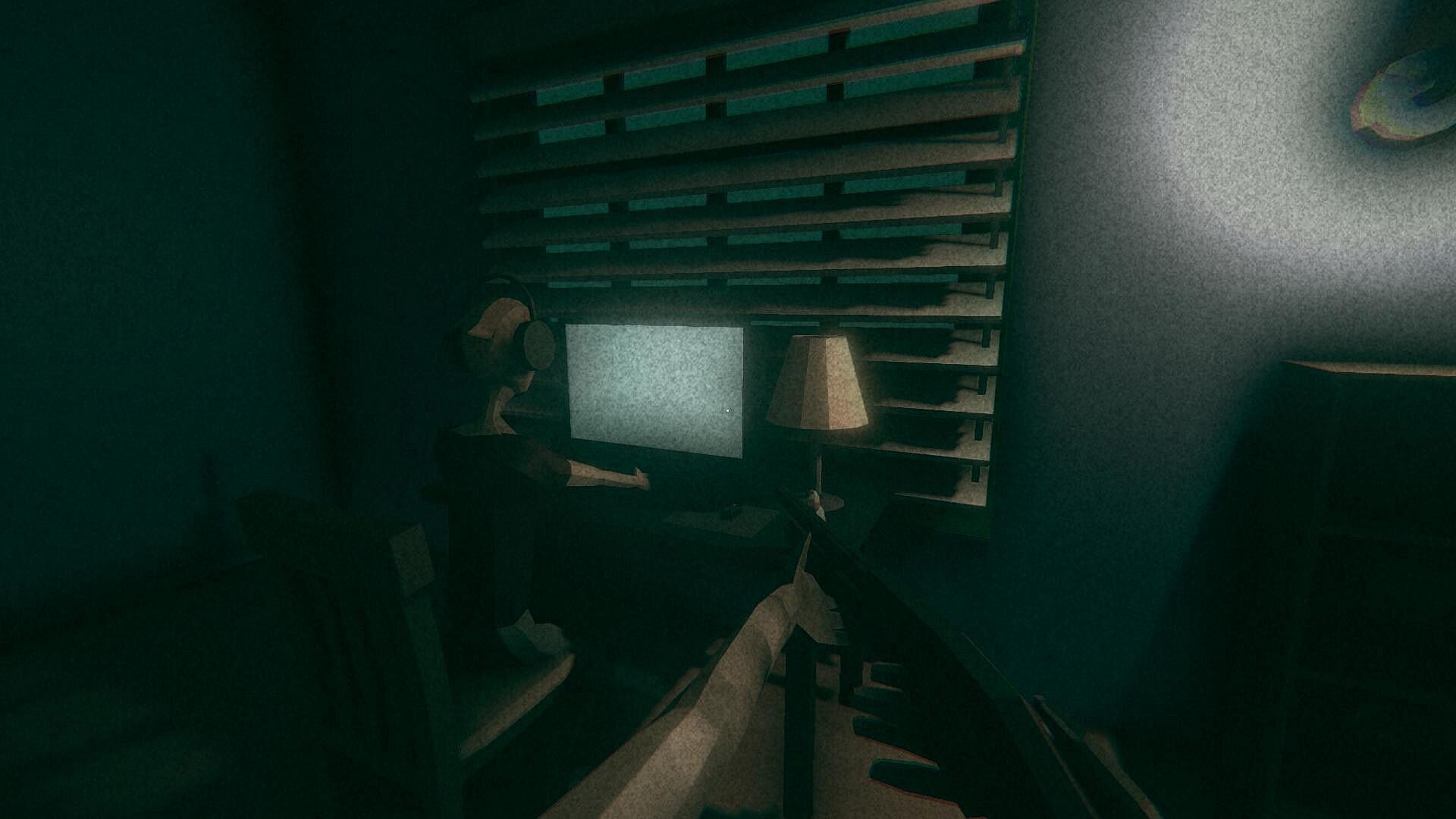
The game places emphasis on careful movement and timing. As the killer, the player must enter a victim's home, locate a specific murder weapon, and carry out the elimination while avoiding detection. Any noise or visible presence risks alerting the target, who can fight back and end the attempt. Witnesses in the area may also notice an intruder and contact authorities, forcing the player to adjust their approach or abort the sequence.
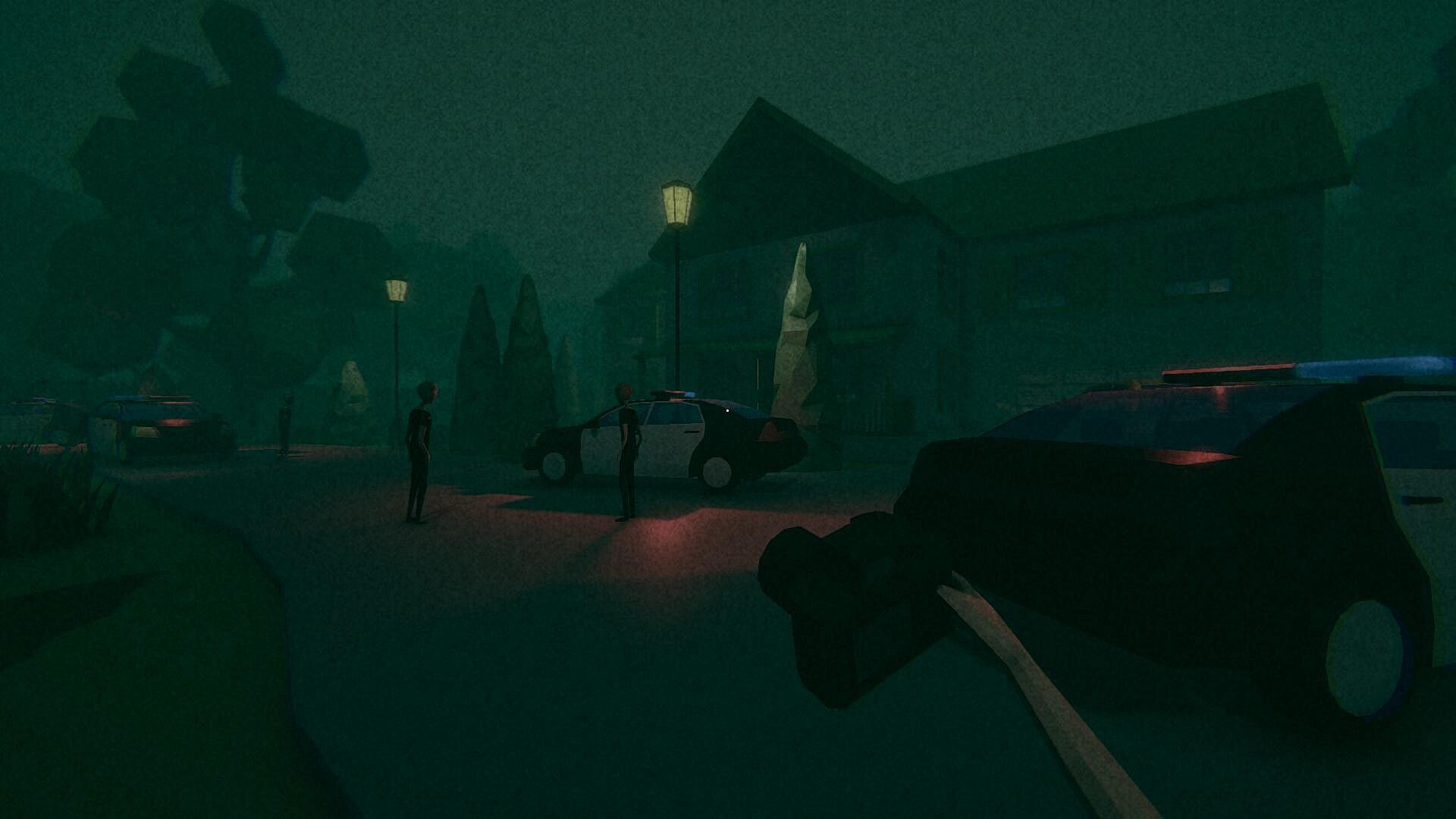
Switching to the detective role shifts the focus to investigation. The player searches for clues left behind at crime scenes, follows leads to identify the killer's pattern, and works toward an arrest. The detective must remain alert because the killer can reverse the situation and target the officer instead. This back-and-forth creates tension through limited information and the constant threat of being discovered.
Stealth mechanics require players to manage line of sight, sound, and timing when moving through homes. Accidental alerts can escalate quickly, turning a planned elimination into a defensive struggle. The single-player structure keeps all decisions and consequences within one continuous session.
Game Modes
The experience revolves around alternating segments that represent the killer's attempts and the detective's pursuit. One segment tasks the player with eliminating multiple victims across different locations while maintaining stealth. The opposing segment requires collecting sufficient evidence to locate and stop the killer before the roles reverse.
Progression ties the two sides together. Successful eliminations as the killer generate new evidence for the detective to analyze, while strong investigative work narrows the killer's options and increases pressure on subsequent attempts. The structure rewards planning across both perspectives rather than isolated actions.
Core Mechanics and Tension
Key systems include weapon location puzzles inside homes and evidence tracking that carries information between segments. The killer must balance speed with silence, choosing routes that minimize exposure. The detective gathers physical items and traces connections that point toward the next target or the killer's identity.
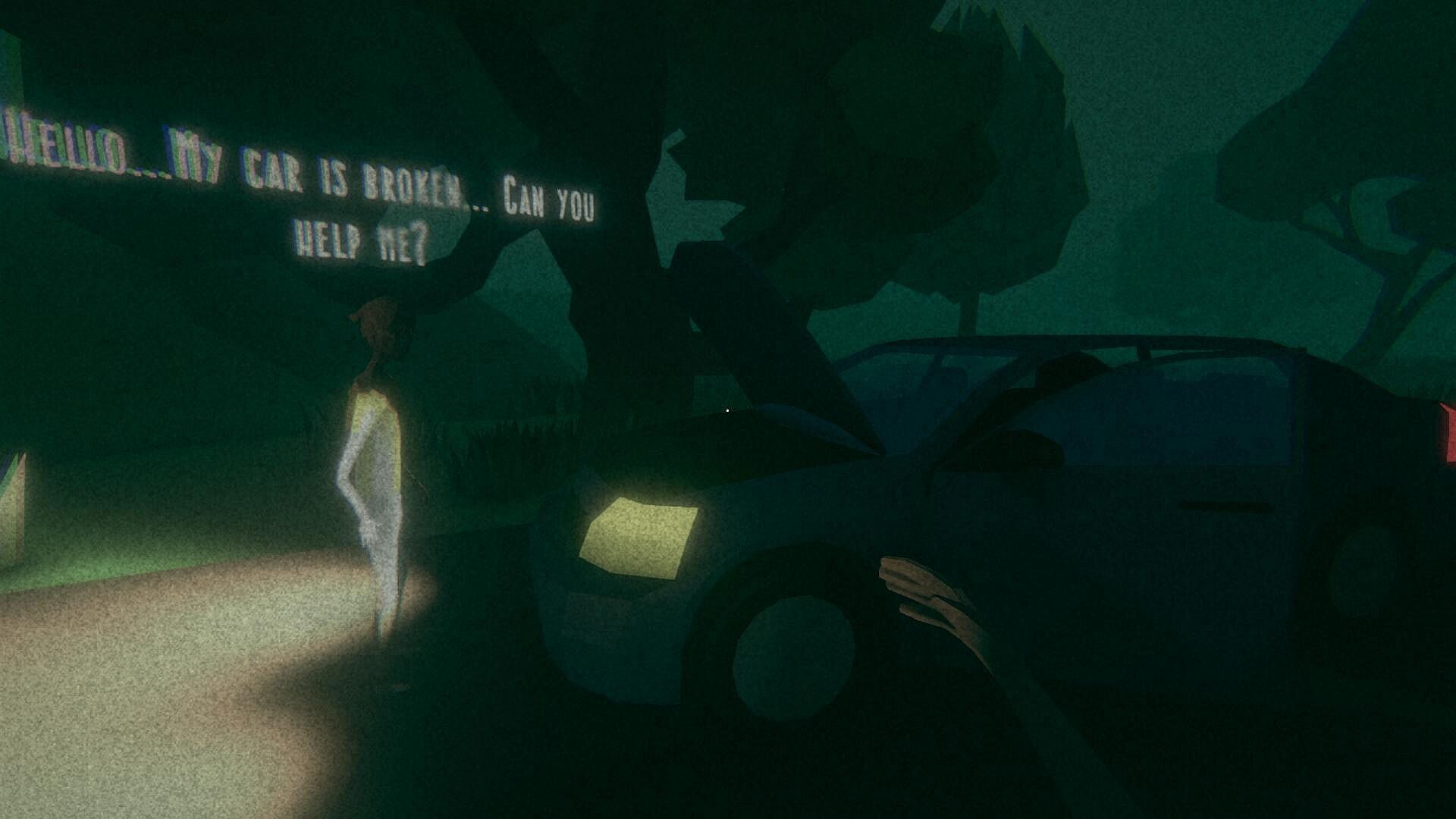
Accidental witnesses introduce an external risk layer. Their actions can summon police presence that disrupts the killer's plans or provides additional clues for the detective. This element adds unpredictability without requiring external systems or additional players.
Is It Worth Playing?
The game suits players who enjoy first-person stealth combined with investigation elements in an indie package. Its dual-role design creates a direct opposition loop where actions on one side immediately affect the other. With a planned release in late 2026 and no user reviews available yet, the title remains untested by a broader audience.
Those interested in short, focused sessions centered on home infiltration and clue hunting may find the concept engaging. The absence of multiplayer or additional modes keeps the experience contained to the described single-player loop. Potential buyers should monitor early feedback after launch to confirm whether the mechanics deliver consistent tension across repeated playthroughs.