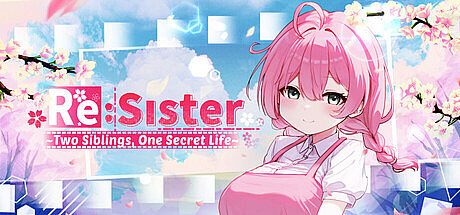


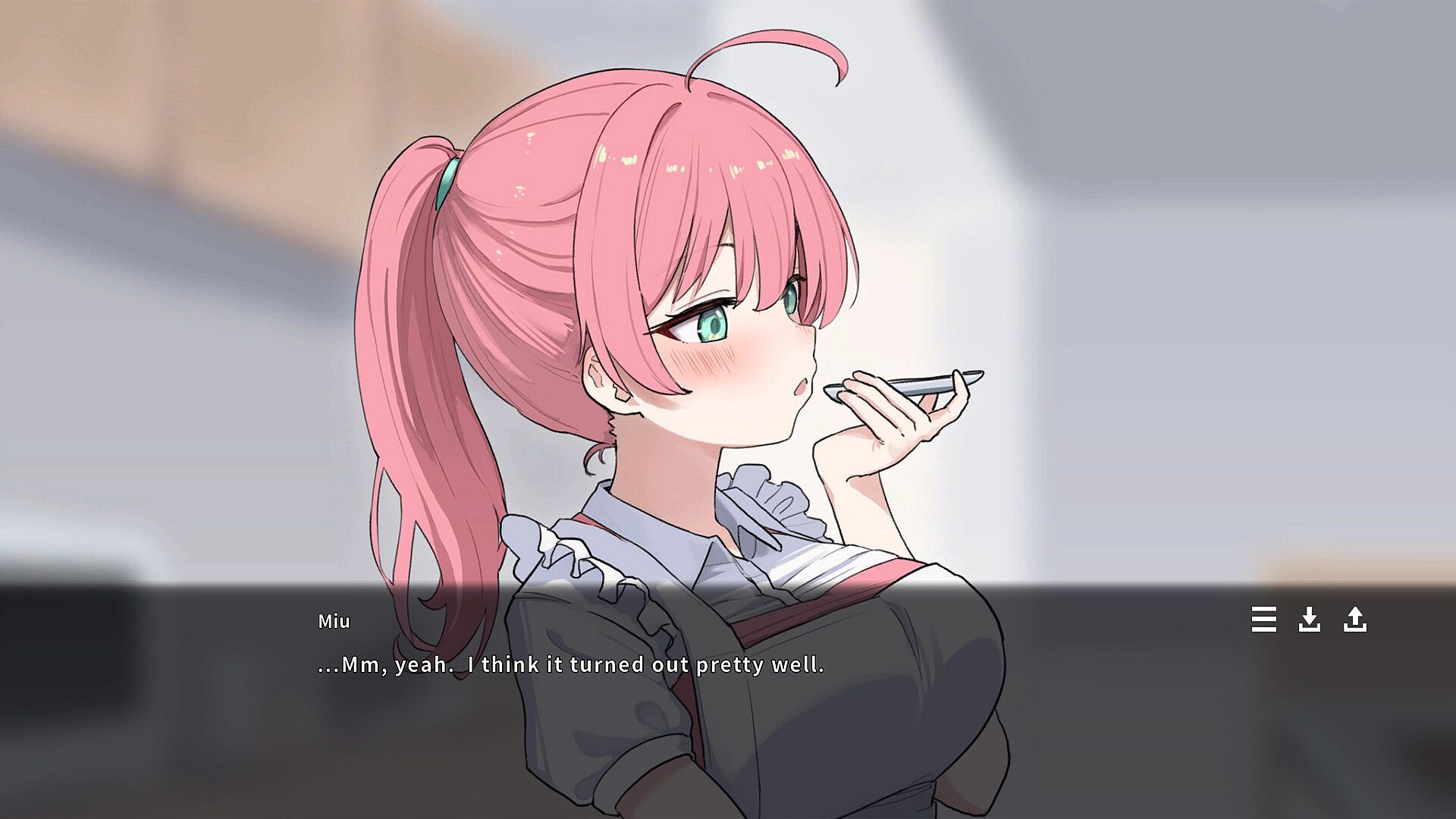
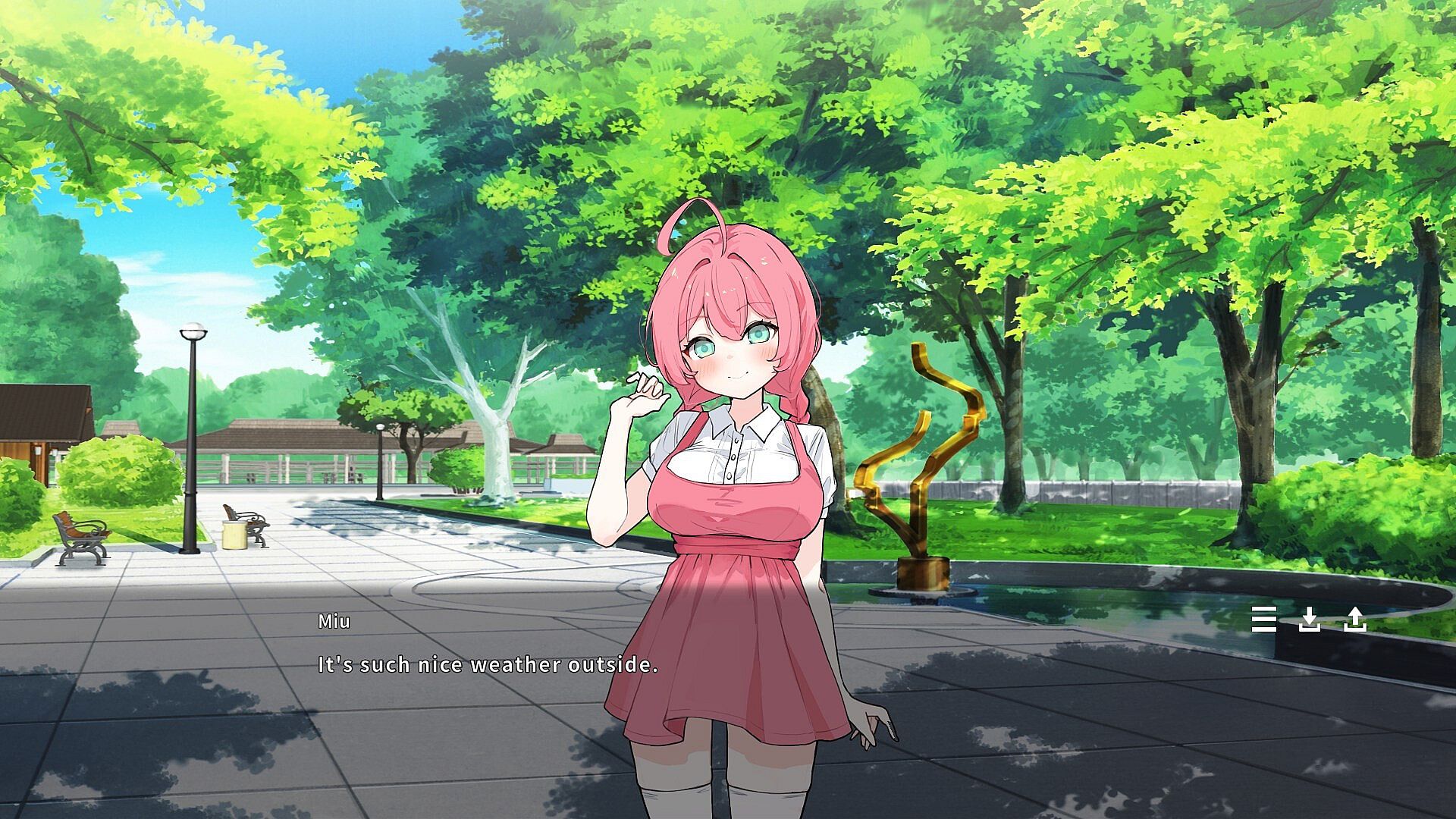
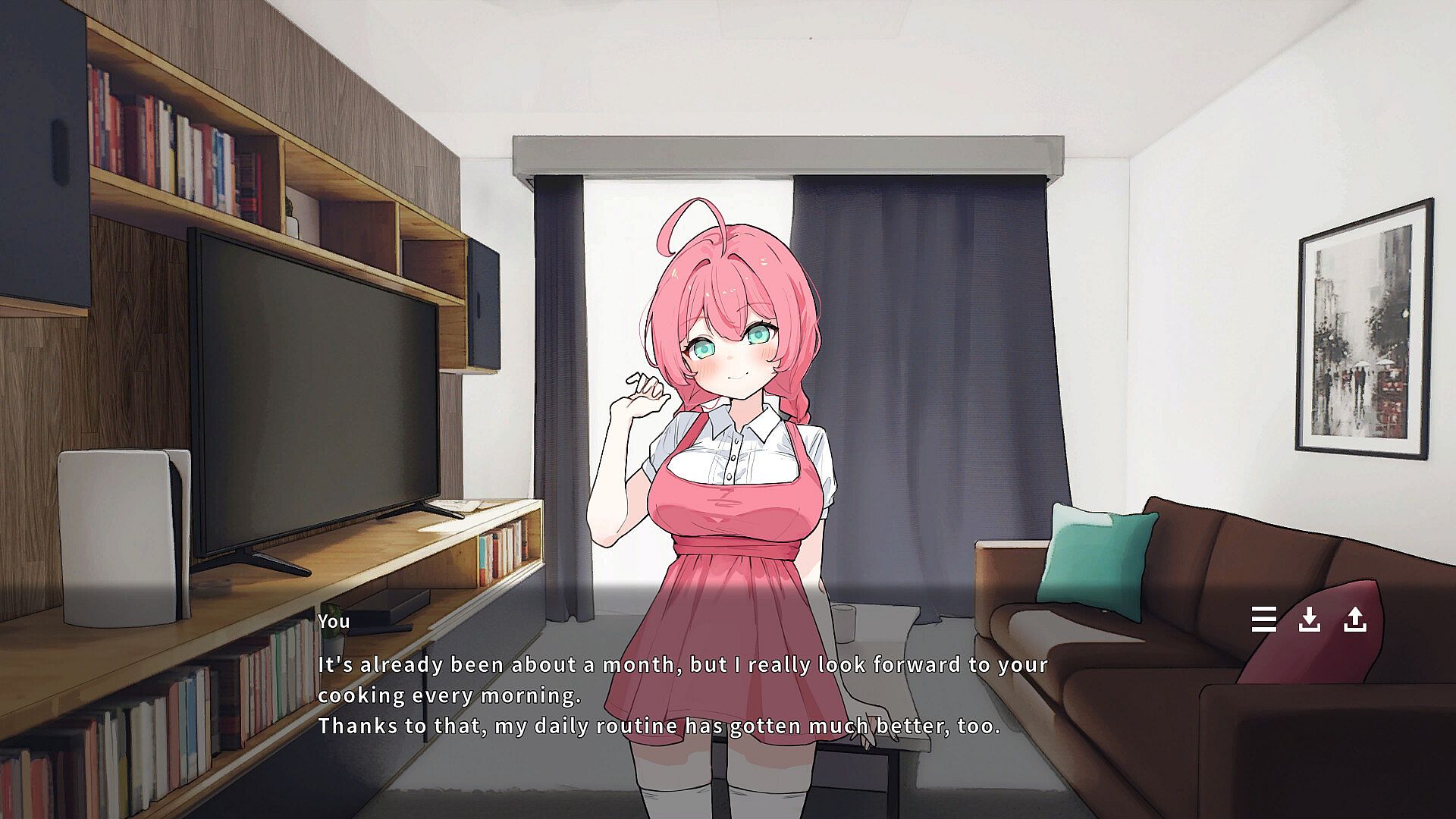

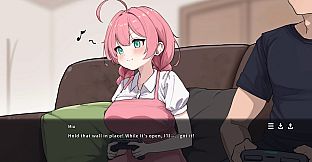
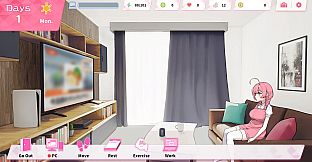
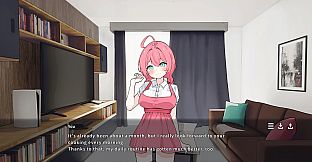
Re:Sister ~Two Siblings, One Secret Life~ is a single-player life simulation game set on PC. Players step into the role of an older sibling who takes in their younger sister Miu after their parents leave for an overseas business trip. The experience centers on rebuilding a once-close relationship through everyday routines in a shared home.
Gameplay
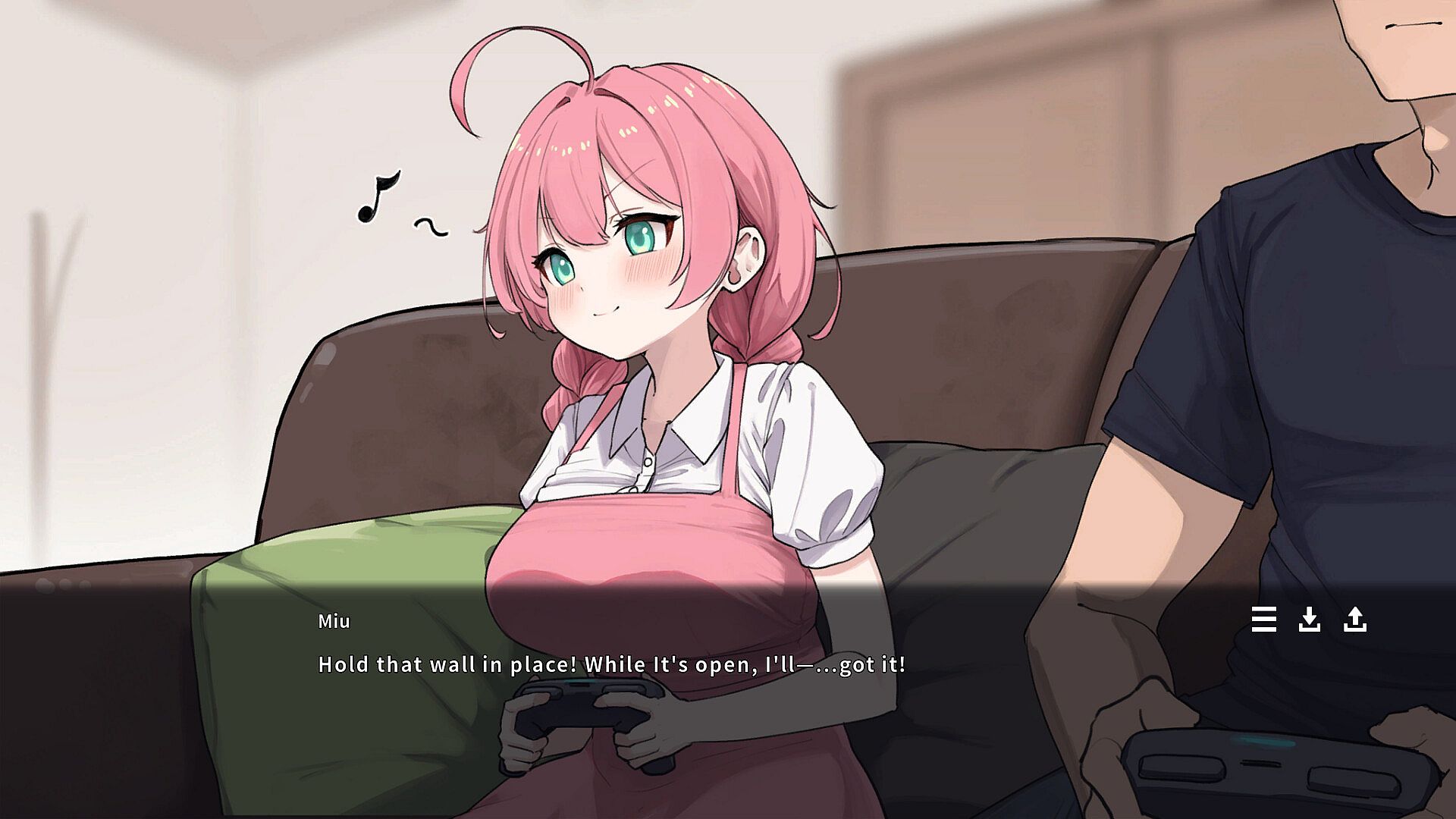
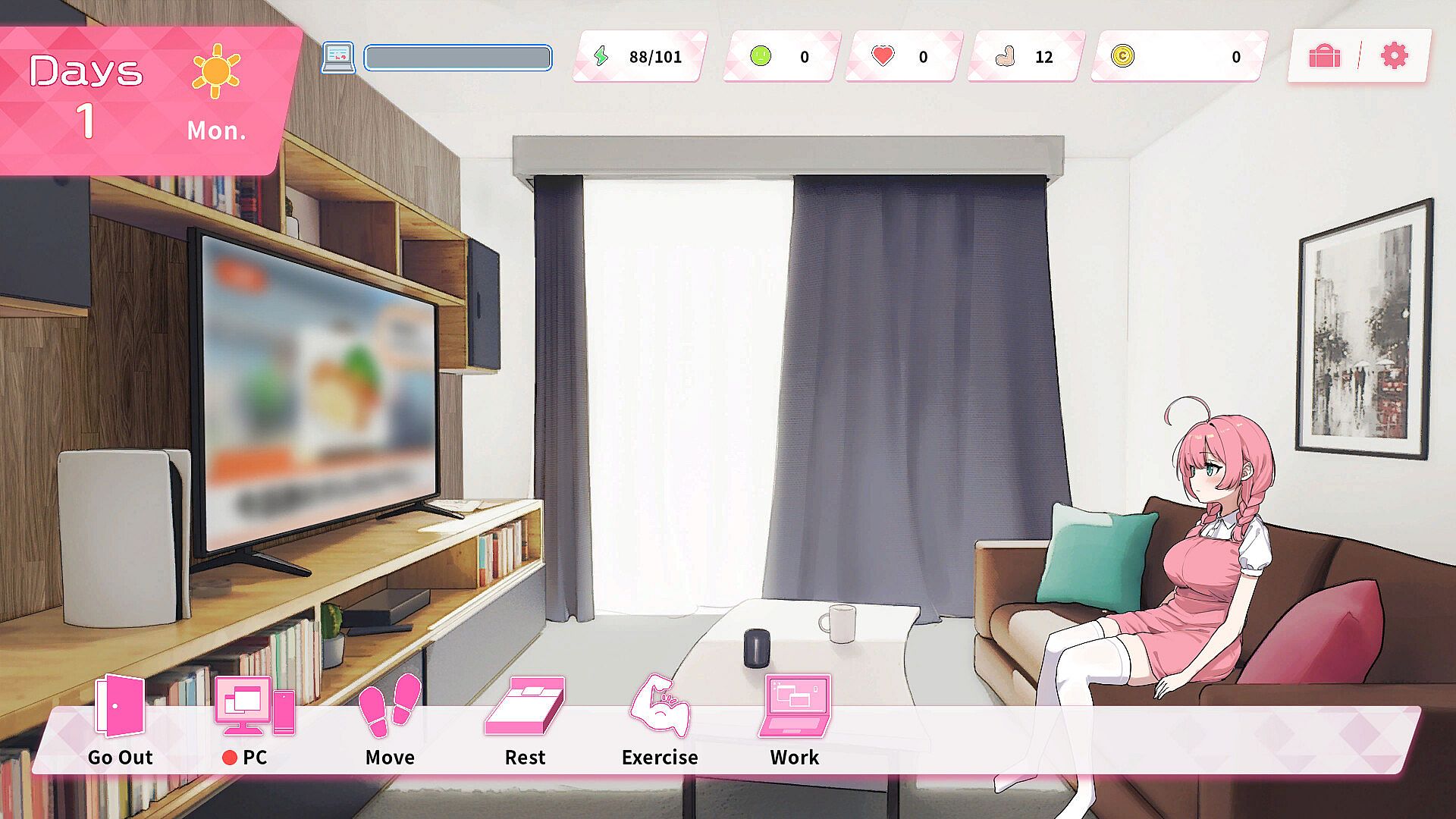
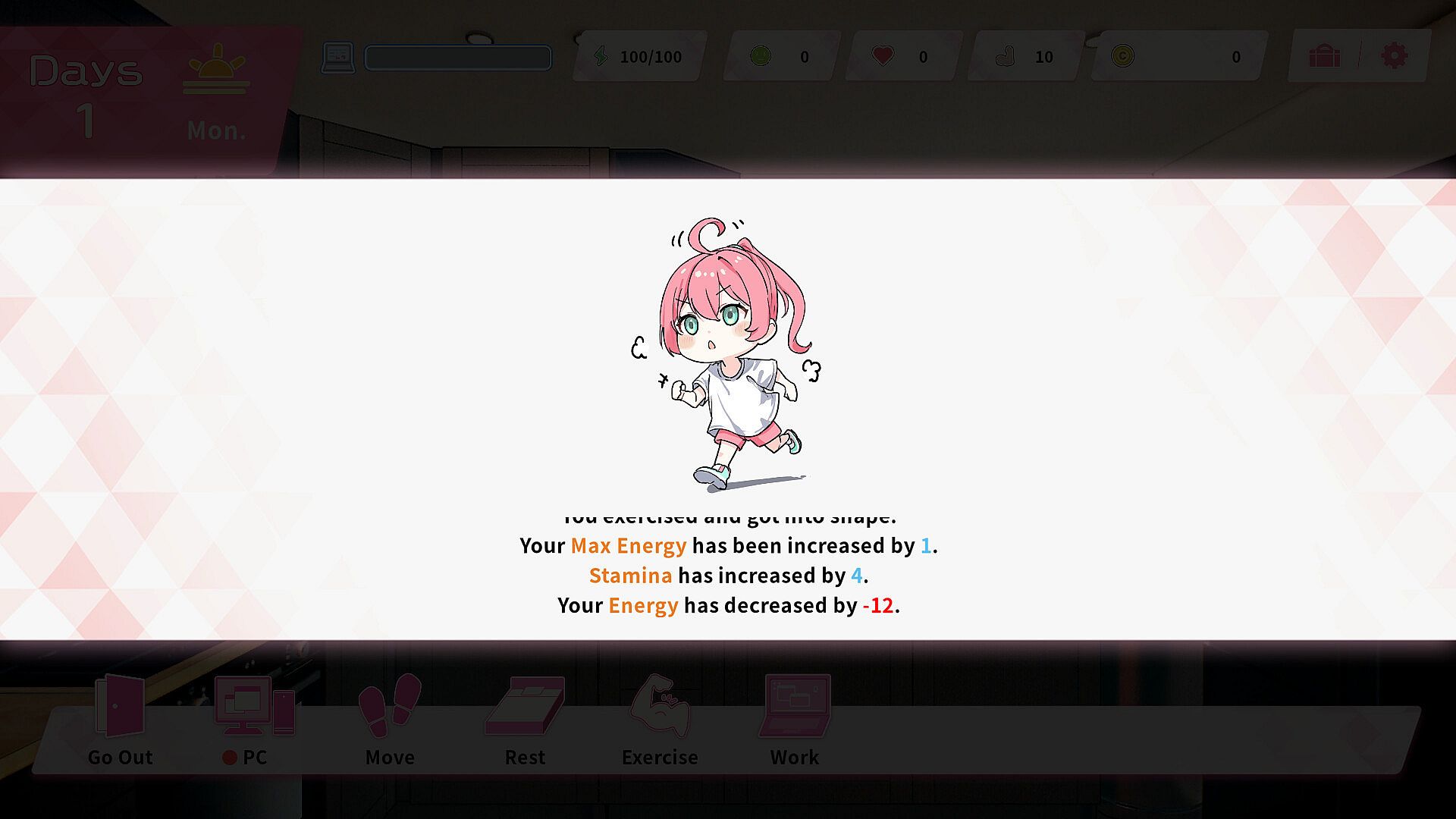
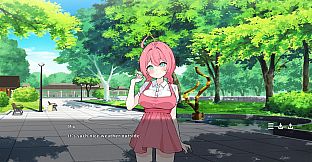
The core loop revolves around managing daily life while gradually strengthening the bond with Miu. Players handle work from home to generate income, exercise to build stamina, and participate in shared activities that foster closeness. Meals are eaten together at set times, and grocery shopping occurs every Wednesday as a fixed routine. Interactions include conversations about personal worries or future plans, watching movies, taking park strolls, and playing games to create shared memories.
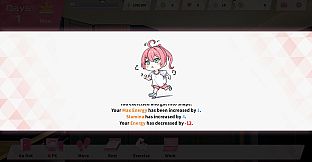
Progress comes from consistent effort across these systems. Raising stamina through exercise supports more demanding activities, while income from work funds purchases that improve living conditions or provide new opportunities for time together. The simulation emphasizes a relaxed pace with no strict deadlines, allowing players to settle into a comfortable rhythm of cohabitation.
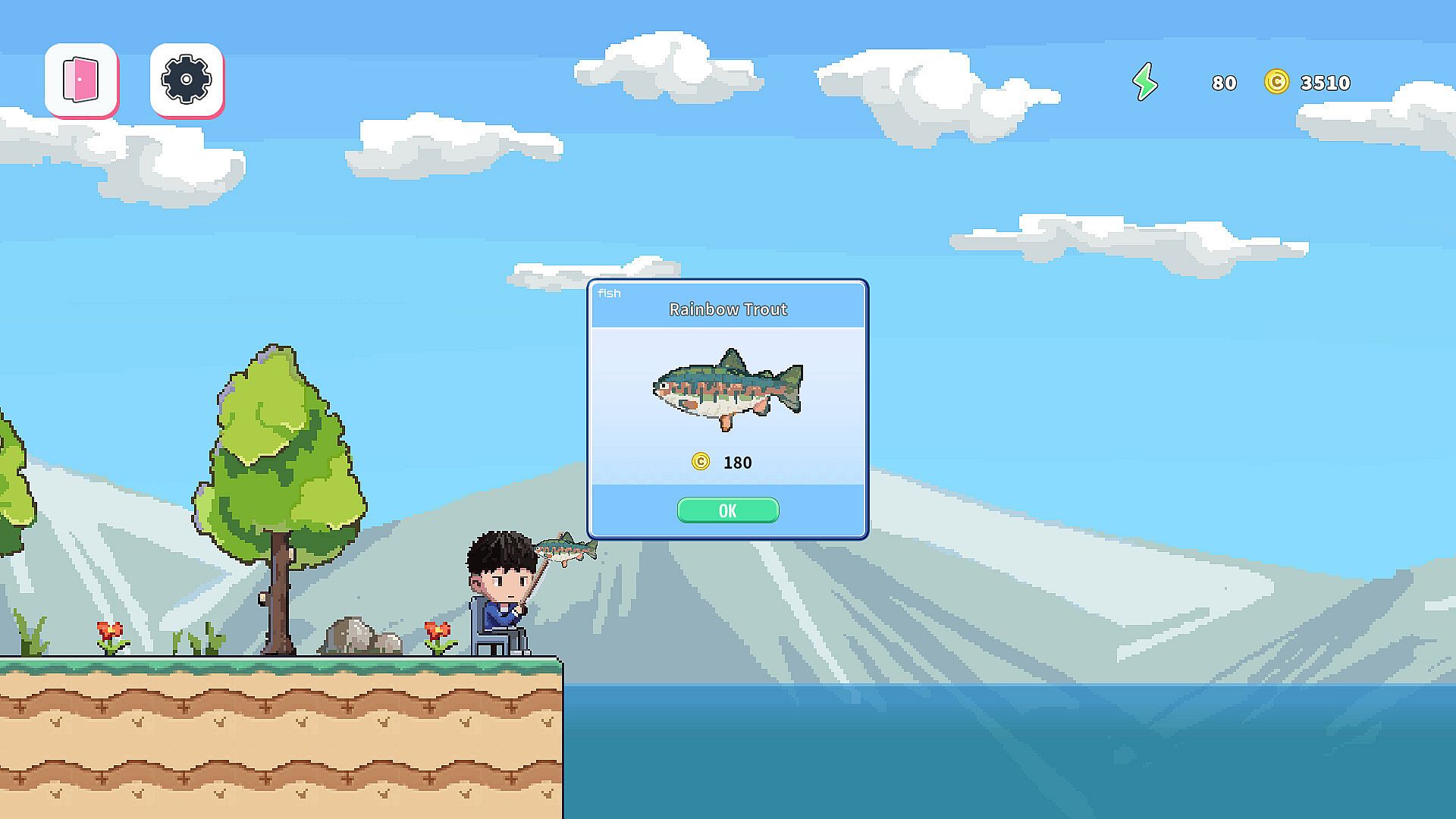
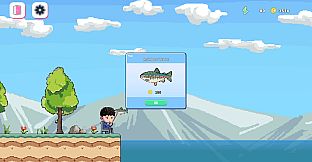
Additional mechanics break up the routine. An item shop lets players browse and acquire useful goods, with new stock appearing periodically through email notifications. Fishing serves as a separate activity for earning money, where better equipment leads to larger catches and higher rewards. These elements integrate into the broader goal of making the living arrangement feel natural and supportive.
Game Modes
The game operates as a continuous single-player simulation without separate competitive or multiplayer modes. All progression unfolds through the ongoing daily cycle of work, exercise, household tasks, and sibling interactions. Players advance by balancing these responsibilities while focusing on relationship development through repeated quality time spent together.
Core activities form the structure of each day. Time spent chatting, watching films, walking outdoors, or engaging in light games directly contributes to greater comfort and familiarity between the siblings. Fishing and shopping provide optional variety, letting players adjust their schedule when they want a change from the standard home-based routine. The emphasis remains on steady, incremental growth rather than timed challenges or branching story paths.
Daily Life and Relationship Building
Rebuilding the sibling connection forms the central focus. Early interactions may feel slightly awkward after the period of separation, but consistent shared meals, conversations, and joint activities help restore ease. Players track progress through improved comfort levels that unlock new dialogue options and deeper exchanges about life and plans.
Household management adds practical layers. Cooking and cleaning fall to Miu while the player works remotely, creating a division of labor that mirrors real cohabitation. Small choices in how free time is spent influence the overall atmosphere, encouraging players to prioritize moments that strengthen the family-like dynamic.
Is It Worth Playing?
This title suits players who enjoy relaxed life simulations centered on relationship management and routine-building. The mechanics reward patience and steady participation in everyday tasks, with fishing and shopping offering light variety for those who want occasional breaks from the main schedule. The experience stays focused on a single narrative thread of sibling reconnection without additional layers or competitive elements.
Player feedback from available sources highlights the appeal for fans of cozy, low-pressure simulations that emphasize personal growth and shared moments. The game remains in active development ahead of its Steam release, with the current version available through other platforms. Those drawn to detailed daily-life systems and gradual bond development will find the core loop engaging, while players seeking fast-paced action or multiple distinct modes may prefer other titles.