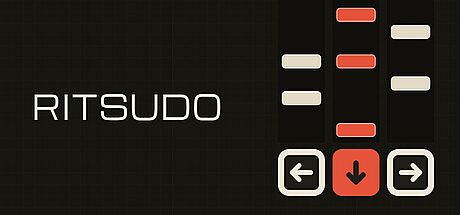


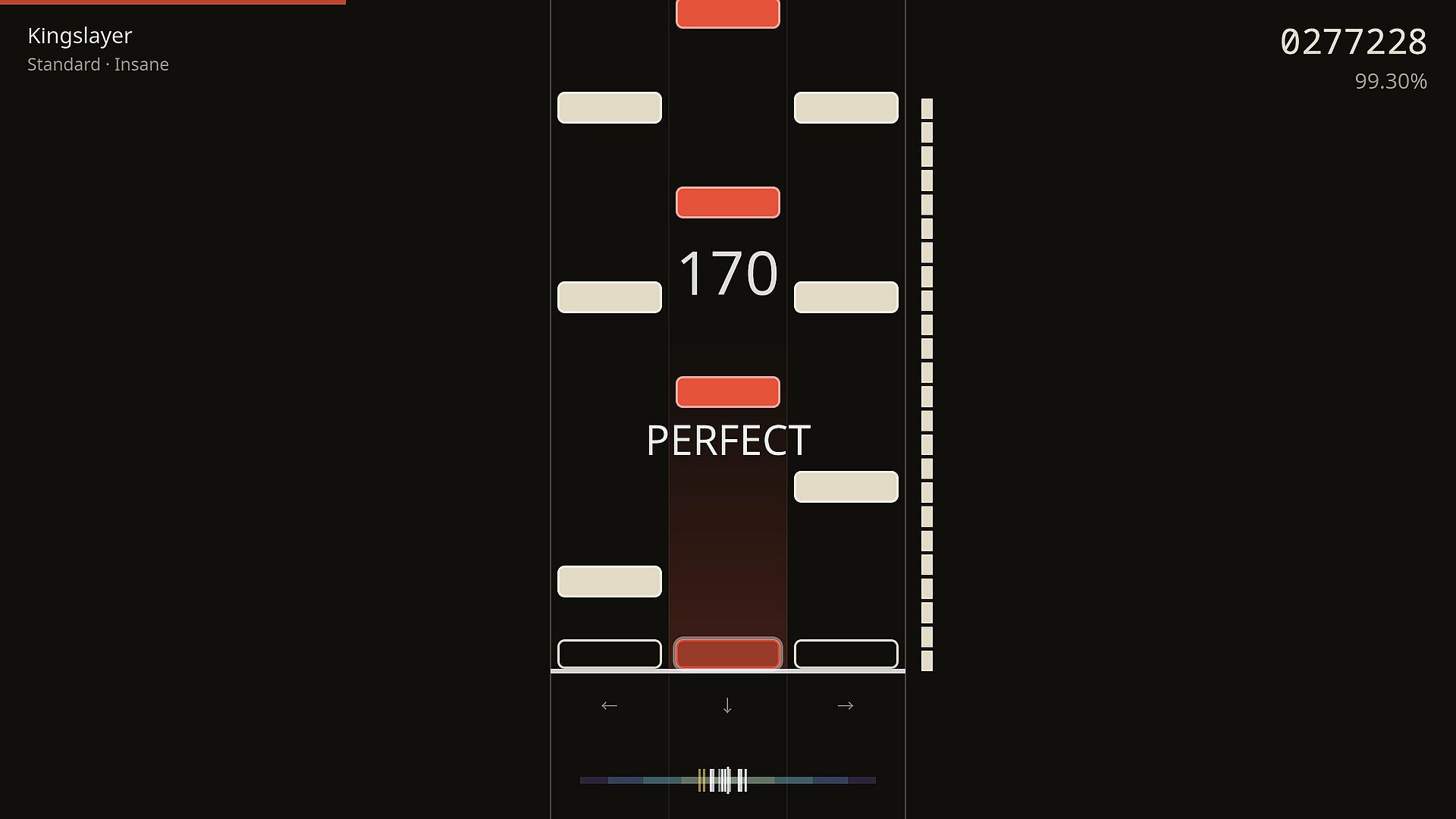
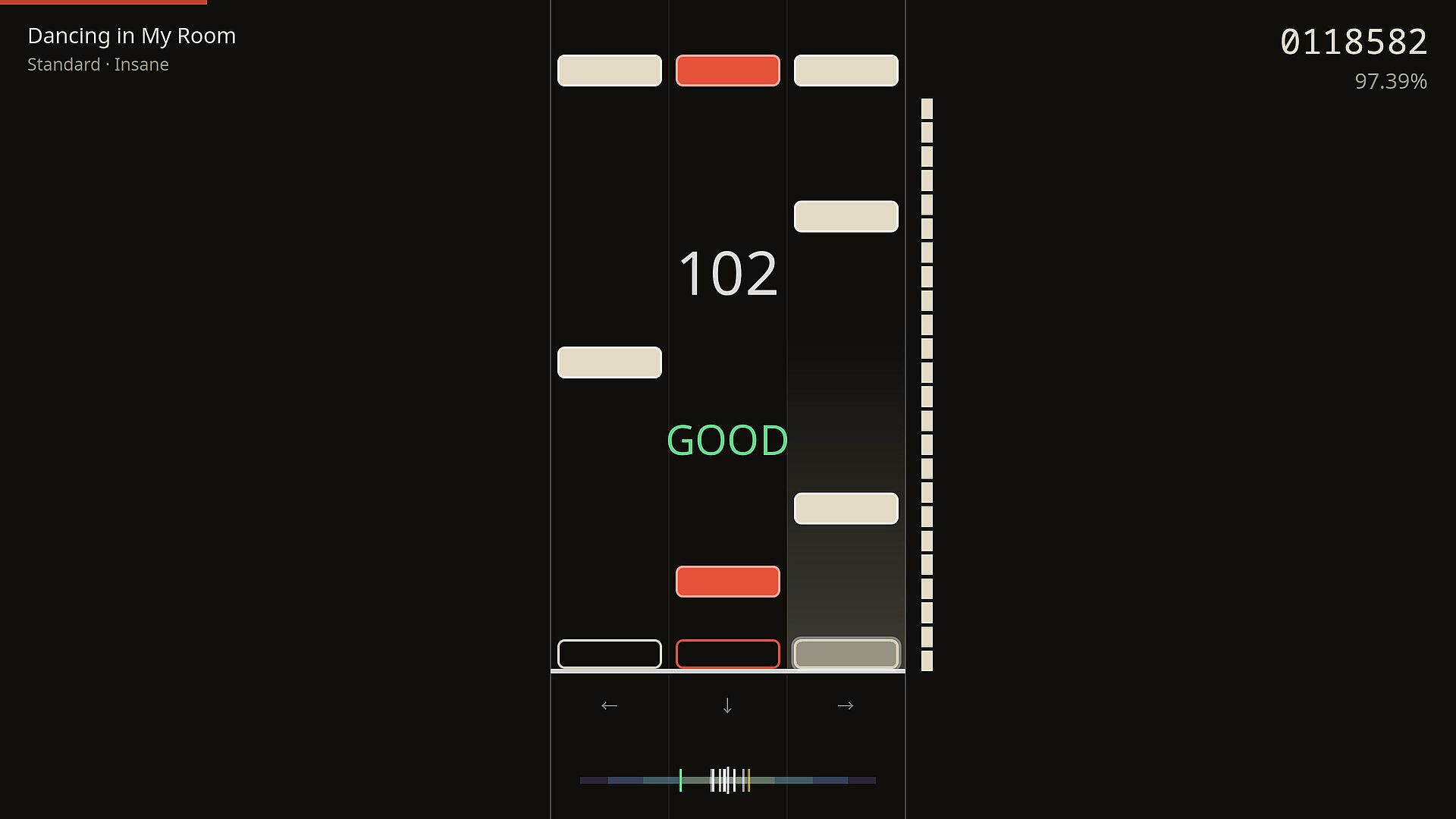
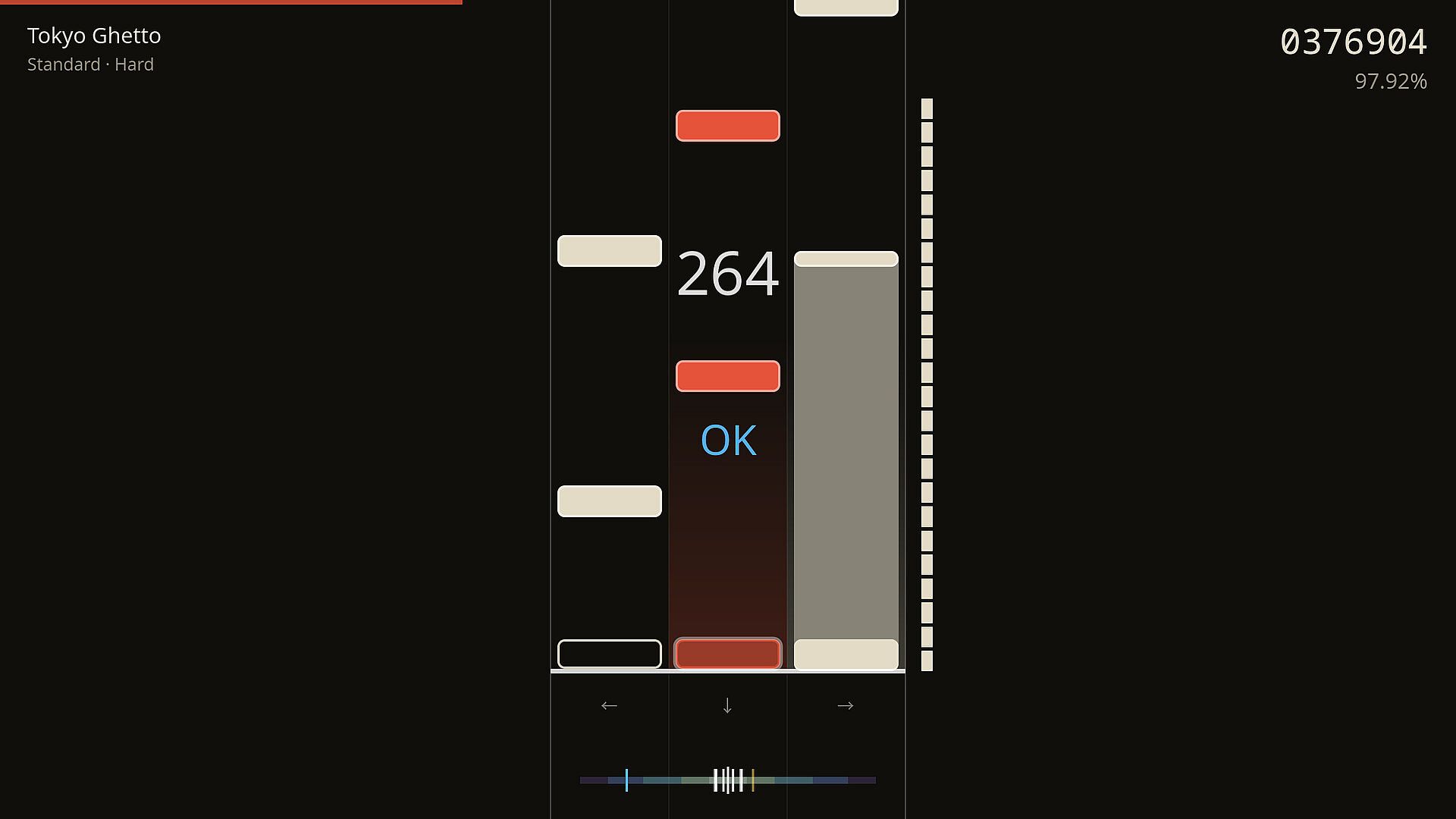
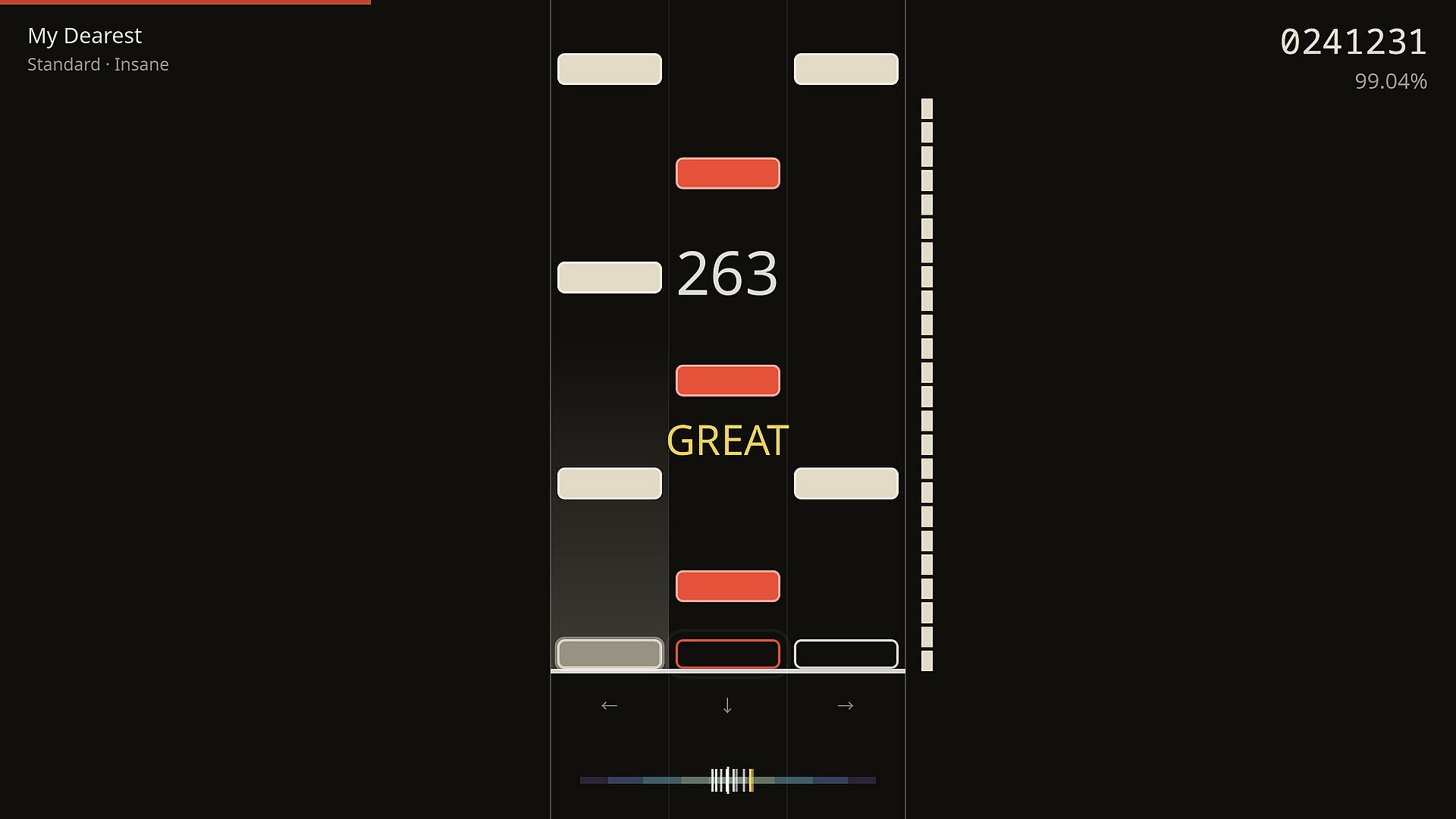
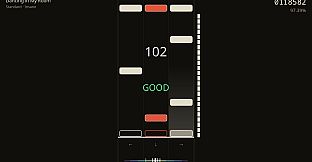
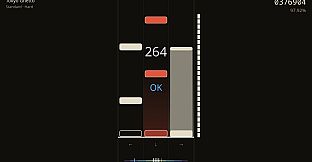

Ritsudo is a casual indie rhythm game built around playing along to music files stored on a computer. Players use three keys to hit notes that appear in three lanes, matching the rhythm of songs they select rather than a fixed soundtrack.
Gameplay
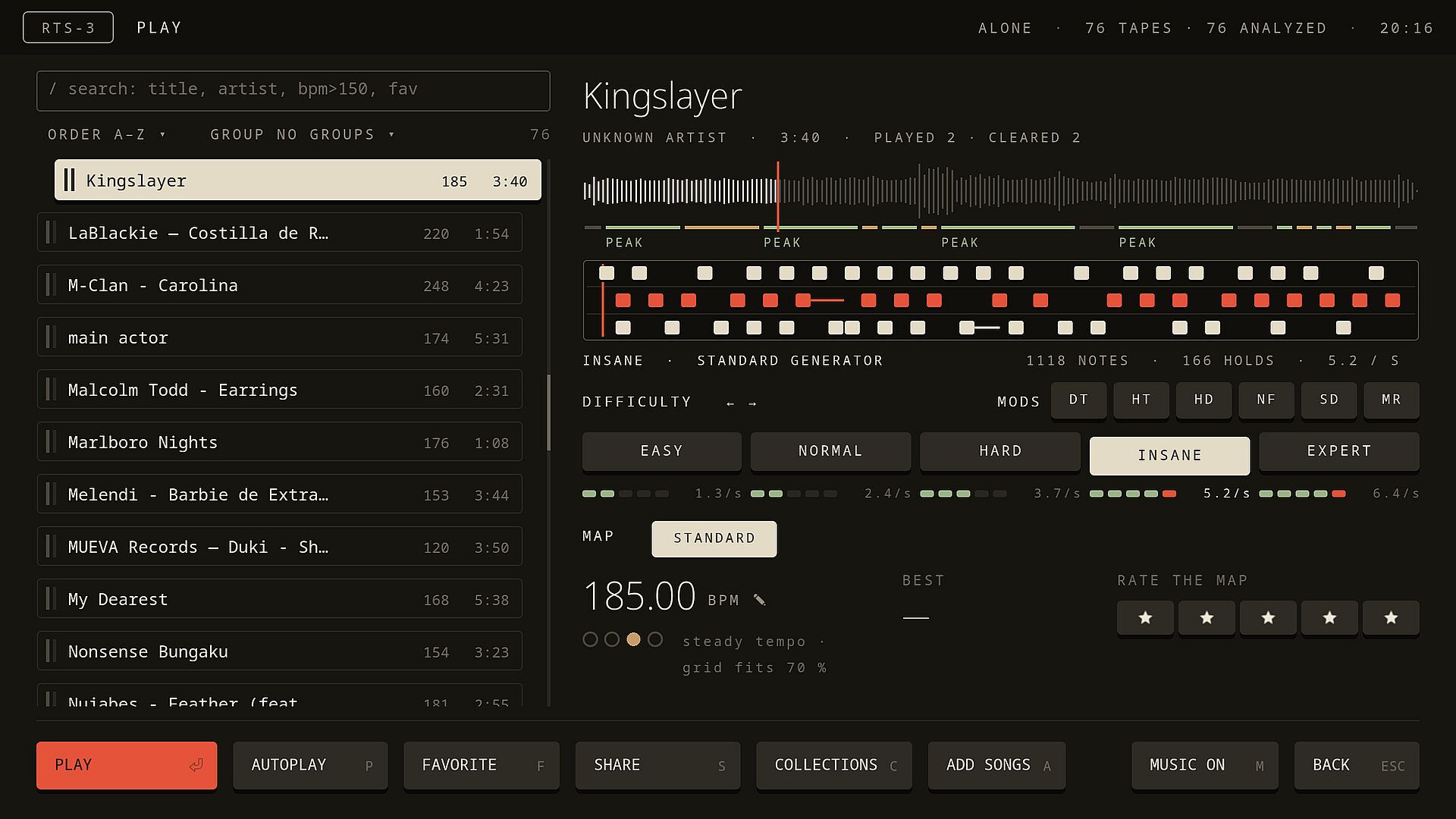
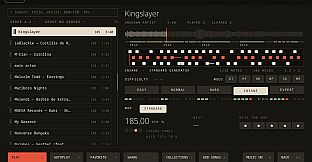
The core loop centers on loading an audio track and letting the game process its structure. It examines tempo, individual beats, distinct sections like verses and choruses, melody lines, and overall energy levels to position notes automatically. Verses tend to feature sparser patterns that allow breathing room, while choruses increase note density for more intense sequences. Sustained sounds translate into long notes that players hold across the lanes. Five difficulty tiers are generated for every track, ranging from straightforward Easy patterns to demanding Expert layouts that test precise timing and endurance.
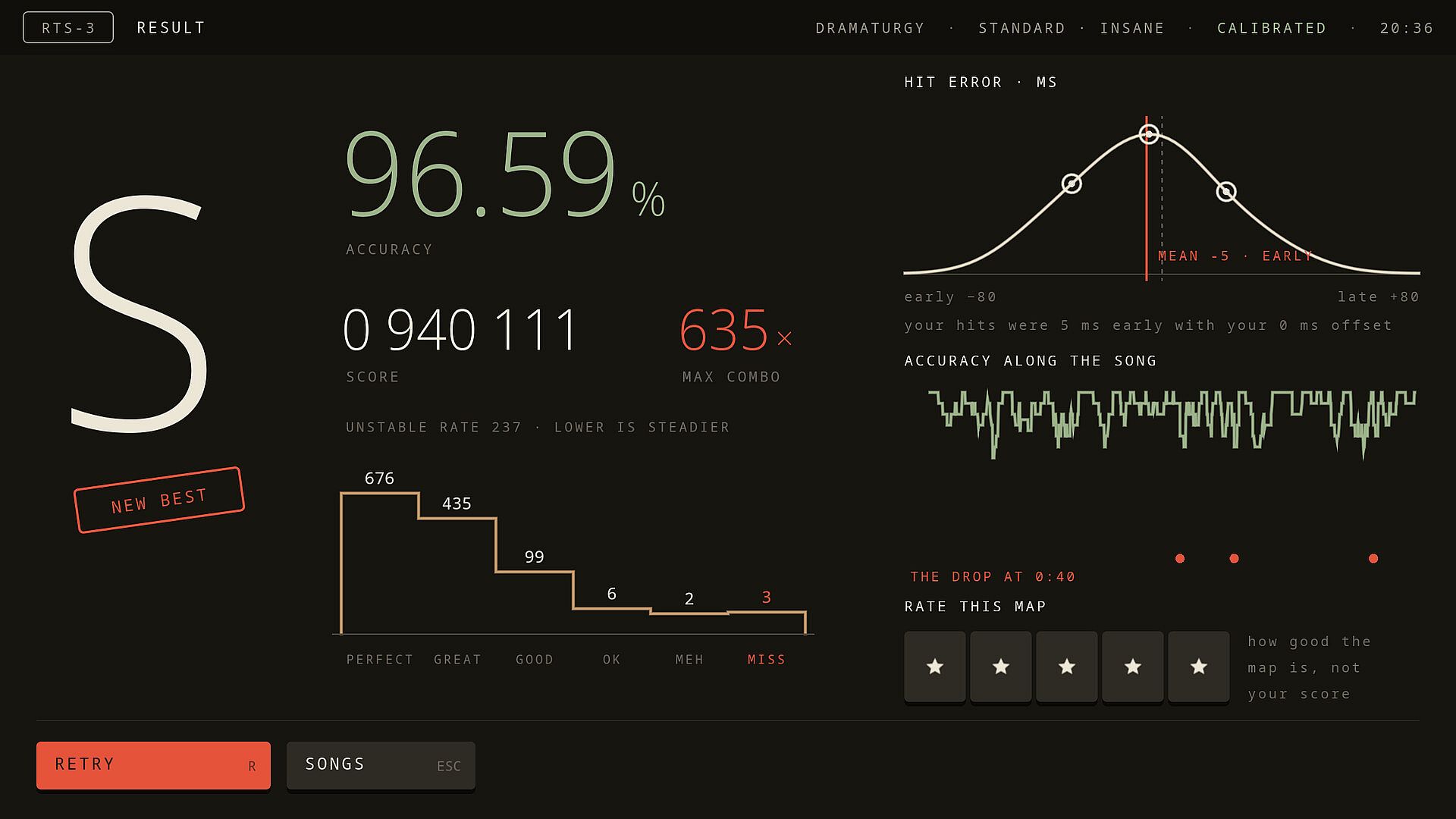
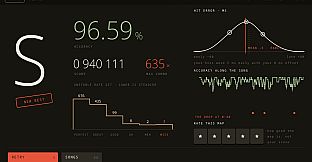
Performance feedback appears after each run through detailed breakdowns. These show timing errors on individual hits, accuracy percentages tracked throughout the song, and specific points where accuracy dipped. Players can adjust input offset through a simple tap test or by reviewing data from prior attempts to align their inputs more closely with the audio.
Game Modes
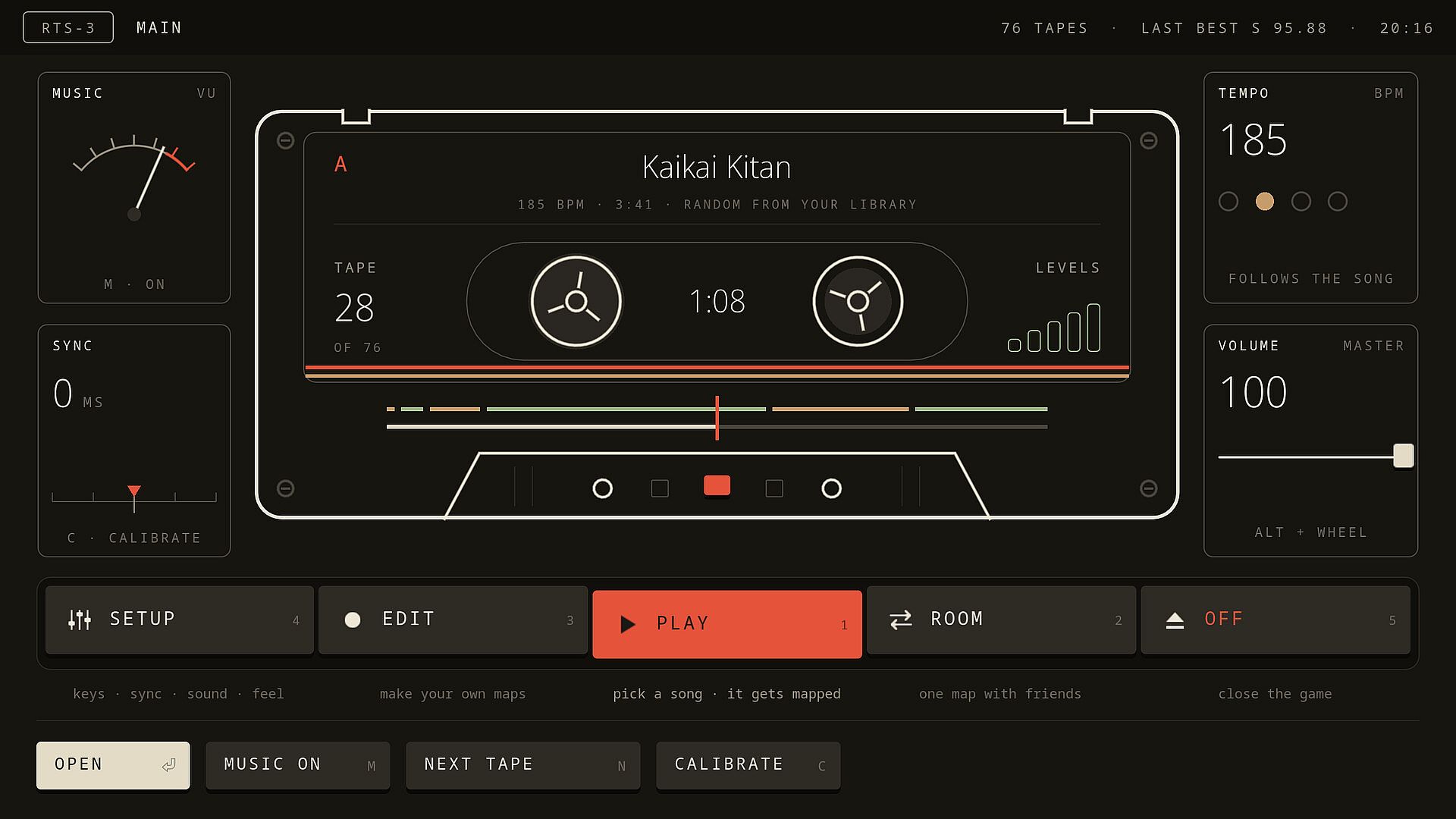
Single-player sessions focus on personal practice or high-score chasing with the generated maps. Users load tracks one at a time or prepare queues for continuous play sessions without interruption between songs. The system supports direct import of common audio formats along with osu! beatmap files or entire folders of such content for quick access to familiar charts.
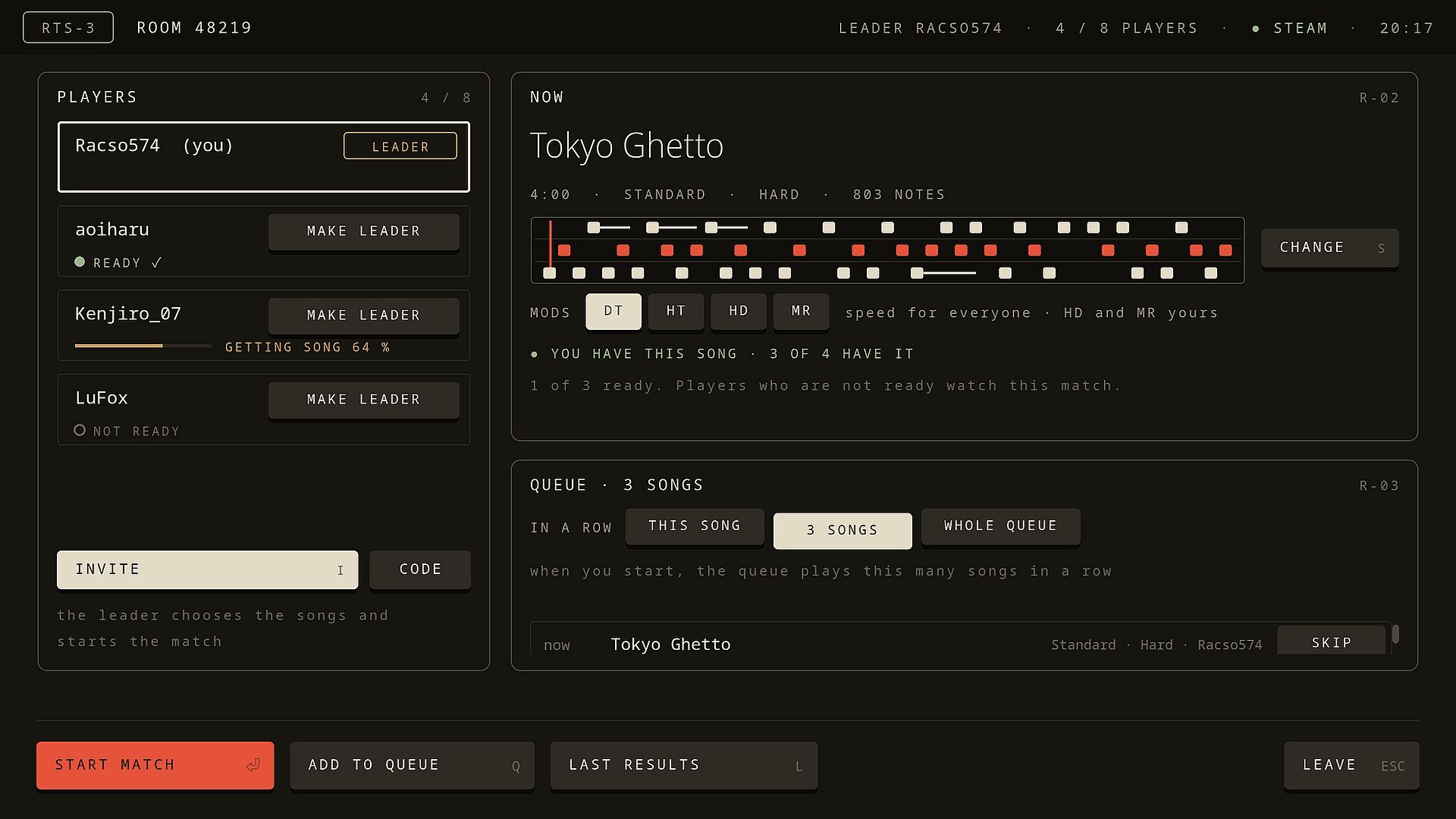
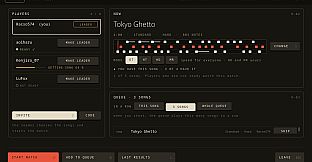
Multiplayer takes the form of shared rooms that accommodate up to eight participants. A host creates a room and distributes a short code for others to join, or uses built-in invitation tools. All participants receive the identical map and play simultaneously, with a live ranking updating in real time to show relative performance. If a player lacks the audio file, the game transfers it automatically to keep everyone synchronized. Multiple tracks can be queued in advance so the group moves seamlessly from one song to the next.
Map Creation and Editing
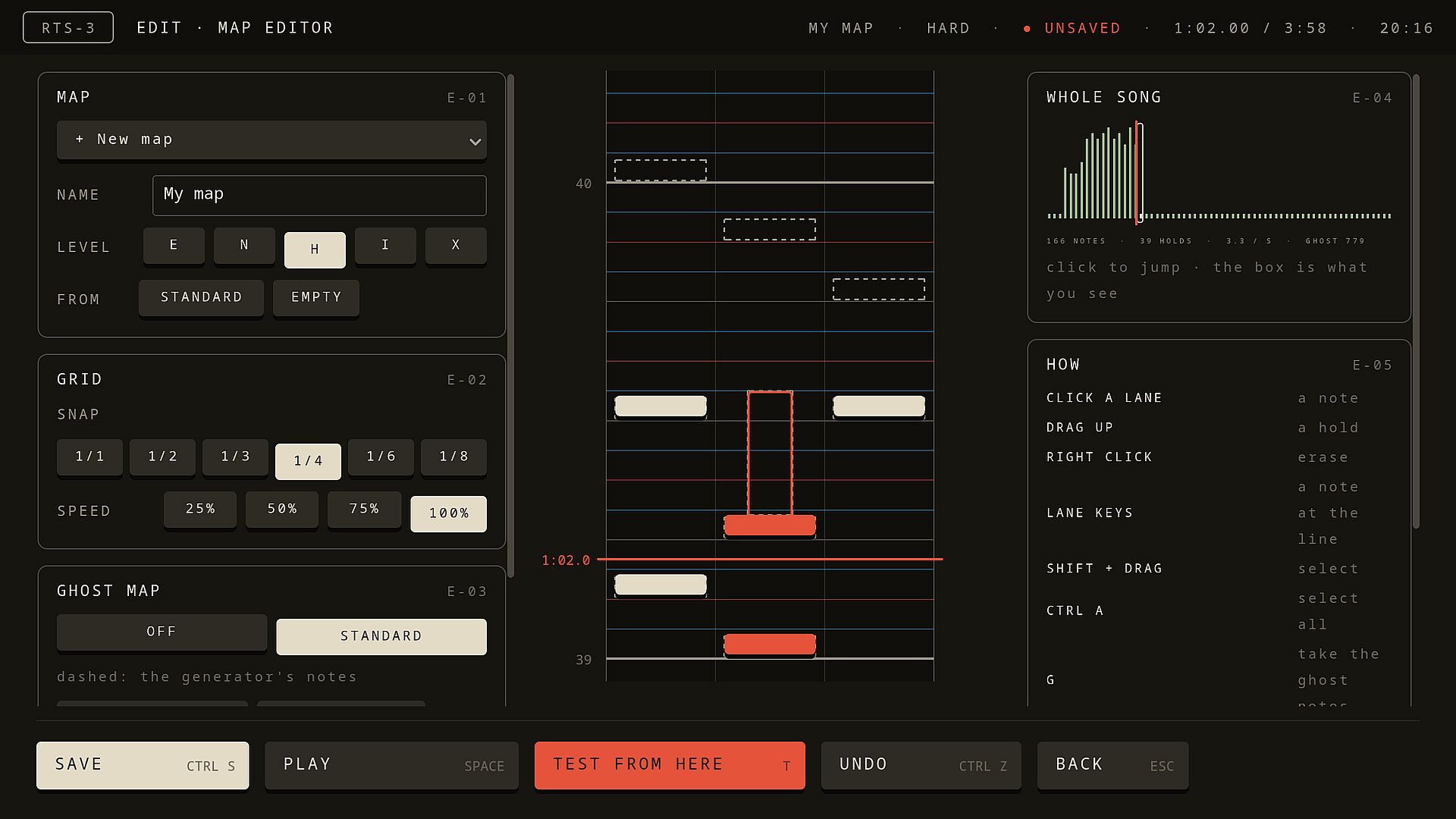
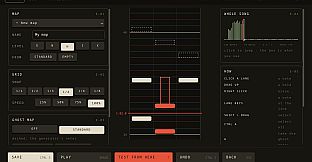
An integrated editor lets users build or refine charts manually. New maps can start from a blank slate or begin with an auto-generated version that remains visible as a reference layer during edits. Changes are saved alongside the original audio in a single portable file that others can load by dragging it into the game window. Community-created maps expand the available options through shared collections that players can browse and import directly.
Customization Options
Several modifiers alter the experience without changing the underlying map. These include speed adjustments such as Double Time and Half Time, visibility changes like Hidden, and safety or challenge options including No Fail, Sudden Death, and Mirror. The map generator itself can be tuned by adjusting note density, the frequency of rapid rhythms, and how tightly patterns follow the song's energy profile. Three distinct color palettes provide visual variety for the lanes and notes.
Is It Worth Playing?
Ritsudo suits players who enjoy rhythm games that adapt to personal music libraries and support both solo refinement and group sessions. The emphasis on local files and procedural map generation removes reliance on licensed tracks, while the editor and sharing tools encourage ongoing creation. Multiplayer rooms add a competitive layer through simultaneous play and rankings, and the available modifiers plus generator tweaks allow repeated runs on the same song to feel fresh. As an upcoming title with no released version yet, its appeal will depend on how well the analysis tools handle varied audio and how the community populates shared maps after launch. Those drawn to minimalist three-key timing challenges paired with their own music collections will find the described systems align closely with that preference.