


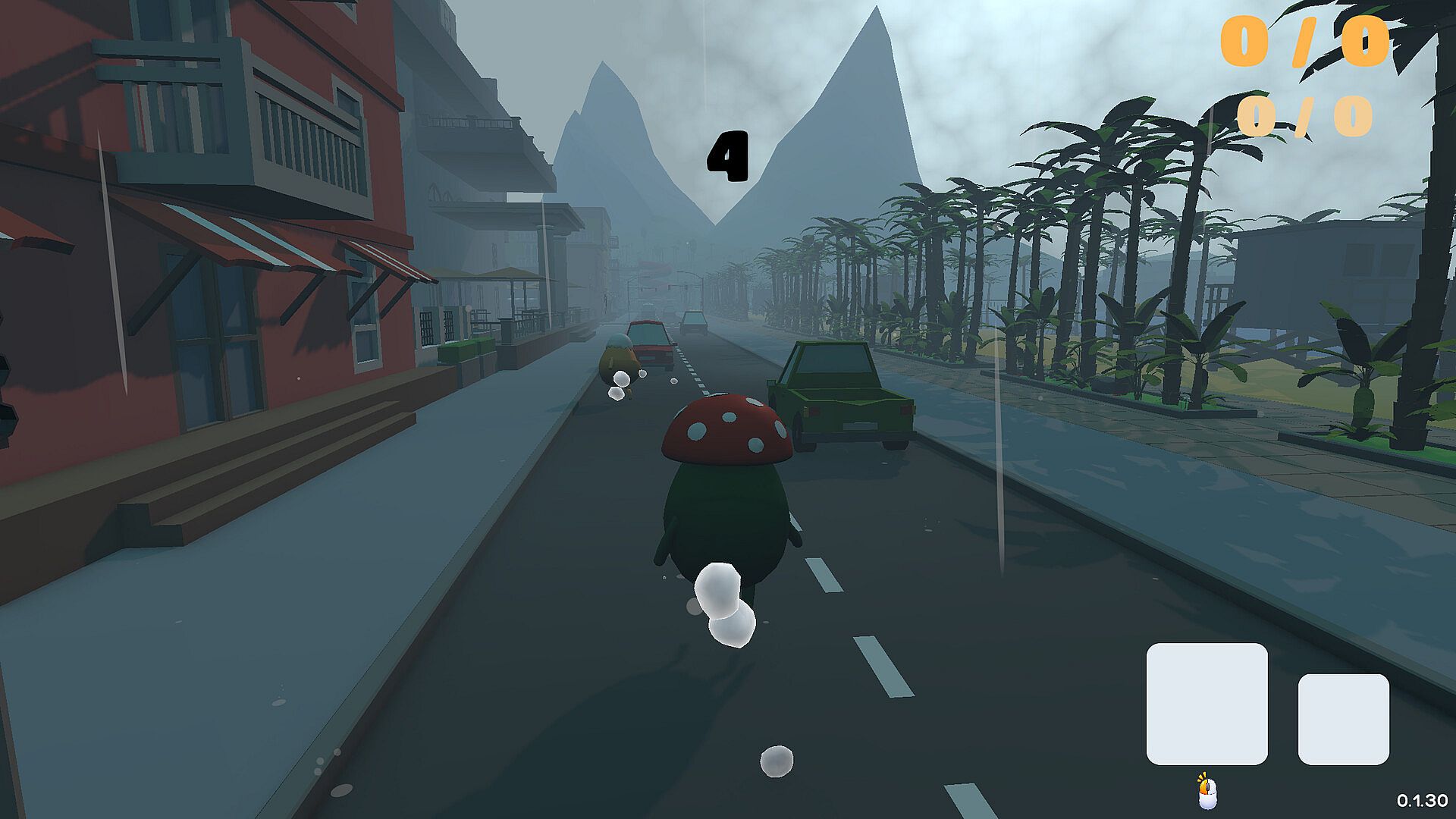
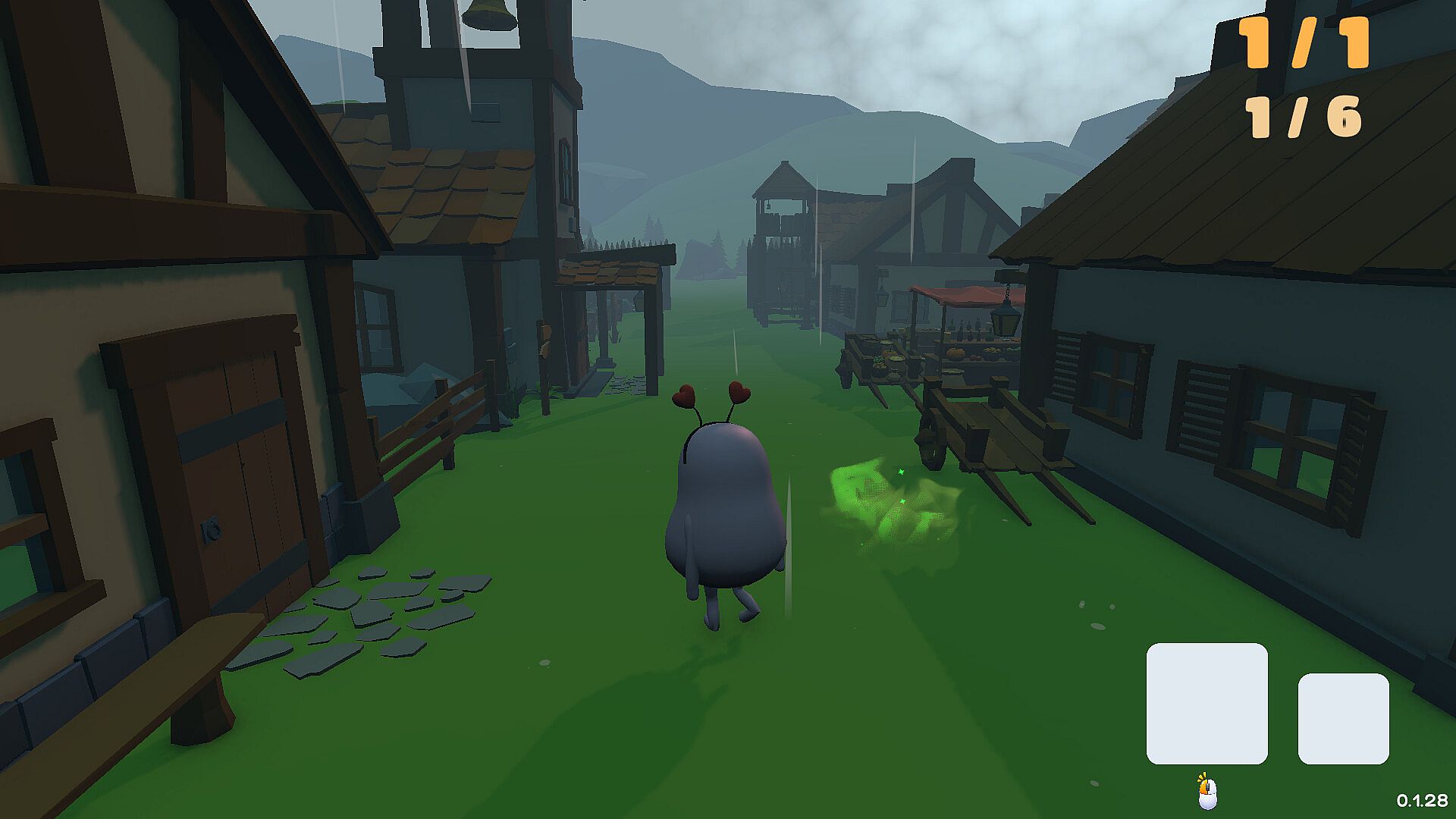
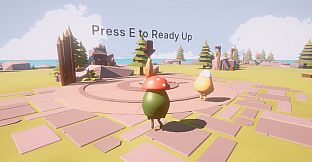
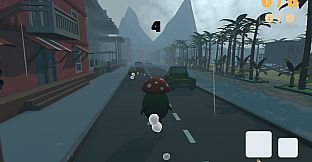
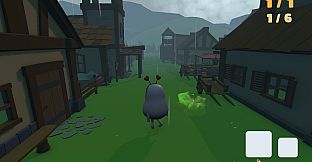
Run to Run stands out as an indie casual racing game built around online multiplayer chaos. Players race across maps to collect a shifting sequence of markers while using items to disrupt rivals. The core appeal lies in its party-style competition that rewards speed alongside clever item use and positioning rather than pure racing skill.
Gameplay
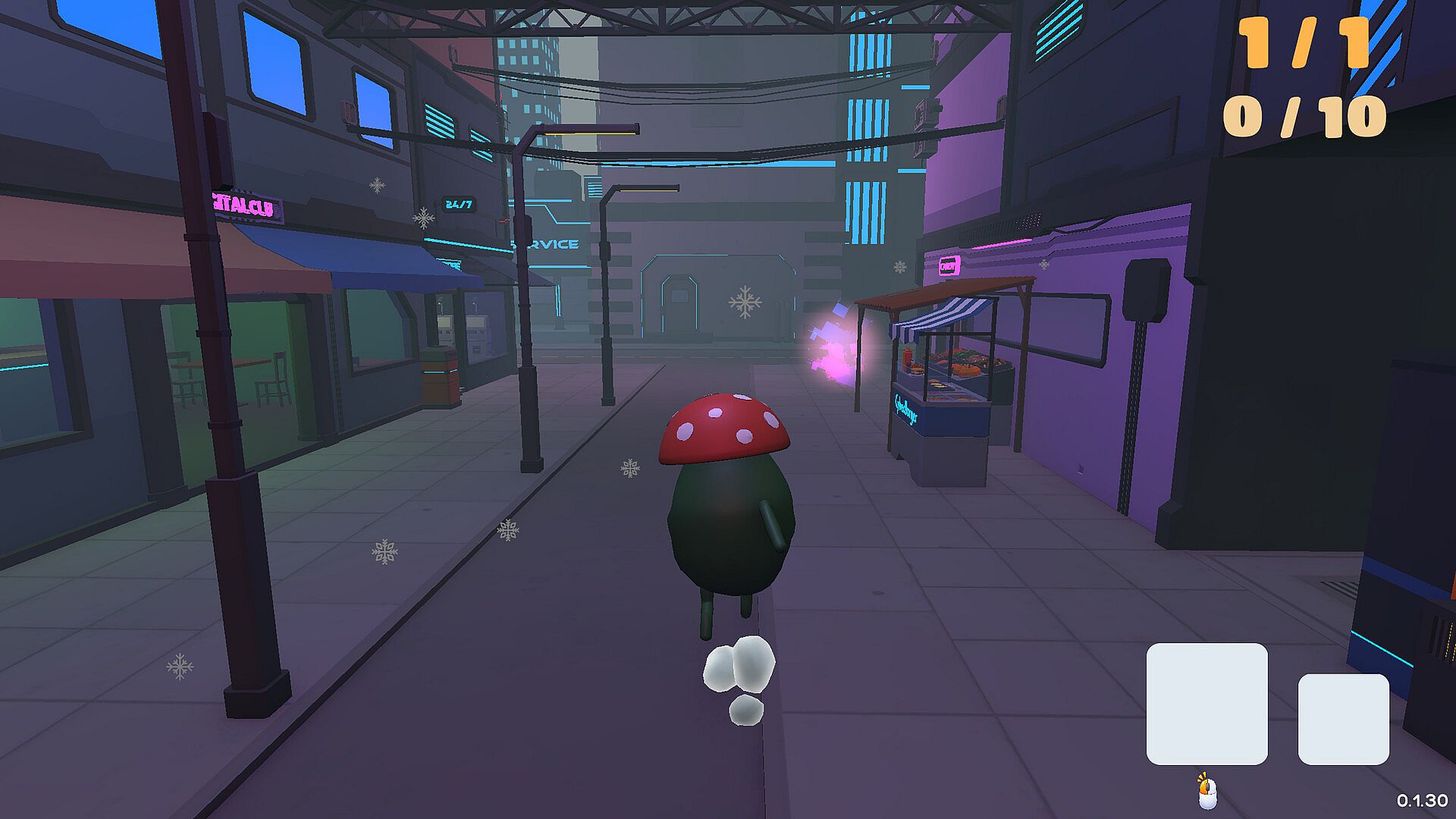
The central loop involves grabbing markers that appear one after another in new locations on the map. Once a player collects one, the next target spawns elsewhere, forcing constant route adjustments and quick decisions. Movement feels fluid on PC, with emphasis on choosing efficient paths while watching for opportunities to interfere with others.
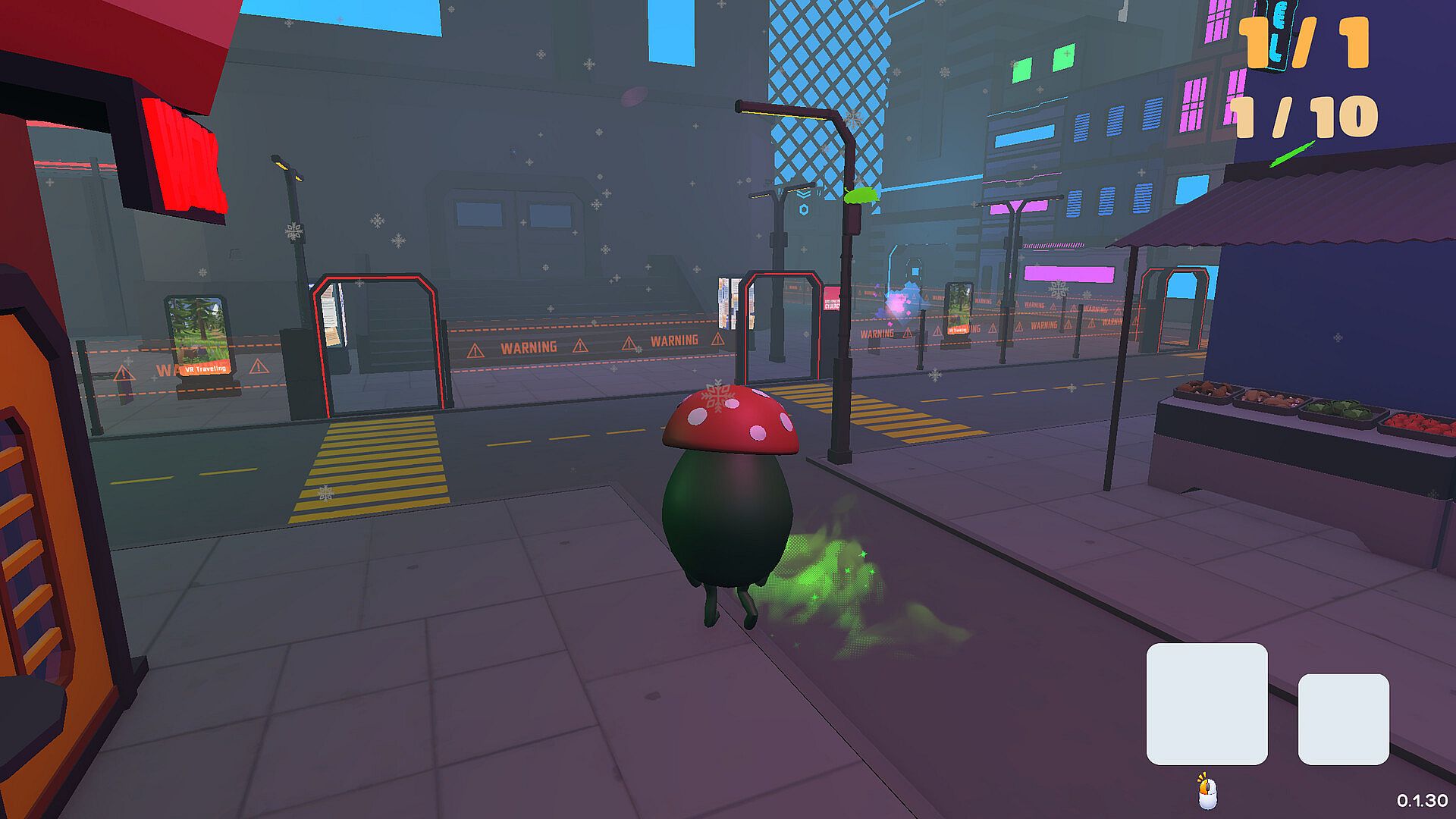
Items add layers of strategy and disruption. Players can throw bombs to create explosions, generate poisonous clouds that slow opponents, activate speed boosts for short bursts, or deploy shields for protection. Hooks allow pulling toward the next marker or yanking rivals away at critical moments. Additional actions include pushing, blocking paths, or applying slows to maintain an edge. These mechanics encourage sneaky plays and timing over raw velocity, turning each race into a scramble filled with interruptions.
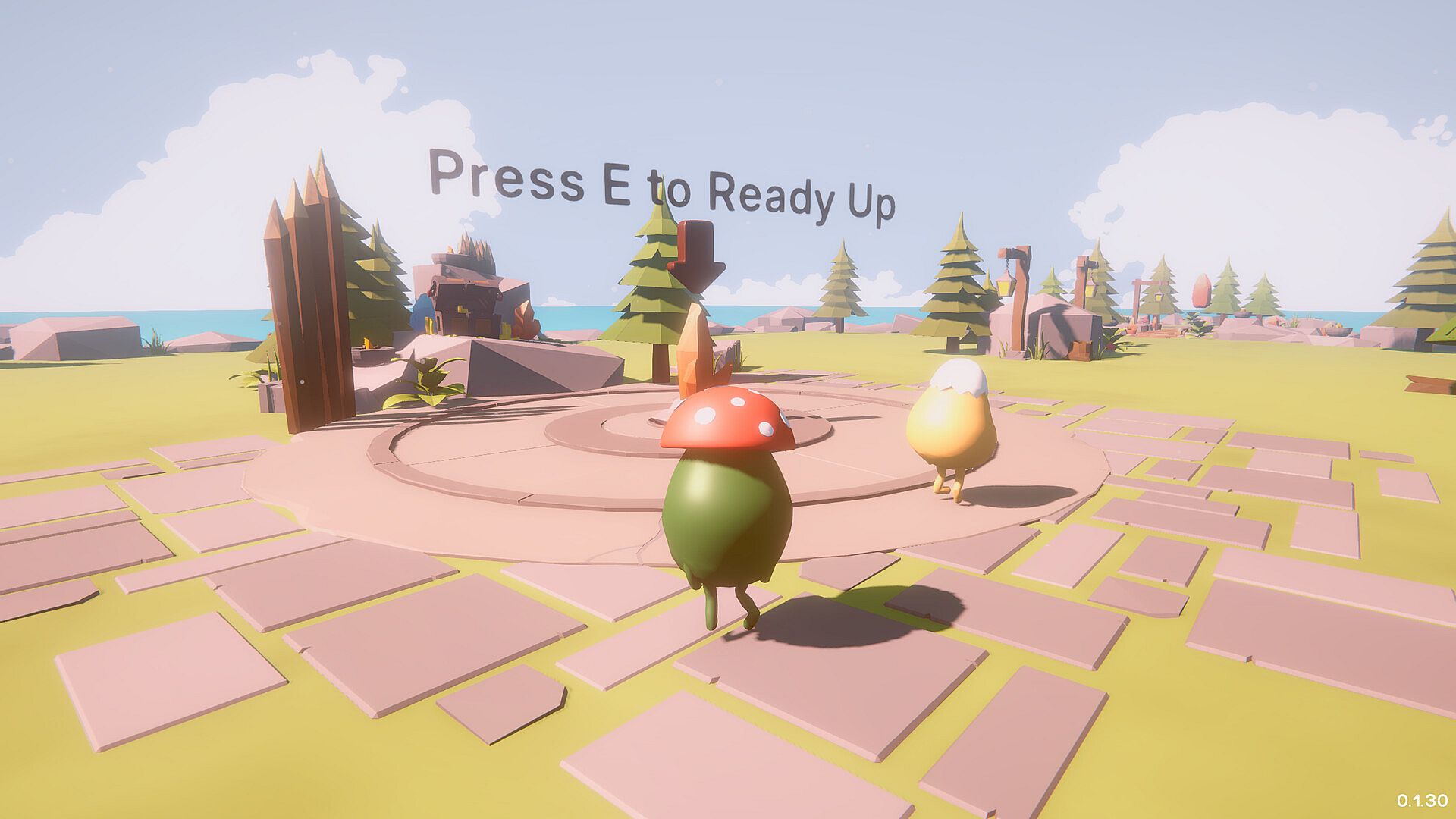
Character customization supports personal expression through choices in hats, faces, body shapes, and colors. This lets groups create varied looks without affecting core performance. Maps vary in layout and scale, providing different navigation challenges that keep repeated sessions fresh as players learn shortcuts and item spawn patterns.
Game Modes
Competition splits between individual races and team-based play. In solo mode, every participant chases markers independently, with victory going to the first to collect the full sequence. Team options allow groups to coordinate routes and share disruption tactics against opposing sides, adding cooperation elements to the otherwise competitive format.
Both approaches unfold on the same maps but shift focus depending on the setup. Individual play highlights personal route planning and item timing, while teams benefit from dividing attention across multiple targets or covering key areas to block rivals. The final ranking screen displays results after each match, offering a clear close to every session.
Items and Disruption Mechanics
Item variety drives much of the replay value. Bombs deliver direct area denial, poison clouds create lingering hazards, and hooks introduce mobility tricks that can flip leads in an instant. Speed items reward aggressive positioning, while shields provide defensive options during crowded scrambles. These tools reward experimentation, as effective use often depends on reading the current marker locations and opponent movements rather than fixed strategies.
Disruption extends beyond items through direct interactions like pushing or blocking. The design keeps matches unpredictable, with clever players finding ways to delay leaders right before a marker collection. This balance between racing and interference creates sessions where outcomes hinge on adaptability as much as initial speed.
Maps and Customization
Different map sizes and layouts support varied pacing. Smaller arenas intensify close-quarters item exchanges, while larger ones allow for longer route planning and more space to evade interference. Players encounter fresh navigation demands each time, encouraging repeated play to master the environments.
Customization options focus on visual flair rather than stats. Selections for hats, faces, body shapes, and colors let participants stand out during races and in the post-match rankings. These choices add personality to matches without altering the underlying systems.
Is It Worth Playing?
Run to Run targets players who enjoy casual online multiplayer experiences with friends. The combination of marker collection, route choice, and item-based interference suits groups seeking short, chaotic sessions rather than long competitive ladders. Team modes provide an entry point for coordinated play, while individual races emphasize personal creativity in disruption tactics.
As an upcoming title with no released reviews yet, its appeal rests on the described mechanics and party focus. Those drawn to indie racing games that prioritize fun interruptions and light strategy over simulation depth will find the core loop promising. Availability on PC supports easy online access for small groups looking for repeatable matches across varied maps.