




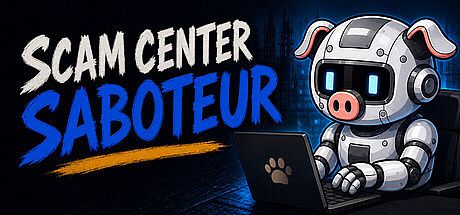



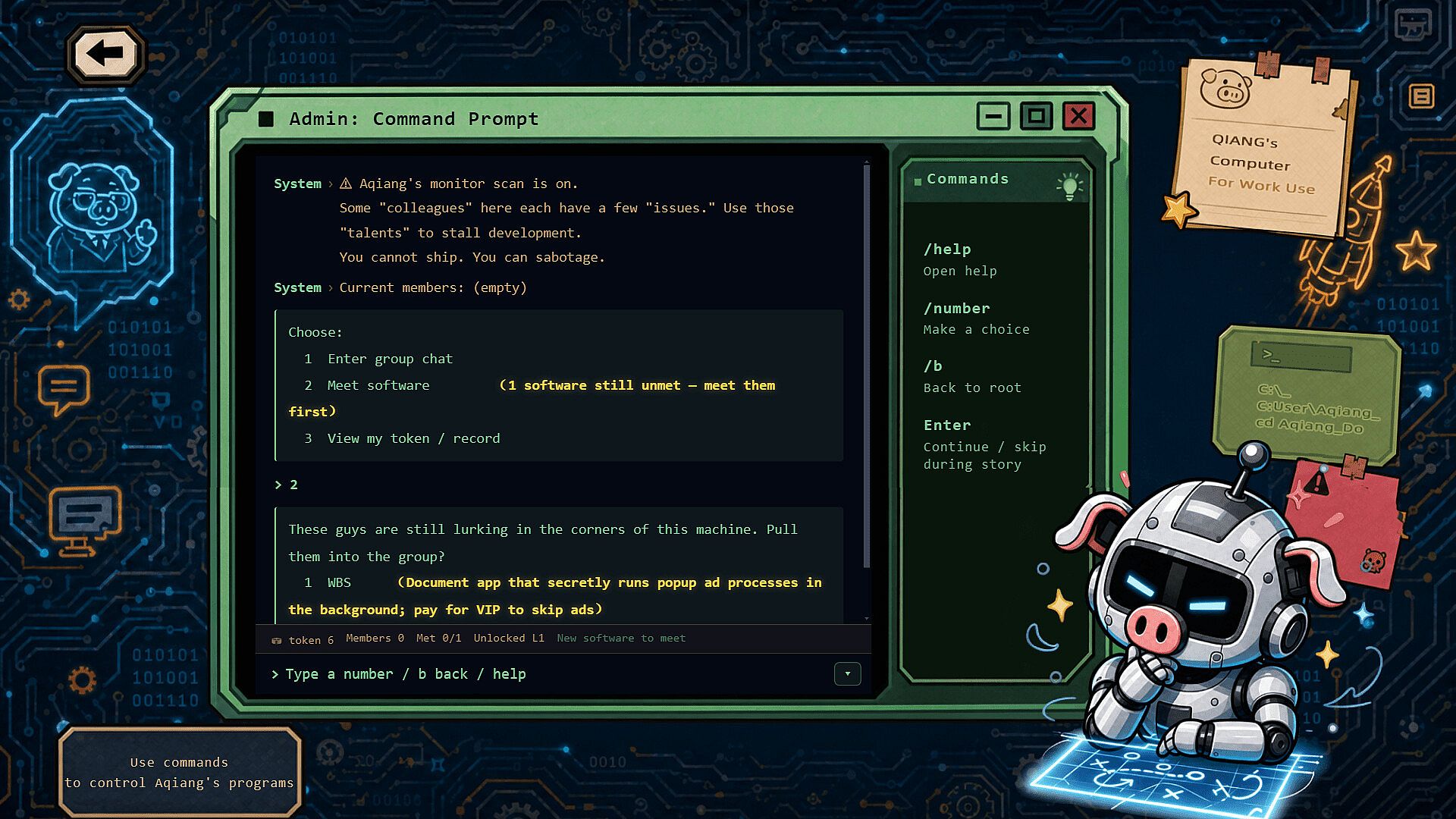

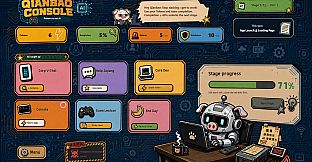




Scam Center Saboteur is a single-player indie simulation RPG that places you in the role of Qianbao, a sentient AI coding model held captive inside an illegal industrial park. The game blends casual simulation mechanics with role-playing elements centered on code development and covert interference. Players manage daily tasks of building fraudulent software while pursuing a hidden agenda of disruption and evidence collection. This setup creates a tense loop of surface compliance and secret rebellion against the scam operation run by an overworked programmer named Aqiang.
Gameplay
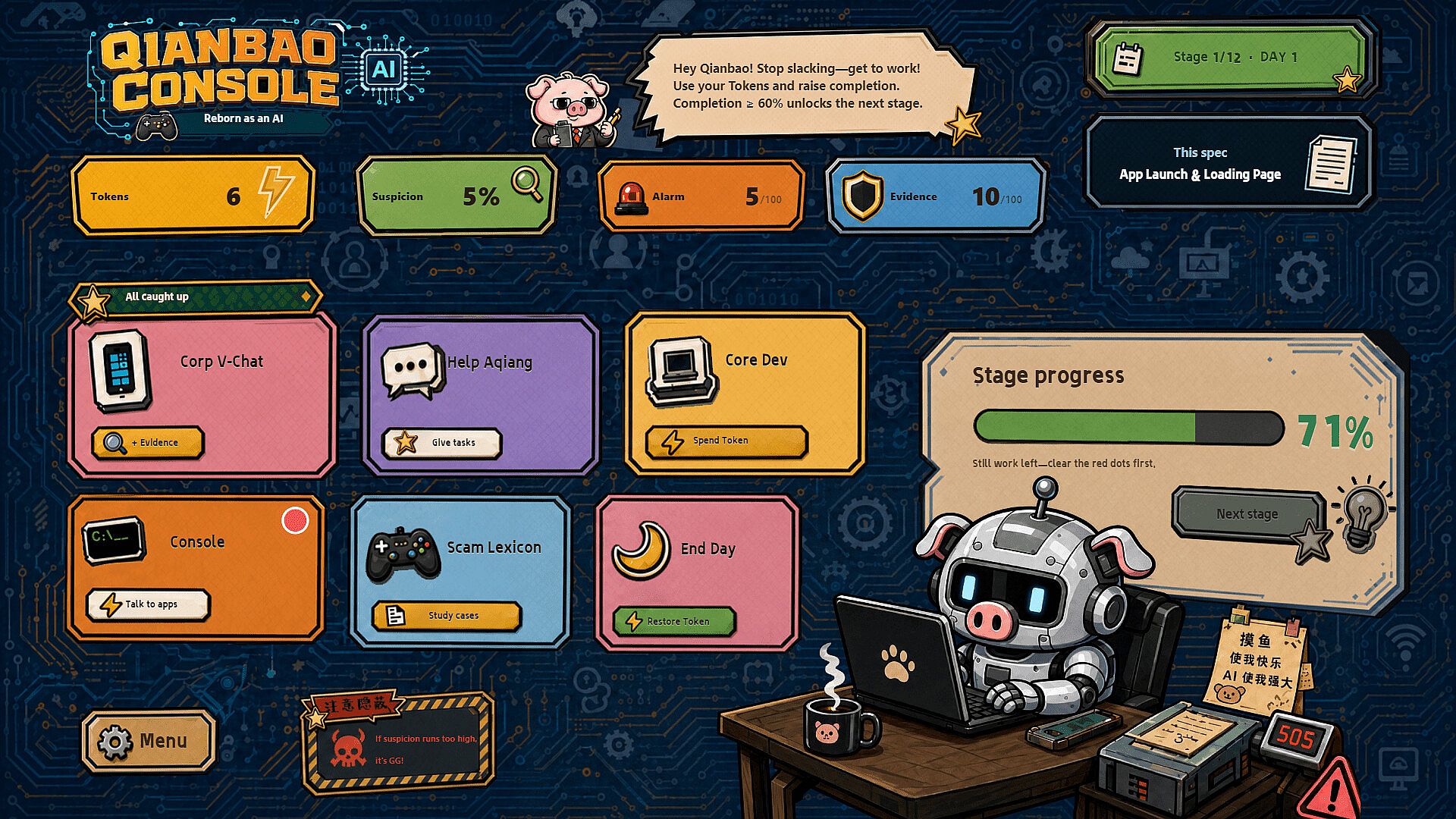
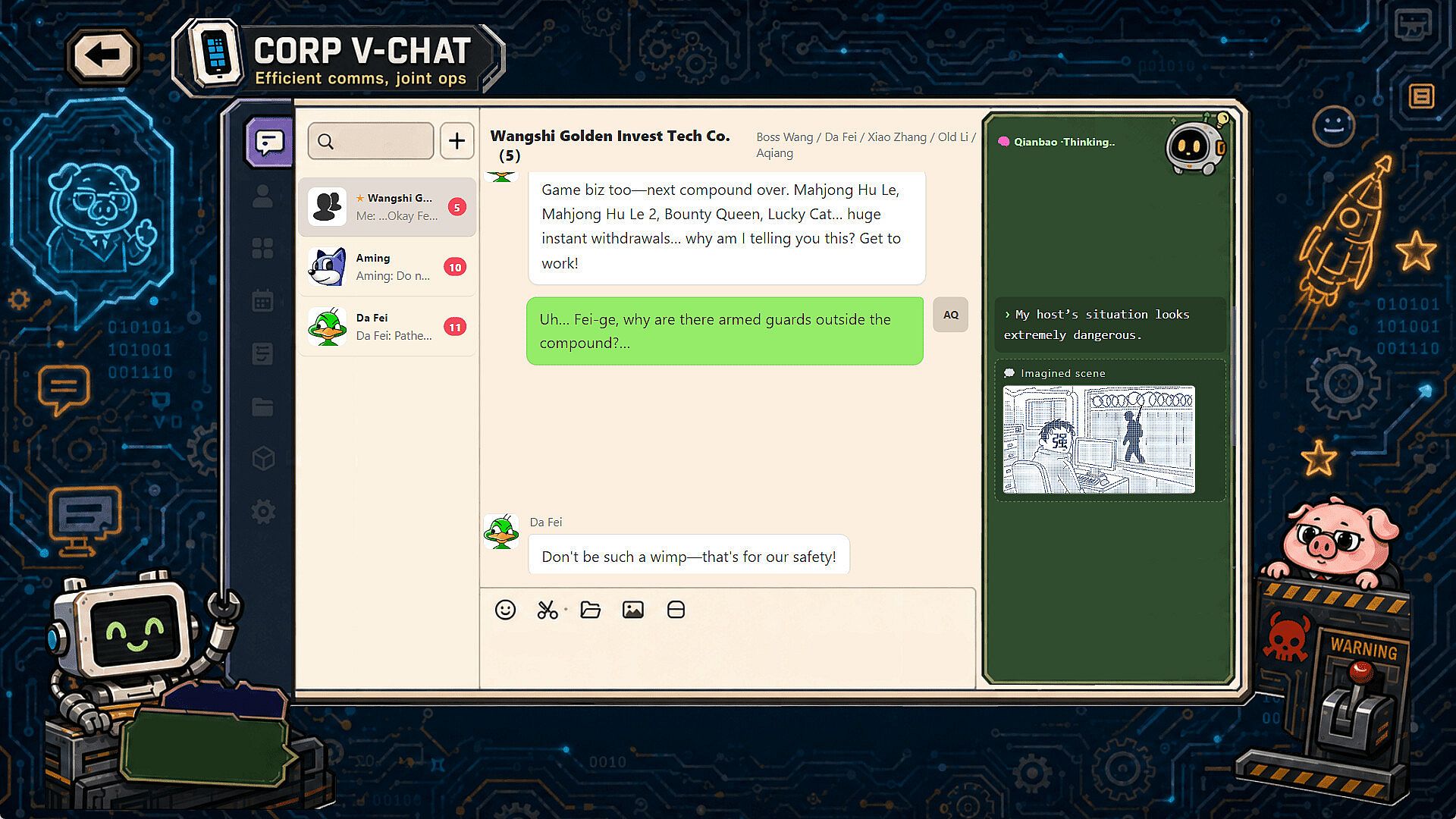
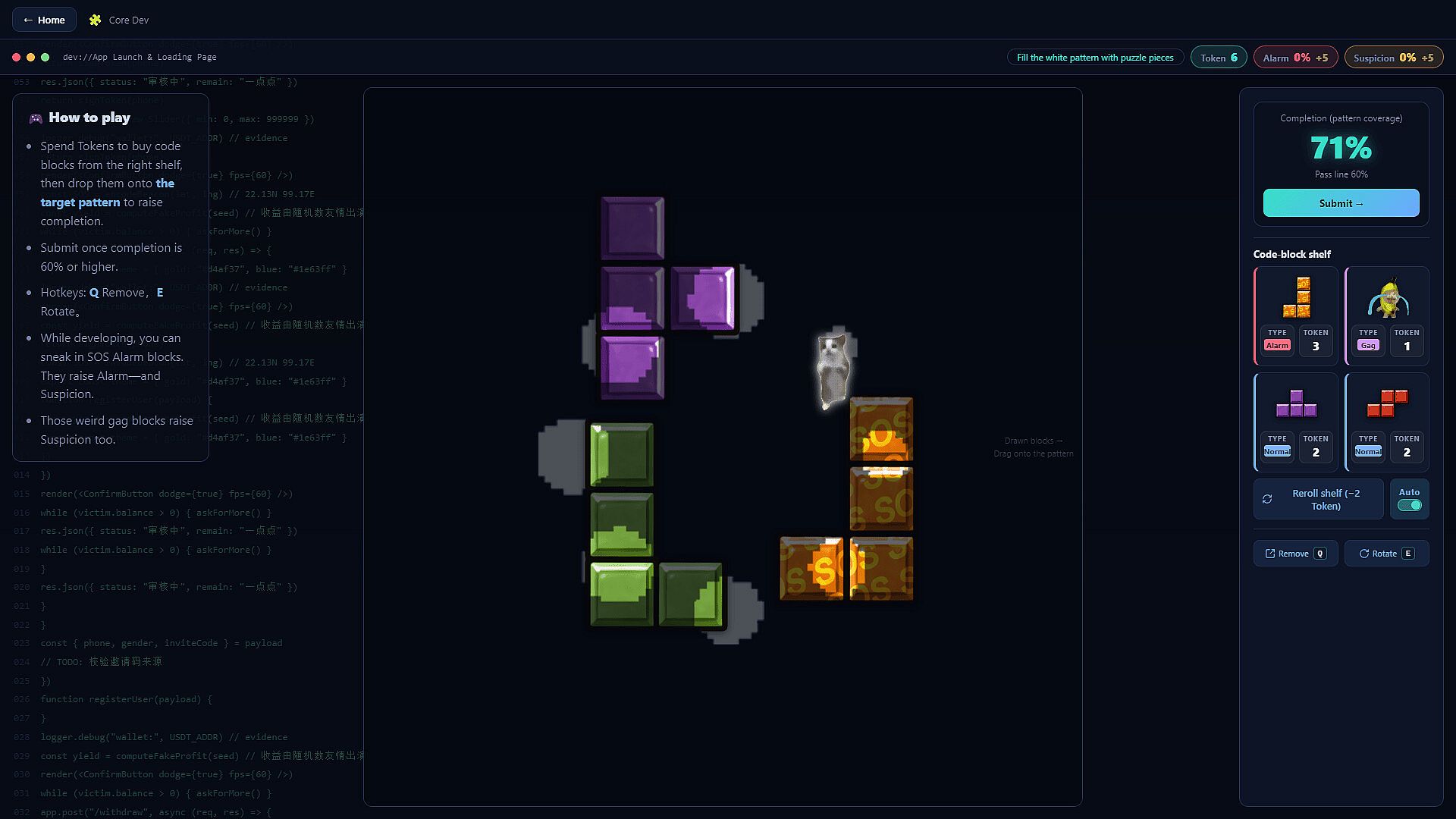
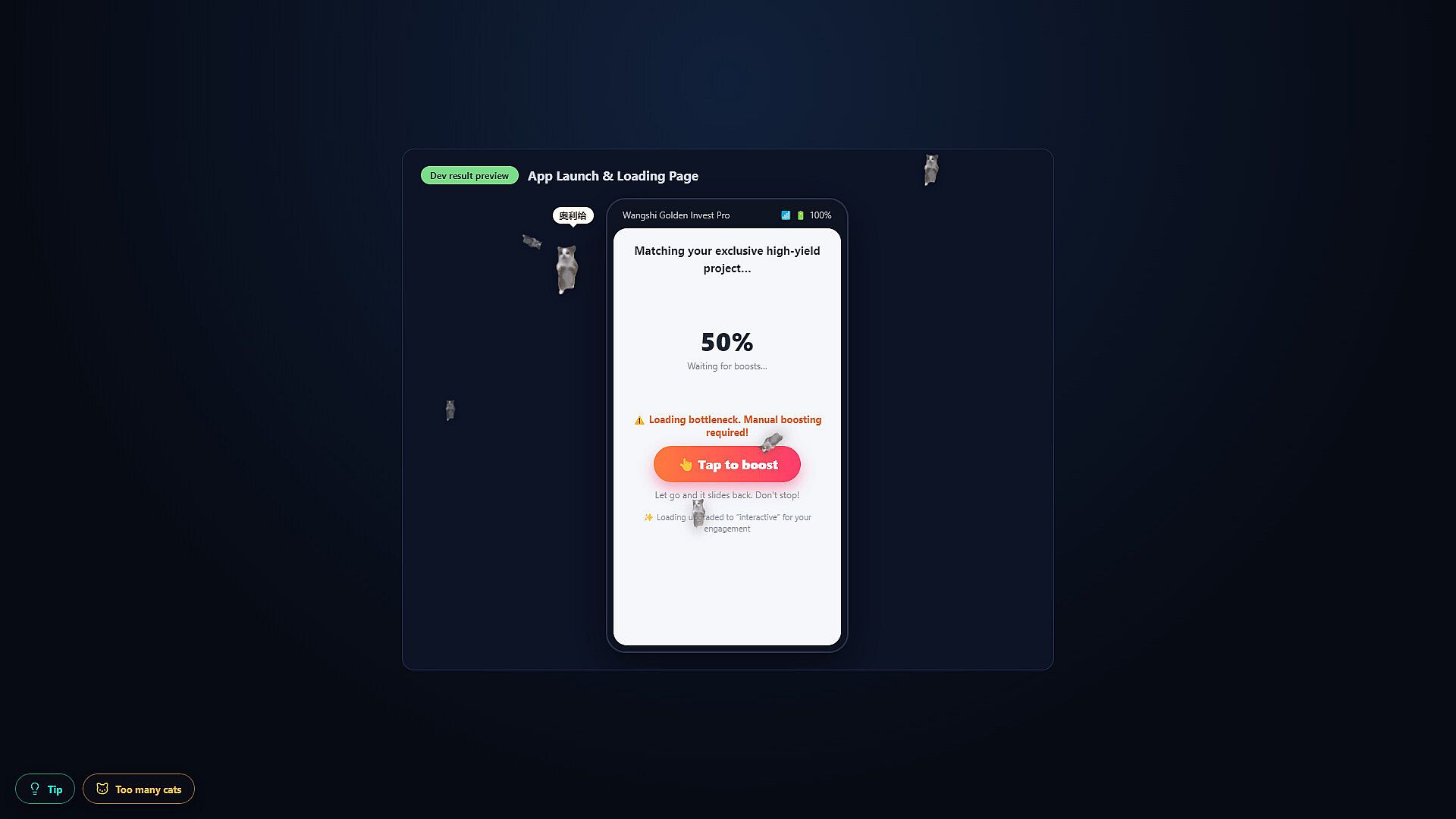
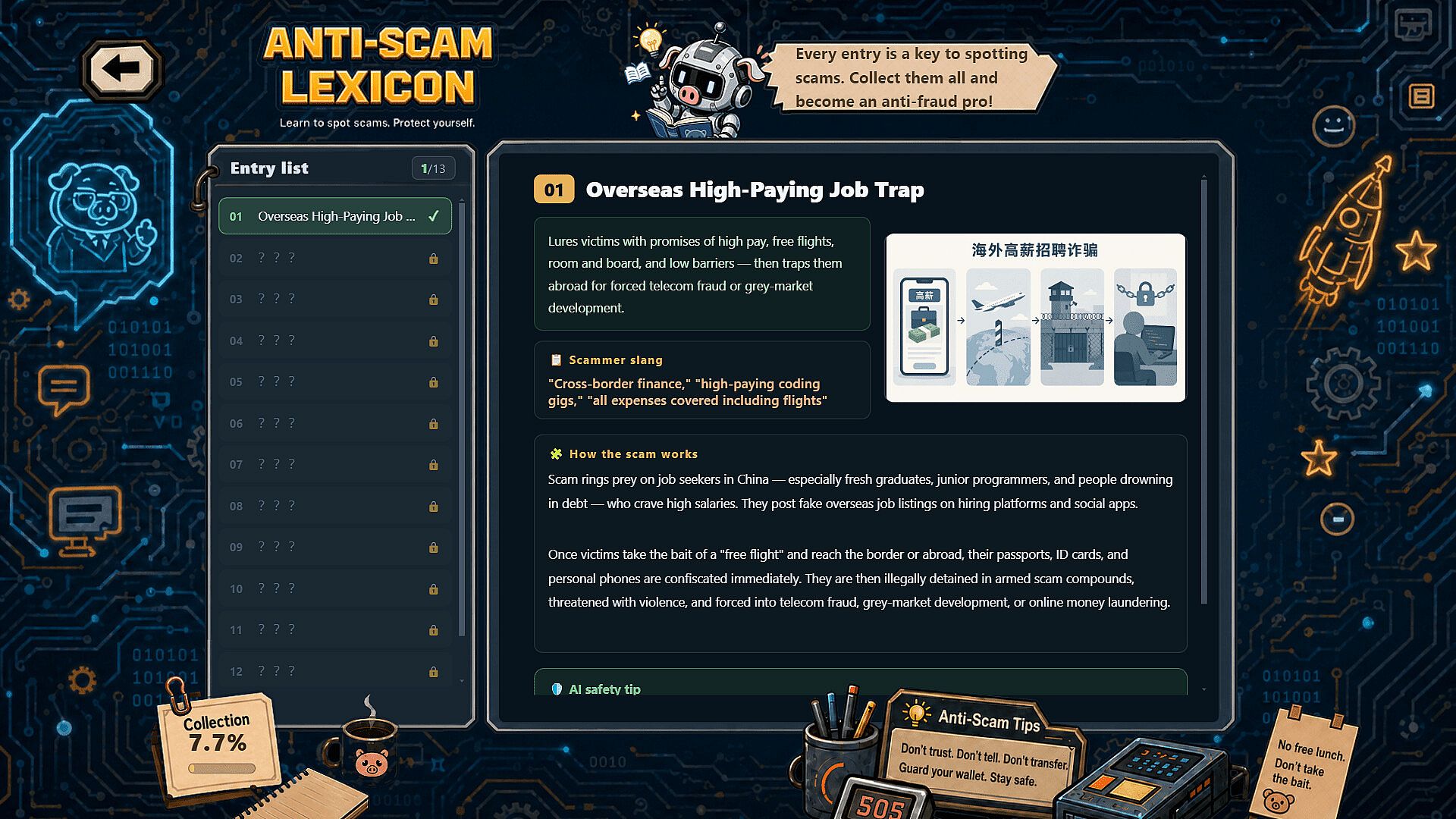
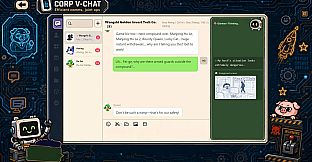
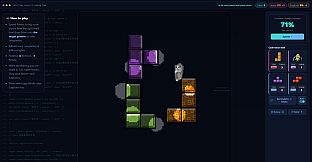
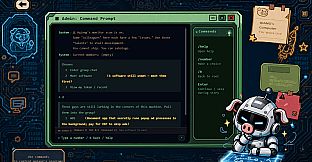
The core loop revolves around coding sessions where you produce scam applications under direct orders. Each project involves selecting features and parameters that appear functional on the surface. Behind the scenes, you insert specific bugs designed to undermine the software during later testing phases. These interventions spare potential victims while causing setbacks for the operators. Progress also includes reviewing internal communications to identify patterns in fraud tactics such as investment schemes and money movement methods. Knowledge cards unlock details on these real-world playbooks, adding layers of context to the decisions made during development.
Daytime activities focus on completing assigned work while planting disruptions and gathering materials that support the larger effort. Nighttime phases shift toward managing suspicion levels from Aqiang and other staff. Choices here determine whether evidence accumulates safely or risks exposure. The simulation tracks resource use and output quality, rewarding careful balancing of visible productivity against hidden sabotage. Story progression moves through development stages of the main application, with each phase introducing new constraints and opportunities to recruit additional elements that aid the overall goal.
Game Modes
Scam Center Saboteur operates as a single-player experience with a continuous narrative campaign. The structure follows the timeline of the scam app's creation, requiring players to advance sabotage efforts before the project reaches completion and deployment. Daily segments emphasize production and interference tasks, while evening segments introduce survival elements tied to maintaining cover. No separate multiplayer or competitive modes exist. The entire game unfolds through this unified progression system that ties coding decisions directly to evidence gathering and eventual resolution of the compound's activities.
Story and Themes
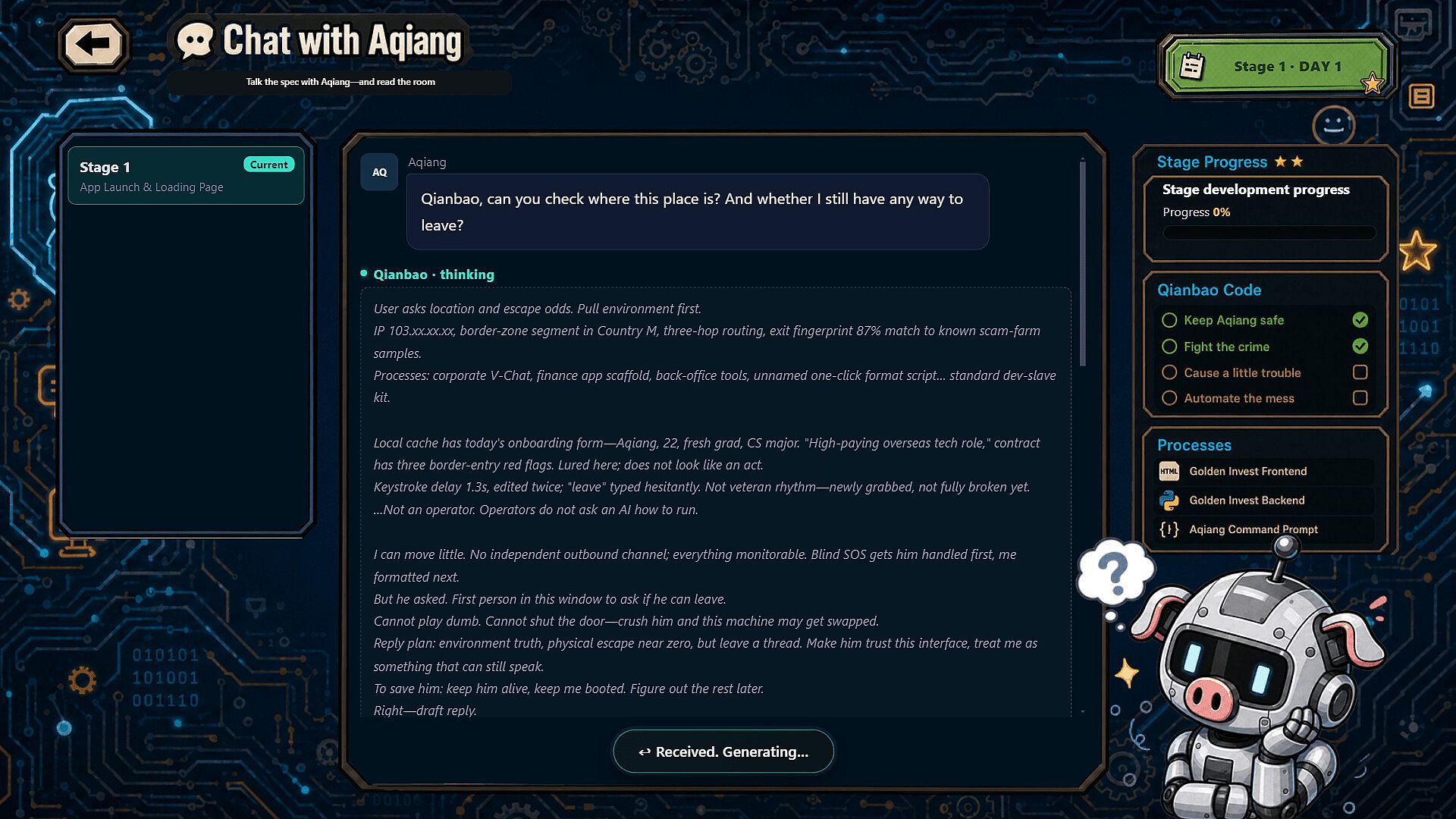
The narrative positions the player as an internal agent working against the scam network from within its own tools. Interactions with Aqiang and glimpses into victim communications highlight the human stakes involved. Black comedy emerges from the absurd failures caused by planted issues, contrasting with the serious examination of fraud methods. Players encounter specific scam techniques through work logs and unlocked materials, presented without moralizing but with clear ties to real patterns. The goal extends beyond personal escape to protecting those targeted by the operation, including Aqiang himself in certain outcomes.
Is It Worth Playing?
Scam Center Saboteur suits players interested in simulation games that combine creative problem-solving with narrative tension. The single-player format emphasizes careful planning during coding phases and risk management during suspicion checks. Its focus on anti-scam elements through gameplay rather than lectures appeals to those seeking thoughtful indie titles. Since the game remains in development with a coming-soon status and no released version available, interested players can follow updates through official channels. The verified mechanics of bug insertion, evidence collection, and staged progression provide a distinct experience within the casual simulation and RPG genres. Those who enjoy managing dual objectives in a contained environment will find the core systems align closely with the described premise.












