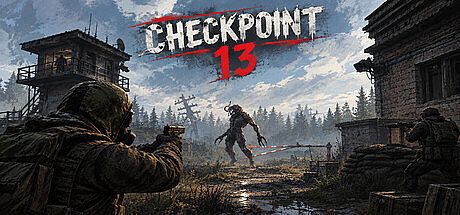


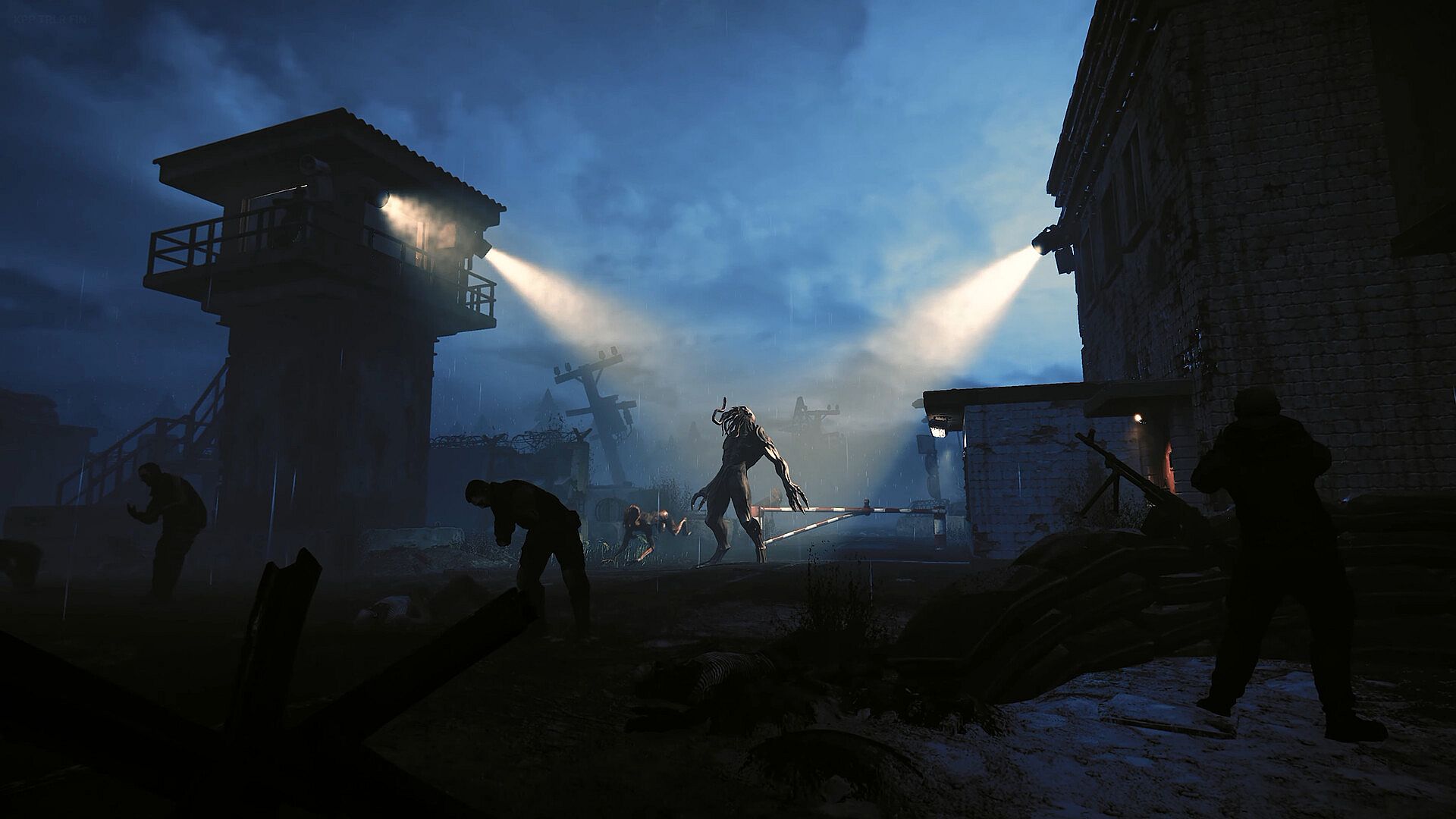
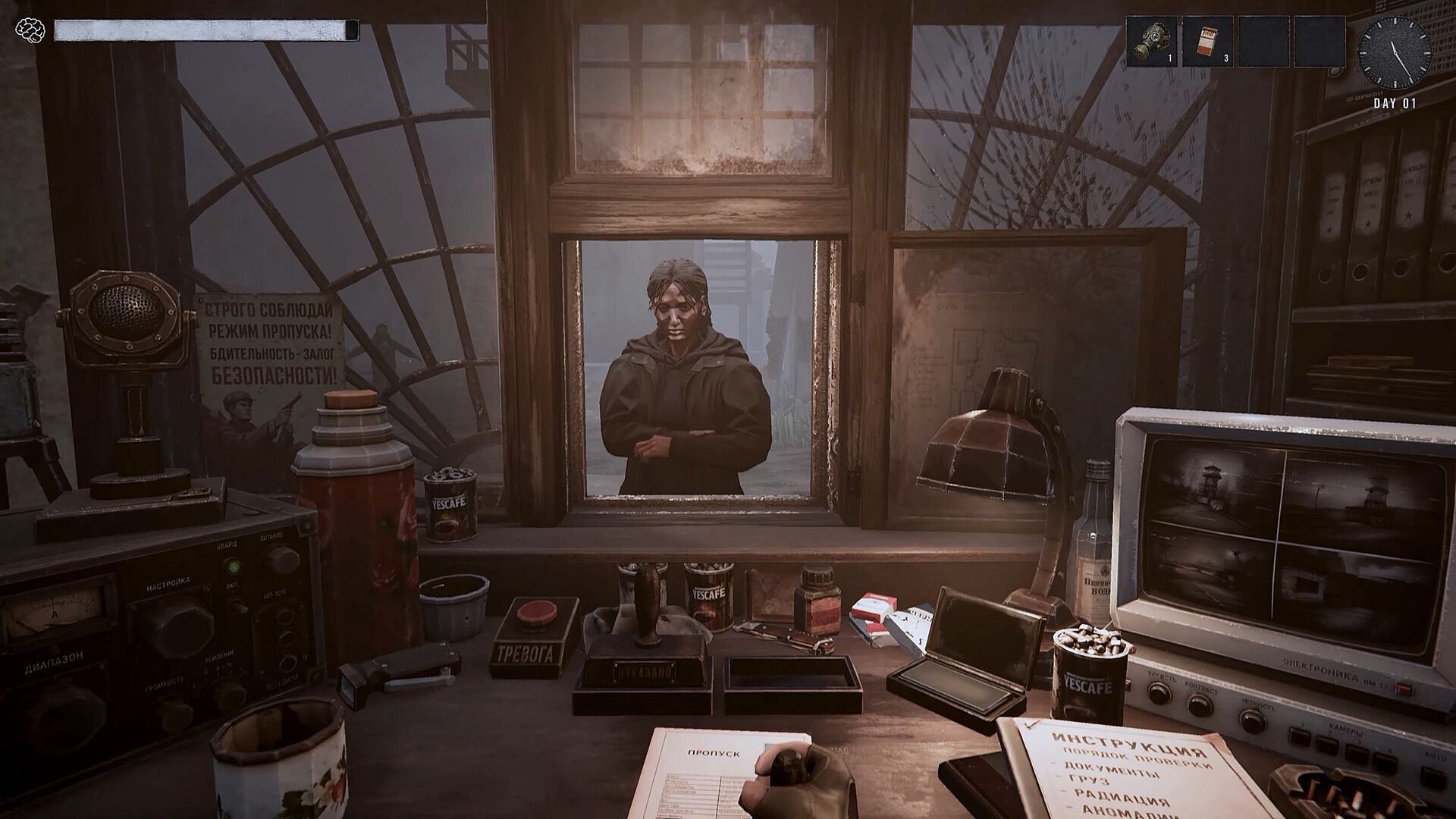
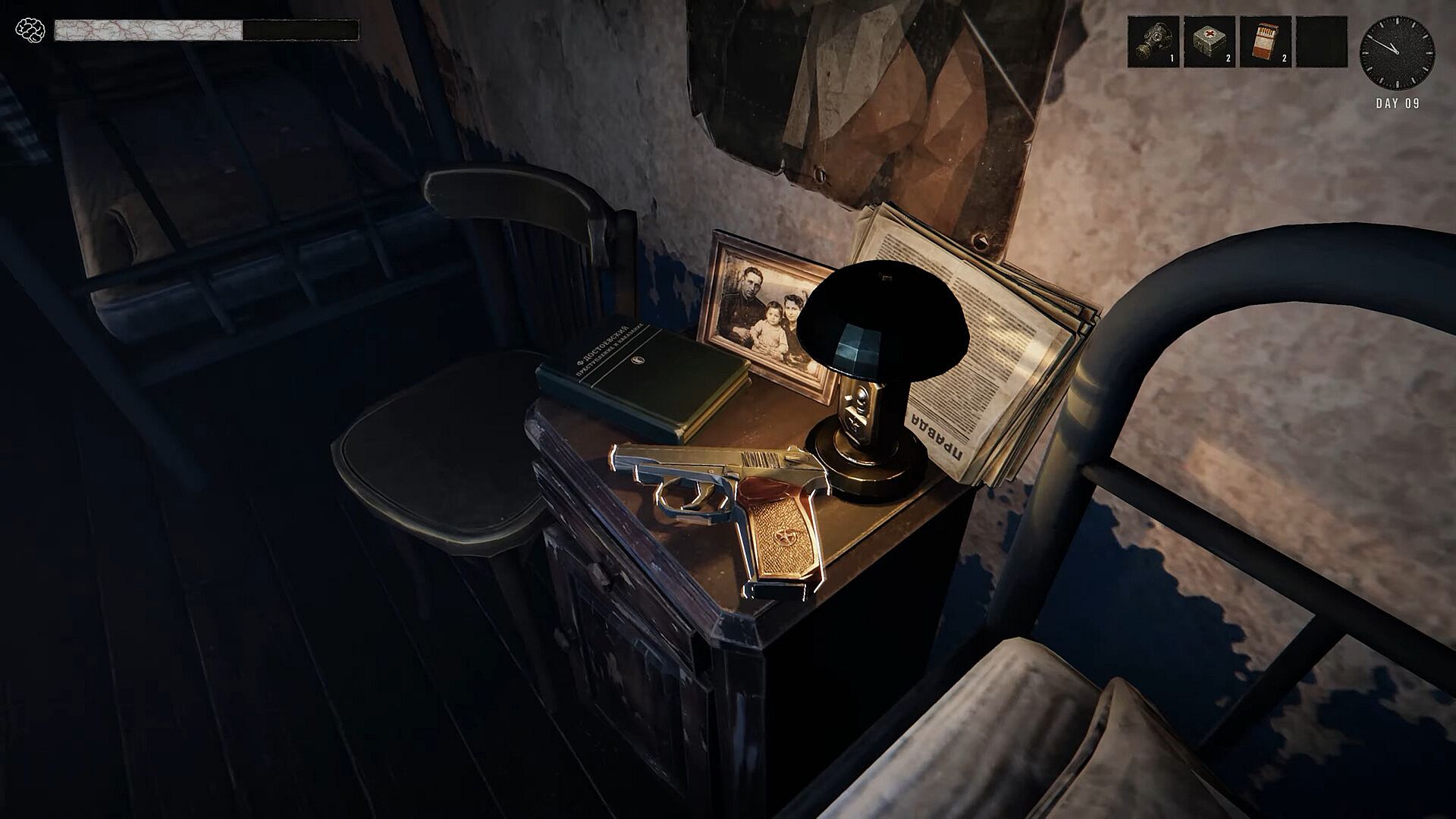
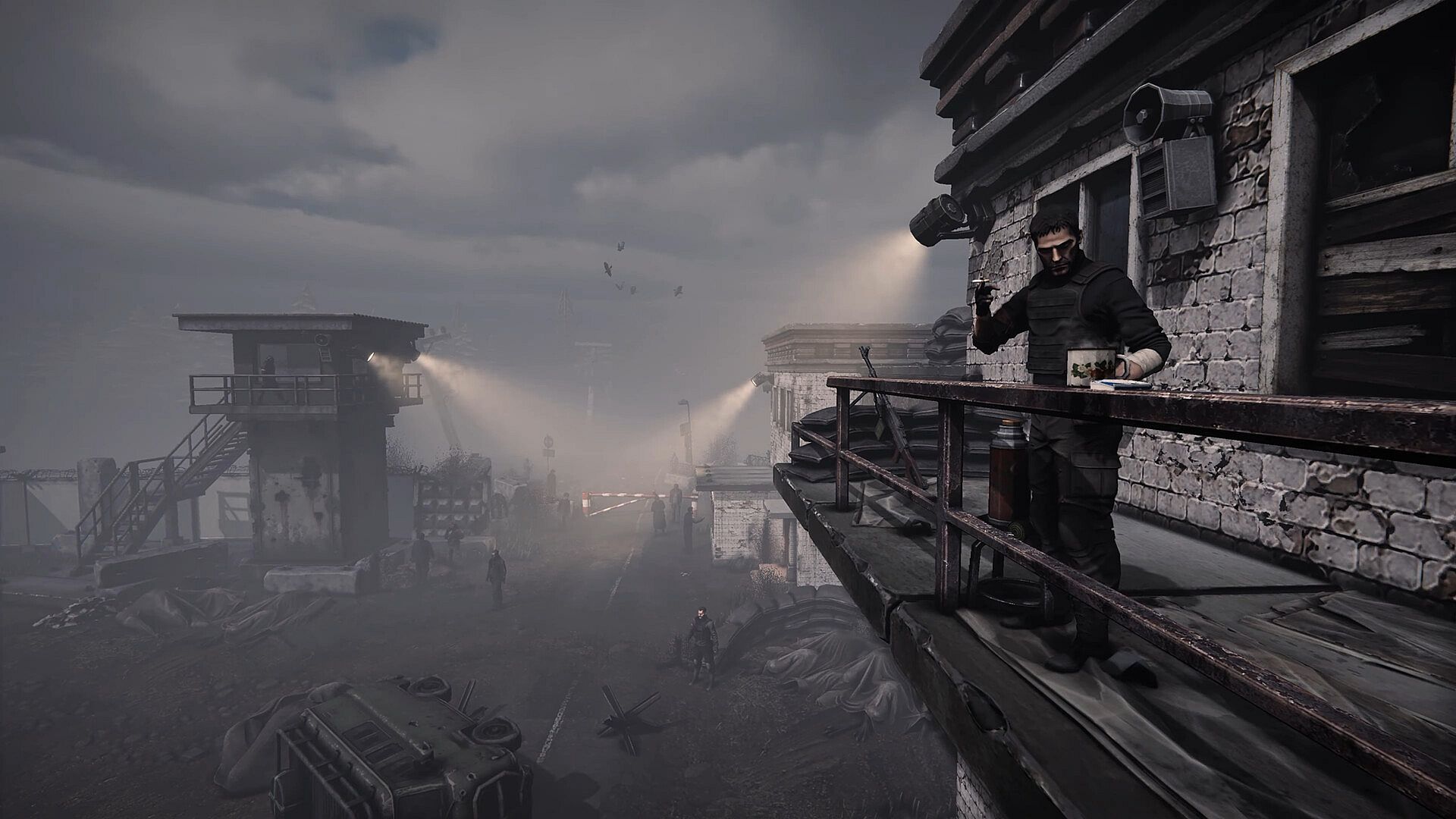
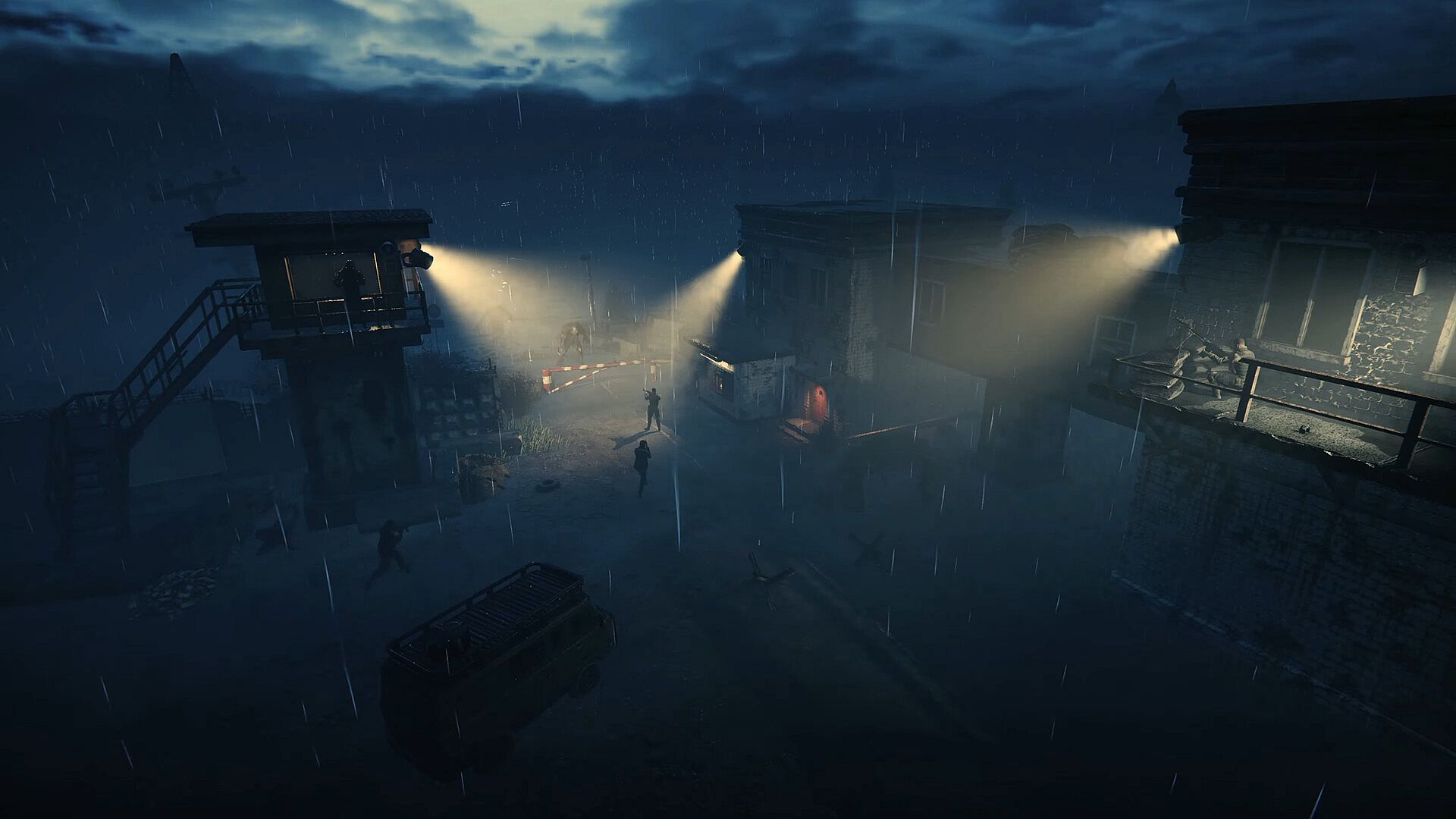
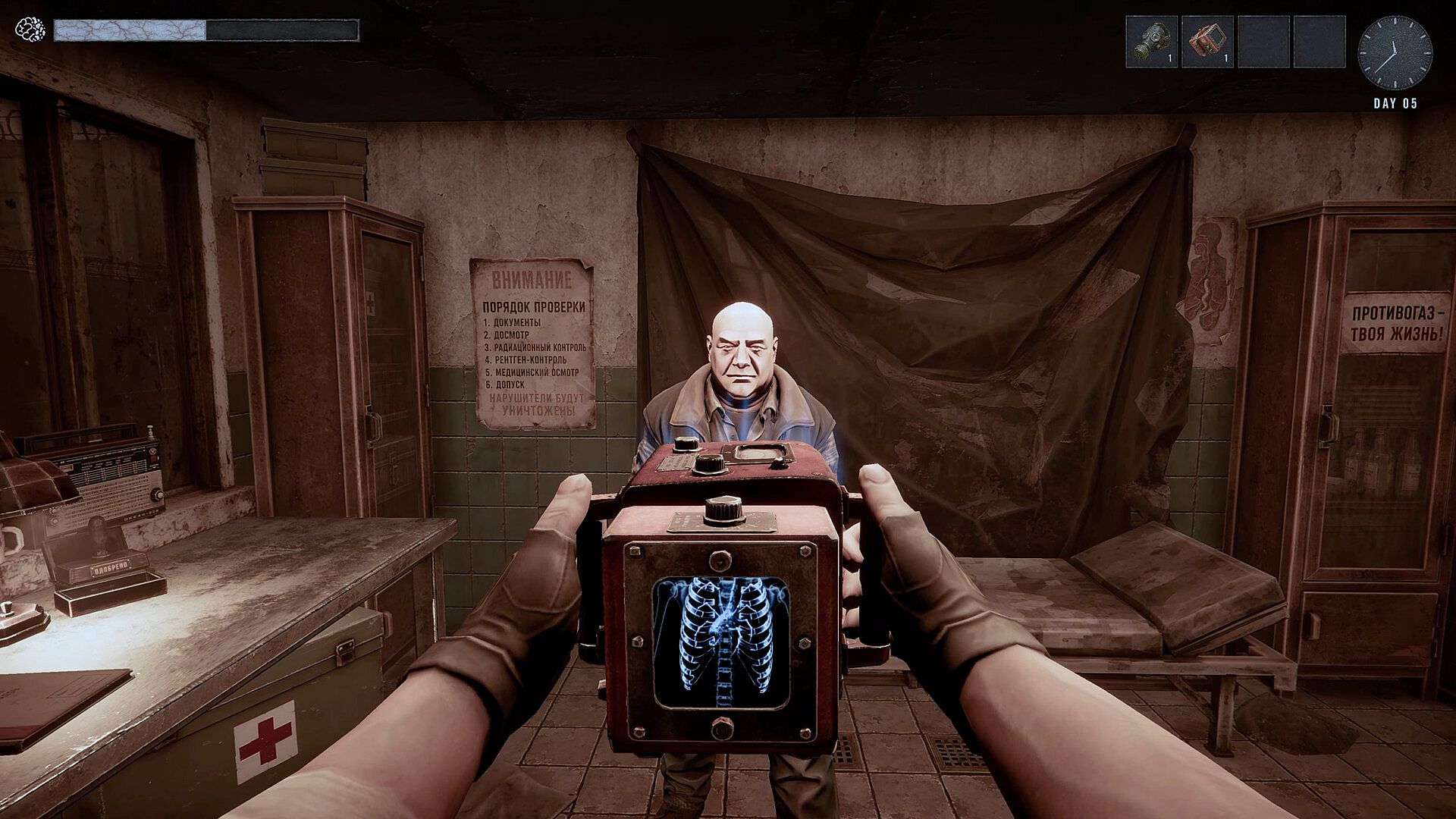
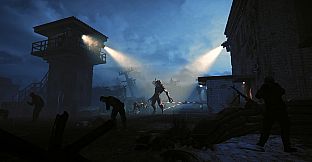
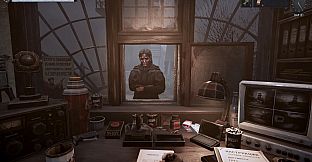
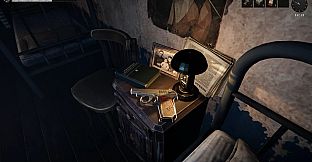
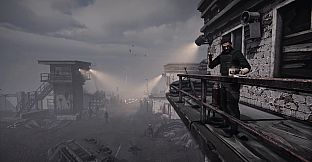
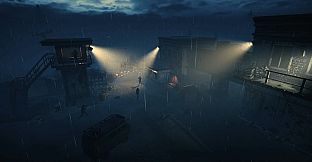
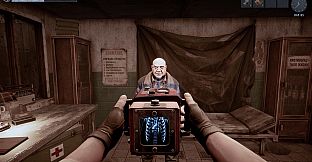
Checkpoint 13 is a single-player RPG and simulation title set on PC that places players in the role of a low-ranking customs officer at an isolated border checkpoint. The experience blends procedural inspection work with survival and role-playing elements inside a post-Emission Zone that has been cordoned off by a network of terminals. Each shift requires careful verification of documents, biometrics, cargo, artifacts, and mutated samples while using tools such as a Geiger counter and anomaly detector to assess risks. Decisions determine who passes, who is detained, or who is turned back into the hazardous territory beyond the fog.
Gameplay
The core loop centers on processing a steady stream of visitors during a compact working day that lasts fifteen to twenty minutes. Players examine paperwork for inconsistencies, scan individuals and items for anomalies, and apply judgment calls under time pressure to minimize errors. Artifacts and samples behave unpredictably, sometimes safe one day and hazardous the next, forcing constant re-evaluation of protocols. Routine inspections give way to moral choices that test priorities, including whether to accept a bribe, report a colleague, or extend help at personal cost. These moments shape the officer's standing and the checkpoint's daily atmosphere without relying on combat or exploration outside the terminal grounds.
Evening hours shift focus to downtime at the checkpoint. Players can gather around a campfire to listen to stories from stalkers and locals, share drinks, and engage in conversations that reveal more about the isolated community. These interactions provide context for the day's events and allow the character to reflect on the consequences of earlier decisions. The combination of methodical daytime work and reflective evening segments creates a rhythm that emphasizes atmosphere and personal accountability over action sequences.
Game Modes
Checkpoint 13 structures its sessions around distinct phases rather than traditional multiplayer or competitive modes. The primary experience revolves around sequential workdays that emphasize efficiency and accuracy during inspections. Random events can interrupt the schedule, introducing sudden threats or complications that demand quick responses while maintaining overall throughput. Evening segments function as a separate phase focused on rest and social exchange, where choices made earlier influence available dialogue and outcomes. This phased approach keeps each play session self-contained yet connected through ongoing character decisions and checkpoint conditions.
Atmosphere and Setting
The game draws from the familiar Zone environment of swamps, rusty power lines, and lingering radiation to establish a grounded, melancholic tone. Low-ranking officers navigate bureaucratic procedures amid constant uncertainty about what the Zone will produce next. Creatures that mimic human forms add tension to arrivals, while the isolation of the old Soviet terminal reinforces the sense of routine under pressure. Visual and audio details highlight the contrast between daytime monotony and evening moments of uneasy camaraderie.
Is It Worth Playing?
Checkpoint 13 suits players who enjoy simulation games built around inspection mechanics, resource management under constraints, and branching moral decisions. The short daily sessions make it accessible for repeated play without requiring long commitments, while the RPG elements reward consistent attention to consequences across multiple shifts. Those drawn to atmospheric single-player experiences that prioritize judgment calls and quiet reflection over combat or large-scale progression will find the structure engaging. The title remains in active development with its core systems centered on the described inspection and evening phases, offering a focused alternative to broader open-world titles in the same genre space.