




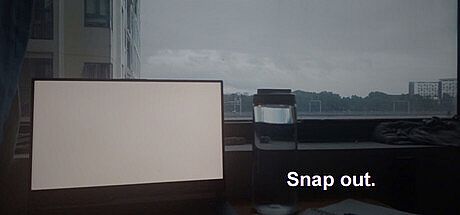


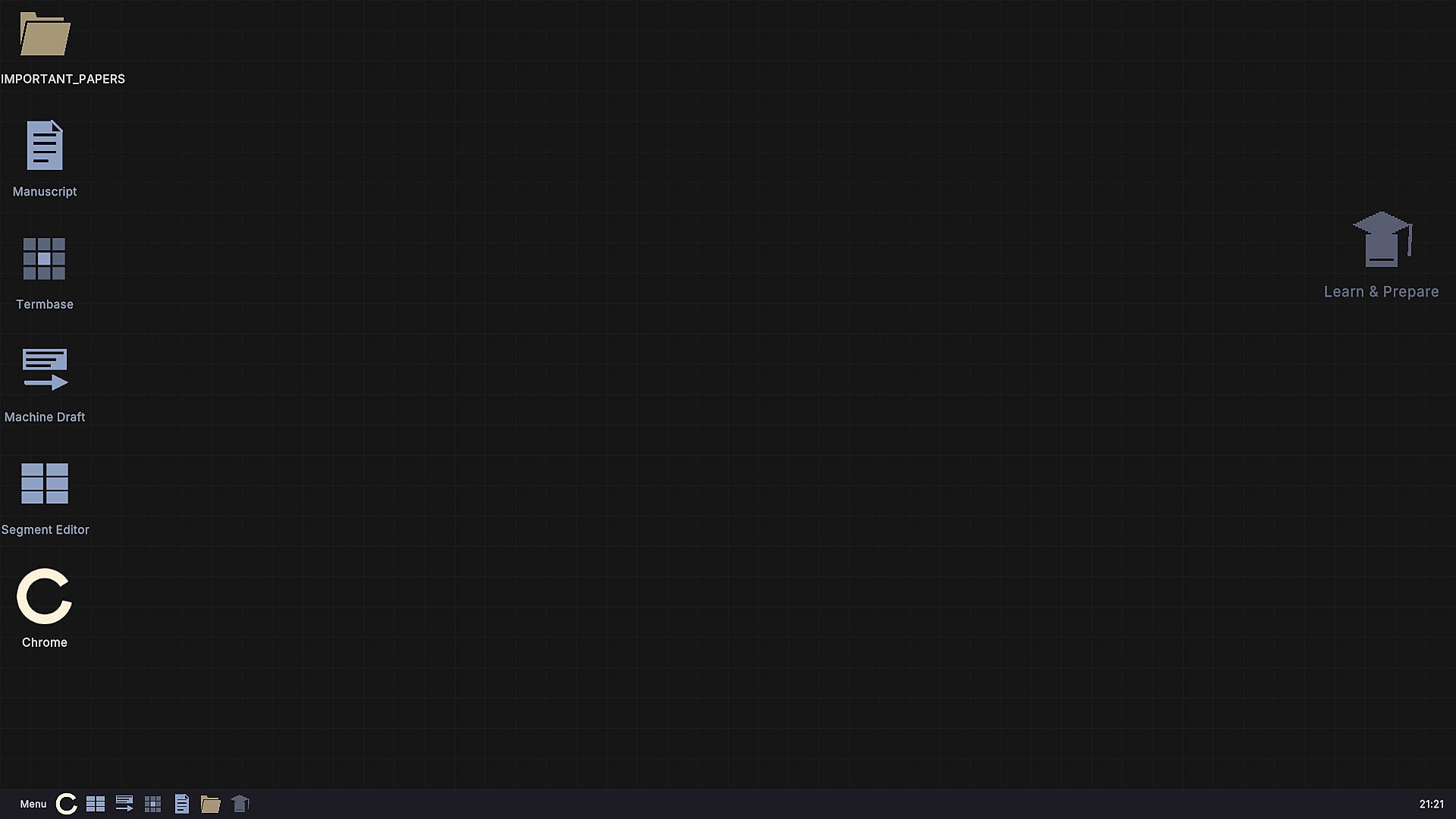
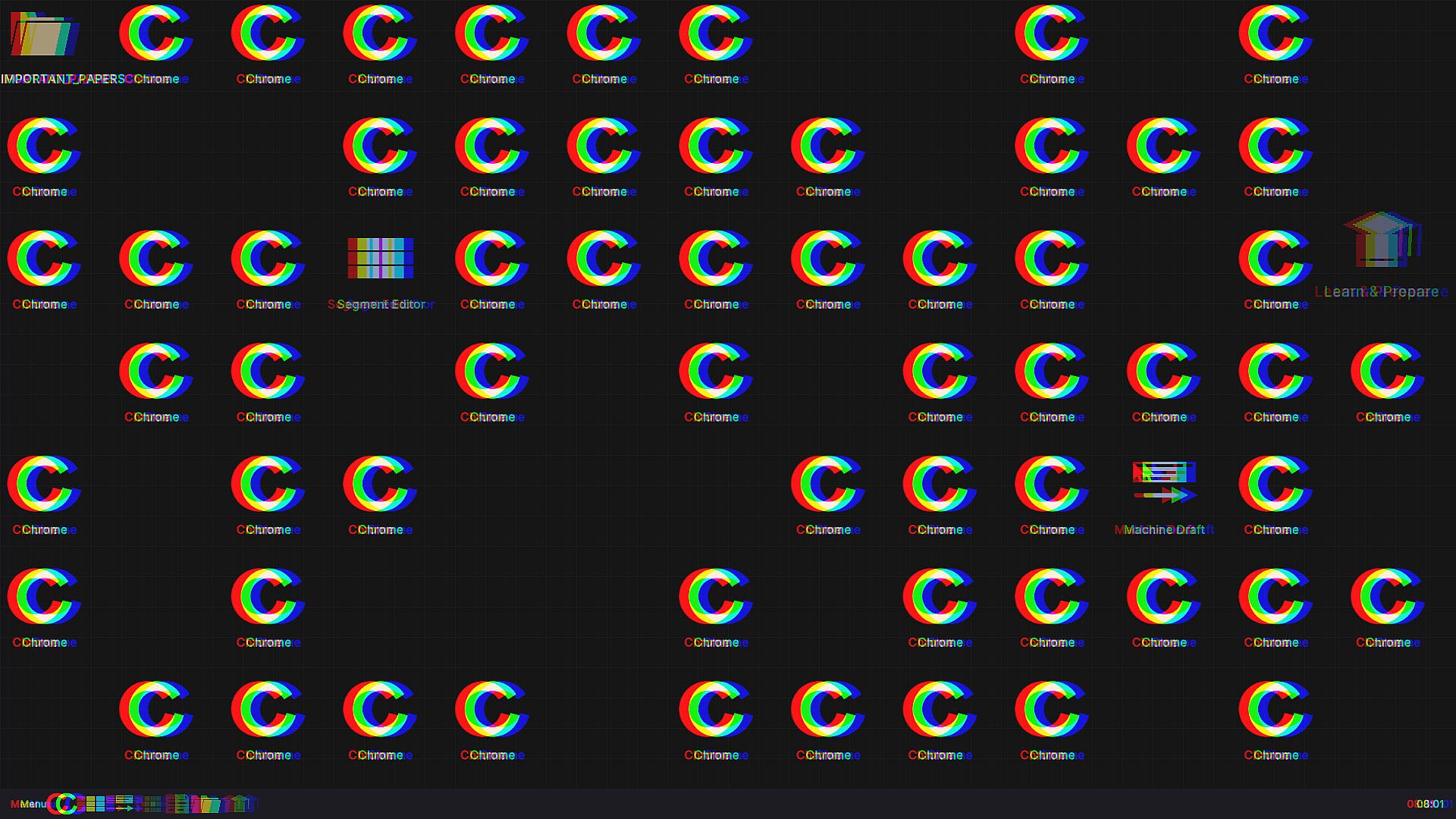
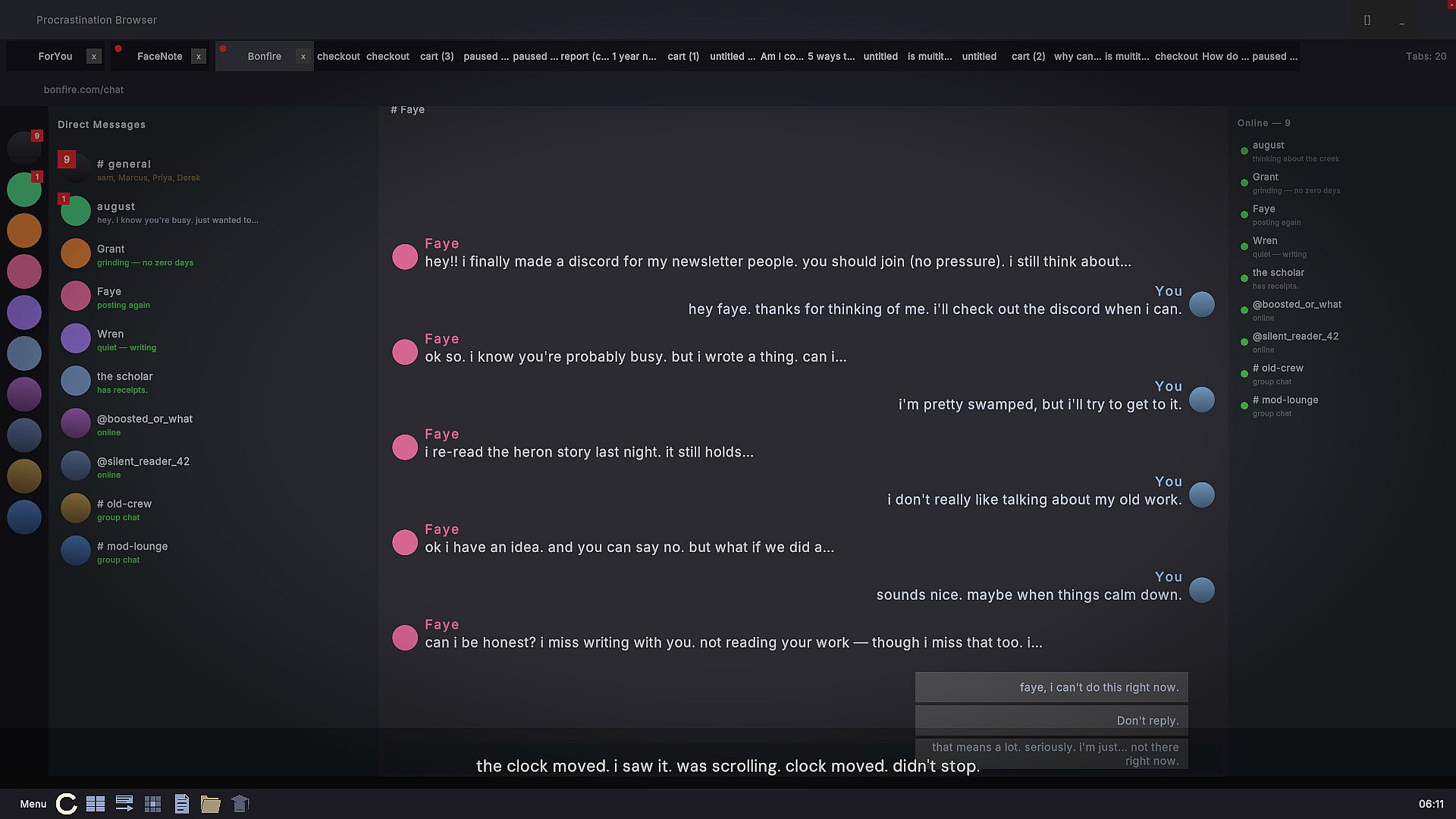
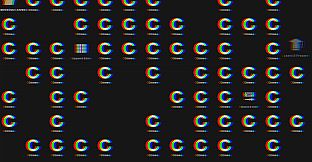
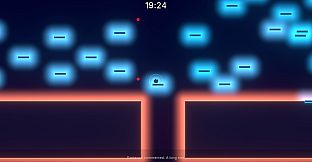
Snap out. is a singleplayer indie action adventure game centered on the struggle with procrastination. Set entirely on a realistic desktop interface, the experience places players in control of a character who sits before an open browser while a real-time clock ticks forward. The core tension arises from the hand on the mouse, which moves independently toward endless scrolling when left idle and resists efforts to focus on work.
Gameplay
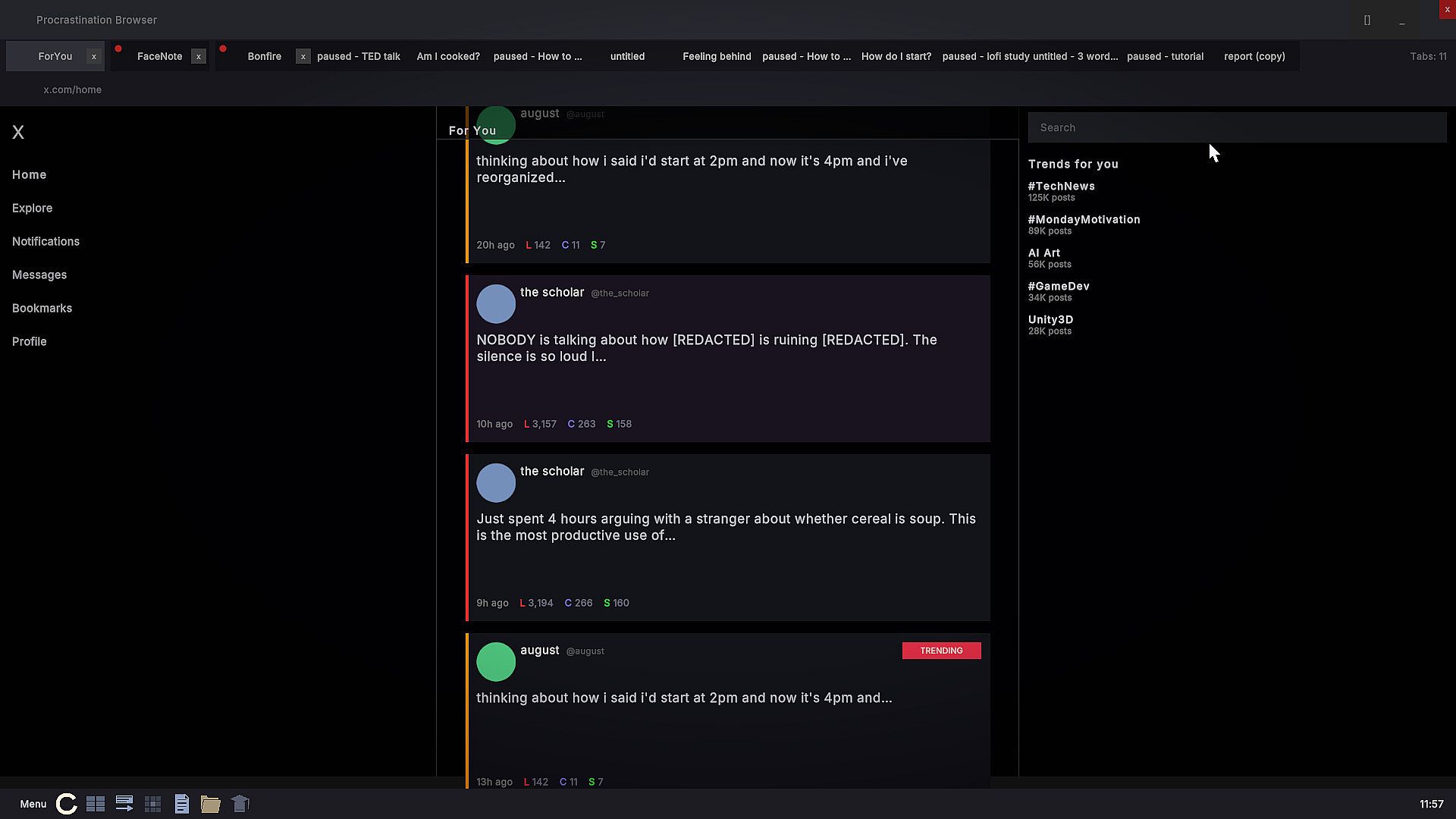
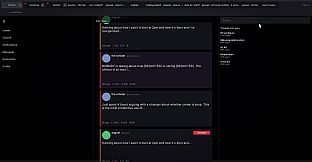
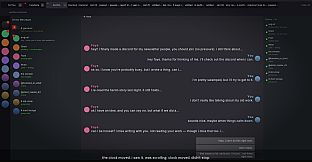
The gameplay loop revolves around managing attention and impulses in a simulated desktop environment. When idle, the cursor drifts into the browser feed, where content auto-scrolls and comments accumulate without any direct prompts. Internal monologue surfaces through short, relatable thoughts that highlight the pull of distraction, such as rationalizing short breaks or questioning the need for productivity on a given day. Five individuals appear in the feed, community sections, and direct messages, sending repeated requests that require deliberate replies to address.
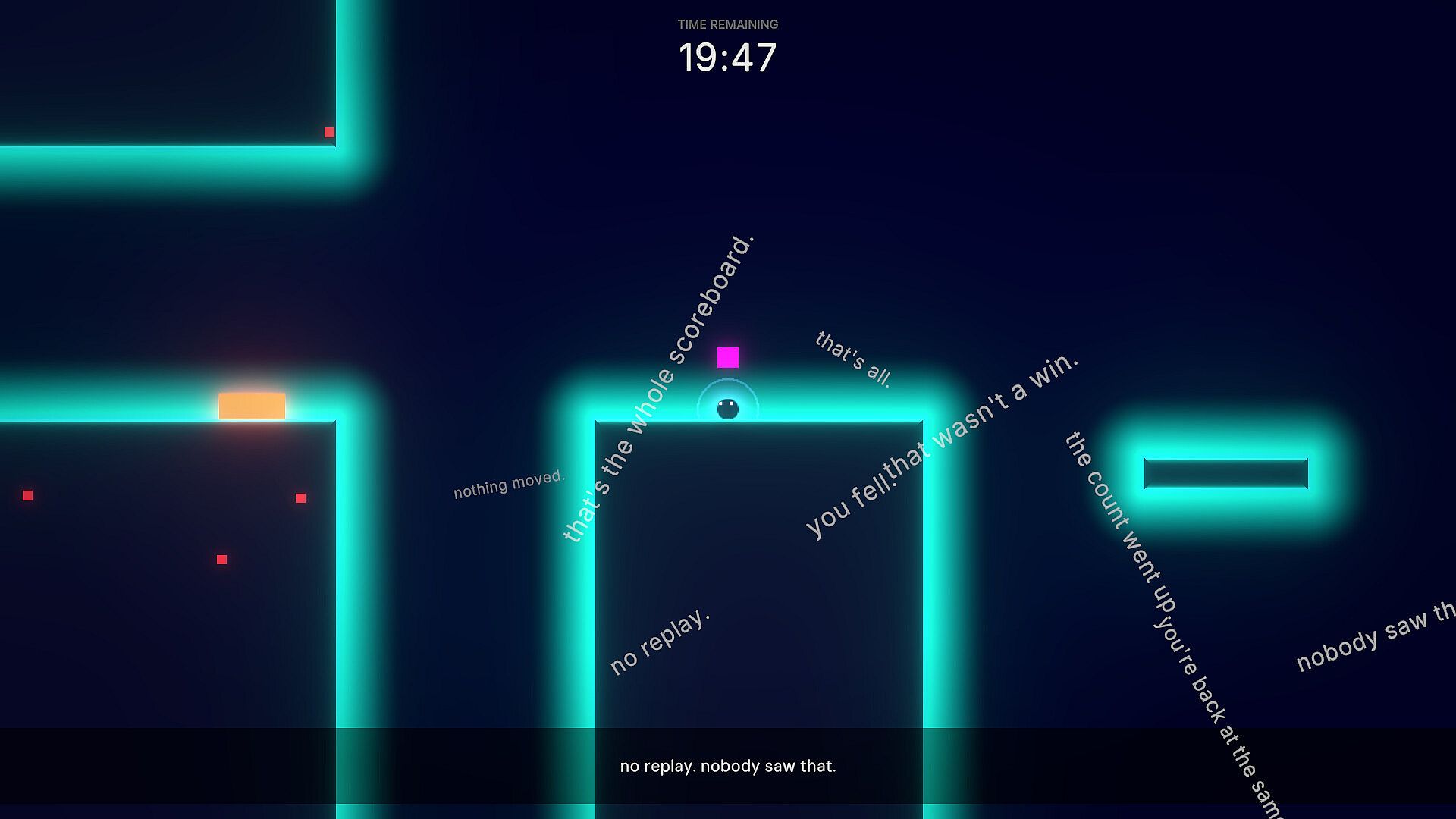
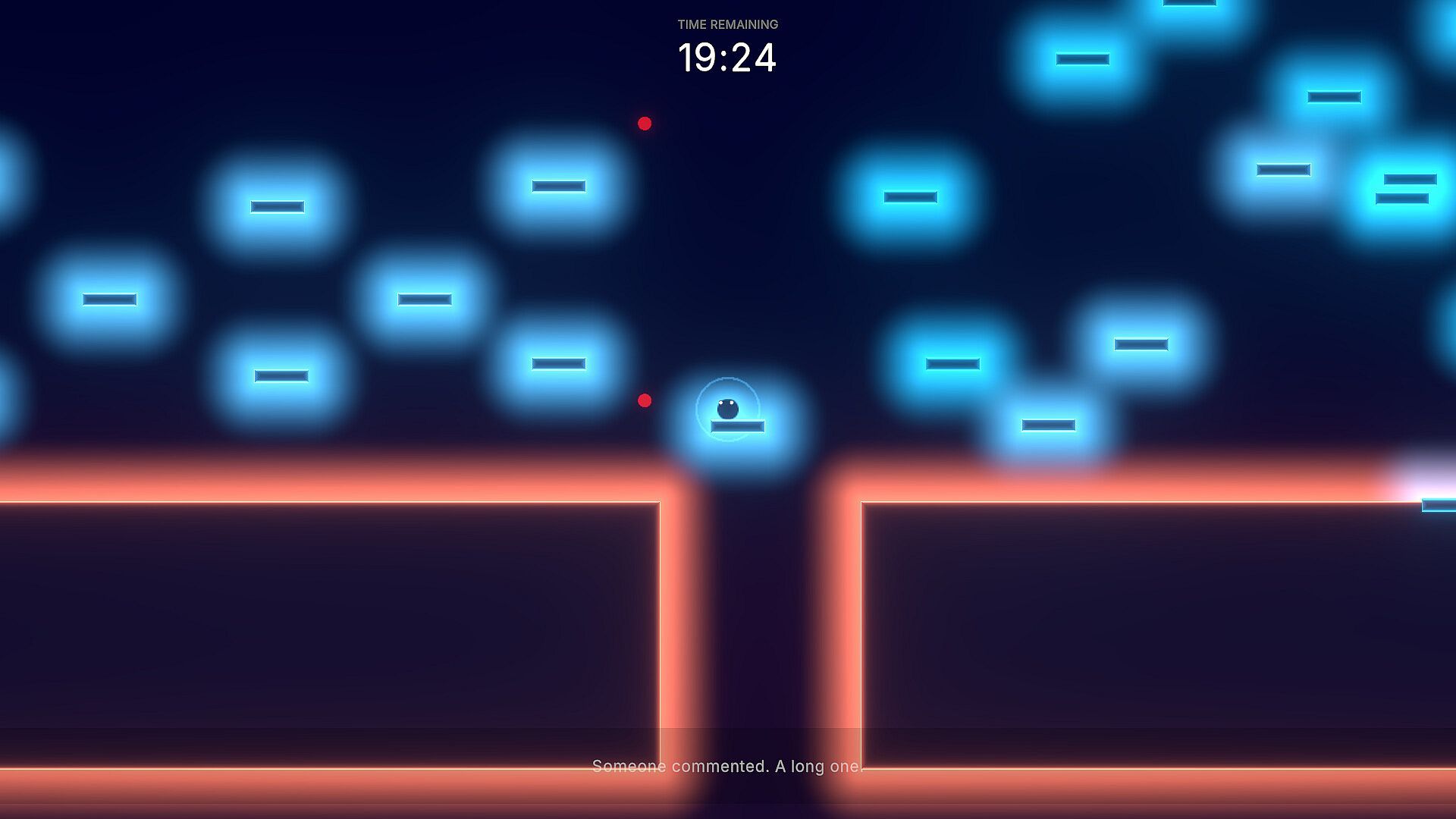
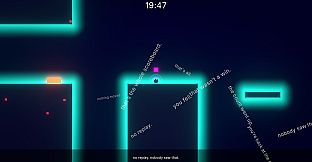
Each reply consumes a small amount of time yet restores value to a limited resource represented by the close button in the corner. Prolonged scrolling erodes this resource steadily, while silence provides no recovery. The browser itself remains passive, offering no rewards or demands beyond the self-imposed habit of continued engagement. Once the player decides to exit, the game shifts into a platformer sequence whose visual tone and difficulty reflect the exact duration spent scrolling beforehand. Shorter sessions produce clearer, brighter levels that feel more navigable, whereas longer ones darken the environment and intensify the desire to return to the feed.
Success in the platformer segment leads directly into an attempt at focused work. The cycle then resets with the browser still present and silent, underscoring that any progress remains temporary. The mechanics emphasize physical habits of the hand and the quiet internal voice rather than traditional objectives or scoring systems.
Game Modes
Snap out. does not feature separate named game modes or multiplayer options. The entire experience operates as a continuous singleplayer loop that blends desktop simulation with brief platformer segments. Progression occurs through repeated cycles of distraction management and attempted focus, with the platformer serving as the sole change in perspective based on prior choices. Multiple endings exist, each reflecting different patterns of behavior without providing celebratory conclusions or permanent resolution.
Core Mechanics and Themes
The game builds its systems around the erosion and restoration of a single resource tied to the browser close function. Answering messages from the five contacts trades seconds of time for partial recovery, creating a constant calculation between immediate social obligations and long-term discipline. The platformer escape mechanic directly ties visual and challenge elements to real elapsed time in the feed, making the consequences of scrolling tangible rather than abstract. No external tutorials or overlaid instructions guide the player; discovery comes through observation of the hand's independent movements and the accumulating comments.
Themes center on the unfinished nature of self-discipline. Work begins only after the platformer, yet the desktop environment persists unchanged afterward. The design avoids any sense of final victory, instead presenting the browser as a persistent presence that waits for the next idle moment. This structure mirrors the ongoing internal dialogue without offering external validation or achievements beyond the endings themselves.
Is It Worth Playing?
Snap out. suits players interested in short, introspective experiences that examine personal habits through simulation and simple platforming. Its strength lies in the direct connection between time spent in the feed and the resulting platformer conditions, which creates immediate feedback on procrastination patterns. The multiple endings encourage replay to observe different outcomes, though none resolve the central tension. Availability is limited to PC, and the game runs as a self-contained title without additional content or ongoing updates confirmed at this time. Those seeking conventional action or adventure progression may find the deliberate pacing and lack of traditional rewards less engaging, while individuals drawn to experimental indie titles focused on everyday mental struggles will likely appreciate the focused execution and honest portrayal of unfinished discipline.











