

SOGUL: Den of the Deep is a rhythm-driven RPG set on PC that blends turn-based combat with precise timing mechanics across a 50-floor roguelite dungeon crawl. Players control a party of four companions through procedurally branching depths while managing attacks, skills, and defenses in sync with falling notes.
Gameplay
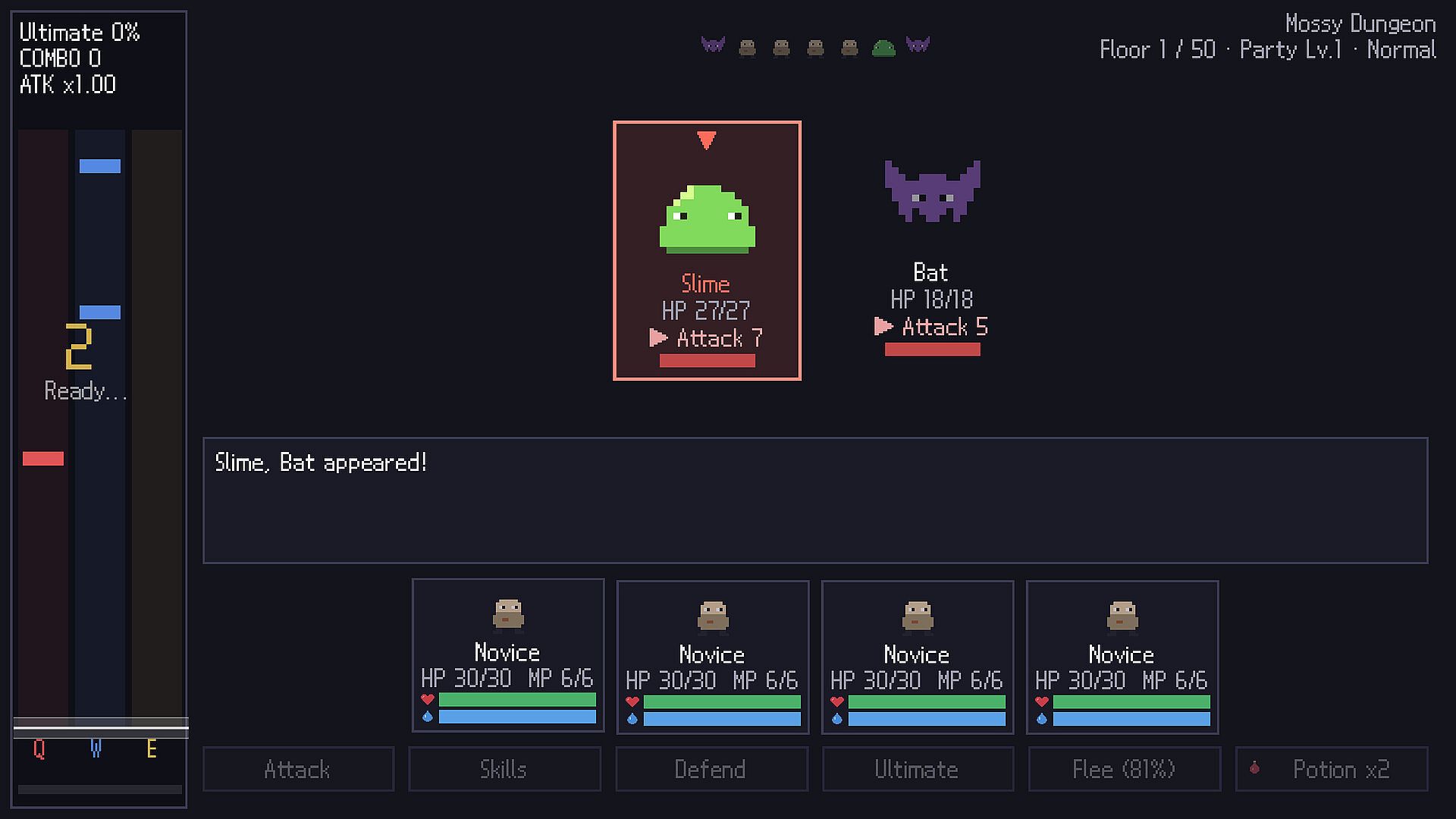
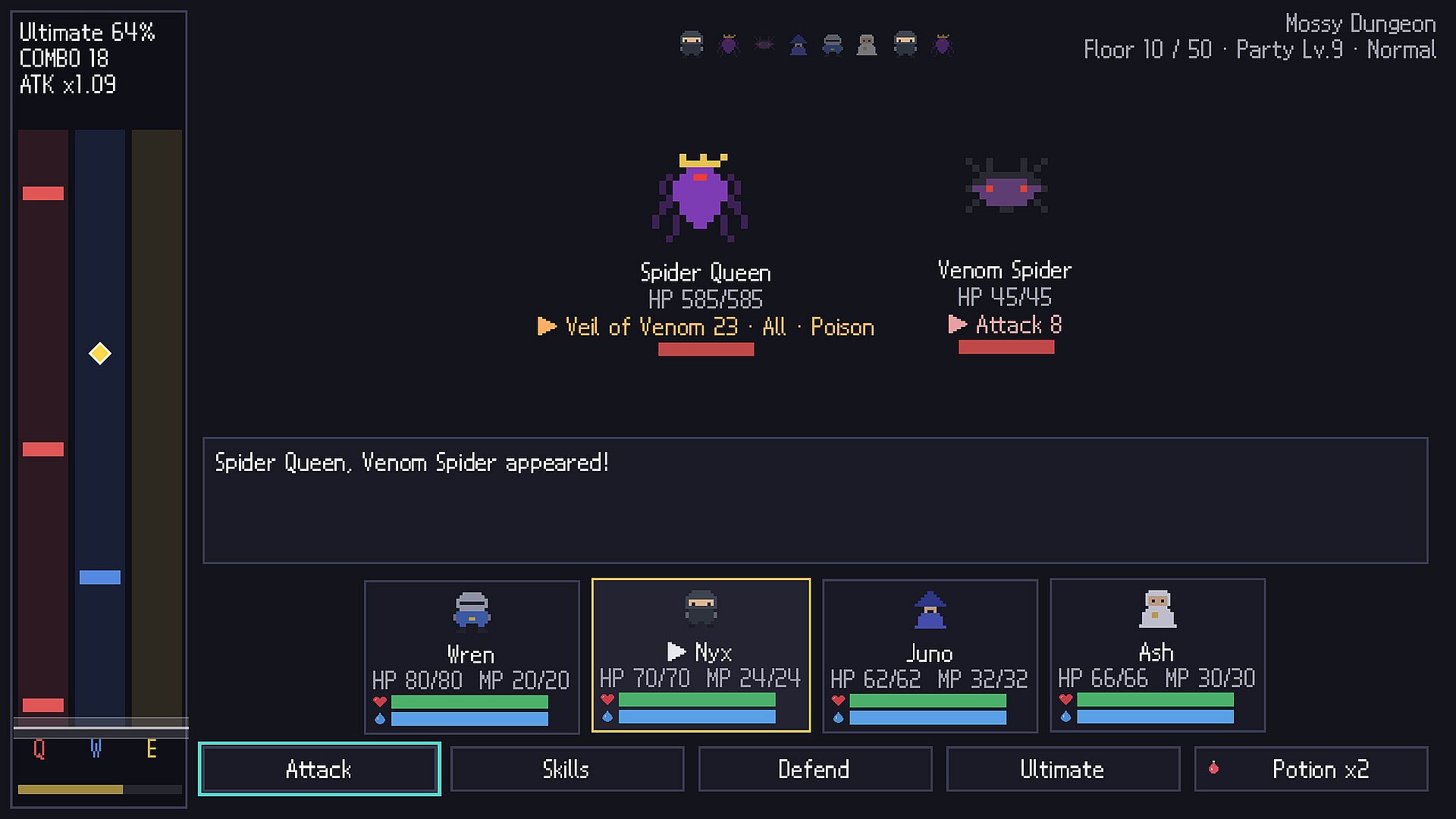
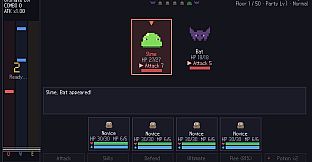
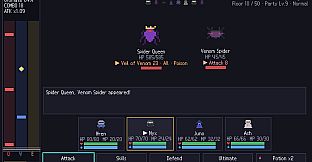
Combat begins the moment a battle starts, with notes descending a dedicated lane on the left side of the screen. The right hand selects attacks, skills, and defenses while the left hand maintains the rhythm. This system forms the core of every encounter rather than serving as an optional layer. Building combos improves strike effectiveness, and reaching 20 consecutive hits turns basic attacks into critical strikes. Gold notes restore MP for the entire party, orange notes signal incoming enemy attacks that can be parried for reduced damage, and purple notes mark the timing window for skills and ultimates to deal increased damage. A shared gauge fills during successful plays, enabling a joint ultimate that coordinates the full party. Settings include an auto-hit option that handles note timing automatically while leaving action selection under player control.
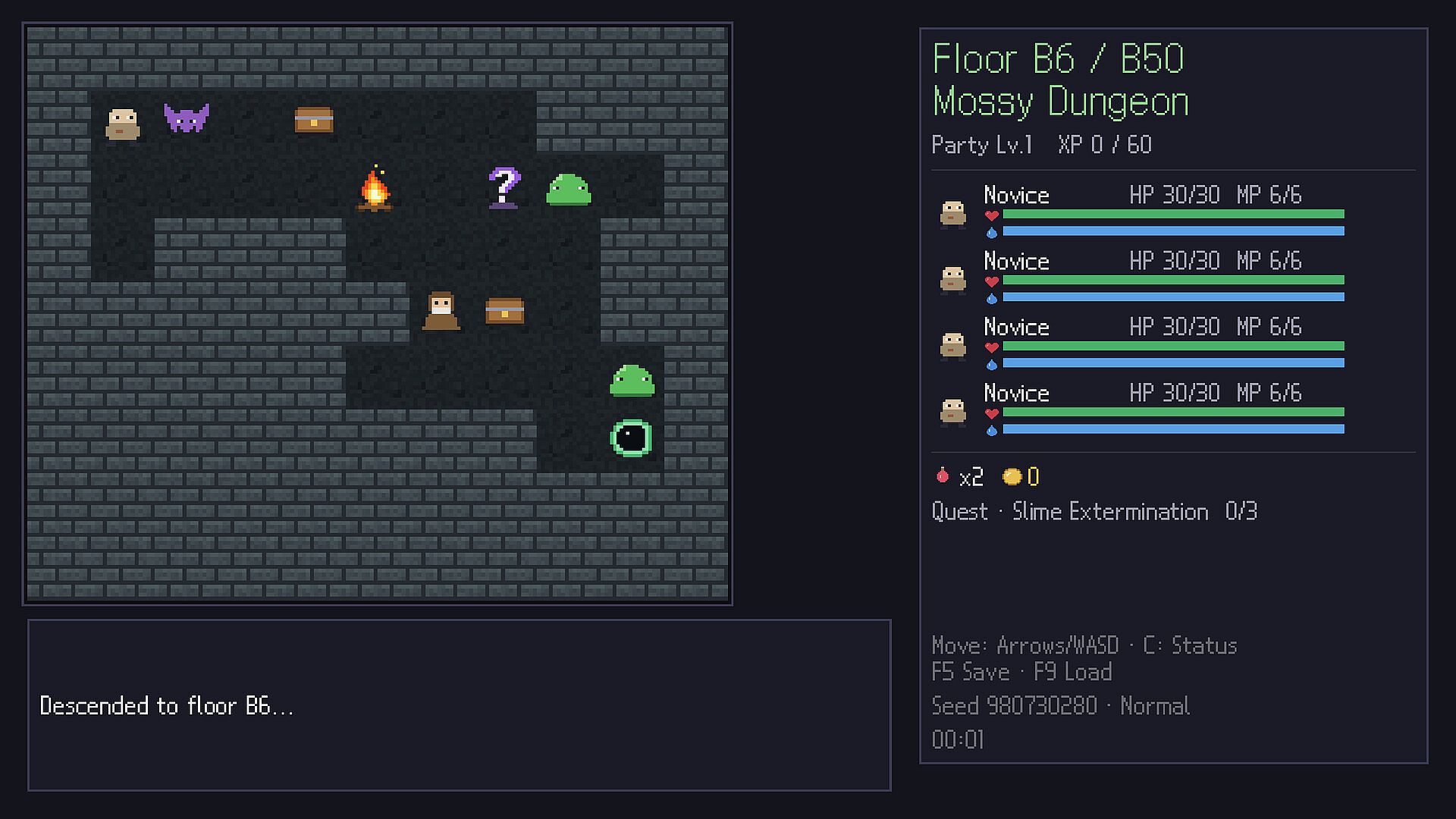
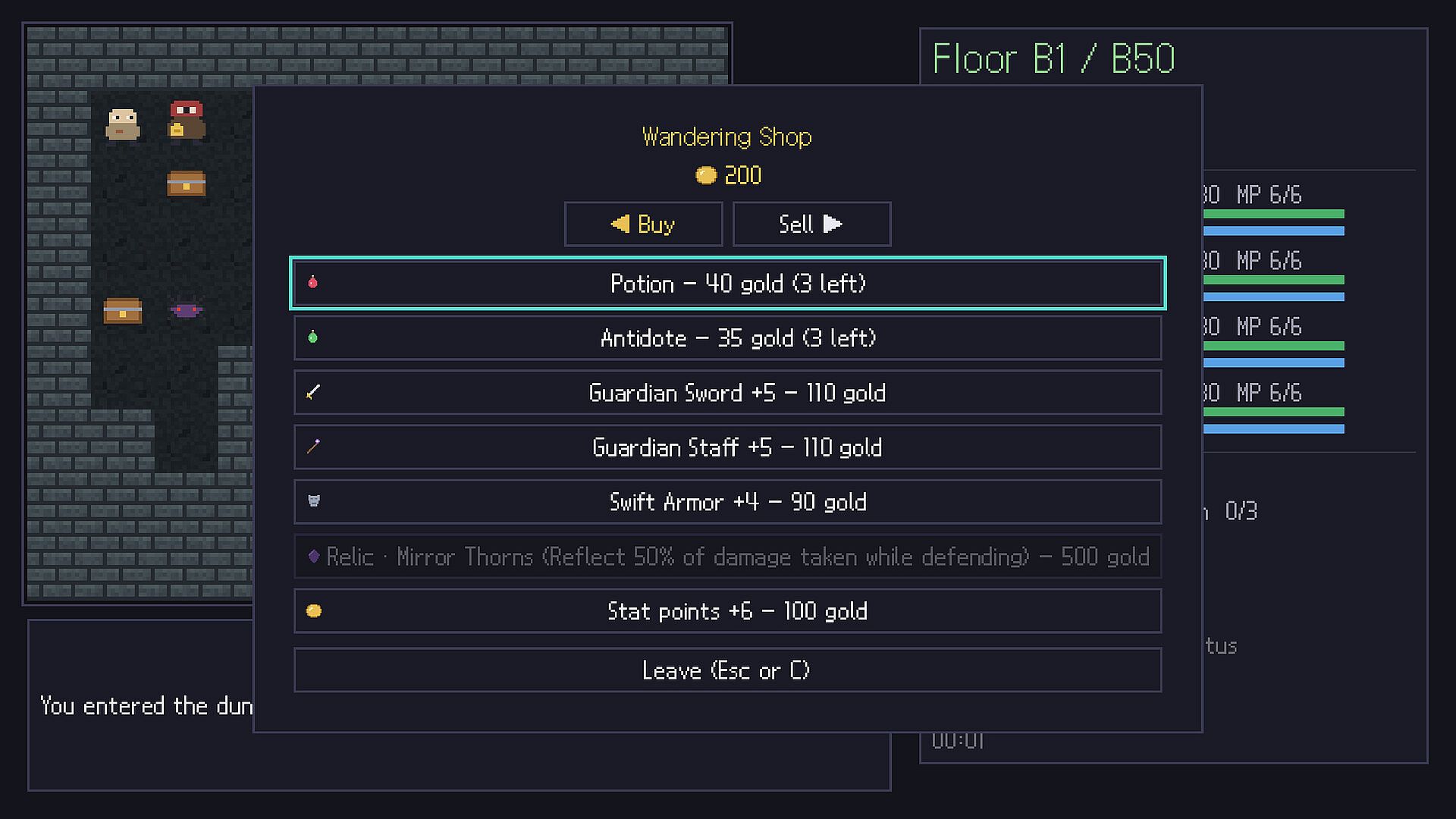
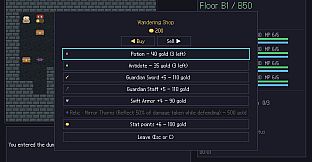
Dungeon progression spans 50 floors divided into five distinct zones of ten floors each. The journey starts in a moss-choked dungeon, moves through webbed caves and a graveyard, then descends into an abyssal rift before confronting the Lich. Each zone features unique visual palettes and music tracks. Boss encounters at the end of every zone require rhythm-based blocking for their signature abilities. Every floor presents a choice among three paths: a dangerous route packed with elites and treasure, a safe route that guarantees a campfire, or a merchant route. These decisions shape risk and reward throughout the expedition.
Game Modes
The game operates as a single-player roguelite experience with built-in variability through path selection and difficulty options tracked in the Archive. Players can attempt faster clears on higher difficulties, with the Archive recording personal best times for each. Seed entry allows sharing an identical dungeon layout with another player for coordinated or comparative runs. Mod support extends the base experience by permitting additions of monsters, jobs, relics, events, sprites, and sounds through simple file placement without requiring code changes. Rebindable controls, rhythm latency calibration, adjustable battle speed, and window scaling further customize the session to individual preferences.
Progression and Customization
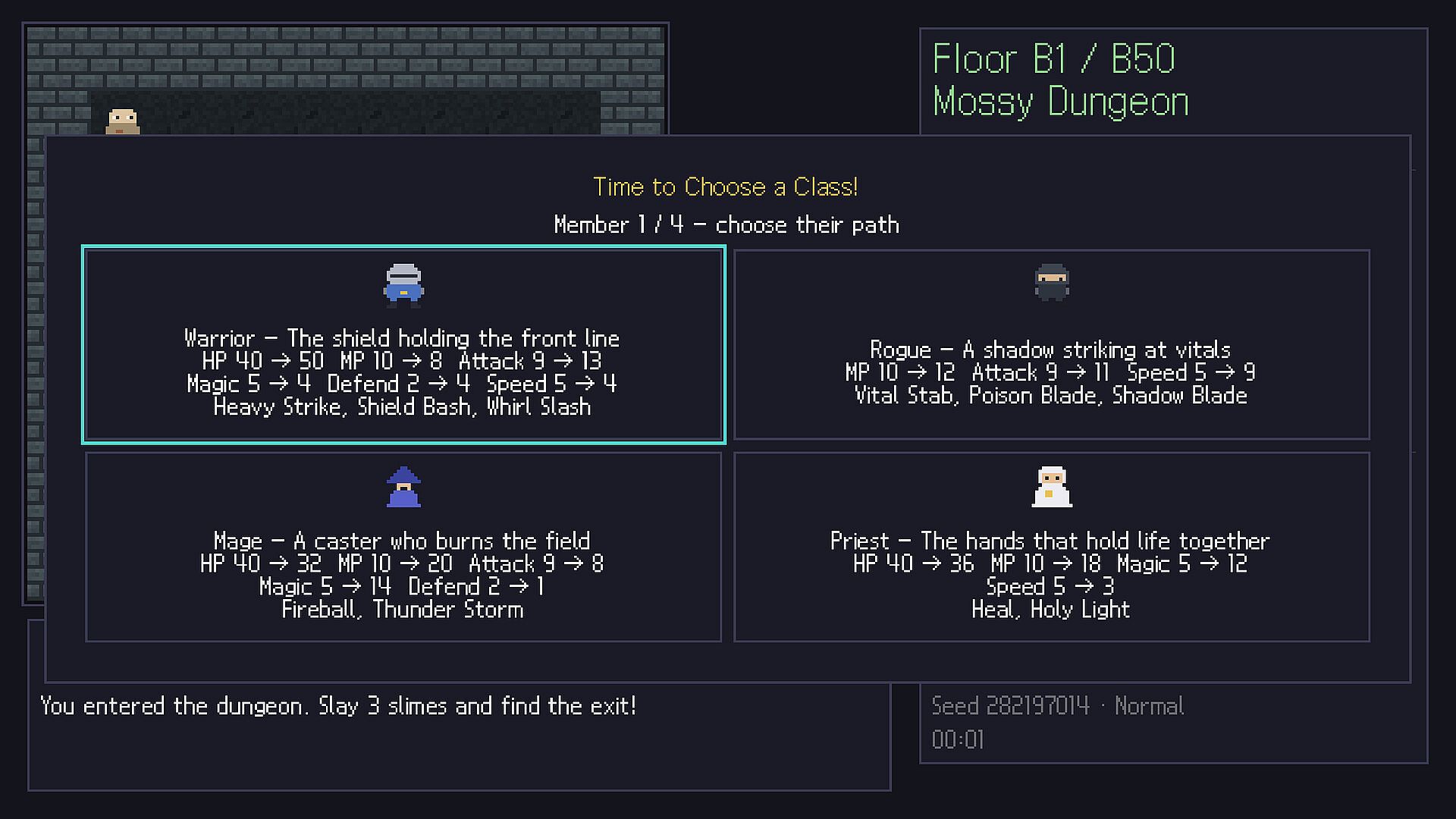
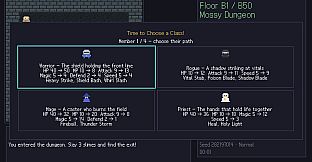
Four companions start as Novices and receive names chosen by the player. At level 5 they select from Warrior, Rogue, Mage, or Priest. A second branching occurs at level 16, leading to specialized roles such as Berserker or Paladin based on prior stat allocation and playstyle. The full roster includes 13 distinct jobs, each carrying unique skills. Twenty relics introduce rule-altering effects instead of simple stat boosts, examples include treating good timing as perfect, enabling double basic attacks, or preserving combo count after a miss. Gear carries random affixes, and the dungeon contains merchants, campfires, gambling dens, and training grounds for further development. Upon a full party wipe, soul shards drop in proportion to the deepest floor reached. These shards purchase permanent blessings at the Soul Altar or unlock sealed powerful relics for future runs. The Archive logs every encountered monster and held relic while storing clear times across difficulties.
Is It Worth Playing?
SOGUL: Den of the Deep suits players who enjoy precise rhythm timing layered onto traditional RPG party management and roguelite progression. The combat demands attention to both action selection and musical beats, yet the auto-hit toggle keeps battles accessible regardless of rhythm experience. Permanent upgrades from soul shards and mod support provide ongoing reasons to return after each expedition. The game runs on PC with support for Korean and English languages. Those seeking a focused single-player loop that rewards careful path choices and timing accuracy will find consistent depth in its systems. Players who prefer purely turn-based combat without timing elements or who dislike roguelite restarts may find the rhythm layer less appealing.