

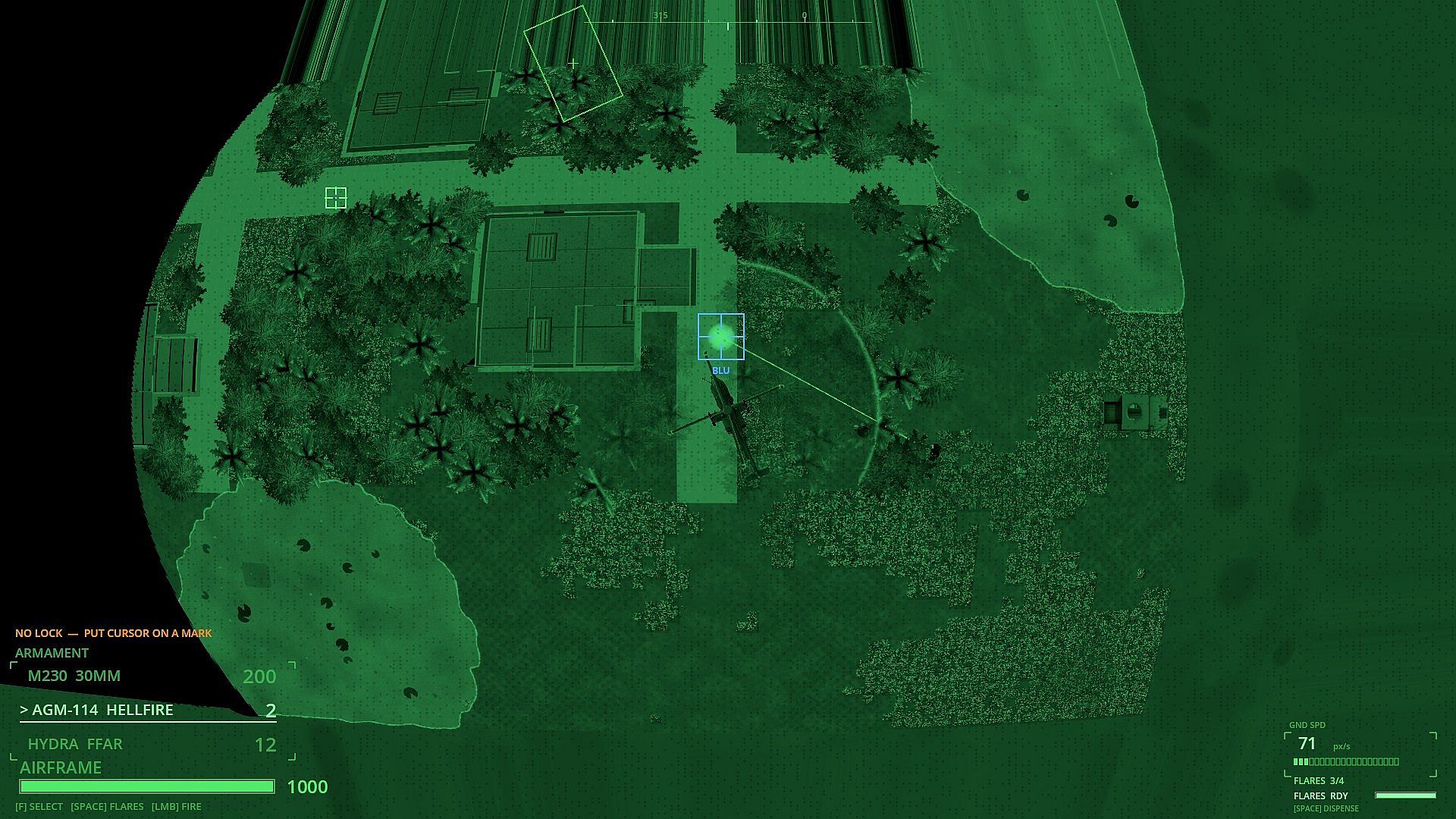
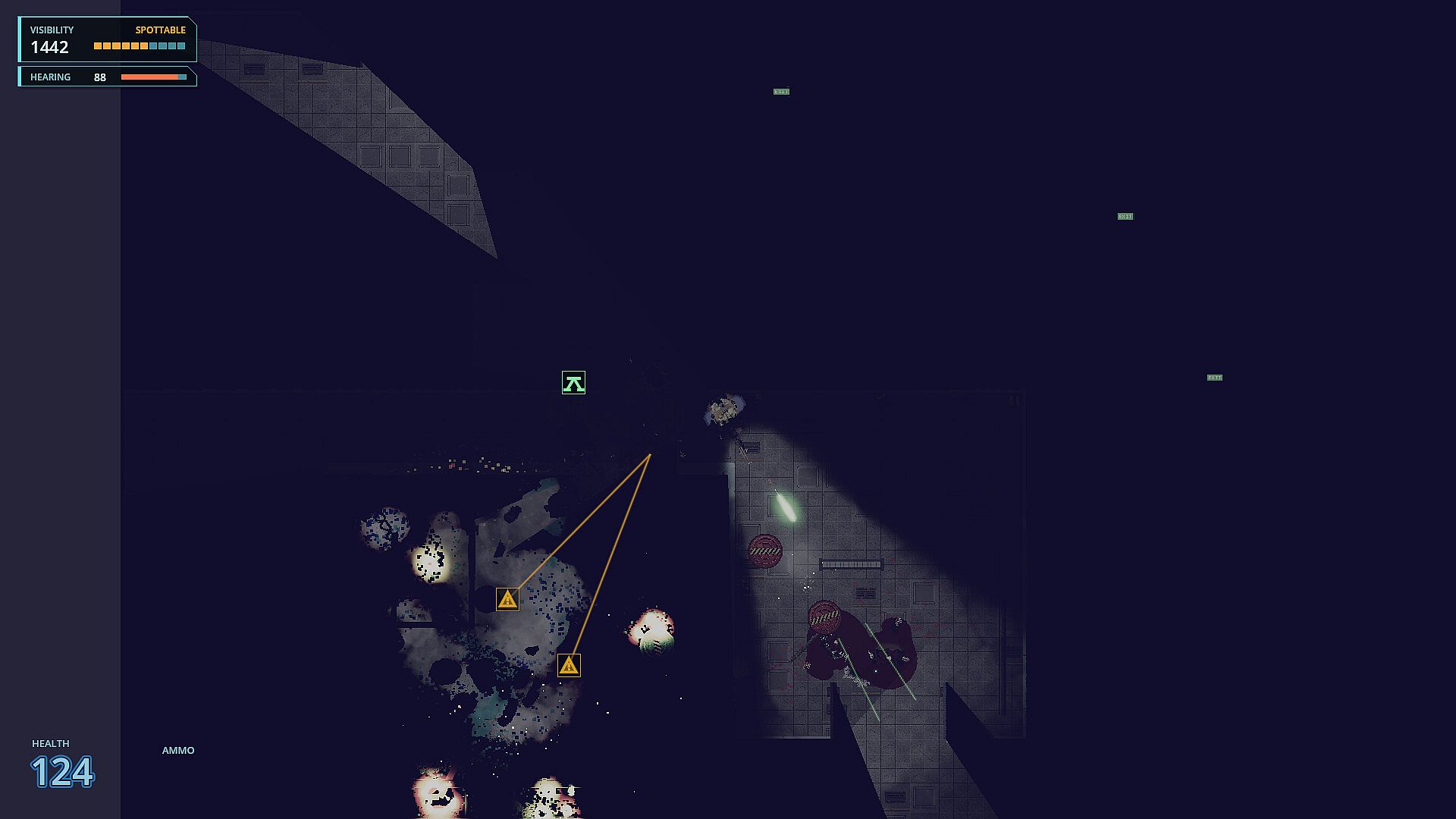
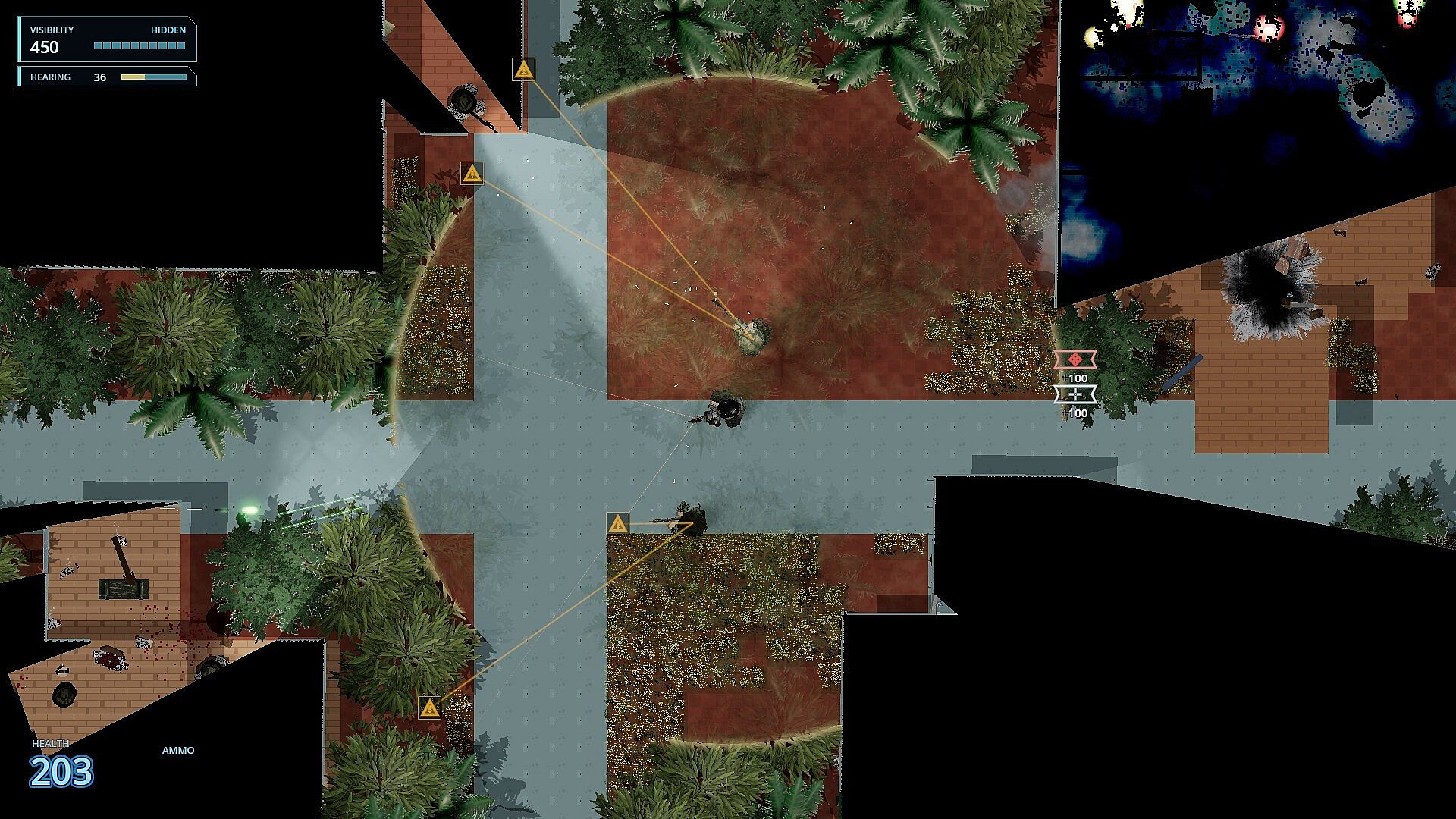
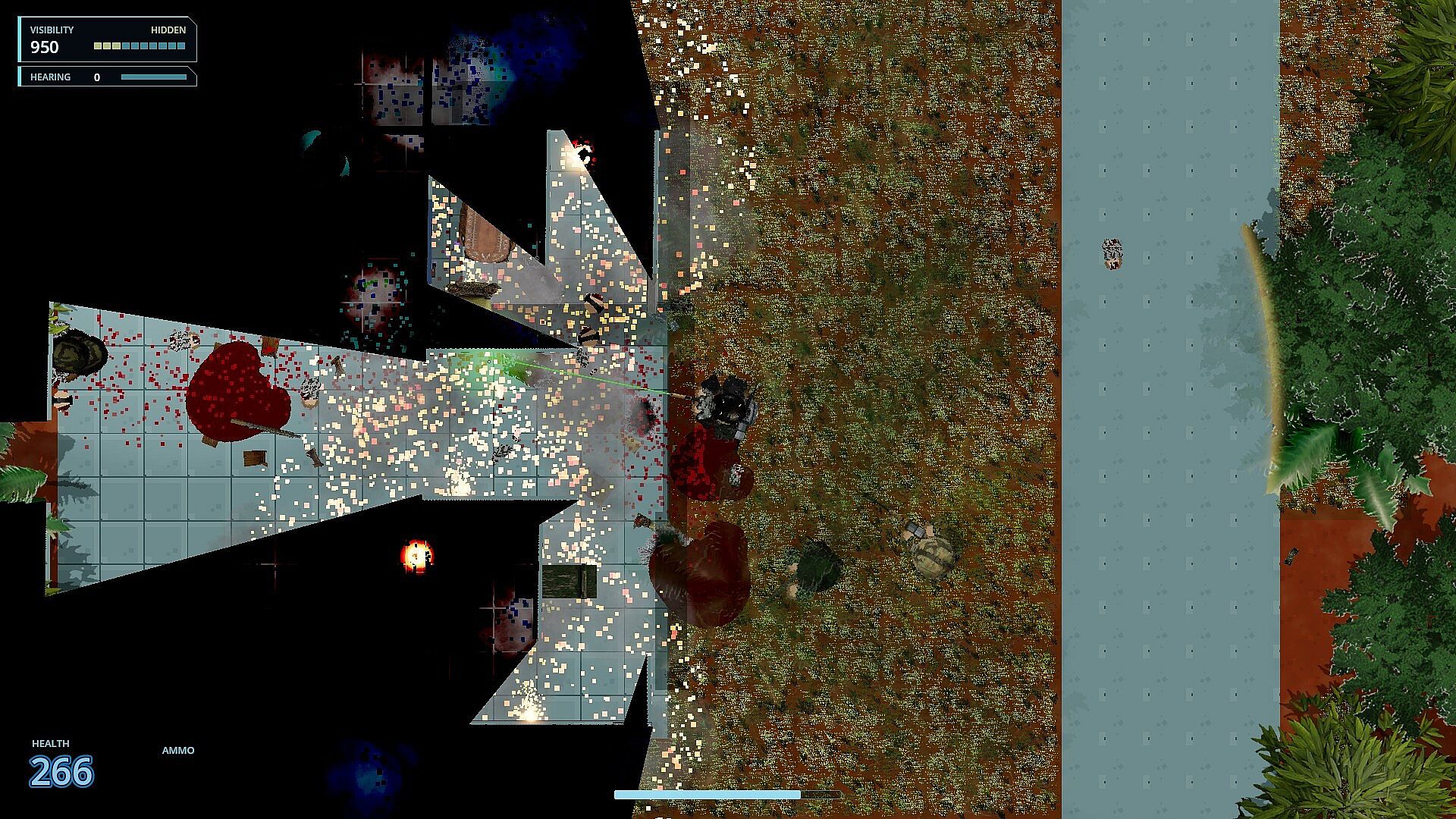
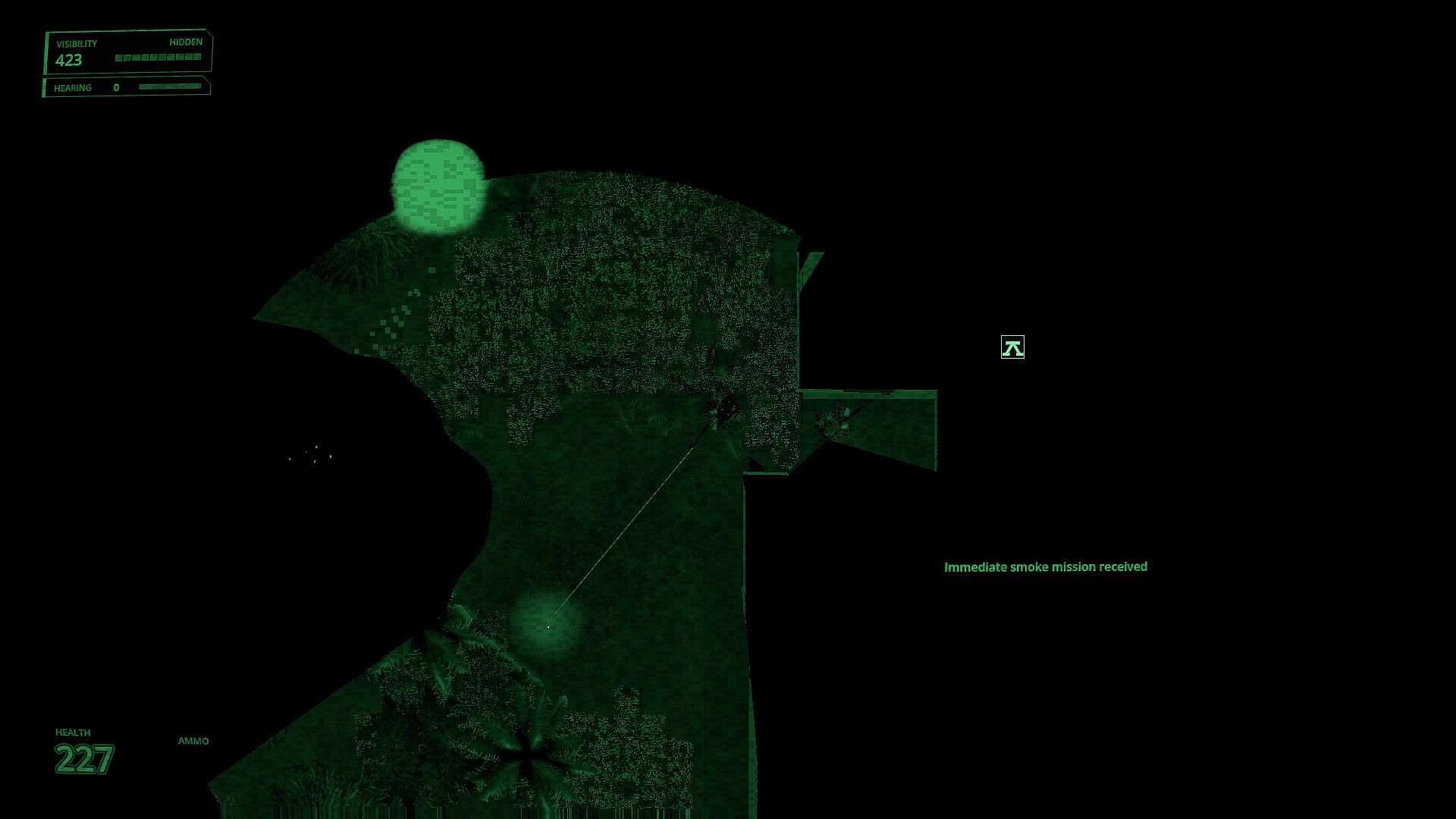
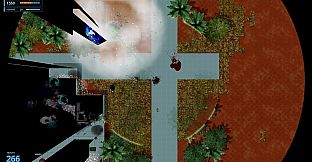
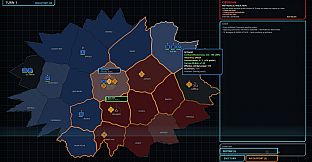
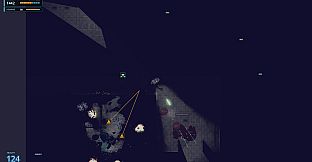
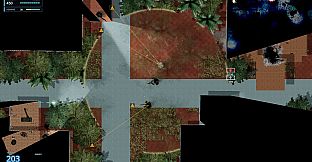
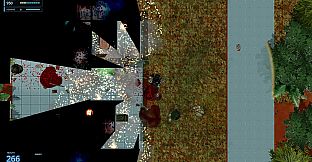
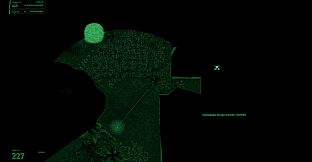
SPOTREP is a top-down 2D action simulation game that places players in command of a small fireteam during procedurally generated military operations. Every system runs on simulation rather than scripts, so fire spreads realistically, fragments from explosives follow individual paths, and medical conditions develop from specific injuries. The game emphasizes tactical decision-making under numerical disadvantage, with players coordinating fire support, medical care, and AI teammates to complete objectives across varied terrain.
Gameplay
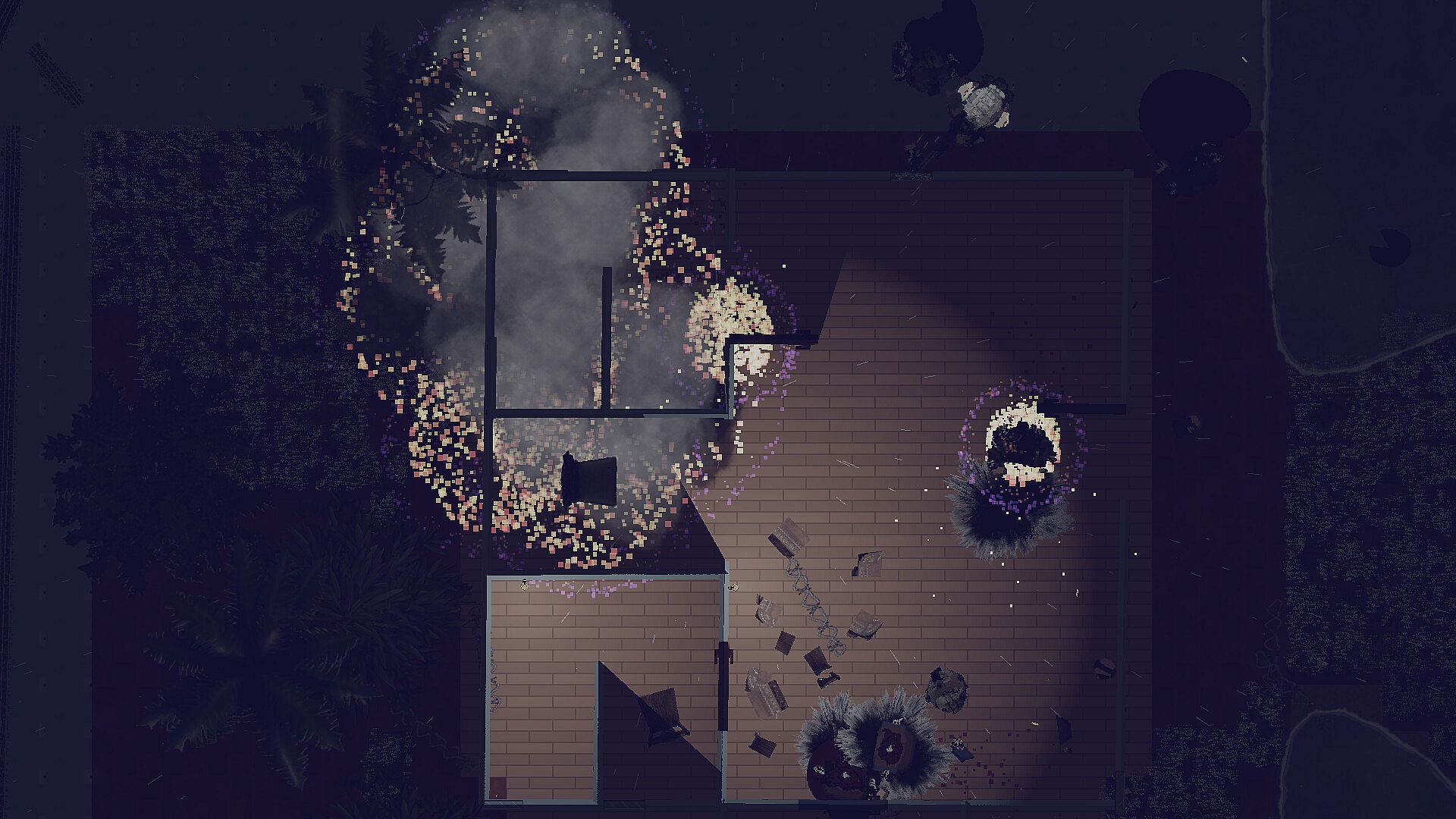
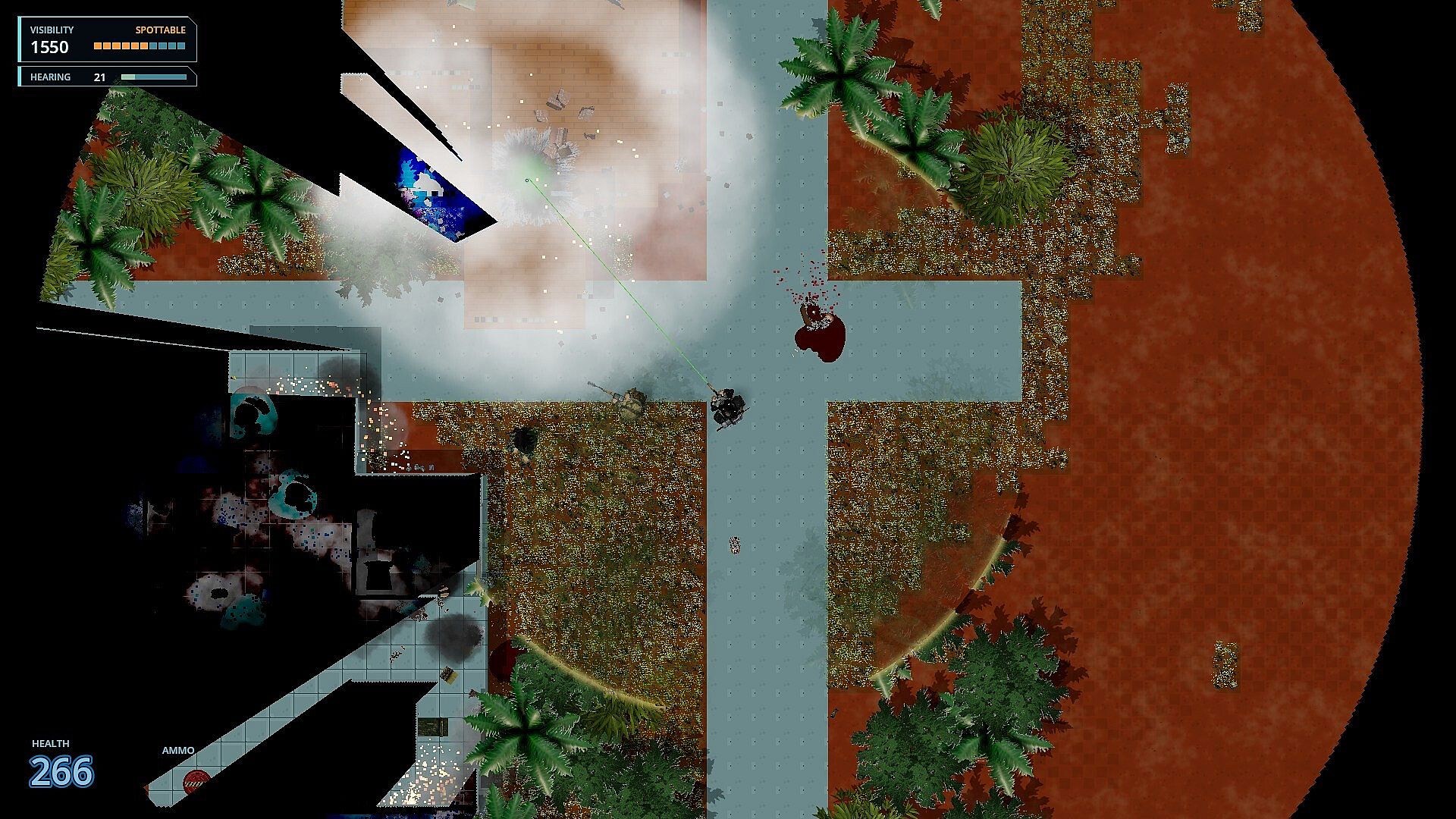
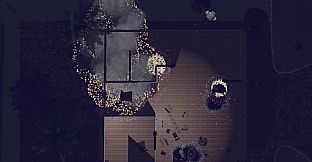
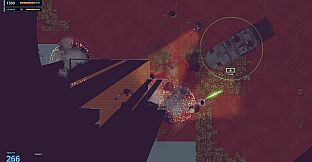
Core mechanics revolve around detailed simulation layers that affect both players and enemies. Fire begins from tracers, explosions, or ignited objects and spreads across surfaces like wood or carpets, growing and traveling until it burns out. Smoke from fires fills buildings, impairs breathing, and can trigger alarms that reveal positions. Explosives use individual fragments rather than simple radii, with ricochets, overpressure effects, and different behaviors for items like claymores or artillery shells. Cover stops or deflects fragments based on material and angle.
Medical treatment follows a trauma model instead of simple health bars. Damage can cause specific effects such as bleeding, collapsed lungs, or hypothermia, tracked through vital signs including heart rate, blood pressure, oxygen levels, and blood volume. Diagnosis identifies injuries on a body chart, after which fourteen targeted treatments like tourniquets, chest seals, or needle decompression are applied via a radial menu. A dedicated medic works faster, and casualty collection points enable group treatment even after supplies run low. Self-treatment takes longer than assisting others.
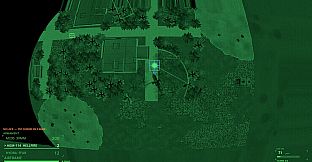
Ammunition management operates at the magazine level, with each physical magazine carrying its own round count, tracer mix, and bullet type. Weapons feature realistic handling including bolt locking on empty magazines, multiple reload options, and projectile travel with penetration and ricochet properties. Attachments on muzzle, optic, and tactical rails alter sound, recoil, and visibility, while night vision devices roll quality stats and impose movement penalties unless paired with compatible optics or lasers. AI teammates under player command handle their own survival but respond to orders for movement, suppression, breaching, medical aid, and engineering tasks, gaining veterancy that improves performance over time.
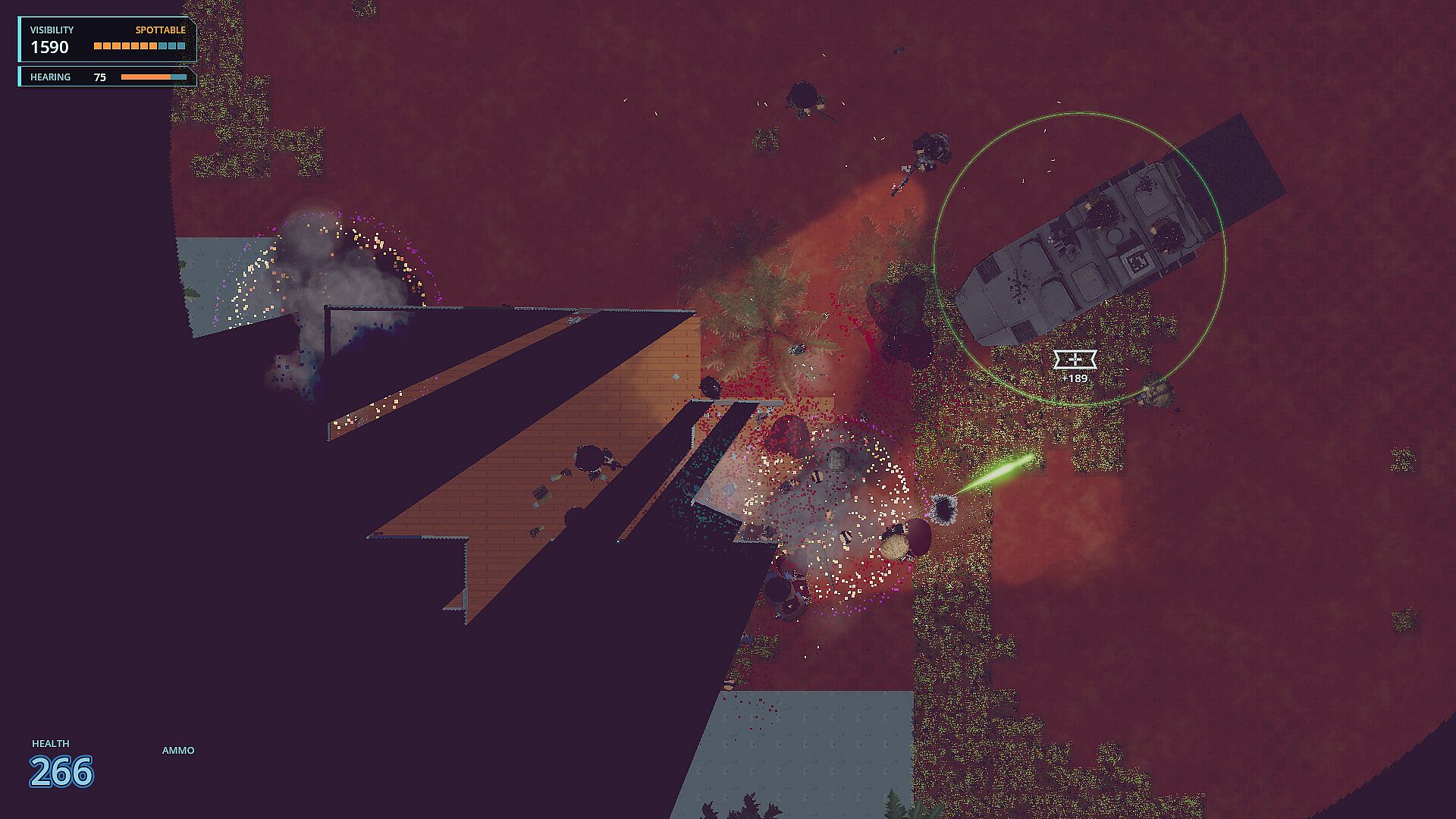
Sound design delivers critical information. Indoor shots use distinct samples with reverb, outdoor fire echoes across the map, and passing rounds produce cracks. Firing indoors risks hearing damage that leads to tinnitus and audio ducking. Enemies react to noise radii scaled by weapon type and can investigate or fire through doors at suspected locations. Procedural generation creates fresh maps each operation from shared seeds, incorporating rural, urban, airliner, or bunker environments with dynamic day-night cycles, weather, and destructible wooden structures that open new paths when breached.
Game Modes
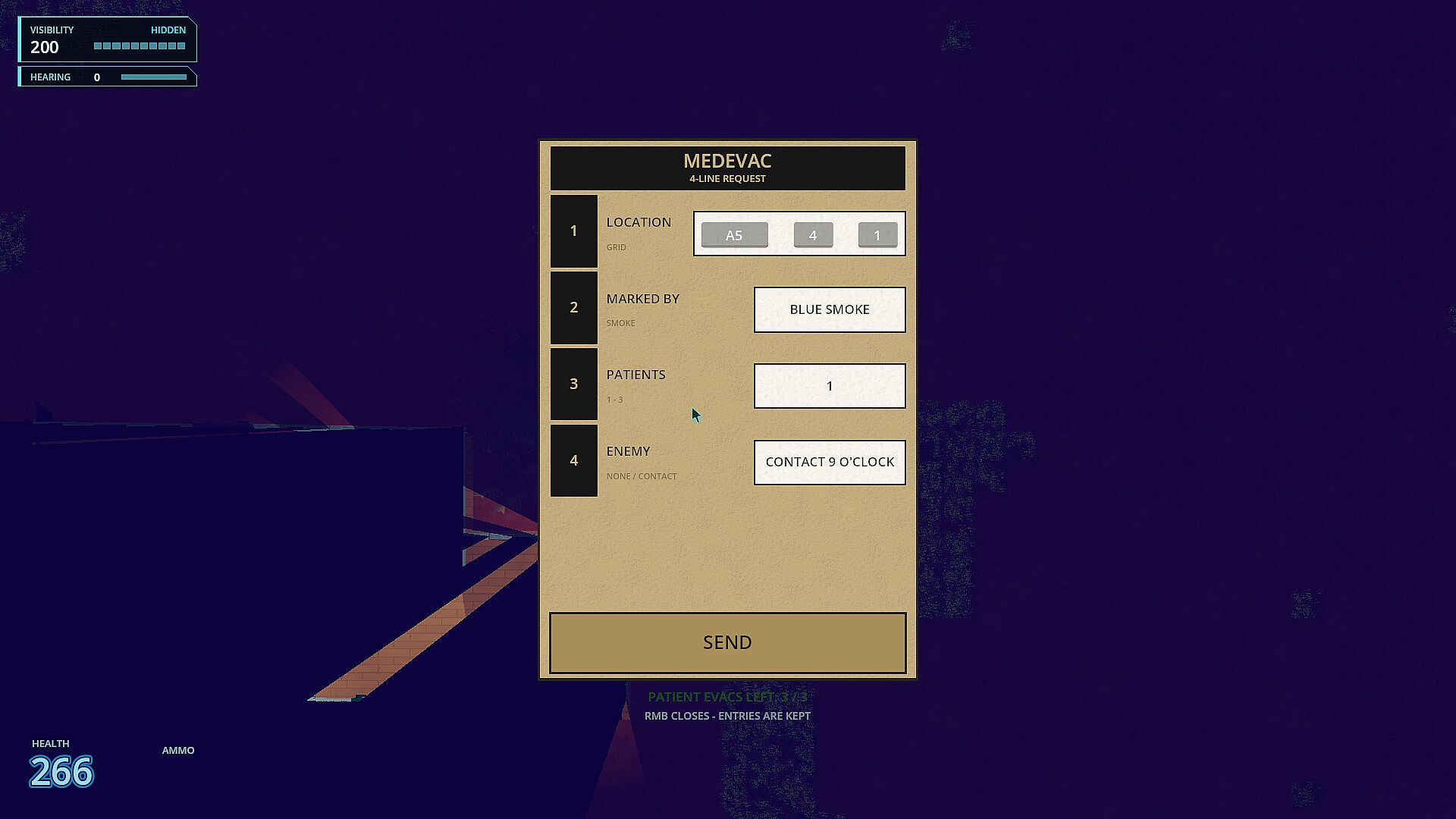
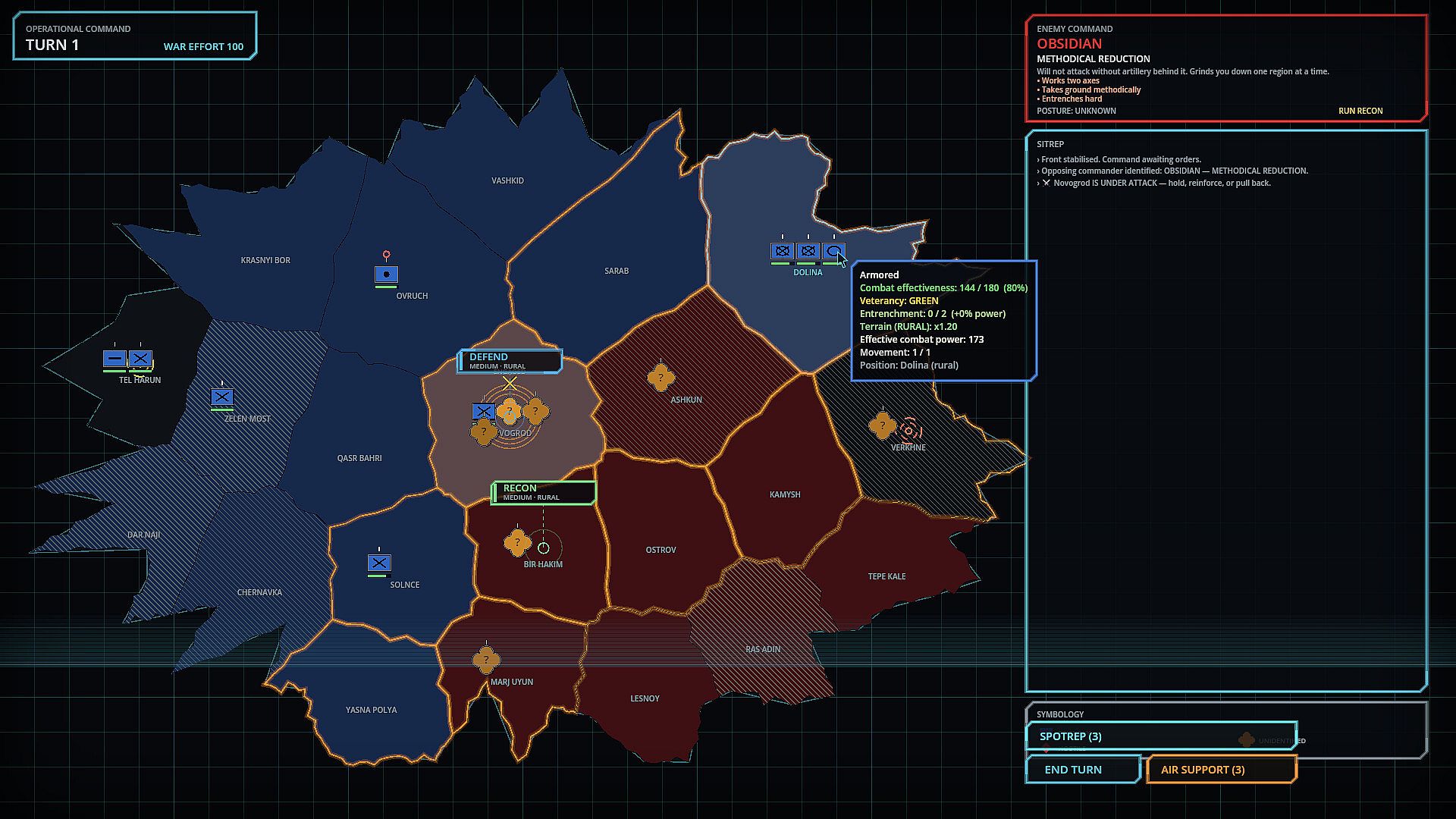
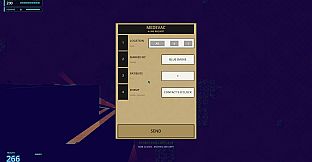
Operations form the central structure, each generated procedurally with objectives such as defusing bombs, recovering documents, securing hostages, ambushing convoys, destroying caches, or holding positions against counterattacks. Players operate outnumbered and rely on limited fire support missions that require precise grid coordinates, adjustments between volleys, and resource management. Medevac calls follow a structured radio procedure with smoke marking for extraction. The shared squad experiences one fire mission at a time followed by cooldowns, while each player maintains personal AI fireteam members that persist across operations.
Singleplayer allows command of up to three AI soldiers with full order queuing and formation controls. Multiplayer supports squad coordination where players share radio traffic and can combine efforts on medical or engineering tasks. Loot from corpses, chests, and wrecks feeds a grid-based inventory system with weight penalties, while a passive skill tree and shop budget determine available gadgets like breaching charges, designators, or gas masks for each operation.
Key Systems and Progression
Enemy AI uses individual vision rays and noise detection to react dynamically, assigning roles such as suppression and flanking on contact. They take cover, reload out of sight, plant traps, and call reinforcements including vehicles when fights escalate. Civilians appear on maps with a chance of being disguised threats. Player progression includes gear rarity tiers, stat rolls on vests and helmets, and a 72-node tree covering areas like breaching efficiency and artillery coordination. Persistent stash and extracted gear carry forward, with score converting to currency at full value only on successful extraction.
Destruction alters navigation, barbed wire slows and damages until cut, and pushable furniture provides temporary cover. Night operations reduce spotting distances while amplifying the cost of using lights or unsuppressed fire. These layers combine to reward careful planning, accurate communication, and adaptive responses over scripted events.
Is It Worth Playing?
SPOTREP suits players who enjoy deep tactical simulations and realistic military procedures over fast-paced action. Its emphasis on simulation depth, procedural variety, and coordination with AI or human squadmates delivers consistent challenge across operations. Those seeking precise control over fire support, medical interventions, and small-unit tactics will find substantial systems to master. Availability on PC supports the detailed audio and input requirements, with the top-down perspective keeping focus on mechanics rather than visuals. The game rewards repeated play through fresh map generation and persistent team progression, making it a strong choice for fans of simulation-heavy experiences.