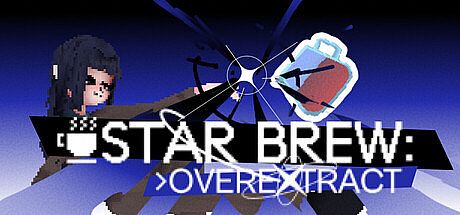



Star Brew: Overextract ist ein unabhängiges Casual-Puzzle-Spiel für den PC. In der Rolle eines Praktikanten bei einem fiktiven Kaffee-Konzern geht es darum, die Kunst des Pour-over-Brühens zu meistern - begleitet von den schrulligen Anweisungen eines Teamleiters. Präzise Simulationsmechaniken treffen hier auf dialogbasiertes Feedback in einem bewusst retro gehaltenen Stil.
Gameplay
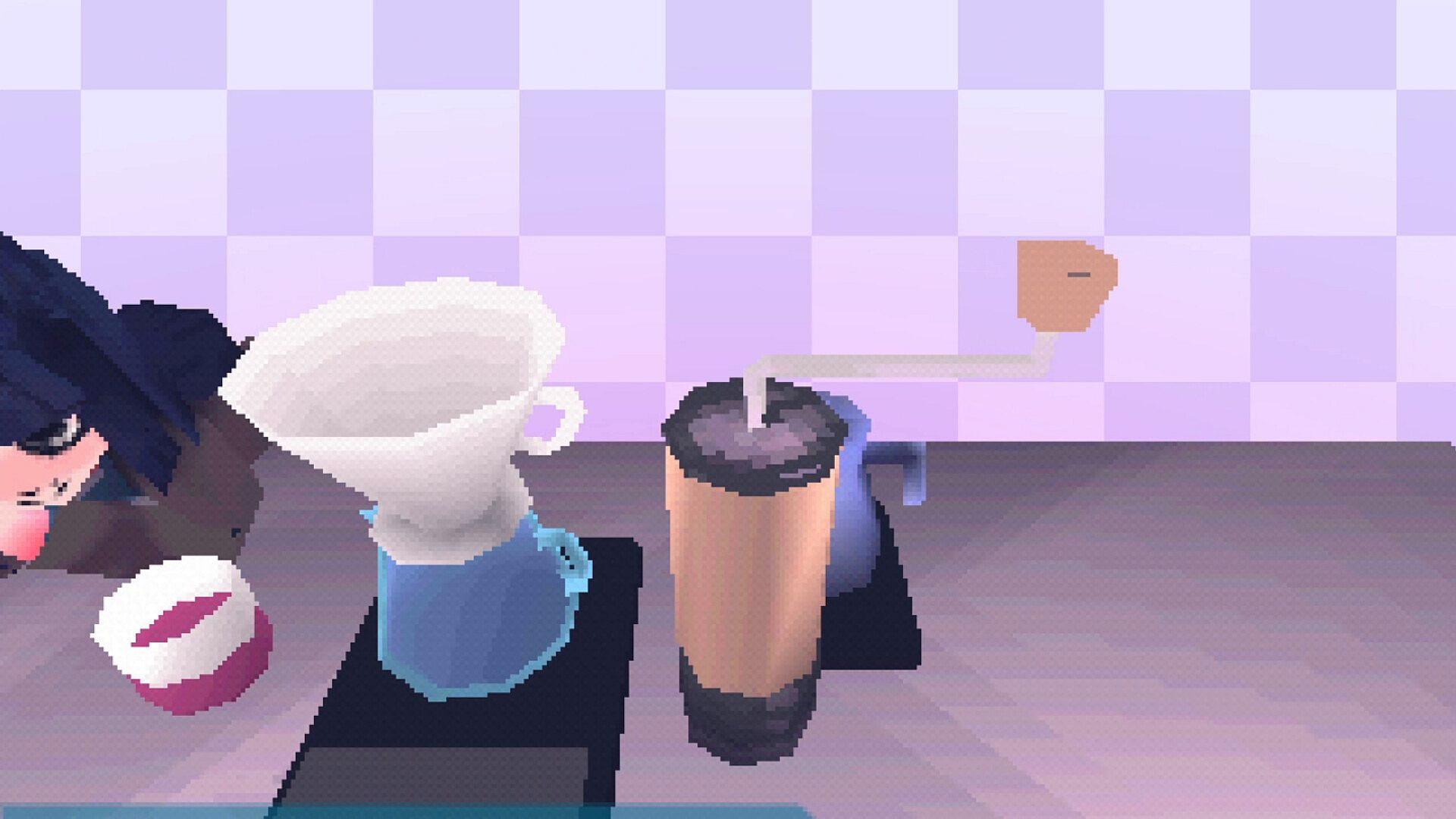
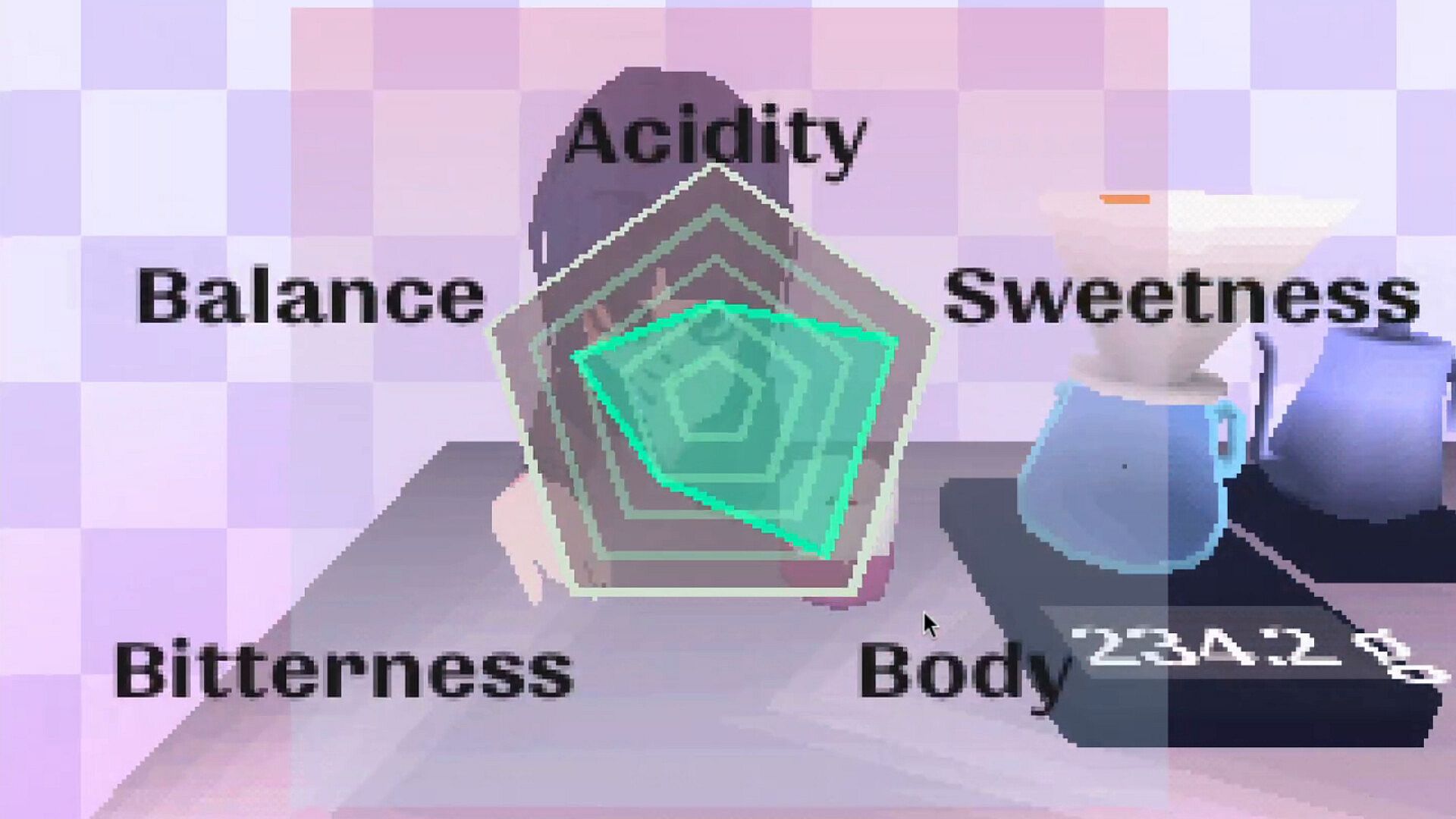
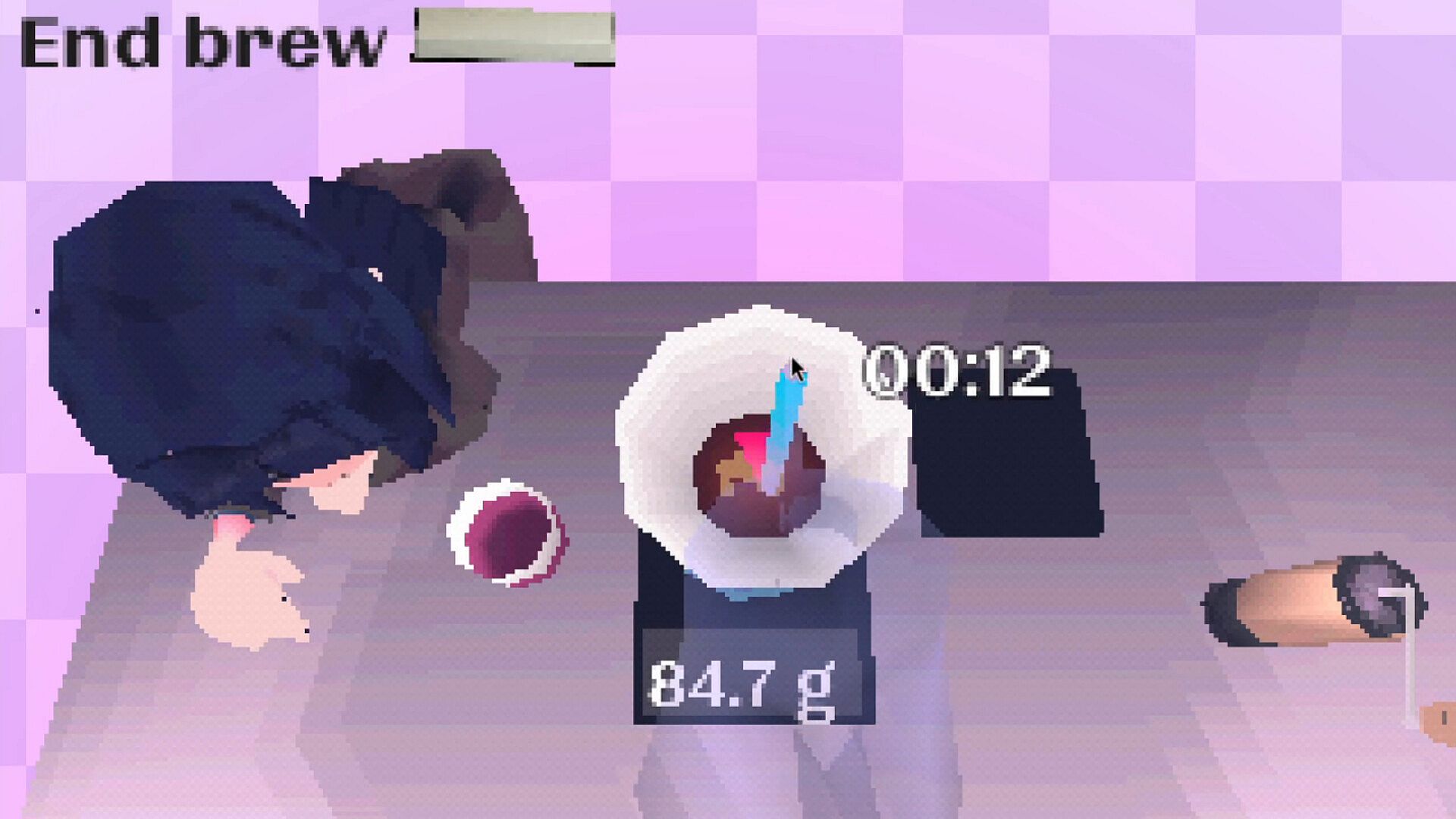
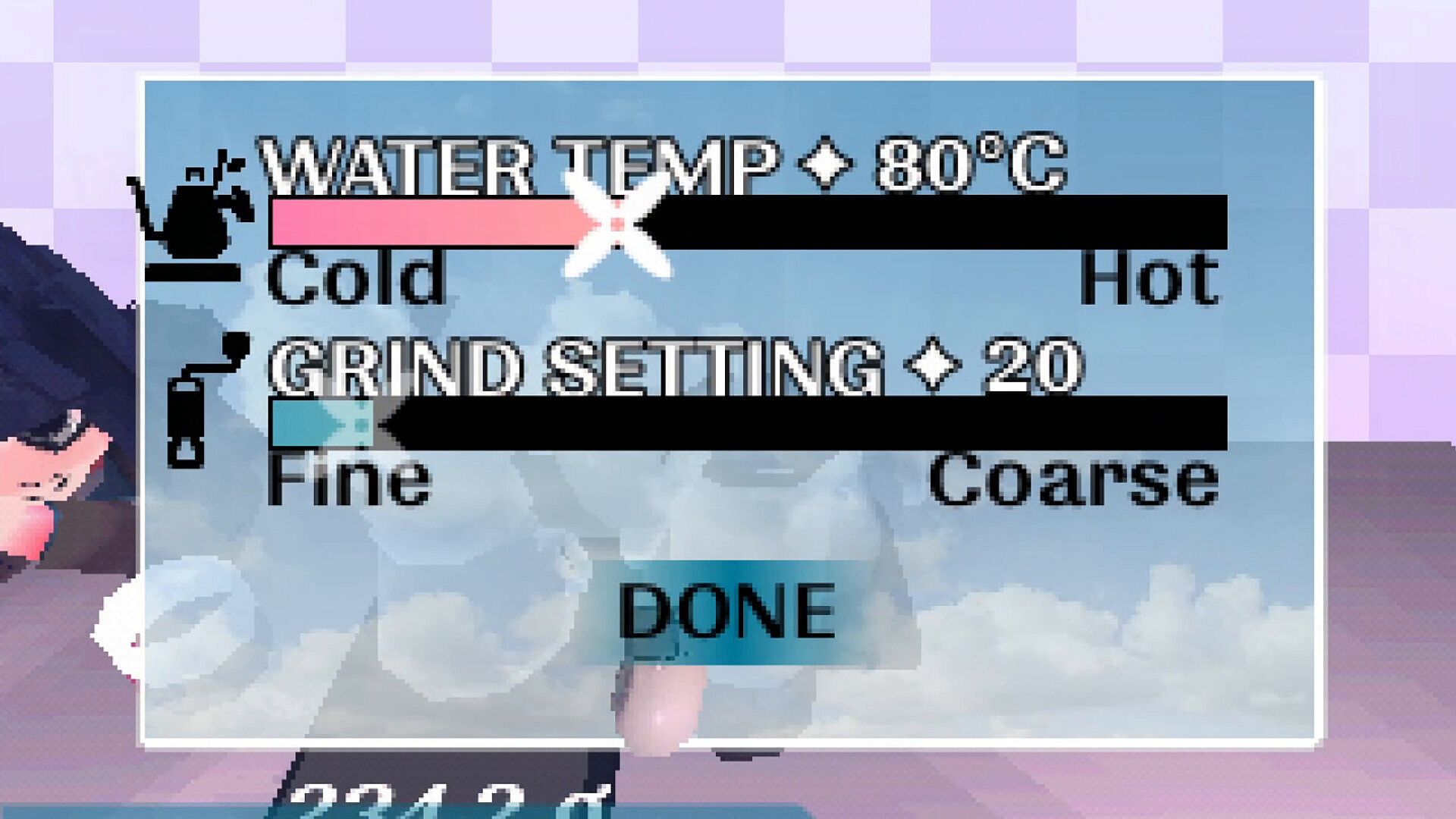
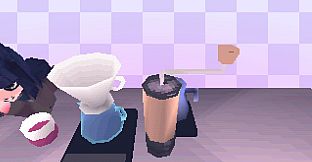
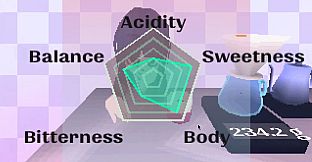
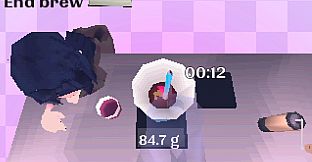
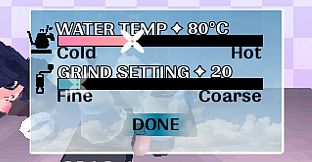
Im Zentrum steht das manuelle Zubereiten von Pour-over-Kaffee. Spieler mahlen die Bohnen mit der Kaffeemühle, regulieren die Wassertemperatur und steuern den Gießvorgang. Jede Veränderung von Temperatur, Geschwindigkeit oder Timing wirkt sich direkt auf das Geschmacksprofil der Tasse aus. Die Zusammenhänge sind nachvollziehbar, sodass sich durch wiederholtes Experimentieren gezielt Verbesserungen erzielen lassen.
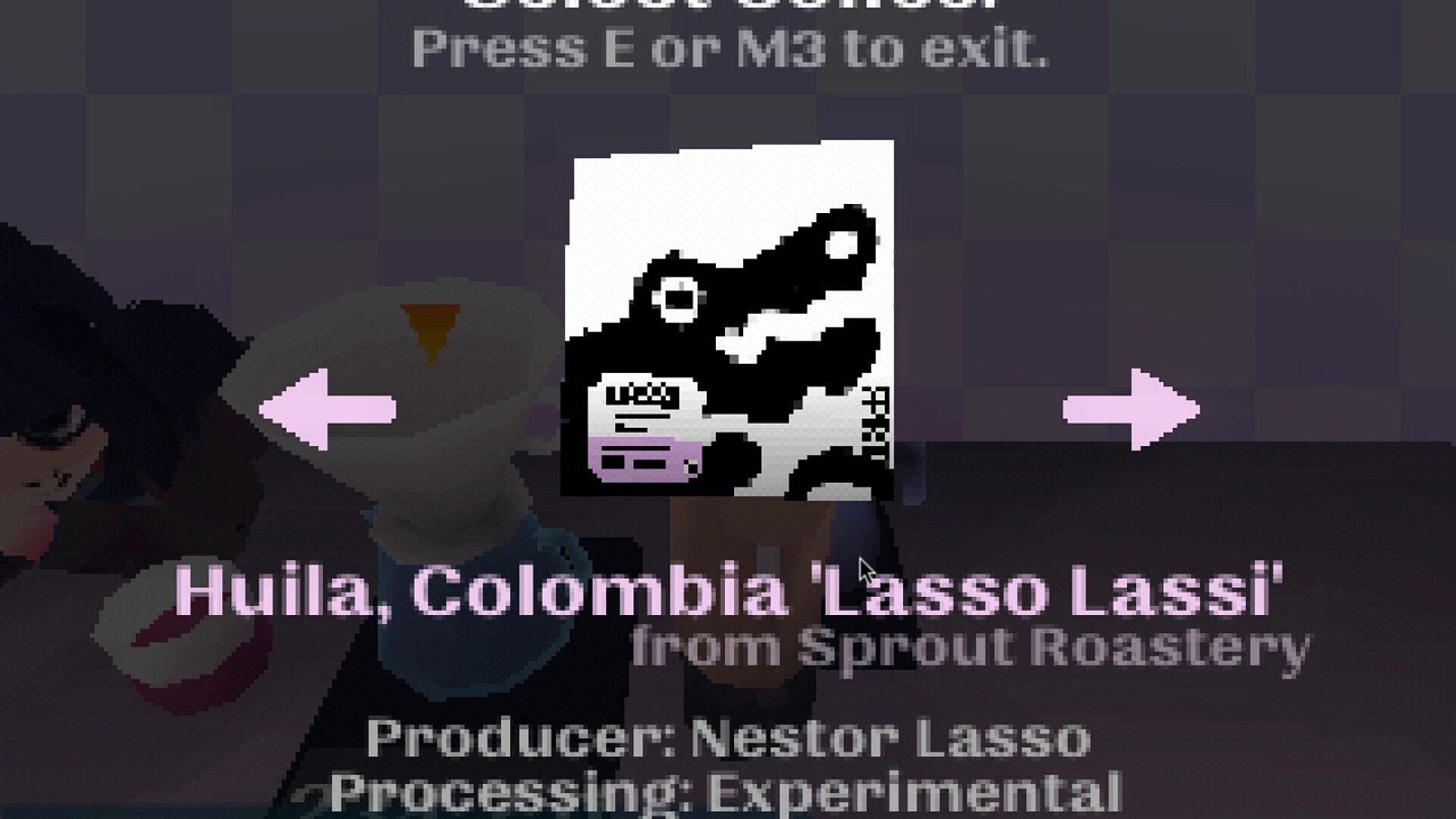
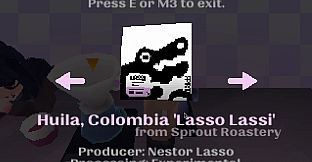
Insgesamt stehen 15 verschiedene Kaffee-Ursprünge zum Freischalten bereit. Jede Herkunft bringt eigene Eigenschaften mit, die sich auf die Wirkung von Rezeptanpassungen auswirken. Ein eigenes Brewpedia-Archiv dokumentiert das gesammelte Wissen und ergänzt sich automatisch, sobald neue Kombinationen und Ergebnisse entdeckt werden.
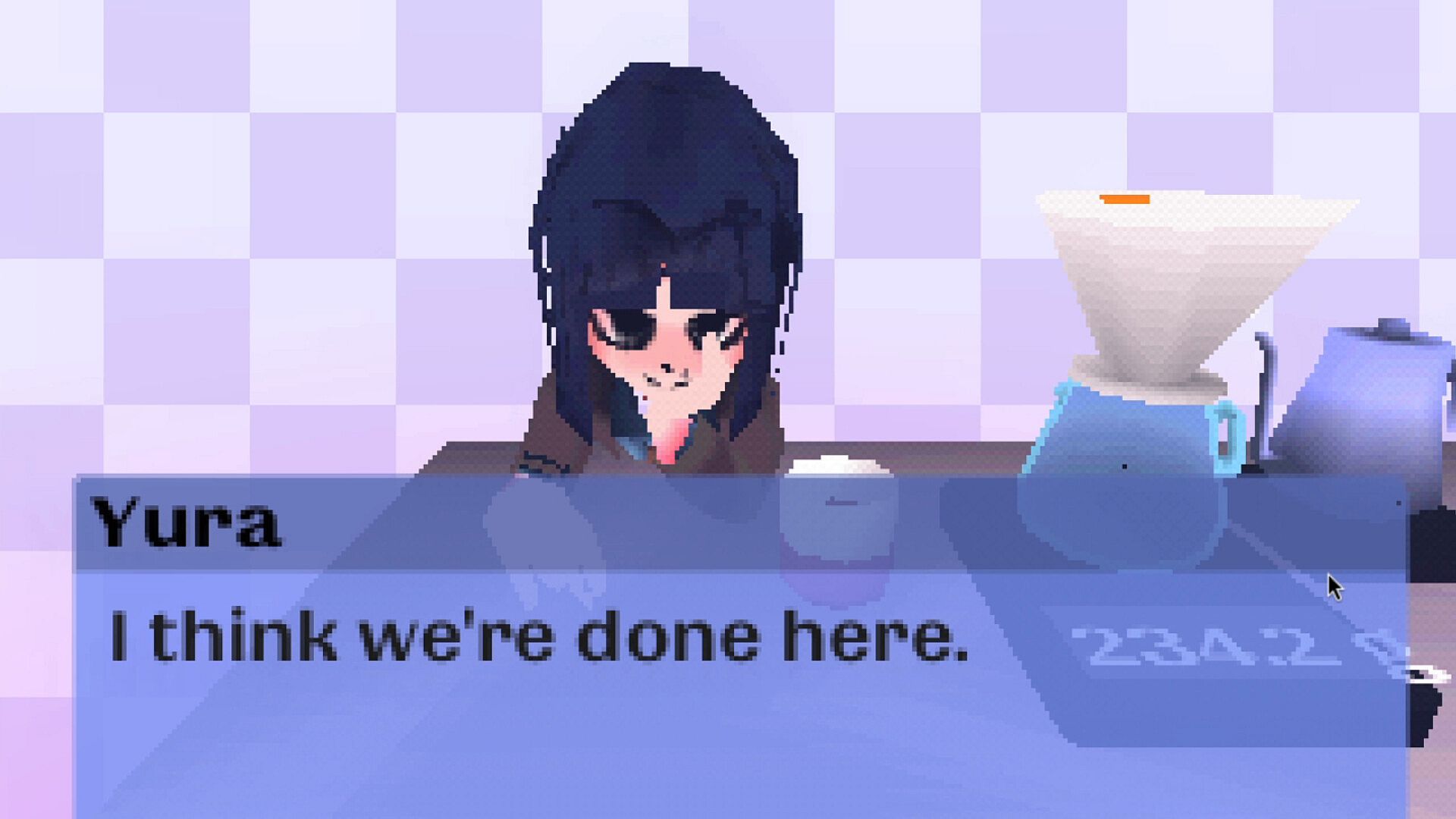
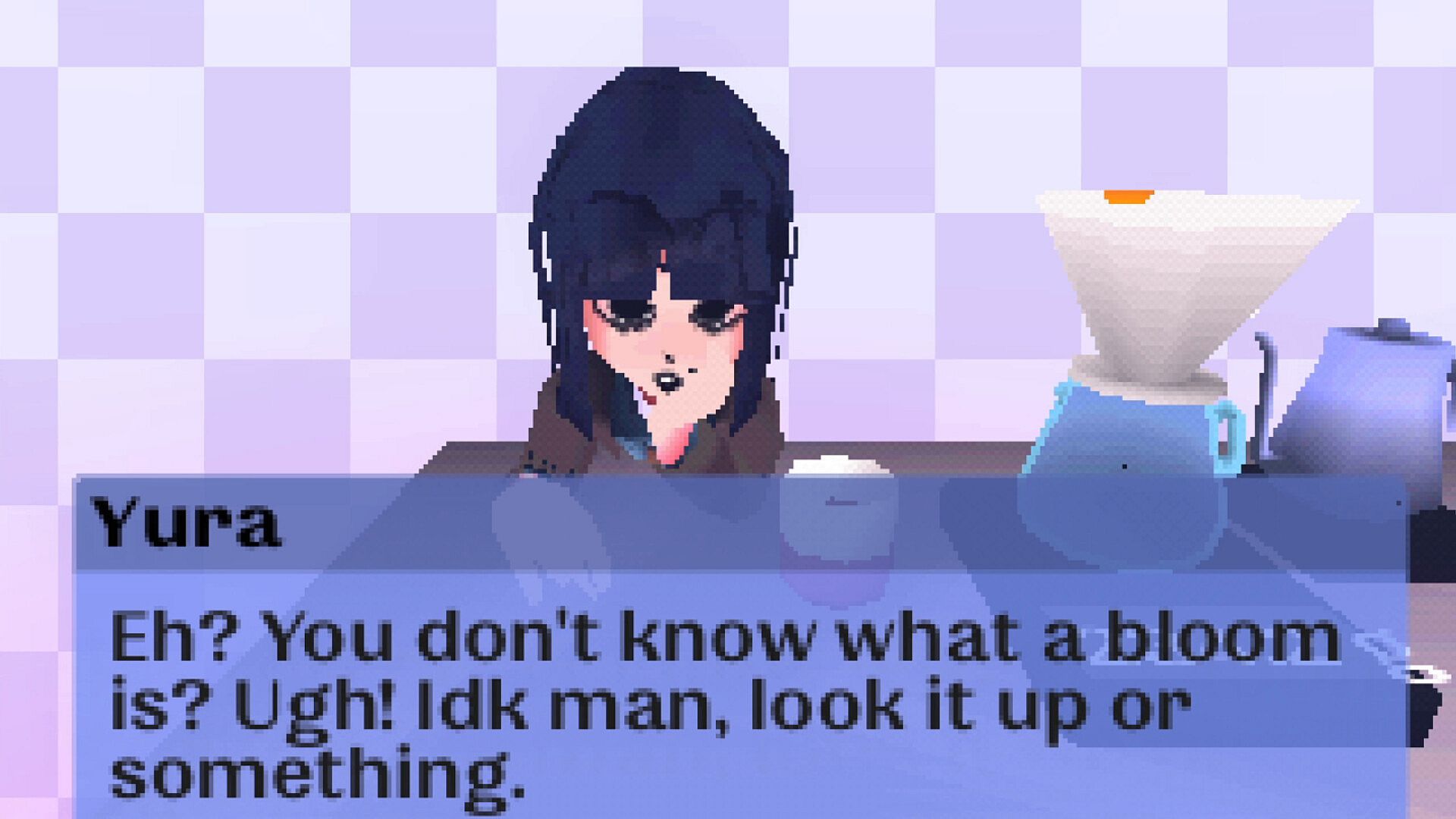
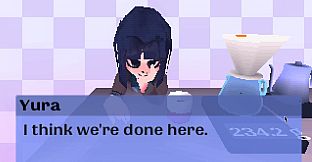
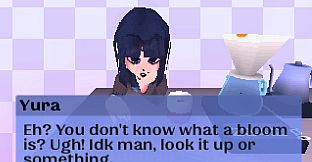
Feedback erfolgt kontinuierlich durch den zugewiesenen Teamleiter. Jede Tasse wird bewertet und mit konkreten Hinweisen oder pointierten Kommentaren versehen. So entsteht ein natürlicher Lernprozess, der auf Dialog statt separater Tutorials setzt.
Spielmodi
Das Spiel besteht aus einer einzigen, fortlaufenden Erfahrung ohne separate Wettbewerbs- oder Mehrspieler-Modi. Jede Brühsequenz baut auf der vorherigen auf und erweitert sowohl das Verständnis als auch die verfügbaren Ursprünge. Fortschritt zeigt sich vor allem durch das Vervollständigen des Brewpedia und die zunehmende Präzision unter Anleitung des Teamleiters.
Herausforderungen ergeben sich organisch aus dem Spannungsfeld zwischen technischer Genauigkeit und erzählerischen Elementen. Es gibt keine zeitlich begrenzten Aufgaben oder alternativen Formate; im Mittelpunkt steht die iterative Verfeinerung innerhalb des Praktikums-Szenarios. Das Konzept richtet sich an Spieler, die ein fokussiertes, selbstbestimmtes Puzzle-Erlebnis bevorzugen.
Visueller Stil und technische Umsetzung
Optisch orientiert sich das Spiel an der Ästhetik der PSX-Ära mit bewusst wackeligen Polygonen und unbearbeiteten Texturen. Modelle und Umgebungen wurden von Hand gestaltet, um den authentischen Low-Poly-Look zu bewahren und gleichzeitig klare Interaktionspunkte für die Brühwerkzeuge zu bieten. Auch die Soundeffekte folgen diesem handgemachten Ansatz und unterstreichen die Retro-Atmosphäre ohne moderne Glattpolitur.
Entwickelt wurde das Spiel als Soloprojekt ohne KI-Unterstützung. Ausgangspunkt war ein Fünf-Tage-Prototyp, der im Rahmen eines Game Jams entstand. Diese Entstehungsgeschichte spiegelt sich in dem kompakten Umfang und der durchgängig stimmigen künstlerischen Ausrichtung wider.
Lohnt sich das Spiel?
Star Brew: Overextract richtet sich an Spieler, die ein Nischen-Puzzle-Erlebnis mit mechanischer Präzision und leichter narrativer Note suchen. Das Brüh-System belohnt genaues Beobachten und gezieltes Anpassen, während die Dialoge für Motivation und gelegentlichen Humor sorgen. Die kurze Entwicklungszeit und die Solo-Entstehung deuten auf ein schlankes Spiel ohne unnötigen Ballast hin.
Wer sich für simulationsnahe Mechaniken rund um die Kaffeezubereitung oder für retro-inspirierte Grafik interessiert, wird das Kernspielprinzip als ansprechend empfinden. Da zum Launch noch keine Spielerbewertungen vorliegen, sollten Erwartungen sich zunächst an den beschriebenen Features orientieren. Verfügbarkeit auf dem PC und die Option zur Familienfreigabe machen das Spiel auch für bescheidene Hardware und gemeinsame Nutzung innerhalb eines Haushalts zugänglich.
Insgesamt eignet sich das Spiel für entspannte Sitzungen, die auf Experimentieren und Lernen ausgerichtet sind. Die Kombination aus technischer Feinabstimmung und charakterbasiertem Feedback bietet eine eigenständige Alternative zu klassischen Puzzle- oder Simulationsspielen. Wer sich von der Idee des kaffeevermittelten Handwerks mit Persönlichkeit angesprochen fühlt, wird die direkte Steuerung und das fortschreitende Wissenssystem zu schätzen wissen.