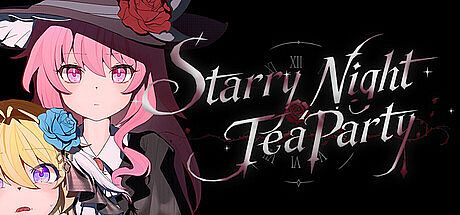



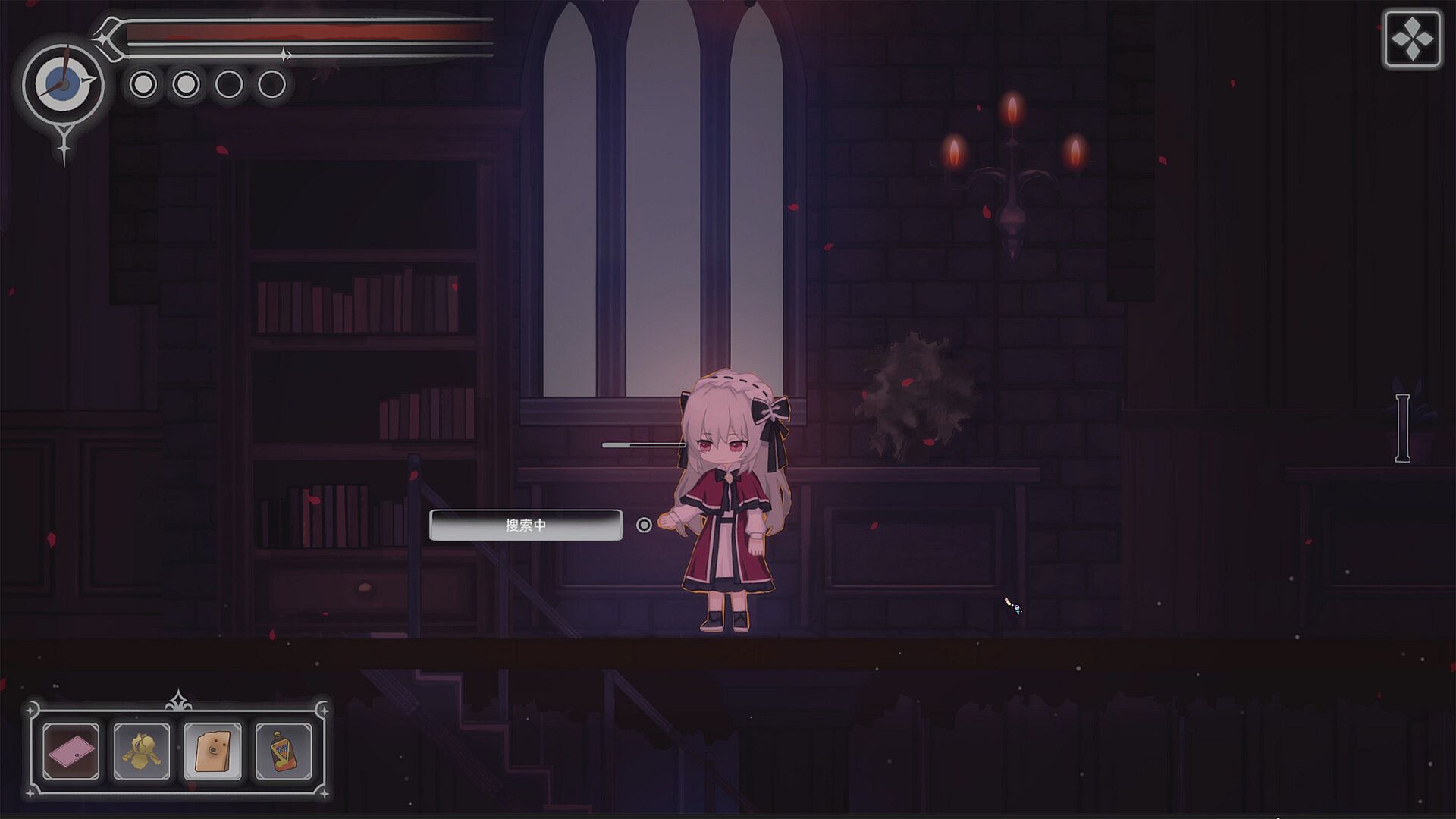
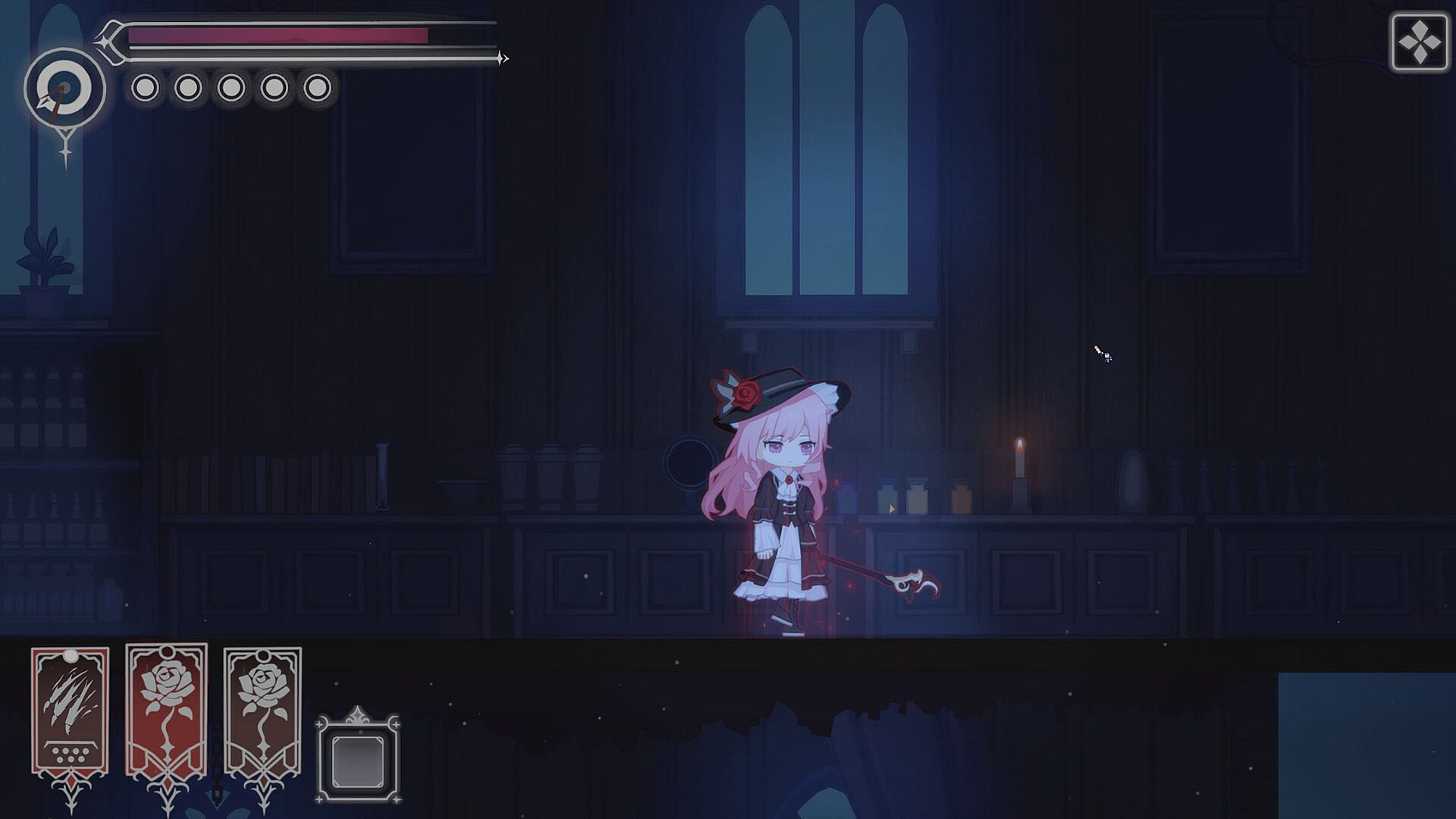
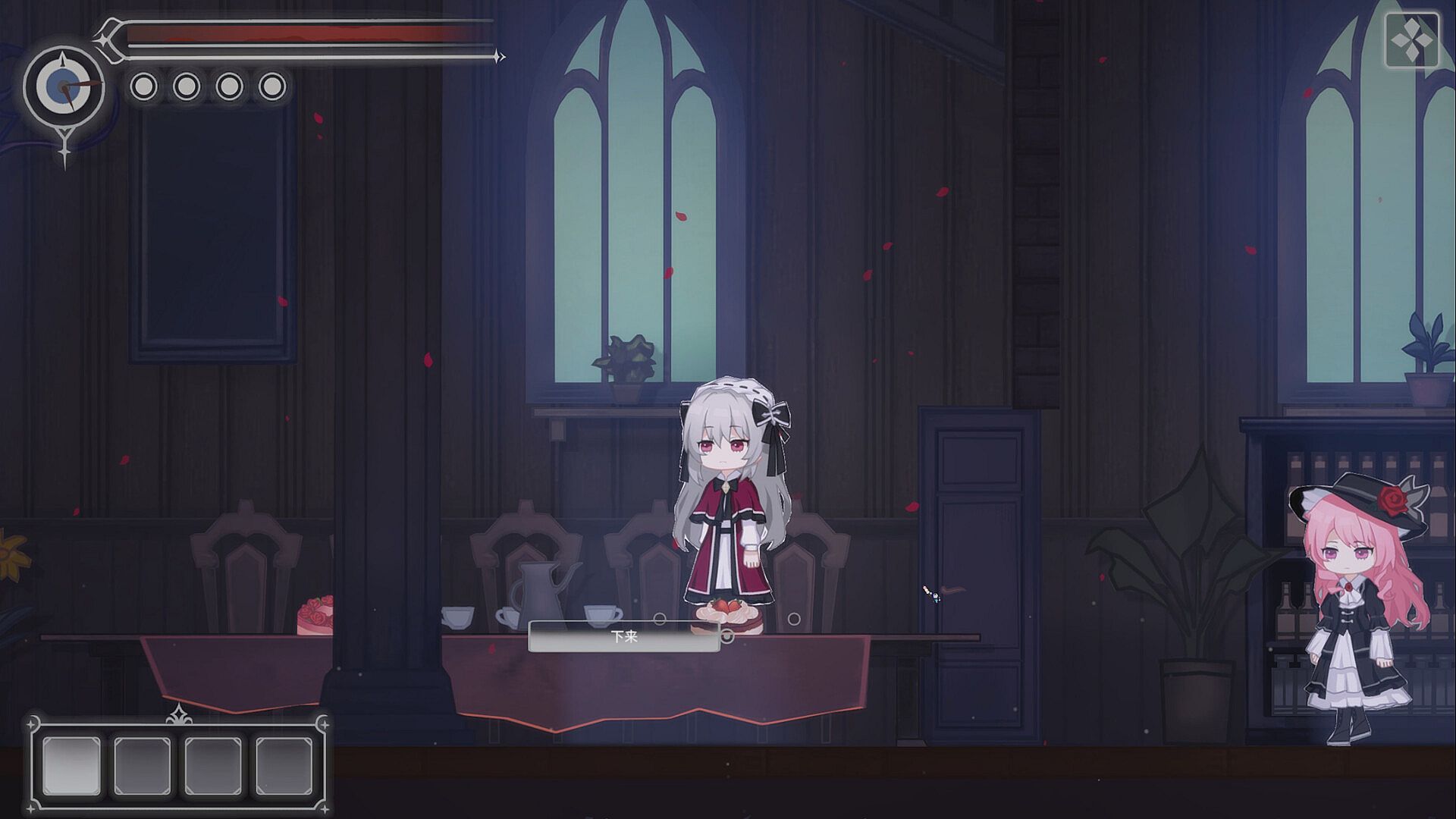
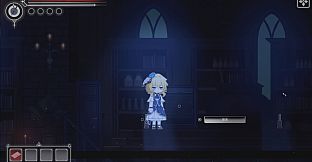
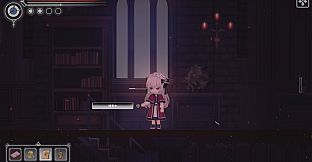
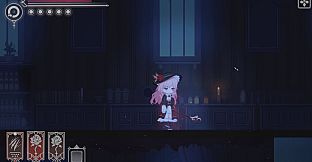
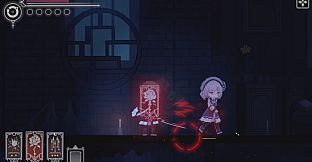
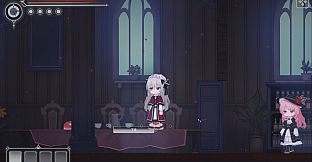
Starry Night Tea Party is an indie RPG built as an asymmetric pursuit experience on PC. Players enter a shifting Dream setting and choose between two opposing roles to bring a strange tea party to a close. One side controls a single Demon that stalks the others, while the opposing side fields one to four Guests who work together or alone to locate an exit. The setup emphasizes different tools and objectives for each faction rather than direct symmetry in abilities or goals.
Gameplay
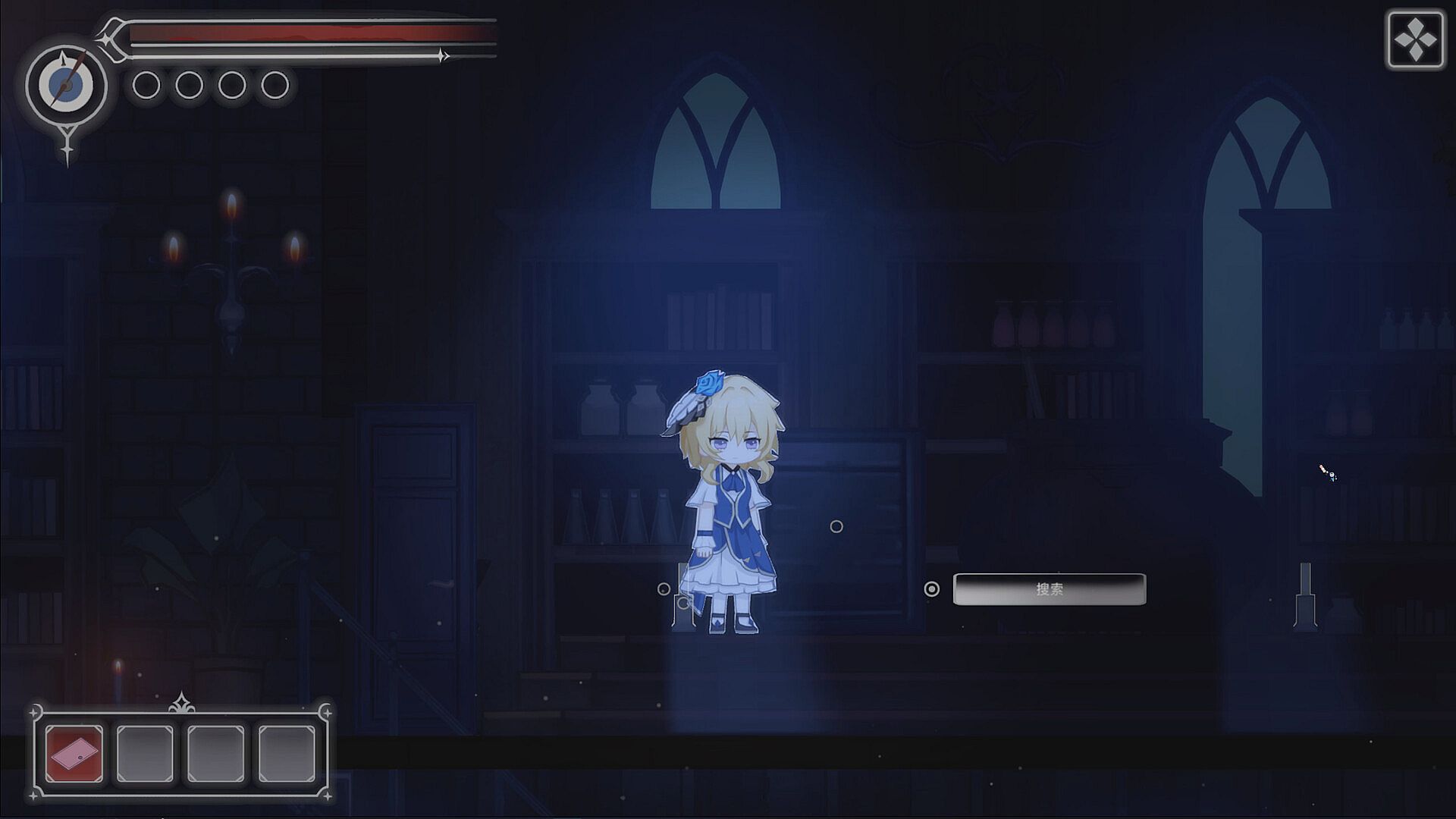
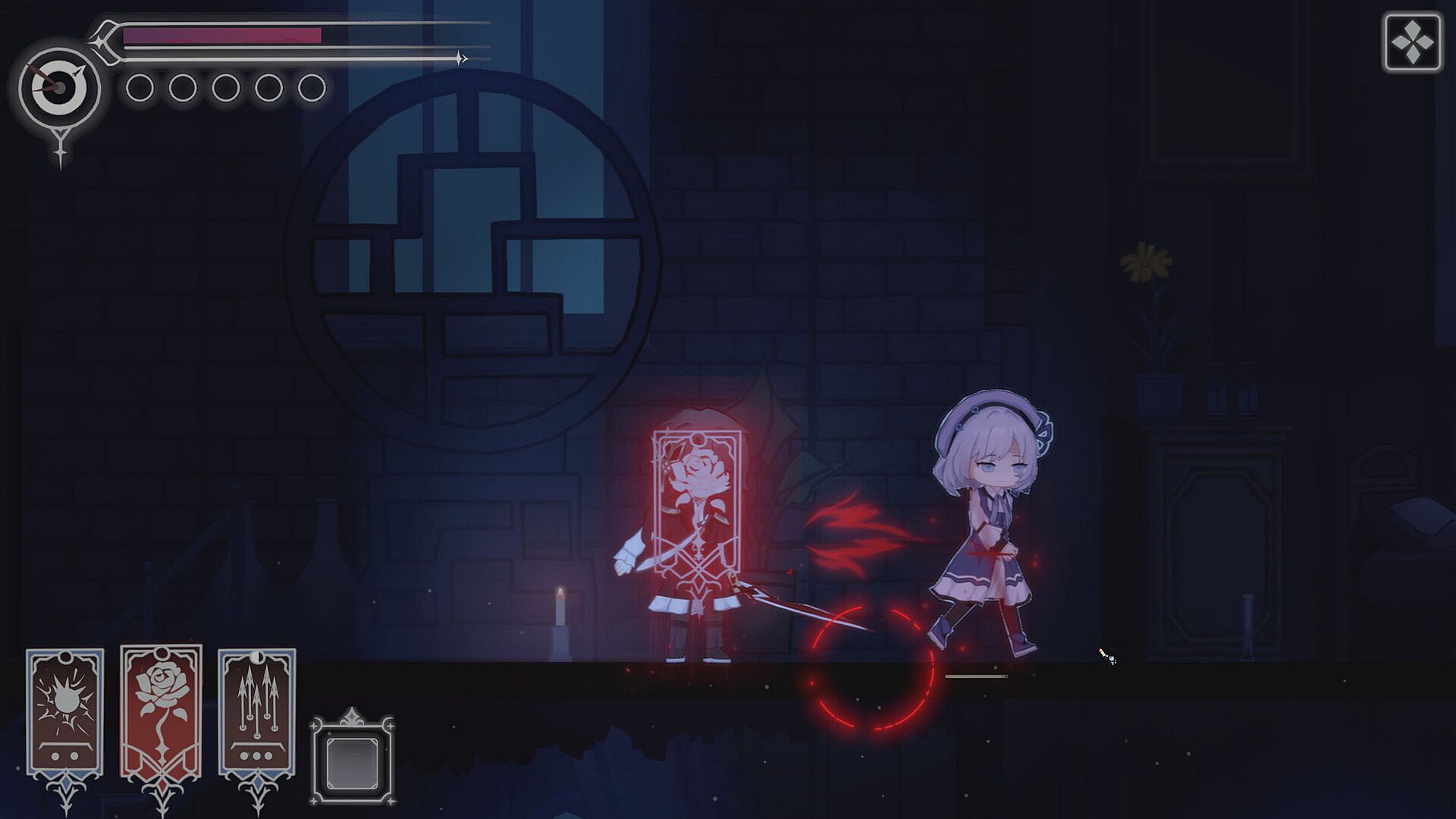
The core loop revolves around exploration and interference inside procedurally rearranged rooms. Guests move through the space searching containers for clues and items that help them progress toward escape. They can share information such as passwords with teammates, brew potions for various effects, and wield weapons to push back against the Demon. The Demon draws from a deck of more than thirty cards that produce different outcomes, allowing it to track sounds, block paths, interrupt actions, and create pressure through indirect means. Collecting the Fear generated by Guests offers an alternative victory condition for the Demon beyond simply eliminating everyone. Room layouts, item placements, and clue locations change with every session, so repeated plays require fresh navigation and decision making even when the overall objective remains consistent.
Every action carries potential ripple effects. A Guest opening a container might reveal something useful or trigger noise that the Demon can exploit. The Demon's card plays can force Guests into riskier routes or split their attention. Combat options exist for Guests, yet the emphasis stays on evasion, information gathering, and coordinated movement rather than prolonged fights. The Dream environment itself stays unpredictable, rewarding players who adapt to new configurations instead of relying on memorized layouts.
Game Modes
The primary experience pits one Demon against one to four Guests in the same shared Dream. Guests focus on searching, item collection, clue discovery, and locating the key needed to leave. The Demon operates with a separate toolkit centered on card effects that disrupt movement and gather Fear as a secondary win path. No additional named modes appear in the current build. The asymmetric structure itself creates the variety, as each role demands entirely different priorities and timing. Multiplayer elements remain under active development, with the single-Demon versus multiple-Guests format serving as the established foundation.
Key Mechanics and Progression
Card management forms the Demon's main system. Each draw opens options for noise tracking, route sealing, action interruption, and choice manipulation that steer Guests into vulnerable positions. Guests rely on container searches and item synergies, including potion brewing and weapon use, to counter the Demon's pressure. The reshuffling of rooms and contents ensures that no two Dreams play out identically, even with the same group. Choices made mid-session, such as whether to fight or flee, can alter the available paths and resources for everyone involved. This constant variation keeps the focus on reading the current situation and adjusting tactics on the fly.
Is It Worth Playing?
Starry Night Tea Party suits players who enjoy asymmetric games where one side hunts and the other evades or escapes through investigation and resource use. The indie RPG label fits the emphasis on item crafting, clue interpretation, and role-specific decision trees rather than traditional leveling or story branches. Controller support arrived in an early update, broadening accessibility for those who prefer gamepads over keyboard and mouse. Because the Dream resets its layout each time, the game rewards repeated sessions with new challenges instead of static maps. Those drawn to pursuit mechanics, hidden-information tension, and the contrast between a lone predator and a group of survivors will find the most direct appeal here. The experience stays grounded in its core loop without additional layers that have not yet been implemented.