

Step Slash is a strategy game built around turn-based grid tactics on PC. Players control one of six unique warriors across procedurally generated dungeons where every move advances both the hero and the enemies one tile at a time. The result is a deliberate chess-like battle of positioning in which a single misstep can end a run.
Gameplay
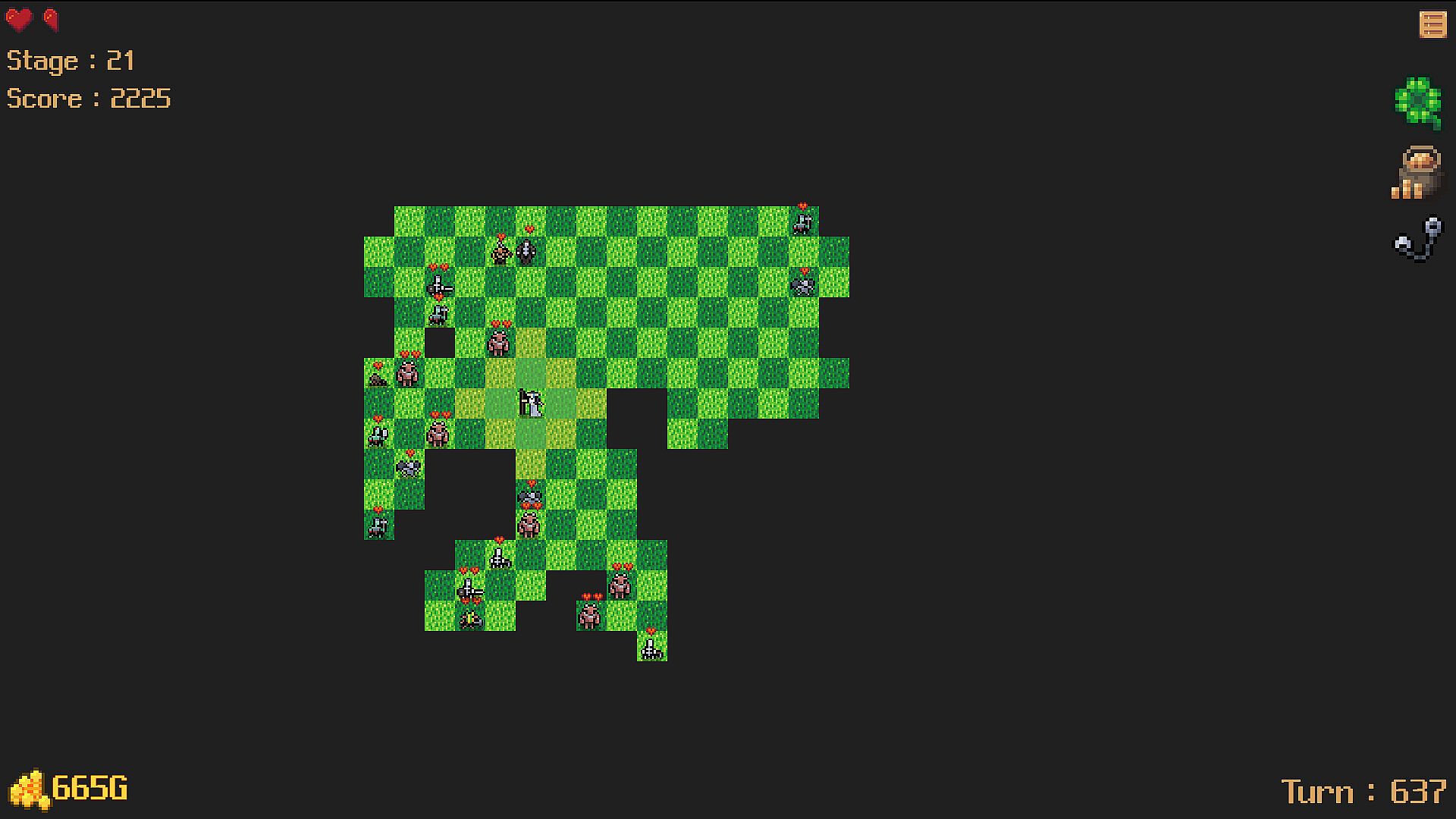
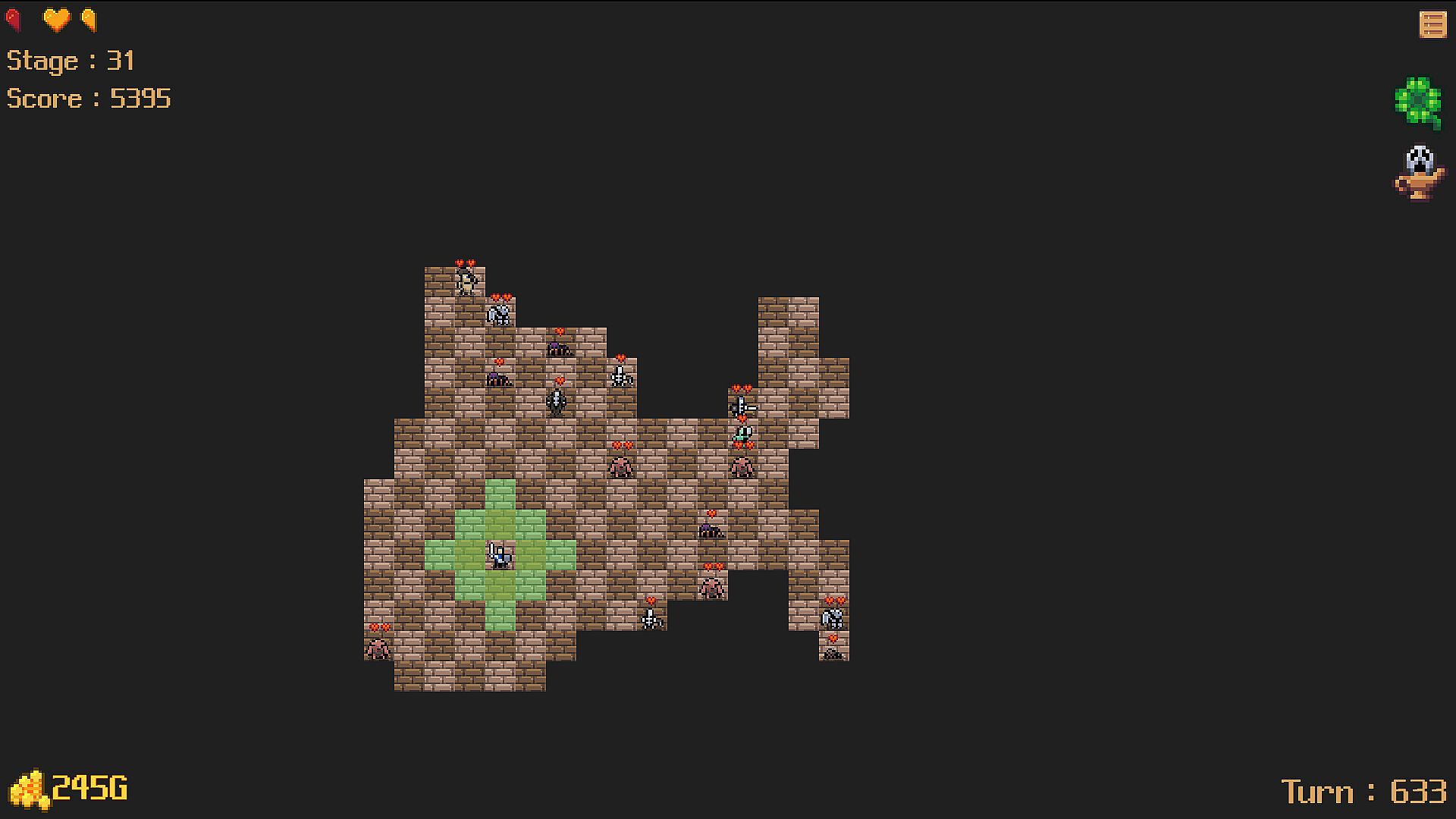
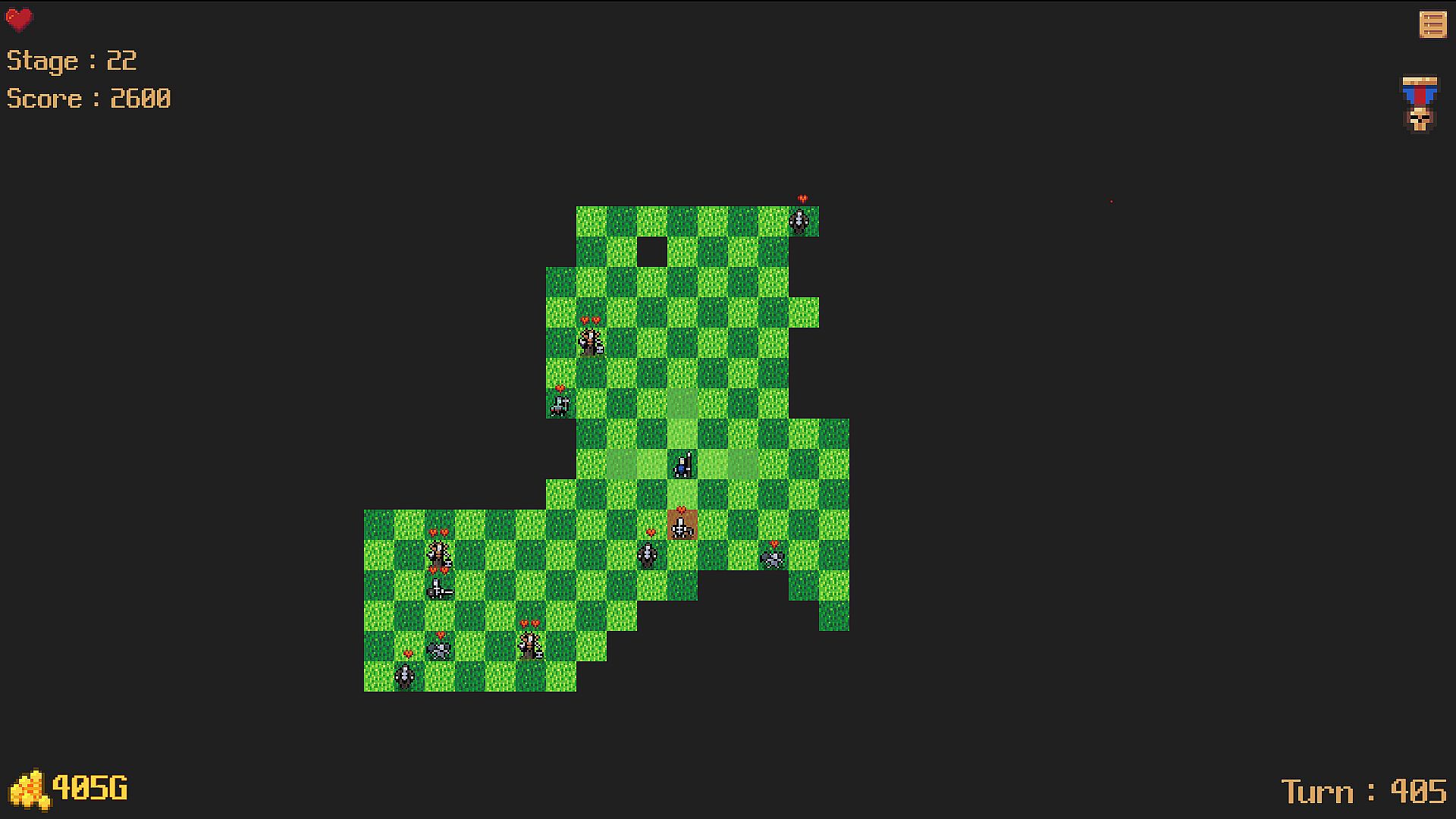
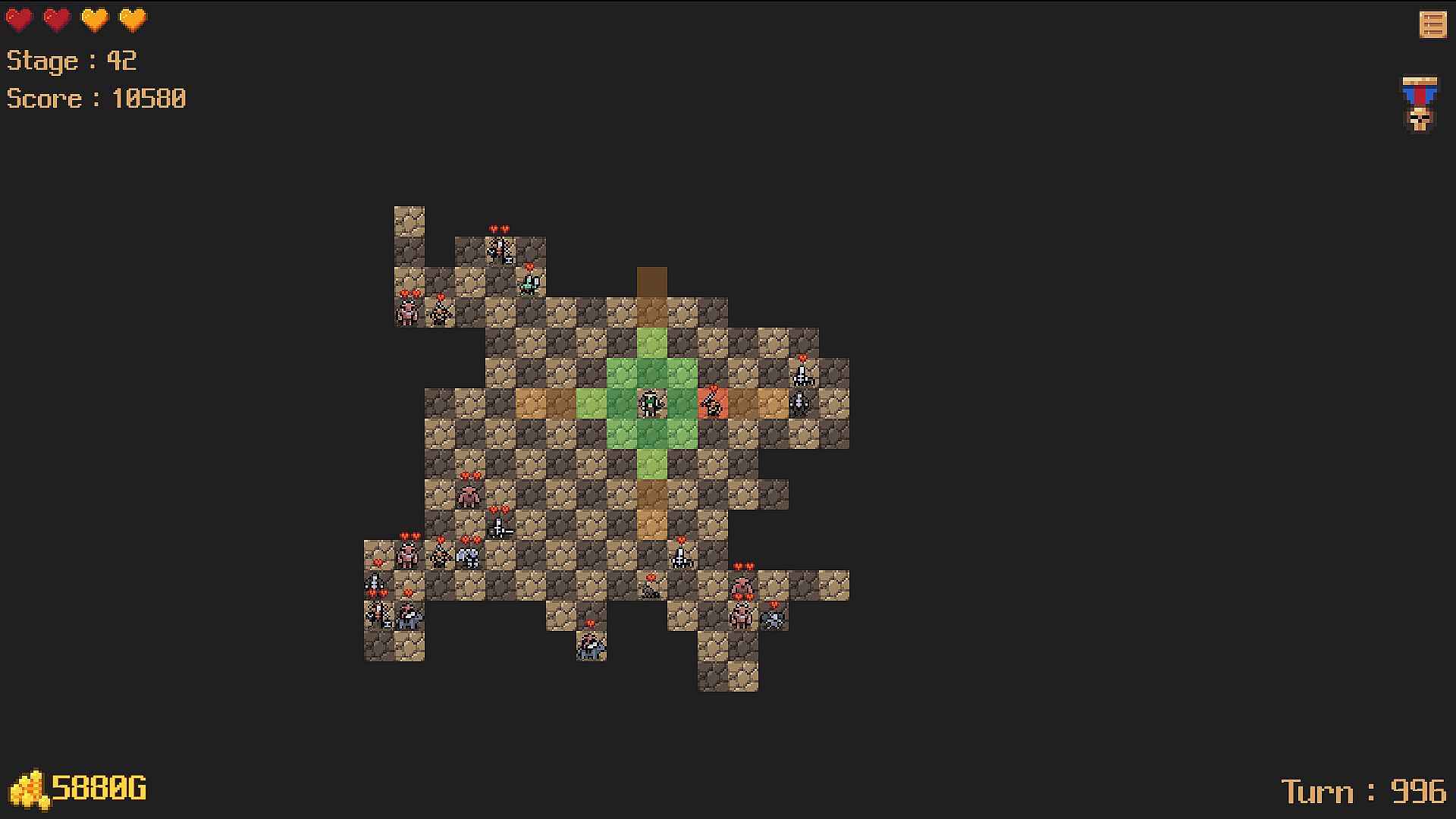
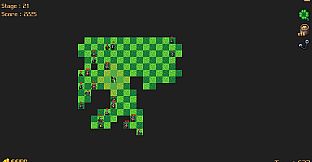
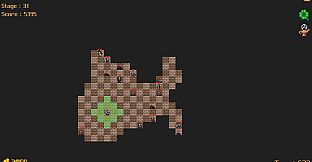
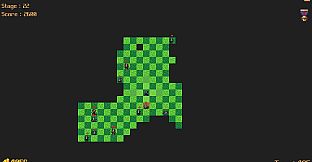
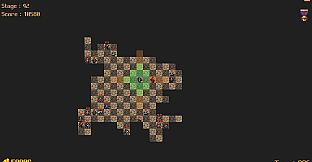
Core movement and combat unfold on a grid. Each turn the player selects a tile to occupy, and all enemies respond by advancing one space as well. This synchronized pace forces constant evaluation of ranges and threats. Dynamic highlighting shows movement options in green, attack reach in orange, and the final strike zone in red, allowing quick visual assessment of options before committing.
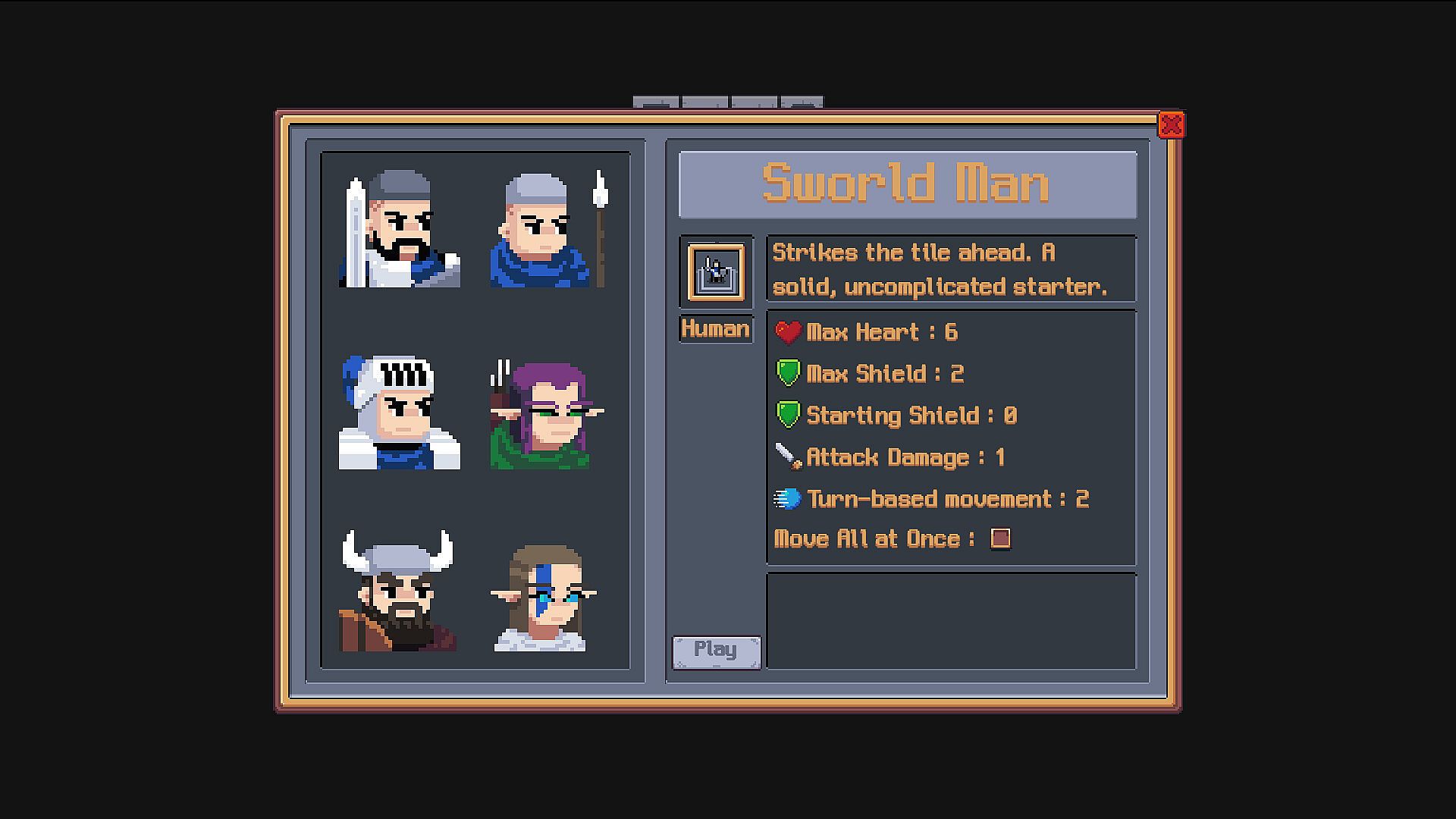
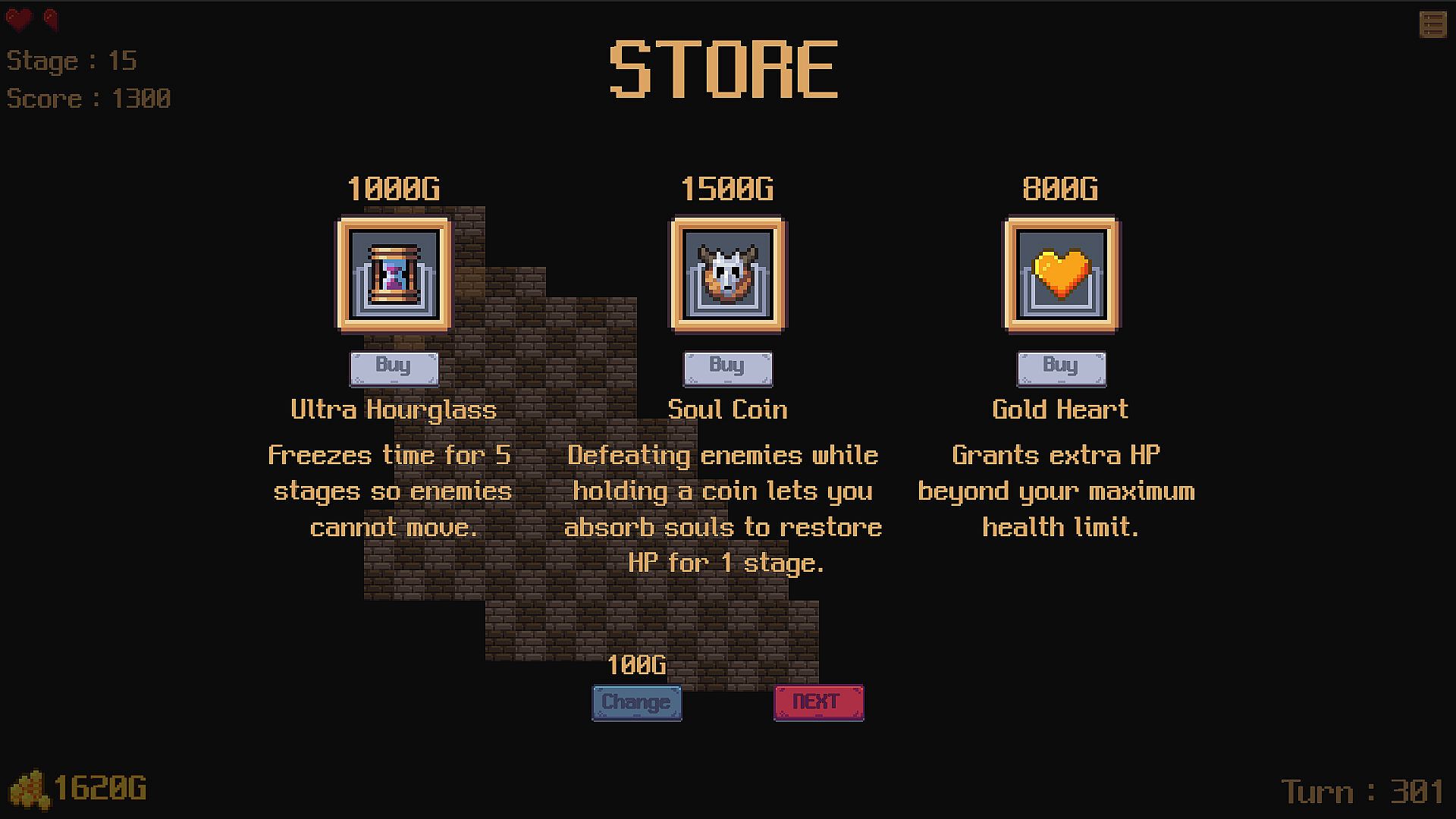
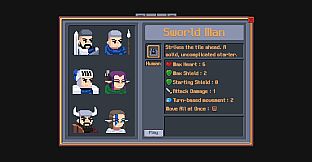
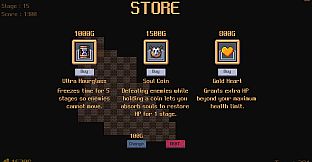
Six distinct warriors provide variety in approach. The Human Sword man emphasizes close combat, the Human Pike man controls distance with reach, the Human Paladin offers defensive staying power, the Elf Hunter specializes in ranged precision, the Dwarf Warrior brings raw durability, and the Elf Druid supports with utility effects. Between encounters, shops offer items that restore health, disrupt enemy formations, or provide permanent stat improvements, letting players adapt their loadout to the current run.
Procedural map generation ensures each attempt presents a fresh layout. Intelligent enemy AI tracks player position and coordinates attacks with tactical awareness, rewarding careful planning over brute force.
Game Modes
Step Slash centers on a single-player roguelite campaign structured around ascending stages. Each run begins on the first floor of a new dungeon and continues upward as long as the player survives. Enemies increase in strength and numbers with every stage cleared, creating a steady climb in difficulty. Shops appear between battles to purchase and equip items that alter combat dynamics. Runs end when the warrior falls, after which a new dungeon generates for the next attempt. The loop emphasizes experimentation with different warriors and item combinations to push further into higher stages.
Progression and Features
Advancement ties directly to stage completion. Stronger foes appear as players climb, demanding tighter positioning and better use of purchased items. The roguelite structure resets the dungeon each time while preserving the core rules, so success depends on adapting tactics rather than memorizing fixed layouts. Additional systems include the color-coded range indicators that reduce guesswork during turns and the consistent one-tile movement rule that keeps every decision meaningful.
Is It Worth Playing?
Step Slash suits players who enjoy methodical turn-based strategy and roguelite progression. The synchronized movement system creates tense decision-making where positioning determines outcomes more than raw power. With six warriors and item variety shaping each attempt, runs offer meaningful replayability through different tactical approaches. Because the game remains in development with no public reviews available yet, interested players can follow its Steam page for updates on the exact release date and any refinements to the AI or item systems. Those who value careful planning over fast reflexes will find the grid-based combat rewarding once it launches.