




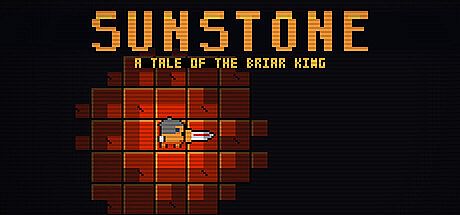


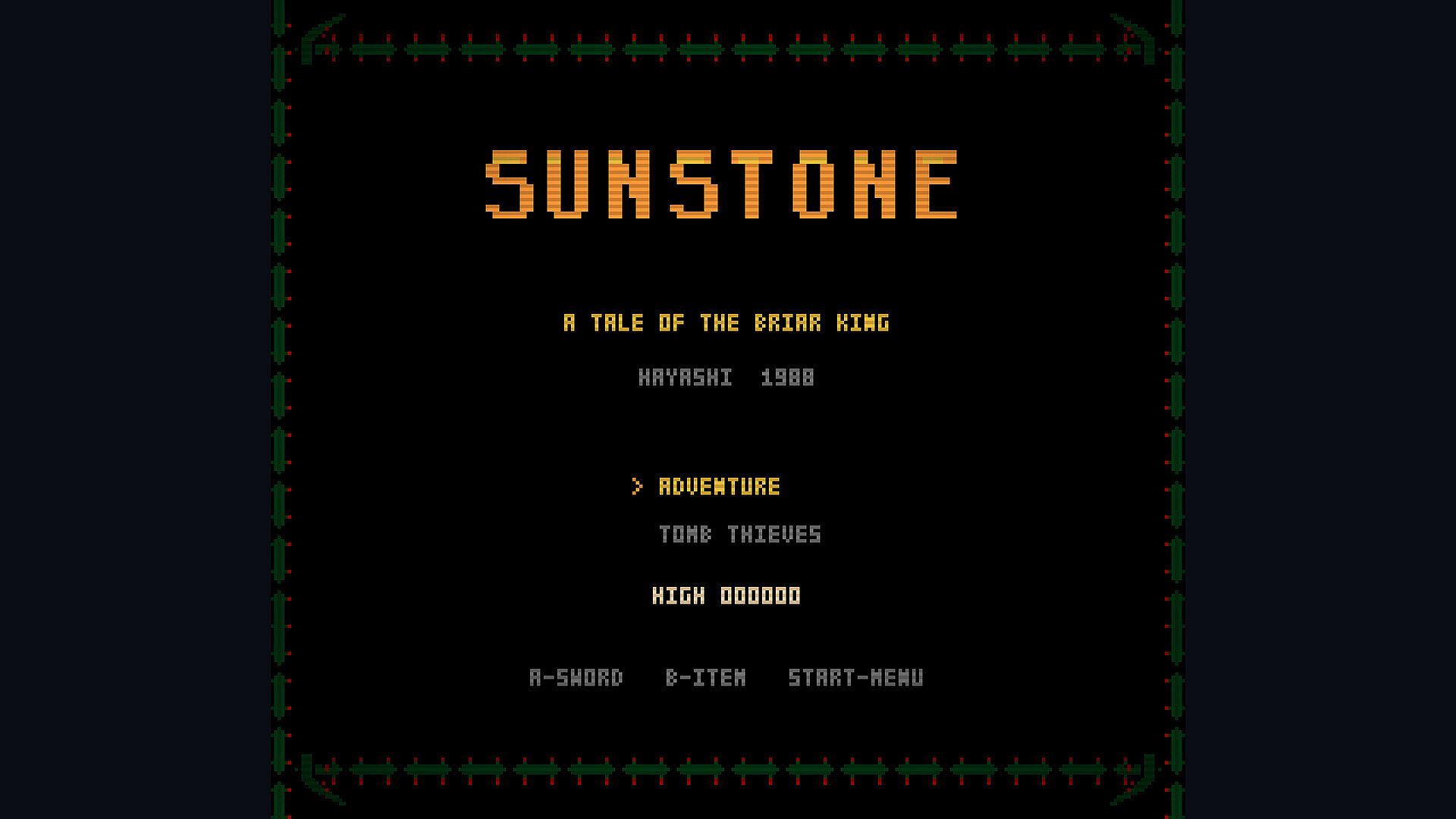
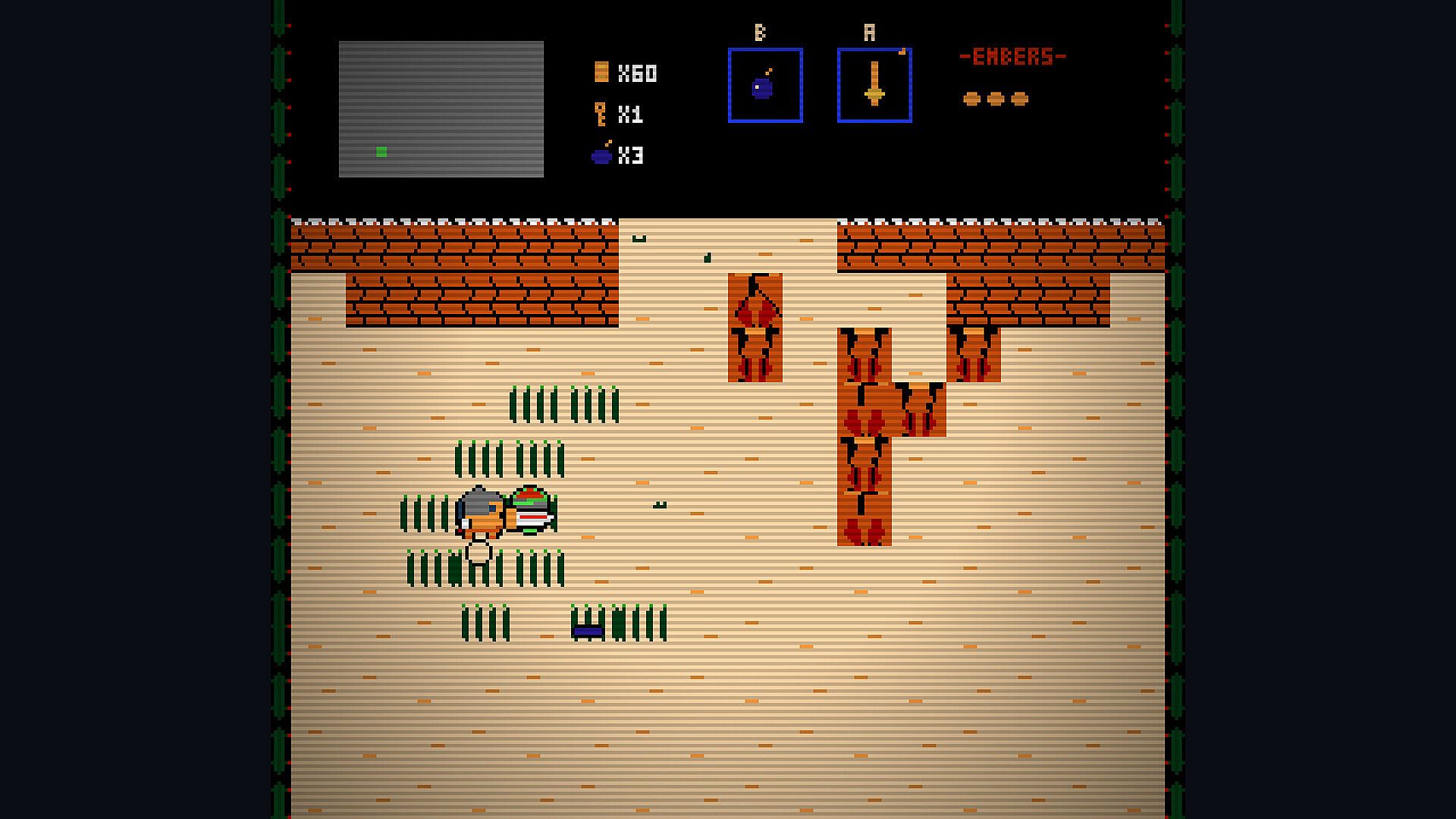
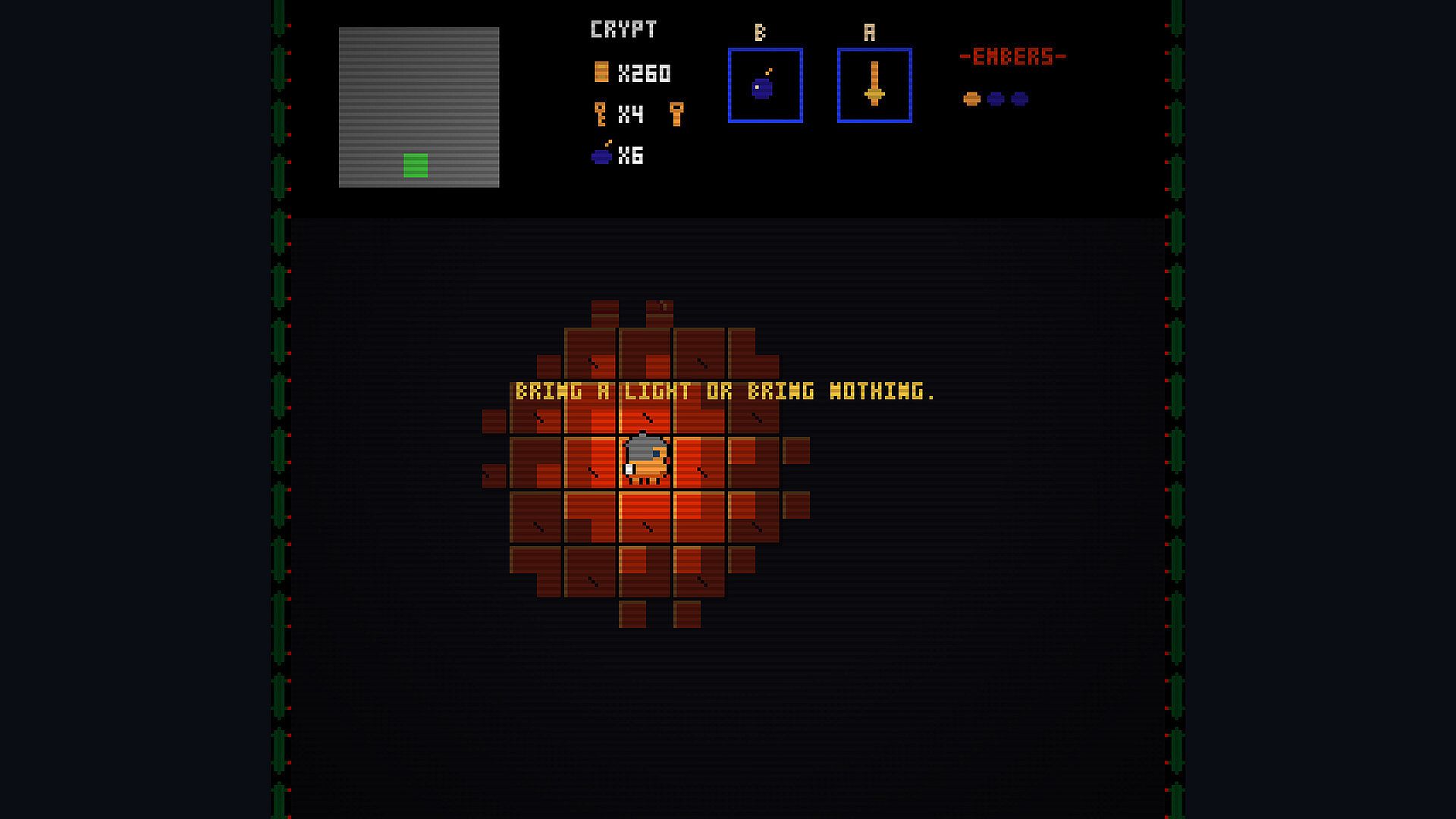
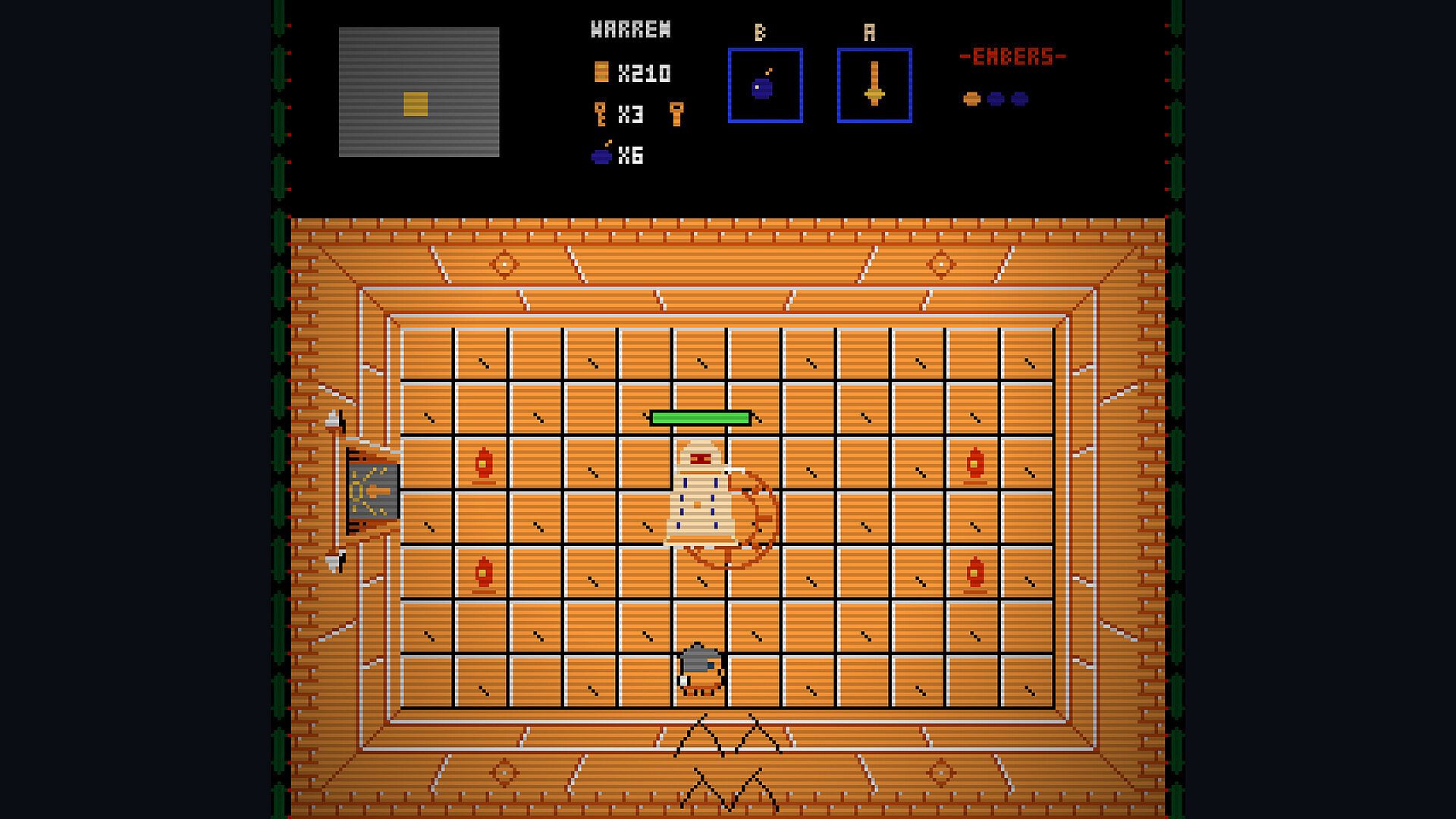
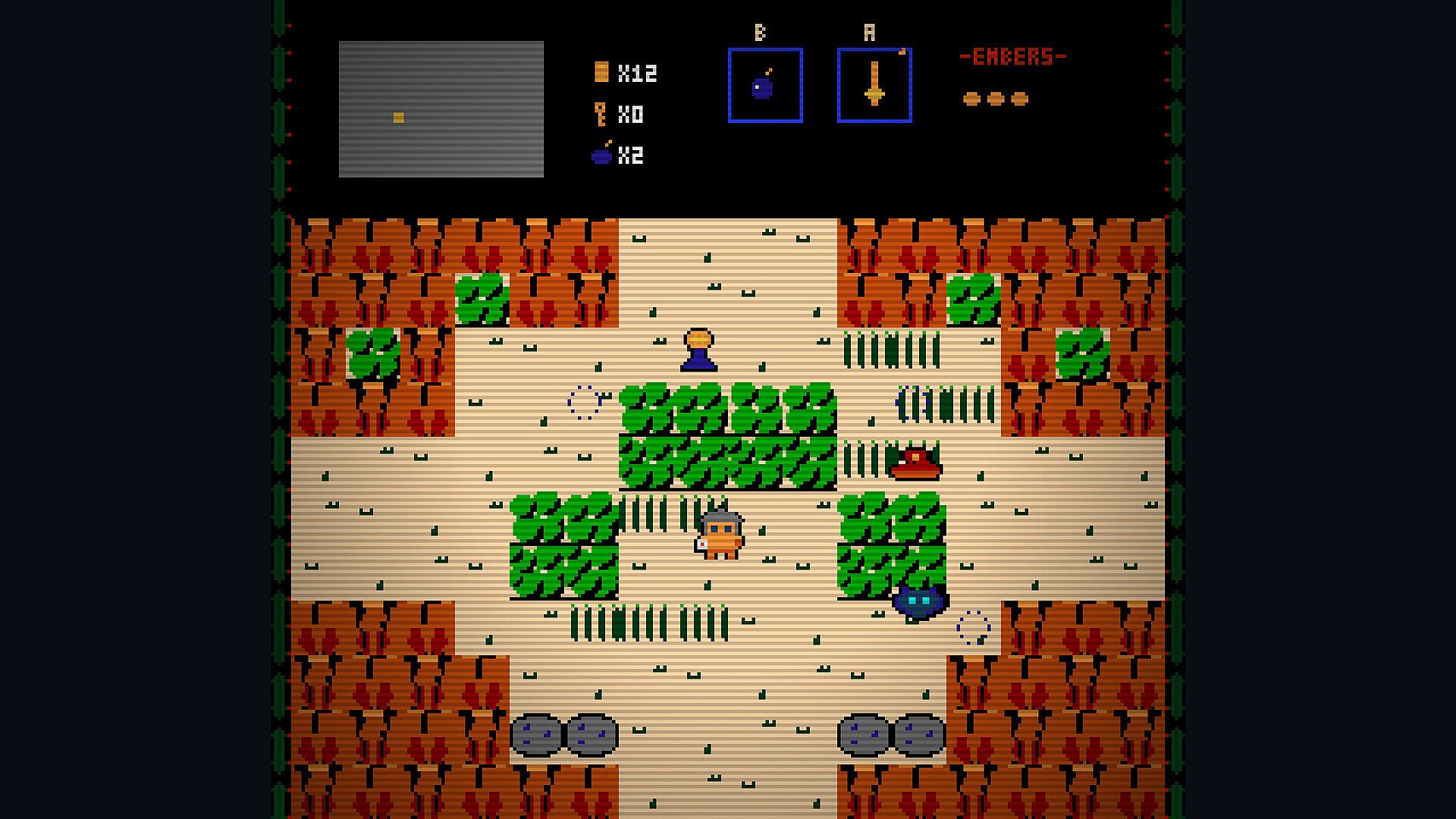
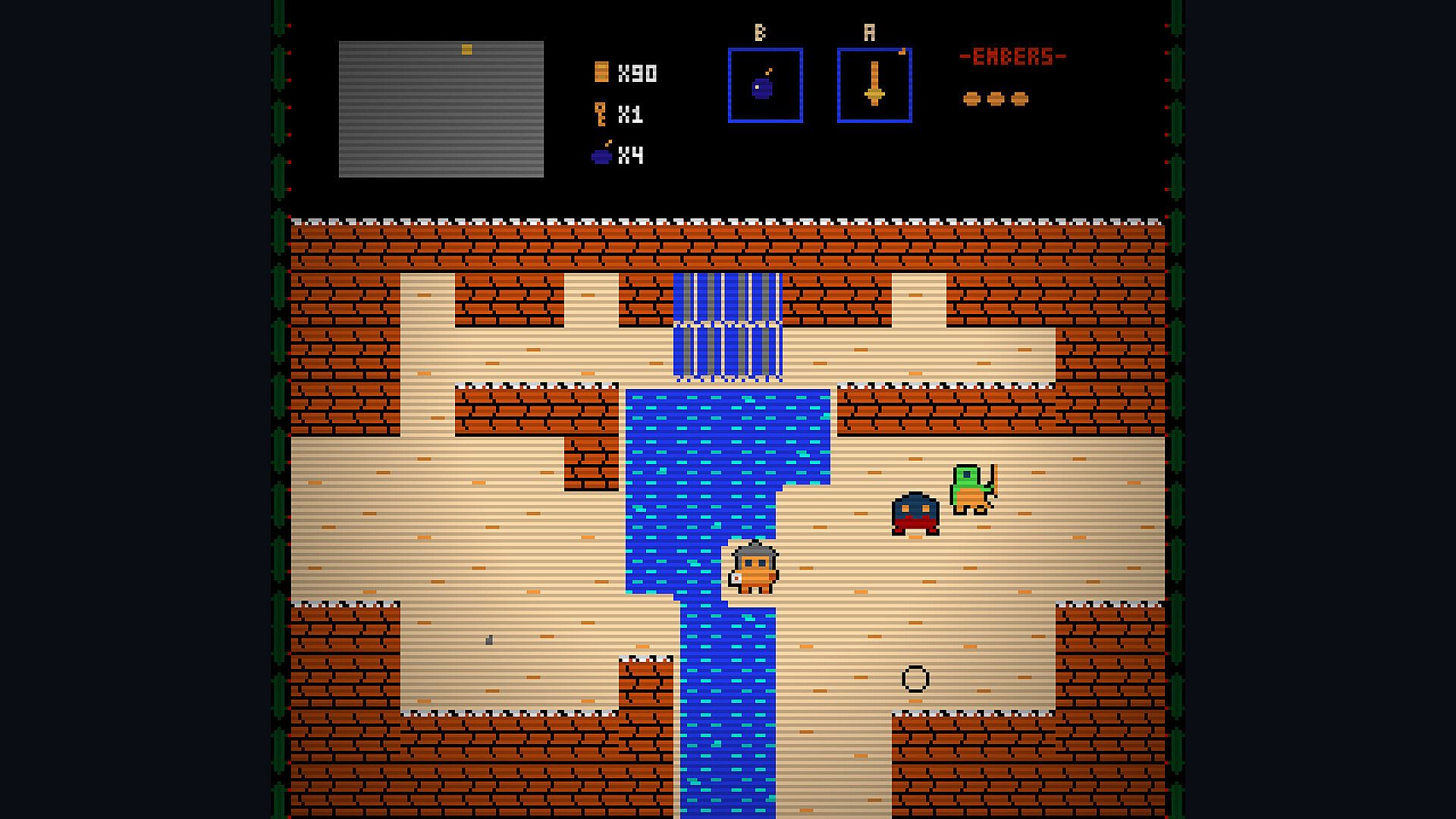
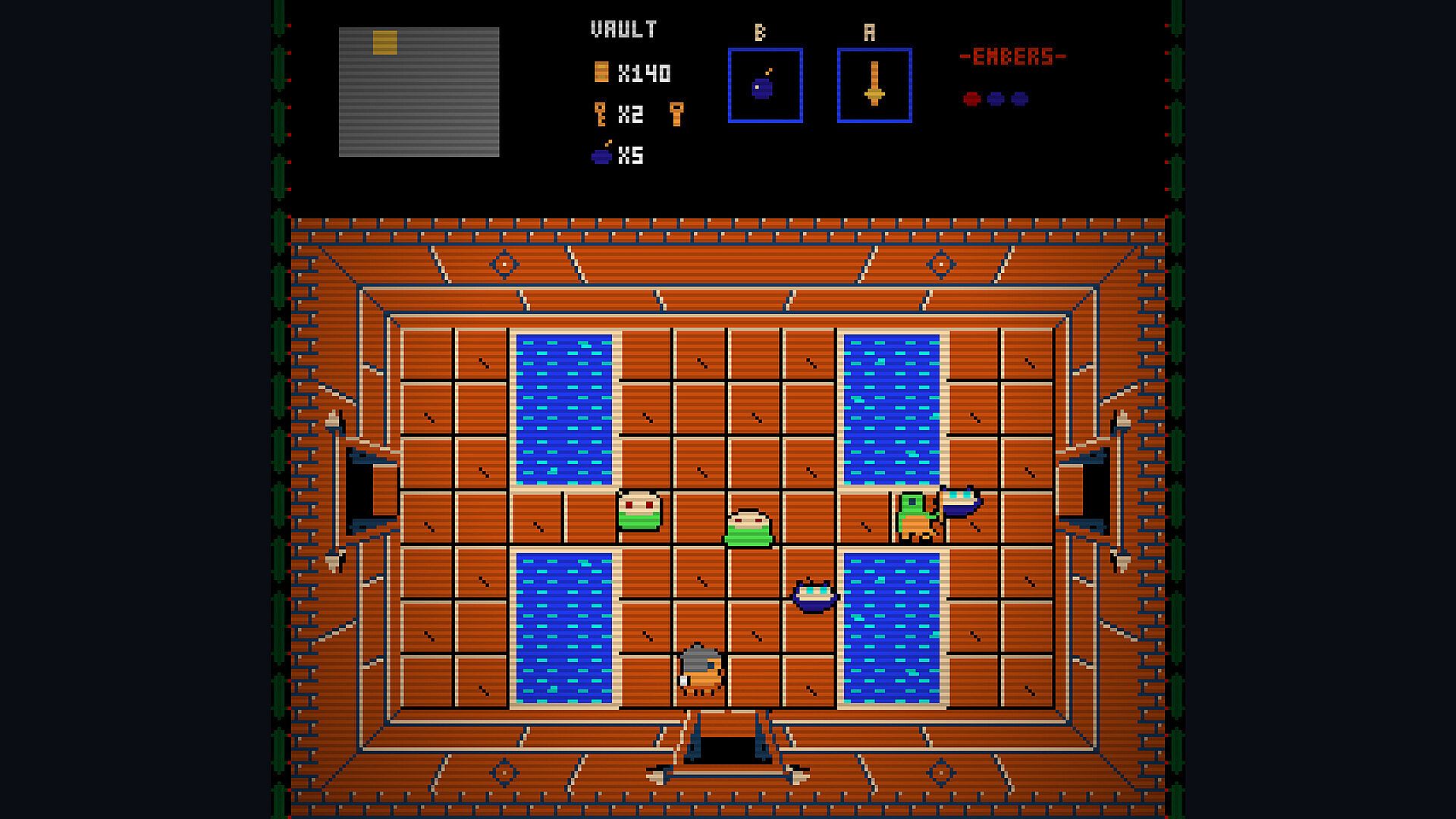
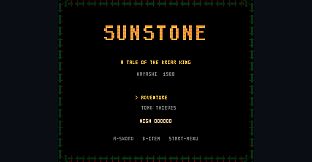
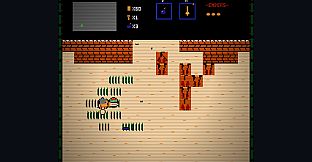
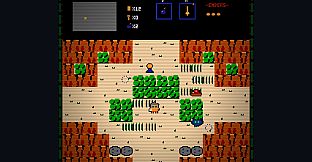
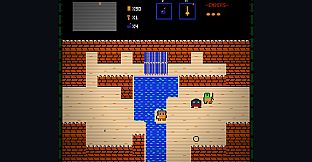
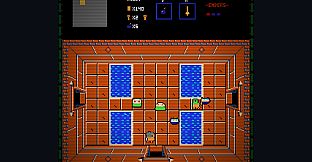
SUNSTONE: A Tale of the Briar King is an action adventure indie game for PC that recreates the feel of a late 1980s cartridge title. Players begin with empty hands in a glade and enter a cave that leads into a country overtaken by briar. The core task involves recovering six sunstones hidden under six roofs now controlled by the Briar King. The game uses a fixed 256 by 240 resolution with all sprites and sounds generated directly from code rather than external files.
Gameplay
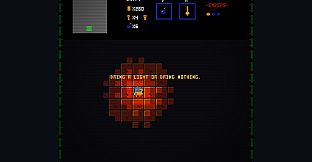
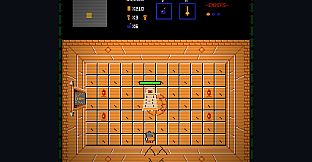
The experience centers on screen-by-screen exploration across woods, barrows, a burned vale, and a lake shore. Each area remains static until the player walks off its edge. Inventory includes a sword for close combat, a bow for ranged attacks, a bag of bombs for breaking obstacles, keys, and lamps for illumination. Pressing start opens an inventory drawer that overlays the world. Secrets appear in walls and can be revealed by bombing, burning, pushing, or other interactions. Grass sometimes inflicts damage but can also yield rewards when cut. Boss encounters occur under each roof, with difficulty increasing as the player progresses deeper into the country.
Navigation relies on an instruction booklet that lists five of the six tombs. The sixth tomb exists outside any map. Battery save supports a continue option, and the presentation includes pause, mute, and a tint knob with five settings to mimic old television displays. The entire setup follows the rule that the game must remain playable on a basic grey screen.
Game Modes
The primary mode follows the main adventure of collecting the sunstones and restoring light to the land. Completion unlocks a second quest. In this mode the country rearranges its secrets, previously reliable hints become false, and the booklet no longer provides accurate guidance. The second quest exists specifically to challenge players who have already finished the first playthrough.
No additional modes appear in the available information. The game remains strictly single player with no multiplayer components or seasonal content confirmed at this time.
Retro Presentation and Technical Details
Every visual and audio element stays within the constraints of 1988 hardware emulation. Sprites originate as ASCII characters in source files, and music uses arithmetic calculations through a simulated sound chip. The full instruction booklet accompanies the game and adopts the tone and layout typical of that era. A continue row on the save screen and painted glass effects on the virtual tube further reinforce the cartridge aesthetic.
Is It Worth Playing?
The game targets players who enjoy deliberate, exploration-driven action adventure titles with deliberate retro limitations. Its single-player structure and emphasis on discovery through environmental interaction suit those who prefer self-contained experiences over frequent updates or online features. Because the title remains unreleased with no user reviews available, any final judgment depends on personal tolerance for pixel-perfect 8-bit movement and the absence of modern quality-of-life additions. Fans of classic cartridge design and second-quest replayability will find the described systems align closely with that tradition.











