





The simulation game 饕餮魔宴 casts players as a chef trapped in an endless cycle of preparing meals for the ravenous Taotie. Success depends on satisfying the creature long enough to gather three ancient coins and escape the nightmare, though the experience invites repeated visits in pursuit of deeper rewards.
Gameplay
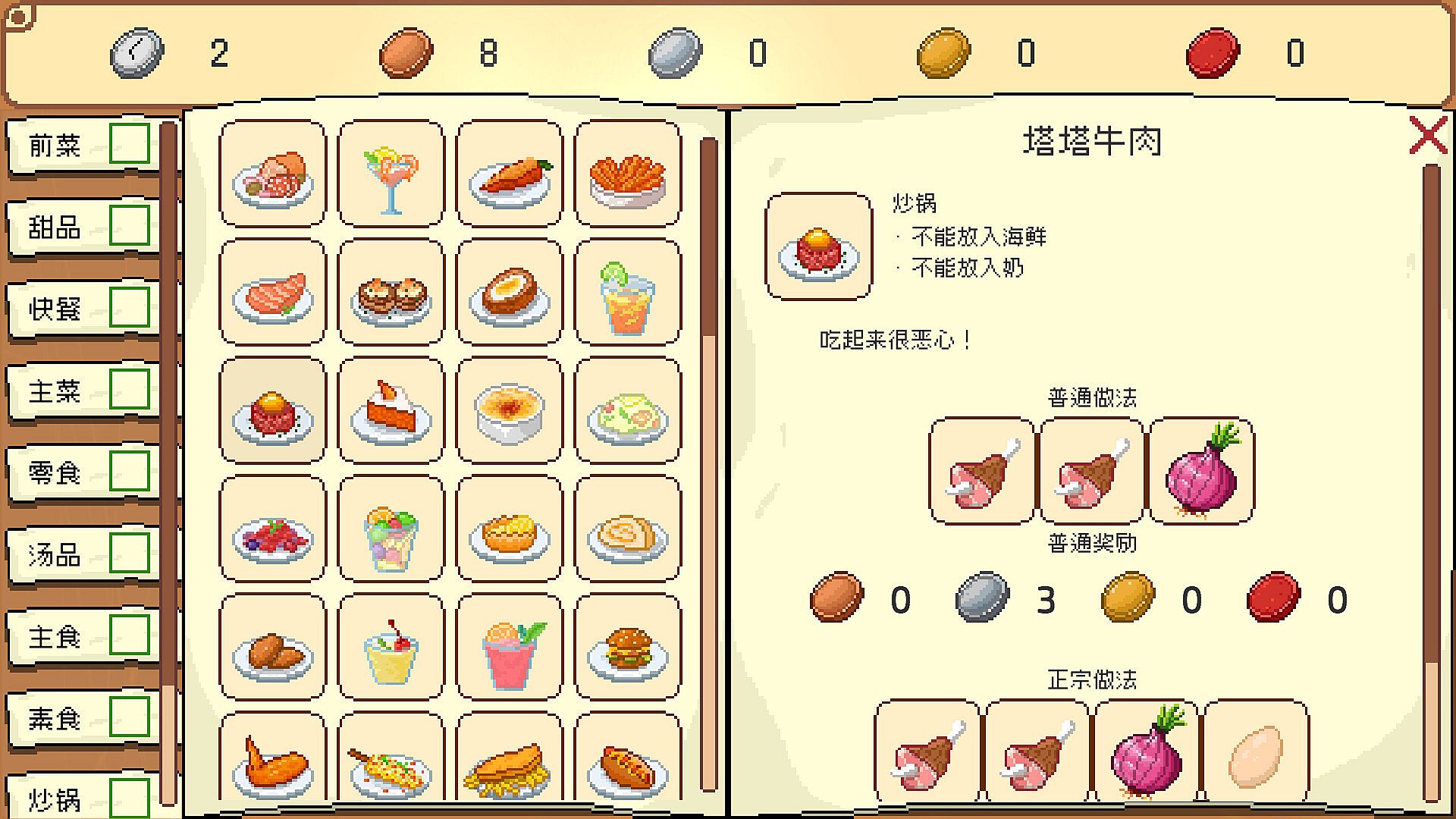
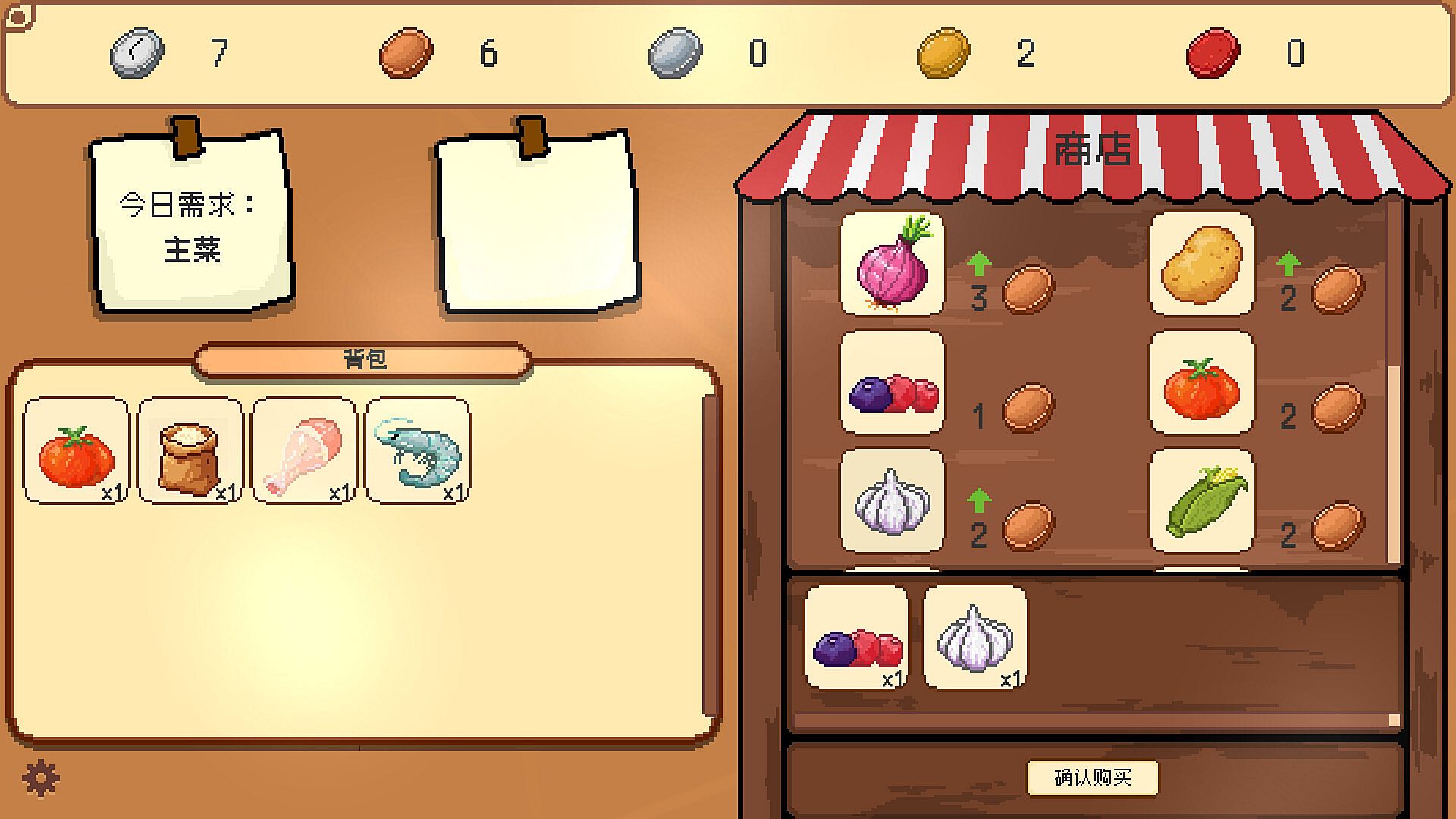
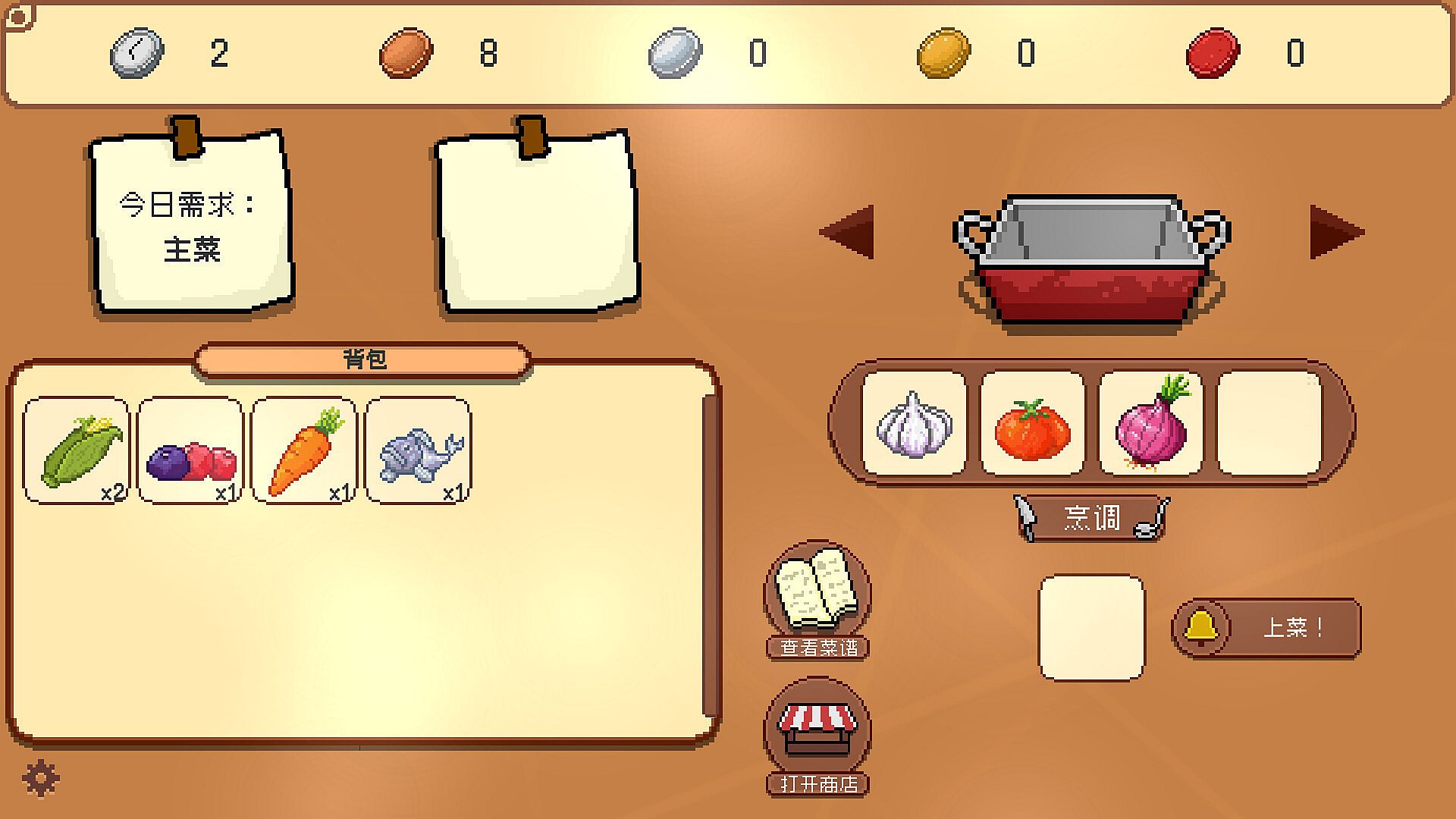
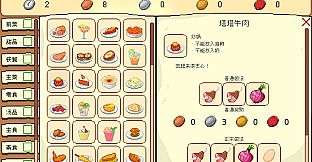
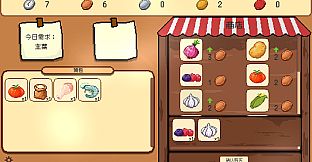
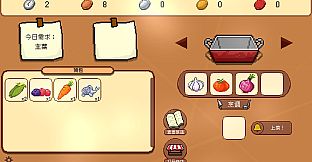
Each day brings a fresh culinary request from the Taotie. Players consult a recipe book to identify required ingredients and combinations, then manage limited resources to acquire them. Copper, silver, and gold currencies dictate access to different ingredient tiers, forcing careful budget decisions that balance cost against potential rewards. Complex recipes yield richer payouts but demand precise planning and timing.
Financial strategy forms the core loop. Players allocate funds across ingredient purchases while tracking time constraints that limit daily progress. Resource management extends beyond simple buying and selling, as every choice affects the ability to complete the requested dish before the deadline expires. The system rewards foresight in prioritizing high-value combinations without overspending on unnecessary items.
Illustrated recipes and ingredients add visual clarity to the process. More than seventy recipes draw from over twenty distinct ingredients, each contributing unique properties to the final dish. This variety encourages experimentation within the economic framework, where trial and error reveals efficient paths to meeting daily demands.
Game Modes
Three distinct challenge modes provide structured ways to test culinary and planning skills. Each mode alters the parameters around time limits, resource availability, and reward scaling, creating different pressures on decision-making. Players can shift between modes to explore how the same core systems respond to varied constraints.
The modes emphasize different aspects of the economic loop. One might focus on rapid completion under tight deadlines, while another stresses long-term resource accumulation across multiple requests. This structure allows repeated playthroughs to feel distinct without altering the fundamental cooking and management mechanics.
Core Systems and Progression
Progress centers on collecting three ancient coins before time expires. Each successful dish contributes toward this goal through direct rewards and indirect advantages gained from efficient management. The system creates tension between immediate survival needs and the longer-term objective of escape.
Hidden content lies beneath the surface requests. Repeated engagement with the Taotie's demands gradually reveals additional layers, including new recipe interactions and resource opportunities. These elements reward consistent play without requiring constant pressure, aligning with the game's relaxed pacing.
Light strategy elements appear in every session through ingredient selection and currency allocation. The absence of real-time pressure outside daily limits keeps focus on thoughtful planning rather than frantic execution.
Is It Worth Playing?
饕餮魔宴 suits players who enjoy single-player simulation experiences built around resource allocation and incremental progress. The combination of recipe crafting, currency tiers, and time-bound goals delivers a focused loop that rewards careful budgeting and experimentation.
Those drawn to economic management will find the currency distinctions and recipe complexity engaging. The three challenge modes extend replay value by shifting priorities without introducing unrelated systems. Relaxed pacing means sessions can unfold at a comfortable speed, making the game accessible for shorter or extended play periods.
The title stands as an independent indie project with room for refinement, yet its core mechanics deliver consistent satisfaction for fans of cooking simulations and light strategy. Players seeking a self-contained experience centered on satisfying an insatiable patron will find the structure compelling enough to return multiple times.