


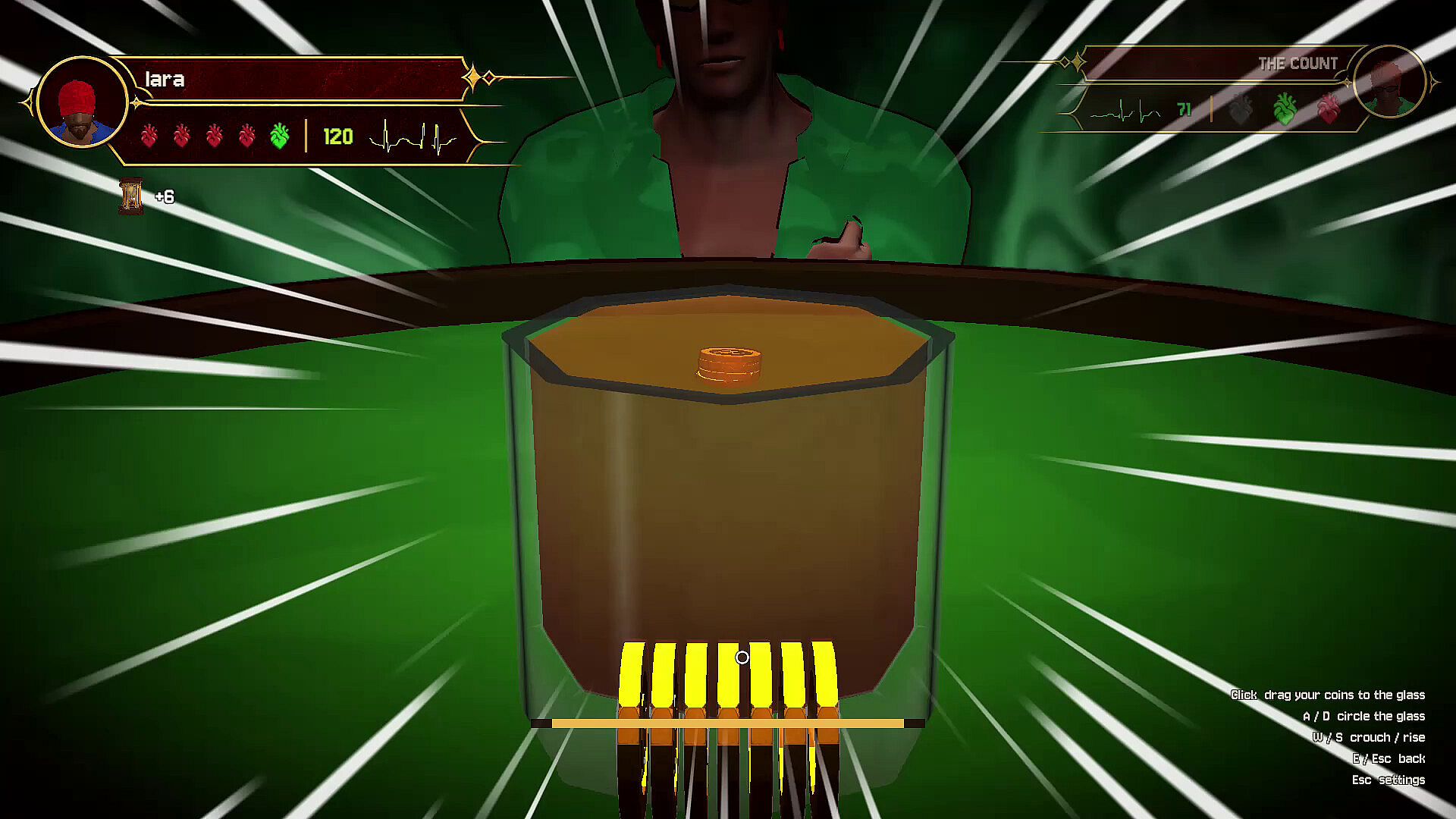
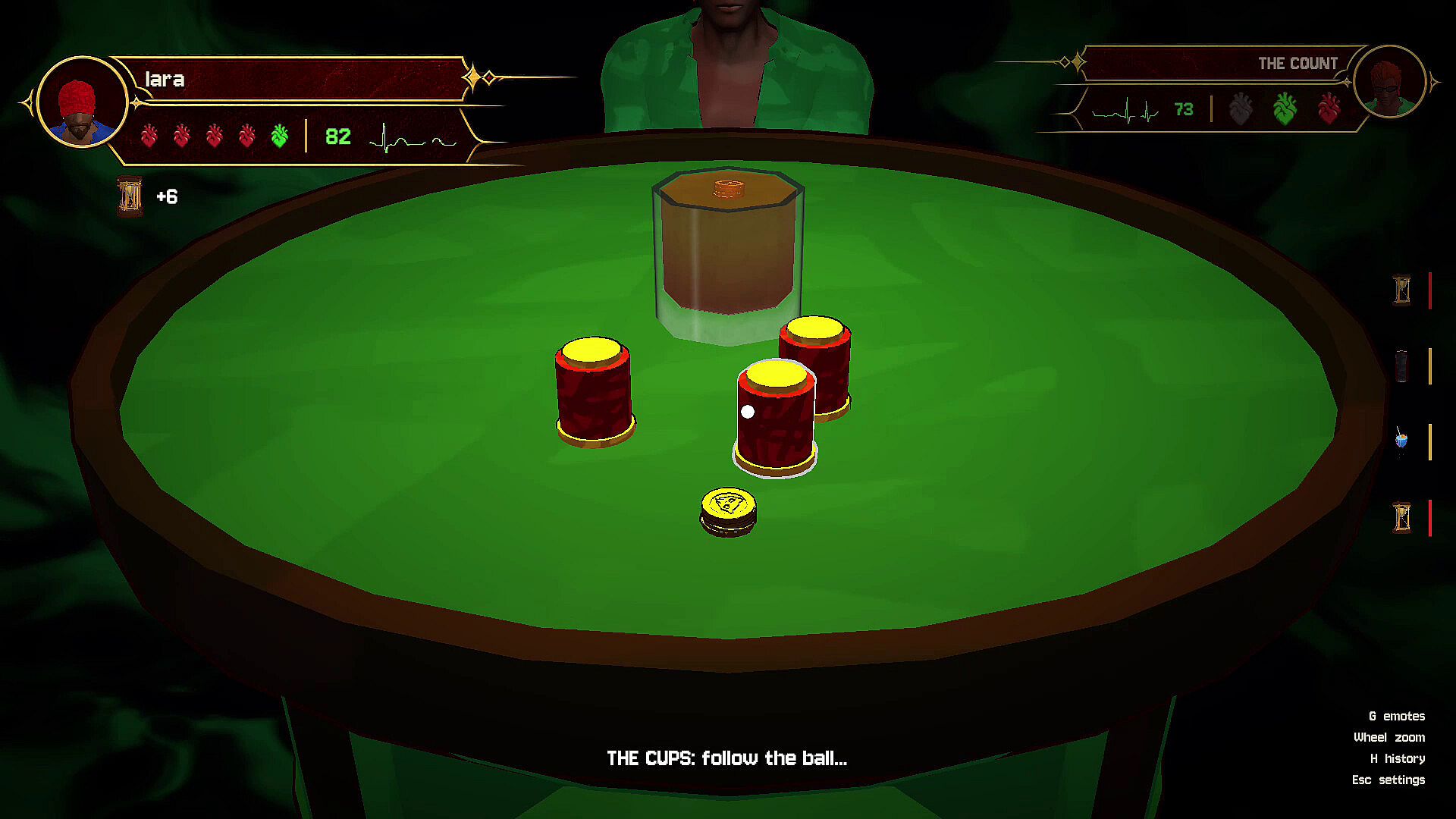
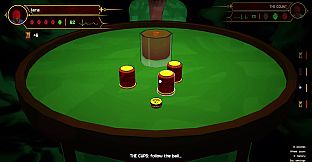
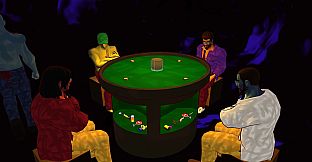
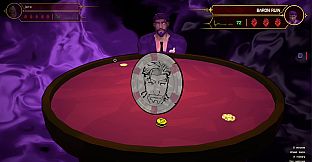

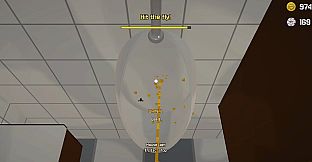

The Last Coin is an indie casual game for PC centered on high-stakes coin dropping and player-versus-player tension. Players take turns adding coins to a glass of liquor that sits near the point of overflow, with the risk that any single drop can cause it to spill and end the round in defeat. The core loop rewards steady nerves and careful timing while punishing hesitation or shaky hands as the glass fills.
Gameplay
Each round begins with the dealer distributing five random items to participants. These items alter how coins interact with the glass or provide temporary advantages that shift the odds during a turn. Players must decide when to use an item and when to rely on a plain drop, since even a glass with visible space can overflow if the hand trembles at the wrong moment. The fuller the glass becomes, the more pronounced the physical feedback grows, increasing the chance that a steady player suddenly loses control.
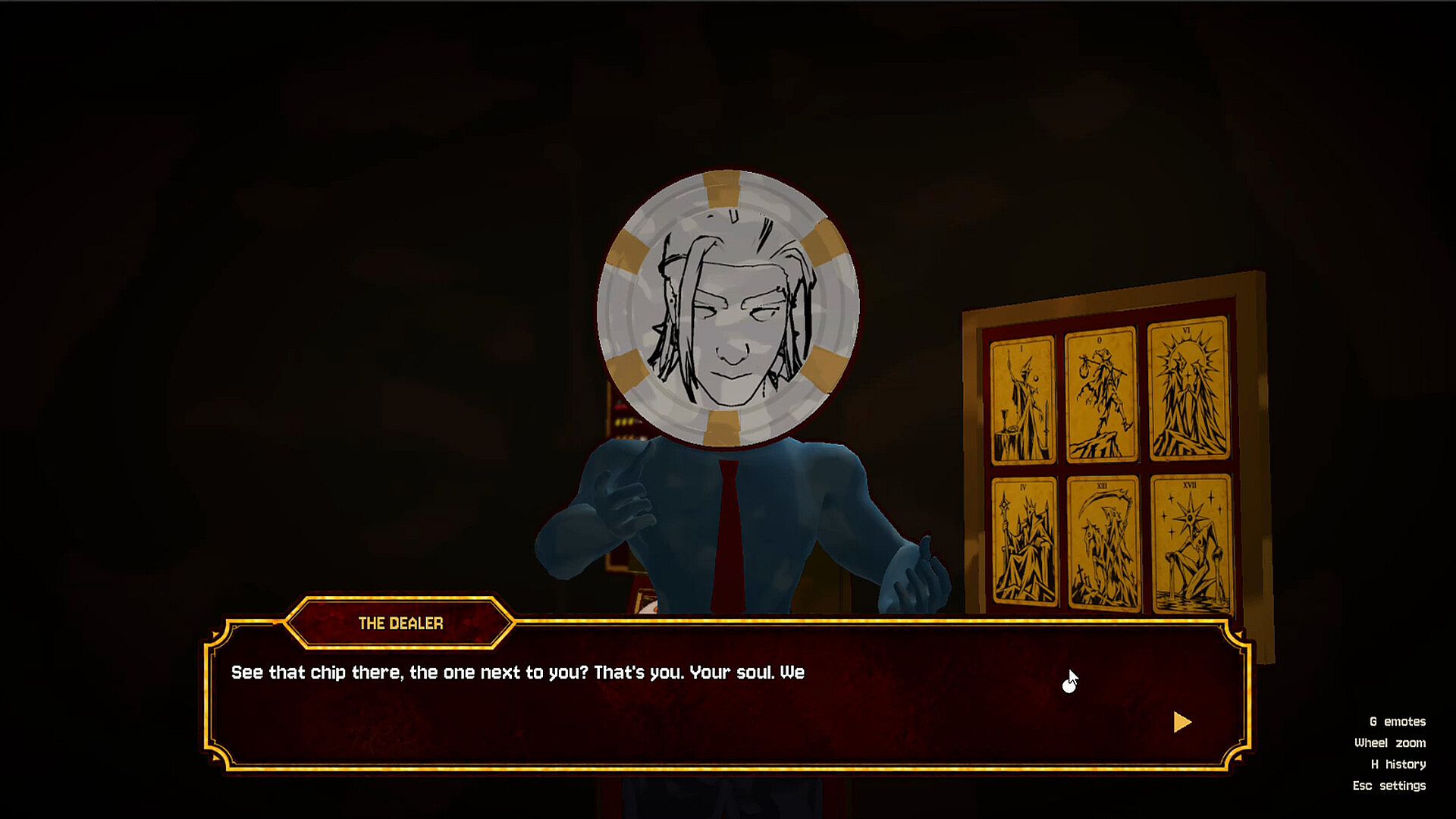
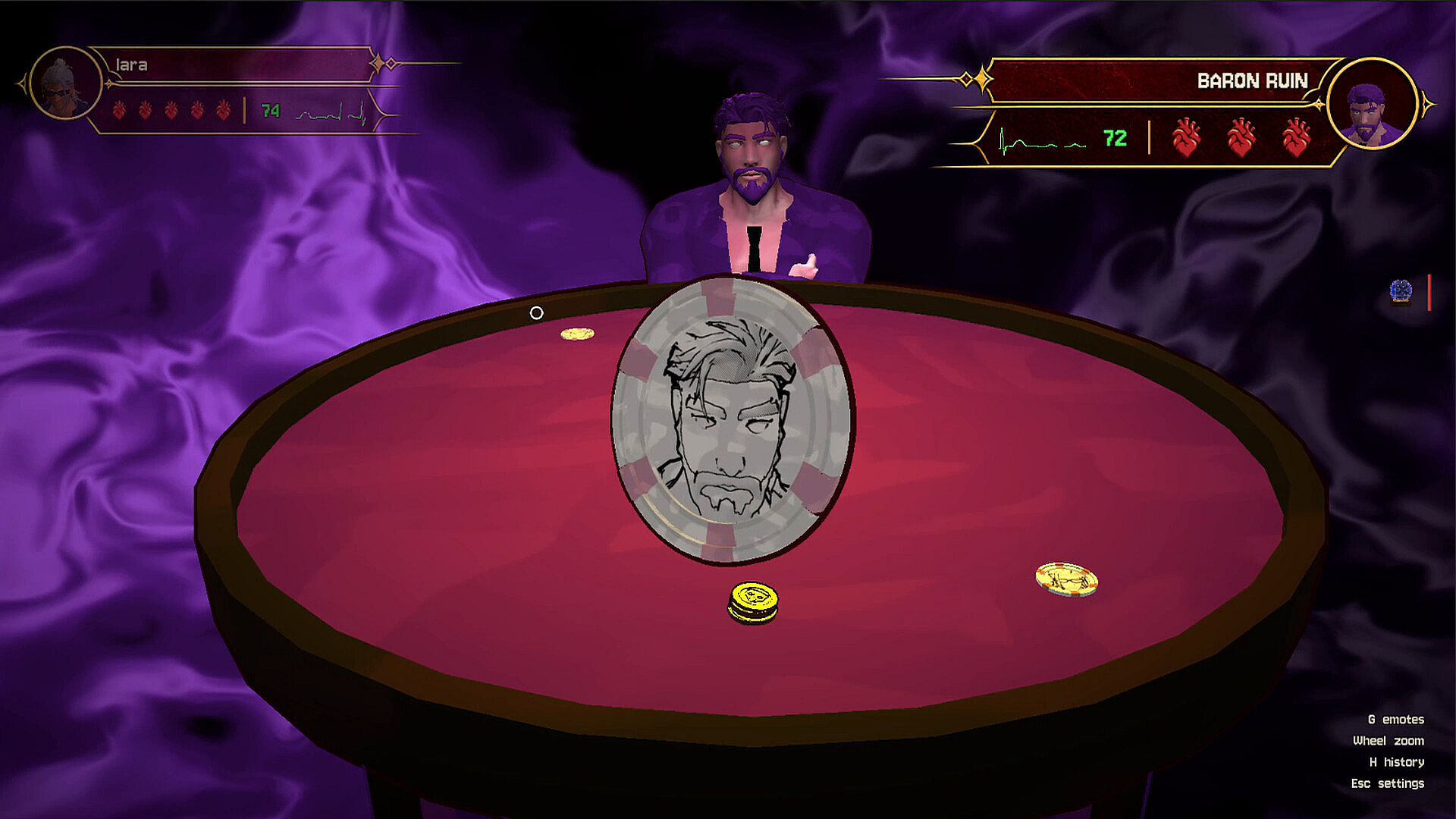
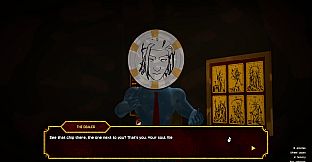
Between rounds the dealer introduces new rivals one at a time. These opponents are lost souls forced to wager their own essence, and defeating them yields coins that can be spent on additional items or tarot cards. Tarot cards add longer-term effects that persist across multiple rounds, encouraging players to build toward stronger combinations rather than relying solely on the items drawn each turn. The final encounter pits the player against an especially powerful rival whose rules deviate from standard play, removing any expectation of an even match.
Game Modes
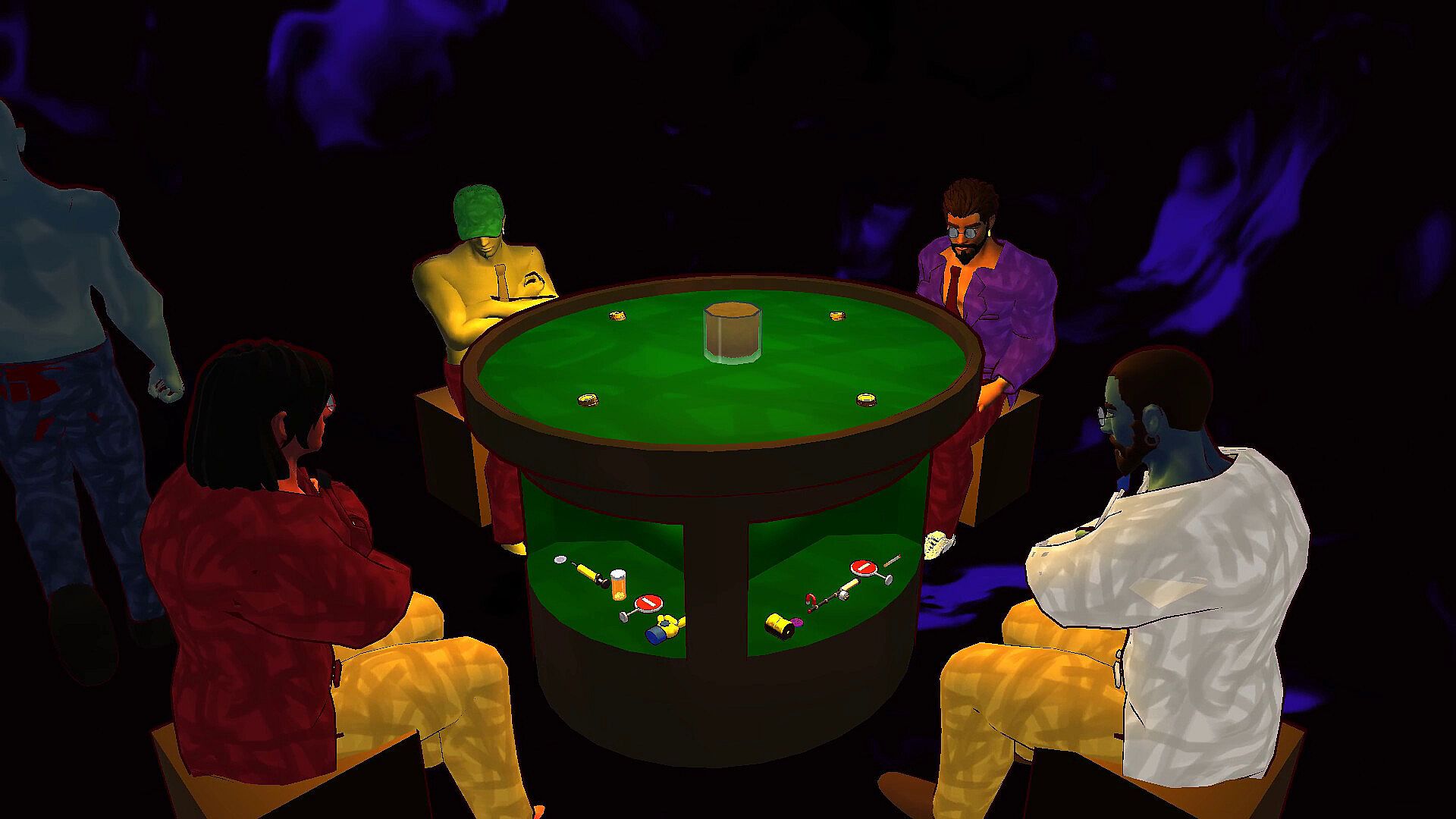
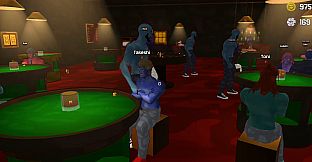
Story Mode follows a sequence of encounters that gradually introduce new items, tarot cards, and rival behaviors while advancing a narrative thread. Boss Mode focuses on a series of escalating confrontations that test accumulated resources and item mastery against increasingly difficult opponents. Online play supports matches for two to four participants at individual tables, with lobbies that can hold up to 32 players who can form or join games as they wish. A battle royale variant scales the same coin-dropping rules to larger groups, allowing up to 32 participants to compete simultaneously until only one remains.
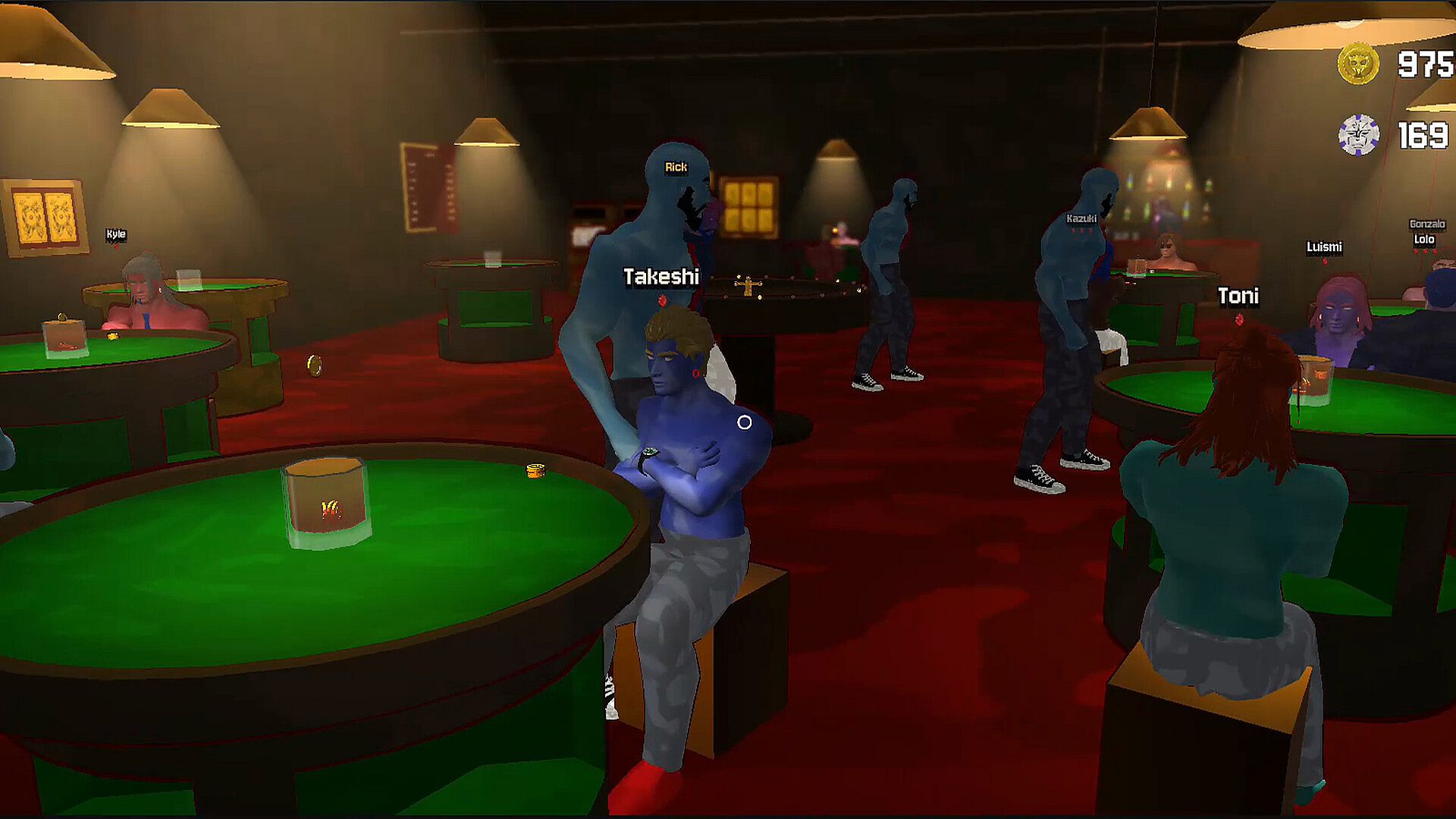
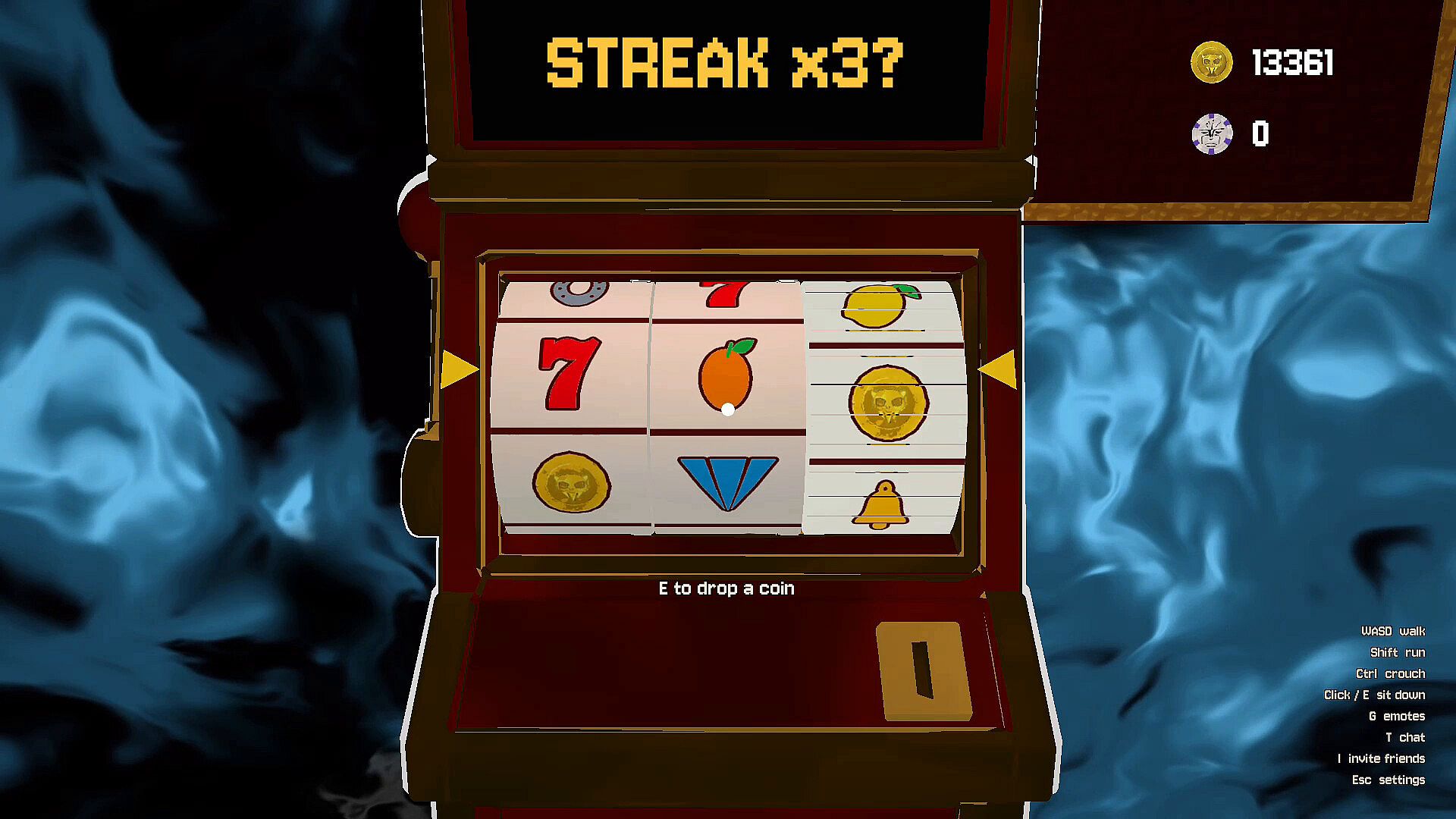
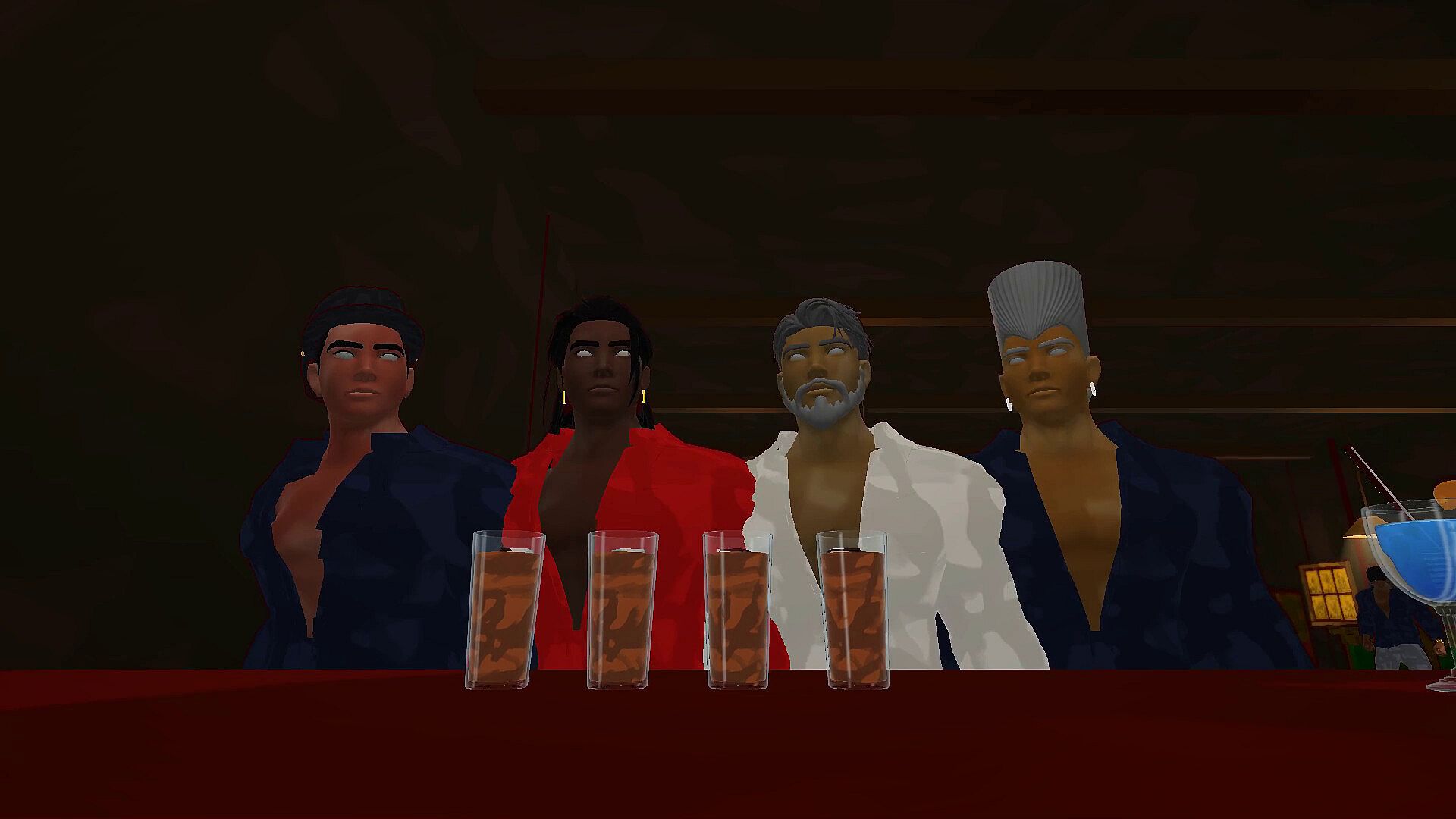
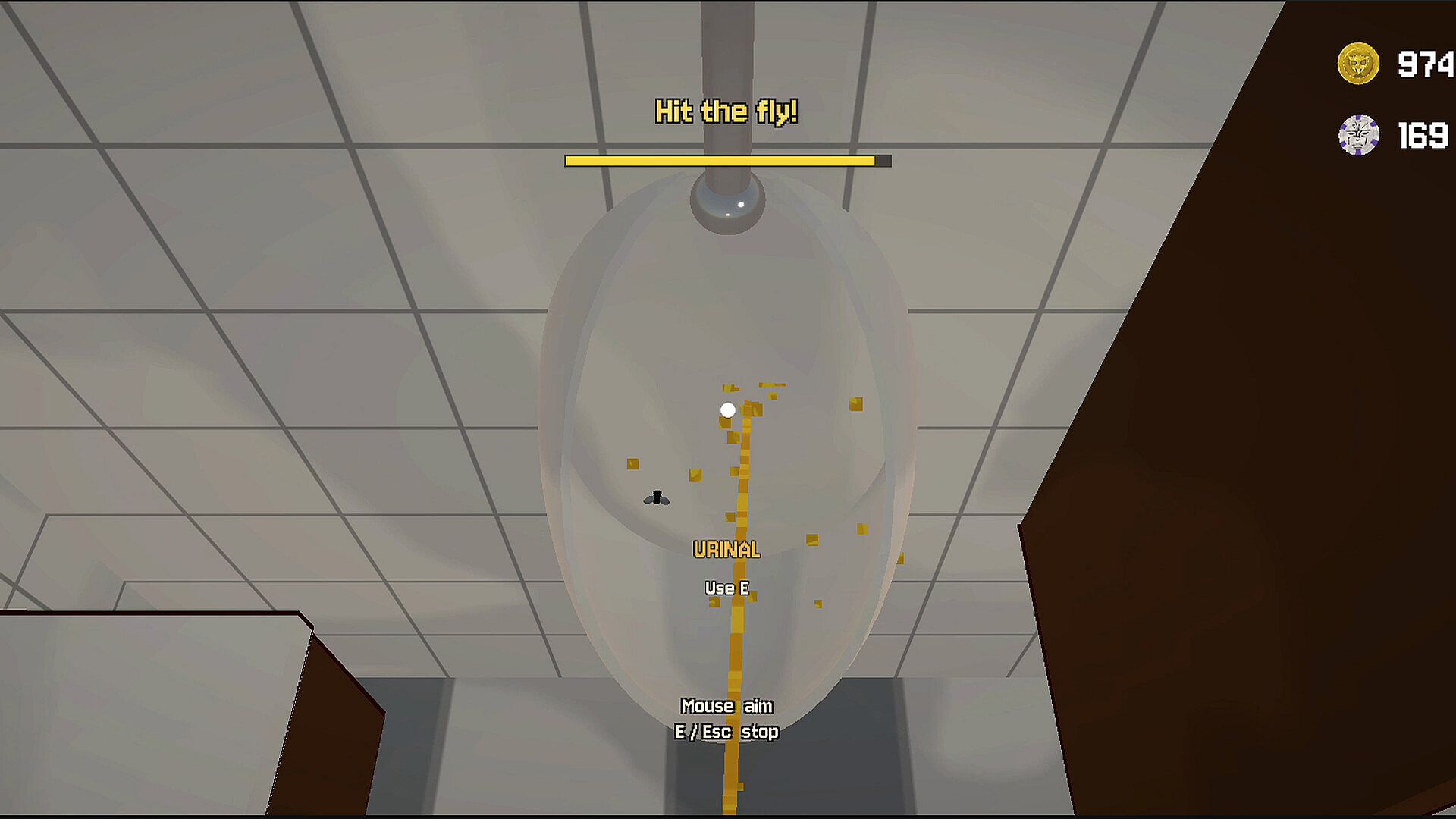
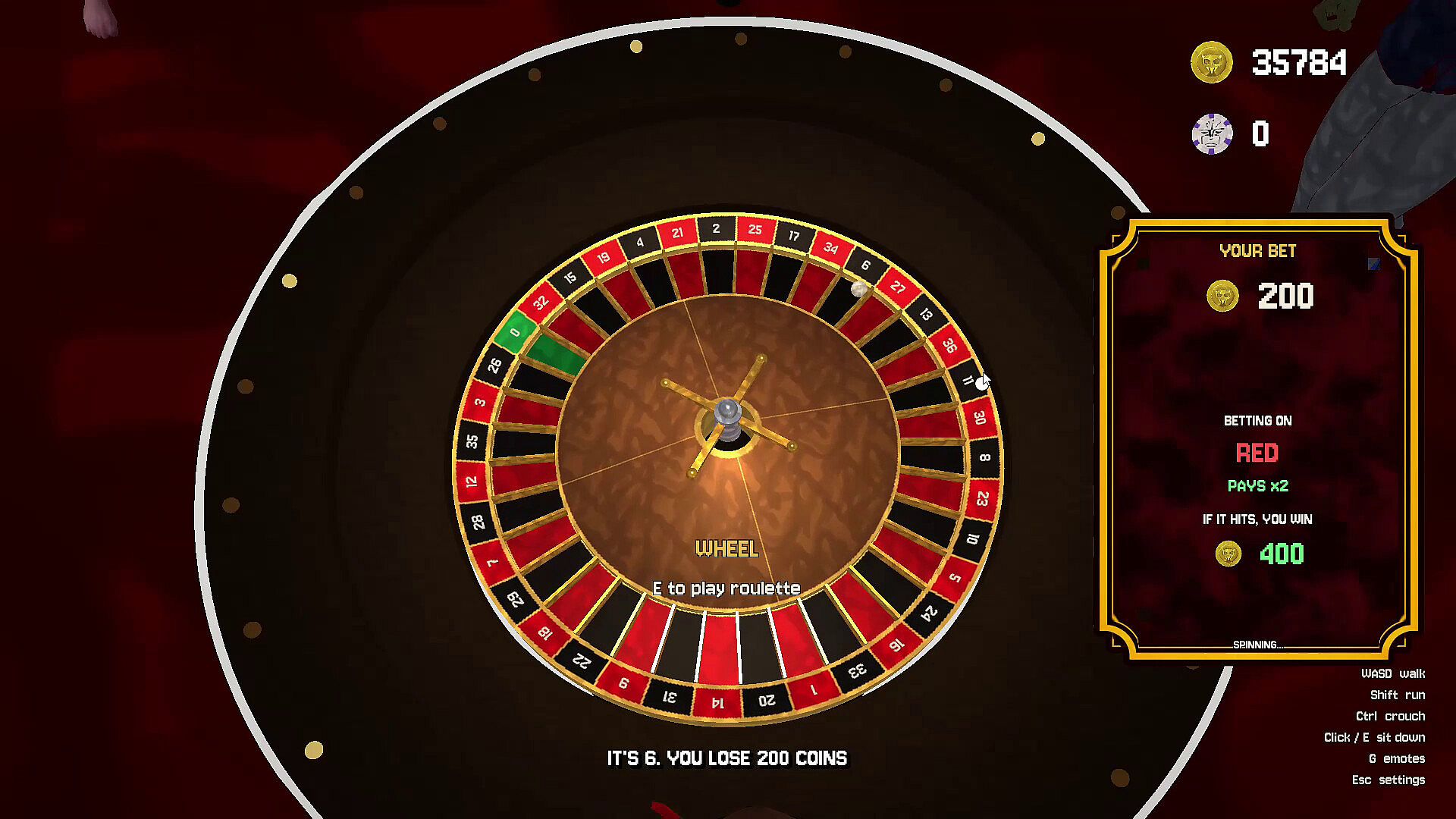
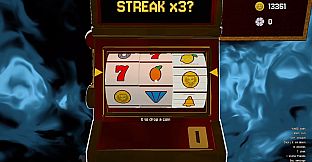
Outside of active matches, the lounge area offers additional ways to earn coins through slot machines that contribute to a shared jackpot, darts, roulette, and a dedicated betting room. These activities serve as a break between competitive rounds and provide steady coin income for players who prefer lighter engagement.
Progression and Customization
Coins earned from wins and lounge activities can be spent on suits, accessories, and emotes that change how a player appears to others at the table. These cosmetic options do not affect gameplay mechanics but allow participants to stand out during matches. Steam Achievements track progress across modes and activities, giving long-term goals for players who return regularly. The game supports ten languages, making the interface and text accessible to a broad audience.
Controls accommodate both first-person and third-person perspectives, letting players choose the view that feels most comfortable during tense drops. Friends on the same platform can be invited directly into lobbies, supporting private tables or larger group sessions without relying on public matchmaking.
Is It Worth Playing?
The Last Coin appeals most to players who enjoy short, repeatable rounds that combine luck, timing, and light strategy. The coin-dropping mechanic creates genuine tension that escalates naturally as the glass fills, while the item and tarot systems add layers of decision-making without overwhelming newcomers. Multiplayer tables of two to four players keep matches focused and social, and the larger battle royale option suits those who prefer chaotic group play. The lounge activities provide a low-pressure way to farm coins and experiment with cosmetics between competitive sessions.
Story Mode and Boss Mode offer structured single-player or small-group experiences for those who want progression outside of online lobbies. Because the game emphasizes quick rounds and visible risk rather than long campaigns or complex systems, it suits casual sessions or repeated play with the same group of friends. Availability on PC with cross-invites for Steam contacts further lowers the barrier for regular play. Players who value tense, physical-feeling mechanics over deep simulation or narrative depth will find the most consistent enjoyment here.