








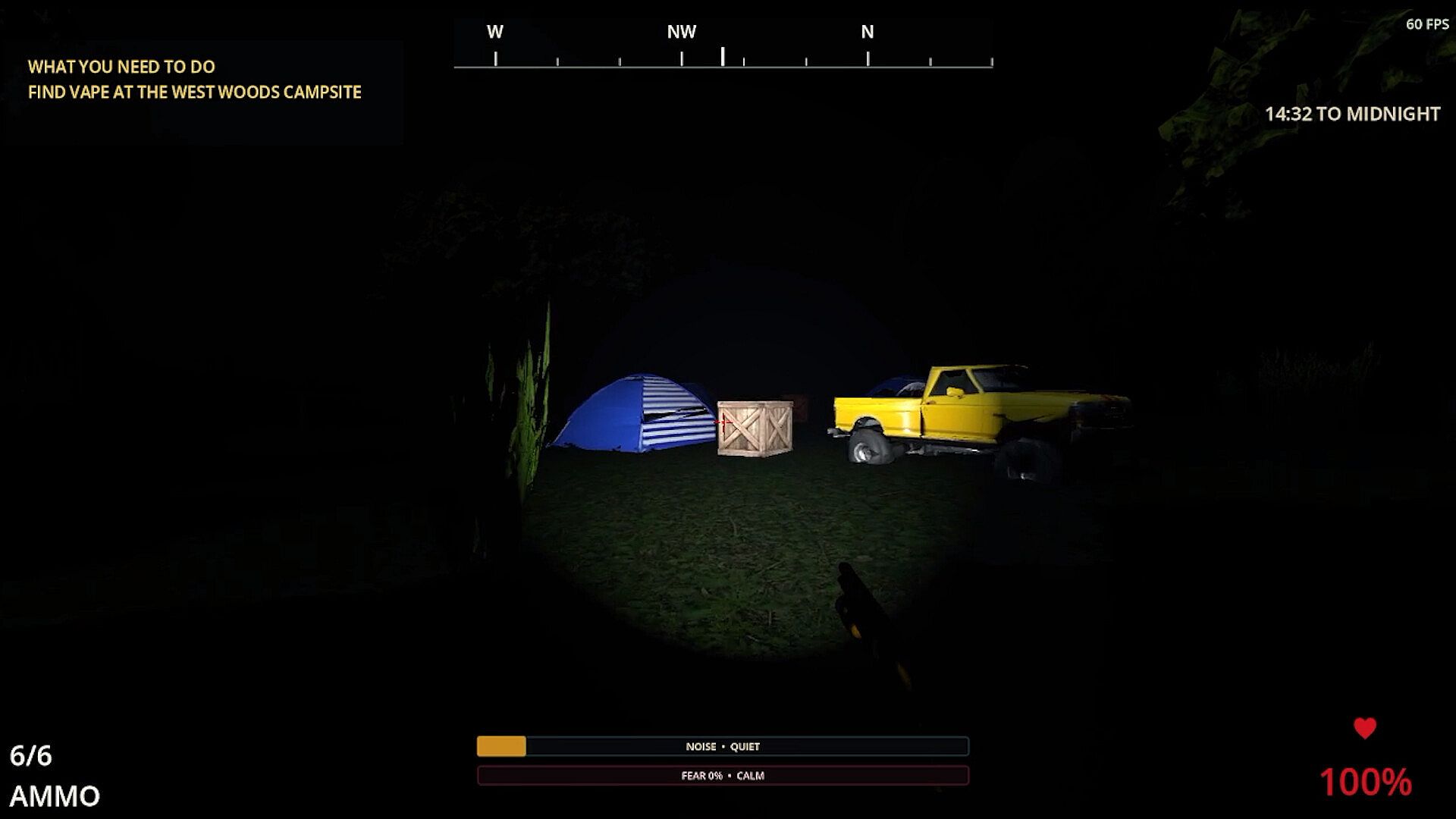
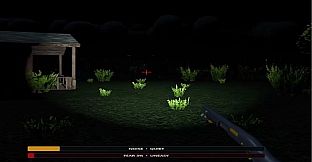
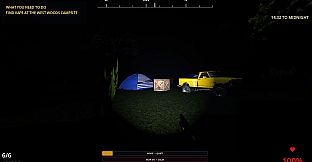
The Wendigo Lives is a survival horror game that blends single player tension with asymmetrical multiplayer encounters. Players navigate an abandoned Appalachian forest filled with cabins, campsites, and other isolated landmarks while trying to gather supplies and escape before midnight. The core threat comes from a creature that relies on deception, mimicry, and sudden aggression rather than direct confrontation.
Gameplay
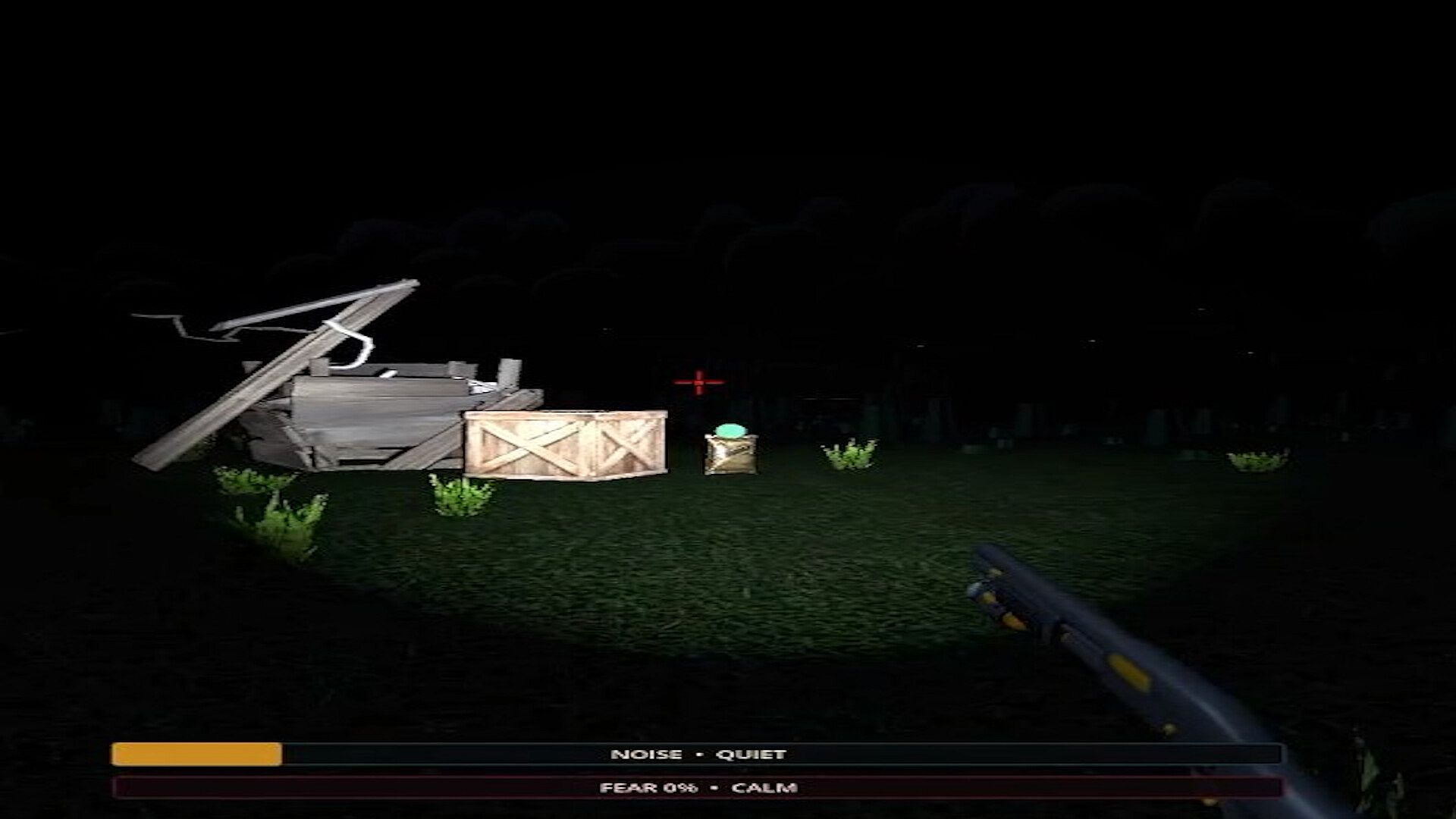
Exploration forms the backbone of every session. Players search landmarks for limited resources including ammunition and other essentials while keeping track of time. The environment encourages careful movement because every sound carries weight in the woods. Footsteps, howls, and distant noises require constant assessment to determine whether they signal safety or danger.
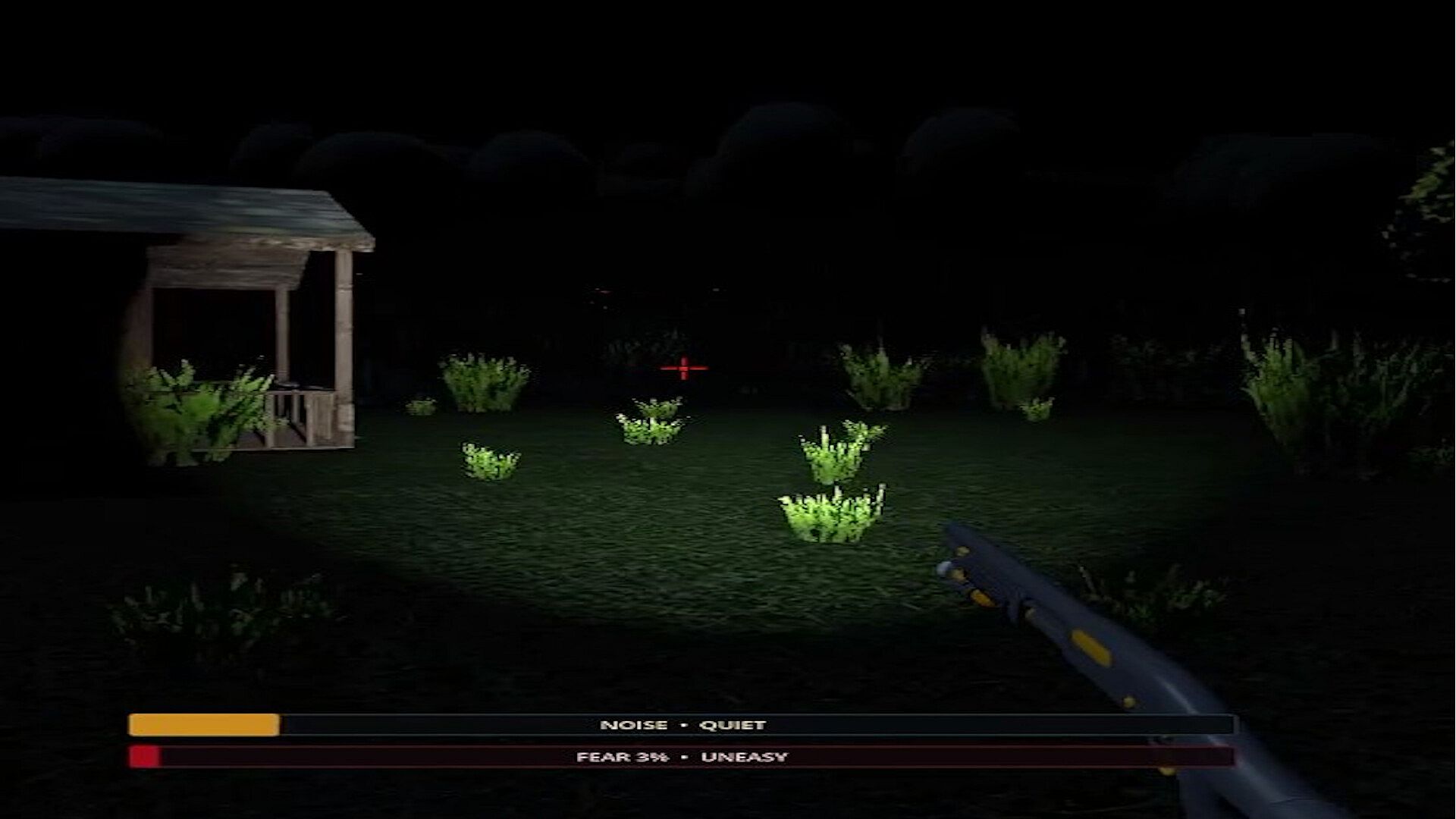
Fear acts as a dynamic system that influences physical performance. Encounters raise tension levels that slow movement, increase exhaustion, and make aiming more difficult under pressure. This creates moments where panic might allow a quick escape yet leaves the player drained for later challenges. The result is a loop of cautious advancement, resource checks, and split second decisions.
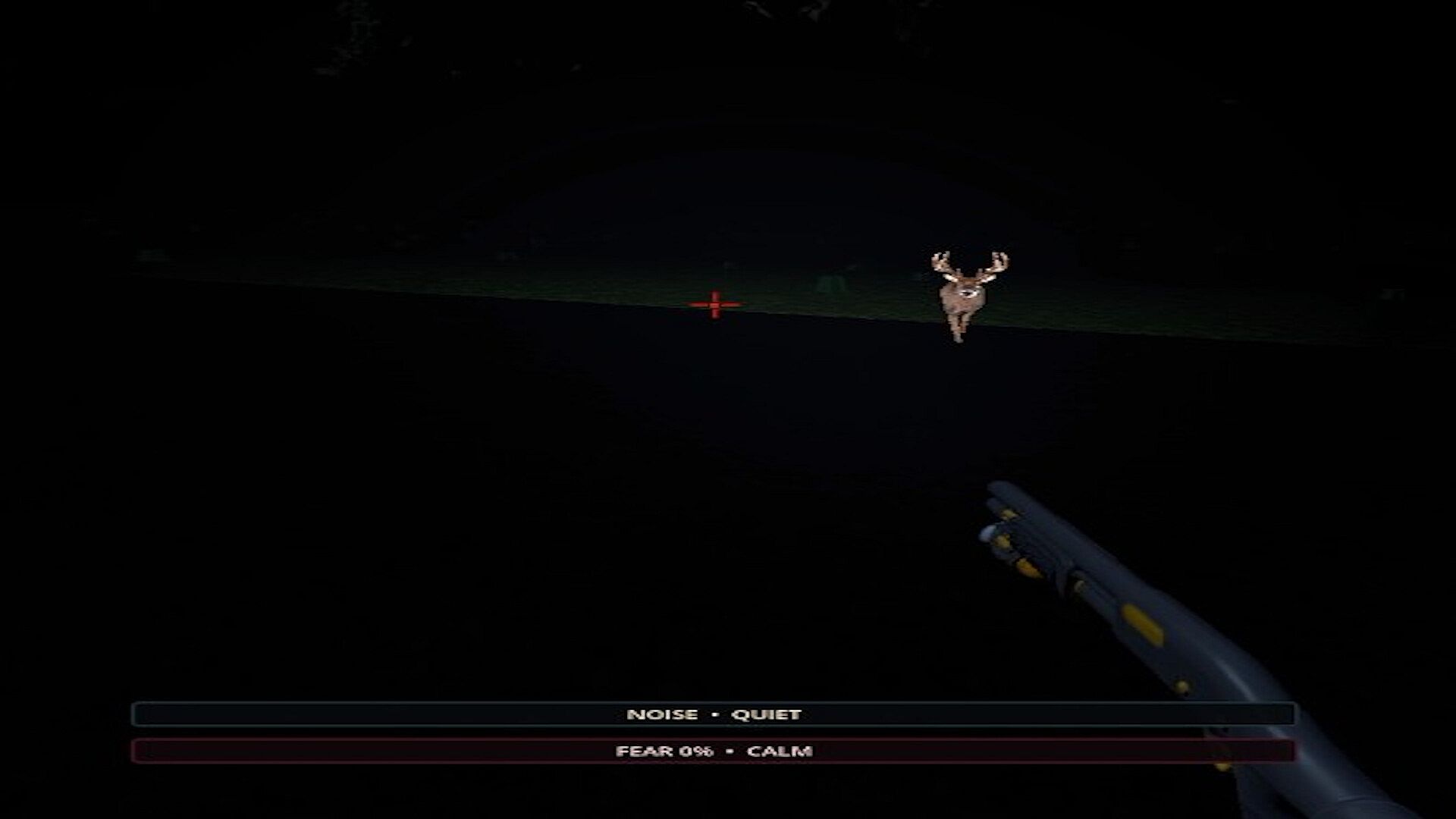
The creature itself operates through misdirection. It can imitate wildlife, blend with the surroundings, and appear from unexpected angles. Limited shotgun ammunition adds another layer of risk because friendly fire remains lethal in group situations. These elements combine to reward patience and awareness over aggressive play.
Game Modes
Solo mode delivers a focused survival horror experience against an adaptive AI opponent. The hunter stalks through deception, using disguises and timing to exploit moments of lowered guard. Randomized supplies, objectives, and encounters ensure each attempt feels distinct. Multiple difficulty settings allow players to adjust the intensity while still racing the midnight deadline to reach the car.
Multiplayer supports three to five participants in an asymmetrical setup. One player assumes the role of the Wendigo and can shift between four distinct forms. The Wendigo form enables direct hunting and feeding. The survivor form lets the creature blend into the group to undermine trust from within. The deer form provides quiet movement through the forest. The tree form allows the creature to merge with the landscape and strike when targets draw near. Survivors must complete objectives and regroup while questioning every approaching figure in the fog.
Matchmaking includes public lobbies, friend invitations, and private codes. Proximity audio heightens suspicion around every distant sound. Persistent deaths feed into spectator options and corpse interactions that further the creature's advantage.
The Appalachian Forest Setting
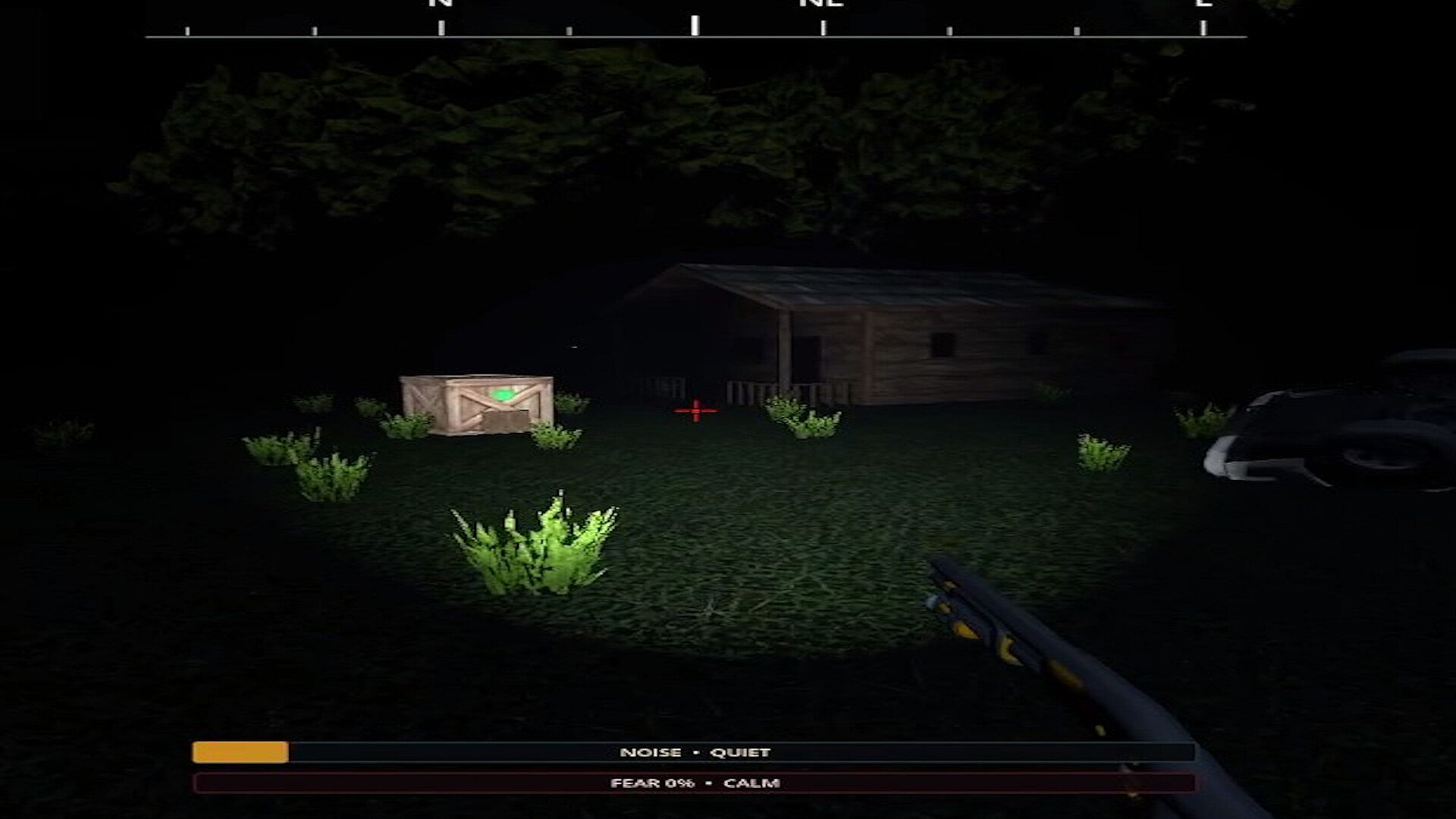
The hand built environment centers on dense woods dotted with abandoned structures. Cabins, campsites, and a ranger station serve as key points for scavenging. The layout supports both solo exploration and group coordination while leaving room for the Wendigo to maneuver undetected. Lighting from flashlights creates narrow beams that leave much of the surroundings in shadow, amplifying uncertainty about what hides just beyond visibility.
Atmosphere builds through subtle audio cues and the gradual increase in creature activity as the clock approaches midnight. Randomized elements in supplies and encounters keep the forest feeling unpredictable across repeated plays.
Is It Worth Playing?
The described systems point to a game suited for players who enjoy deliberate pacing and psychological pressure in horror settings. Solo sessions emphasize resource management and evasion against an intelligent hunter. Multiplayer sessions add social deduction and role shifting that reward coordination on one side and creative deception on the other.
Because the title remains in development with no released version yet available, concrete player feedback does not exist. Those drawn to asymmetrical experiences or tense single player survival will find the core loop and transformation mechanics align with established preferences in the genre. The combination of fear mechanics, limited resources, and form shifting creates distinct play patterns worth monitoring once the game reaches a playable state.












