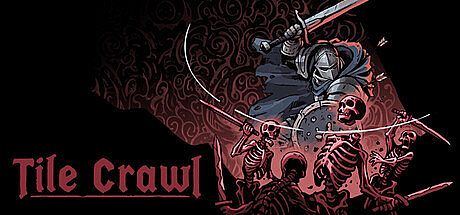



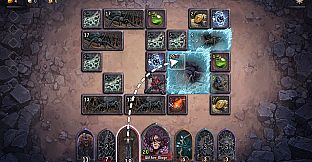
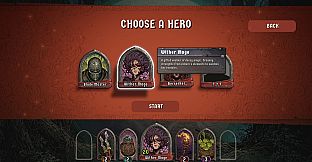
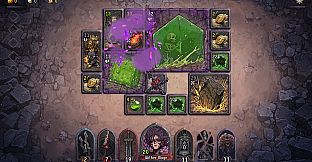
Tile Crawl is an indie tactical roguelite for PC that places players in a world where an unknown force twists creatures into monstrosities and weakens metals, forcing careful combat with fragile weapons. The game emphasizes spatial battles on grid-based battlefields, free exploration across regions, and an unfolding campaign that carries progress between runs rather than resetting entirely. Limited to six Relics at a time, each run becomes a puzzle of positioning, exact damage matching, and environmental interaction.
Gameplay
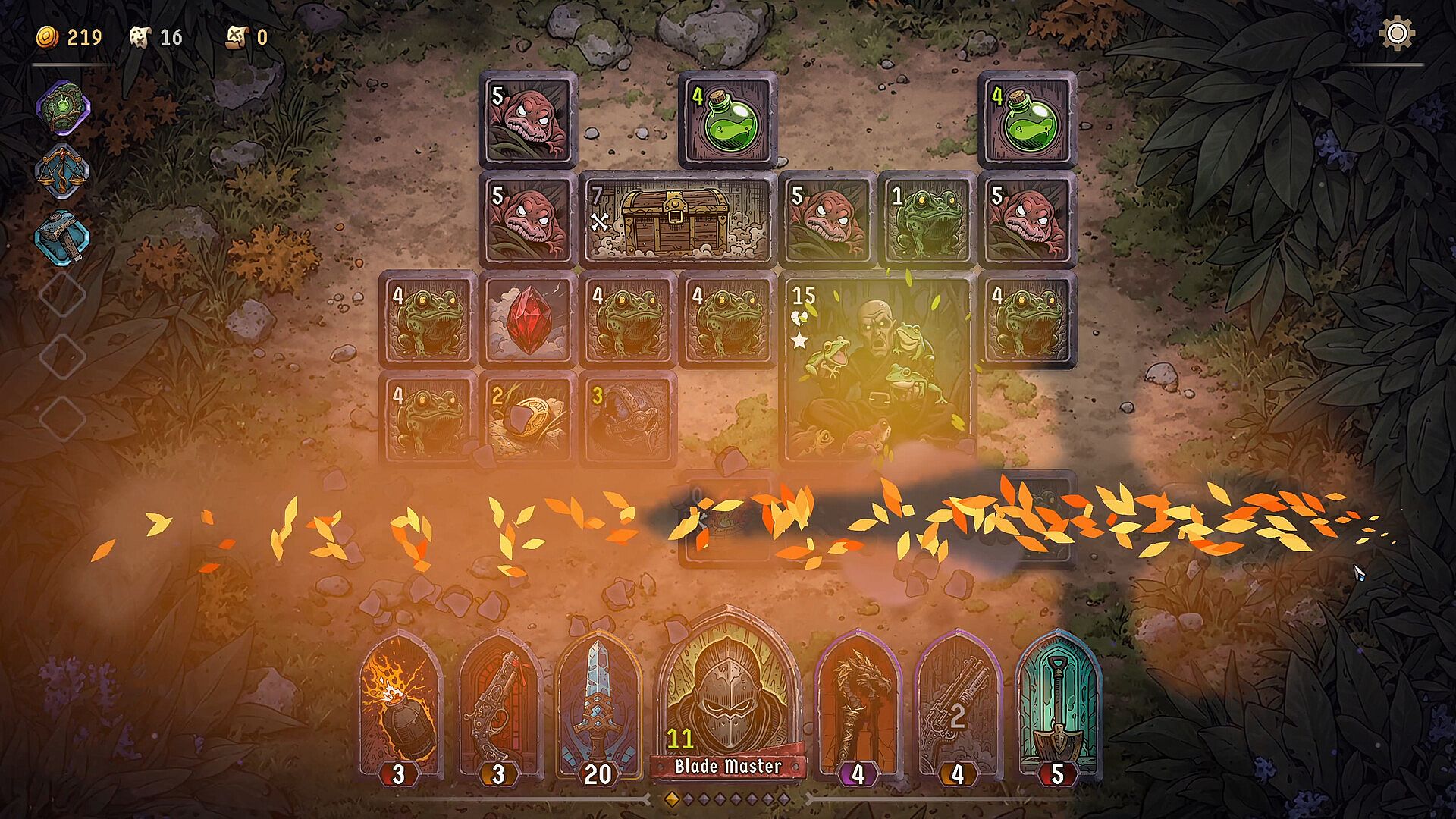
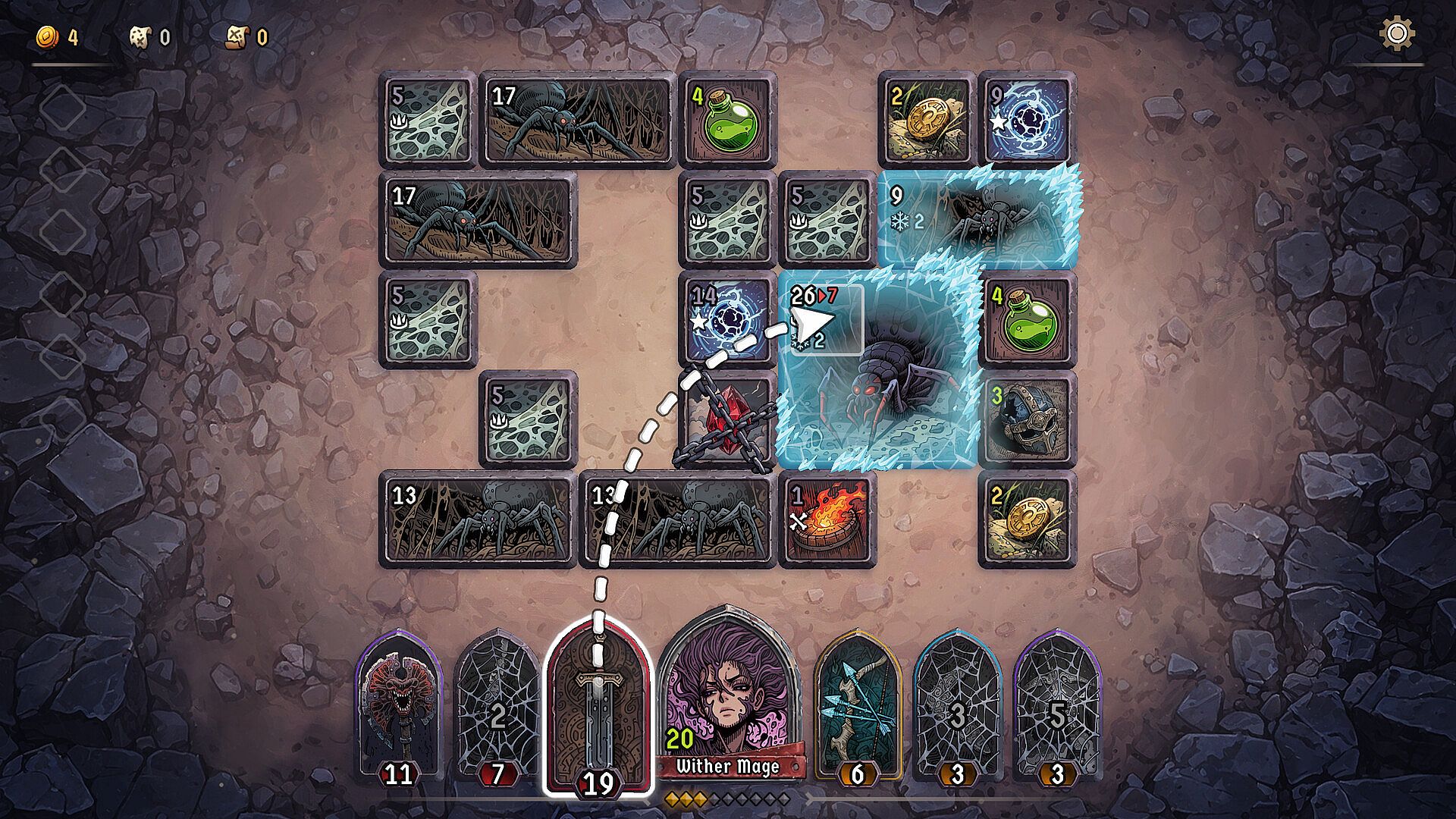
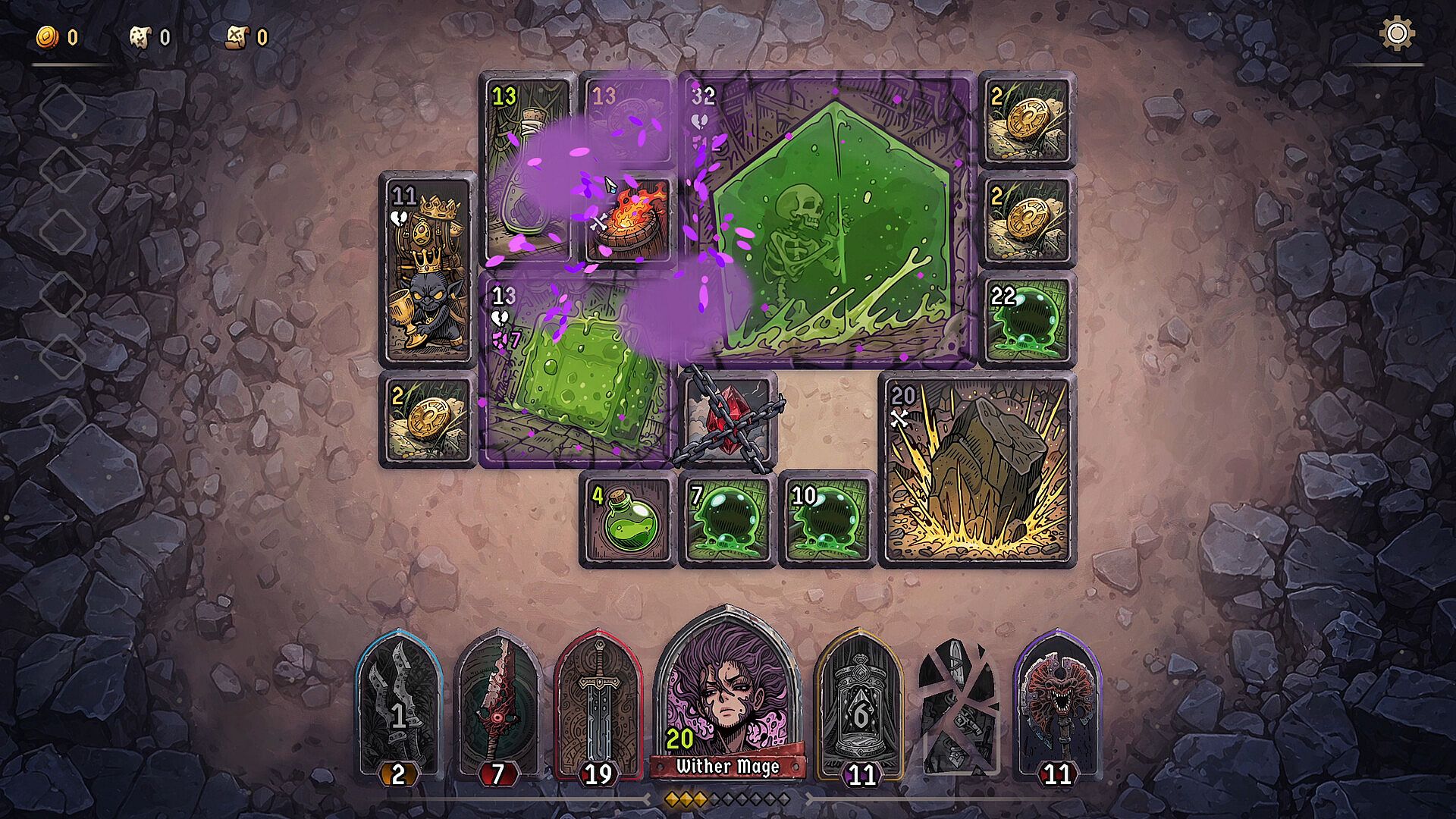
Combat unfolds on individual boards packed with enemies alongside interactive elements such as gold piles, healing spots, chests, allies, and explosives. Players position their hero and Relics to trigger Perfect Hits by dealing damage that exactly matches an enemy's current strength. This often requires preparatory steps like weakening foes, temporarily strengthening them, or even self-damage to align numbers precisely. Blind attacks cause Relics to break quickly, so every action demands calculation.
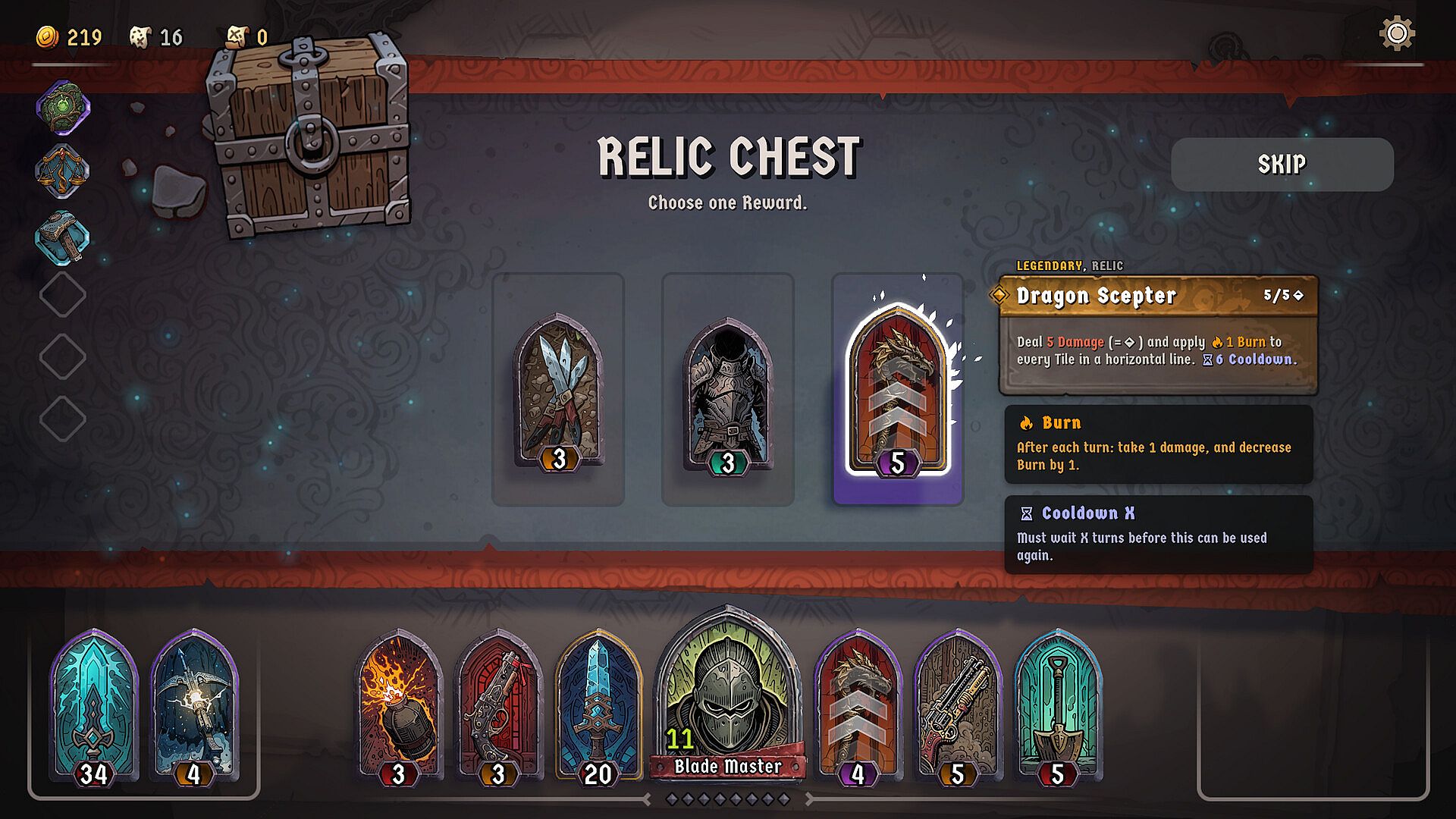
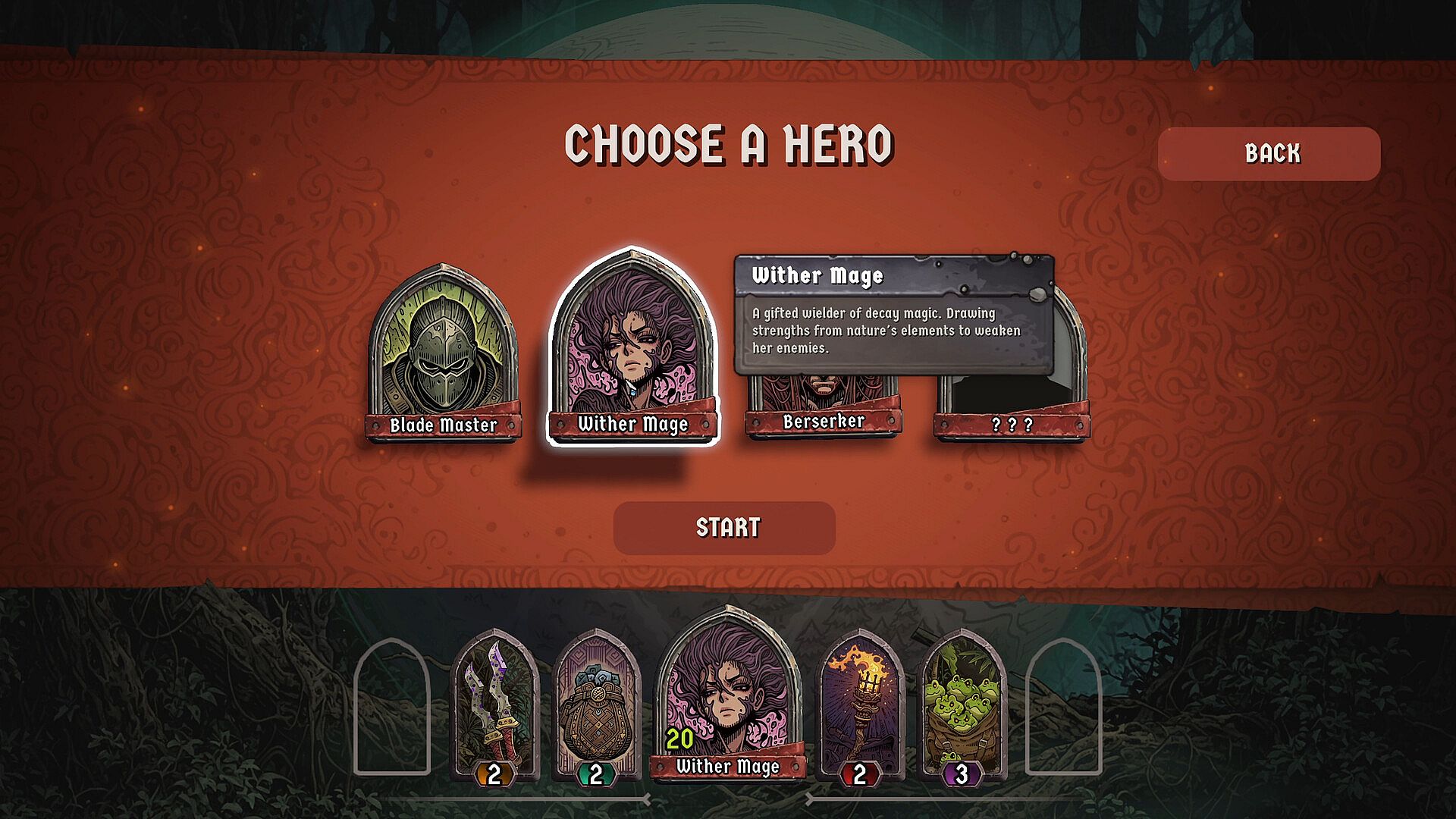
Heroes function as active Relics in battle and each of the four available options carries a unique ultimate ability plus dedicated upgrade paths. The six-item limit keeps the entire arsenal visible on screen at all times, eliminating decks or hidden RNG. Relics themselves are upgradable and varied, ranging from conventional tools to unconventional ones like a Bag full of Toads that gains power through clever application rather than raw power.
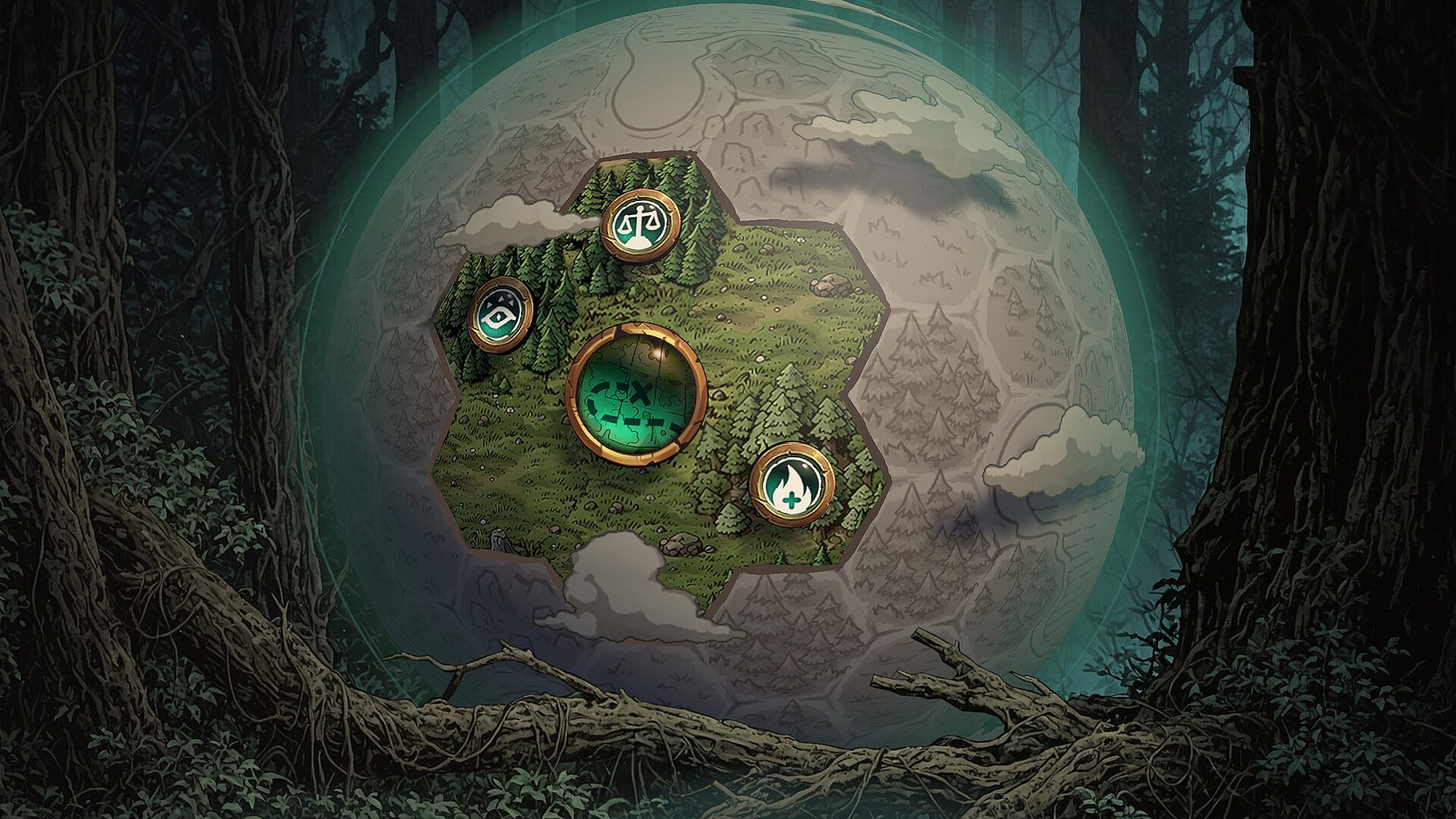
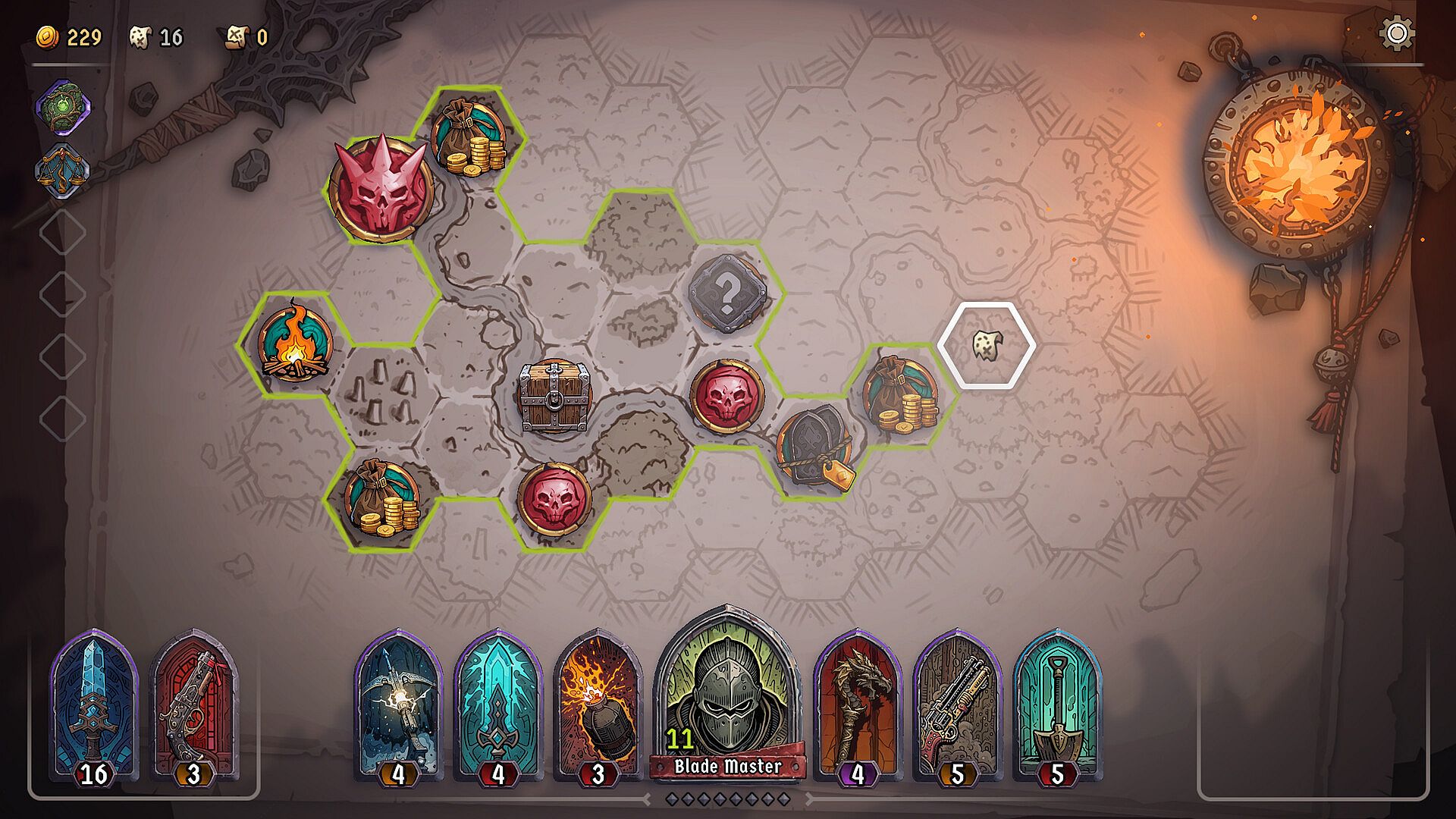
Exploration allows free movement across areas without rigid branching paths. Players decide routes, investigate locations, and decide when to face the regional boss. Not every site can be visited in a single journey, which adds weight to choices. Between runs the world advances into more dangerous territories while new heroes, gear, and passive upgrades become available, expanding options without discarding prior progress.
Game Modes
The core experience centers on single-player runs through an unfolding world. Each attempt builds on previous successes by unlocking content that persists across attempts, creating a campaign-like structure within roguelite boundaries. Players select heroes, manage limited Relics, and navigate spatial battles while deciding exploration priorities. The absence of traditional branching paths encourages deliberate route planning and repeated attempts to uncover different combinations of locations and upgrades.
Environmental factors on each battlefield serve as additional tools or hazards, turning fights into layered puzzles rather than straightforward brawls. The fixed six-Relic inventory forces constant evaluation of which items to carry and how to apply them for Perfect Hits instead of relying on volume of attacks. This setup supports methodical playstyles focused on positioning and number alignment over rapid button mashing.
Core Mechanics and Progression
Relics degrade with use, reinforcing the need for precision over repeated strikes. Upgrades and passive bonuses gained through the unfolding world allow players to experiment with new combinations while retaining the core constraint of six items. The four heroes provide distinct playstyles through their ultimate abilities and upgrade trees, encouraging multiple runs to test different approaches against increasingly challenging regions.
Battlefields reward creative use of the environment, where explosives or allies can shift the outcome more effectively than direct Relic strikes in some situations. The exact-damage requirement for Perfect Hits introduces a layer of tactical depth that rewards observation of enemy stats and careful sequencing of actions. This system remains consistent across all encounters, keeping focus on spatial awareness and resource management.
Is It Worth Playing?
Tile Crawl suits players who enjoy tactical roguelites with puzzle elements and persistent progression rather than pure randomization. The emphasis on exact damage matching, limited inventory, and free exploration creates a deliberate pace that rewards planning and adaptation. With four distinct heroes and an expanding set of Relics and upgrades, the game offers replayability through different combinations and route choices in its unfolding regions.
Those drawn to spatial combat and environmental interaction will find the battlefield design engaging, while the fragile Relic system discourages reckless play. As an indie title still approaching release, it currently lacks widespread player feedback, but the described mechanics align with fans of thoughtful single-player experiences that blend roguelite structure with puzzle-like decision making. Availability on PC makes it accessible for those interested in the genre's strategic side.