

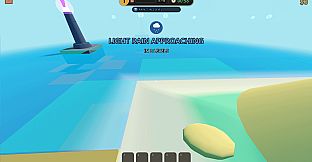
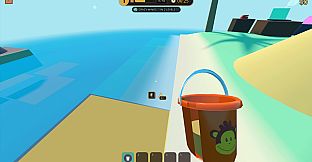
Tile The Sea is a single-player simulation game that blends time-attack pressure with roguelite progression on PC. Players fill sections of the ocean with sand, haul and place tiles, and extend structures across open water before a countdown expires. The core loop centers on quick decisions that expand territory, gather resources, and push further with each attempt.
Gameplay
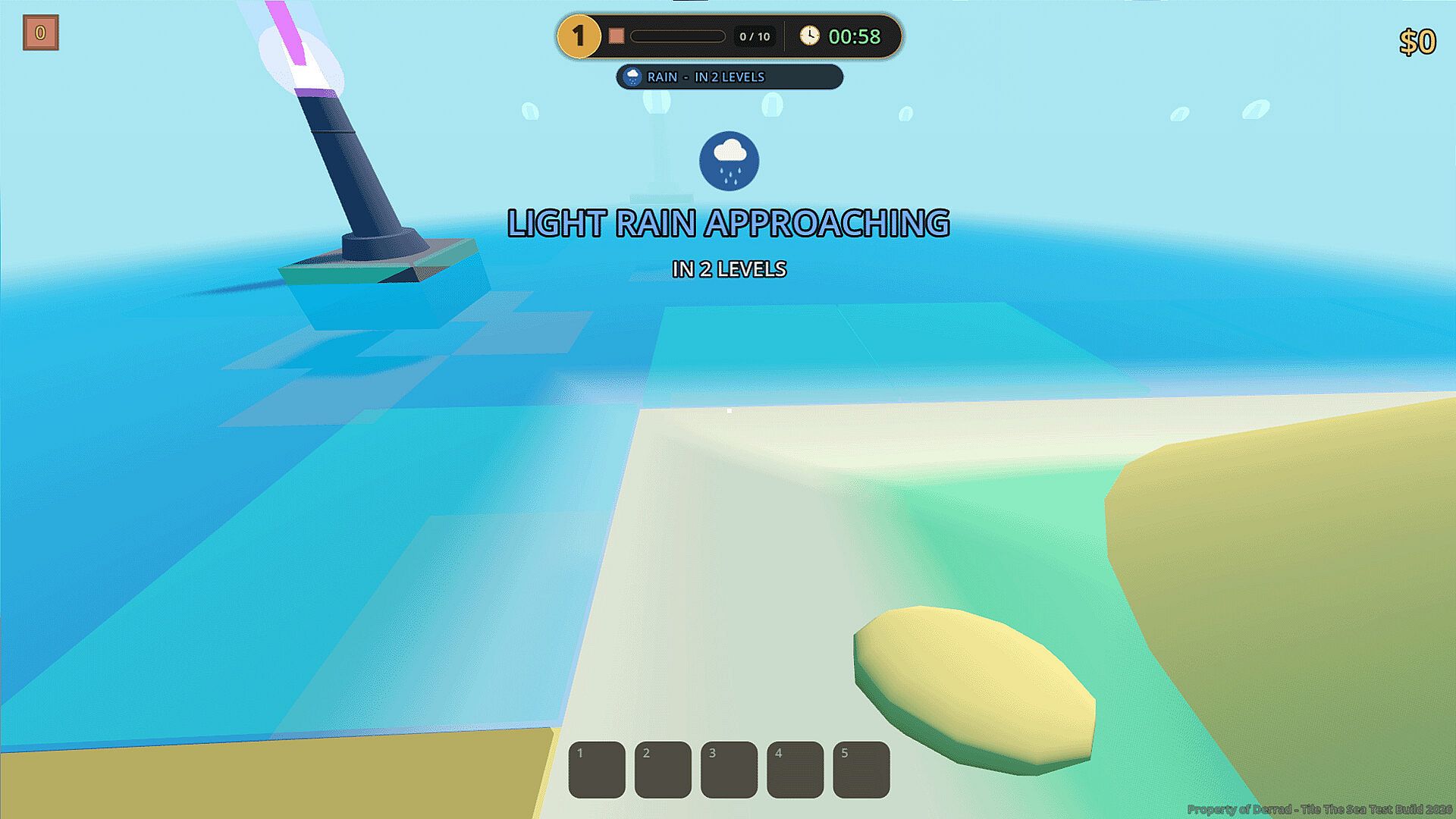
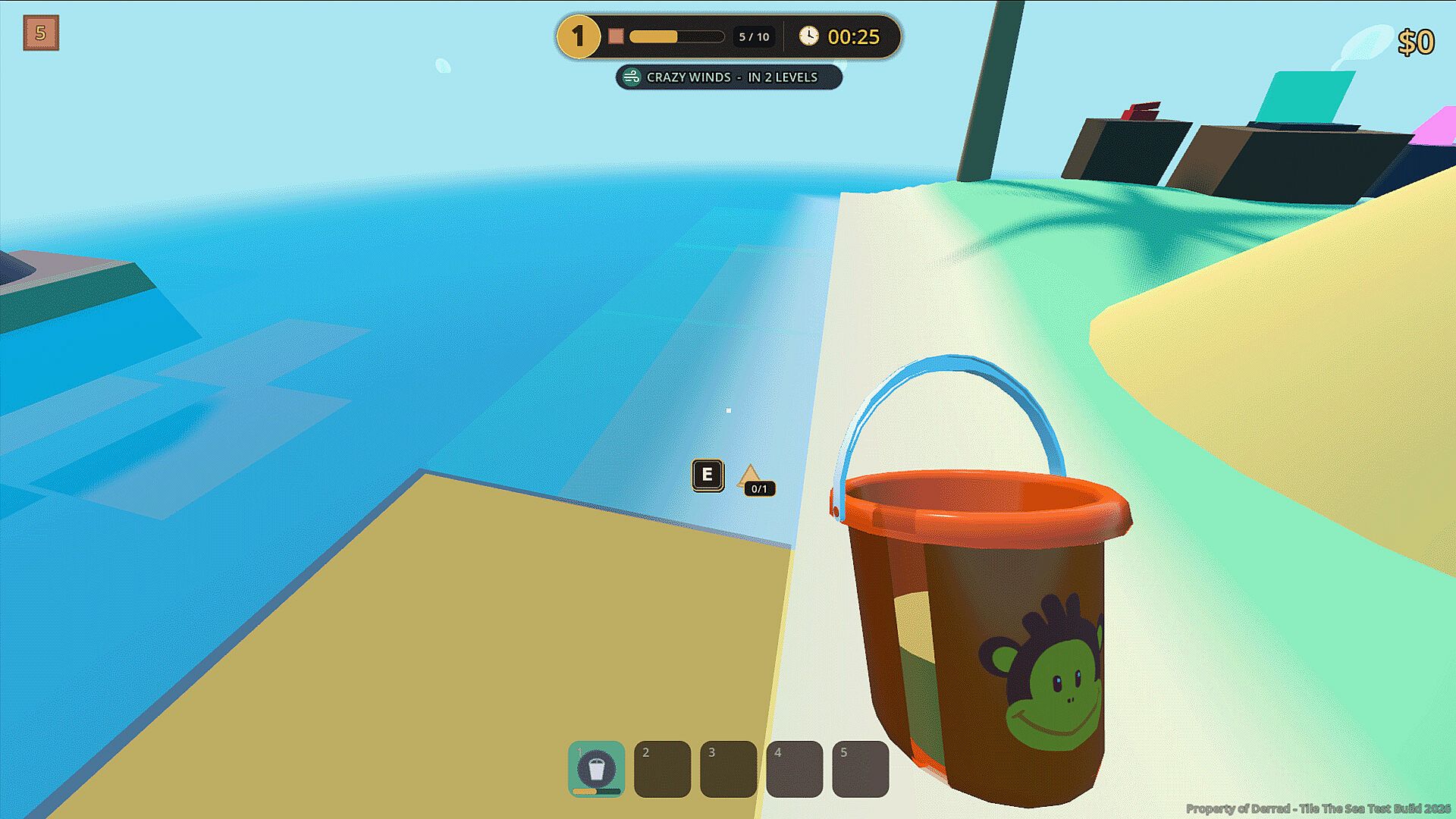
The experience unfolds as a race against the clock. Each run begins with an empty stretch of sea that must be filled and built upon using hauled tiles. Sand placement creates stable foundations, while tile hauling and positioning extend pathways and platforms outward. Time limits force rapid choices about where to expand next and which opportunities to pursue before the run ends.
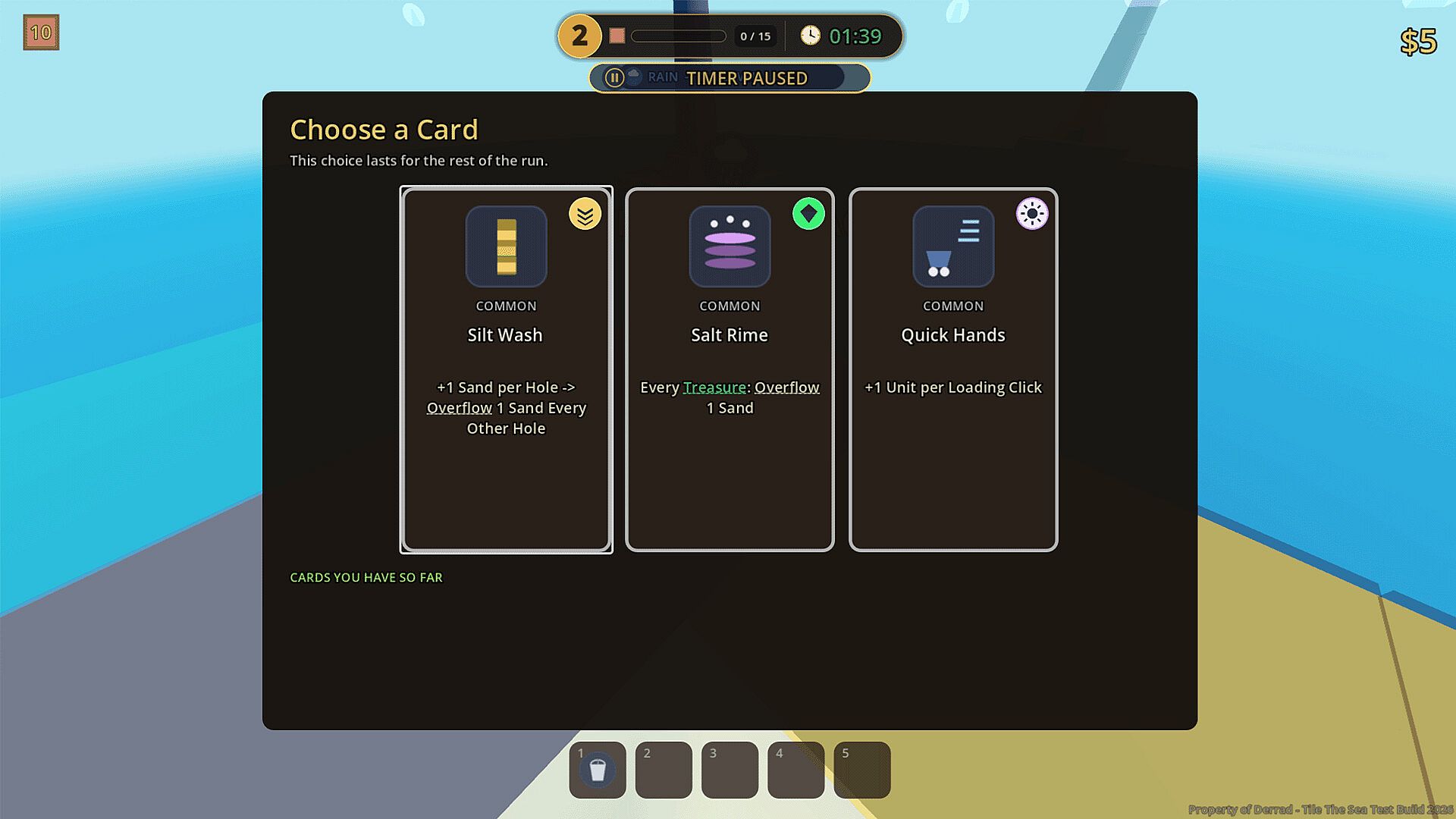
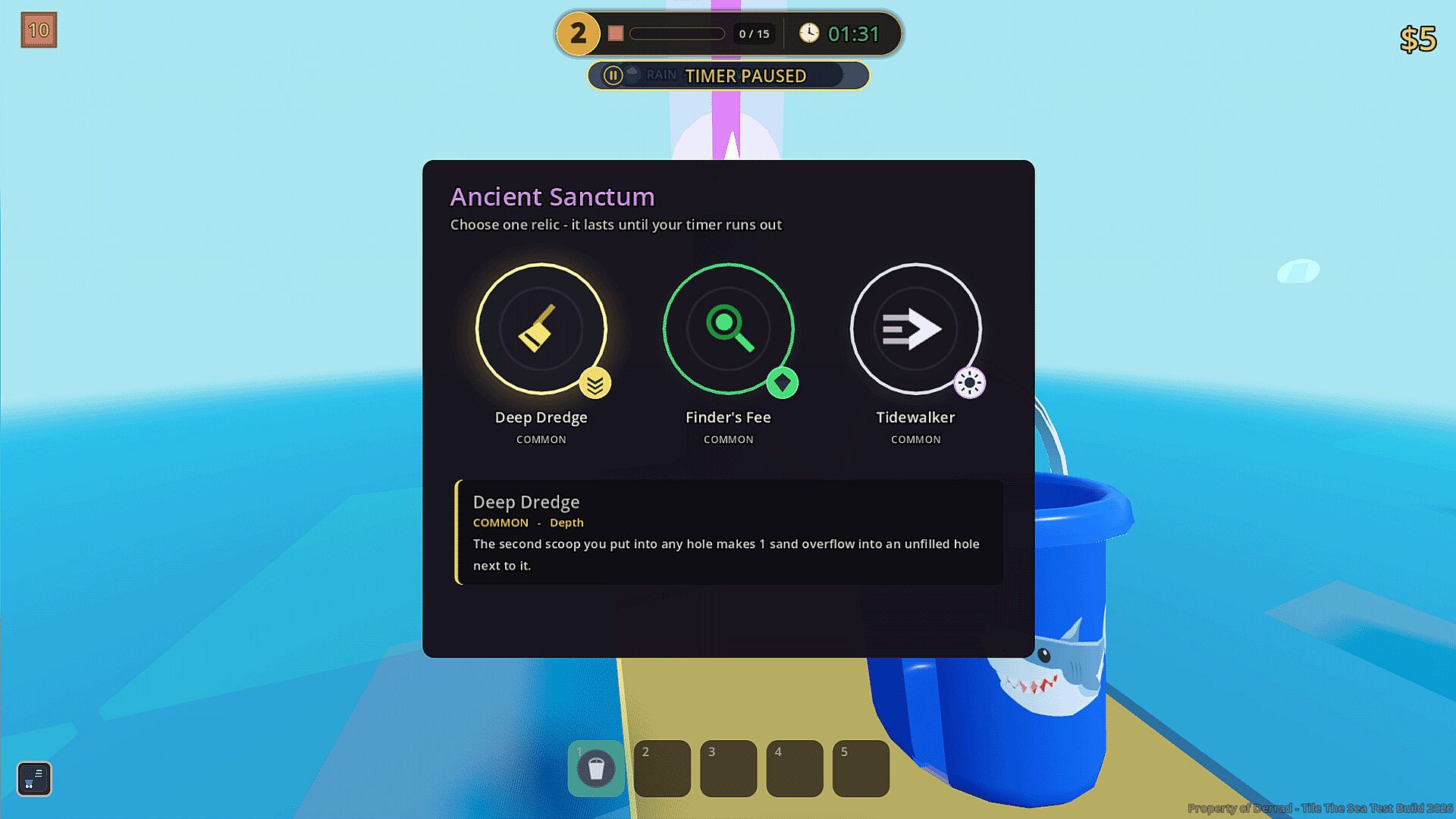
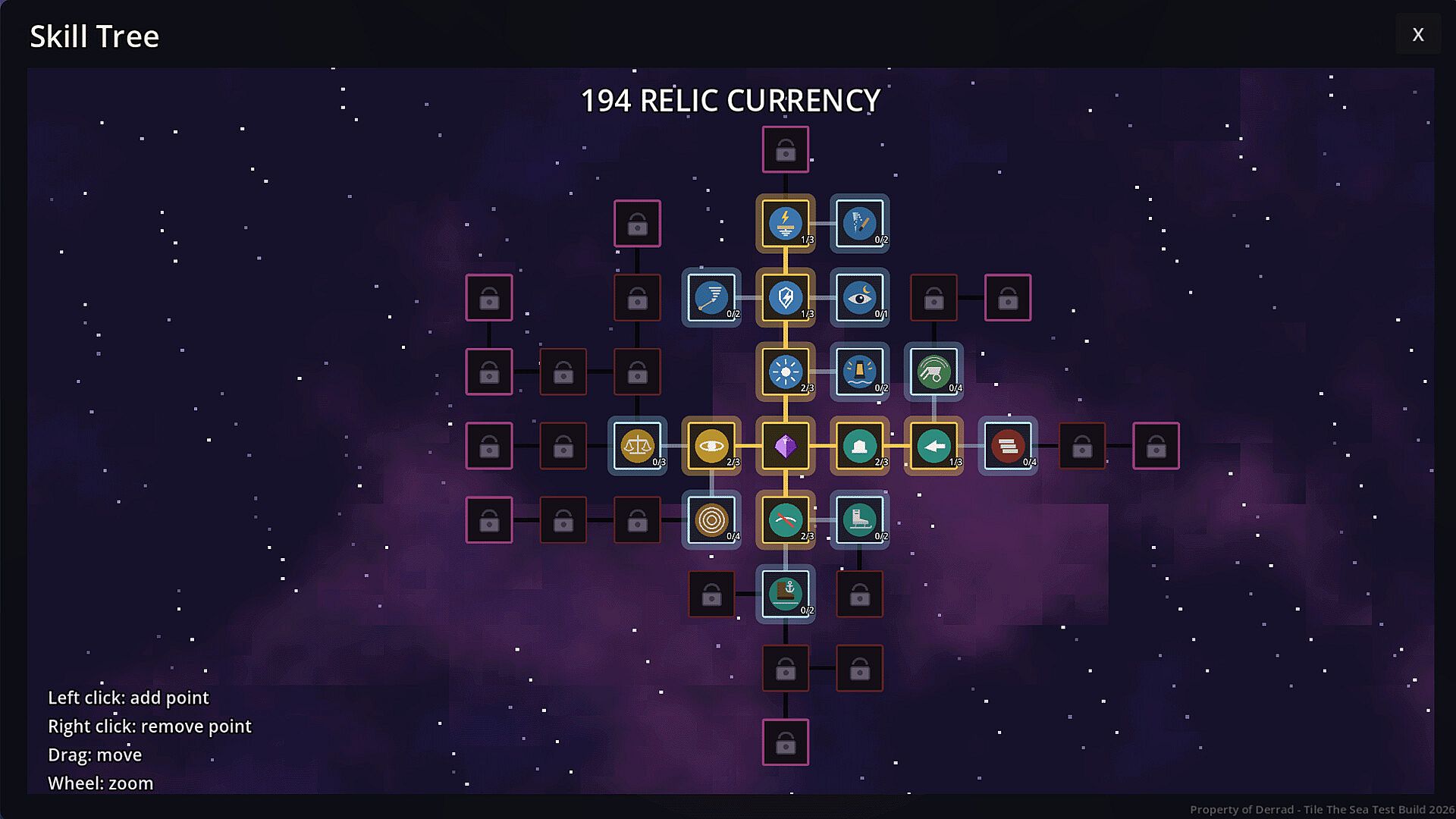
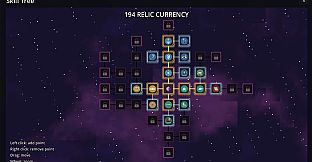
Card drafting introduces variety into every attempt. Players select from available options to influence tile types, resource gains, or temporary advantages. Relics appear as powerful, run-altering items that modify how sand fills space, how tiles connect, or how money accumulates. These elements combine to support increasingly complex arrangements that reward experimentation with placement order and resource management.
Progression across runs emphasizes building momentum. Money earned from successful tile placements and extensions carries forward in limited ways, while relics and card synergies encourage players to refine approaches. The result is a loop where each attempt tests speed and spatial planning under tightening constraints, with the goal of reaching farther across the sea than before.
Game Modes
Tile The Sea operates as a single-player roguelite focused on repeated time-attack runs. Each session challenges players to maximize tile coverage and distance traveled before the timer reaches zero. The structure emphasizes individual performance, with no cooperative or competitive multiplayer elements confirmed.
Runs reset upon failure or completion, allowing fresh starts that incorporate lessons from prior attempts. The emphasis remains on optimizing sand placement, tile hauling efficiency, and strategic drafting to extend further each time. This format supports repeated play sessions centered on personal improvement and discovery of effective combinations.
Core Mechanics and Progression
Tile placement forms the foundation of every run. Players haul tiles from available sources and position them to create connected structures that advance across the water. Sand serves as the filler that stabilizes new areas, enabling additional tile work before time expires. Efficient management of these elements determines how much progress occurs within the allotted window.
Resource systems tie directly into the building process. Money generated from completed sections funds further expansion or upgrades that influence future runs. Relics add layers of strategy by altering core rules, such as changing tile behavior or boosting yields from specific actions. Card drafting provides the immediate choices that shape each attempt, creating opportunities for varied paths through the same core systems.
Is It Worth Playing?
Tile The Sea targets players who enjoy roguelite runs combined with spatial building under time pressure. The single-player format delivers focused sessions where success depends on quick spatial decisions and effective use of drafted cards and relics. Because the game remains in a coming-soon state with no user reviews available, its appeal rests on the described mechanics of filling ocean space, hauling tiles, and pushing for greater distances.
Those drawn to simulation experiences that reward iterative improvement and creative build experimentation may find the time-attack structure engaging once released. The emphasis on creating game-breaking combinations through relics and cards offers depth for players who like refining strategies across multiple attempts. Availability on PC supports straightforward access for interested audiences when the title launches.