

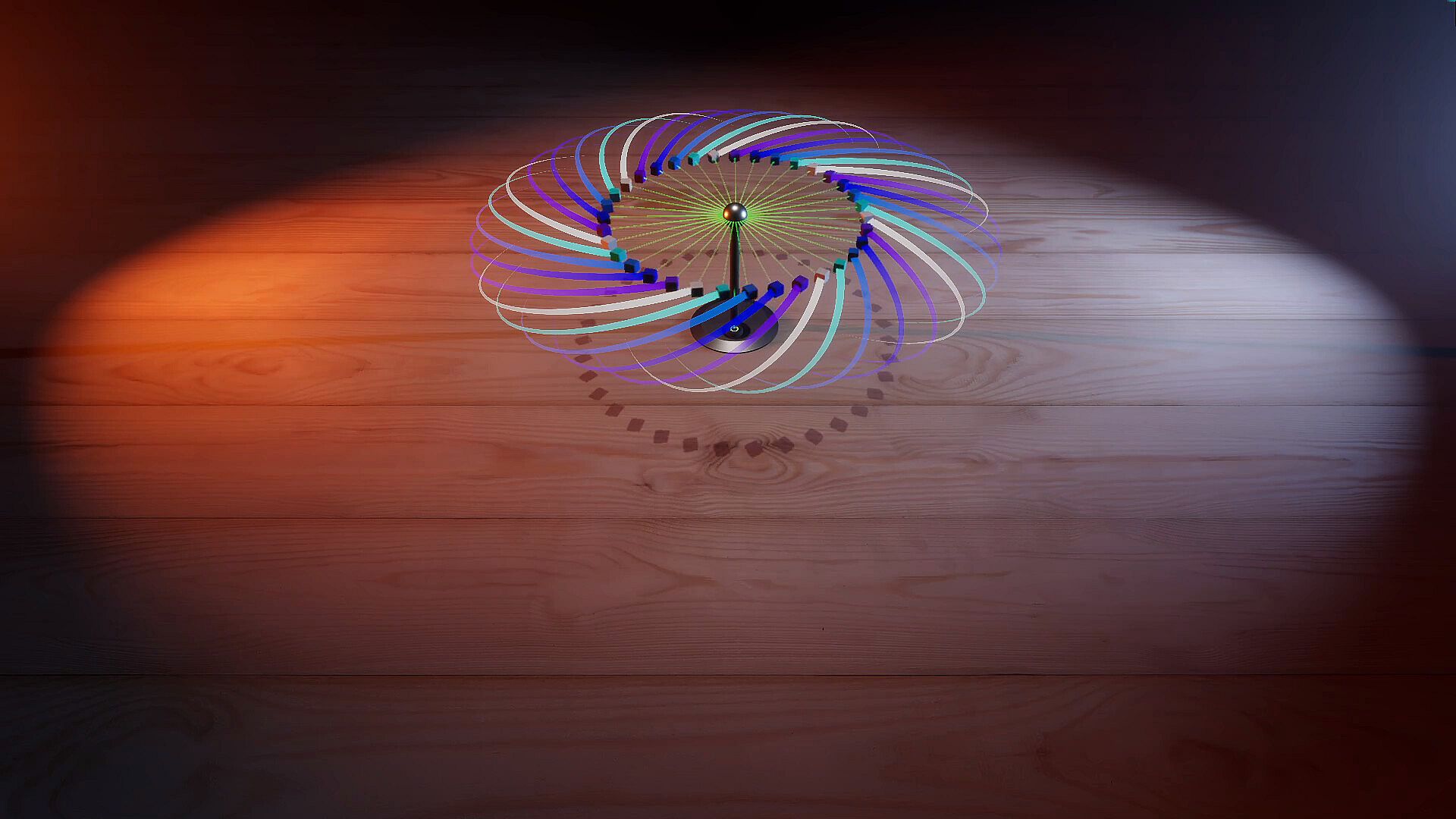
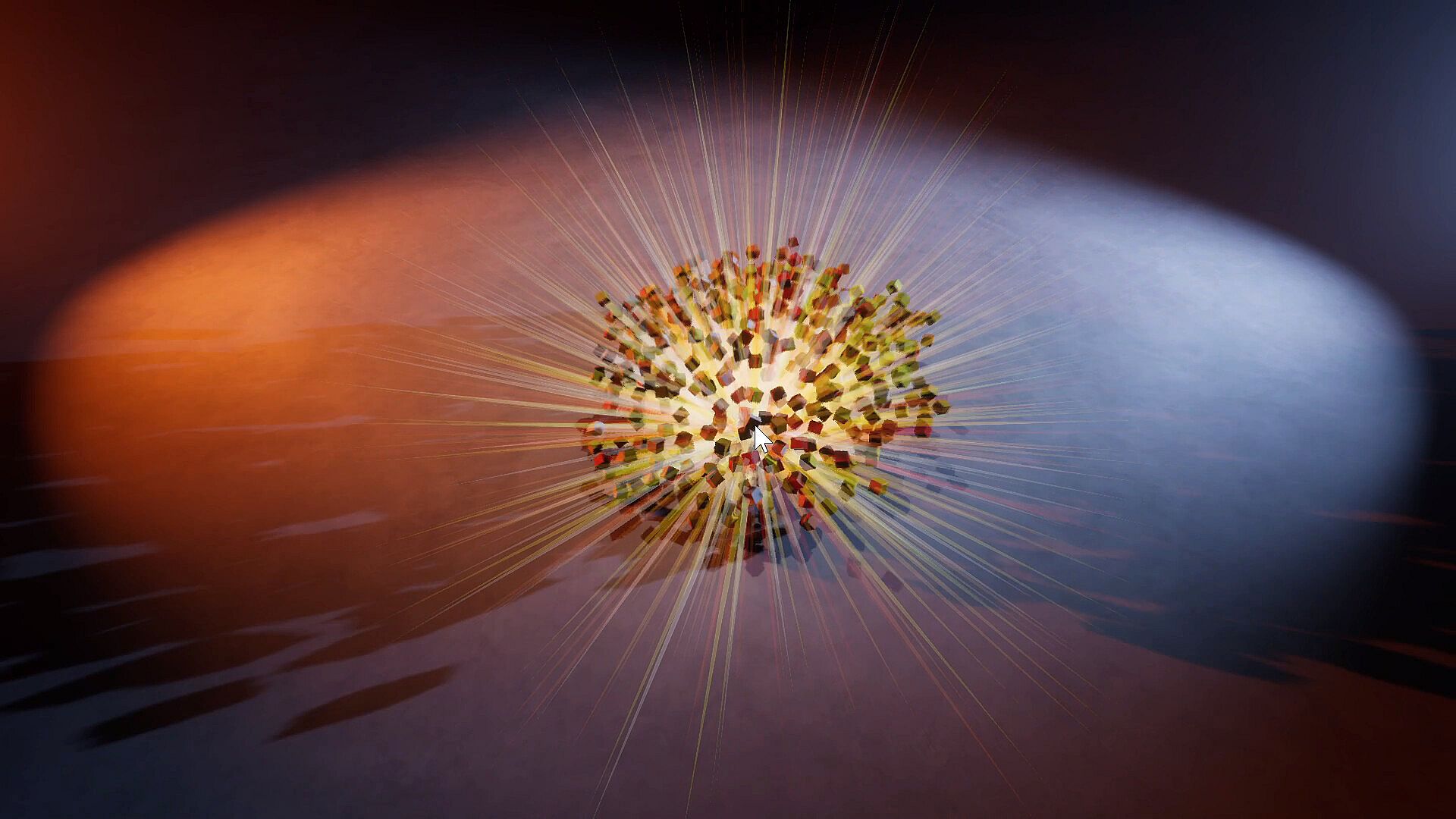
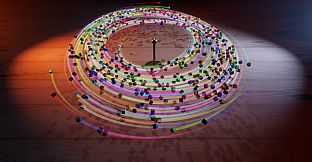
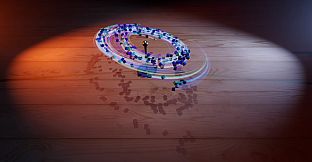
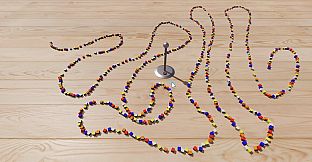
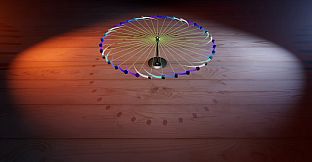
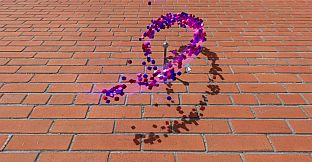
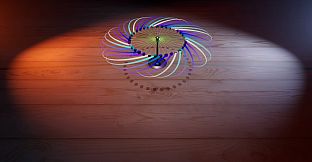
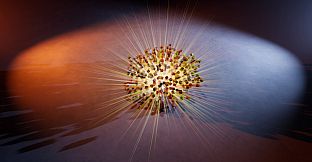
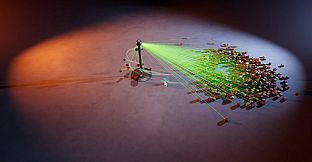
Tiny Chaos Simulator is a physics-based simulation game for PC that puts players in control of a contained sandbox filled with objects and forces. Users create setups ranging from simple, soothing arrangements to elaborate displays of colliding elements and competing influences, all unfolding in real time.
Gameplay
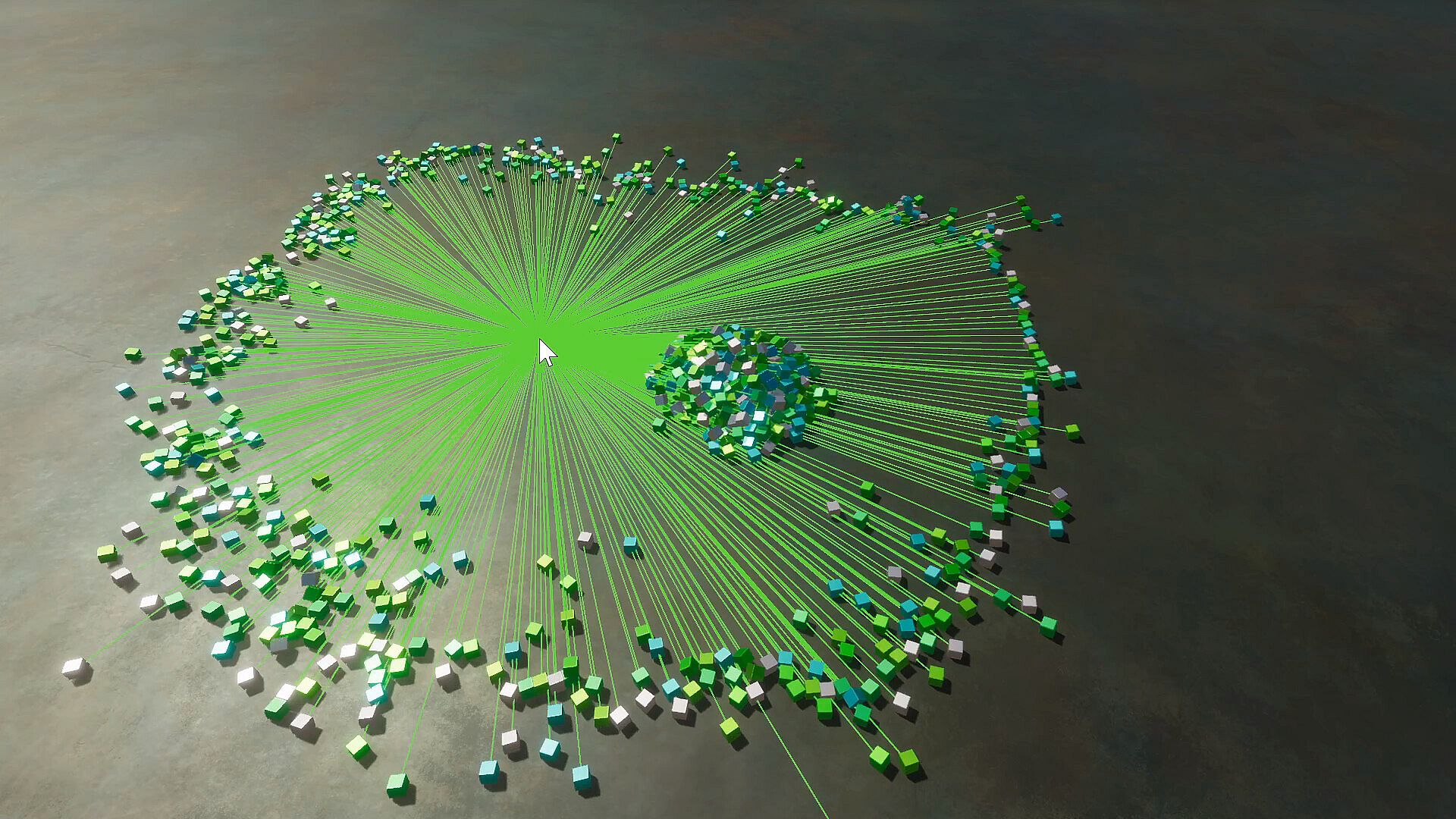
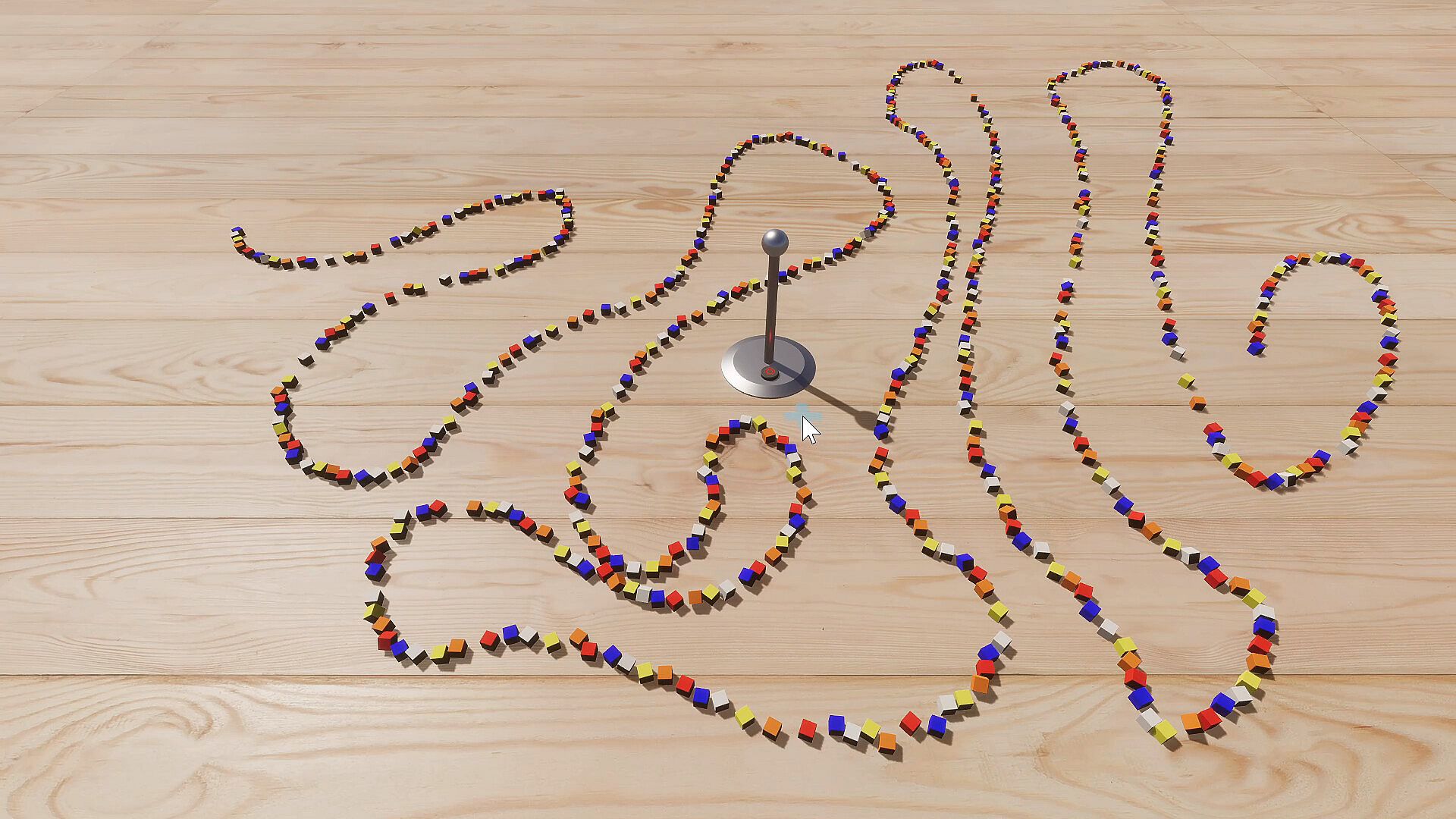
The core experience centers on placing and manipulating balls and cubes within a bounded area. Players draw these objects directly into the scene and then use click-and-drag controls to gather them or scatter them across the space. These basic interactions often produce intricate patterns and movements that emerge naturally from the physics rules.
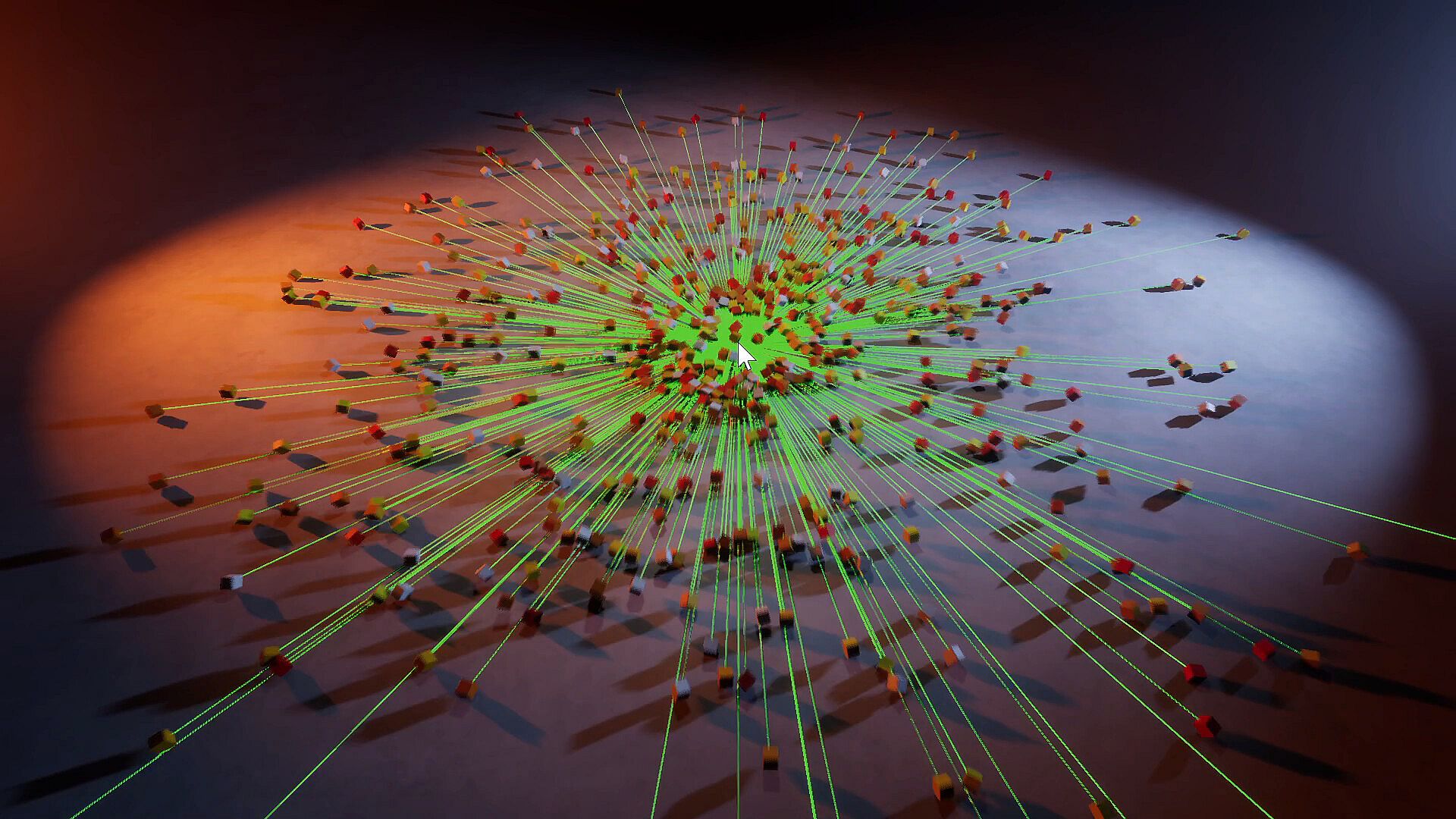
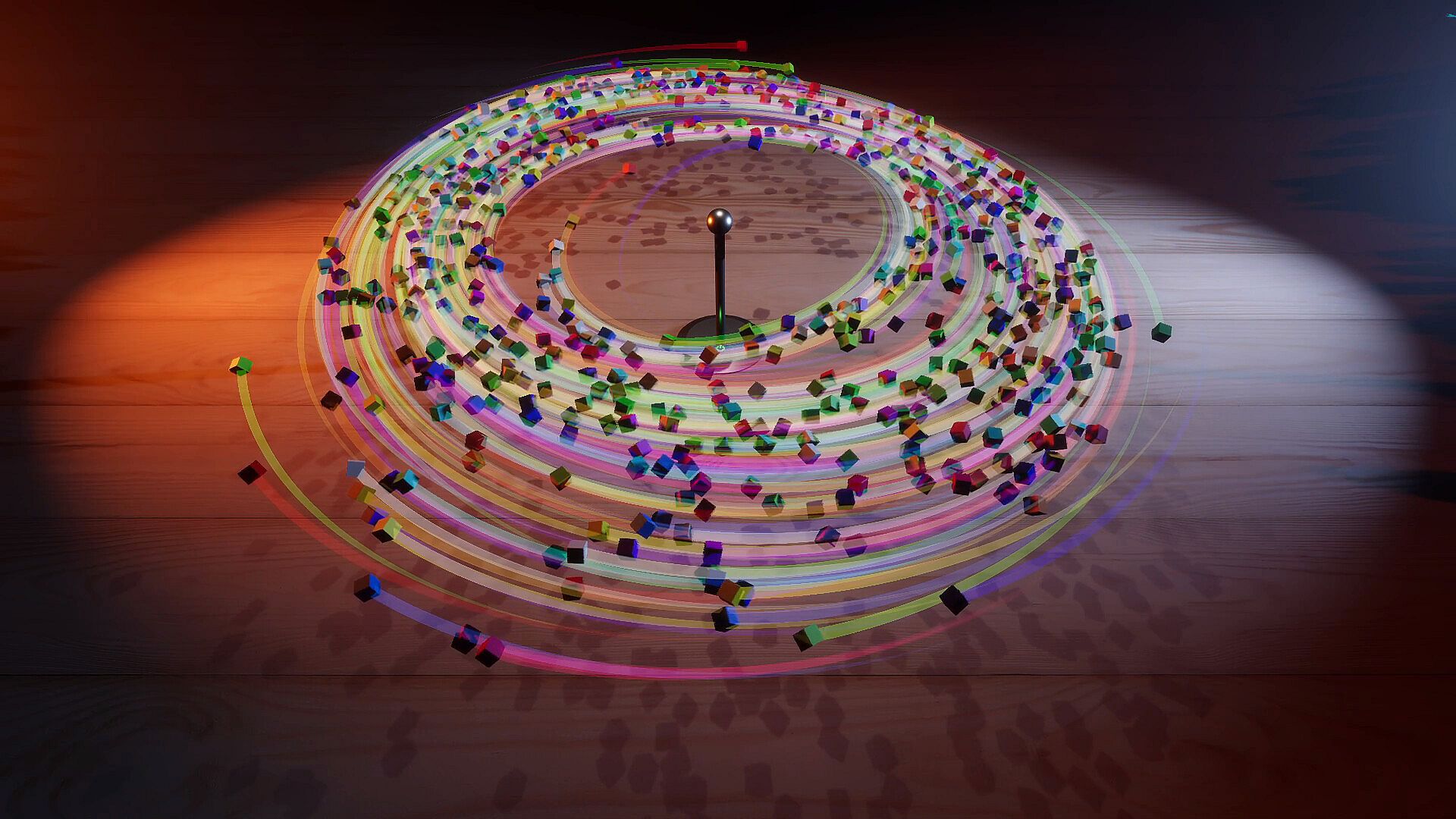
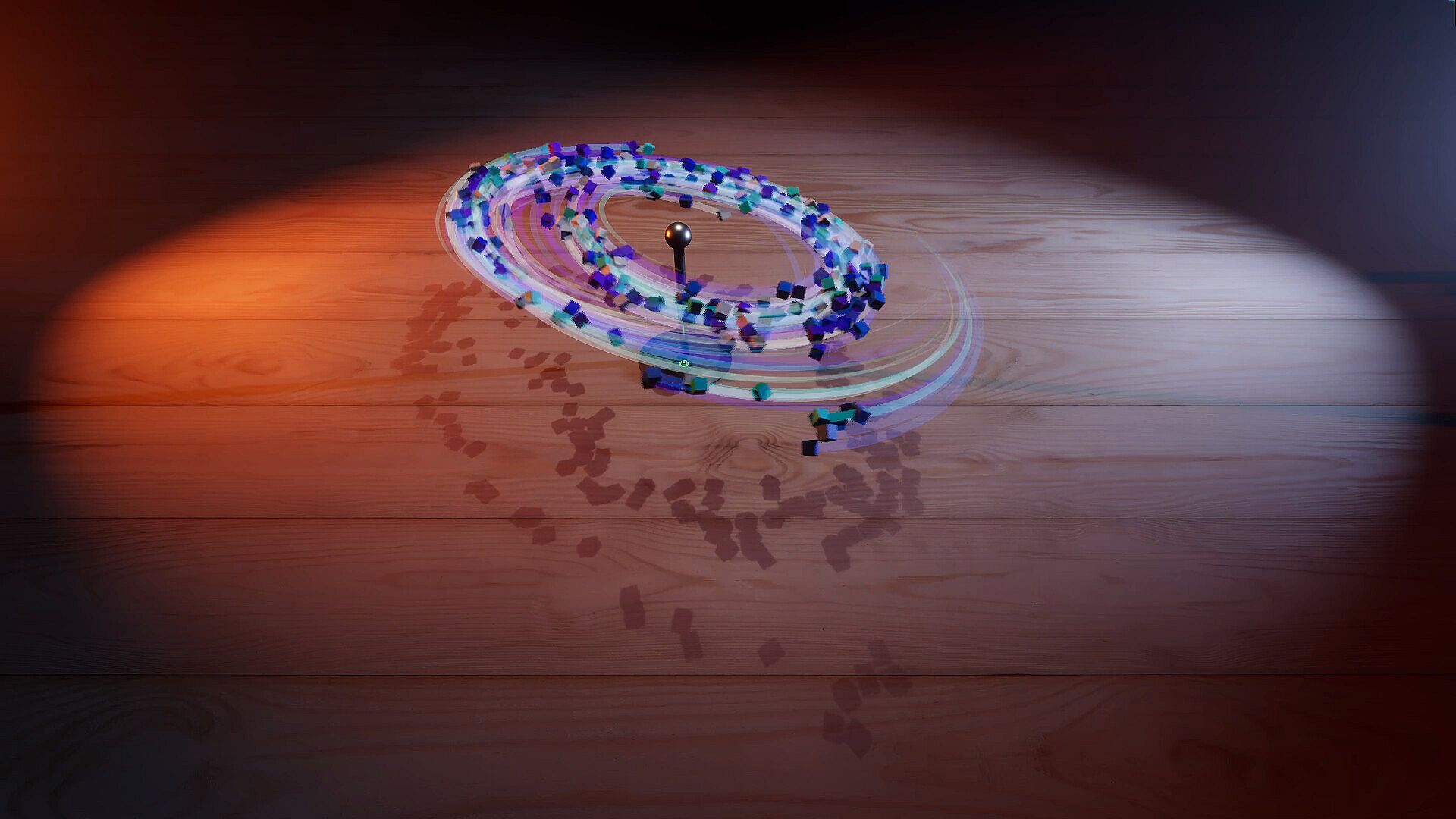
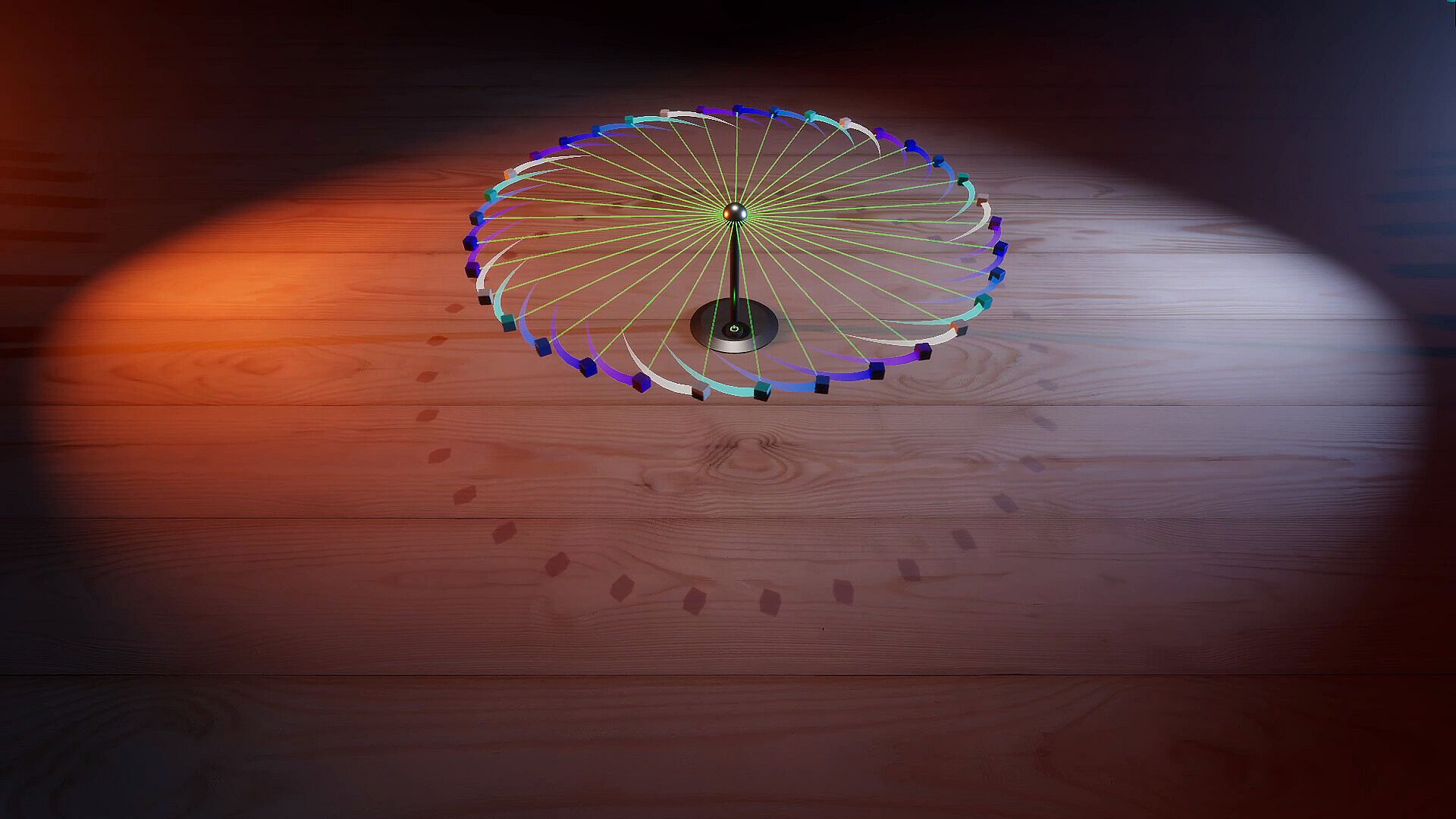
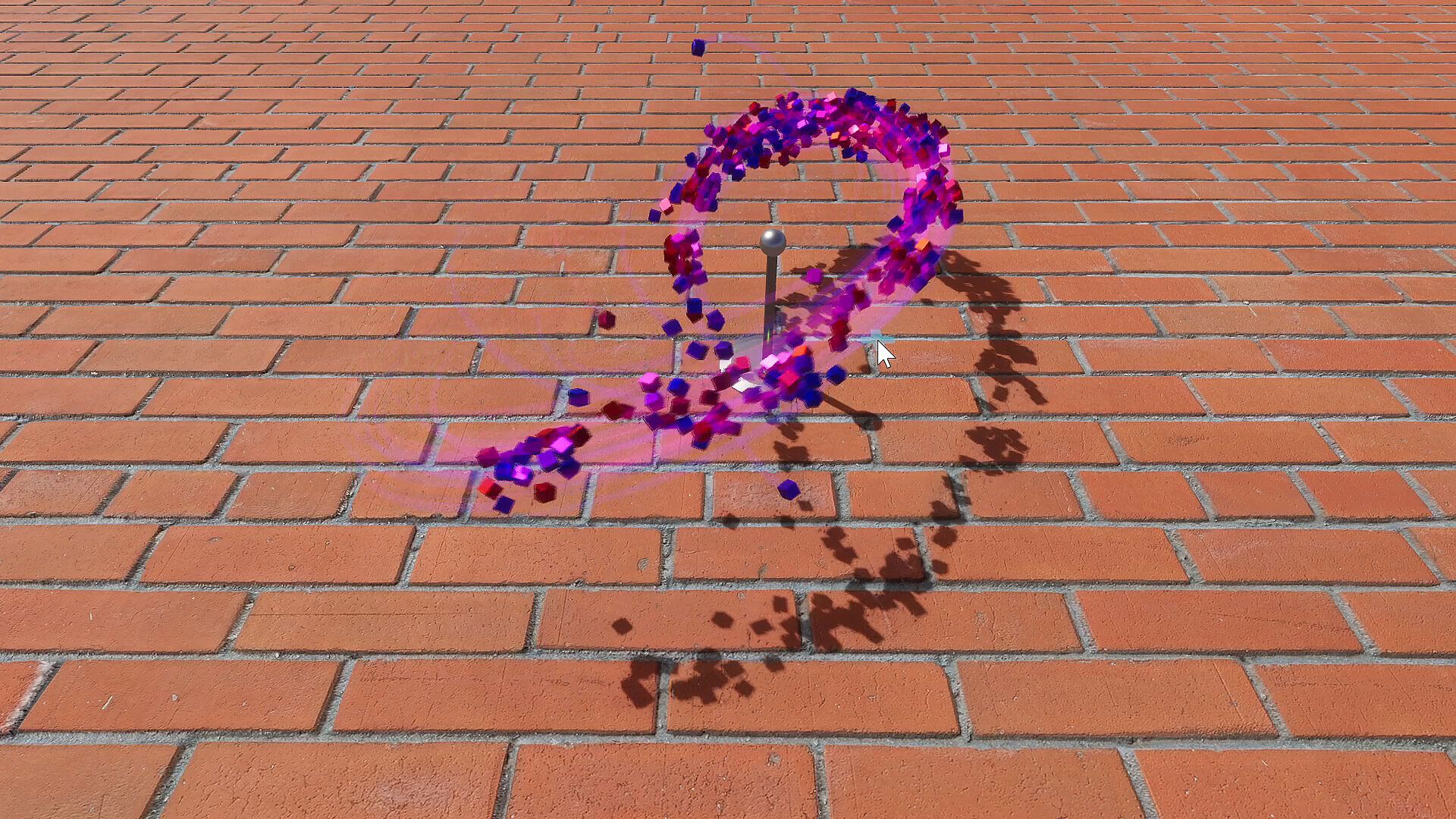
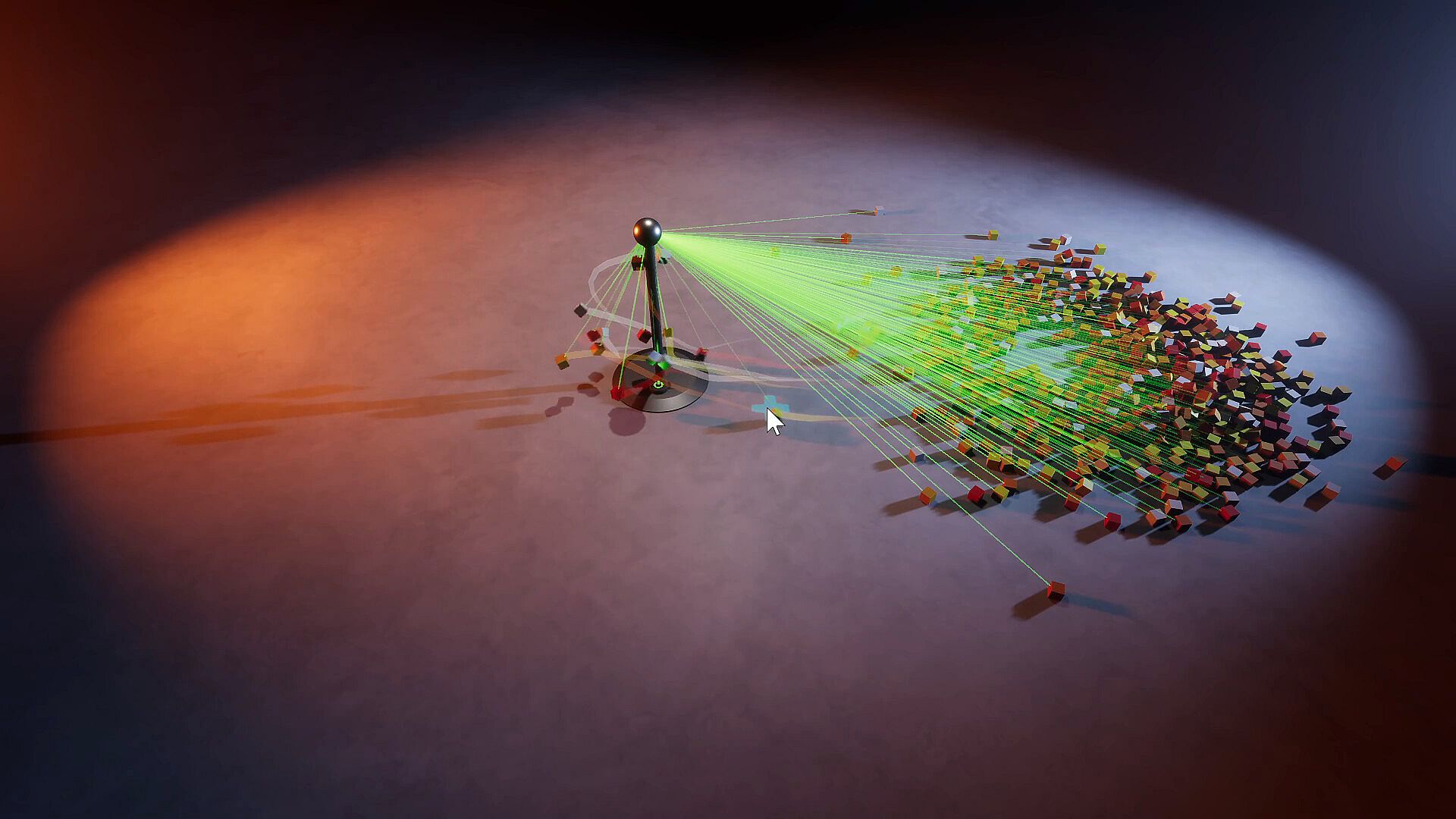
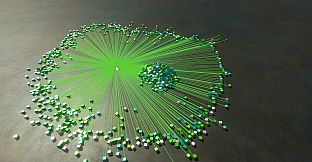
Force generators form a key layer of depth. Each one influences objects in a defined zone, with options including attract, repel, vortex, antigravity, float, and additional variants. Multiple generators can overlap to generate layered effects where objects respond to several influences simultaneously, creating unexpected trajectories and clusters.
Visualization tools make the underlying systems visible. Activating force fields displays their reach and direction, such as green indicators for attraction zones. Adjustable parameters for time scale and overall gravity further modify how the simulation behaves, allowing slower observation of fast events or altered weight dynamics on the objects.
Object emitters add ongoing activity by launching new balls or cubes at chosen locations and intervals. These can incorporate visual enhancements like trails along with surface materials such as matte, metallic, or glow finishes, resulting in varied appearances during movement and collisions.
Lighting choices and floor material selections complete the presentation. Different light setups alter the mood and visibility of the scene, while floor options influence how objects interact with the base surface, affecting bounces or slides in subtle ways.
Game Modes
Tiny Chaos Simulator operates as an open sandbox without predefined competitive or narrative modes. Players freely experiment by combining the available tools in any order or quantity, building and refining setups on the fly. The emphasis remains on iterative creation and observation rather than structured challenges or win conditions.
Real-time feedback encourages repeated adjustments. A single session might begin with a minimal arrangement of objects and forces, then expand through added emitters or overlapping generators to explore more complex behaviors. The absence of rigid progression systems keeps the focus on personal creativity and discovery within the physics rules.
Creative Tools and Customization
The combination of drawing tools, force placement, and emitter configuration supports a wide range of visual outcomes. Simple drag motions can produce orderly orbits or chaotic scattering, while layered forces introduce competing pulls that sustain motion over longer periods. Emitters maintain activity without constant manual input, freeing attention for fine-tuning other elements.
Material and effect options extend the aesthetic possibilities. Trails highlight paths of fast-moving objects, while metallic or glow finishes change how light interacts with surfaces. These choices pair with lighting and floor selections to shift the overall tone from calm and minimal to vibrant and energetic.
Time and gravity adjustments serve as global modifiers. Slowing time reveals fine details in collisions and force interactions, whereas gravity tweaks alter settling behavior or orbital stability. These controls integrate directly with the generator and emitter systems for precise experimentation.
Is It Worth Playing?
Tiny Chaos Simulator suits players interested in physics sandboxes and creative simulation tools. The straightforward interface supports quick starts while the overlapping systems reward extended tinkering with emergent patterns and displays. Availability on PC aligns with the single-player focus and precise mouse-based controls described in the core features.
Because the title remains in a pre-release state with no user reviews or completed updates available, expectations should center on the documented mechanics rather than additional content. Those who enjoy building and observing self-sustaining systems in real time will find the described tools sufficient for repeated sessions of experimentation.