










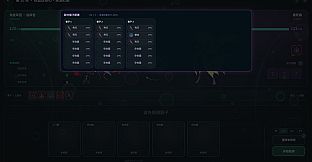

DICE EXPEDITION is a strategy game that places players in command of an immune squad fighting pathogens inside the human body. The title combines dice-building mechanics with tactical preparation, where every decision about dice faces and rolls shapes the outcome of each encounter. Set across a series of stages, the experience focuses on adapting configurations to overcome different threats rather than relying on chance alone.
Gameplay
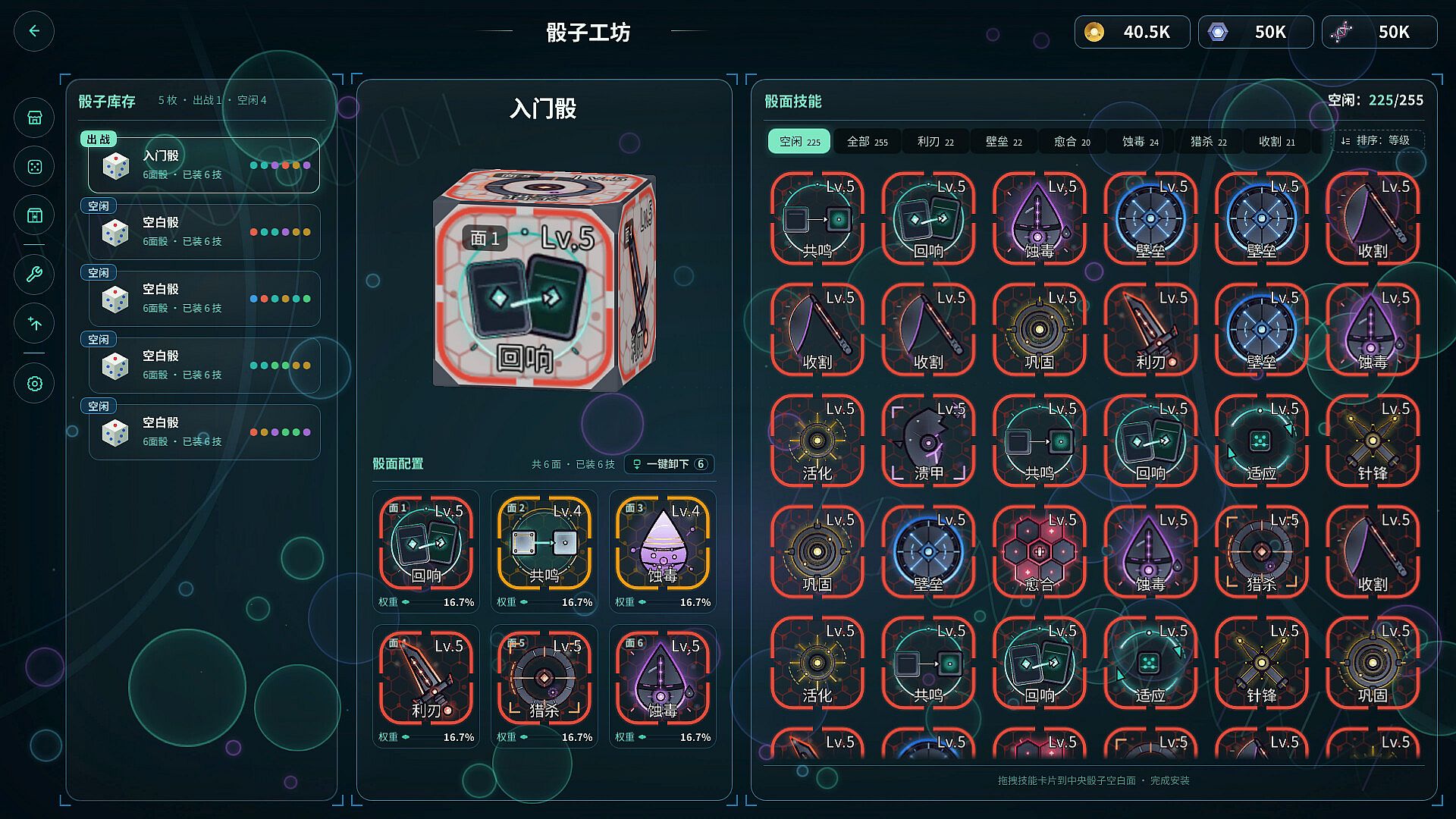
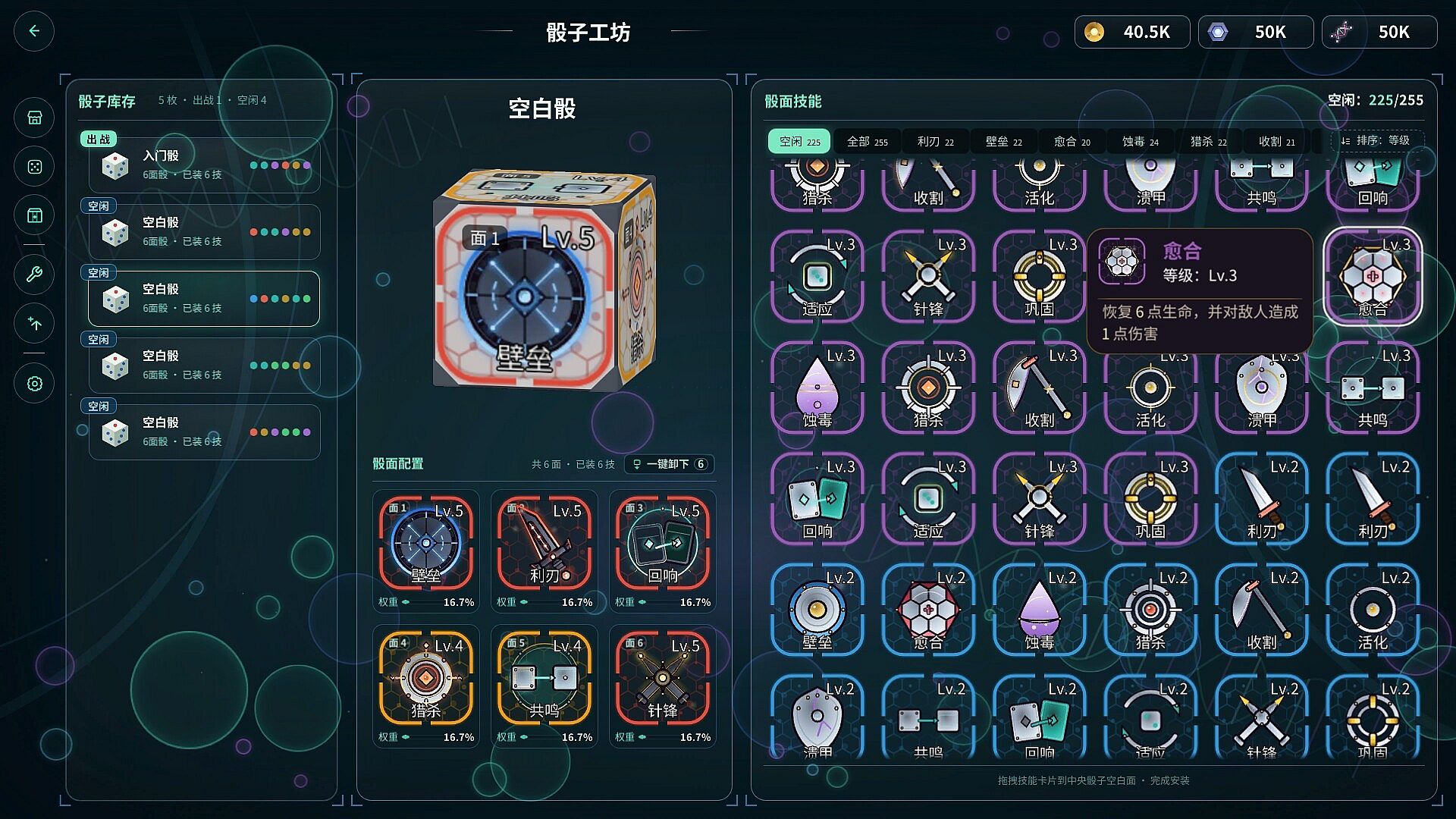
Core play revolves around building and refining a set of dice in a workshop before heading into battle. Each die receives skills assigned to its faces, allowing combinations of attacks, defense, healing, status effects, and chain reactions to form the foundation of a personal strategy. Different face assignments open new options during fights, so adjustments happen based on the specific pathogen ahead.
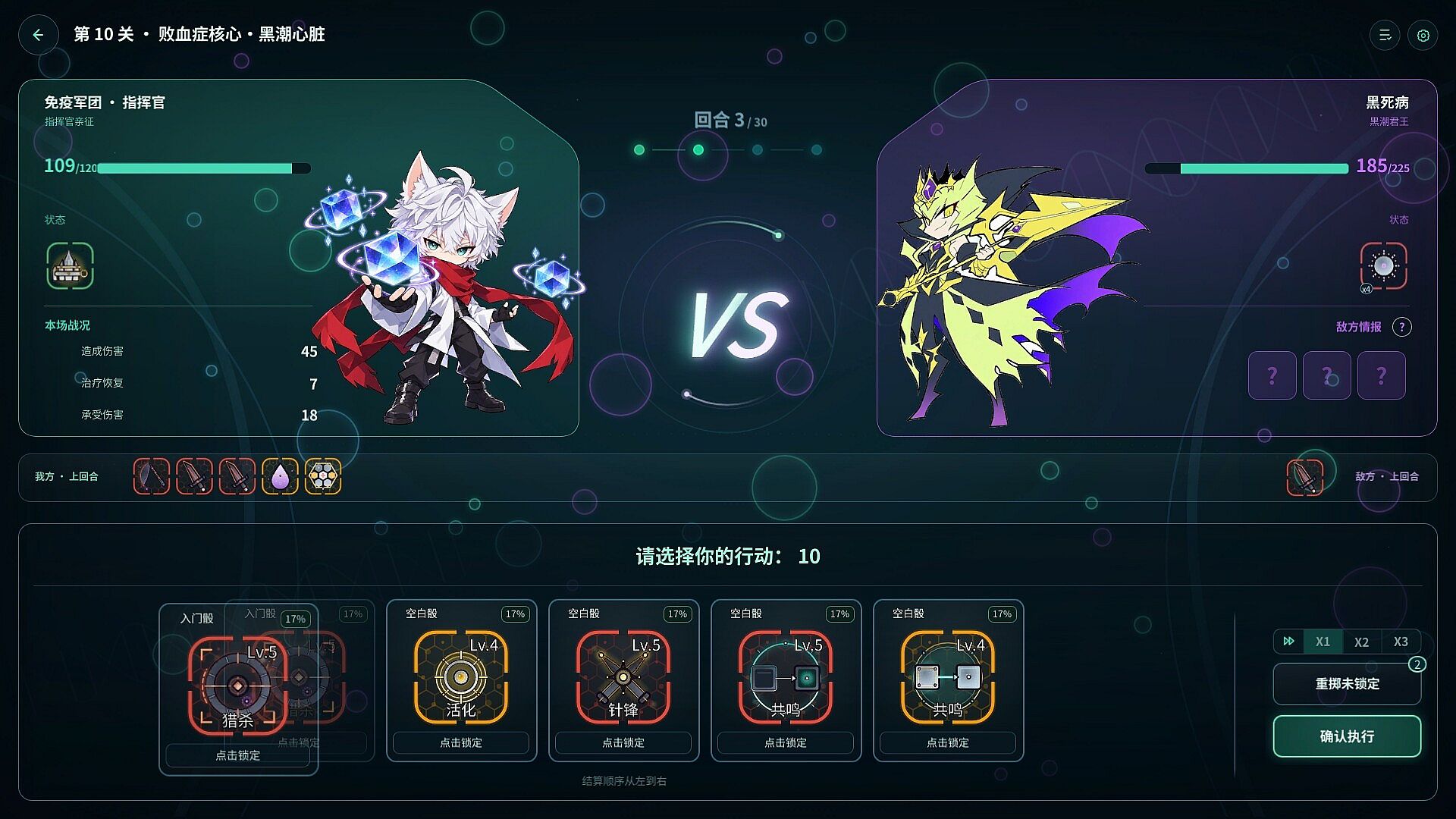
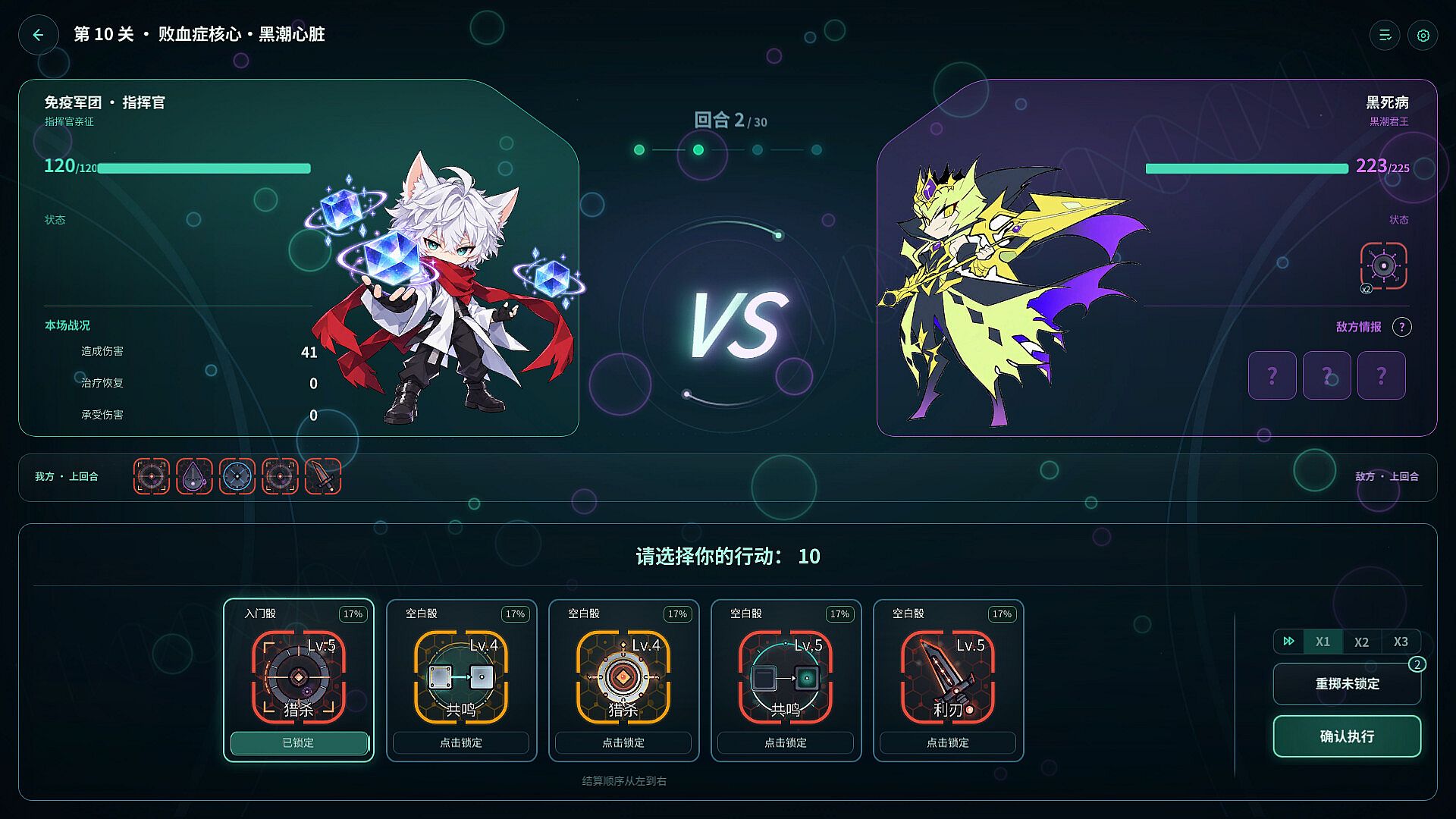
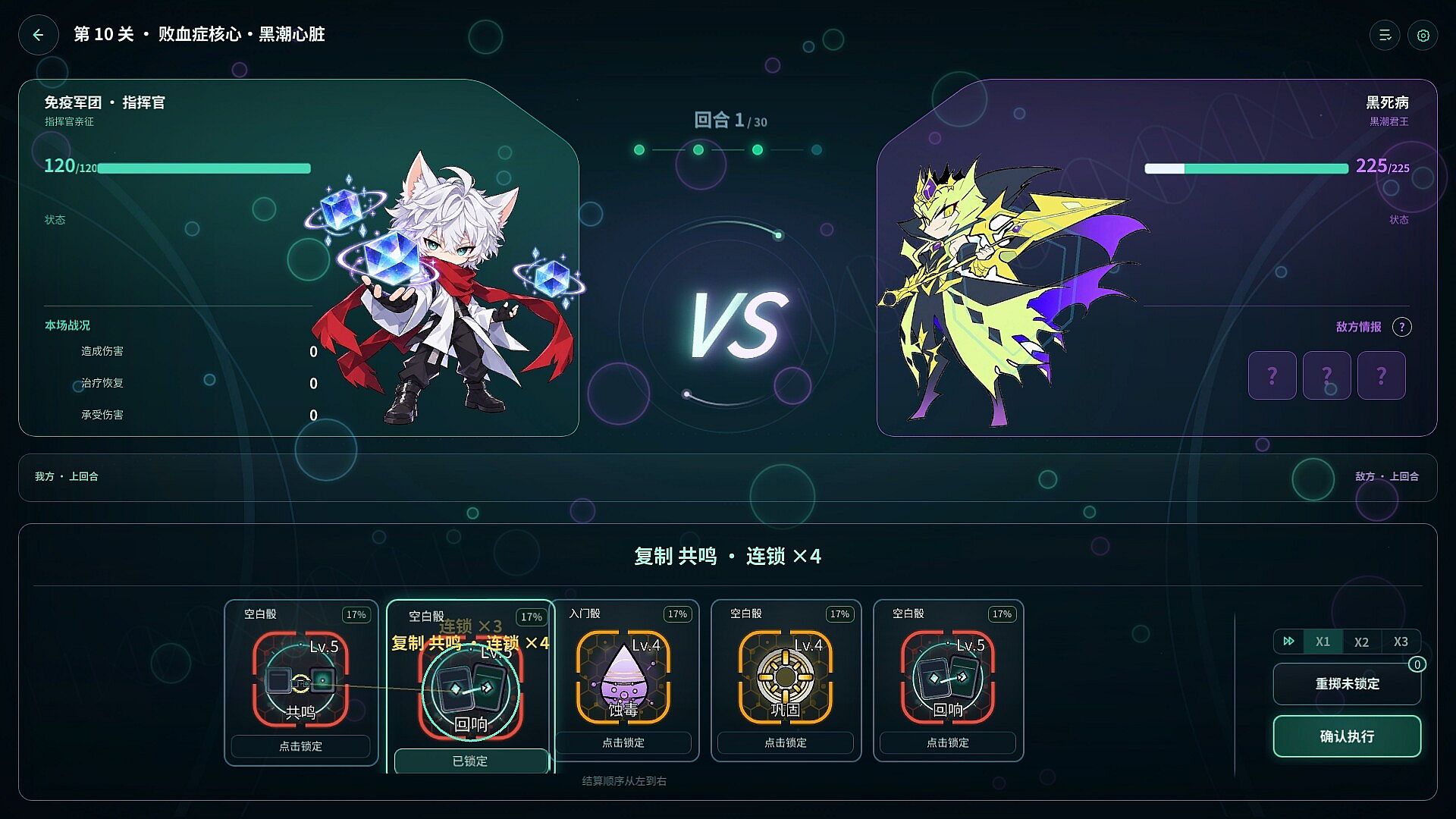
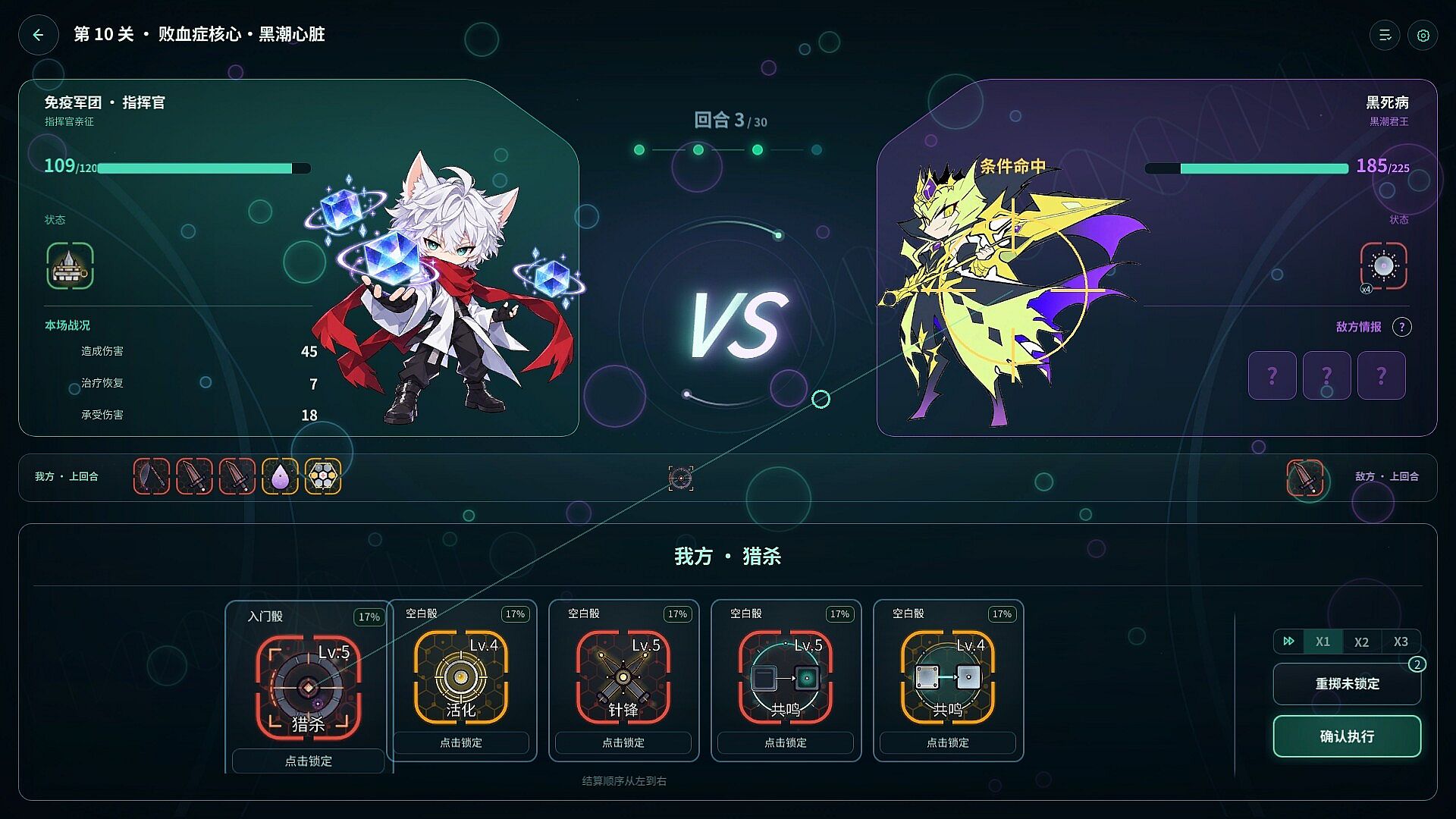
Combat begins with a roll of the dice. Players then choose which faces to lock in place and which to reroll, creating a layer of control over the results. Once actions are confirmed, the dice resolve in sequence and trigger their assigned effects. Preparation in the workshop, the faces kept after the roll, and the timing of resolution all influence success, turning the system into one where foresight matters as much as the outcome of any single throw.
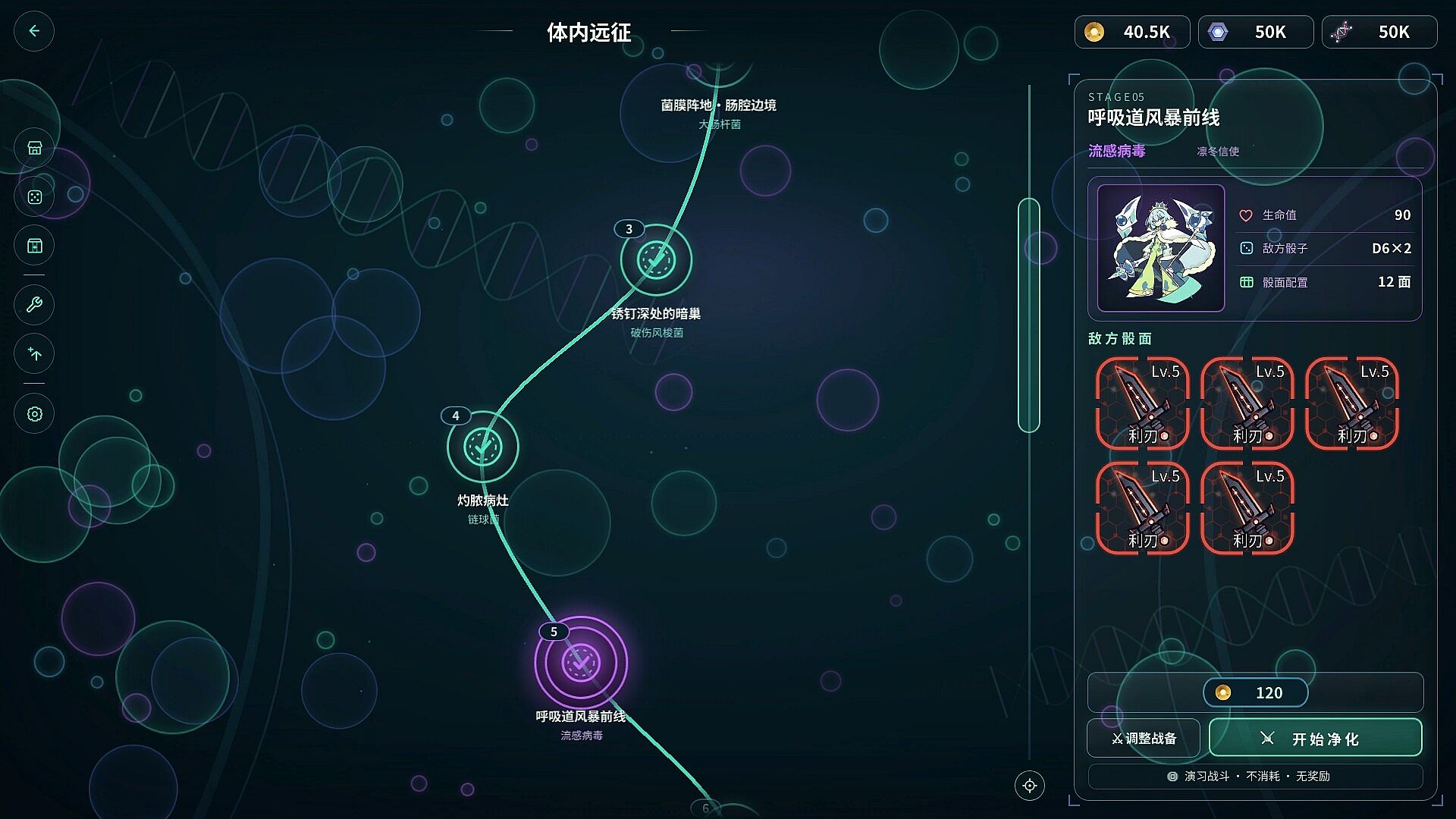
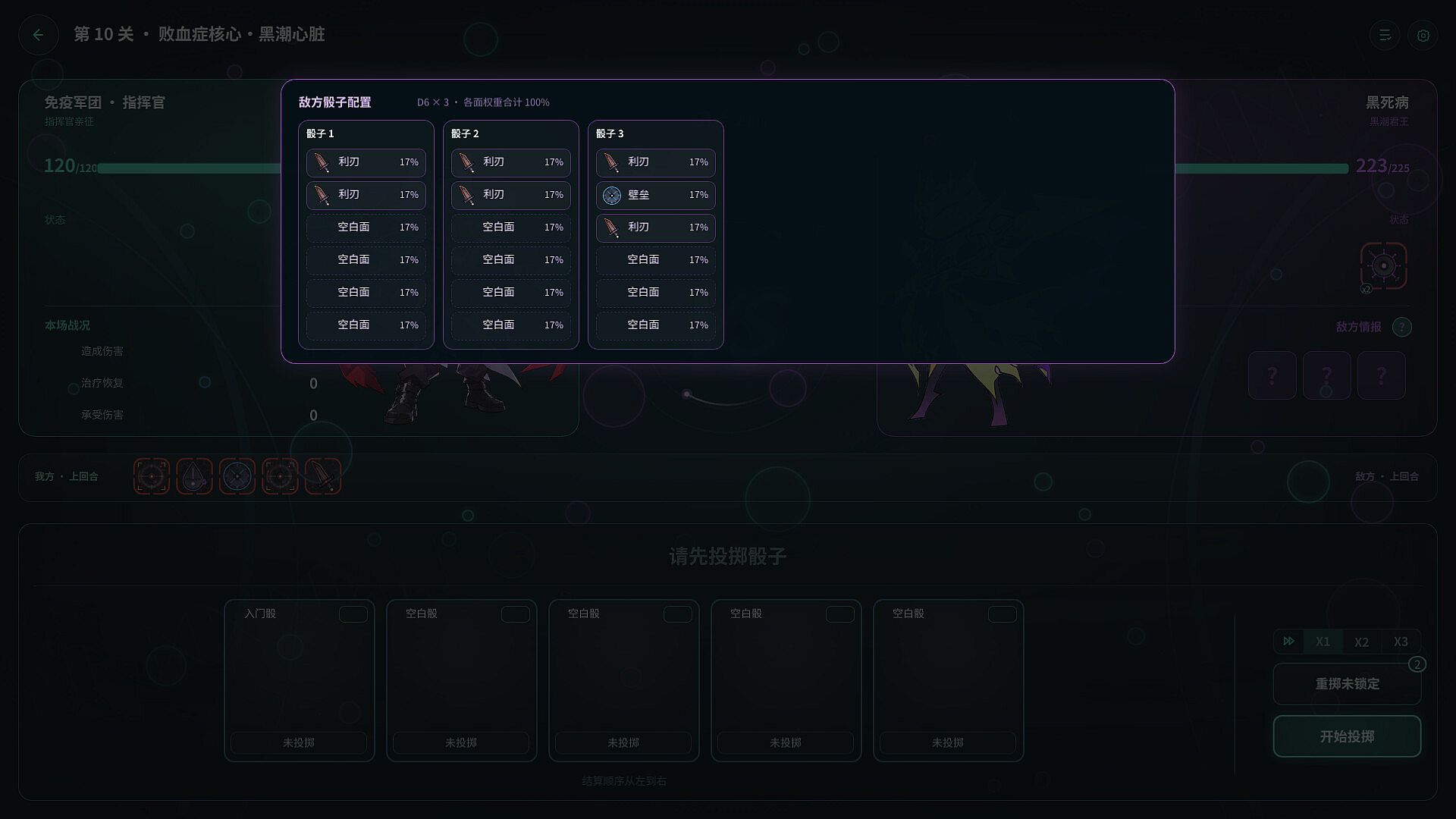
Progression moves through stages that introduce varied pathogens. Each encounter requires study of enemy behavior followed by targeted tweaks to the dice setup. Between fights, players return to the workshop to reshape configurations and test new skill combinations that align with emerging challenges.
Game Modes
The game structures its content around sequential stages that escalate in difficulty and introduce new enemy types. This stage-based format encourages repeated runs as players refine their dice builds to handle shifting threats more efficiently. No separate multiplayer or competitive modes appear in the available details, keeping the focus on single-player tactical progression through the body's internal battles.
Within each stage, the loop of preparation, rolling, locking, and resolving repeats until the pathogen is defeated. Success opens the next area while failures send players back to adjust their dice faces and skill placements. The absence of named sub-modes keeps the experience centered on iterative buildcrafting against a roster of distinct foes.
Building Effective Dice
Success depends on thoughtful assignment of skills across die faces. Attacks deal direct damage, defense mitigates incoming threats, healing sustains the squad, and status effects or chains create ongoing advantages. Experimentation reveals how certain combinations interact during resolution, rewarding players who anticipate enemy patterns rather than relying on random rolls.
The workshop serves as the central hub for iteration. Here, dice can be reconfigured entirely between stages, allowing a shift from aggressive setups to more balanced or defensive ones as needed. This flexibility supports multiple approaches to the same stage, giving the strategy depth without requiring external resources or additional content.
Is It Worth Playing?
Players who enjoy deliberate strategy games built around resource management and adaptation will find a strong match in the dice-building loop. The emphasis on pre-battle configuration and in-combat decision-making rewards careful planning and repeated experimentation with skill placements. Those seeking fast-paced action or social multiplayer elements may find the stage-focused structure less engaging.
The game remains available on PC with its core systems intact as described. Its appeal lies in the tactile control over dice outcomes and the satisfaction of discovering effective builds against progressively tougher pathogens. For fans of turn-based tactics that blend preparation with execution, the title offers a focused experience centered on personal strategy rather than broad exploration or narrative depth.